
1 Michelin Star
Our verdict
In Diferente reads Porto through a contemporary Portuguese lens rather than through the city’s tourist centre. Michelin Plate recognition in 2024 and 2025 signals a serious kitchen, with Angélica Salvador working across Portuguese and international references, fish from Matosinhos and Aveiro, local meats, and two tasting-menu formats shaped for a polished evening rather than a casual drop-in.

Pearl is the En Primeur Club membership app — saves, bookings, and concierge access live there. Same editors, same standards.
- Address
- R. Dr. Sousa Rosa 23, 4150-719 Porto, Portugal
- Phone
- +351 911 033 315
- Hours
- Mon ClosedTue–Fri 7–10:30 PMSat 12:30–2:30 PM, 7–10:30 PMSun Closed
- Website
- indiferente.pt
- Directions
- Get directions
- Booking
- Book on TheFork
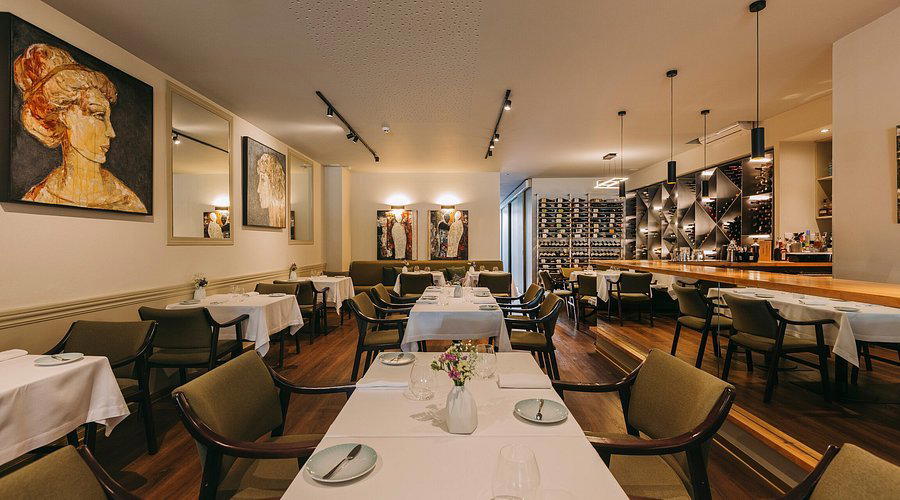
Approaching In Diferente means leaving postcard Porto behind. The city’s dining conversation often turns to its most familiar visitor routes and classic seafood rituals. This room works more quietly: outside the usual tourist circuit, built around a compact menu and tasting-menu structure rather than the long, performative abundance that still defines many Portuguese tables.
That matters. Porto has become increasingly fluent in contemporary dining, but its strongest restaurants are still judged by local grammar: ingredients with regional identity, desserts that understand Portuguese sweetness without nostalgia, and service able to translate it for international guests. In Diferente sits within that shift, not by rejecting Portuguese tradition, but by editing it into a shorter, more controlled format.
Portuguese produce, international technique, and a shorter Porto script
Porto’s higher-end dining scene now splits into clear lanes. There are polished international rooms such as Cafeína and hotel-backed dining rooms such as Flor de Lis by Vila Foz, useful reference points for understanding the city beyond taverns and seafood counters. There are also contemporary wine-led formats across the city, where Porto’s relationship with the Douro shapes the meal. In Diferente belongs to the intimate end of that spectrum, where editing choices matter as much as produce.
The restaurant’s recognition places it in a useful category: a cosy address outside the centre and beyond the habitual tourist routes, but one that is still described as genuinely worth seeking out. That middle ground matters in Porto, where ambitious cooking does not need white-tablecloth gravity. The format centres on two tasting menus, Homenagem and In Diferente, described as seven and nine moments respectively, with pairing options and room to alter a dish when needed. That flexibility prevents the experience from becoming doctrinaire, useful in a city where hospitality still values accommodation.
Chef Angélica Salvador’s Brazilian origin adds another layer, though the interest is not biography alone. Porto has long absorbed outside influence through trade, migration, and appetite, and contemporary Portuguese cooking is strongest when exchange feels normal rather than decorative. Here, the reference points are Portuguese and international, with a small menu and two contemporary tasting menus shaping the experience. The details point to a kitchen moving between recognisable Portuguese cues and wider accents without turning the meal into fusion theatre.
Where Porto's old appetite meets its contemporary tasting-menu culture
Portuguese dining has always been generous, but in Porto generosity is not only volume. It is directness: ingredients treated with respect, savoury cooking handled confidently, sweets that remember sugar’s place in the country’s history. The contemporary tasting menu changes the pace. Instead of a table crowded with platters, the meal becomes sequenced, quieter, and dependent on rhythm. In Diferente’s two-menu structure reflects Porto’s evolution, accommodating diners who want Portuguese flavours with the compression and timing of modern European dining.
This separates the restaurant from more traditional Porto references. Those addresses speak to another local appetite, shaped by hearty plates, familiar rooms, and vernacular comfort. In Diferente belongs to the city’s contemporary layer: less about recreating the lunch table than translating Portuguese and international ideas into a composed evening.
The compact format is telling. Porto diners understand quality quickly, and a shorter menu leaves less room to hide. When a contemporary restaurant builds around a focused selection and tasting-menu rhythm, it binds itself to a standard that is both local and modern. Technique can travel; judgement in Porto remains direct and unsentimental.
For travellers mapping Portugal through dining, In Diferente also explains how Porto differs from other Portuguese destinations. The city has its own register: firm, product-conscious, and less dependent on spectacle than many more obvious dining circuits. Nearby and regional comparisons can show how the Douro, the Atlantic, and contemporary hotel dining now overlap without becoming the same thing, but In Diferente’s point is more intimate: a personal proposal, shaped through detail.
Who should choose this table in Porto
In Diferente suits diners who want Porto without the city-centre checklist. Its value is not theatrical scarcity or a grand room, but how the meal condenses Portuguese memory, international inflection, and a controlled format. The restaurant’s recognition gives external validation; the two-menu structure gives shape; the off-centre location filters the crowd toward diners who chose it deliberately rather than drifted past.
That makes it especially useful for a second or third night in the city. First-time visitors may still want a classic Porto meal, a wine-focused evening, and time with the city’s better-known rituals. After that, the better question is which restaurants show where Porto is going, not only what it inherited. In Diferente answers through restraint, focus, and a kitchen language that treats Portuguese tradition as material to work with, not preserve behind glass.
Readers building a wider itinerary can use Our full Porto restaurants guide for the dining map, then layer in Our full Porto hotels guide, Our full Porto bars guide, Our full Porto wineries guide, and Our full Porto experiences guide for the rest of the trip. Portugal’s broader dining range is worth reading across less obvious coordinates, including 34 and other dining rooms outside the most predictable circuits, while international comparisons show how the international category can mean anything from local reinterpretation to borderless tasting-menu technique. In Porto, this address is most persuasive when read through the former: local feeling, edited by a contemporary hand.
Frequently asked questions
Would In Diferente be comfortable with kids?
It can work for older, restaurant-savvy children, especially for a slower meal built around tasting menus. The restaurant is in Porto.
What's the vibe at In Diferente?
The mood is cosy and personal, with a dining room away from Porto’s centre and usual tourist routes, and a service style shaped by two tasting menus with optional pairing. The tone stays attentive rather than formal.
Is In Diferente award-winning?
In Diferente has received recognition describing it as a cosy restaurant outside the city centre and usual tourist routes that is genuinely worth visiting, with Angélica Salvador offering her view of traditional Portuguese and international cooking through a small menu and two contemporary tasting menus.
What should I expect cuisine-wise at In Diferente?
Expect Angélica Salvador’s contemporary view of traditional Portuguese and international cooking, offered through a small menu and the Homenagem and In Diferente tasting menus.
Pricing, Compared
Nearby venues at a similar price tier for orientation.
| Venue | Cuisine | Price | Awards | Notes |
|---|---|---|---|---|
| In DiferenteThis venue — the venue you are viewing | Modern Portuguese Seafood Fine Dining | $100–150 | 1 Michelin Star | Not listed |
| Cafeína | Portuguese Bistro | $50–100 | Michelin Plate | International |
| Flor de Lis by Vila Foz | Modern Portuguese Fine Dining | $50–100 | Michelin Plate | International |
| 34 | International | Not listed | Not listed | Not listed |
| Taberna de Libreros | International | Not listed | Not listed | Not listed |
Recognition history
Dated appearances from independent guides and award organizations, with the underlying list record or original source where available.
Michelin 1 Star
Michelin
Full recognition history (3 entries)
Michelin Plate
Michelin
Michelin Plate
Michelin
Continue exploring
More in Porto
Restaurants in Porto
Browse all →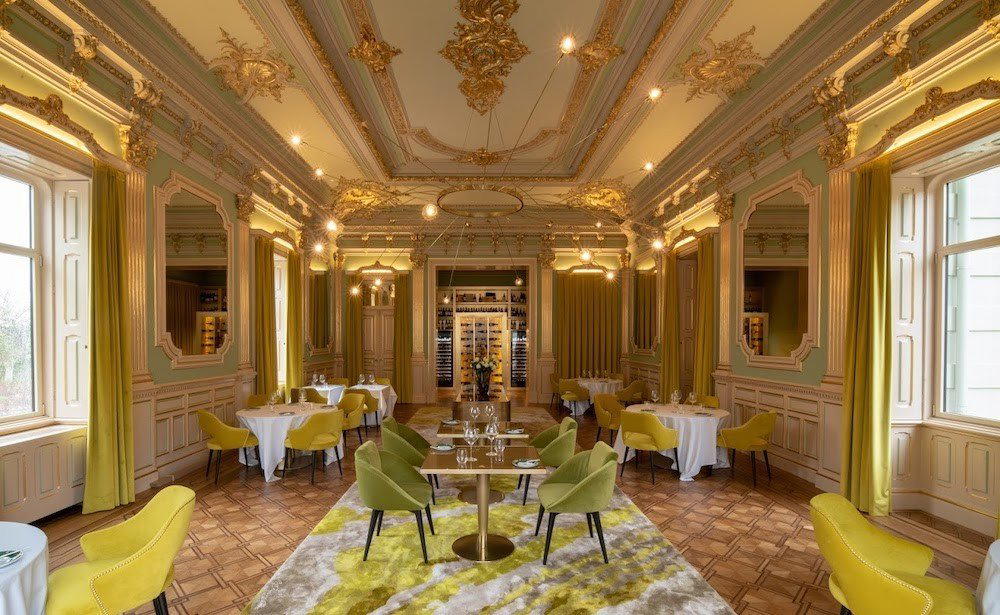
Bars in Porto
Browse all →
Hotels in Porto
Browse all →
In Diferente
The wine
- Wine program
- Exceptional wine program
- Extensive wine list
- Sommelier-led
Details
- Elegant
- Cozy
- Sophisticated
- Intimate
- Date Night
- Special Occasion
- Celebration
- Open Kitchen
- Extensive Wine List
- Sommelier Led
- Local Sourcing
- Tasting Menu
- A La Carte
- Wine
- Vegetarian Friendly
- Vegan Options
Current opening hours
- Monday
- Closed
- Tuesday
- 7–10:30 PM
- Wednesday
- 7–10:30 PM
- Thursday
- 7–10:30 PM
- Friday
- 7–10:30 PM
- Saturday
- 12:30–2:30 PM, 7–10:30 PM
- Sunday
- Closed
Hours can change for holidays and private events. Last verified .
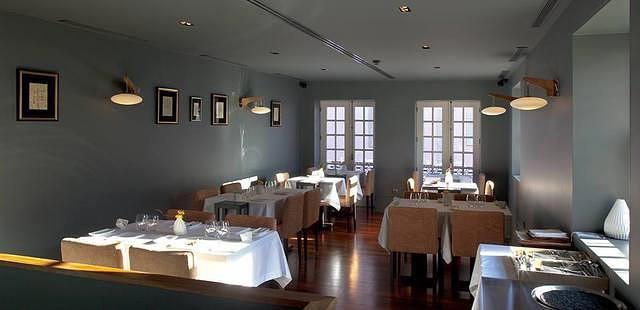
Simple, warm, refined decor with soothing, pleasant atmosphere, light piano music, elegant modern lighting, and quiet, inviting vibes.