
Michelin Plate
Our verdict
At Rua do Comércio do Porto 144, Tokkotai brings East Asian technique to Portuguese seasonal produce under the direction of Brazilian chef Paulo César. Holding a Michelin Plate for 2024 and 2025, it operates in Porto's mid-range tier with both à la carte and two tasting menu formats.

Pearl is the En Primeur Club membership app, where members save venues, book tables and use the concierge.
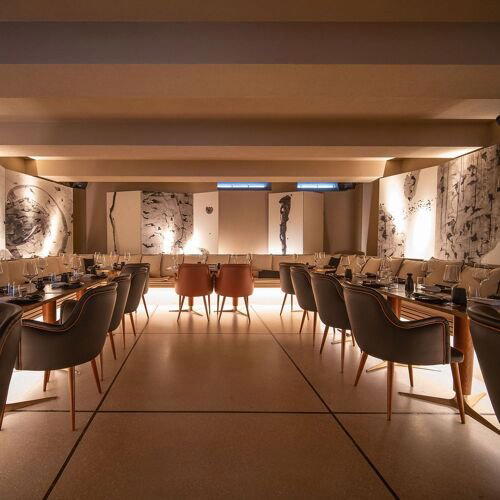
Where East Asian Technique Meets Atlantic Portugal
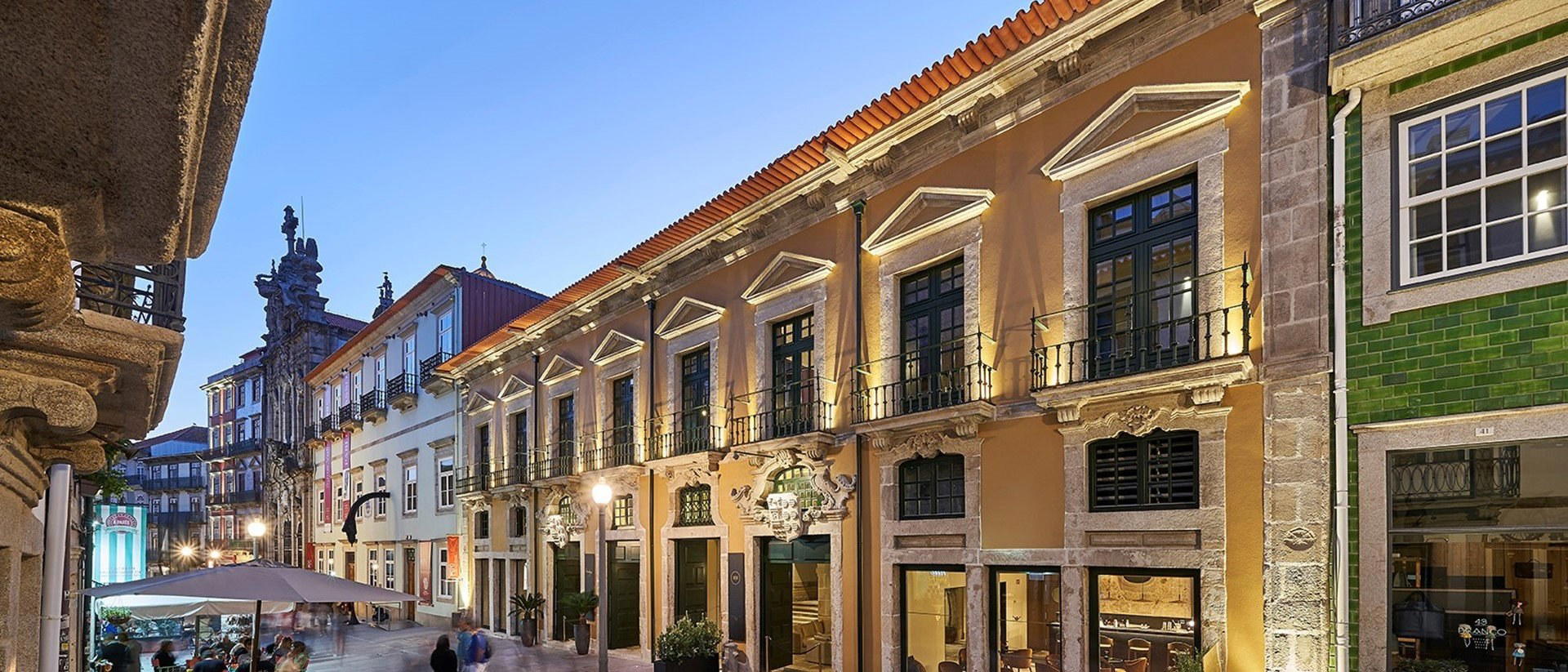
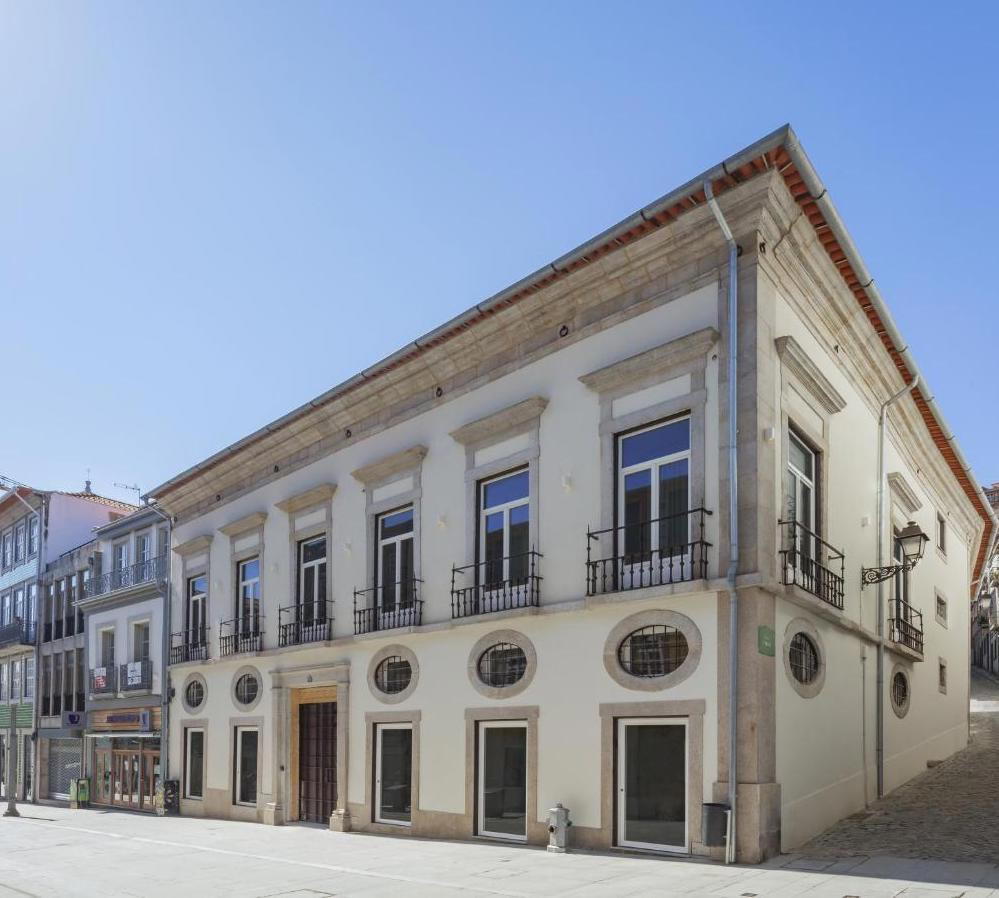
Porto's dining scene has long been organised around a core tension: a city with deep regional identity and exceptional local produce, increasingly attracting kitchens that apply methods developed far from the Douro estuary. Tokkotai, at Rua do Comércio do Porto 144, sits precisely at that intersection. The address puts it in a commercial corridor of the city centre, the kind of street where you arrive by intention rather than accident, and the interior signals immediately that this is not a restaurant built around Iberian-rustic familiarity.
The kitchen is led by a Brazilian chef working with East Asian techniques, which places Tokkotai in a specific and underexplored niche within Portugal's broader restaurant ecosystem. The conceptual logic is coherent: Brazil's culinary culture has absorbed Japanese influence more thoroughly than almost any other country outside Japan, the result of a century of Japanese immigration concentrated in São Paulo and the surrounding region. A chef shaped in that environment arrives at a Portuguese table with a different set of reference points than a European-trained counterpart, and that difference is what Tokkotai puts on the plate.
The Logic of the Menu Format
Three formats structure the experience: à la carte, a Chef's Experience tasting menu built around seasonal produce, and a Tokkotai Experience menu presenting what the kitchen considers its most representative dishes. That last format is worth noting as an editorial choice. Many tasting menus rotate fully with the season; a chef's selection that anchors on signature dishes implies a kitchen confident enough in certain preparations to commit to them as the house statement. The seasonal Chef's Experience, by contrast, allows the kitchen to chase what Atlantic Portugal's markets and coastline are delivering at any given moment, and this is where the editorial angle of the restaurant becomes most visible.
Portugal's ingredient foundations are genuinely strong. The Atlantic provides shellfish and fish of a quality that few European seaboards can match at scale. The interior and northern regions contribute vegetables, game, and fungi with distinct seasonal cycles. East Asian technique applied to these materials, rather than to imported Japanese or Korean product, is not a compromise but a proposition: that the methods, flavours, and structural approaches of Japanese cooking can extract something from Portuguese ingredients that Portuguese technique would reach differently, or not at all.
The Michelin Plate awarded in both 2024 and 2025 indicates that the proposition is landing. A Michelin Plate is not a star, but it is a signal from the guide's inspectors that the kitchen is executing at a level worth flagging. In a city where starred restaurants increasingly cluster at the upper price bands, Antiqvvm (Creative), Blind (Creative), Euskalduna Studio (Progressive Portugese, Modern Cuisine), and Le Monument (Contemporary) all occupy the €€€€ bracket, Tokkotai holds its Michelin recognition at a €€ price point, which is a notable position in the competitive set. A comparable mid-range crossover approach can be found at Kaigi, though the two kitchens arrive at the overlap between Japan and Iberia from different angles.
Porto in a Broader Portuguese and International Frame
For visitors moving between Portugal's restaurant cities, Tokkotai represents a distinct register that Lisbon's roster does not easily replicate. The starred Portuguese kitchens, Belcanto in Lisbon, Casa de Chá da Boa Nova in Leça da Palmeira, The Yeatman in Vila Nova de Gaia, Vila Joya in Albufeira, Ocean in Porches, and Il Gallo d'Oro in Funchal, mostly operate within European fine dining grammar, even when using Portuguese produce as the centrepiece. The Japanese-Brazilian synthesis at Tokkotai occupies territory those kitchens do not claim.
In a Tokyo context, the precision-led kitchens of Myojaku and Azabu Kadowaki represent the source tradition that Tokkotai works from at a significant remove. The comparison is instructive not because Tokkotai is attempting to replicate a Tokyo experience in Porto, but because it shows how far a technique-led approach can travel when it encounters genuinely different raw materials. The Atlantic cod, the barnacles, the clams endemic to this coastline, these are not ingredients the Tokyo tradition was built around, and the encounter produces something that belongs to neither tradition entirely.
Practical Notes for Planning a Visit
Tokkotai sits at €€, which in Porto's current pricing environment means it is accessible relative to the city's fine dining tier without operating at the casual end of the market. The cocktail program is acknowledged in the restaurant's Michelin citation as an extension of the kitchen's technical approach rather than a secondary offering, which makes it worth treating as part of the full experience rather than something to skip in favour of wine. For those building a Porto eating itinerary, pairing Tokkotai with one of the city's progressive Portuguese kitchens, Euskalduna Studio and Antiqvvm operate at a higher price point but demonstrate how seriously Porto takes the question of what contemporary Portuguese cooking can mean, gives a productive contrast. Explore the full picture of what the city offers through our Porto restaurants guide, and extend your planning to hotels, bars, wineries, and experiences across the city.
Frequently asked questions
Is Tokkotai reservation-only?
Tokkotai's contact and booking details are not listed publicly at this time. Given the restaurant's Michelin Plate recognition in both 2024 and 2025 and its two tasting menu formats, booking ahead is the practical approach, walk-in availability at this level of Porto dining tends to be limited, particularly on weekends.
Comparable Spots
| Venue | Cuisine | Price | Awards | Notes |
|---|---|---|---|---|
| TokkotaiThis venue (the venue you are viewing) | Modern Japanese Fusion | $50–100 | Michelin Plate | Not listed |
| Euskalduna Studio | Modern Fusion Tasting Menu | $100–150 | 1 Michelin Star · La Liste Top Restaurants | Progressive Portugese, Modern Cuisine |
| Pedro Lemos | Contemporary Portuguese Fine Dining | $100–150 | 1 Michelin Star · La Liste Top Restaurants | Modern European, Contemporary |
| Almeja | Contemporary Portuguese Fine Dining | $50–100 | Michelin Plate · We're Smart World 1 Radish | Portugese, Contemporary |
| Antiqvvm | Modern Mediterranean Fine Dining | $200–300 | 2 Michelin Stars · La Liste Top Restaurants | Creative |
| Le Monument | Modern Portuguese Fine Dining | $150–200 | 1 Michelin Star · La Liste Top Restaurants | Contemporary |
Recognition history
Dated appearances from independent guides and award organizations, with the underlying list record or original source where available.
Michelin Plate
Michelin
Full recognition history (3 entries)
Michelin Plate
Michelin
Michelin Plate
Michelin
Continue exploring
More in Porto
Restaurants in Porto
All restaurants in Porto →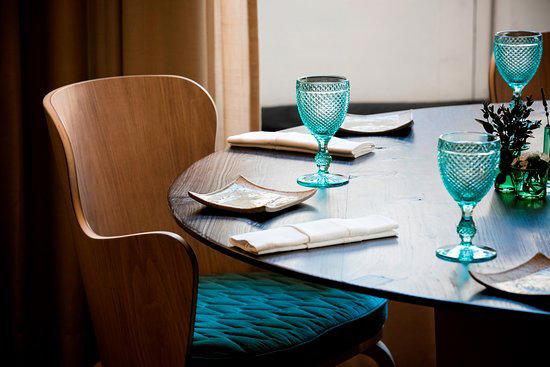
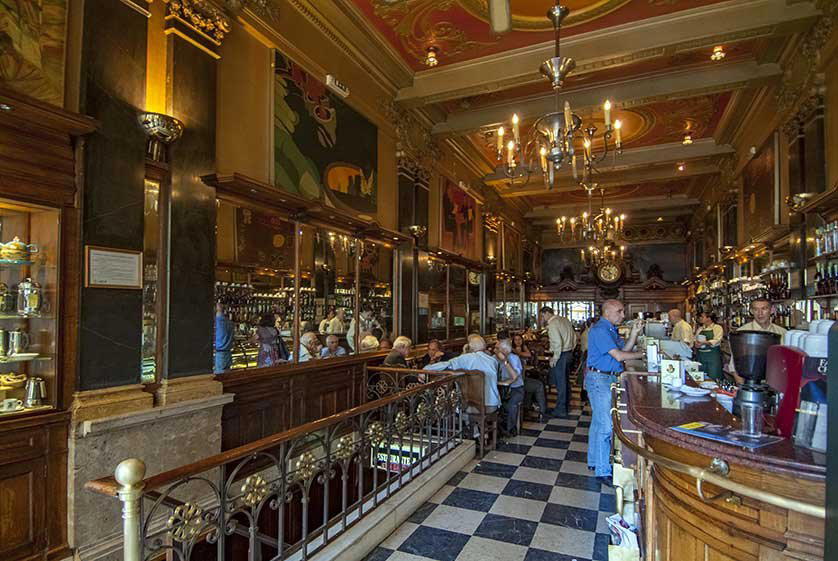
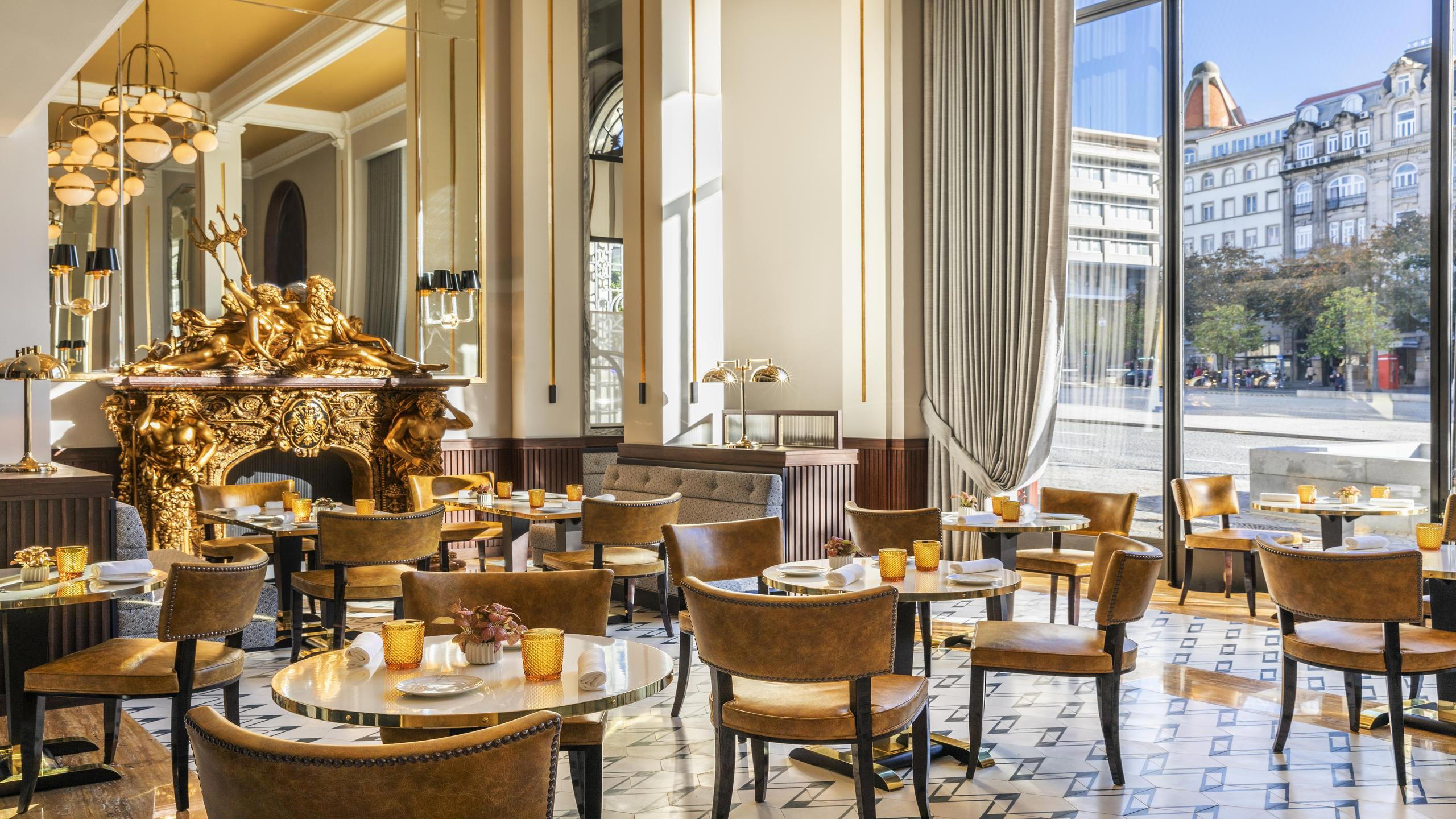
Bars in Porto
All bars in Porto →

Details
- Elegant
- Modern
- Intimate
- Sophisticated
- Date Night
- Special Occasion
- Business Dinner
- Chefs Counter
- Open Kitchen
- Extensive Wine List
- Tasting Menu
- A La Carte
- Counter Dining
- Vegetarian Friendly
Current opening hours
- Monday
- 12:30–3:30 p.m., 7 p.m.–12 a.m.
- Tuesday
- 12:30–3:30 p.m., 7 p.m.–12 a.m.
- Wednesday
- 12:30–3:30 p.m., 7 p.m.–12 a.m.
- Thursday
- 12:30–3:30 p.m., 7 p.m.–12 a.m.
- Friday
- 12:30–3:30 p.m., 7 p.m.–1 a.m.
- Saturday
- 6 p.m.–1 a.m.
- Sunday
- 7 p.m.–12 a.m.
Hours can change for holidays and private events. Hours as of .
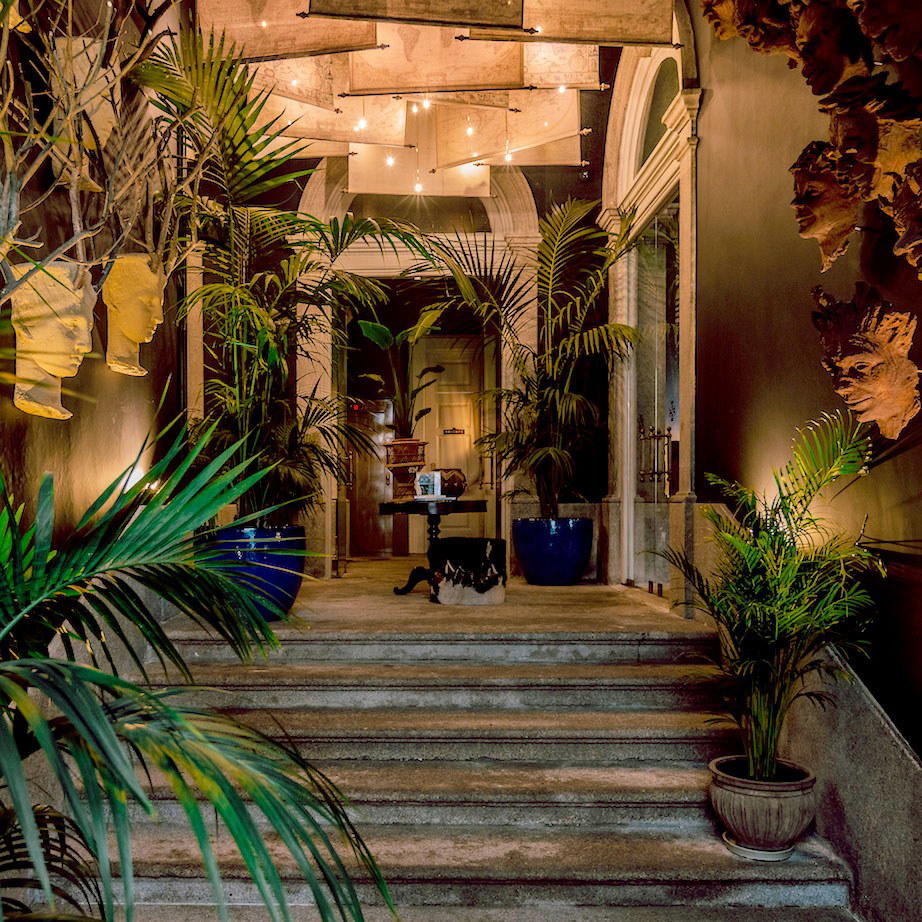
Sleek, contemporary atmosphere with beautiful decor, polished presentation, warm lighting, and an elegant yet lively feel, though occasionally loud with music.