
Kabuki belongs to Tokyo’s quieter cafe tier: small-format, chocolate-focused, and disciplined rather than decorative. Its Tabelog Cafe EAST 100 selection for 2025 and compact 15-seat setup place it in the serious end of the city’s low-spend cafe culture, where restraint, rules, and pacing matter as much as the cup or plate.
Pearl is the En Primeur Club membership app — saves, bookings, and concierge access live there. Same editors, same standards.
- Address
- 1 Chome-12-12 Misuji, Taito City, Tokyo 111-0055, Japan
- Phone
- +81 3-5809-3918
- Website
- kabukiyusuke.com
 Saves & bookings on Pearl
Tokyo’s serious cafe culture often announces itself through subtraction. Stronger rooms are not built around laptop sprawl, all-day grazing, or visual noise; they narrow the terms of the visit. In Misuji, between Kuramae’s craft-retail drift and Taito’s older commercial grain, Kabuki belongs to that smaller category: a compact cafe and chocolate address where tempo is controlled and value lies less in abundance than concentration.
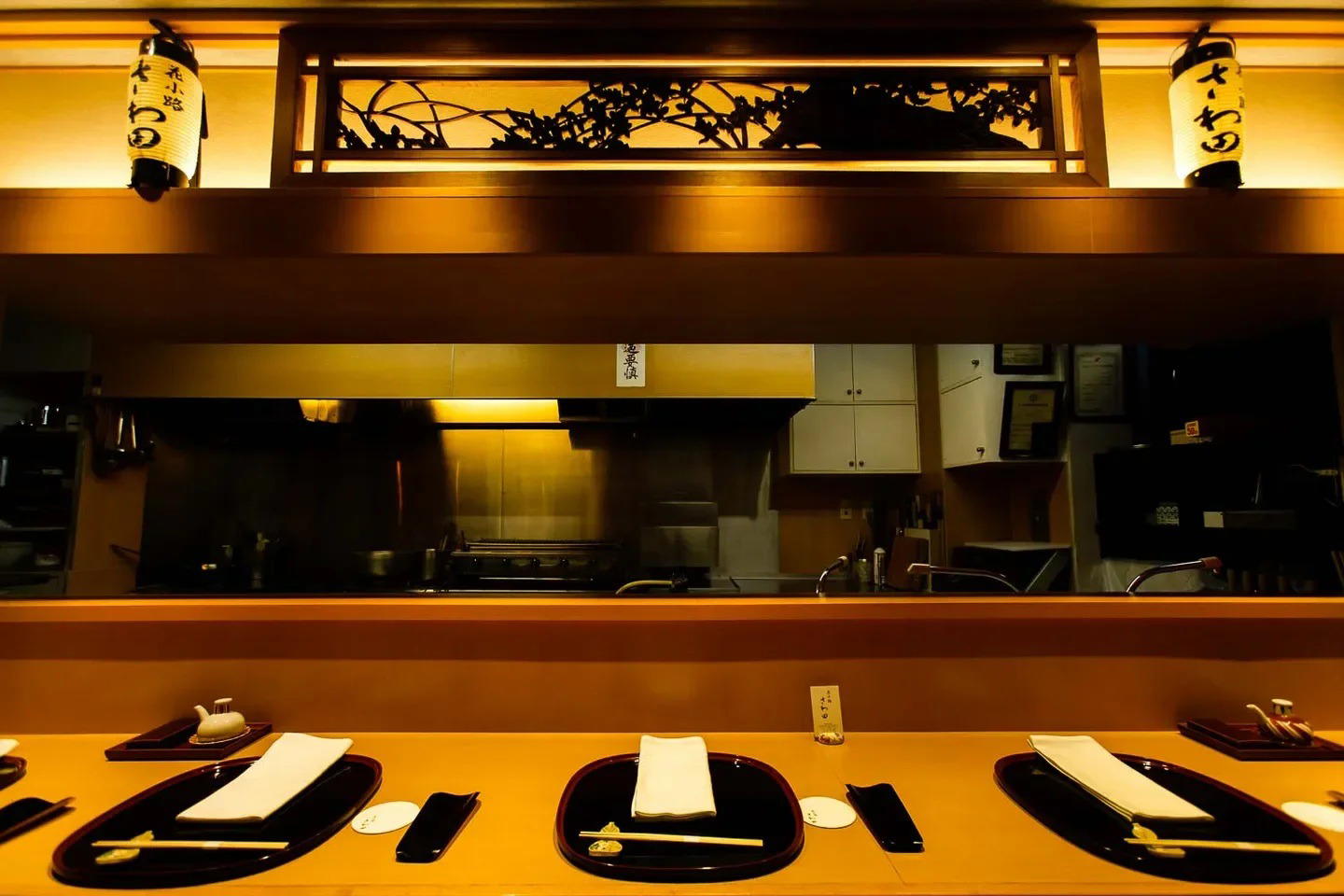
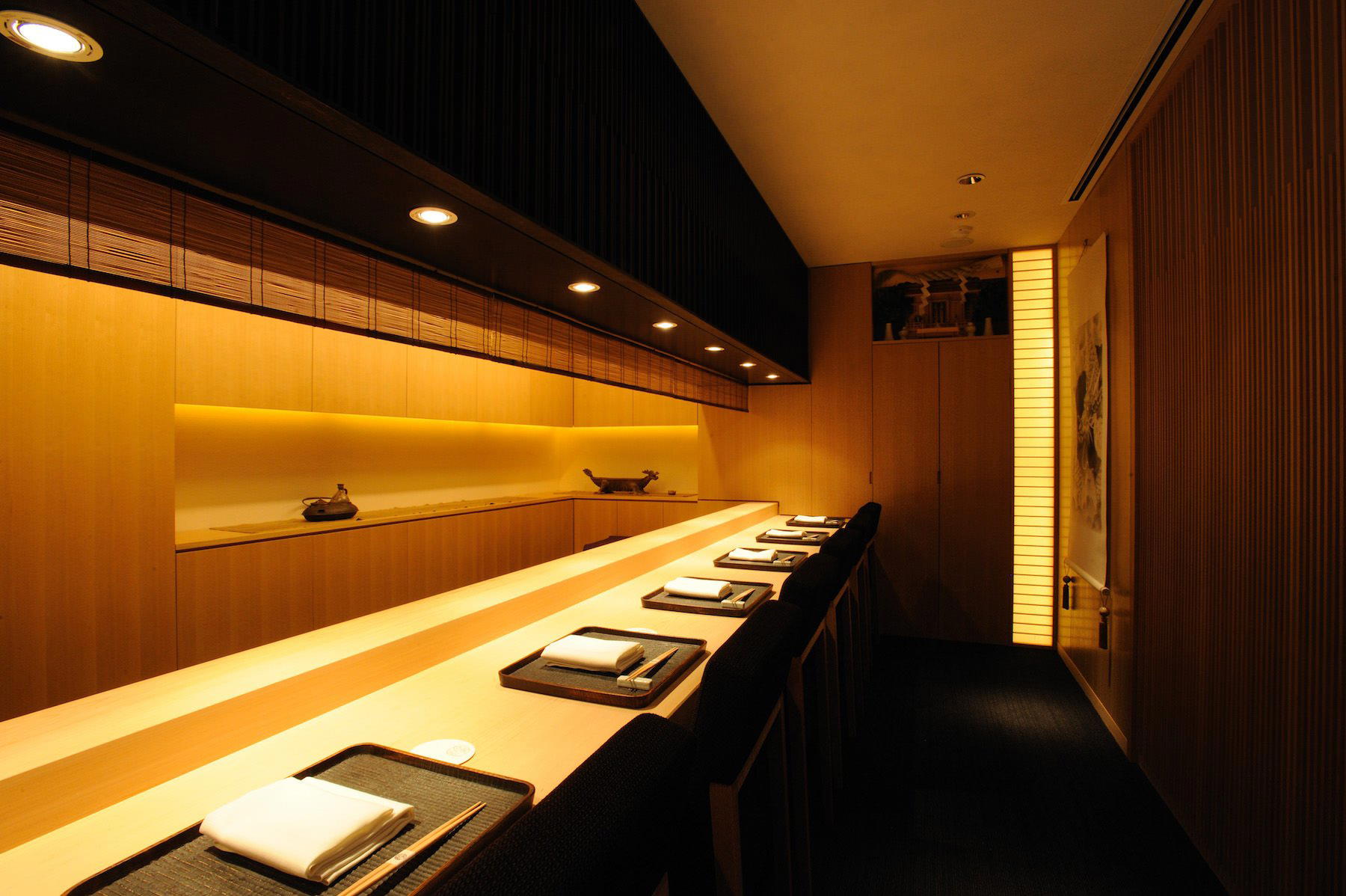
That distinction matters in a city where cafes mean many things: tobacco-era kissaten, new-wave coffee bars built around beans and equipment, dessert salons trading on seasonal polish, and chocolate specialists where a short visit can carry the weight of a tasting counter. Kabuki sits closer to the latter camp. Its selection for Tabelog Cafe EAST 100 in 2025 gives it a public signal inside a crowded category, but the clearer evidence is operational: 15 seats split between counter and tables, no private rooms, no private use, and house rules rejecting laptop working, large groups, and indoor photography.
A small-room cafe model built around focus, not dwell time
The Tokyo cafe scene has bifurcated. One side favors high-throughput rooms designed for turnover, social media, and flexible use; the other favors compact specialist spaces asking guests to accept a narrower contract. The second model can feel austere to visitors used to casual cafe freedom, but it is where modest spending can buy a deliberate experience. Kabuki’s cafe-and-chocolate identity fits that bracket: the format asks for attention, not long occupation of a table.
Those rules are not incidental etiquette. A ban on PC use turns the room from workspace into tasting space. A restriction on parties larger than three protects a layout where 8 counter seats and 7 table seats leave little slack. A no-photography policy shifts emphasis from documentation back to service rhythm. None of this makes the address easier for every traveler; it clarifies the proposition. This is a short, intentional stop, not a catch-all cafe for emails, children, group planning, or content capture.
The value case is strongest for travelers who understand how Tokyo prices attention. Compared with the city’s expensive counter restaurants, a serious cafe or chocolate room can offer craft, pacing, and a defined point of view at far lower spend. Compared with casual chains, the trade-off is autonomy: fewer seats, fewer uses, and less tolerance for improvisation. The appeal is not that it gives more; it gives less distraction.
Kuramae-adjacent cafe culture has become a craft corridor
Kuramae and the surrounding Taito grid have spent the past decade absorbing a particular Tokyo leisure mode: small workshops, coffee rooms, design-led retail, and dessert counters suited to a slower afternoon rather than a department-store itinerary. The area does not behave like Ginza or Aoyama. It is lower-rise, mixed-use, and less theatrical, which is why specialist cafes feel natural here. They do not need luxury-district gloss; they rely on precision, quiet, and customers willing to travel for a narrow format.
Within that context, chocolate usefully resists the looseness of the word cafe. Chocolate-focused rooms reward sequencing, portion control, and beverage pairing rather than grazing. They also sit in a different competitive lane from Tokyo’s ramen counters and tempura rooms, even when spend overlaps at the lower end. Ramen Kai, another Tokyo address in the same accessible price band among the comparison venues, shows how much seriousness the city can compress into a short meal. DANDELION CHOCOLATE Fakutorii&kafe kuramae, also in the local cafe-and-chocolate orbit, shows that this part of Tokyo has room for chocolate as a destination category rather than a souvenir afterthought.
The comparison with higher-spend peers sharpens the point. Tempura Shimomura sits in a different register, where craft is delivered through a formal meal and higher tariff. Fakalo pizza gallery and Yashima occupy costlier dining bands than a cafe visit. Kabuki is not competing with those rooms on ceremony, courses, or occasion. It competes on the rare Tokyo equation of low financial commitment and high behavioral discipline. For the right guest, that is a better exchange than another decorative cafe with more space and less intent.
Who gets the strongest return from this stop
The strongest fit is a solo traveler or pair building a Taito afternoon around walking, coffee, dessert, and small shops rather than a reservation-led dining day. The format also suits visitors who already understand Japanese cafe etiquette: arrive ready to order, keep table use focused, and treat the room as shared infrastructure. Groups, families with children, and travelers needing a place to work should choose a looser format elsewhere.
There is a useful Tokyo-planning lesson here. Not every worthwhile food stop needs to be a major meal, and not every low-spend address should be treated casually. Some of the city’s more rewarding experiences sit in the in-between zone: too structured to be a convenience stop, too modestly priced to be a splurge, and too small to absorb careless timing. Kabuki belongs there, with Tabelog Cafe EAST 100 recognition as a sorting signal for readers seeking specialist cafe culture rather than another photogenic pause.
For broader planning, use Our full Tokyo restaurants guide alongside category-specific routes through Our full Tokyo bars guide, Our full Tokyo hotels guide, Our full Tokyo wineries guide, and Our full Tokyo experiences guide. Nearby and adjacent Tokyo dining research can also include 鮪と炭火焼き うお炭 秋葉原店, 12/10 Shinjuku ten, 124. KAGURAZAKA (Yakitori), 2D Cafe, and 3 Chome no Curry Ya San. For a wider Japan and overseas comparison file, see -Grilled beef Sukiyaki- KAMAKURA TANUKIAN 鎌倉 たぬき庵 in Kamakura.cafe in Osaka.know in Kumamoto, (Shoku) Vietnam in Kawasaki, [Curry Senmon Ten] Maruyama Kyoju. in Sapporo, [ki:] in Kyoto, Jōdo Saké Bar in Los Angeles, and Onigiri Time in Pasadena.
A Credentials Check
Comparable venues at similar price and category levels.
| Venue | Cuisine | Price | Notes |
|---|---|---|---|
| KabukiThis venue — the venue you are viewing | Not listed | $ | Not listed |
| Mendokoro Honda Akihabara honten | Modern Tokyo Ramen & Tsukemen | $ | Chiyoda |
| Karinto Kozakura | Traditional Japanese karinto & wagashi shop | $ | Taitō |
| Oniyanma Ningyouchou ten | Standing Udon Noodle Bar | $ | Chūō |
| Rice Curry Manten | Japanese Curry House | $ | Chiyoda |
| Ginza Kanra Ginza honten | Japanese wagashi & daifuku shop | $ | Chūō |
Recognition history
Dated appearances from independent guides and award organizations, with the underlying list record or original source where available.
Tabelog 100 #60 · No. 60
Tabelog · Tabelog 100 - Cafe - EAST - 2025




At a Glance
Current opening hours
- Monday
- Closed
- Tuesday
- Closed
- Wednesday
- 1–6 PM
- Thursday
- 1–6 PM
- Friday
- 1–8 PM
- Saturday
- 10 AM–6 PM
- Sunday
- 10 AM–6 PM
Hours can change for holidays and private events. Last verified .