Juniper Bistro
A Banff-area bistro drawing on the Alberta Rockies' short but serious sourcing season, Juniper Bistro occupies a quieter register than Lake Louise's hotel dining rooms. The kitchen's orientation toward regional ingredients places it within a growing Canadian movement that treats proximity as a culinary argument in itself. For travellers staying in the corridor between Banff and Lake Louise, it represents a locally grounded alternative to resort dining.
Pearl is the En Primeur Club membership app — saves, bookings, and concierge access live there. Same editors, same standards.
- Address
- 1 Juniper Way Unit 2, Banff, AB T1L 1E1, Canada
- Phone
- +14037636219
- Website
- thejuniper.com
- Directions
- Get directions
 Saves & bookings on Pearl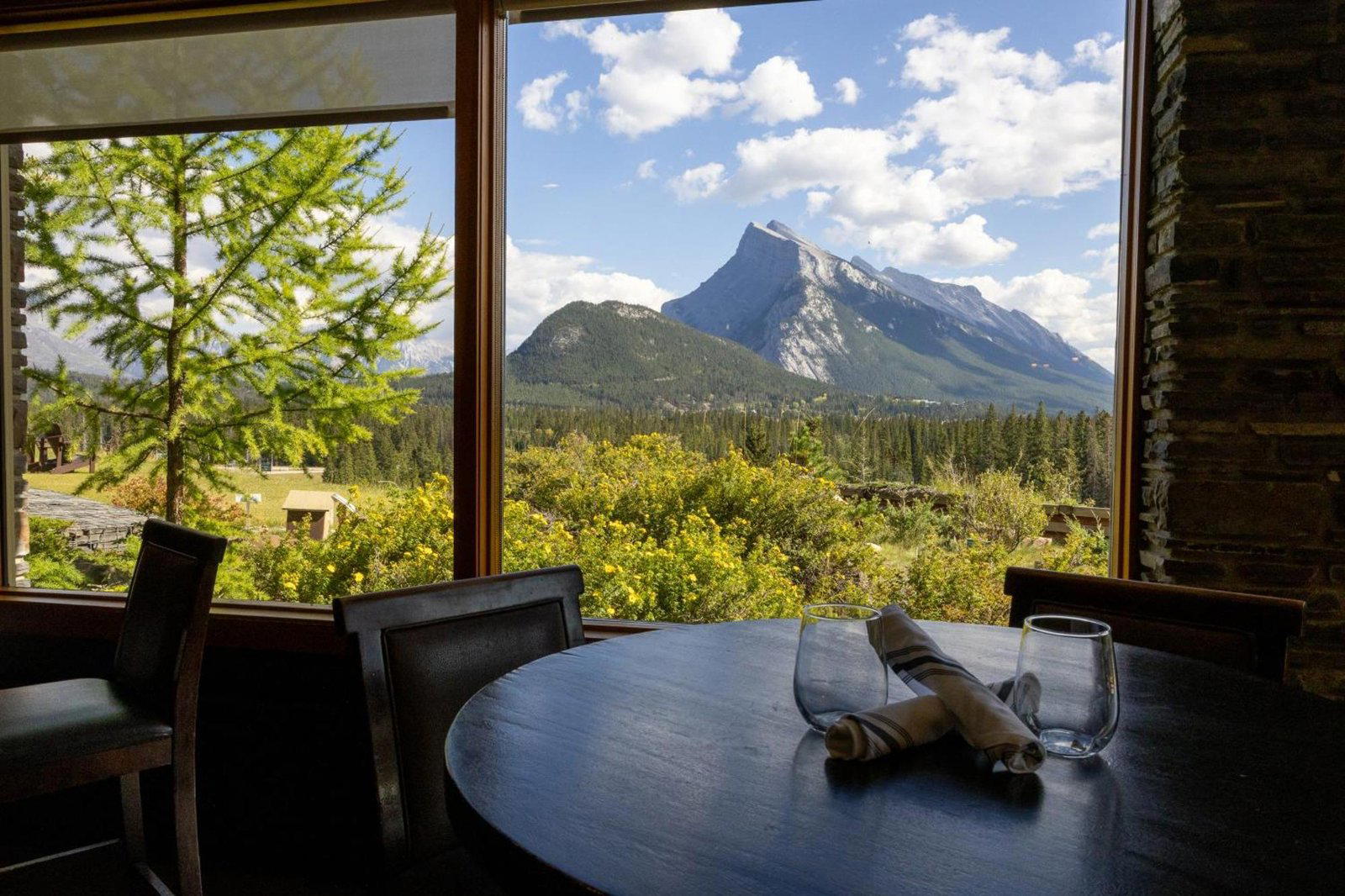
Dining at Altitude: The Case for Regional Sourcing in the Canadian Rockies
The Alberta Rockies impose hard limits on what a kitchen can source locally. The growing season is short, the geography is demanding, and the supply chains that serve urban restaurants in Calgary or Edmonton thin out considerably as you climb toward the Continental Divide. That constraint, paradoxically, has become one of the more interesting forces shaping serious dining in the Banff-Lake Louise corridor. Kitchens that commit to working within those limits tend to produce food with a legibility that resort menus, with their global reach and year-round uniformity, often lack.
Juniper Bistro, at 1 Juniper Way in Banff, is a Plant-Rich Bistro with a smart casual dress code and recommended reservations, operating within that regional sourcing framework. Its physical position, off the main tourist arteries of Banff Avenue, places it at a slight remove from the densest cluster of resort-facing restaurants, which shapes both its clientele and its pace. Visitors who find it tend to be looking specifically for something outside the standard lodge dining experience.
What Regional Sourcing Means in This Part of Alberta
Alberta's ranching tradition is among the more coherent regional food identities in Canada. Beef raised on the high plains east of the Rockies has a documented provenance and quality tier that serious Canadian kitchens from Alo in Toronto to Tanière³ in Quebec City reference when building their sourcing programs. For a kitchen operating in Banff, access to that supply chain is a geographic advantage, not an aspiration. The same applies to bison, which ranchers in southern Alberta have reintegrated into commercial farming over the past two decades, and to freshwater fish from the cold mountain lakes and rivers that define the region's ecology.
The harder sourcing challenge in the Rockies is produce. Summer farmers' markets in Canmore and Calgary bring Alberta-grown vegetables and foraged items into the supply chain for roughly four months of the year. Outside that window, kitchens face the same choices as any northern restaurant: extend the season through preservation, fermentation, and root vegetable cookery, or source from further afield and accept the distance. Particularly thoughtful operations in the region do both, using the summer flush to build larder stocks that inform the menu through winter. This approach connects the Banff-area dining scene to a broader Canadian movement visible in kitchens like AnnaLena in Vancouver and Restaurant Pearl Morissette in Lincoln, where the relationship between season, place, and plate is treated as an organizing principle rather than a marketing point.
The Bistro Format in a Resort Town
Lake Louise and Banff skew heavily toward hotel dining rooms, where scale, consistency, and a broad menu are commercial requirements. The Post Hotel & Inn and its Post Hotel Dining Room represent the high-end anchor of that hotel dining tier, with a wine cellar and a formality that aligns with the property's heritage reputation. Independent bistros occupy a different position in that ecosystem: smaller, less capitalized, and more dependent on a local and repeat-visitor base than on walk-in resort traffic.
The bistro format, when it works in a destination like this, tends to offer something the hotel dining rooms structurally cannot: a tighter kitchen focus and a menu that can shift more readily with what's available. That responsiveness is particularly visible in sourcing, where a smaller operation can build direct relationships with individual ranchers, foragers, or farmers in the Canmore and Rocky Mountain House areas in ways that a hotel kitchen feeding several hundred covers a night cannot replicate at the same granularity.
For context on how independent kitchens function within Canadian food culture more broadly, the range is wide. At one end sit destination restaurants with national profiles, like Eigensinn Farm in Singhampton or Jérôme Ferrer - Europea in Montreal. At the other sit community-facing bistros and regional tables that serve primarily as expressions of local food culture rather than as dining destinations in themselves. Juniper Bistro operates closer to the latter end of that spectrum, grounded in its specific geography rather than positioned for national recognition.
Planning a Visit: Timing and Practical Notes
The Banff-Lake Louise corridor operates on a pronounced seasonal rhythm. Summer, from late June through September, brings the highest visitor volumes and the widest availability of local produce, making it one compelling time to visit if sourcing is your primary interest. Winter draws skiers and backcountry visitors, with Ski Lake Louise as the anchor, and the dining scene contracts accordingly, with some independent operators reducing hours or closing entirely during shoulder periods. Spring and early autumn represent the quietest intervals and often particularly accessible booking windows.
The address at 1 Juniper Way places the restaurant within Banff townsite, roughly 60 kilometres from Calgary International Airport along the Trans-Canada Highway. Most visitors arrive by car, though shuttle and bus services connect Calgary to Banff year-round. Banff's pedestrian core is compact enough that within the townsite, walking between restaurants and accommodation is practical for much of the year. For those building a broader itinerary across the Canadian dining map, our full Lake Louise restaurants guide covers the corridor in more detail.
Reservation practices for independent bistros in resort towns can shift significantly by season. During peak summer weeks and major winter holidays, booking ahead by at least a week is a reasonable baseline. During shoulder periods, walk-in availability tends to improve.
Where Juniper Bistro Sits in a Wider Canadian Dining Picture
Canada's independent dining scene has grown considerably more coherent as a national identity over the past decade. Kitchens from Narval in Rimouski to The Pine in Creemore are increasingly legible within an international context, alongside institutions like Aux Anciens Canadiens in Quebec that have long anchored regional culinary identity. The common thread across particularly serious of these operations is a relationship with local supply chains that goes beyond menu language.
In the Rockies, that relationship is shaped by geography as much as philosophy. Altitude, growing-season length, and the logistics of mountain supply all push kitchens toward sourcing decisions that more temperate regions can avoid. At the level where those constraints are treated as creative material rather than obstacles, they produce food with a specificity that broader resort dining rarely achieves. Juniper Bistro's positioning within the regional independent dining tier makes it a logical stop for travellers already engaged with Canadian food culture.
For comparable approaches to ingredient-led cooking at higher price points and wider critical recognition, Le Bernardin in New York City and Atomix in New York City represent the international standard against which serious sourcing programs are often measured, while domestically, operations like Barra Fion in Burlington, Bonimi in Etobicoke, Biagio's Kitchen + Catering in Ottawa, and Bearspaw Golf Club in Calgary show the range of formats through which Canadian kitchens are exploring regional identity across different price tiers and contexts.
Quick Comparison
Comparable venues nearby, for context on price, style, and recognition.
| Venue | Cuisine | Price | Notes |
|---|---|---|---|
| Juniper BistroThis venue — the venue you are viewing | Plant-Rich Bistro | $$$ | Not listed |
| Poppy Brasserie | French-Canadian Brasserie | $$$ | Lake Louise |
| Post Hotel & Inn | Refined Regional European Fine Dining | $$$$ | Lake Louise |
| Post Hotel Dining Room | Swiss-European Fine Dining | $$$$ | Lake Louise |
| River Cafe | Seasonal Canadian fine dining | $$$ | Prince's Island Park |
| Aperí at Paggi House | Wine bar & charcuterie | $$$ | Austin |
Continue exploring
More in Lake Louise
Restaurants in Lake Louise
Browse all →
Bars in Lake Louise
Browse all →
At a Glance
- Scenic
- Cozy
- Rustic
- Elegant
- Brunch
- Special Occasion
- Group Dining
- Hotel Restaurant
- Private Dining
- Local Sourcing
- Mountain
Current opening hours
- Monday
- 8 AM–1 PM, 5:30–8:30 PM
- Tuesday
- 8 AM–1 PM, 5:30–8:30 PM
- Wednesday
- 8 AM–1 PM, 5:30–8:30 PM
- Thursday
- 8 AM–1 PM, 5:30–8:30 PM
- Friday
- 8 AM–1 PM, 5:30–8:30 PM
- Saturday
- 8 AM–2 PM, 5:30–8:30 PM
- Sunday
- 8 AM–2 PM, 5:30–8:30 PM
Hours can change for holidays and private events. Last verified .
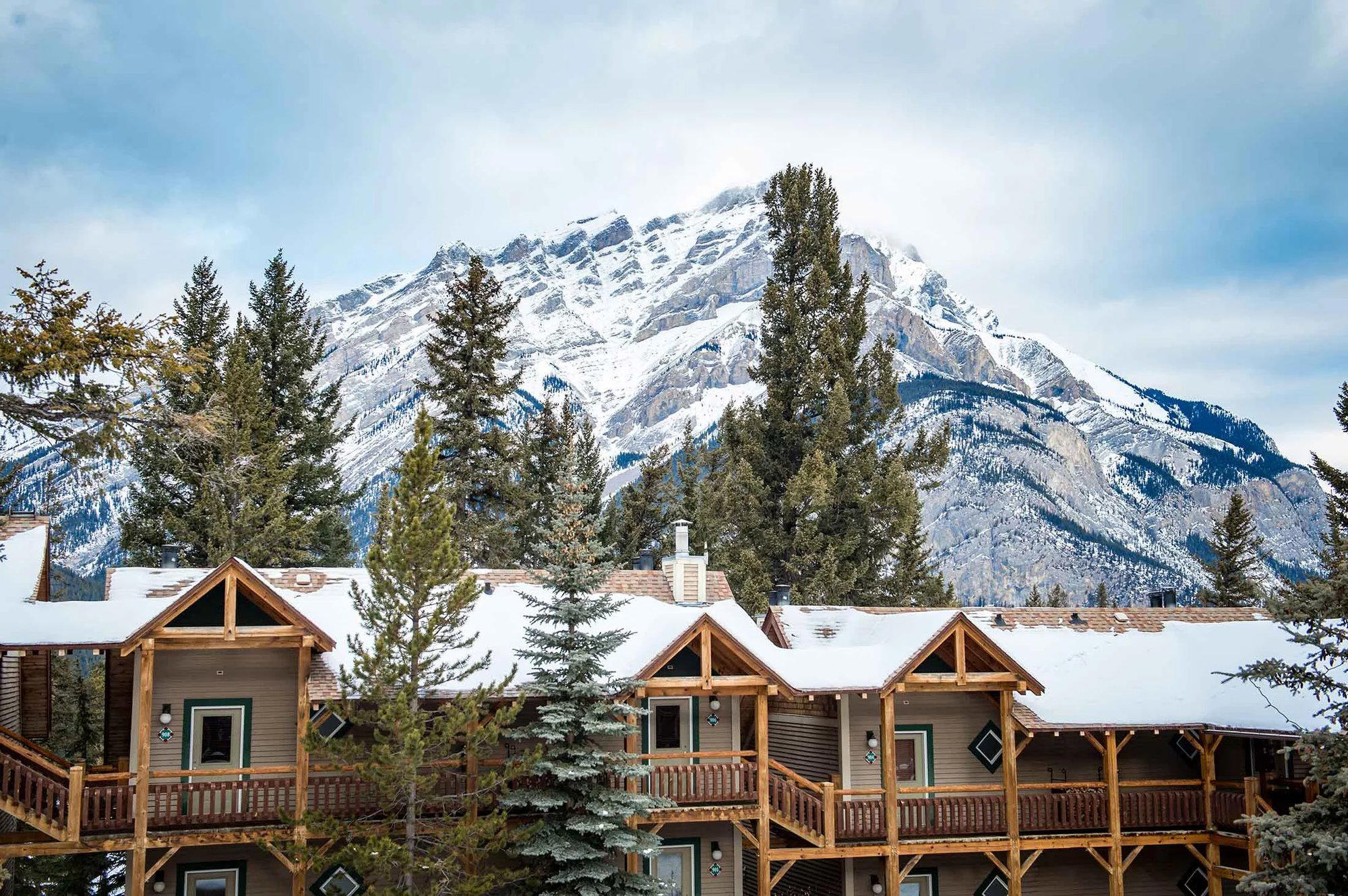
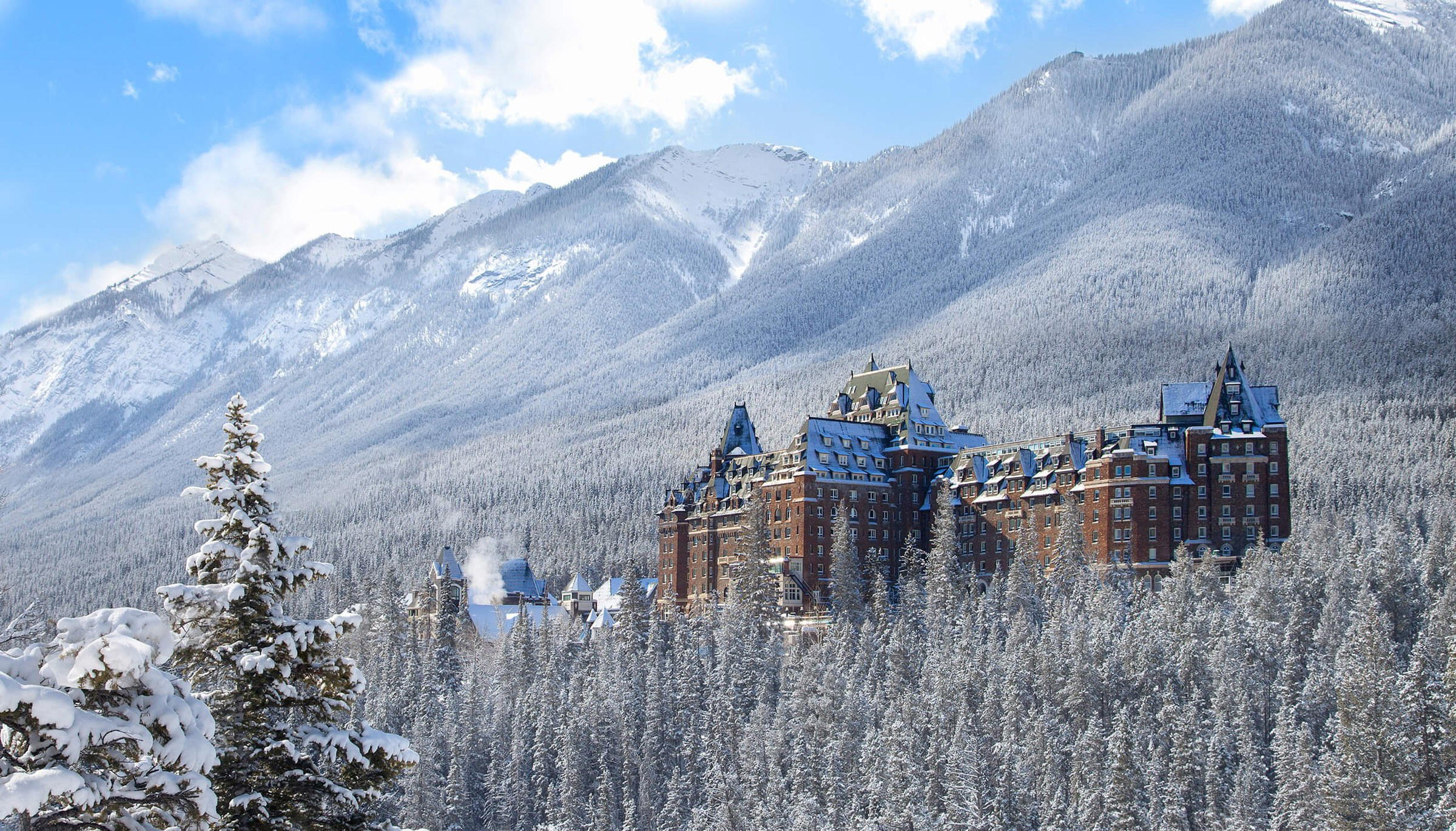
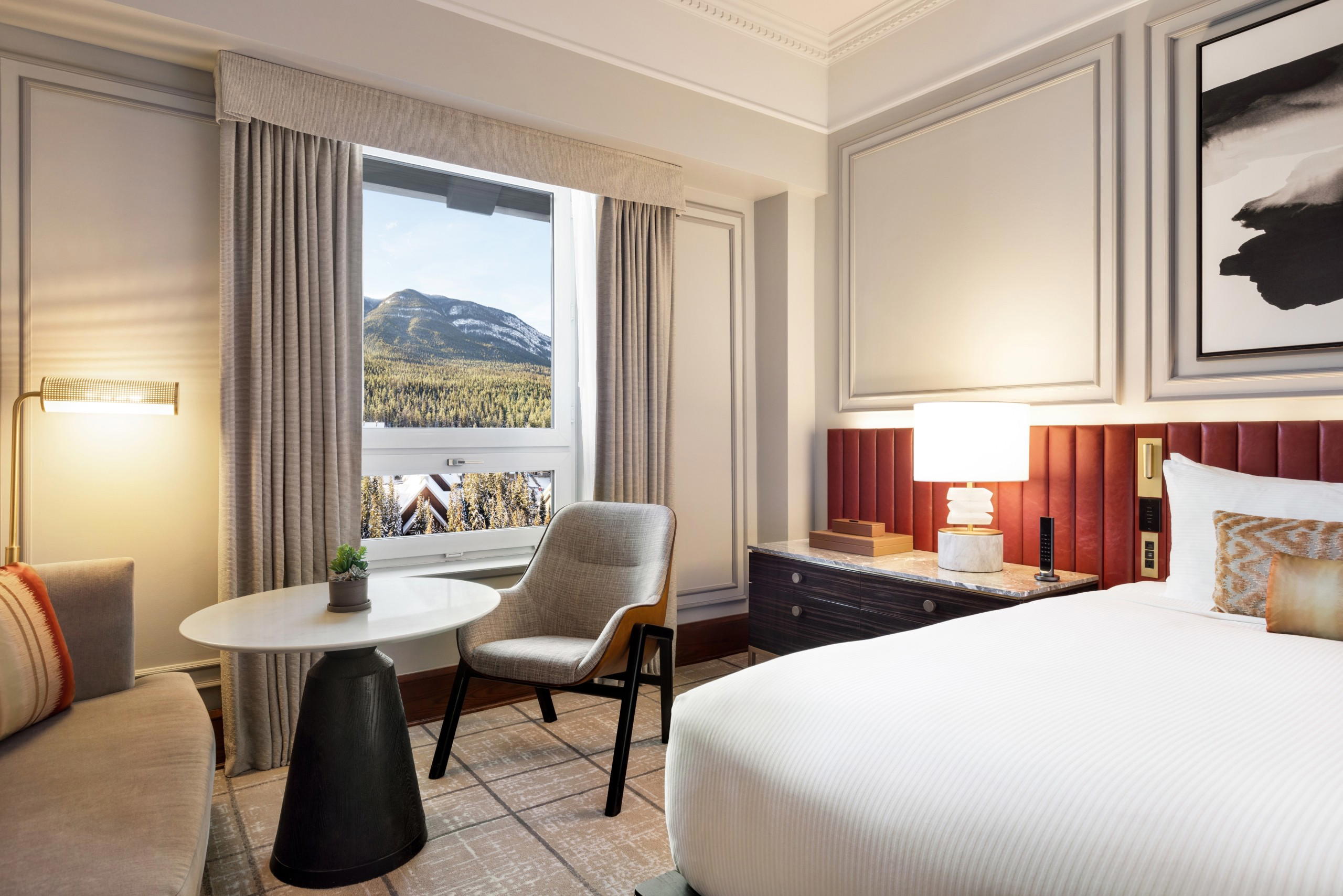
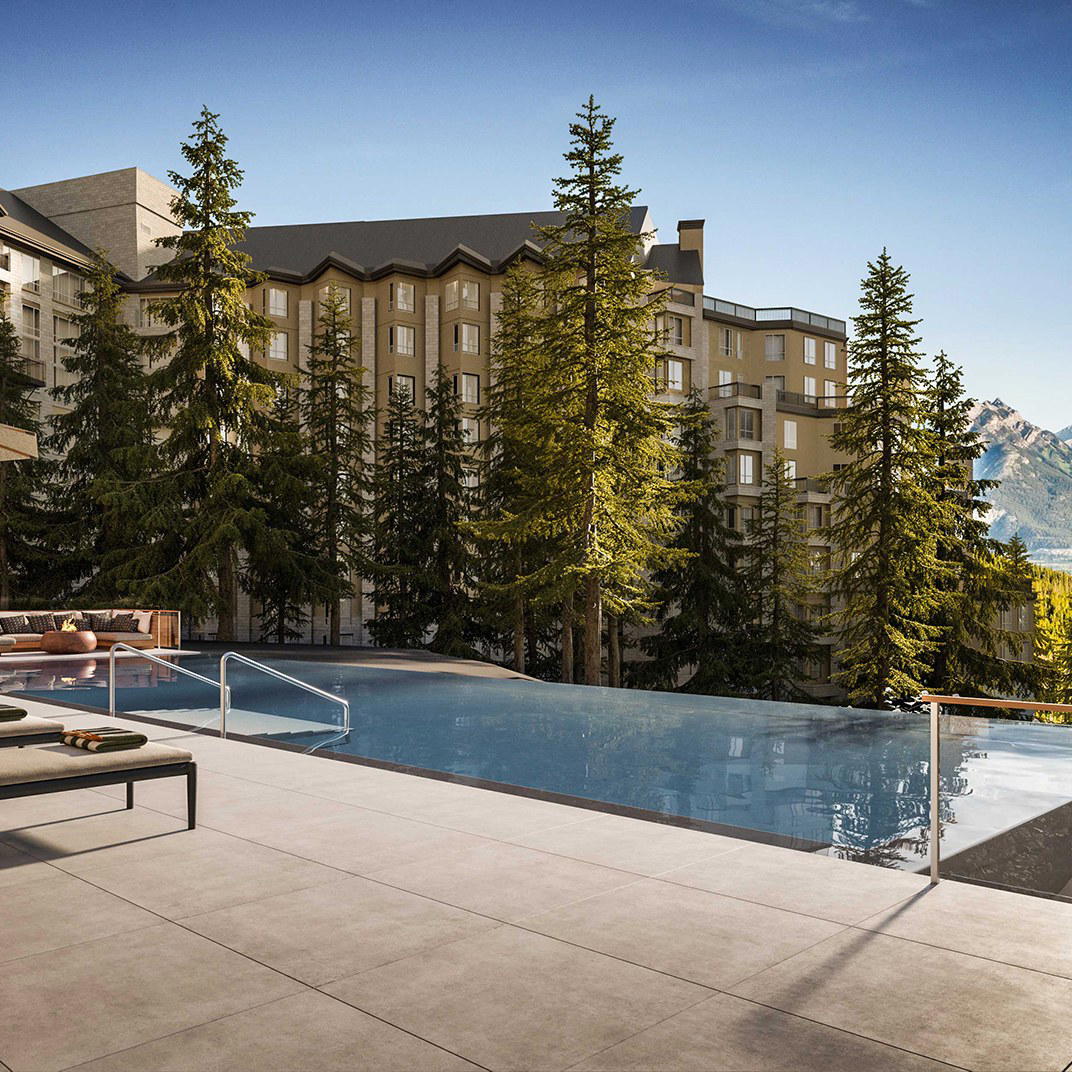
Bright dining room with floor-to-ceiling windows offering uninterrupted mountain views, indigenous artwork, mid-century features, and roaring fires indoors and out.