Post Hotel & Inn
Post Hotel & Inn sits in the heart of Lake Louise, Alberta, where the Canadian Rockies set a dramatic stage for one of the region's most established hospitality addresses. The property has long served as a reference point for mountain dining and lodging in the Banff National Park corridor, drawing visitors who treat it as a base for both wilderness access and serious table time. Booking ahead is strongly advised, particularly during peak summer and ski seasons.
 Request Booking on Pearl
Pearl is the En Primeur Club membership app — saves, bookings, and concierge access live there. Same editors, same standards.
Where the Rockies Set the Table
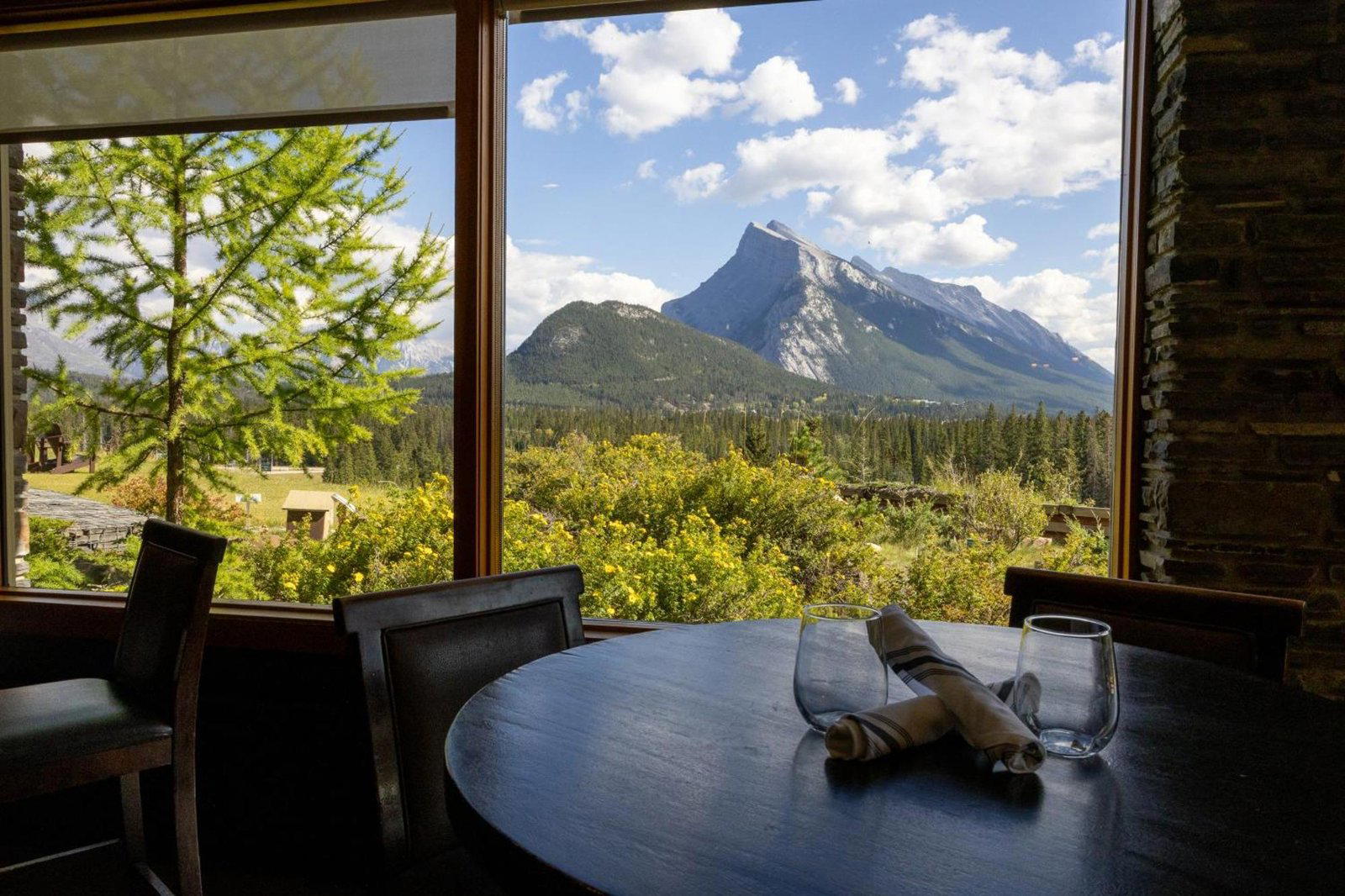
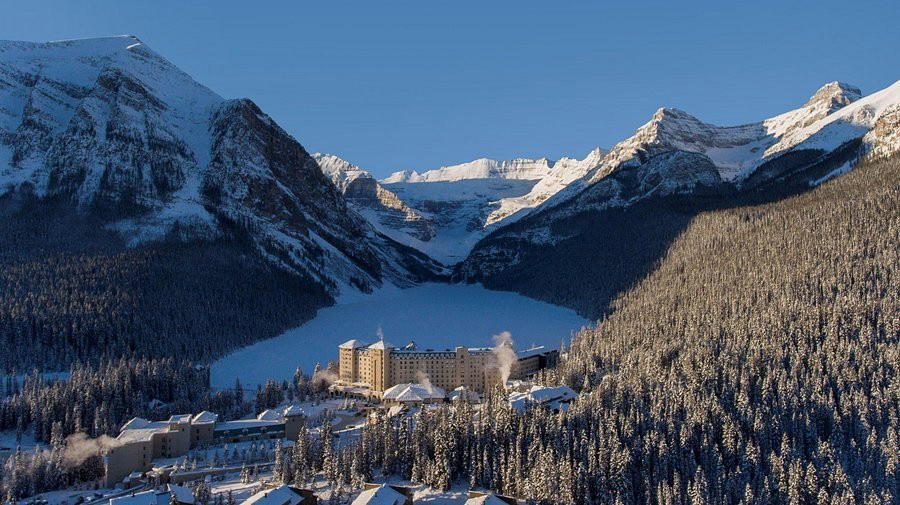
Arriving at Lake Louise in winter, you approach through a corridor of snow-loaded spruce, the lake itself frozen into a grey-blue plane below the Victoria Glacier. In summer, the scene reverses: the water turns an improbable turquoise fed by glacial melt, and the surrounding peaks shed their snowpack into cascading streams. The Post Hotel & Inn occupies this setting not as an incidental backdrop but as a deliberate piece of the experience. Mountain hospitality in this region has always been shaped by the landscape around it, and properties in the Banff National Park corridor have historically needed to earn their place in that environment rather than simply claim it.
That physical context matters to how dining and lodging are understood in Lake Louise. Unlike urban properties that compete on proximity to cultural infrastructure, hotels here compete on how well they translate the surrounding wilderness into a coherent, liveable experience for guests who have travelled significant distances to reach them. The Post Hotel sits in that category of destination-first properties, where the journey to the address is part of the point.
Canadian Mountain Dining and Its Cultural Roots
Serious table culture in the Canadian Rockies developed later and more unevenly than in the country's eastern urban centres. Montreal established its restaurant infrastructure through French colonial influence, with institutions like Aux Anciens Canadiens in Quebec preserving that historical thread into the present. Toronto built its contemporary fine dining scene around immigration waves and investment density, producing operations like Alo, which now benchmarks against European peers. The mountain west followed a different logic: the dining culture here grew from the hospitality demands of wilderness tourism, initially driven by the Canadian Pacific Railway and its chain of grand Rocky Mountain hotels in the late 19th century.
That heritage shaped what guests expect from high-end mountain dining: generous portions, wine lists deep enough to support serious cellaring, and a formality of service that acknowledges the occasion of arriving somewhere remote. The Post Hotel Dining Room (Canadian) fits inside this tradition. It is not a destination restaurant in the way that Tanière³ in Quebec City functions, as a singular reason to travel to a city, but rather a dining room that makes a wilderness destination more complete. That is a different and equally legitimate role.
Across Canada, the distinction between destination restaurants and destination-hotel dining rooms has sharpened. Properties like Eigensinn Farm in Singhampton have blurred that line by making the farm and the meal inseparable. Restaurant Pearl Morissette in Lincoln does the same through its winery context. In the Rockies, the equivalent integration is landscape: the meal only makes full sense in the setting, and the setting shapes expectations for the meal.
The Lake Louise Property Category
Lake Louise sits within Banff National Park, which imposes strict limits on commercial development. The result is a small cluster of major properties competing for a finite visitor base that peaks sharply in July and August and again during ski season from late November through April. Properties in this cluster are not interchangeable. Some orient toward younger skiers comfortable with more casual formats; others, including the Post Hotel, occupy the end of the market where the expectation is a more considered level of finish and service.
Regional mountain dining in Alberta has a parallel in how rural fine dining operates in other geographically constrained markets. The Pine in Creemore demonstrates how a small Ontario town can support a serious table when the format is tightly disciplined. In Lake Louise, the constraint is not population but access: you are inside a national park, a significant drive from Calgary, and the guest base is largely captive once arrived. That captivity can produce either complacency or ambition; the properties that endure in the Rockies tend to have chosen the latter.
For dining options immediately around the Post Hotel, Juniper Bistro offers a more casual format for guests who want something lighter within the immediate area.
How Post Hotel Sits Against the National Picture
Against Canada's broader premium dining and lodging tier, the Post Hotel operates in a different register than urban operations such as AnnaLena in Vancouver or Jérôme Ferrer - Europea in Montreal. Those properties compete primarily on culinary program and chef profile. The Post Hotel's competitive claim is structural: location inside a national park, access to one of the most photographed lakes in the world, and a depth of service tradition that comes from operating in a market where repeat visitors and multi-generational family stays are part of the guest mix.
That distinction shapes what you should expect. If the primary measure is the food program measured against urban benchmarks, a restaurant like Narval in Rimouski, itself operating in a smaller city context, is making a more pointed culinary argument. The Post Hotel Dining Room's argument is integration: a dining room that sits at the appropriate register for its setting and guest base, supported by a wine program that has historically been taken seriously in a region where that matters.
For reference on what serious wine-forward dining looks like in other non-urban Canadian contexts, Barra Fion in Burlington demonstrates how smaller Ontario markets have built beverage programs. Internationally, the reference points for high-altitude or remote-setting fine dining that maintains serious kitchen standards include properties in the Swiss and Austrian Alps, though the Canadian mountain tradition carries its own distinct character shaped by Indigenous land, rail history, and the particular quality of Alberta beef and Pacific Northwest produce.
Planning Your Visit
Lake Louise is reachable from Calgary International Airport, roughly 180 kilometres west on the Trans-Canada Highway, a drive of approximately two hours in clear conditions. The drive through Banff National Park requires a park pass, available at the park gates. Peak summer occupancy across the Lake Louise hotel cluster runs from late June through early September; ski season demand concentrates on the Lake Louise Ski Resort area from December through March. Booking accommodation and dining at the Post Hotel well in advance of either peak window is practical necessity rather than optional planning.
Price Lens
Comparable venues nearby, for context on price, style, and recognition.
| Venue | Cuisine | Price | Awards |
|---|---|---|---|
| Post Hotel & InnThis venue — the venue you are viewing | $$$$ | , | |
| Post Hotel Dining Room | Lake Louise, Swiss-European Fine Dining | $$$$ | |
| Juniper Bistro | Mount Norquay, Plant-Rich Bistro | $$$ | , |
| Poppy Brasserie | Lake Louise, French-Canadian Brasserie | $$$ | , |
| RH Rooftop Restaurant at RH Montreal | Mont-Royal, Modern American Fine Dining | $$$$ | , |
| Masa Ishibashi | Bridgeport, Edomae Omakase | $$$$ | , |
Continue exploring
More in Lake Louise
Restaurants in Lake Louise
Browse all →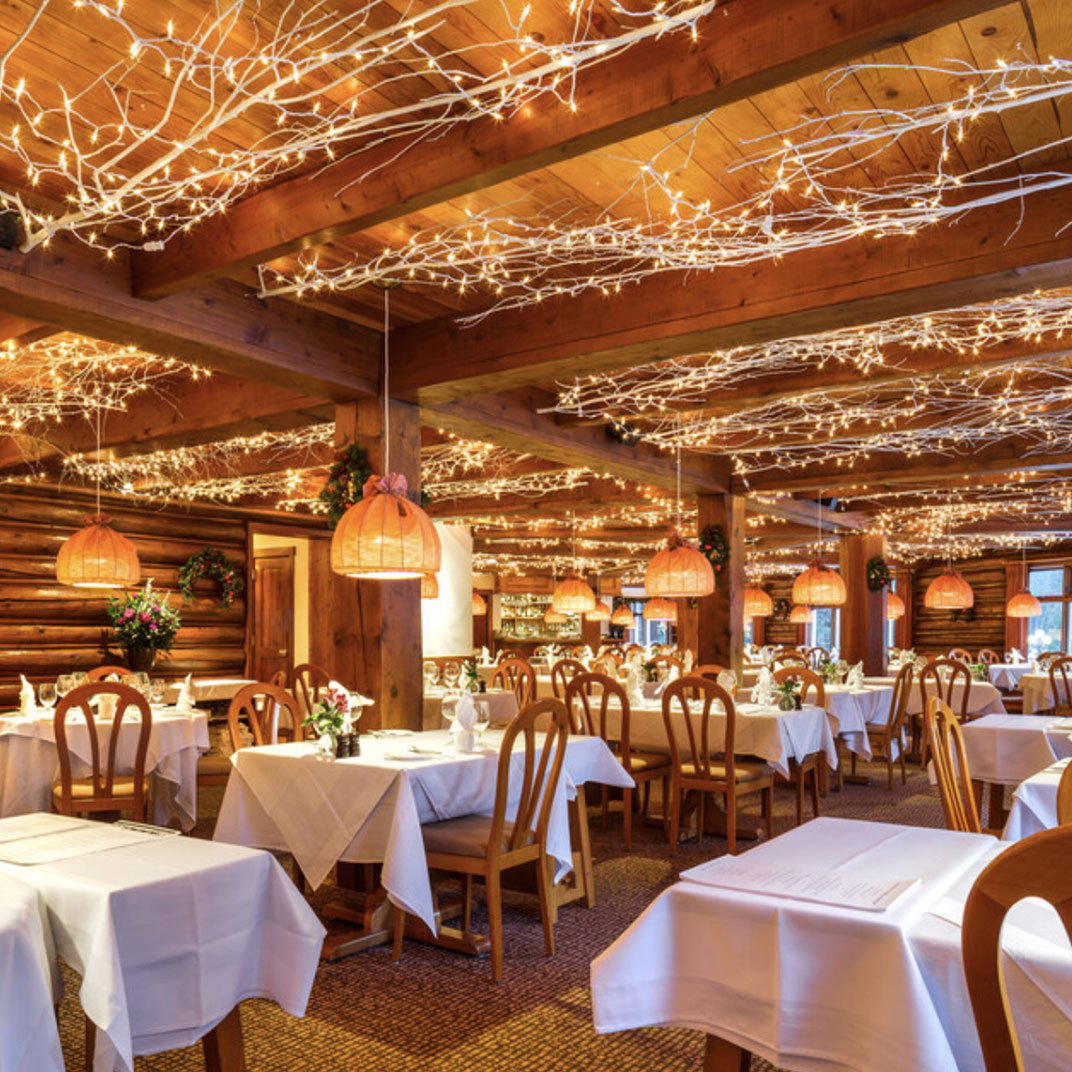
At a Glance
- Elegant
- Cozy
- Scenic
- Sophisticated
- Rustic
- Special Occasion
- Date Night
- Celebration
- Hotel Restaurant
- Wine Cellar
- Extensive Wine List
- Local Sourcing
- Mountain
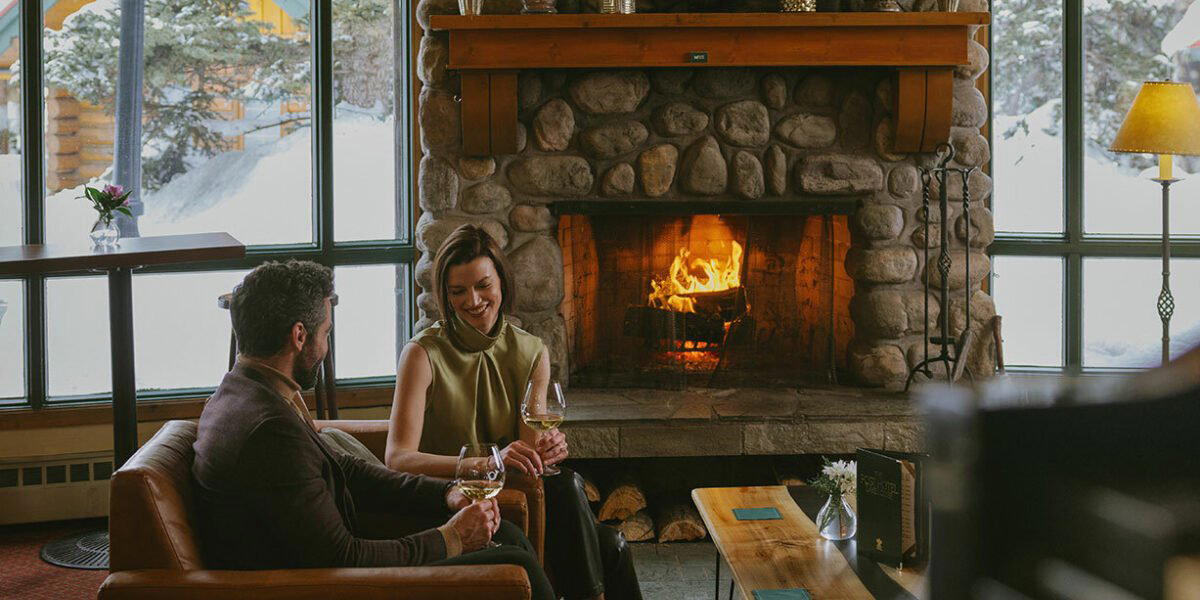
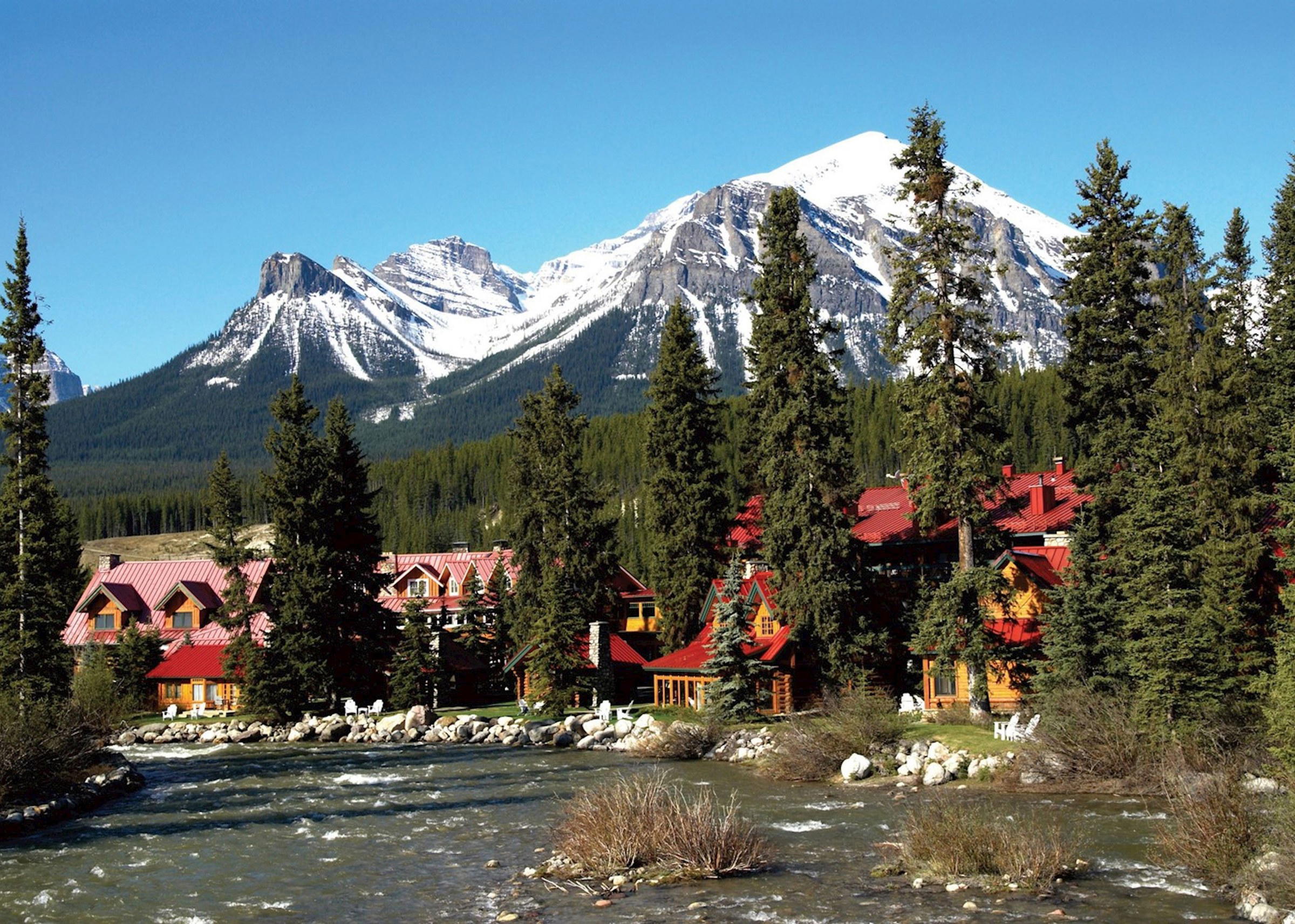
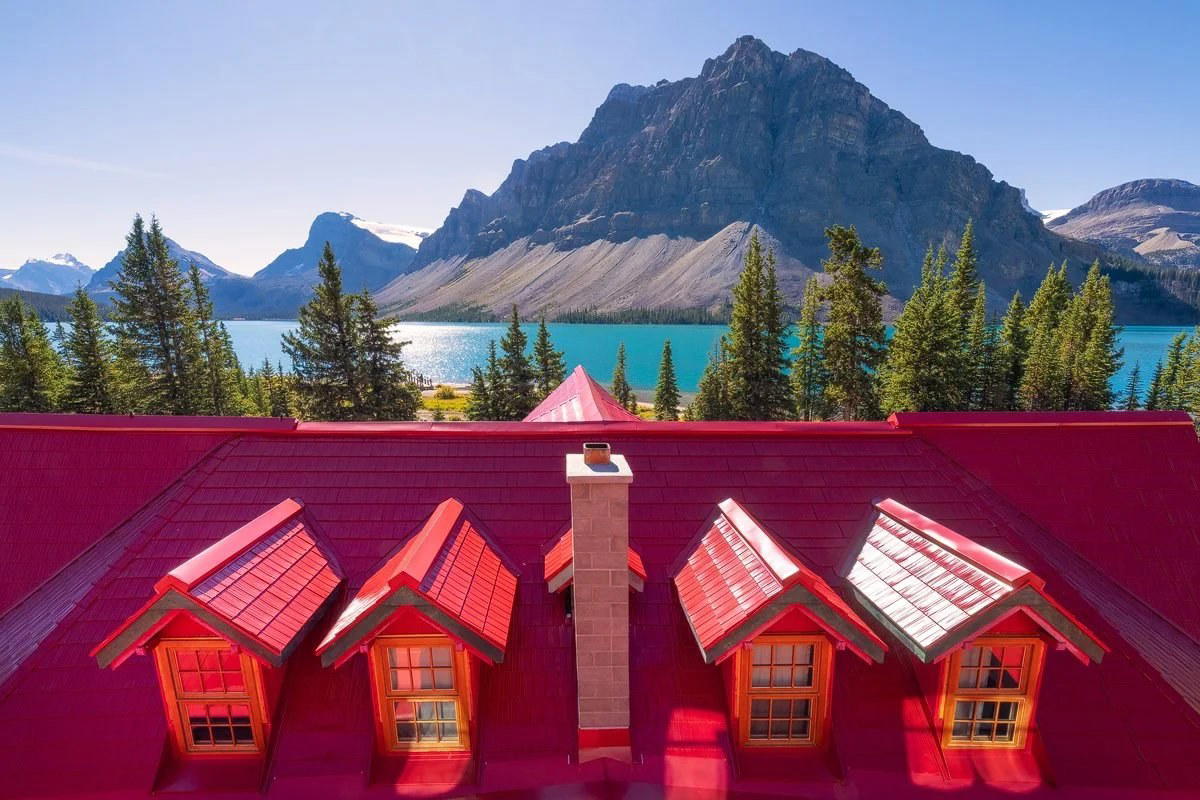
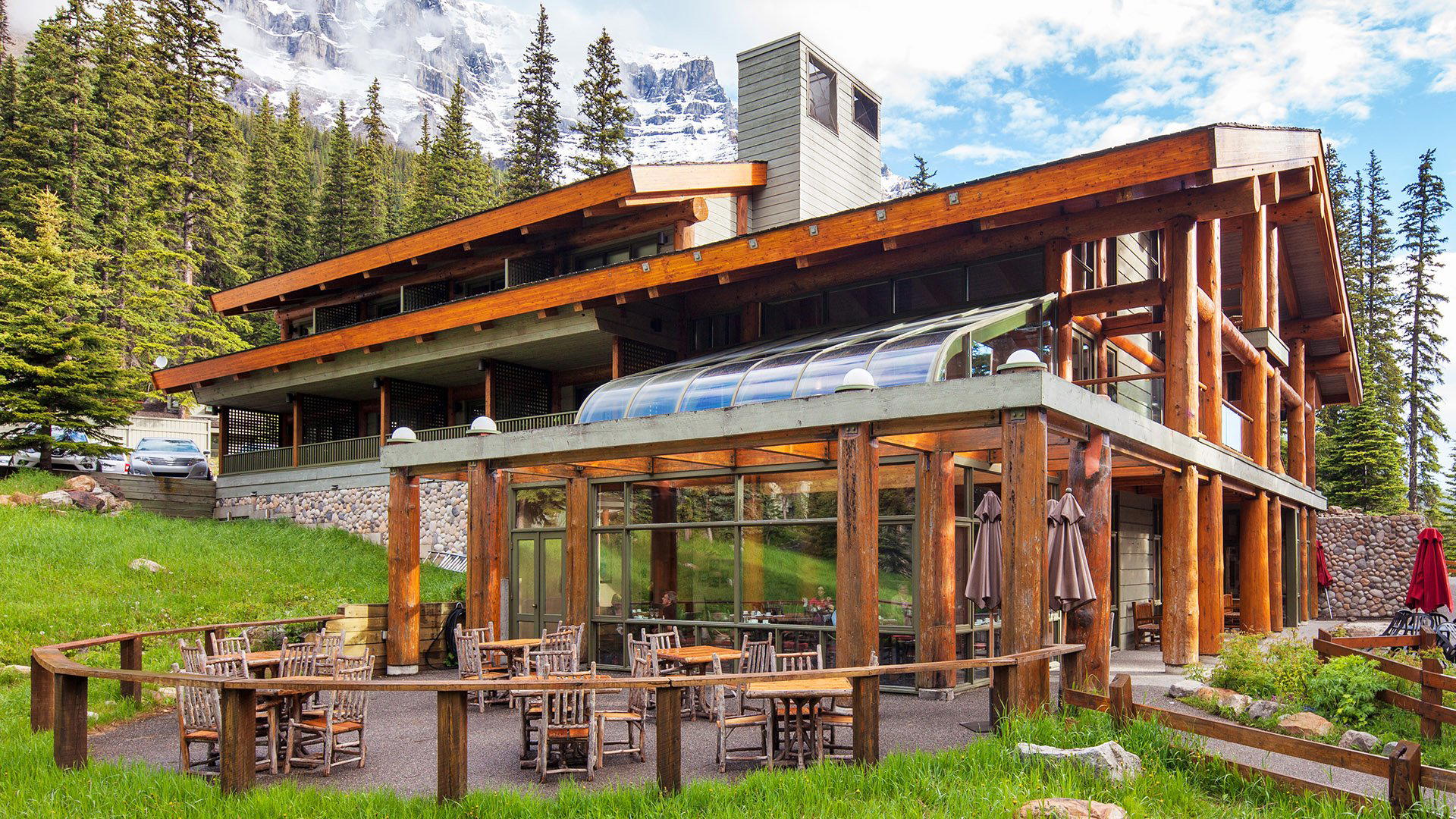
Casual elegant atmosphere with old-world charm, wood-burning fireplaces, cozy lighting, and cozy kitschy decor evoking a luxe log cabin.