Our verdict
Aperí at Paggi House sits in the New American lane of Austin dining, where tasting-menu structure, local sourcing, and global technique increasingly overlap. With no public awards, pricing, chef, or booking details supplied here, the useful frame is the format: a fine-dining address to assess by menu discipline, pacing, and how clearly it connects Austin ingredients to contemporary American cooking.

Pearl is the En Primeur Club membership app — saves, bookings, and concierge access live there. Same editors, same standards.
- Address
- Austin, Canada
The menu
What to order
- Charcuterie boards
- Cheese boards
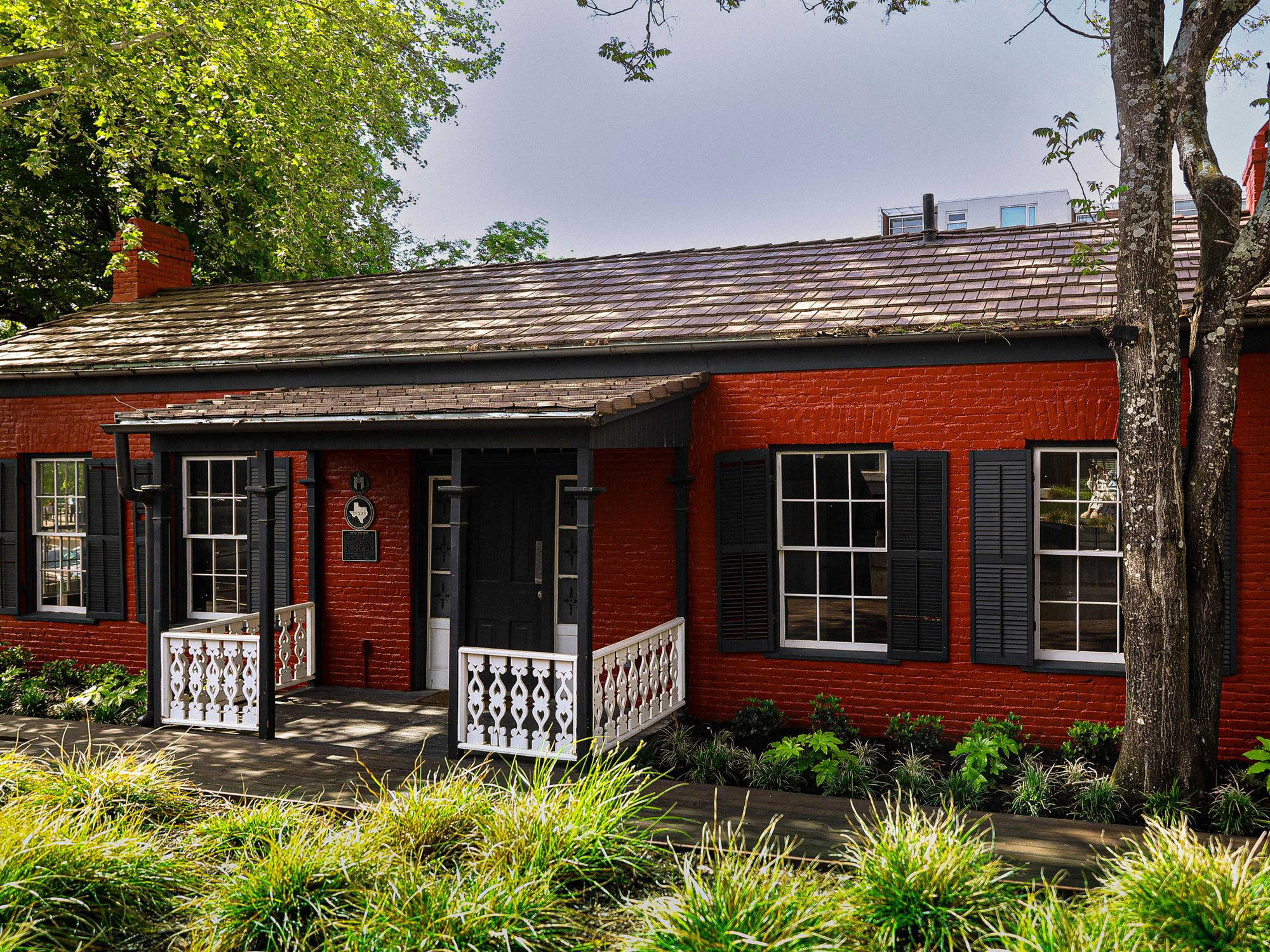
The first cue is domestic rather than theatrical: Aperí at Paggi House reads as a dining address shaped by rooms, thresholds, and a slower sense of arrival rather than the open-kitchen volume that defines much of contemporary Austin. That matters for New American cooking. The category has always depended on translation, taking regional produce, European technique, immigrant pantry logic, and American seasonality, then asking whether the result feels coherent rather than merely eclectic.
Aperí at Paggi House belongs to the part of that conversation where chef-driven dining has changed diner expectations. Across the United States, ambitious restaurants have moved away from the old split between French formality and steakhouse abundance. The sharper format now is paced, edited, and ingredient-led, often with global references folded into a menu that still wants to read as local. In Austin, that shift carries a different charge: the city’s dining culture prizes informality, but its higher-end rooms increasingly ask guests to accept structure, sequence, and restraint.
New American cooking in Austin now depends on editing, not excess
New American once worked as a broad label for restaurants that did not want to be boxed into French, Italian, Southern, or Californian categories. In 2026, the term is more demanding. A kitchen using the label has to show control: how many ideas land on a plate, how strongly a regional ingredient is allowed to speak, and whether the menu has a point beyond seasonal rotation. At a chef-driven address, that pressure intensifies because every course becomes part of an argument.
That is the useful way to read Aperí at Paggi House. The restaurant has been highlighted in local new-and-notable coverage, with chef Eric Treviño attached to its reimagining of the Paggi House setting, so the critical assessment should stay with what is actually documented rather than mythology. As a New American restaurant in Austin, it sits inside a city where the dining conversation is pulled between casual confidence and fine-dining ambition. The interesting question is not whether the room feels formal; it is whether the kitchen can make structure feel necessary.
The broader Austin restaurant map helps explain the tension. Casual, neighborhood-driven meals remain central to the city, while chef-led formats give visitors a different read on the same appetite for independence. For that wider context, EP Club’s Austin coverage includes other Austin dining rooms, coffee stops, and destination restaurants, alongside our full Austin restaurants guide.
The structured-dinner signal is cultural as much as culinary
The American composed dinner no longer belongs only to hushed dining rooms and imported luxury codes. Its newer form is more flexible: fewer inherited rituals, more attention to pacing, and a stronger demand that each part of the meal justify its place. That development suits Austin when handled with discipline. The city does not respond well to stiffness for its own sake, but it does reward restaurants that make a meal feel considered without sanding away local character.
New American restaurants in this tier are also judged against global influences. Japanese sequencing, Nordic minimalism, Spanish small-plate rhythm, and French sauce work have all shaped contemporary American fine dining, but borrowing technique is not the same as having an identity. The stronger menus absorb influence without turning dinner into a catalogue. For Aperí at Paggi House, the editorial test is whether New American means a clear point of view or a broad permission slip.
This is where the available public-facing signals become part of the reader’s decision. Local new-opening recognition, a named chef, and the reimagining of a historic Austin property help establish how the restaurant wants to be evaluated, while details such as published pricing or seat count are not part of the record here. The safer expectation is a restaurant to approach through fit: diners who want a structured New American evening in Austin will understand the appeal; diners looking for a loud, casual, drop-in meal may be reading the wrong category.
How to place it within a broader Austin trip
Austin works better when food is planned by mood rather than by a single hierarchy. A chef-driven dinner can anchor one night, but the city’s rhythm is built through coffee, bars, hotels, live culture, and meals that do not require ceremony. That is why a restaurant like Aperí at Paggi House is better treated as one part of a larger itinerary than as the entire point of a visit.
For planning around the meal, EP Club’s city guides cover the surrounding hospitality ecosystem: our full Austin hotels guide, our full Austin bars guide, our full Austin wineries guide, and our full Austin experiences guide. Readers tracking New American and North American dining more broadly can also compare the category’s range through other dining in Austin and beyond, without treating those comparisons as direct peers for Aperí at Paggi House.
The verdict is measured: Aperí at Paggi House is relevant for diners interested in how Austin absorbs chef-driven New American cooking, especially when the category is judged by coherence rather than novelty. The draw is not an inflated trophy list or a mythic chef narrative; it is the documented reimagining of a historic Austin restaurant setting and the chance to see whether a structured dining format can feel at home in a city that usually resists over-orchestration.
Frequently asked questions
What should I expect cuisine-wise at Aperí at Paggi House?
Aperí at Paggi House serves New American cuisine.
Do I need a reservation for Aperí at Paggi House?
A reservation is the sensible move for Aperí at Paggi House in Austin, especially for dinner. Chef-driven restaurants can be easier to plan with a booking, so checking availability ahead helps.
What has Aperí at Paggi House built its reputation on?
Its identity is anchored in New American cooking in Austin and in the reimagining of Paggi House as a chef-driven contemporary restaurant. Local new-and-notable coverage has highlighted that arrival, with chef Eric Treviño attached to the project.
Is Aperí at Paggi House okay with children?
Aperí at Paggi House is a New American restaurant in Austin, so families should judge the fit by the occasion and the current service style. For younger children, the right fit depends on their comfort with a more deliberate dinner rhythm.
What's the overall feel of Aperí at Paggi House?
The feel is best understood through its chef-driven New American positioning and its reimagining of a historic Austin setting. Expect a restaurant framed around a considered dinner rather than a purely casual drop-in meal.
Is Aperí at Paggi House good for vegetarians?
A New American menu in Austin may give vegetarians more to work with than a narrower format, but the current menu balance will define how strong the experience is. Plant-focused diners should check the latest offerings before booking.
In Context
Comparable venues nearby, for context on price, style, and recognition.
| Venue | Cuisine | Price | Awards | Notes |
|---|---|---|---|---|
| Aperí at Paggi HouseThis venue — the venue you are viewing | Wine bar & charcuterie | $50–100 | Not listed | Not listed |
| Parcelles | Contemporary Canadian Farm-to-Table | $100–150 | Canada's 100 Best Restaurants #79 | Austin, Contemporary Canadian Farm-to-Table |
| Cloakroom | Golden Square Mile, Cocktail Bar | Not listed | Not listed | Not listed |
| La Taverne sur le Square | Classic Bistro | $50–100 | Star Wine List | Westmount Square, Classic Bistro |
| Perspectives Restaurant at Brookstreet | Contemporary Canadian Fine Dining | $50–100 | Not listed | Kanata, Contemporary Canadian Fine Dining |
| Restaurant Ermitage | Authentic Russian & Eastern European Fine Dining | $50–100 | Not listed | Edouard-Montpetit, Authentic Russian & Eastern European Fine Dining |
Continue exploring
More in Austin
Restaurants in Austin
Browse all →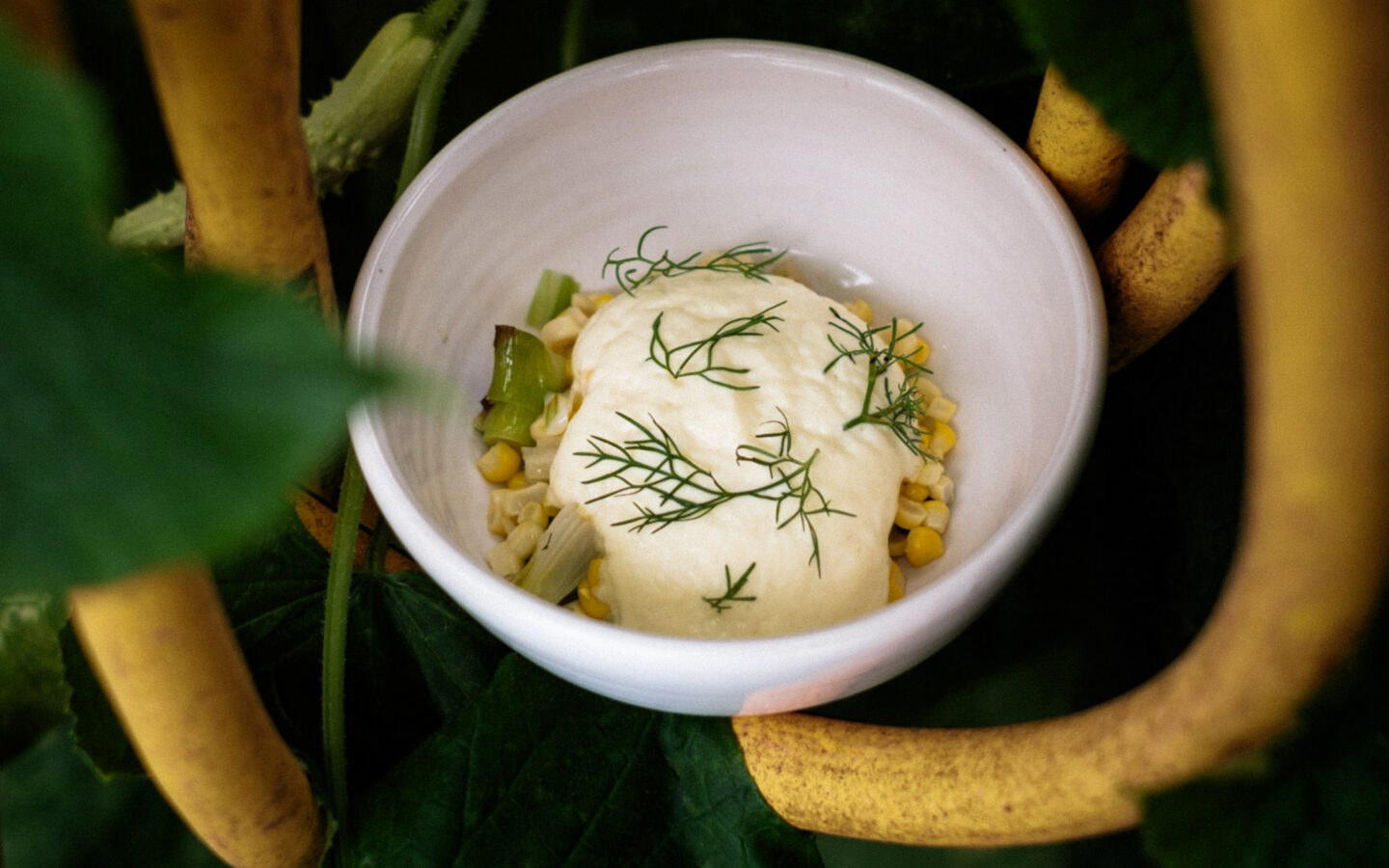




Bars in Austin
Browse all →



Hotels in Austin
Browse all →
Wineries in Austin
Browse all →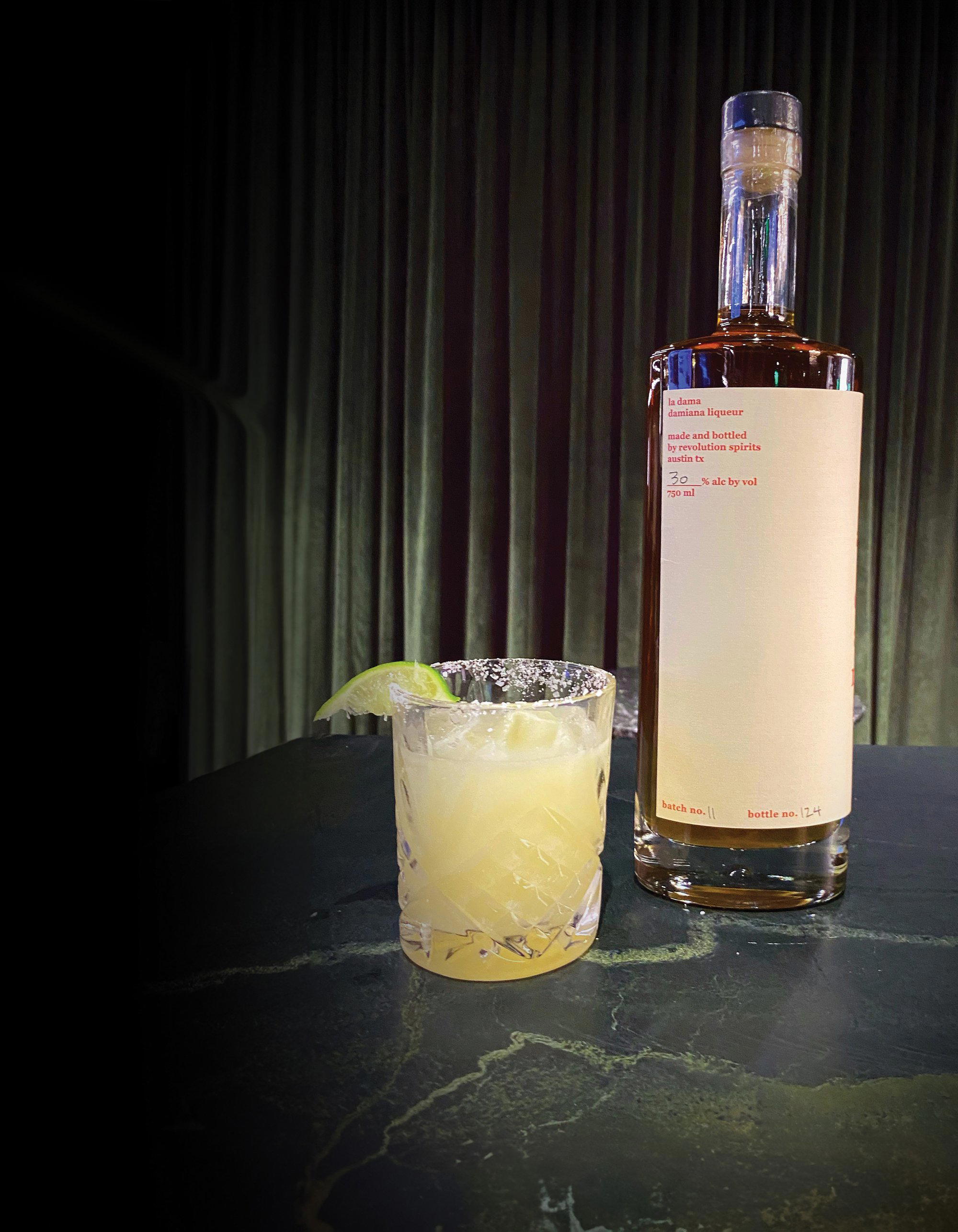
Aperí at Paggi House
The wine
- Wine program
- Exceptional wine program
- Extensive wine list
- Natural wine
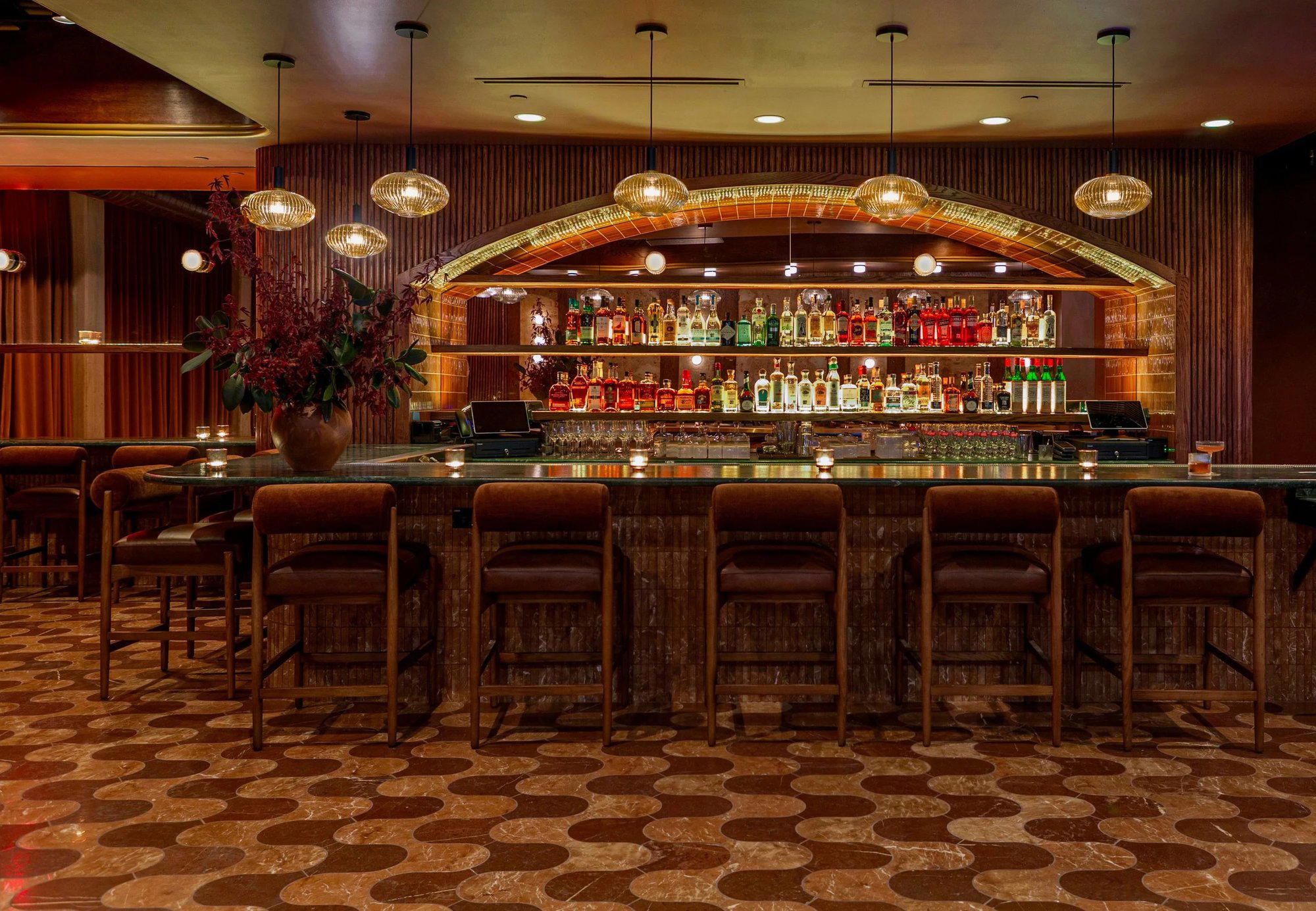
- Craft cocktails
Details
- Elegant
- Cozy
- Romantic
- Sophisticated
- Scenic
- Date Night
- After Work
- Group Dining
- Special Occasion
- Casual Hangout
- Terrace
- Historic Building
- Standalone
- Private Dining
- Extensive Wine List
- Natural Wine
- Craft Cocktails
- Waterfront
- A La Carte
- Small Plates
- Wine
- Natural Wine
- Aperitivo Cocktails
An elegant yet relaxed aperitivo setting inside a historic house, with a cozy wine-bar feel and a scenic patio near Lady Bird Lake, designed for lingering over bottles and shareable boards.