Google: 4.6 · 955 reviews
Jungsik New York







.png)


Among New York's three-Michelin-star restaurants, Jungsik occupies a category it effectively created: Korean fine dining built on French technique, not French fine dining with Korean accents. Chef Jungsik Yim's nine-course tasting menu in TriBeCa earned a 2025 James Beard Award for Outstanding Chef and 98 points from La Liste, placing it in the company of the city's most decorated tables.
 Discover on Pearl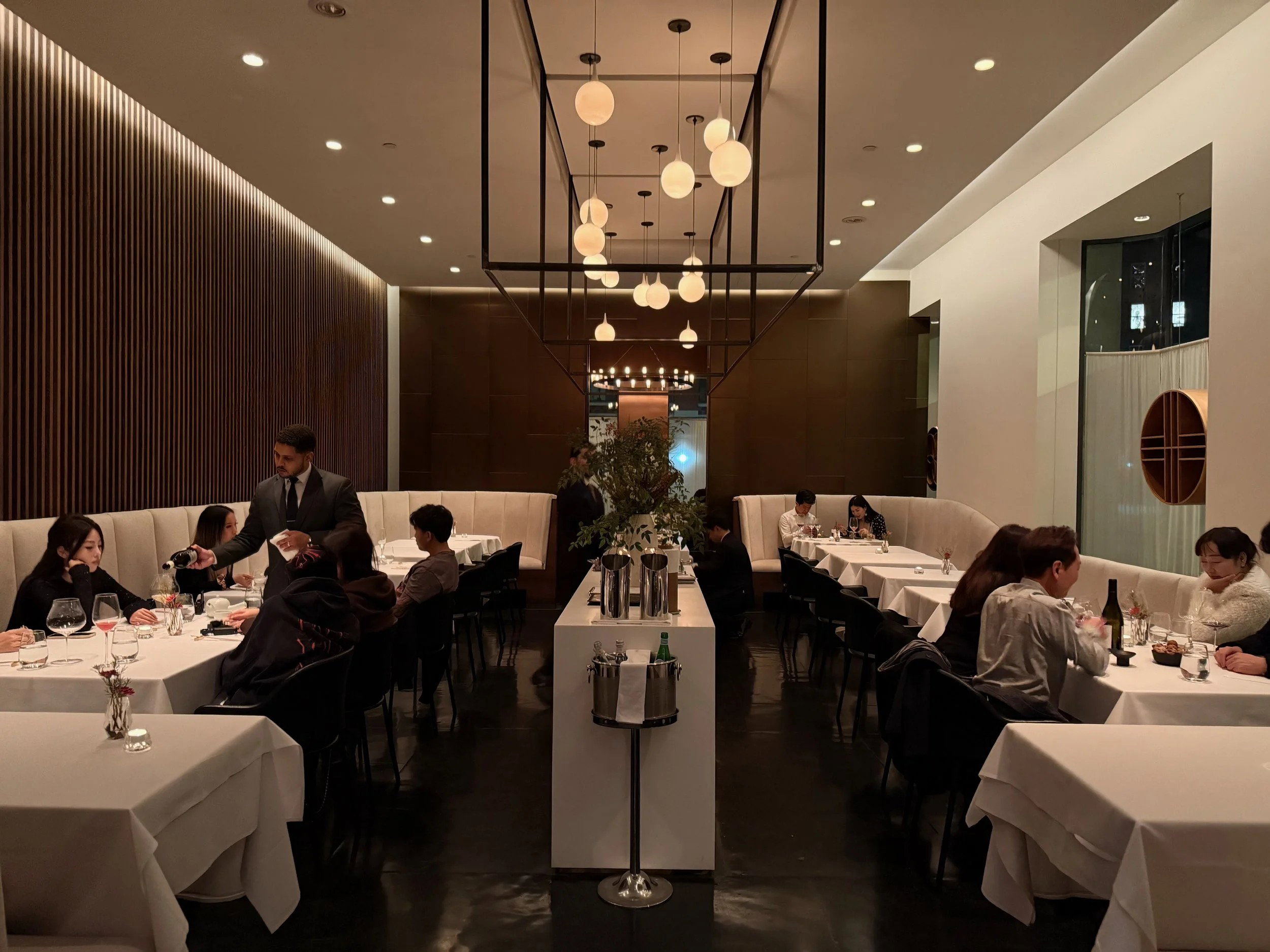
TriBeCa's most decorated Korean table
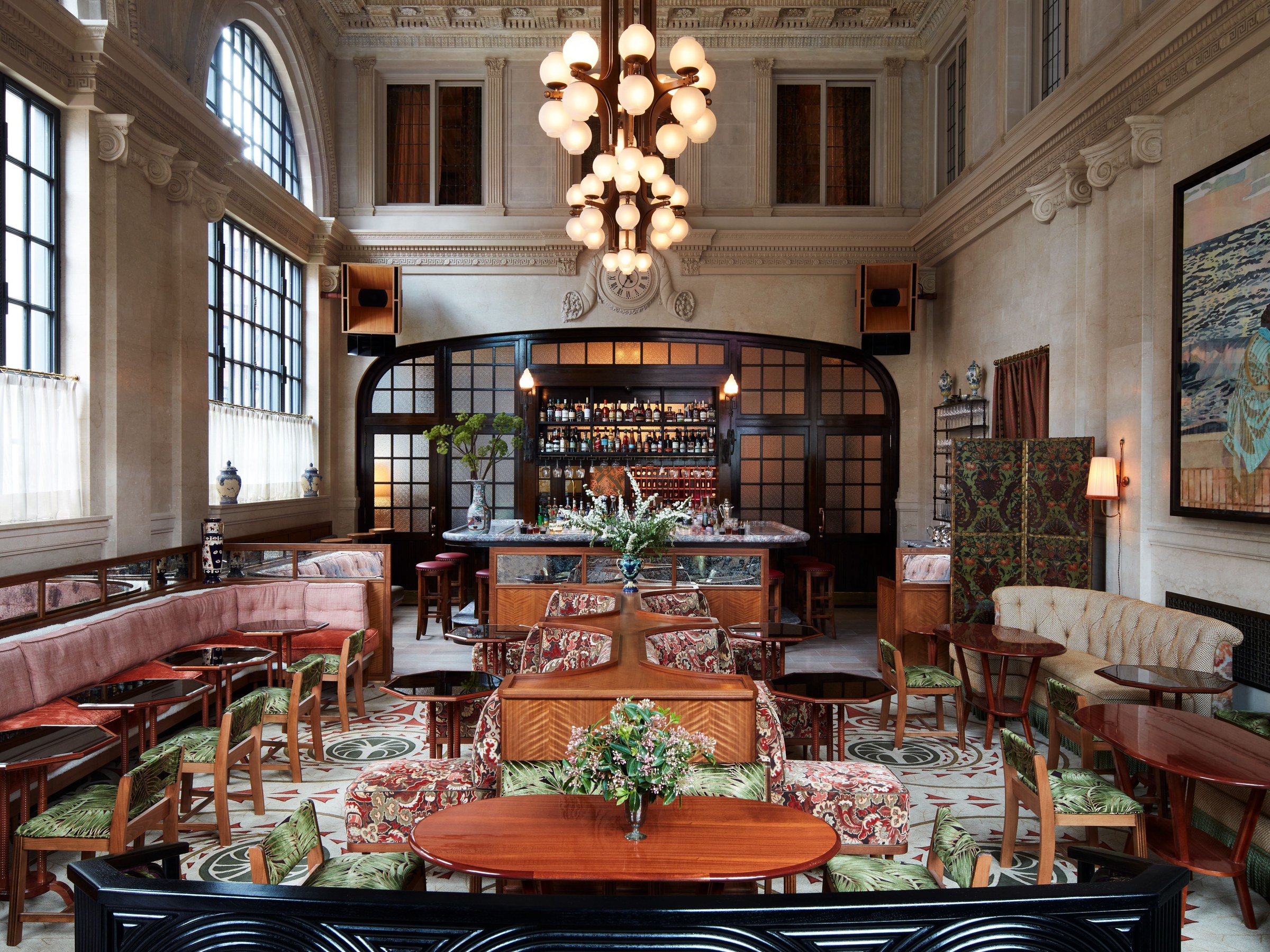
Harrison Street in TriBeCa is not a dining corridor that announces itself. The neighbourhood's cobblestoned calm and converted industrial architecture give little indication that one of New York's five three-Michelin-star restaurants sits here. That low-key setting turns out to be fitting. Inside, Jungsik's dining room works in the same register: dark and light tones in careful proportion, clean lines, white tablecloths, and razor-thin glassware that places the emphasis precisely where the kitchen intends it.
Among New York's top-tier tasting-menu restaurants, the $$$$ price bracket covers considerable range in what you actually receive. Per Se, Le Bernardin, and Eleven Madison Park each hold three stars and operate at similar spend levels. What Jungsik offers within that bracket is a cuisine tradition that none of its immediate peers shares: a nine-course menu that is Korean in identity, not Korean in accent. That distinction has grown more legible to diners as the city's broader appetite for Korean fine dining has developed, but Jungsik preceded the current wave by more than a decade.
What you get for the spend
The value proposition at a three-Michelin-star tasting-menu restaurant is rarely just about the food. It is about how the full evening adds up: the depth of the kitchen's ambition, the wine program, the service structure, and whether the format justifies the commitment. At Jungsik, each of those components has formal recognition behind it.
Chef Jungsik Yim received the 2025 James Beard Award for Outstanding Chef, one of the most closely watched annual distinctions in American dining. The restaurant holds a 98-point score from La Liste 2026, placing it in the upper tier of that global ranking. Google reviewers rate it 4.6 from 870 reviews, an unusually strong signal at this price point, where expectations are high and patience for disappointment is short. Opinionated About Dining placed it 50th among North American restaurants in 2025, and New York Magazine included it in its 43 best restaurants in the city that same year. Michelin awarded a third star in 2024. For a restaurant at this spend level, the consistency across independent evaluation frameworks is the clearest measure of whether the room delivers on the price.
The wine program adds a further layer to that equation. Wine Director Cameron Dellinger oversees a list of 1,110 selections drawn from an inventory of 6,130 bottles. The strengths run through Burgundy, Bordeaux, Champagne, France, California, Italy, and Germany, pricing at the $$$ tier within the list's own range. The corkage fee sits at $150 for guests who bring their own bottles. At a table where the food already commands attention, having a list of this depth managed by a named director represents a considered investment in the full dining experience rather than a supplementary detail.
The cuisine: what Korean fine dining means in practice
New York's current fine-dining moment includes Atomix, which holds two Michelin stars and operates at the same price tier, alongside a broader range of Korean-influenced restaurants at various levels. That density would not exist in its current form without Jungsik's earlier groundwork. When Yim brought the concept to New York in 2011, having first opened in Seoul in 2009, the template for Korean cuisine at the three-star level did not yet exist in the city.
The approach Yim developed, which he terms New Korean, works from a specific premise: Korean ingredients and flavour logic applied with French technique-derived sauce-making and the kind of plating discipline associated with European fine dining. The result is not fusion in the loose sense of that word. Kimchi, fermented vegetables, and seafood remain central, but they appear in forms shaped by the same technical rigour you would expect from kitchens like Masa or Le Bernardin. The kimbap course illustrates the method: paper-crisp seaweed, slivers of fish placed on leading rather than inside, so the quality of the ingredient reads directly rather than being absorbed into the roll's interior. Executive Chef Daeik Kim works alongside Yim in executing a menu where dishes like raw striped jack with white kimchi and chilled fish bone broth, and dry-aged Arctic char in kimchi and red curry sauce, carry strong, umami-forward flavours into formats that reward close attention.
The dessert course has drawn particular notice. A black sesame mousse and hazelnut cream arrives shaped as a Dol hareubang, the stone grandfather figures found on Jeju Island. It is the kind of detail that communicates something about how the kitchen positions itself: technically precise and culturally rooted, but not solemn about it. That combination is harder to sustain across a nine-course tasting menu than it might appear.
The room and its context
Sixty seats across the main dining room and bar area keep the scale intimate by the standards of a three-star restaurant in New York. The bar area offers an à la carte format for guests who want access to the kitchen's output without committing to the full tasting menu structure, a format that has become more common across the city's top-tier restaurants as operators recognise that not every visit calls for the full ceremony of a nine-course progression.
The TriBeCa location places the restaurant within easy reach of both lower Manhattan and the broader downtown dining corridor, though the neighbourhood itself has fewer high-volume restaurant clusters than Midtown or the West Village. That quiet has suited Jungsik's register since it opened. Comparable tasting-menu formats in similarly residential downtown blocks include Alinea in Chicago and Lazy Bear in San Francisco, both of which operate with a similar logic: serious kitchens in neighbourhoods where the destination is the point, not the foot traffic.
Planning your visit
Jungsik serves dinner Tuesday through Sunday, closed on Mondays. Tuesday through Thursday, service runs from 5:30 to 9 pm. On Fridays and Saturdays, hours extend to 5 through 9:30 pm, and Sundays run 5 through 9 pm. The restaurant is at 2 Harrison St, New York, NY 10013. The phone number is (212) 219-0900 and the website is jungsik.com.
On dress code: Jungsik does not publish a formal dress code, but the room's tone and price point align with what New York diners generally understand as smart casual to formal for a three-star dinner. White tablecloths, razor-thin glassware, and a 60-seat dining room set expectations clearly enough. Comparable rooms at this level, including Per Se and Eleven Madison Park, hold to similar unwritten standards. Coming dressed to match the room is direct common sense at this spend level.
For broader context on dining at this tier across New York, the EP Club New York City restaurants guide covers the full range. If you are building a longer stay around the meal, the New York City hotels guide, bars guide, and experiences guide provide the surrounding framework. Among comparable three-star tasting-menu formats in other American cities, The French Laundry in Napa, Single Thread Farm in Healdsburg, Providence in Los Angeles, and Emeril's in New Orleans each represent the same tier of commitment in their respective markets. Internationally, 8 1/2 Otto e Mezzo Bombana in Hong Kong and Alain Ducasse at Louis XV in Monte Carlo occupy comparable positions within their own culinary contexts. The New York City wineries guide rounds out the full picture for those building a wine-focused itinerary.
Quick reference: Dinner only, Tuesday to Sunday. 2 Harrison St, TriBeCa. $$$$ tasting menu. Three Michelin stars (2024). 2025 James Beard Award, Outstanding Chef. 98 pts La Liste 2026. 60 seats. Wine list: 1,110 selections, 6,130 inventory, $$$ pricing. Corkage $150.
The Essentials
A compact comparison to help you place this venue among nearby peers.
| Venue | Notes | Price |
|---|---|---|
| Jungsik New York | This venue | $$$$ |
| Le Bernardin | French, Seafood, $$$$ | $$$$ |
| Atomix | Modern Korean, Korean, $$$$ | $$$$ |
| Masa | Sushi, Japanese, $$$$ | $$$$ |
| Per Se | French, Contemporary, $$$$ | $$$$ |
| Eleven Madison Park | French, Vegan, $$$$ | $$$$ |
Continue exploring
More in New York City
More from Chef Jungsik Yim
Browse all →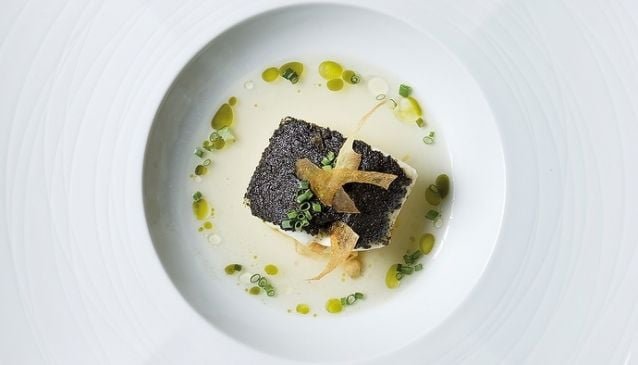
Restaurants in New York City
Browse all →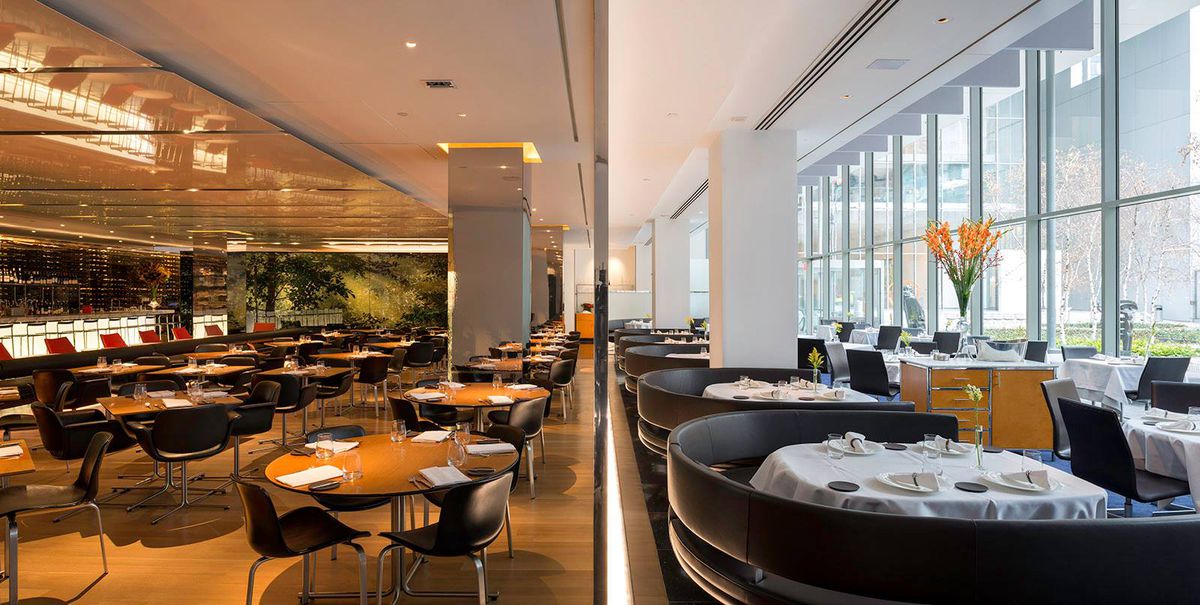
Bars in New York City
Browse all →
Hotels in New York City
Browse all →
At a Glance
- Elegant
- Modern
- Sophisticated
- Intimate
- Minimalist
- Date Night
- Special Occasion
- Business Dinner
- Open Kitchen
- Extensive Wine List
- Sake Program
- Sommelier Led
Cool and polished dining room with low-key elegance, dark and light color scheme, modern clean style, unadorned walls, well-spaced tables, and intimate proportions.