On Rue Favart in the 2nd arrondissement, Jugaad occupies a stretch of Paris where South Asian cooking has begun intersecting with French technique in ways that feel less like fusion and more like a genuine renegotiation of both traditions. The name itself, a Hindi term for improvised, resourceful problem-solving, signals an approach that prizes ingenuity over orthodoxy. A reservation is advisable for this address.
Pearl is the En Primeur Club membership app — saves, bookings, and concierge access live there. Same editors, same standards.
- Address
- 16 Rue Favart, 75002 Paris, France
- Phone
- +33140550333
- Website
- jugaad.paris
- Directions
- Get directions
 Saves & bookings on Pearl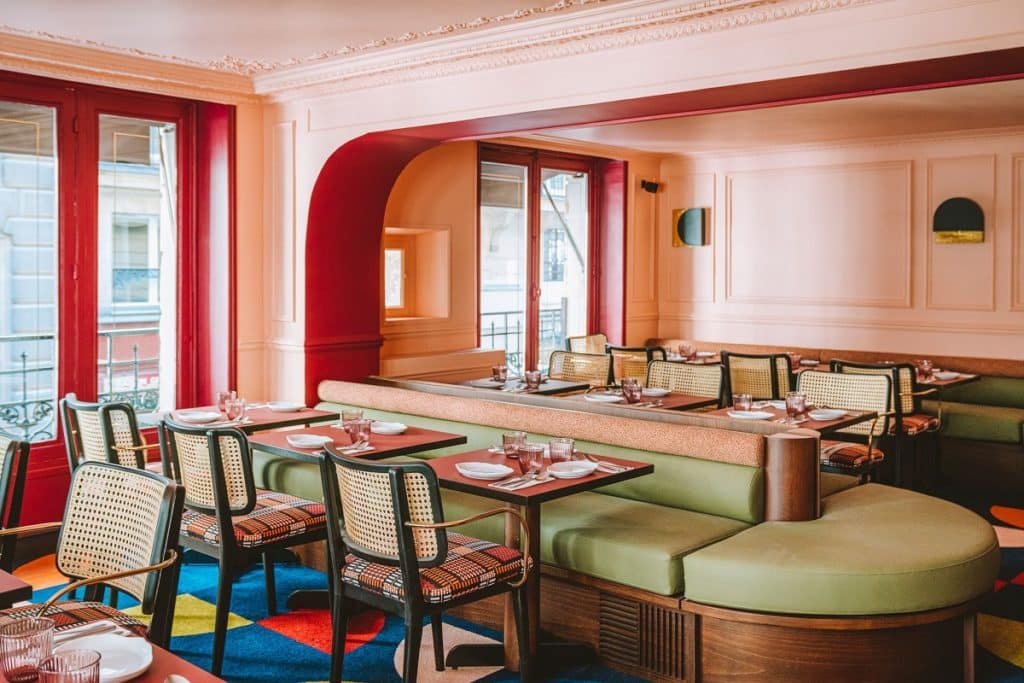
Where Rue Favart Meets the Subcontinent
The 2nd arrondissement has quietly become one of Paris's more interesting dining corridors, sitting between the financial energy of the Bourse and the restaurant density of the Grands Boulevards. It is not the neighbourhood associated with France's grand dining tradition, that gravity still pulls toward the 8th, where addresses like Le Cinq at the Four Seasons Hôtel George V and Alléno Paris au Pavillon Ledoyen anchor the highest tier of classical and creative French cooking. But that distance from the prestige circuit is precisely what makes places like Jugaad possible: the 2nd allows a different kind of ambition, one less constrained by expectation.
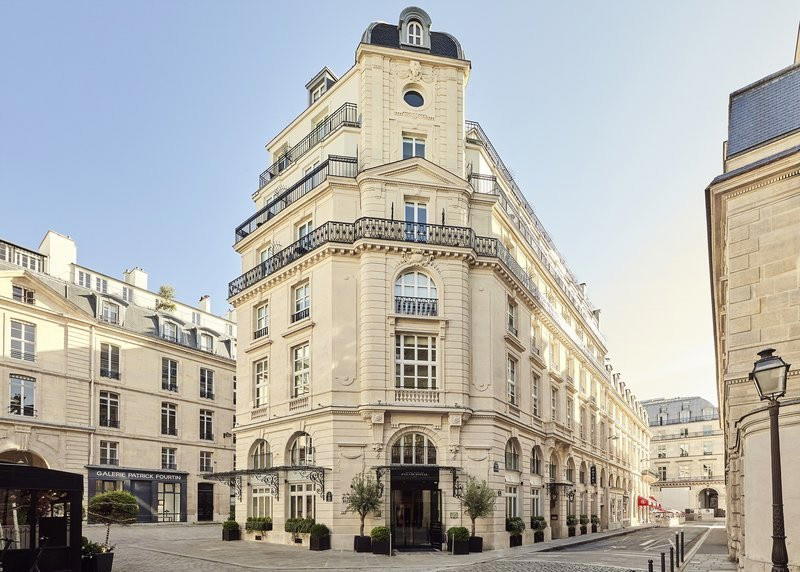
Jugaad sits at 16 Rue Favart, a street with enough architectural character to set a scene before you even step inside. The name comes from a concept embedded in South Asian daily life, the art of finding a fix with whatever is available, of turning constraint into solution. As a framing device for a restaurant operating at the intersection of Indian culinary tradition and French technique, it is more apt than most restaurant names tend to be.
A Technique Question Paris Is Still Working Out
Paris has long absorbed outside culinary traditions through a particular lens: the city tends to reframe imported cooking through French classical structure, rather than allowing foreign techniques to genuinely challenge that structure. The result, historically, has been a lot of cuisine that is labelled fusion but functions more like appropriation with better plating. What has changed in the last decade is the arrival of a generation of chefs, many trained in French kitchens but carrying deep, non-European culinary inheritances, who are less interested in compromise and more interested in productive collision.
Kei, for instance, represents one version of this negotiation: Kei's contemporary French menu filters Japanese precision through a French fine-dining framework in a way that Michelin has awarded three stars. Arpège approaches the question differently, with a vegetable-centred philosophy that draws from garden-to-table principles that resonate across multiple culinary traditions. What these addresses share is a willingness to let a non-French intellectual framework reshape a menu, rather than simply decorating a French one.
Jugaad's editorial angle, suggested by both its name and its positioning in the 2nd, points toward something similar but with South Asian cooking as its structural reference point. The question worth asking of any restaurant operating in this space is not whether the food is technically accomplished, but whether the underlying logic of the cuisine is genuinely present or has been smoothed away to make European diners comfortable.
The Ingredients Argument
One productive version of the global-technique, local-ingredients formula is one where the sourcing decisions themselves carry meaning. France's ingredient infrastructure is notable by most measures, the network of small producers, regional appellations, and seasonal markets that supply Paris's serious kitchens represents a resource that visiting culinary traditions can draw on in ways that genuinely enrich both sides of the equation.
South Asian cooking, at its most rigorous, is deeply attentive to spice logic: the sequence of toasting, tempering, and layering aromatics is as technically demanding as any classical French sauce reduction, even if the tools and timings differ. When that spice intelligence meets French produce, Loire Valley vegetables, Breton seafood, alpine dairy, the result can be cooking that is neither Indian nor French in any direct sense, but carries the intellectual weight of both. This is the territory that particularly interesting addresses in Paris's South Asian dining conversation are beginning to occupy, moving away from the adapted curry-house format that defined the first wave of South Asian restaurants in France.
For context on what this kind of ingredient-first approach can achieve at its highest level in the French context, the comparison extends beyond Paris: Mirazur in Menton built its international standing almost entirely on hyper-local sourcing discipline, and Bras in Laguiole turned the Aubrac plateau's specific terroir into a complete culinary vocabulary. Neither is South Asian in any sense, but both demonstrate what happens when a kitchen commits fully to the logic of its ingredients rather than the conventions of its genre.
Where Jugaad Sits in the Paris Conversation
Paris's South Asian restaurant category has historically been thin at the serious end. The city's Indian and Pakistani restaurants have clustered in the 10th and 18th arrondissements, serving communities rather than critics, and the crossover to the kind of attention that French food media pays to, say, a new Japanese address has been slow. That is changing, partly because the city's dining conversation has broadened and partly because a new cohort of South Asian-heritage chefs trained in French kitchens is opening restaurants with a different set of references and ambitions.
Jugaad's address in the 2nd places it physically and conceptually adjacent to Paris's more internationally oriented dining scene, closer in spirit to the kind of attention that addresses like L'Ambroisie command for classical French rigour, even if the culinary tradition and price point differ considerably. The comparison is not about equivalence but about seriousness of intent: a restaurant with this name, in this location, is making a claim about where it positions itself in the city's dining conversation.
For readers building a wider picture of France's serious restaurant scene, the full range runs from three-star landmarks like Paul Bocuse's Auberge du Pont de Collonges and Auberge de l'Ill in Illhaeusern to the more personal scale of Auberge du Vieux Puits in Fontjoncouse and the creative push at AM par Alexandre Mazzia in Marseille. Jugaad occupies a different part of that map, emerging, city-specific, and defined by a culinary conversation that France's fine-dining infrastructure is only beginning to take seriously.
Planning Your Visit
Jugaad is located at 16 Rue Favart in the 2nd arrondissement, within walking distance of the Bourse and Grands Boulevards metro stations.
| Venue | Area | Price Tier | Format |
|---|---|---|---|
| Jugaad | 2nd arr. | €€€€ | South Asian / French technique |
| Kei | 1st arr. | €€€€ | Japanese-French, 3 Michelin stars |
| L'Ambroisie | 4th arr. | €€€€ | Classic French, 3 Michelin stars |
| Alléno Paris | 8th arr. | €€€€ | Creative French, 3 Michelin stars |
Credentials Lens
Comparable venues nearby, for context on price, style, and recognition.
| Venue | Cuisine | Price | Notes |
|---|---|---|---|
| JugaadThis venue — the venue you are viewing | Contemporary Indian with French Ingredients | $$$$ | Not listed |
| Restaurant RATN | Authentic North Indian Mughlai | $$$ | 8th Arr. |
| Palais Royal Restaurant Paris | Contemporary French with Mediterranean Influences | $$$$ | 1st Arrondissement |
| Montecito | Modern Californian Fusion | $$$$ | Opéra |
| La Plume Rive Droite | Contemporary French-Japanese Fusion | $$$$ | 1er Arrondissement |
| La Cour Jardin | Seasonal French Courtyard Bistro | $$$$ | 8th Arr. - Élysée |



At a Glance
- Modern
- Elegant
- Sophisticated
- Trendy
- Date Night
- Business Dinner
- Group Dining
- Celebration
- Special Occasion
- Open Kitchen
- Chefs Counter
- Design Destination
- Historic Building
- Craft Cocktails
- Beer Program
- Sommelier Led
- Local Sourcing
- Farm To Table
Current opening hours
- Monday
- Closed
- Tuesday
- 12–2 PM, 7–11 PM
- Wednesday
- 12–2 PM, 7–11 PM
- Thursday
- 12–2 PM, 7–11 PM
- Friday
- 12–2 PM, 7–11 PM
- Saturday
- 12–2 PM, 7–11 PM
- Sunday
- Closed
Hours can change for holidays and private events. Last verified .
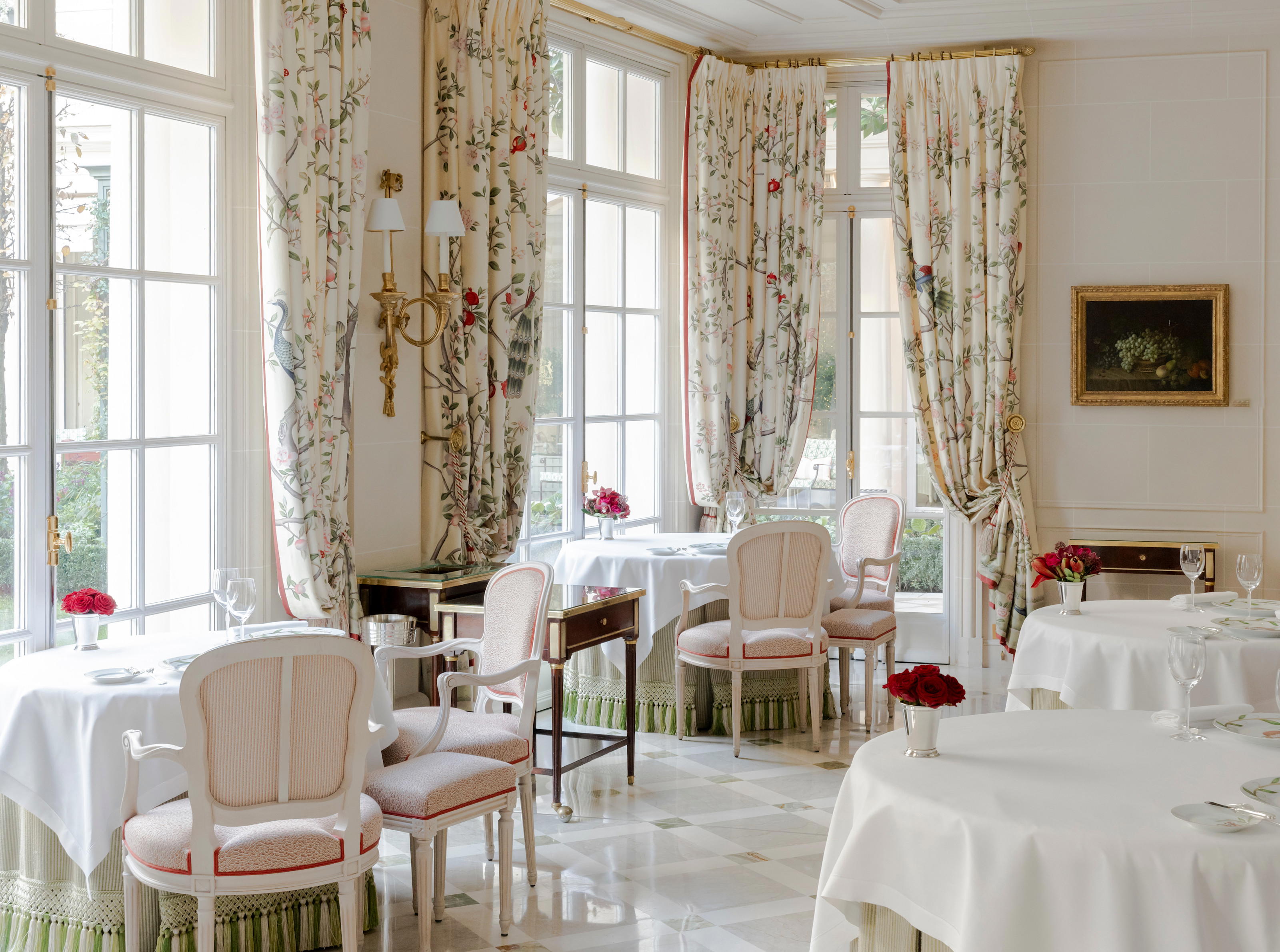
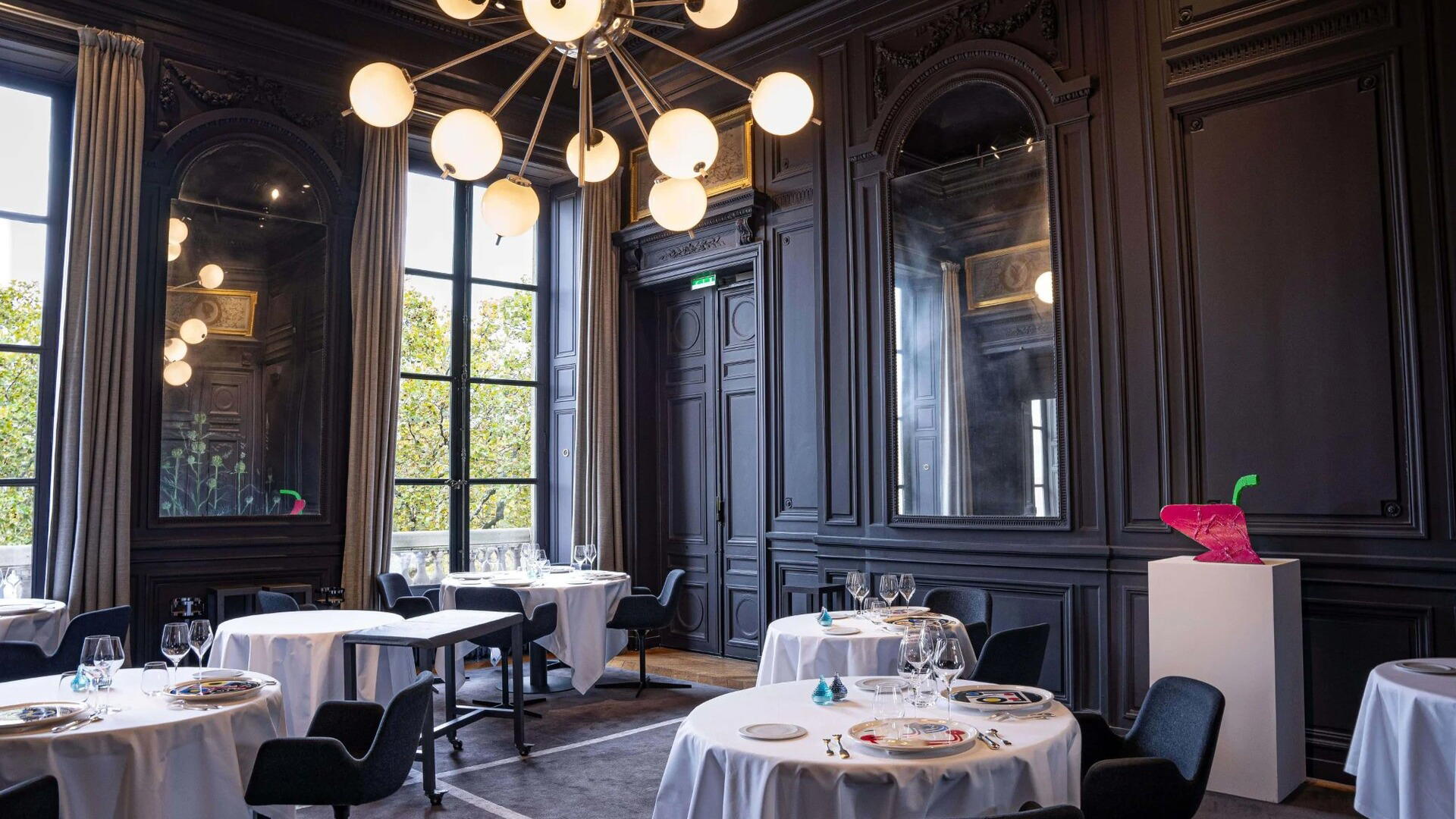
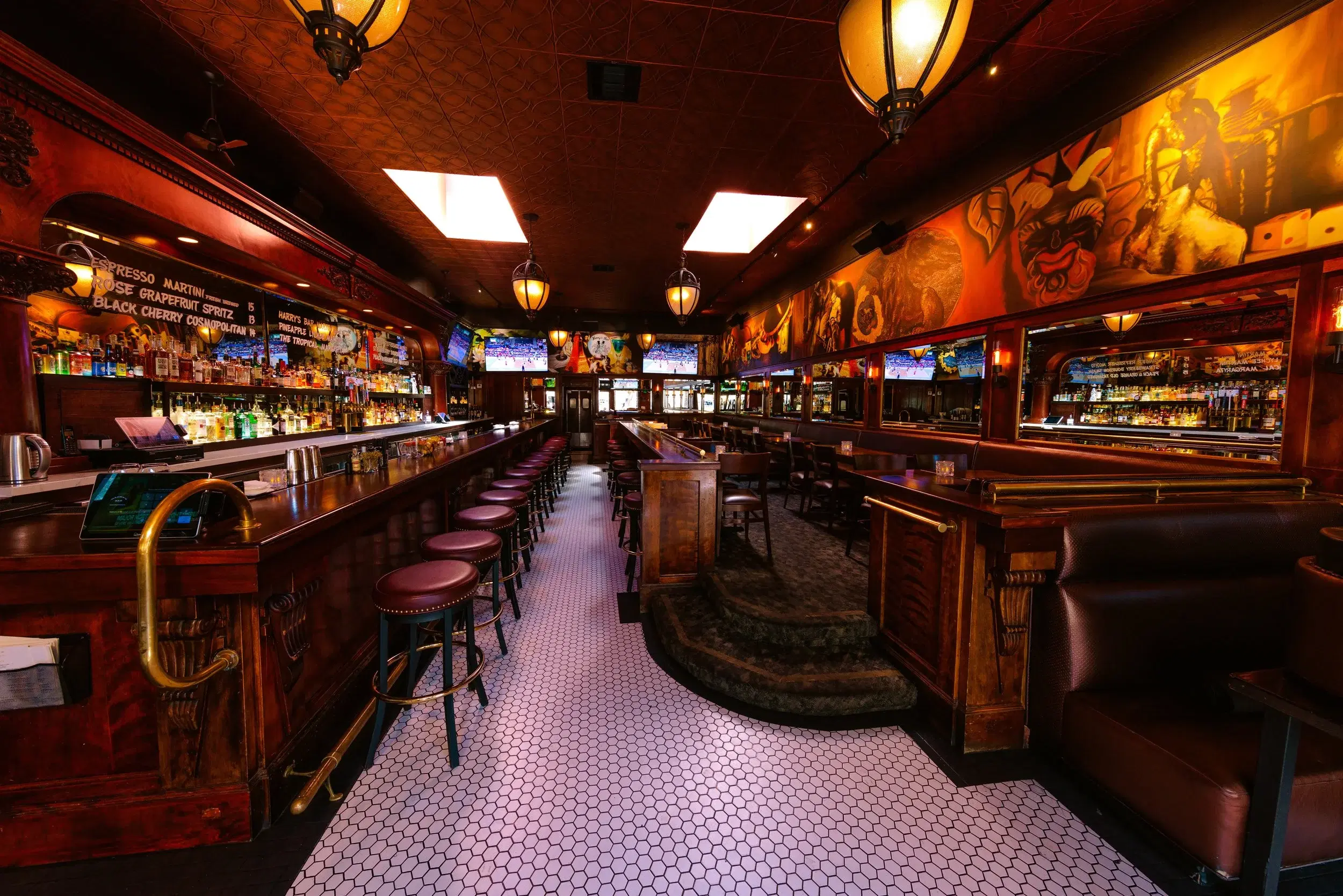
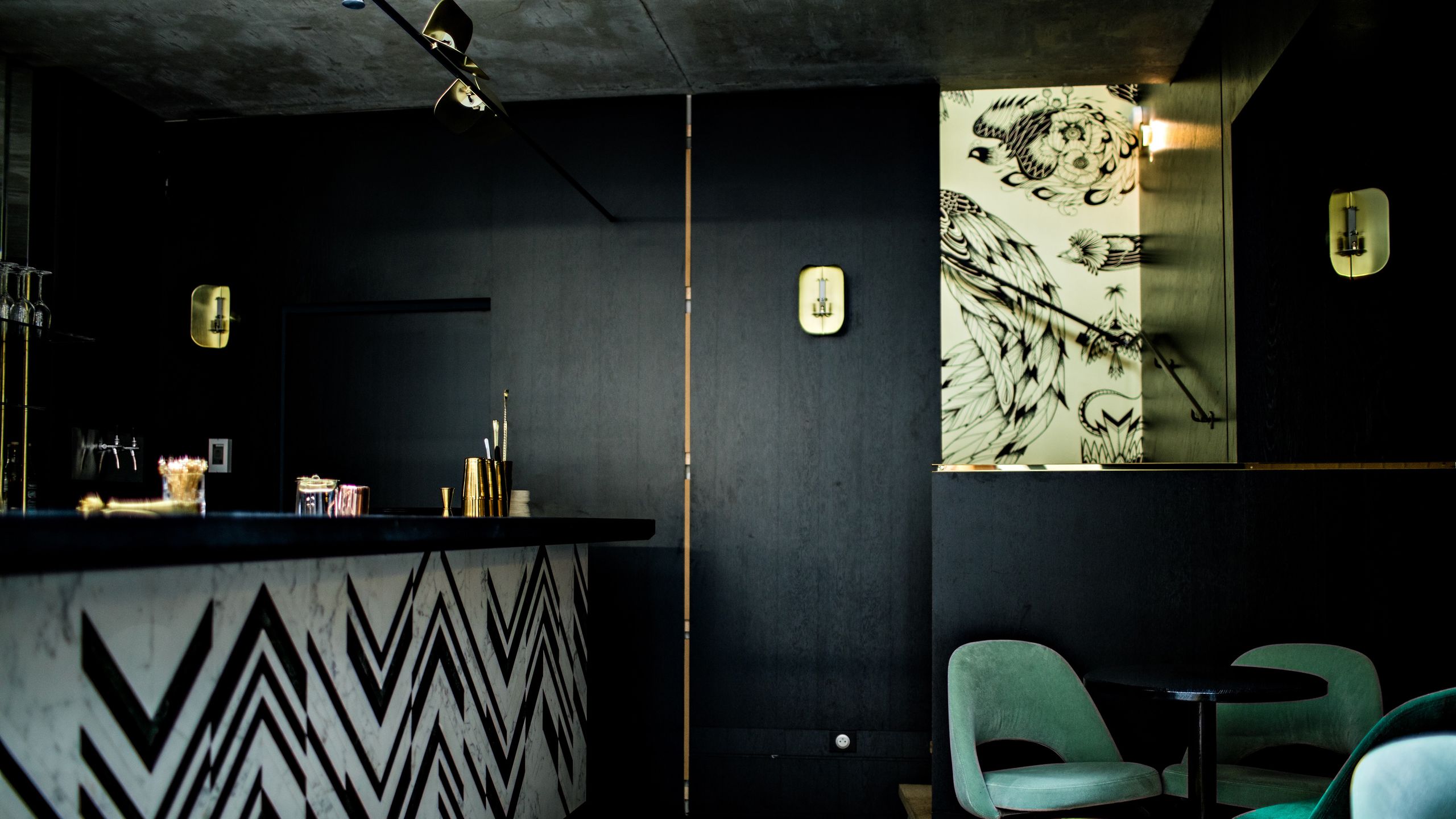
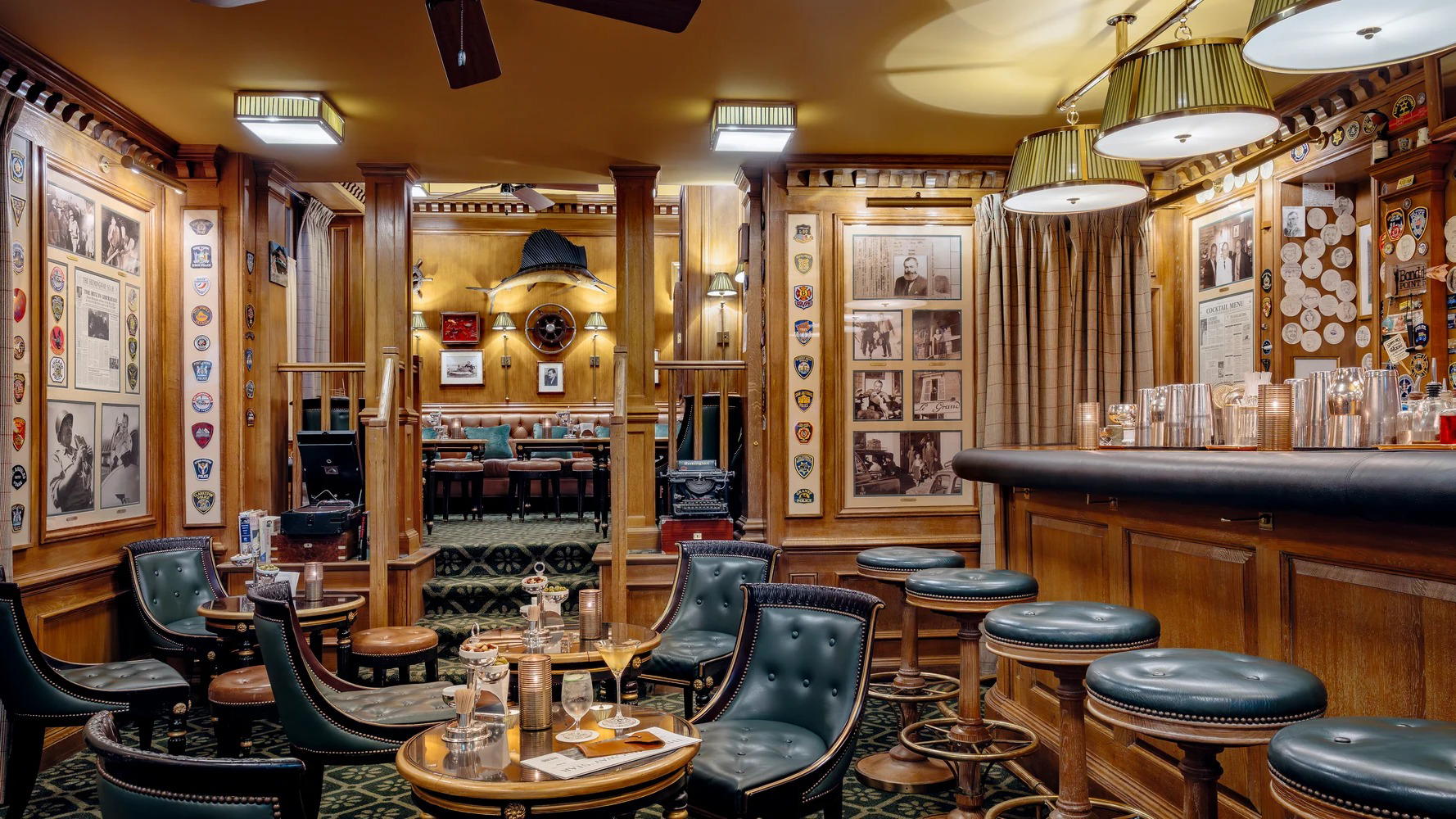
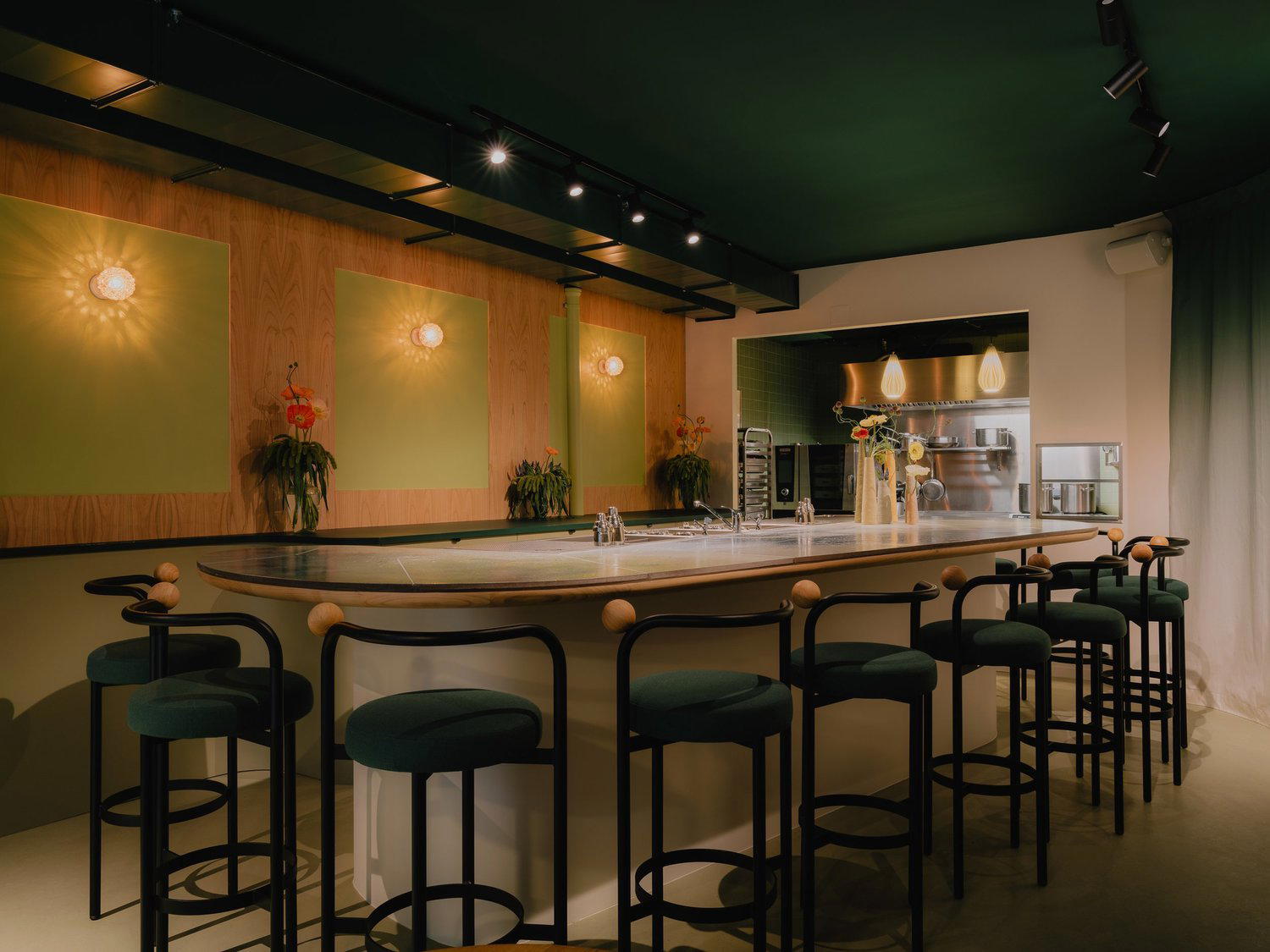
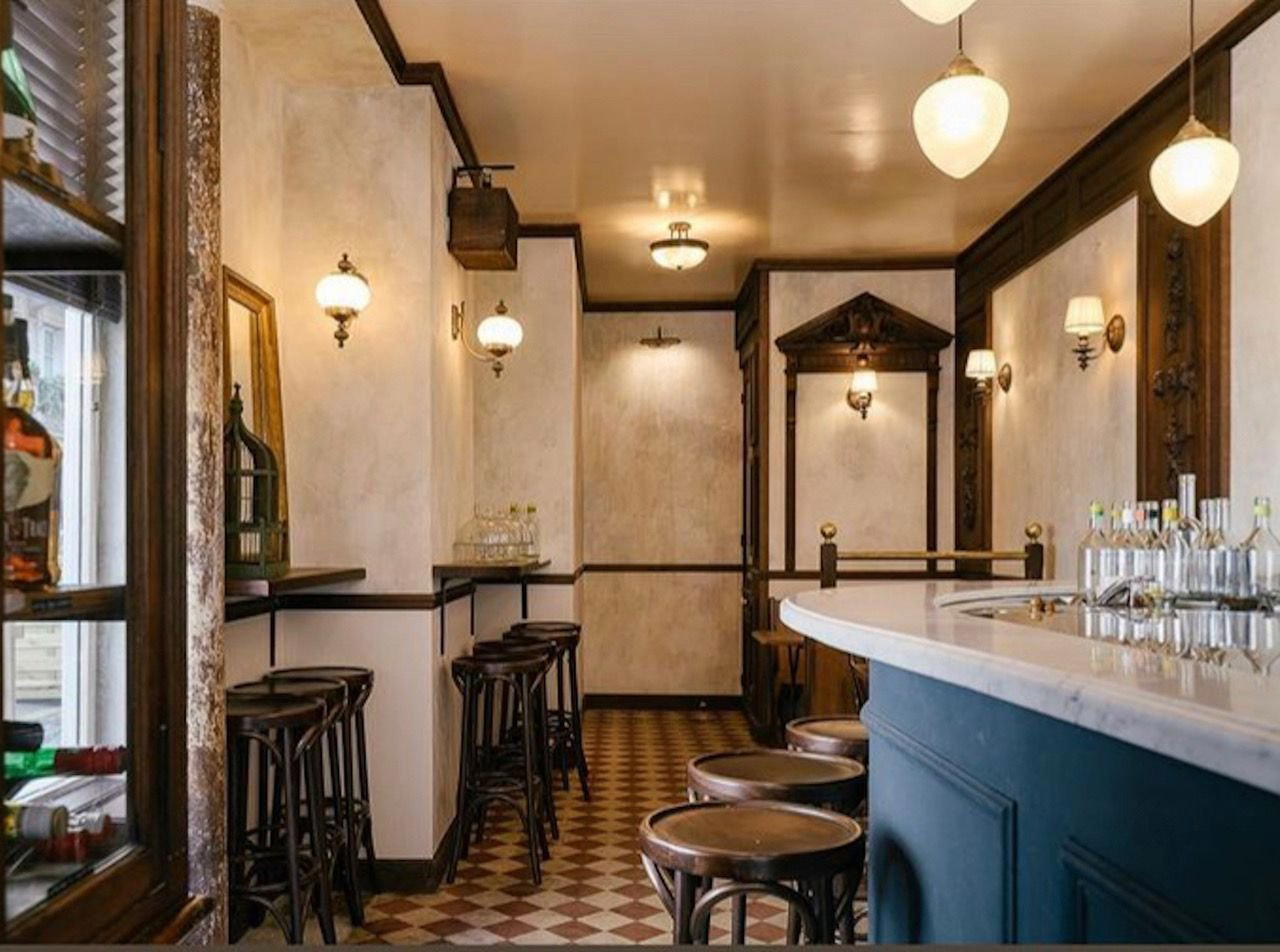
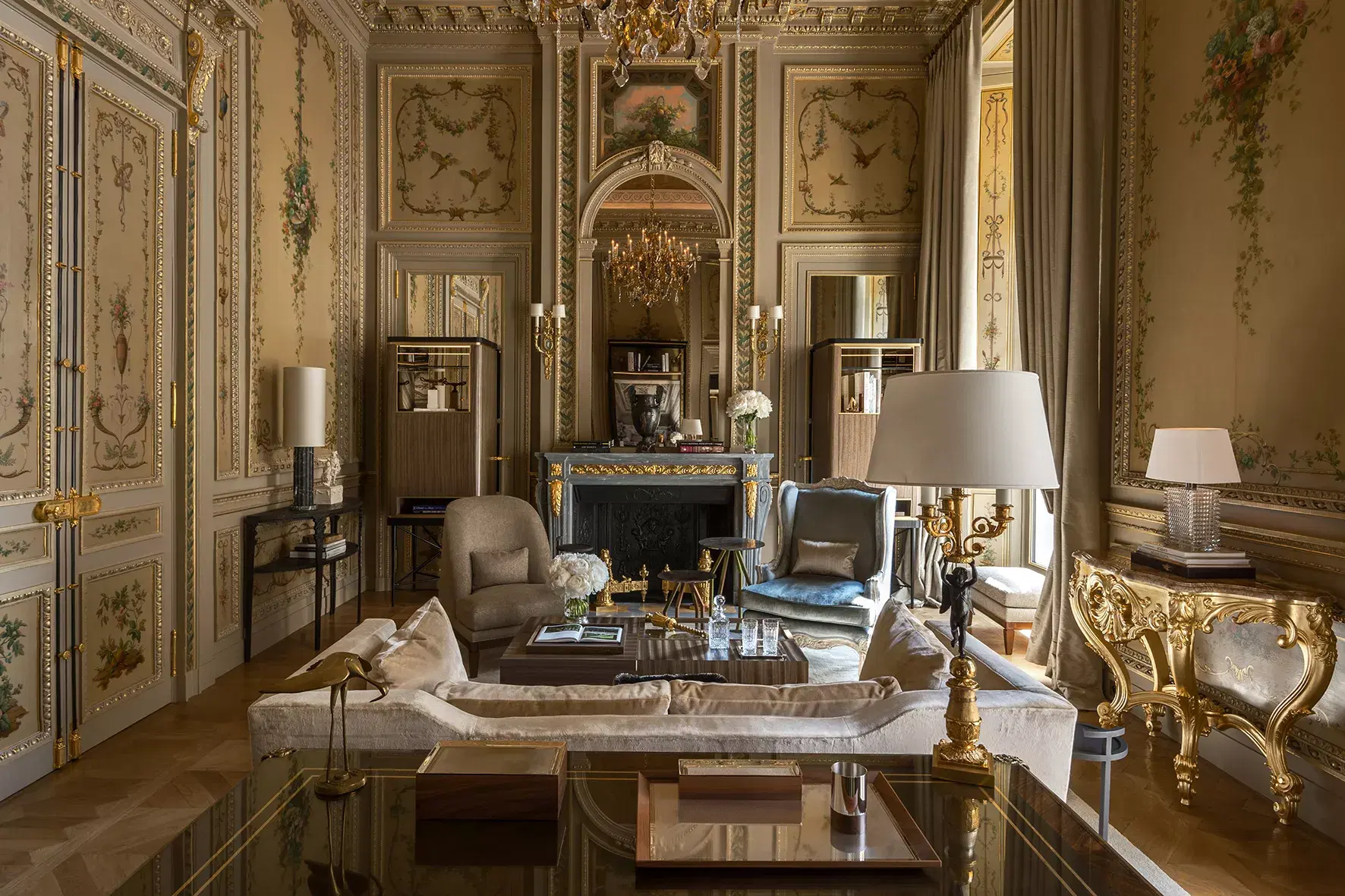
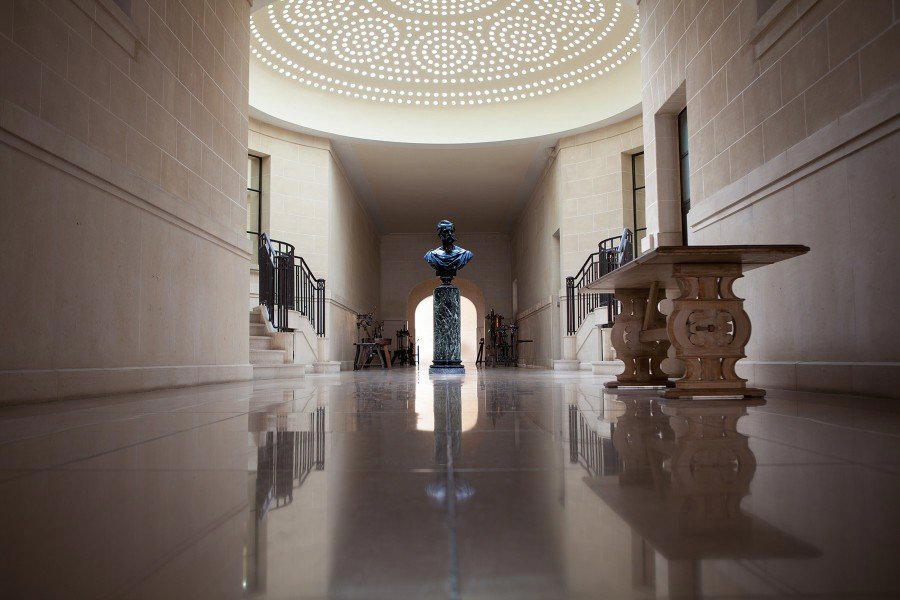
Elegant and warm atmosphere in a former Parisian bistro with vintage mirrors, moldings, and pop design touches; two golden tandoor ovens create a theatrical gastronomic show in the open kitchen.