

Restaurant RATN occupies a discreet address on Rue de la Tremoille in Paris's 8th arrondissement, a stretch that positions it squarely within the city's most competitive fine-dining corridor. Recognised by Star Wine List with a White Star designation in October 2023, the restaurant draws attention for its wine program in a neighbourhood where the list is often as scrutinised as the plate.
Pearl is the En Primeur Club membership app — saves, bookings, and concierge access live there. Same editors, same standards.
- Address
- 9 Rue de la Tremoille, 75008 Paris, France
- Phone
- +33 1 40 70 01 09
- Website
- restaurantratn.com
- Directions
- Get directions
 Saves & bookings on Pearl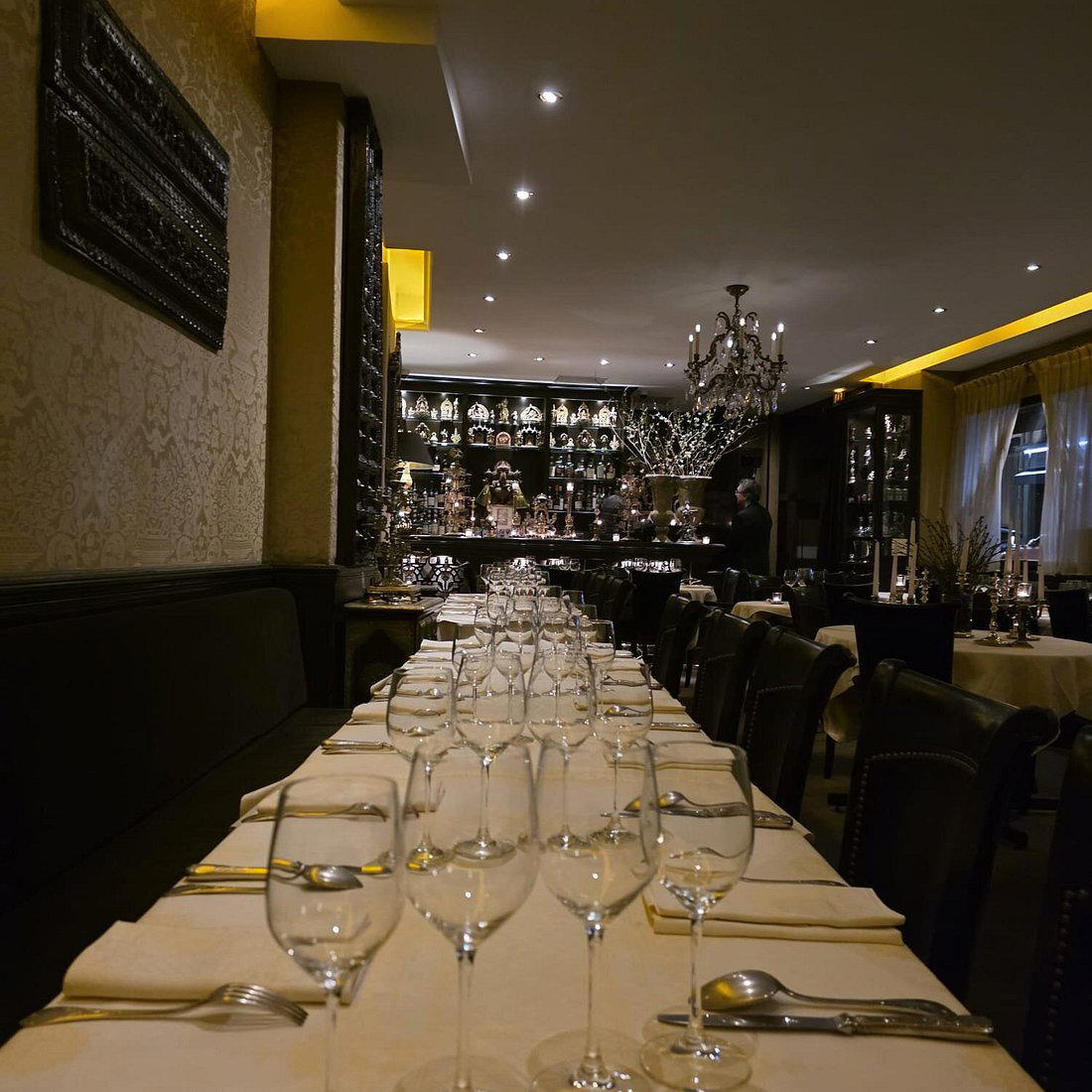
Rue de la Tremoille and the 8th's Fine-Dining Calculus
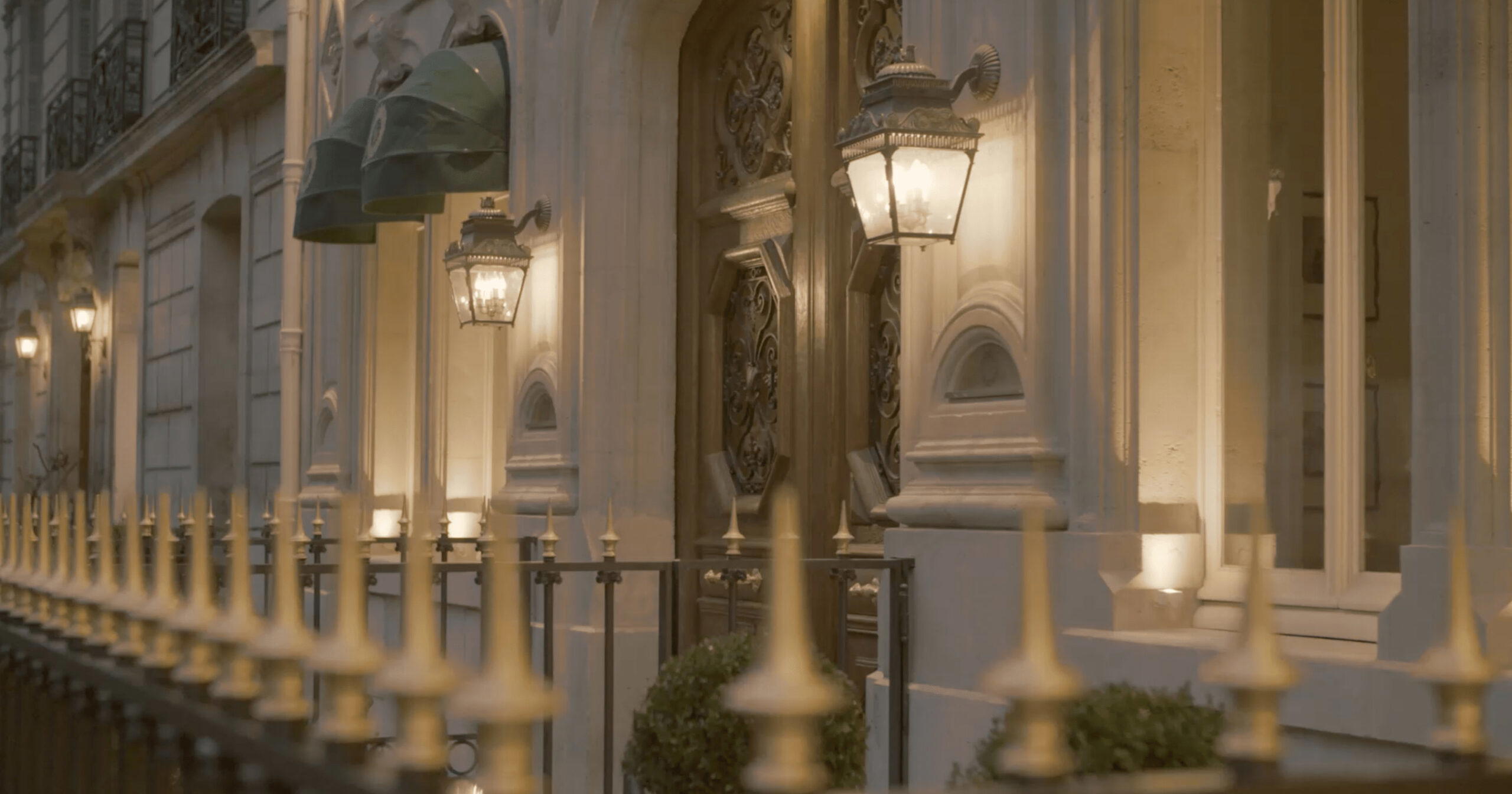
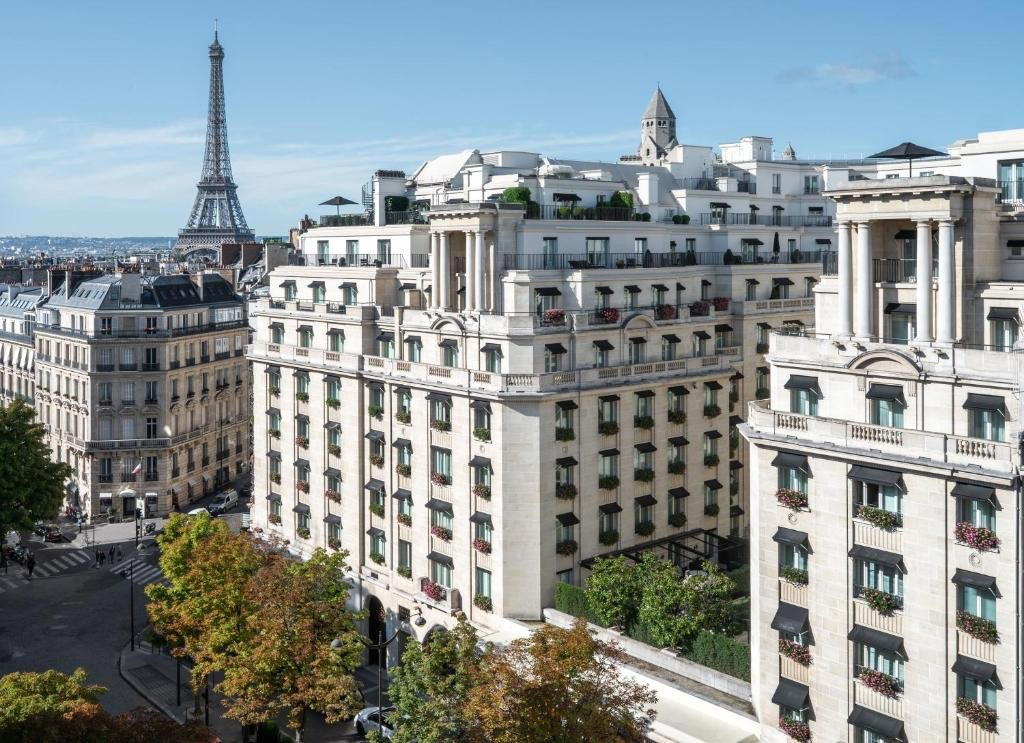
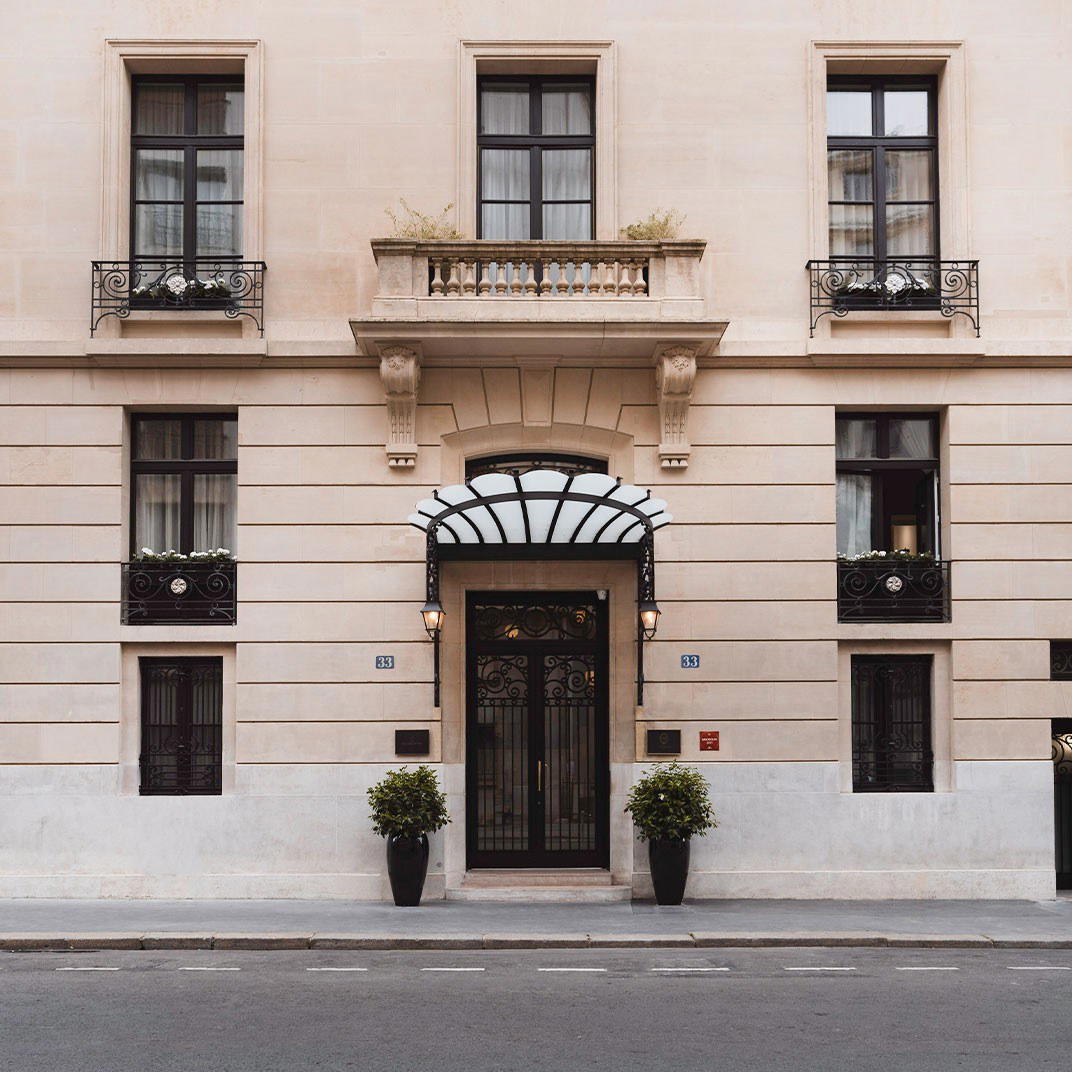
The 8th arrondissement does not make things easy for restaurants. It is the address of Le Cinq at the Four Seasons Hôtel George V and, a few minutes further, Alléno Paris au Pavillon Ledoyen, both operating at the uppermost register of French formal dining. Rue de la Tremoille sits in the heart of this pressure zone, a quiet residential street flanked by the kind of Haussmann architecture that signals wealth without advertising it. Arriving here, the building facades offer almost no cues about what is behind them. That restraint is the neighbourhood's default mode, and restaurants that succeed on this street tend to earn their position through what happens at the table rather than through external spectacle.
Restaurant RATN opened into that environment and has since accumulated a specific credential: a White Star from Star Wine List, awarded in October 2023. That designation matters in context. Star Wine List evaluates wine programs rather than kitchens, which means RATN's primary recognition is for the depth and curation of its cellar rather than for trophies that measure food alone. In a city where the wine list at Arpège or L'Ambroisie carries its own prestige, earning a wine-specific award in Paris is a more demanding task than it would be in most other cities.
What the Wine Recognition Signals About the Format
When a Star Wine List White Star is the lead credential on record, it tells you something about how the restaurant frames itself. The award is not granted for having a long list; it goes to programs that demonstrate coherence, sourcing intelligence, and a considered relationship between the cellar and the kitchen. Restaurants in Paris that prioritise wine at this level tend to run formats where pairing or sommelier guidance is built into the experience rather than offered as an optional add-on. That positions RATN in a comparable set that includes some of the city's most attentive dining rooms, where the person pouring your glass carries as much authority as the person writing the menu.
Across France, the relationship between wine and food at the high end has never been purely transactional. At Mirazur in Menton, the wine selection is inseparable from the seasonal menu structure. At Flocons de Sel in Megève, the alpine cellar is a deliberate extension of the kitchen's regional philosophy. At Troisgros in Ouches, the wine program has evolved in tandem with the family's wider culinary thinking over decades. RATN's White Star places it in a tradition where the sommelier's work is considered editorial, not decorative.
Menu Architecture in the 8th: Reading Between the Courses
The editorial angle on any serious Paris restaurant is less about what appears on the plate and more about how the menu is constructed as an argument. The 8th arrondissement has historically favoured classical French architecture: a sequence of courses that moves through technique demonstrations, with the kitchen's grammar expressed through brigade precision. That model is represented at its peak by Le Cinq, where the tasting menu operates as a formal document of French haute cuisine. Newer entrants to the arrondissement have had to decide whether to compete on that register or to define a different kind of sequence.
The White Star recognition for RATN suggests a menu that is structured with the wine in mind at each stage, which typically means a shorter, more deliberate course count rather than the extended multi-act format of the grandes maisons. That kind of menu architecture, where each dish is calibrated to work with a specific pour, has become more common in Paris since the mid-2010s as the natural wine movement and a renewed focus on sommelier-driven experiences pushed restaurants to think about the list and the menu as a single document rather than two parallel ones. Kei, for example, represents a different architecture entirely, fusing French technique with Japanese precision into a menu where the structure itself is the message. RATN's wine-first credential implies a different editorial logic, one where the cellar sets certain constraints on the kitchen rather than the reverse.
For points of comparison beyond France, the same logic applies at Le Bernardin in New York City, where the seafood-focused menu and the wine program are developed in close dialogue, and the result is a format that reads as coherent rather than assembled. The discipline required to maintain that coherence over time is what separates wine-integrated restaurants from those that simply list good bottles.
The 8th Arrondissement's Wine Culture
The 8th is not the neighbourhood most Parisians associate with wine discovery. That mantle belongs to the 11th and the pockets around the Marais where natural wine bars have operated since the early 2000s. The 8th is instead the address of institutional wine lists, the kind assembled by head sommeliers with the resources of a serious hotel group or a long-established maison behind them. Earning a wine recognition in this context means competing against programs with decades of acquisition history and storage infrastructure. Bras in Laguiole and Auberge de l'Ill in Illhaeusern carry wine programs that have been built over generations in regions with direct producer access. RATN builds its claim from a Paris street address, which is a different kind of argument.
Placing RATN in the Paris Scene
For readers orienting themselves across Paris's wider restaurant spectrum, RATN occupies a specific and somewhat unusual position: a restaurant in one of the city's most formally demanding addresses, recognised primarily for its wine program rather than for a kitchen award. That combination appeals to a particular kind of diner, one who approaches the evening through the cellar first and reads the menu as the structure around which the bottles will be arranged. It is a less common starting point in Paris than in, say, Copenhagen or London, where sommelier-driven formats have built a larger audience over the past decade.
The 8th's density of serious competition makes RATN's niche more legible by contrast. Where Alléno Paris makes its case through creative ambition at three Michelin stars and Le Cinq through the formal authority of the hotel grand-dining tradition, RATN's White Star positions it as a wine-led alternative within the same postcode. That is a narrow enough position to be distinctive without requiring the kitchen to compete on the same terms as those neighbours.
Accolades, Compared
Comparable venues nearby, for context on price, style, and recognition.
| Venue | Cuisine | Price | Notes |
|---|---|---|---|
| Restaurant RATNThis venue — the venue you are viewing | Authentic North Indian Mughlai | $$$ | Not listed |
| Jugaad | Contemporary Indian with French Ingredients | $$$$ | 2nd arrondissement (Vivienne) |
| Bellota-Bellota | Spanish Tapas & Iberico Ham | $$$ | Champs-Elysées |
| La Maison de l'Aubrac | Traditional French Aubrac Steakhouse | $$$ | Champs-Élysées |
| Momen | Modern French Bistronomy | $$$ | Paris 08 |
| Nubar | Lebanese & Armenian | $$$ | Saint-Germain-des-Prés |
Recognition history
Dated appearances from independent guides and award organizations, with the underlying list record or original source where available.
Star Wine List
Star Wine List
Wine Spectator Best of Award of Excellence
Wine Spectator
Continue exploring
More in Paris
Restaurants in Paris
Browse all →

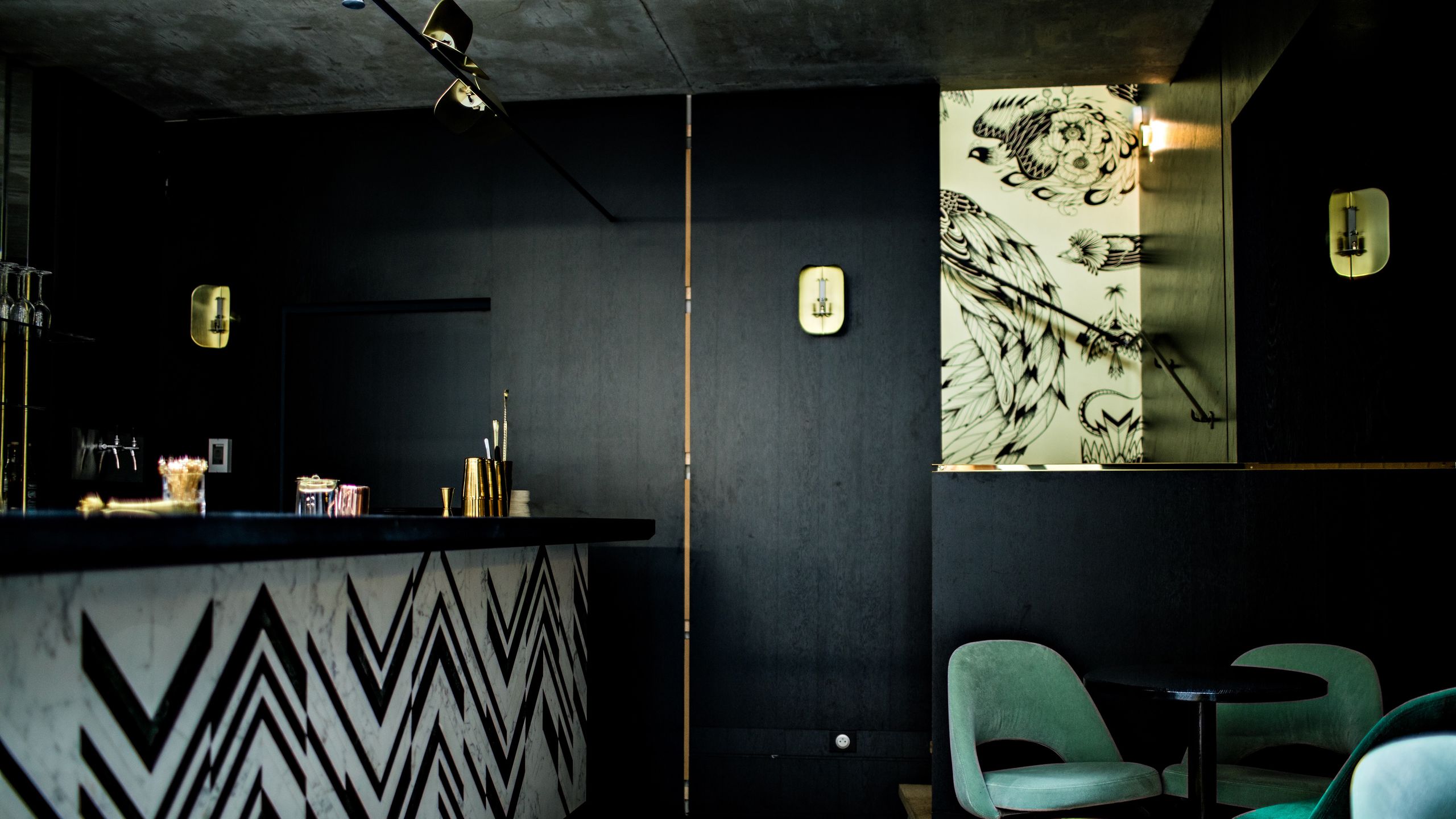
Bars in Paris
Browse all →
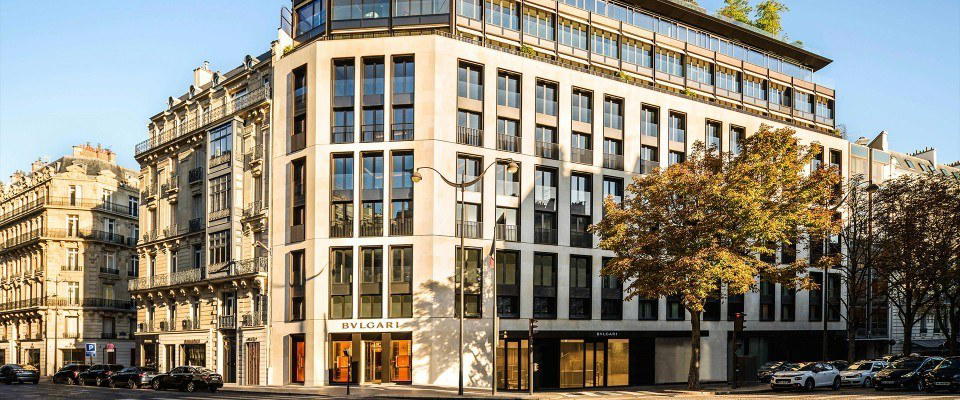
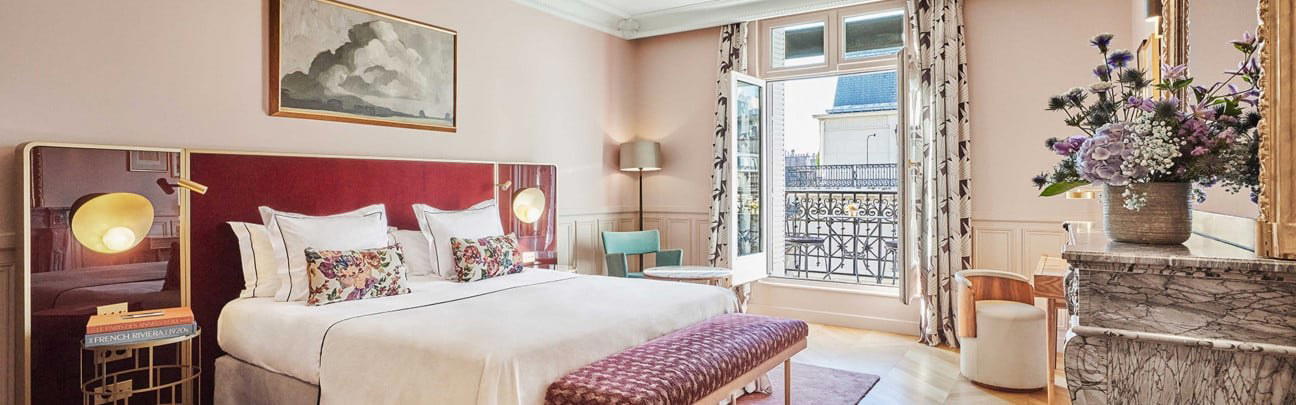
Hotels in Paris
Browse all →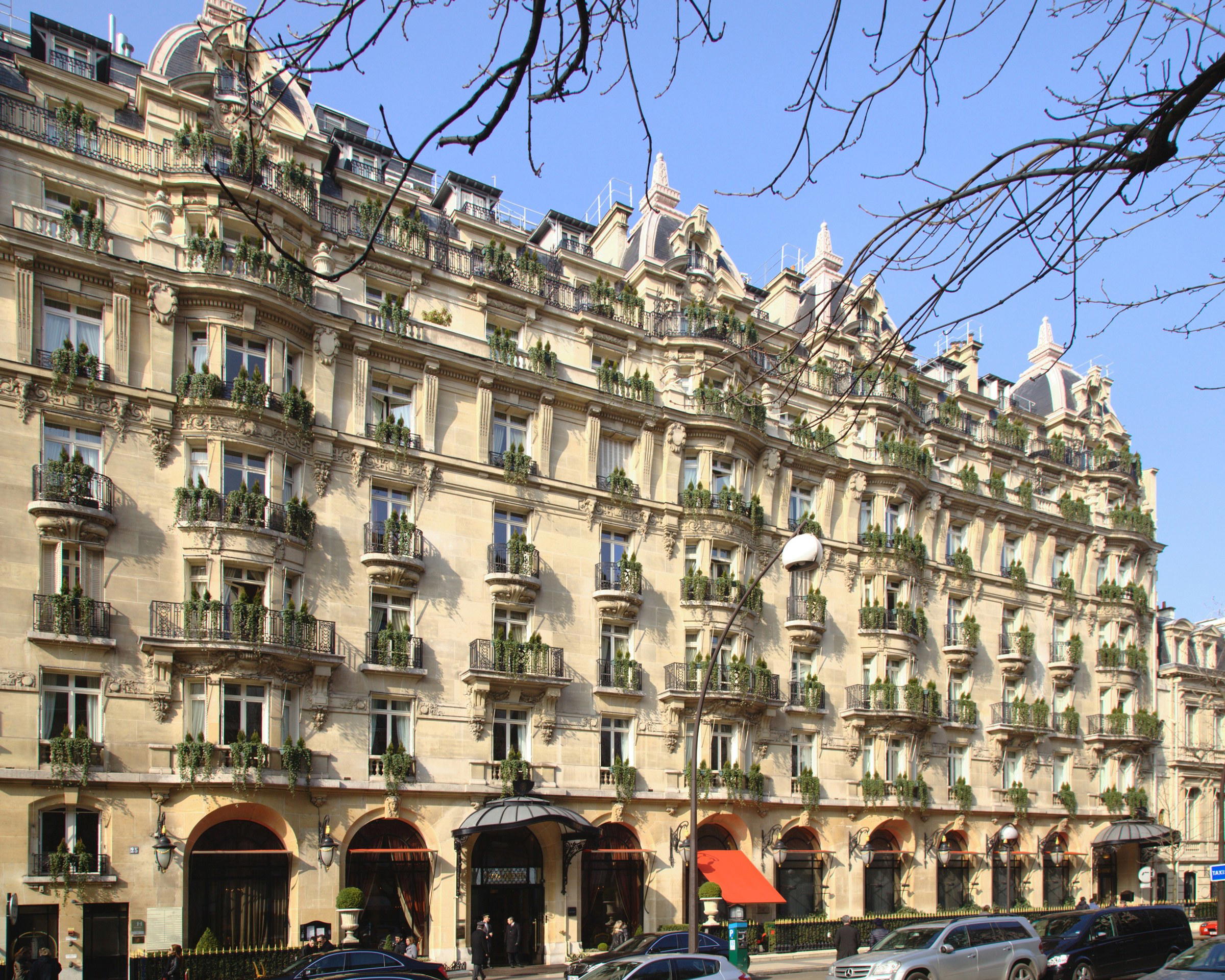

At a Glance
- Elegant
- Sophisticated
- Romantic
- Cozy
- Date Night
- Special Occasion
- Business Dinner
- Standalone
Current opening hours
- Monday
- 12–4 PM, 7:15–11:15 PM
- Tuesday
- 12–4 PM, 7:15–11:15 PM
- Wednesday
- 12–4 PM, 7:15–11:15 PM
- Thursday
- 12–4 PM, 7:15–11:15 PM
- Friday
- 12–4 PM, 7:15–11:15 PM
- Saturday
- 12–4 PM, 7:15–11:15 PM
- Sunday
- 12–4 PM, 7:15–11:15 PM
Hours can change for holidays and private events. Last verified .
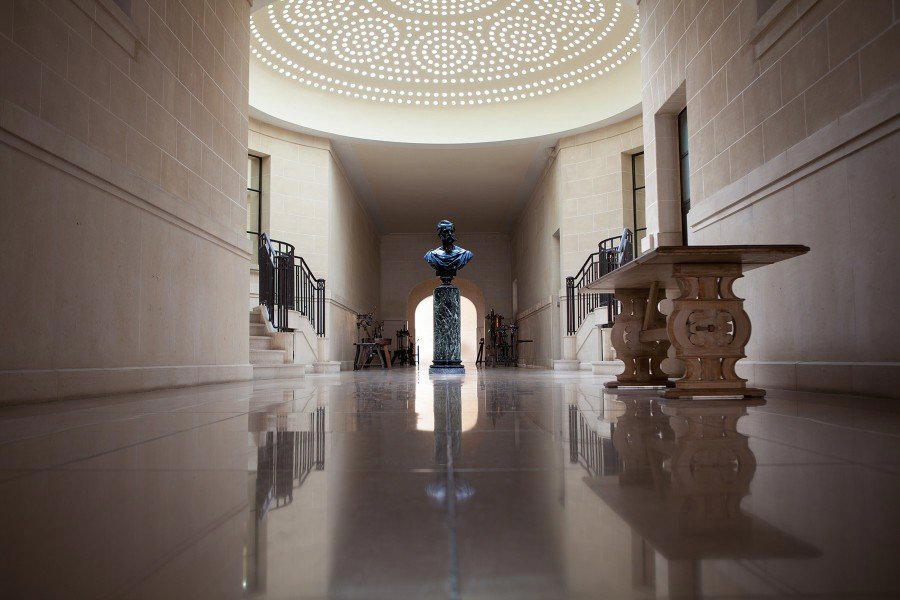
Warm and inviting with candlelight, exotic furniture, and luxurious atmosphere.