Montecito occupies a stretch of Boulevard des Capucines in Paris's 2nd arrondissement, where the Grands Boulevards tradition of animated public dining has run uninterrupted for well over a century. The address places it in a neighbourhood that has absorbed successive waves of Parisian dining fashion without losing its character as a place people actually use, rather than simply visit. For visitors orienting themselves in the city's mid-arrondissement dining corridor, it sits within easy reach of both the Opéra quarter and the covered passages of the 2nd.
Pearl is the En Primeur Club membership app — saves, bookings, and concierge access live there. Same editors, same standards.
- Address
- 27 - 29 Bd des Capucines, 75002 Paris, France
- Phone
- +33180407640
- Website
- montecitoparis.com
- Directions
- Get directions
 Saves & bookings on Pearl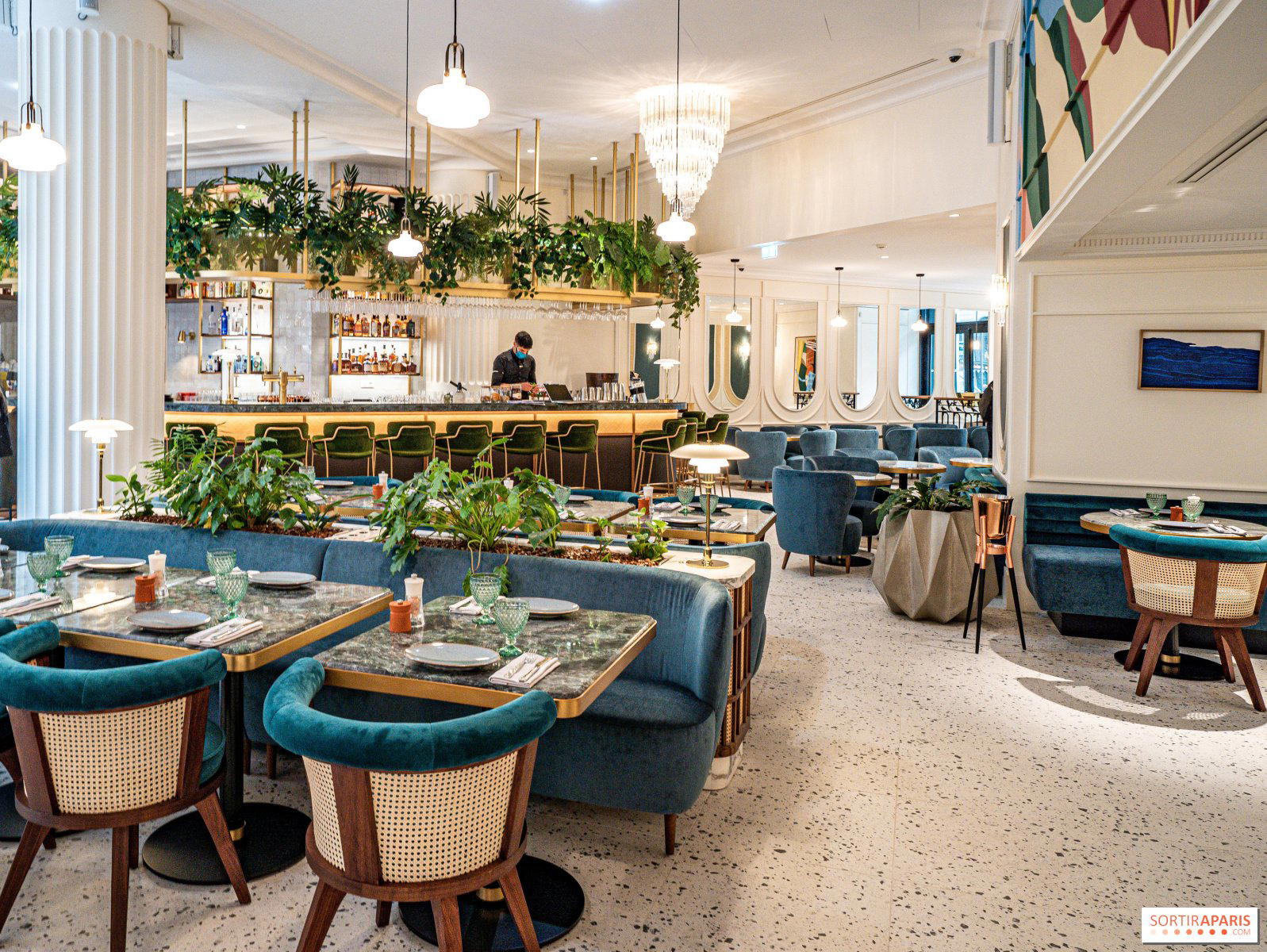
Boulevard des Capucines and the Grands Boulevards Dining Tradition
Few addresses in Paris carry the accumulated social weight of the Grands Boulevards. The stretch running from the Madeleine eastward through the 2nd and 3rd arrondissements was, for most of the nineteenth century, the primary stage for Parisian public life: cafés, theatres, brasseries, and the slow parade of people who came to be seen as much as to eat or drink. That social function has shifted but not disappeared. Today, Boulevard des Capucines and its immediate surroundings represent a particular tier of Paris dining: addresses that serve a genuinely mixed crowd of neighbourhood regulars, Opéra-quarter professionals, and visitors who prefer the animated street-level energy of this corridor to the more rarefied atmosphere of the 7th or the self-consciously curated dining rooms of the Marais.
Montecito sits at 27-29 Boulevard des Capucines, in that tradition. The address is not incidental. This part of the 2nd arrondissement has a different register from the high-Michelin density of the 8th, where Alléno Paris au Pavillon Ledoyen and Le Cinq at the Four Seasons Hôtel George V operate in an atmosphere of deliberate insulation from the street. Here, the boulevard asserts itself. The traffic, the theatre crowds, the adjacent covered passages, all of it is context, not backdrop.
Where the 2nd Arrondissement Fits in Paris's Dining Geography
Paris's restaurant geography rewards attention. The 1st and 7th arrondissements hold the classical French canon: places like L'Ambroisie, where the weight of French culinary tradition is felt in every element of service and sourcing. The 6th and 7th have absorbed a cluster of destination restaurants that draw on that same classical inheritance while experimenting at its edges, Arpège being one frequently cited example of a kitchen that redefined what serious French cooking could look like from the inside out. The 2nd operates differently. It is less a destination arrondissement and more a working one, in the leading sense: a place where dining rooms fill because people actually want to be there on a given Tuesday, not because they planned the reservation three months in advance as a ceremonial occasion.
That distinction matters for how Paris's premium tier compares to the country's wider fine dining geography. Restaurants like Mirazur in Menton, Flocons de Sel in Megève, and Bras in Laguiole have built reputations around a specific sense of place that the landscape around them literally enforces. Paris restaurants have to manufacture that sense of place more deliberately, because the city itself is already the context. A room on the Grands Boulevards either works with the boulevard's energy or tries to screen it out. The more interesting rooms do the former.
The Cultural Logic of the Grands Boulevards Address
The cultural roots of this part of Paris run deeper than most visitors clock on a first trip. The Opéra Garnier, two minutes' walk from the Boulevard des Capucines end of the street, was not simply a concert hall when it opened in 1875, it was a social machine. The cafés and restaurants that grew up around it were extensions of that machine, places where the evening continued rather than ended. The brasserie format that became synonymous with this neighbourhood was itself a response to that demand: high-volume, high-energy, long hours, and a menu broad enough to serve everyone from a theatre director to someone who had simply wandered in from the street.
That context is useful for reading what a contemporary restaurant on this stretch is actually doing. The Grands Boulevards address carries an implicit obligation: to be useful to the neighbourhood, not simply to curate an experience for an audience that has already decided to make an occasion of the evening. For comparison, places like Kei, which bridges Japanese technique and French classical structure, or Au Crocodile in Strasbourg, carry a strong regional or cultural specificity that anchors the experience before you even sit down. The boulevard address, by contrast, positions a restaurant inside a tradition of civic dining that is as much about the street outside as the room within.
Paris in the Context of French Fine Dining
For visitors planning around serious dining, it is worth mapping Paris against the broader national picture. France's most formally recognized restaurants are distributed across the country in a pattern that rewards going further afield. Paul Bocuse's Auberge du Pont de Collonges near Lyon, Auberge de l'Ill in Illhaeusern, Assiette Champenoise in Reims, Auberge du Vieux Puits in Fontjoncouse, and Troisgros in Ouches each represent a version of French gastronomy that Paris cannot straightforwardly replicate, because they are inseparable from specific regional ingredients, producer relationships, and a slower pace of hospitality that city dining simply cannot absorb. Paris's advantage is density and variety: within a few arrondissements, you can move from the classical rigour of the 7th to the Alsatian formality of a wine-forward dining room to the kind of animated, all-purpose brasserie that the Grands Boulevards have produced for 150 years.
For those whose French dining extends beyond Paris, the comparison with AM par Alexandre Mazzia in Marseille is instructive: a kitchen operating with complete singularity of vision in a city that has its own complicated relationship with fine dining's conventional expectations. Paris restaurants, almost by definition, operate with a larger audience and a more varied set of demands on any given evening.
Planning Your Visit
Montecito is located at 27-29 Boulevard des Capucines in the 2nd arrondissement, within walking distance of the Opéra Garnier and the covered passages that run through this part of the city. The nearest Métro stations are Opéra (lines 3, 7, 8) and Madeleine (lines 8, 12, 14). For visitors building a broader Paris dining itinerary,
Quick reference: 27-29 Bd des Capucines, 75002 Paris. Nearest Métro: Opéra or Madeleine.
Comparable Venues
Comparable venues nearby, for context on price, style, and recognition.
| Venue | Cuisine | Price | Notes |
|---|---|---|---|
| MontecitoThis venue — the venue you are viewing | Modern Californian Fusion | $$$$ | Not listed |
| Ralph's Restaurant | Classic American | $$$ | Saint-Germain-des-Prés |
| Sugaar | Modern Basque Steakhouse | $$$$ | 75006 |
| Datsha | Modern Fusion Small Plates | $$$$ | Marais |
| Restaurant Monsieur Lancaster | Modern French Regional Fine Dining | $$$$ | 8th Arr. |
| PNY MARAIS TEMPLE | American Flame-Grilled Burgers with Asian Fusion | $$ | Le Marais |
Continue exploring
More in Paris
Restaurants in Paris
Browse all →
Bars in Paris
Browse all →
Hotels in Paris
Browse all →



At a Glance
- Lively
- Trendy
- Cozy
- Elegant
- Group Dining
- Brunch
- Late Night
- Casual Hangout
- Terrace
- Live Music
- Hotel Restaurant
- Open Kitchen
- Craft Cocktails
- Local Sourcing
- Street Scene
Current opening hours
- Monday
- 7–10:30 AM, 12–2:30 PM
- Tuesday
- 7–10:30 AM, 12–2:30 PM, 7–11 PM
- Wednesday
- 7–10:30 AM, 12–2:30 PM, 7–11 PM
- Thursday
- 7–10:30 AM, 12–2:30 PM, 7–11 PM
- Friday
- 7–10:30 AM, 12–2:30 PM, 7–11 PM
- Saturday
- 7–11 AM, 12–2:30 PM, 7–11 PM
- Sunday
- 7–11 AM, 12–2:30 PM
Hours can change for holidays and private events. Last verified .
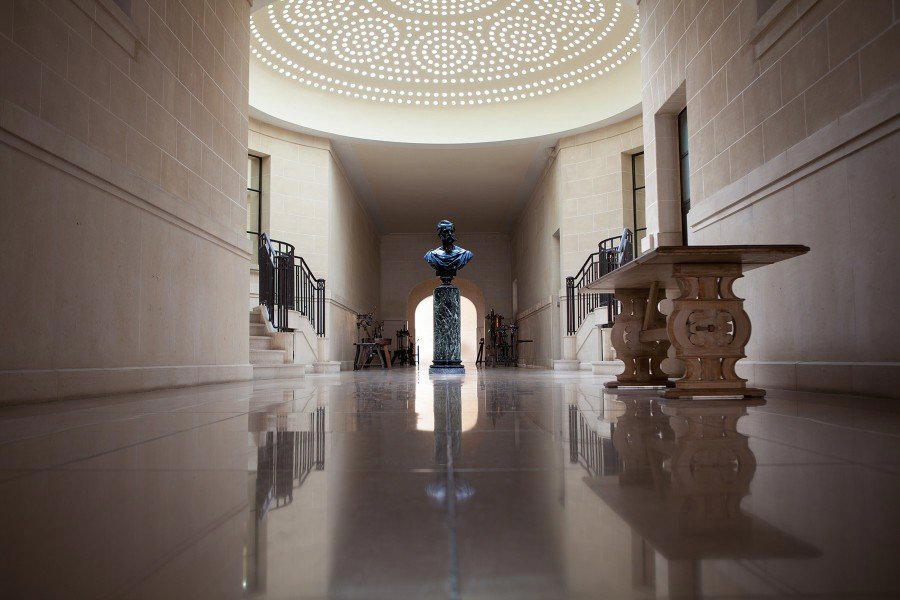
Warm decor with lush greenery, colorful accents, high luminous ceilings, and a relaxed Californian vibe with Parisian sophistication.