Juancho's BBQ occupies a characteristically unassuming address on Calle de Andrés Borrego in Malasaña, the barrio that has quietly built one of Madrid's most consistent neighbourhood dining scenes over the past decade. The name signals an informal charcoal-and-smoke format that sits well outside the city's €€€€ tasting-menu tier, placing it instead within a mid-register tradition of serious grilling without ceremony.
Pearl is the En Primeur Club membership app — saves, bookings, and concierge access live there. Same editors, same standards.
- Address
- C. de Andrés Borrego, 16, Centro, 28004 Madrid, Spain
- Phone
- +34910789121
- Website
- juanchosbbq.com
- Directions
- Get directions
 Saves & bookings on Pearl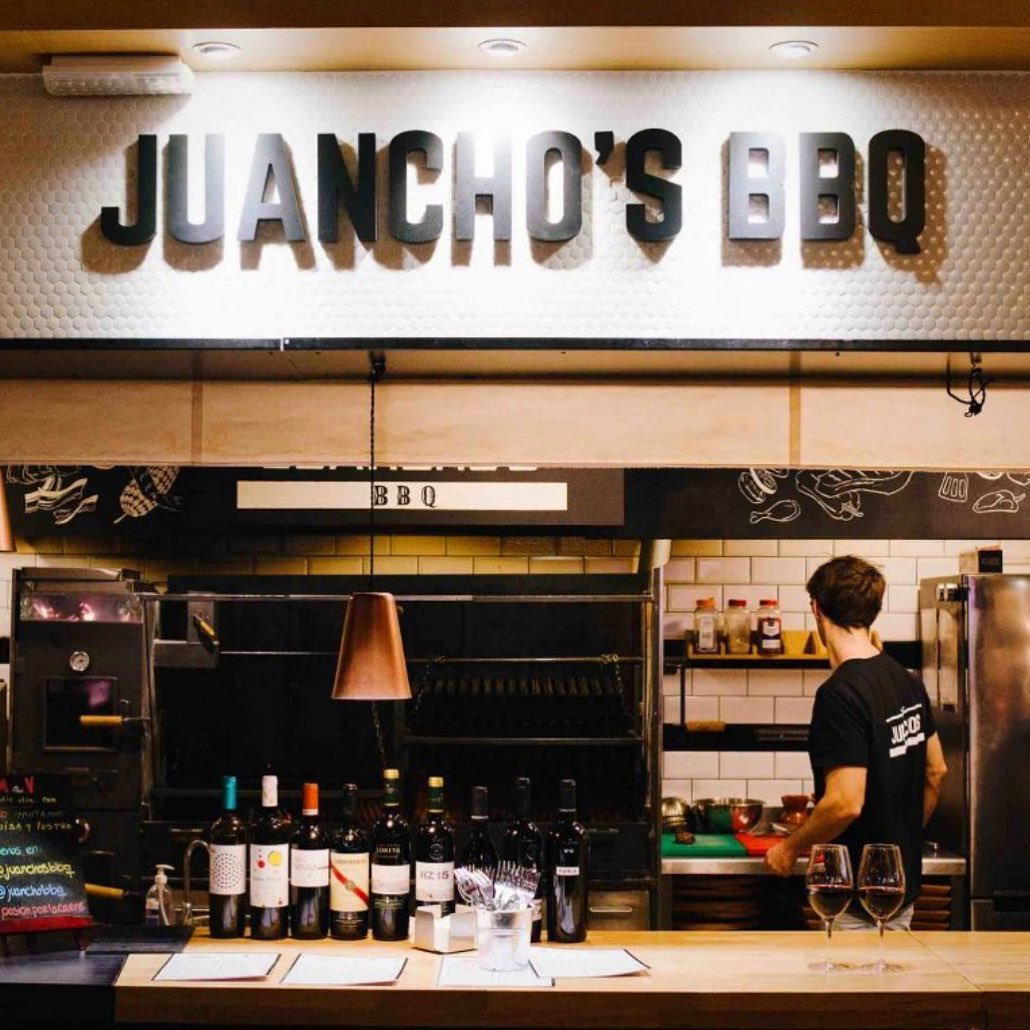
Where Madrid's BBQ Street Culture Meets the Malasaña Grid
Calle de Andrés Borrego cuts through the heart of Malasaña, one of Madrid's most persistently local barrios, where the street-level mix of independent bars, record shops, and neighbourhood restaurants has resisted the full force of gentrification longer than most central postcodes. Arriving at number 16, the building sits within a residential block rather than a purpose-built dining strip, the kind of address that filters out casual passersby and draws in those who came specifically, or who discovered it by walking the neighbourhood rather than searching a list.
The Role of Smoke and Charcoal in Madrid's Eating Culture
Spanish BBQ culture sits in a different register from its American or Korean counterparts, and Madrid's version has its own distinct character. Where coastal Spain leans on live-fire techniques built around fish and vegetables, and the Basque country has its txokos and asadores with deep ritual around the parrilla, Madrid's interior position historically meant meat-centred cooking over wood and charcoal, from cochinillo in Segovia-trained kitchens to the more informal churrasco grilling that spread through the city's bar culture in the latter half of the twentieth century. Juancho's BBQ sits within this tradition while referencing a broader international awareness of smoke as technique. That positioning, local tradition filtered through a wider lens, has become increasingly common in the Centro and Malasaña areas, where younger operators draw on Spanish raw materials without confining themselves to a single regional repertoire.
The name signals informality deliberately. In a city where the premium end of the restaurant spectrum runs through addresses like DiverXO, Coque, Deessa, DSTAgE, and Paco Roncero, all operating at the €€€€ tier with tasting menus and Michelin recognition, there is meaningful appetite for the middle register: places that take cooking seriously without the architecture of a formal service progression. Juancho's operates in that space.
Reading the Meal as a Sequence
Spanish BBQ dining, at its most considered, has a natural progression logic built into the cooking method itself. Smoke is not applied uniformly, different proteins and cuts absorb heat and wood flavour at different rates, which means a thoughtful kitchen sequences what arrives at the table in a way that mirrors the cooking arc. Early plates tend to be lighter, using quick-fired techniques or preparations that complement rather than compete with heavier smoke. The middle of the meal is where charcoal-intensive cuts take the centre, requiring the palate to have warmed into the fat and depth that sustained smoke produces. Toward the end, the progression should release some of that intensity, whether through something acidic, fresh, or simply restrained.
This logic is not distinctive to Madrid, it operates across the better asadores of Spain and in fire-forward restaurants from the Basque country to Andalusia. What varies is how explicitly a kitchen acknowledges the arc versus leaving the guest to construct it informally. At the neighbourhood BBQ level, the structure is often looser: dishes arrive when they are ready, portions are designed for sharing, and the meal moves at a pace determined partly by the grill and partly by the conversation. That informality is a feature, not a limitation, it places the guest in control of pacing in a way that tasting-menu formats deliberately remove.
For reference points on how Spain's fire-based cooking traditions play at higher formality levels, Aponiente in El Puerto de Santa María, Mugaritz in Errenteria, and Azurmendi in Larrabetzu each approach heat and transformation as central culinary language, though within entirely different structural contexts. Similarly, Arzak in San Sebastián, Martin Berasategui in Lasarte-Oria, and Quique Dacosta in Dénia represent the structured end of Spanish creative cooking for readers who want to understand the full spectrum. El Celler de Can Roca in Girona, Cocina Hermanos Torres in Barcelona, Ricard Camarena in València, and Atrio in Cáceres complete a picture of high-commitment Spanish dining spread across the peninsula. The contrast with an informal Malasaña BBQ table is instructive: both ends of the Spanish restaurant spectrum take sourcing and technique seriously; the difference lies in format, formality, and price architecture.
Malasaña and the Neighbourhood Restaurant Dynamic
Malasaña's eating culture has shifted substantially over the past decade. The barrio built its reputation on low-cost, high-frequency drinking and eating culture rooted in Madrid's movida generation, the late-night, all-day bar culture that defined Spanish urban life through the 1980s. That layer still exists, but it now sits alongside a generation of operators who brought more considered cooking into the neighbourhood without abandoning its casual register. The result is a postcode where a serious kitchen can operate behind an unassuming door and find an audience that is local enough to be loyal and international enough to be curious. Juancho's address on Andrés Borrego places it within walking distance of Gran Vía to the south and Tribunal metro to the north, giving it access to foot traffic without depending on it.
For international comparison, Le Bernardin in New York City and Atomix in New York City illustrate how fire and technique translate into different formal registers elsewhere.
Know Before You Go
- Address: C. de Andrés Borrego, 16, Centro, 28004 Madrid, Spain
- Neighbourhood: Malasaña, within walking distance of Tribunal metro station
- Nearest Metro: Tribunal (Lines 1 and 10) or Noviciado (Line 2)
- Booking: Recommended
- Hours: Wed: 1–5 PM, 8 PM–12 AM; Thu: 1–5 PM, 8 PM–12 AM; Fri: 1–5 PM, 8 PM–1 AM; Sat: 1–5 PM, 8 PM–1 AM; Sun: 1–5 PM, 8 PM–12 AM
- Price range: About $20 per person
Pricing, Compared
Comparable venues nearby, for context on price, style, and recognition.
| Venue | Cuisine | Price | Notes |
|---|---|---|---|
| Juancho's BBQThis venue — the venue you are viewing | Malasana, Award-Winning BBQ Burgers | $$ | Not listed |
| PORNEAT La Latina | Embajadores, Gourmet American Burgers | $$ | Not listed |
| SteakBurger Preciados | Not listed | $$ | Palacio, American Grilled Meats & Gourmet Burgers |
| Galipán Cuatro Caminos | Bellas Vistas, Venezuelan-Style Hot Dogs | $$$ | Not listed |
| Sessions Restaurant | Not listed | $$ | Lavapies, Modern American Comfort & Grill |
| Bennu | Not listed | $$ | Pacifico, Casual American with Potato Specialties |
At a Glance
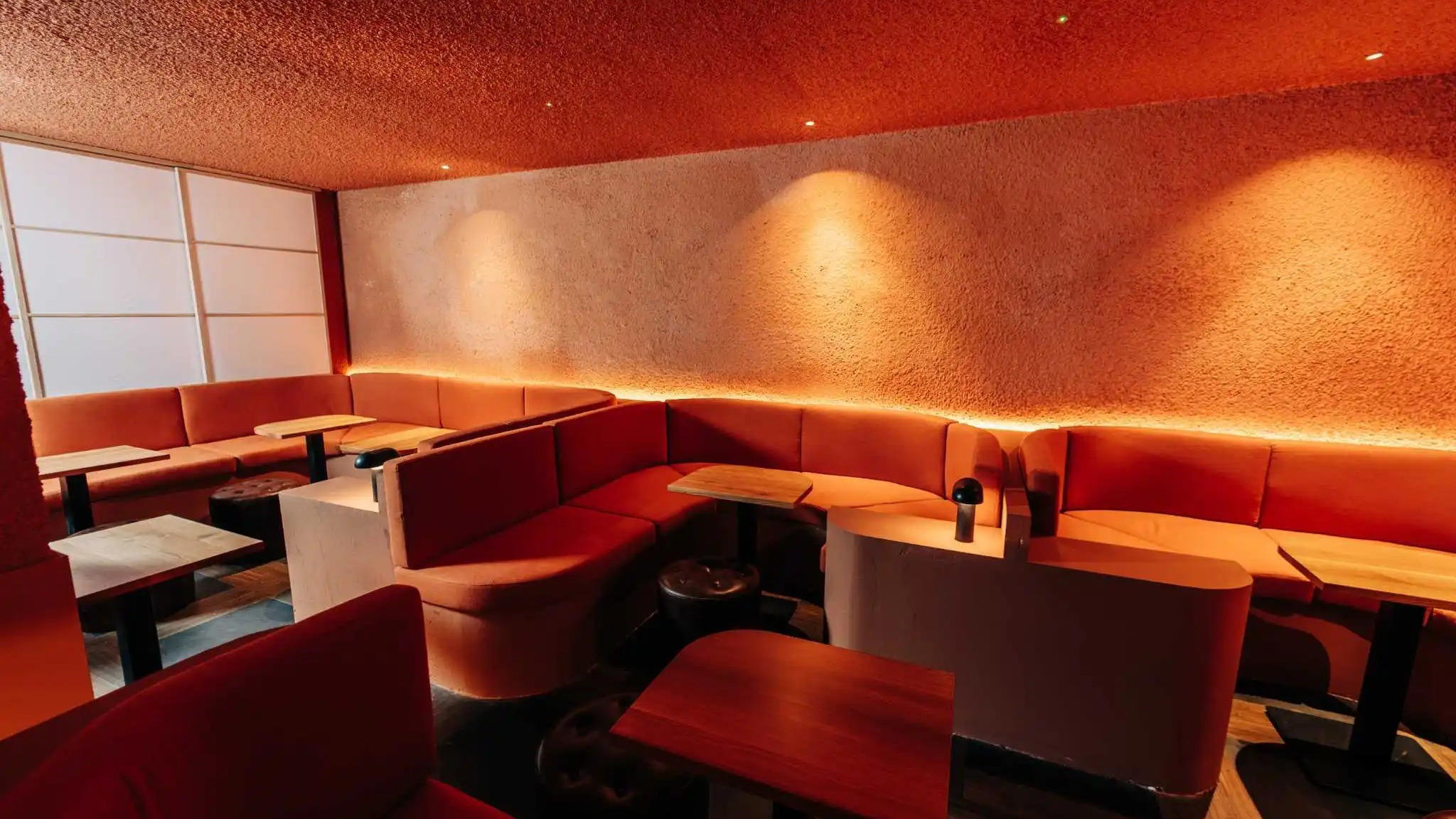
- Lively
- Rustic
- Casual Hangout
- Group Dining
- Open Kitchen
Current opening hours
- Monday
- Closed
- Tuesday
- Closed
- Wednesday
- 1–5 PM, 8 PM–12 AM
- Thursday
- 1–5 PM, 8 PM–12 AM
- Friday
- 1–5 PM, 8 PM–1 AM
- Saturday
- 1–5 PM, 8 PM–1 AM
- Sunday
- 1–5 PM, 8 PM–12 AM
Hours can change for holidays and private events. Last verified .
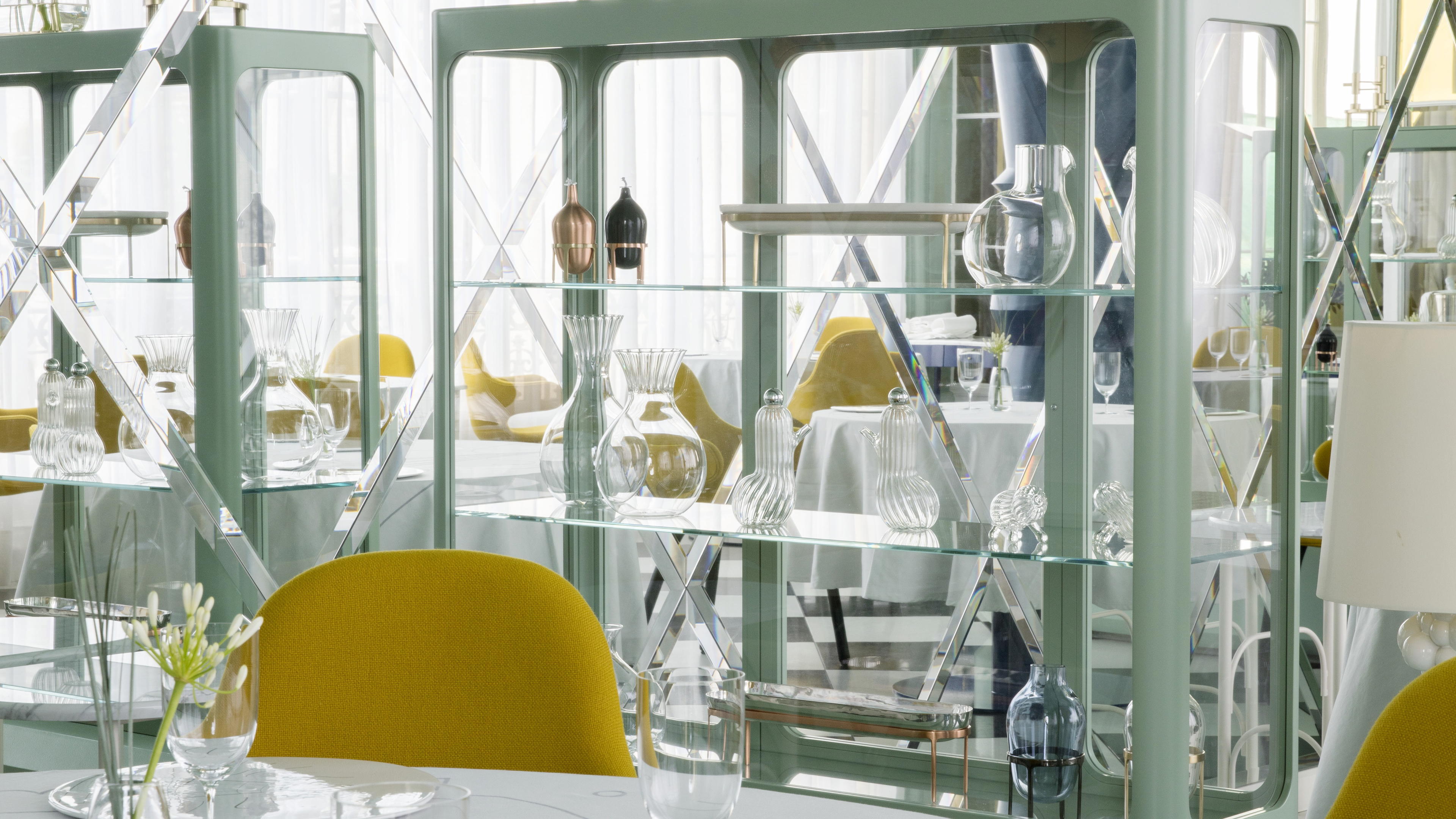
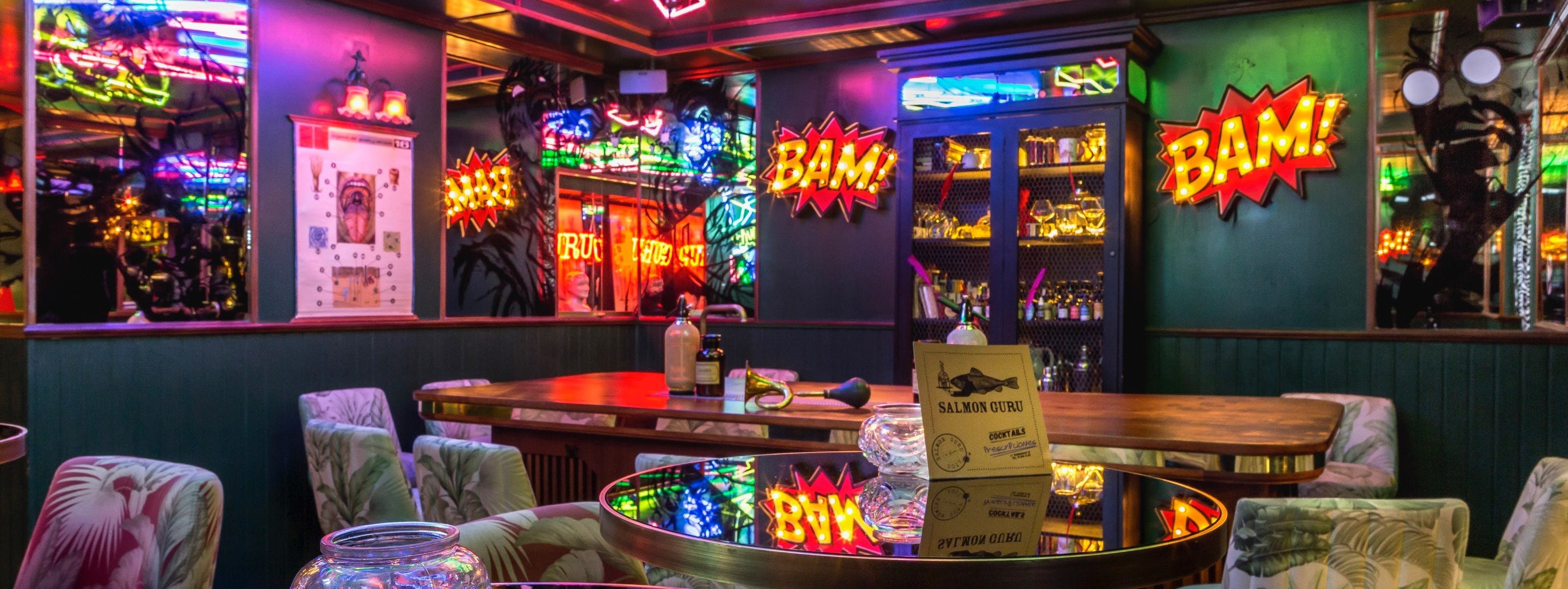
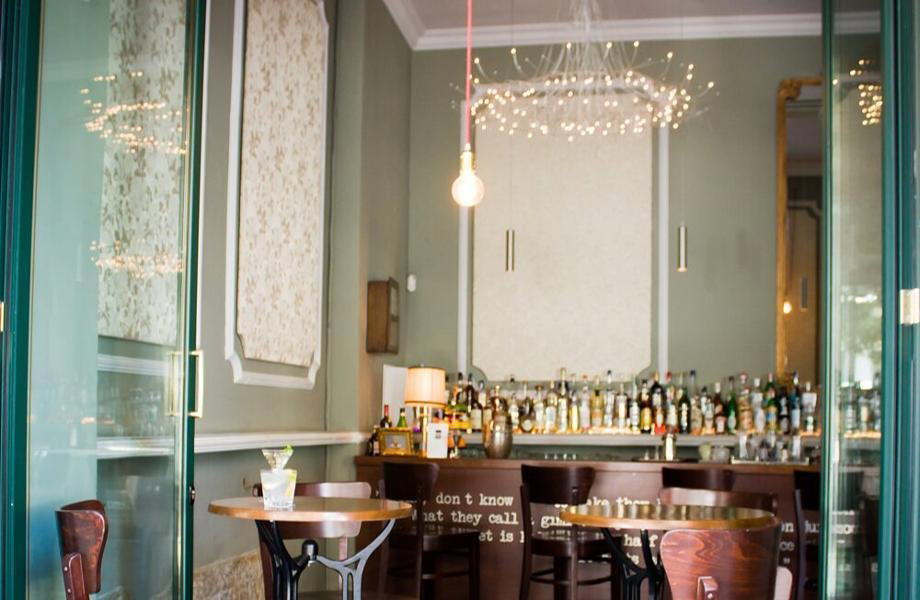
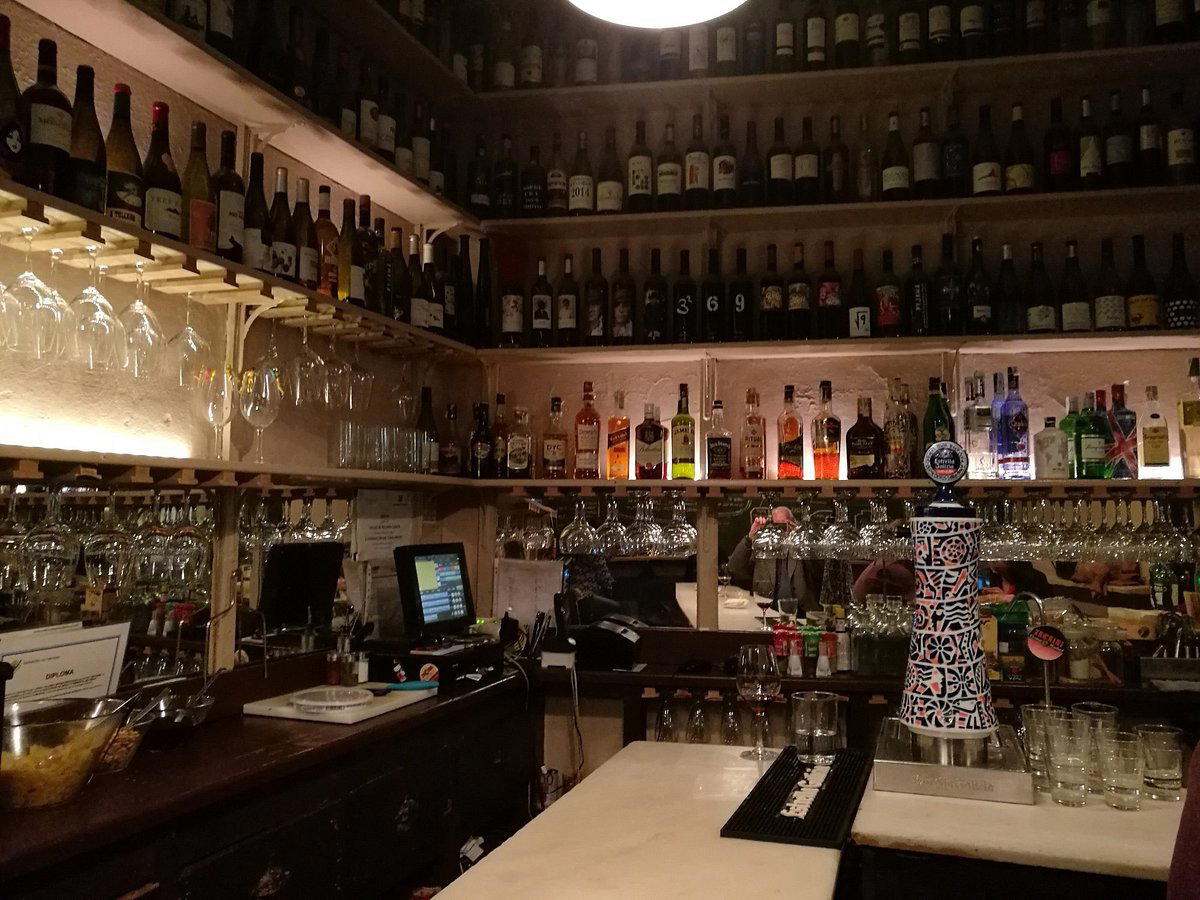
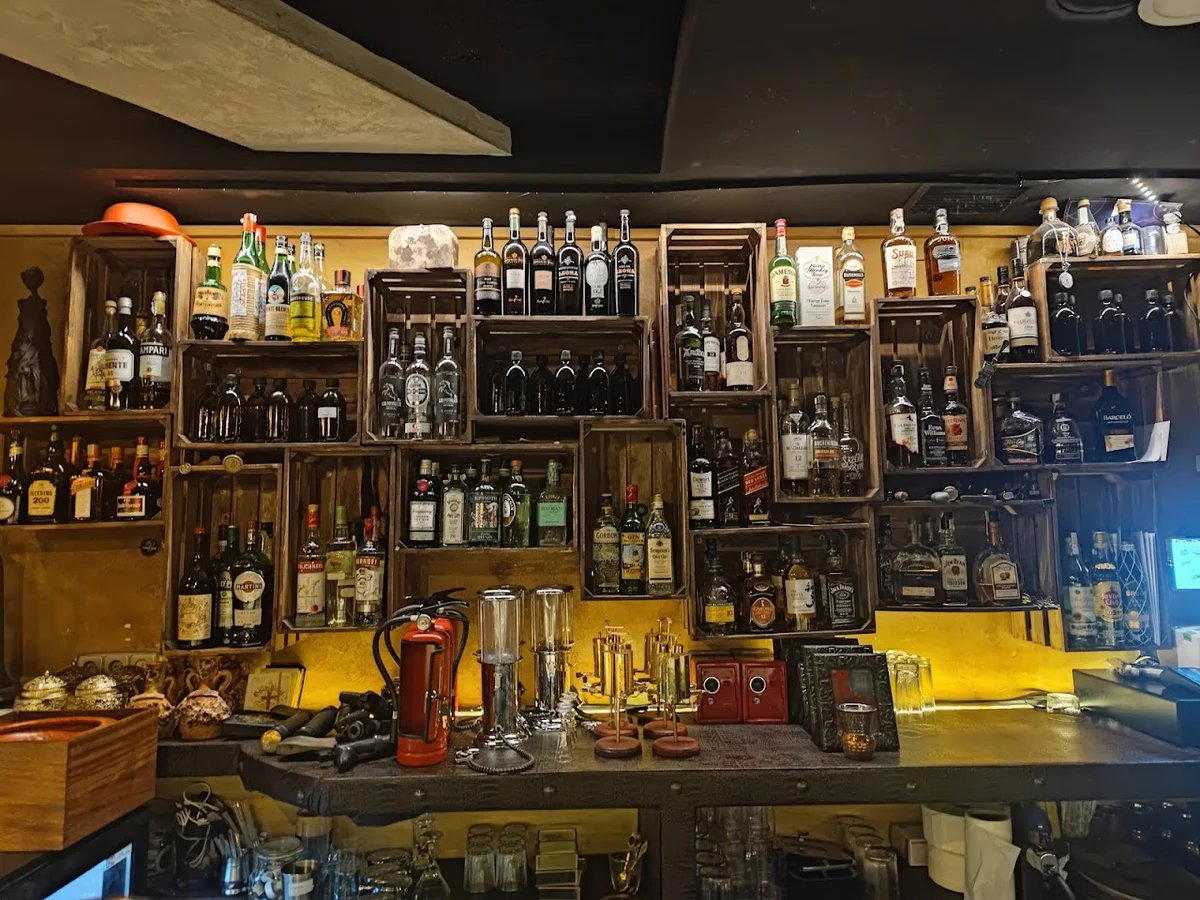
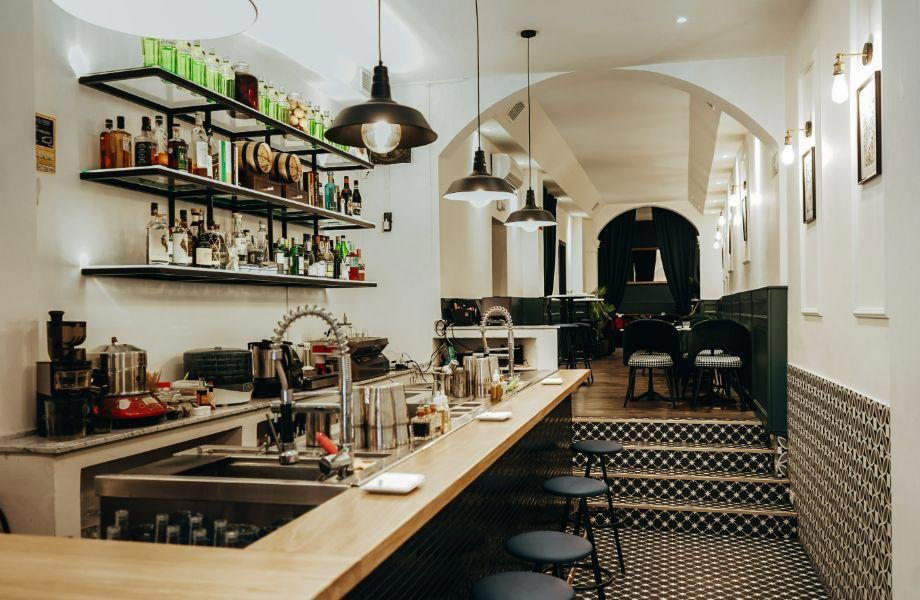
Lively market stall atmosphere with quick service and focus on quality meat.