Jörg's Bulettenschmiede
Our verdict
Jörg's Bulettenschmiede sits in Ronnenberg, a small town southwest of Hannover, and puts a craft focus on the Bulette, Germany's pan-fried meat patty with deep working-class roots. The format is deliberately casual, grounded in the kind of ingredient-led simplicity that serious German home cooking has always prized. For visitors already exploring our full Ronnenberg restaurants guide, this is a useful local reference point.

Pearl is the En Primeur Club membership app, where members save venues, book tables and use the concierge.
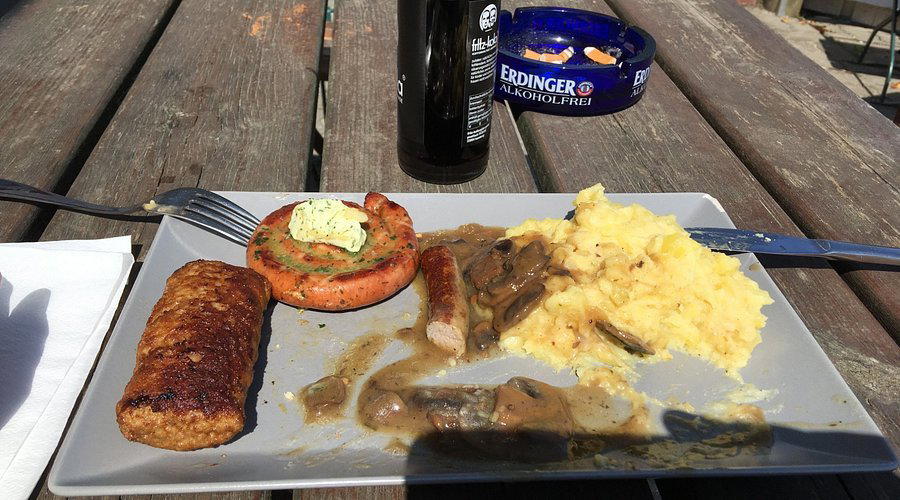
The menu
What to order
- Buletten
- Schnitzel
- Currywurst
Where the Bulette Gets Taken Seriously
There is a particular kind of German eating establishment that resists categorisation by the standard fine-dining taxonomy. It does not belong in the same conversation as Aqua in Wolfsburg or Vendôme in Bergisch Gladbach, where tasting menus run to multiple courses and kitchen lineages trace back to European grand cuisine. It operates at a different register entirely, one where a single, well-executed product is the argument. Jörg's Bulettenschmiede in Ronnenberg belongs to that category. The name translates, roughly, as Jörg's patty forge, a workshop dedicated to the Bulette, the pan-fried meat patty that has been a fixture of German working-class cooking since at least the nineteenth century. The address is In d. Beschen 7, placing it in a residential pocket of Ronnenberg, a town of around 25,000 people that sits immediately southwest of Hannover's city limits.
Ronnenberg is not a destination dining city. It does not draw visitors the way Hamburg draws visitors to Restaurant Haerlin, nor does it anchor a culinary tourism circuit in the manner of Baiersbronn, home to Schwarzwaldstube. That context matters when reading Jörg's Bulettenschmiede correctly. Its audience is almost certainly local, which means its standards are set by community expectation and repeat custom rather than by critic attention or award recognition. In smaller German towns, that dynamic often produces more consistent cooking than the occasional celebrated tasting-menu house, because there is nowhere to hide from the neighbourhood.
The Bulette as a Lens on German Ingredient Culture
The Bulette's geography is worth understanding. In Berlin, the term is standard; in other parts of Germany the same item goes by Frikadelle, Fleischpflanzerl (Bavaria), or Fleischküchle (Swabia). The regional variation in naming reflects genuine variation in preparation. Some versions lean heavily on breadcrumb binders; others are more meat-forward. The fat content, the degree of caramelisation on the exterior, the choice of pork, beef, or a blend, each decision signals something about the cook's priorities and, implicitly, about where they are sourcing.
A venue that names itself after a single product makes an implicit claim about that product's quality. The sourcing of meat for Buletten sits within a broader pattern visible across mid-tier German cooking: a gradual return to regional butchers and shorter supply chains, partly driven by consumer pressure after several high-profile industrial meat scandals in the 2000s and 2010s. A Bulette made from commodity mince is difficult to present as the centrepiece of a menu. For context on how ingredient sourcing drives identity at the premium end of German dining, the kitchen philosophy at JAN in Munich and ES:SENZ in Grassau demonstrates how a focused product brief can structure an entire operation.
Casual Format in a Regional Context
Ronnenberg sits within the Hannover metropolitan area, which gives it access to a reasonably broad food supply network. The town itself is connected to Hannover's S-Bahn system, making it reachable from the city centre in under fifteen minutes by rail, a practical note for visitors based in Hannover who want to explore the suburban eating scene documented in our full Ronnenberg restaurants guide.
The register of a place called Bulettenschmiede implies a casual, counter-style or simple sit-down format. Across Germany, this type of specialist snack-to-meal operation occupies a distinct niche between the Imbiss (standing snack bar) and the Gasthof (traditional inn with table service). It is a format that prioritises throughput and product clarity over ceremony. At the international end of the German dining spectrum, the distance from this format to something like CODA Dessert Dining in Berlin or ATAMA by Martin Stopp in Sankt Ingbert could not be wider. But that distance is not a hierarchy in the simple sense. The Bulettenschmiede format serves a specific appetite and a specific social function, quick, honest, affordable eating, that the tasting-menu format is structurally incapable of serving.
For comparison at a higher price point, the creative German kitchens at Schanz in Piesport, Waldhotel Sonnora in Dreis, and Victor's Fine Dining by Christian Bau in Perl all share a sourcing rigour that traces, in part, back to the same ingredient culture that animates the leading casual German cooking. The Bulette and the multi-course tasting menu are cousins, not strangers, in that lineage. Internationally, the gap between casual and formal is equally sharp at places like Le Bernardin in New York City or Atomix, where format and price tier operate as hard signals of intent.
What to Know Before You Visit
Given the format and location, walk-in is likely the operating model, and the price point almost certainly sits at the affordable end of the Hannover metropolitan range. The address, In d. Beschen 7, 30952 Ronnenberg, is fixed, and the S-Bahn connection from Hannover Hauptbahnhof makes the journey direct without a car. For visitors building a broader itinerary around Lower Saxony's eating scene, Bagatelle in Trier and AUGUST in Augsburg represent the formal end of the regional German dining spectrum, while ammolite in Rust and AURA by Alexander Herrmann and Tobias Bätz in Wirsberg show how destination dining operates outside the major cities.
Frequently asked questions
Is Jörg's Bulettenschmiede good for families?
The format fits. A Bulettenschmiede, literally a Bulette forge or workshop, signals an unfussy, counter-style or casual sit-down operation rather than a tasting-menu room, and that typically means children are a non-issue. Ronnenberg is a residential town within the Hannover metro area, so the clientele skews local and practical rather than destination-dining formal. Specific seating arrangements are not confirmed, so calling ahead before arriving with a group is advisable.
What's the vibe at Jörg's Bulettenschmiede?
The name tells you something useful: Schmiede means forge or workshop, framing the place as a craft operation rather than a restaurant with pretensions. In a town like Ronnenberg, connected to Hannover's S-Bahn network but decidedly neighbourhood in character, that translates to a no-ceremony atmosphere built around the food itself. Think regulars, counter service or close to it, and a room where nobody is dressed for the occasion.
How does Jörg's Bulettenschmiede differ from a standard German imbiss or snack bar?
The distinction lies in the name's claim to craft: Schmiede implies a dedicated production focus rather than a broad snack-counter offering everything from currywurst to döner. A specialist Bulette kitchen in a town like Ronnenberg, within the Hannover metro area, is a relatively specific proposition, one that positions the minced-meat patty as a serious product rather than an afterthought on a wider menu.
What's the must-try dish at Jörg's Bulettenschmiede?
The Bulette is the entire point of the establishment, and the name makes that explicit. In Lower Saxony and the Hannover region the item often appears as Frikadelle, a pan-fried minced-meat patty that varies significantly by kitchen depending on the fat ratio, seasoning, and whether it is served hot or at room temperature.
A Quick Peer Check
Comparable venues nearby, for context on price, style, and recognition.
| Venue | Cuisine | Price | Notes |
|---|---|---|---|
| Jörg's BulettenschmiedeThis venue (the venue you are viewing) | Traditional German Imbiss | Not listed | Not listed |
| Marstall Festzelt | Traditional Bavarian Oktoberfest | $30–50 | Theresienwiese |
| Albertz. | Modern German Eatery | $30–50 | Mitte |
| Restaurant Zur Quelle & Bistro Karls Quelle | German Seasonal Bistro | $20–30 | Zentrum |
| Alte Mühle Bergstedt | Traditional German | Not listed | Saselberg |
| zurück zum glück | Organic Café with Breakfast and Bowls | $10–20 | Zoo-Viertel |
Continue exploring
More in Ronnenberg
Restaurants in Ronnenberg
All restaurants in Ronnenberg →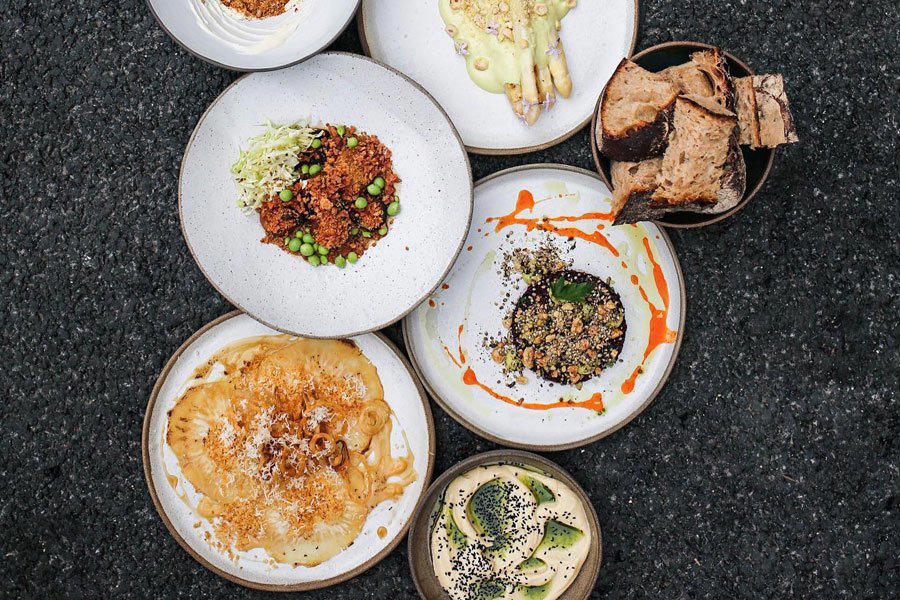
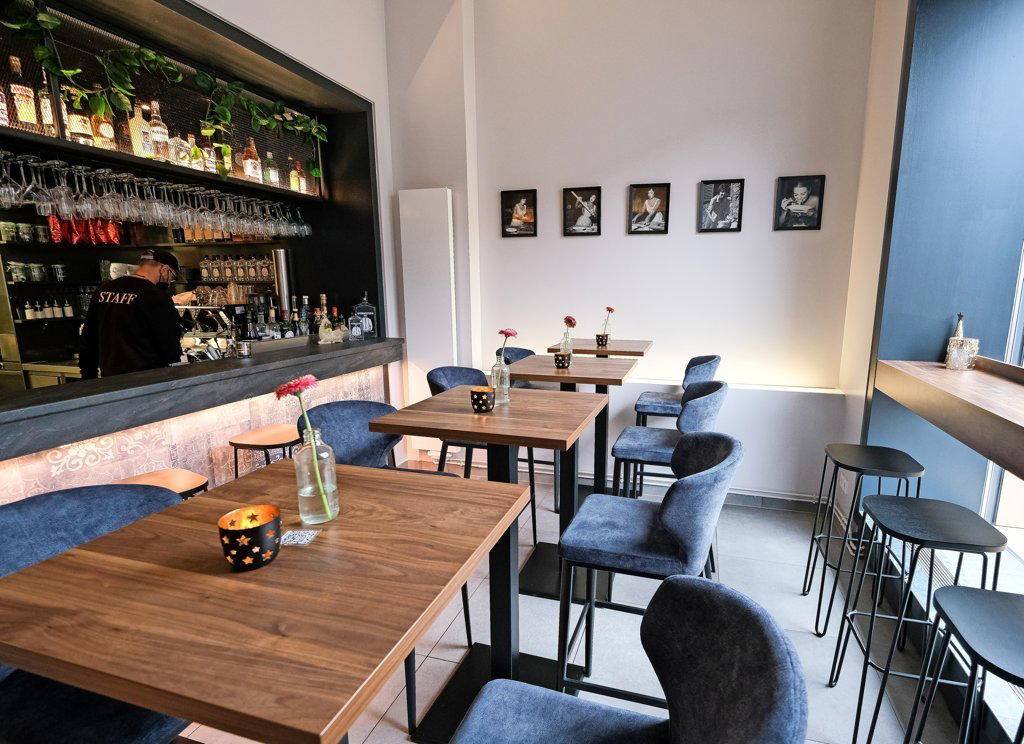
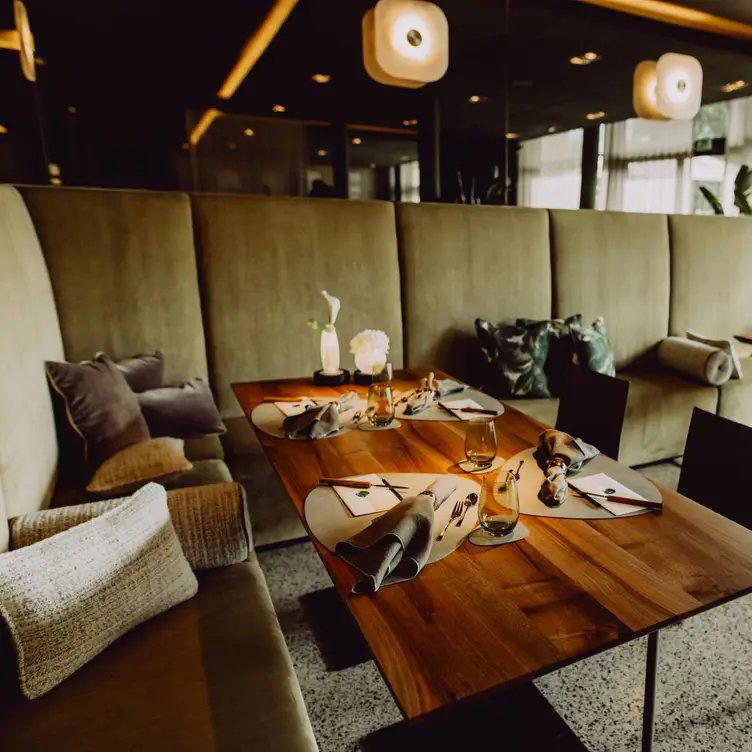
Bars in Ronnenberg
Browse all →
Hotels in Ronnenberg
Browse all →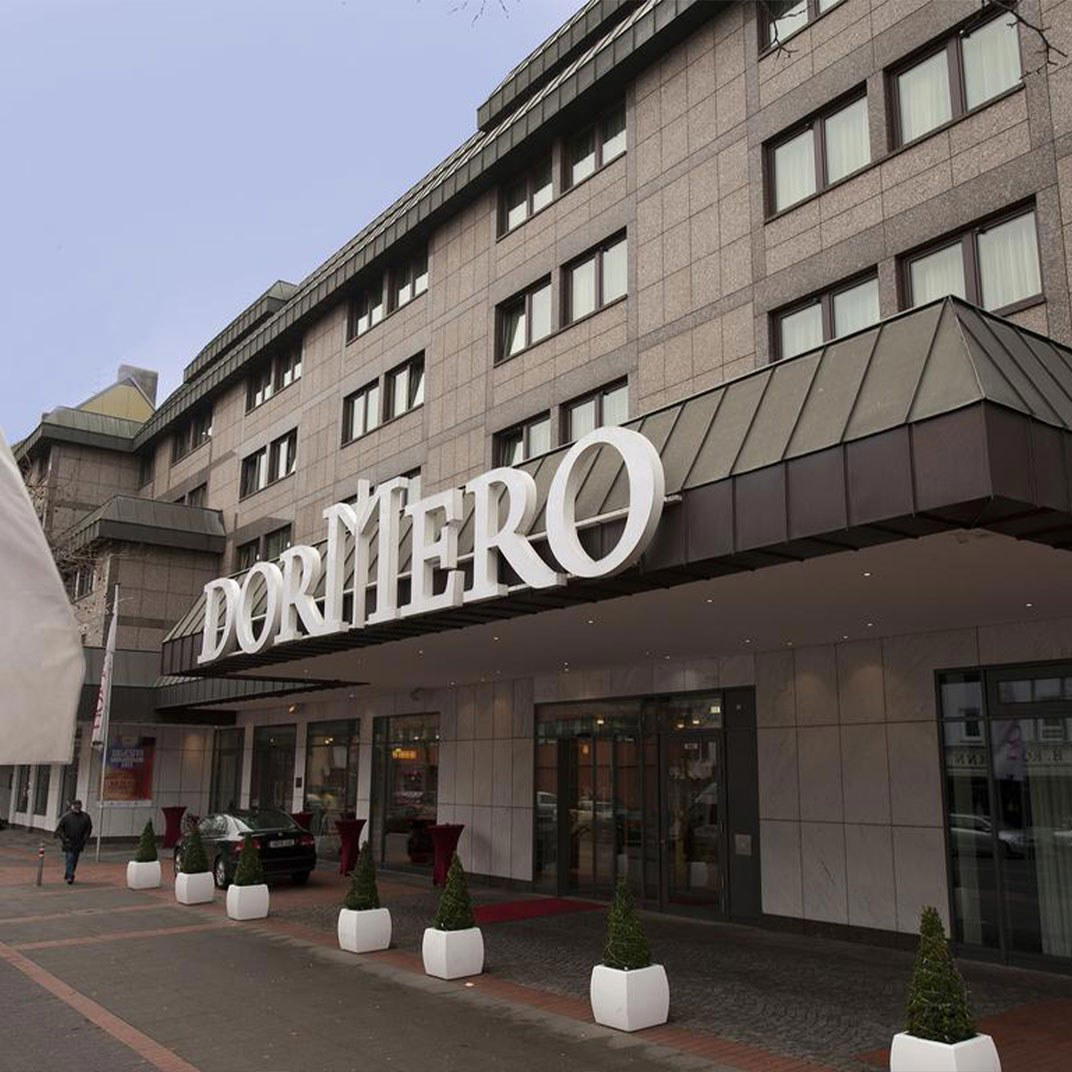
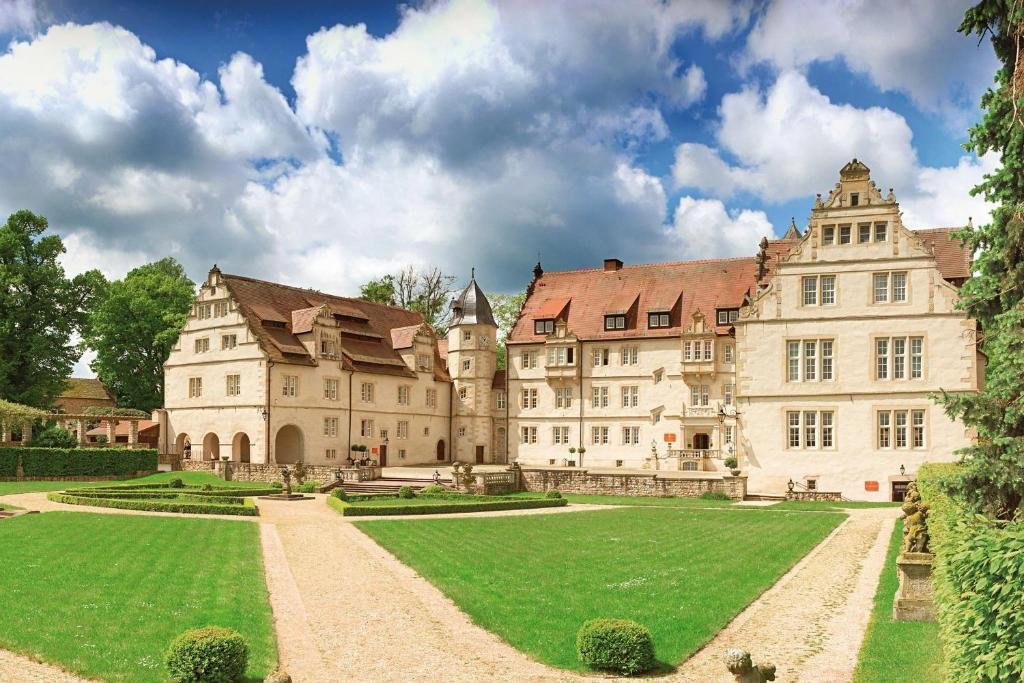
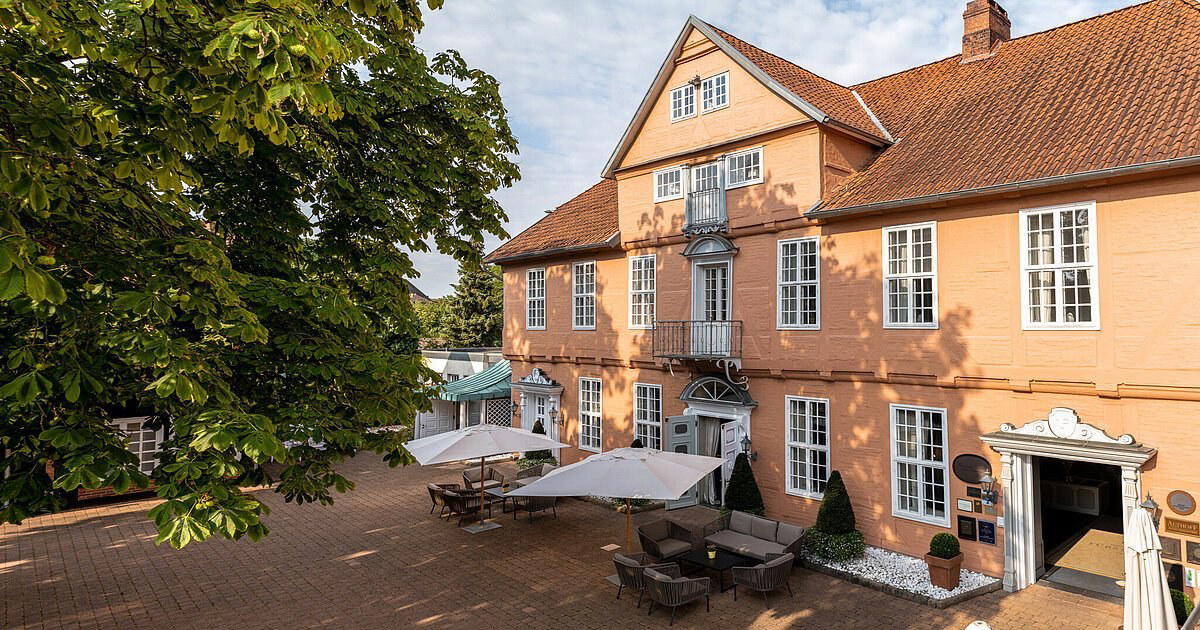
Wineries in Ronnenberg
Browse all →
Details
- Rustic
- Cozy
- Casual Hangout
- Standalone
- A La Carte
- Vegetarian Friendly
Current opening hours
- Monday
- 7:30 AM–3 PM
- Tuesday
- 7:30 AM–3 PM
- Wednesday
- 7:30 AM–3 PM
- Thursday
- 7:30 AM–3 PM
- Friday
- 7:30 AM–3 PM
- Saturday
- Closed
- Sunday
- Closed
Hours can change for holidays and private events. Hours as of .
Casual, no-frills Imbiss atmosphere focused on honest, homemade comfort food.