
Gasthaus Lege holds consecutive Michelin Plate recognition (2024 and 2025) for classic cuisine in Burgwedel, a small town north of Hannover that punches above its size in serious cooking. The €€€ price tier places it above casual dining without approaching the four-figure territory of Germany's star-studded rooms, making it one of the more considered options in the Hannover catchment for ingredient-led, tradition-rooted cooking.
Pearl is the En Primeur Club membership app — saves, bookings, and concierge access live there. Same editors, same standards.
- Address
- Engenser Str. 2, 30938 Burgwedel, Germany
- Phone
- +49 5139 8233
- Website
- gasthaus-lege.de
- Directions
- Get directions
 Saves & bookings on Pearl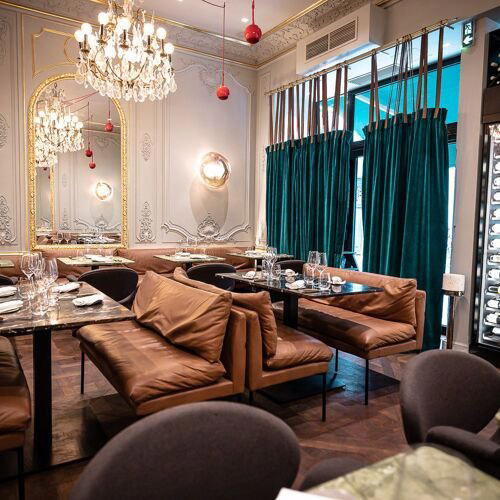
Where Burgwedel Earns Its Place at the Table
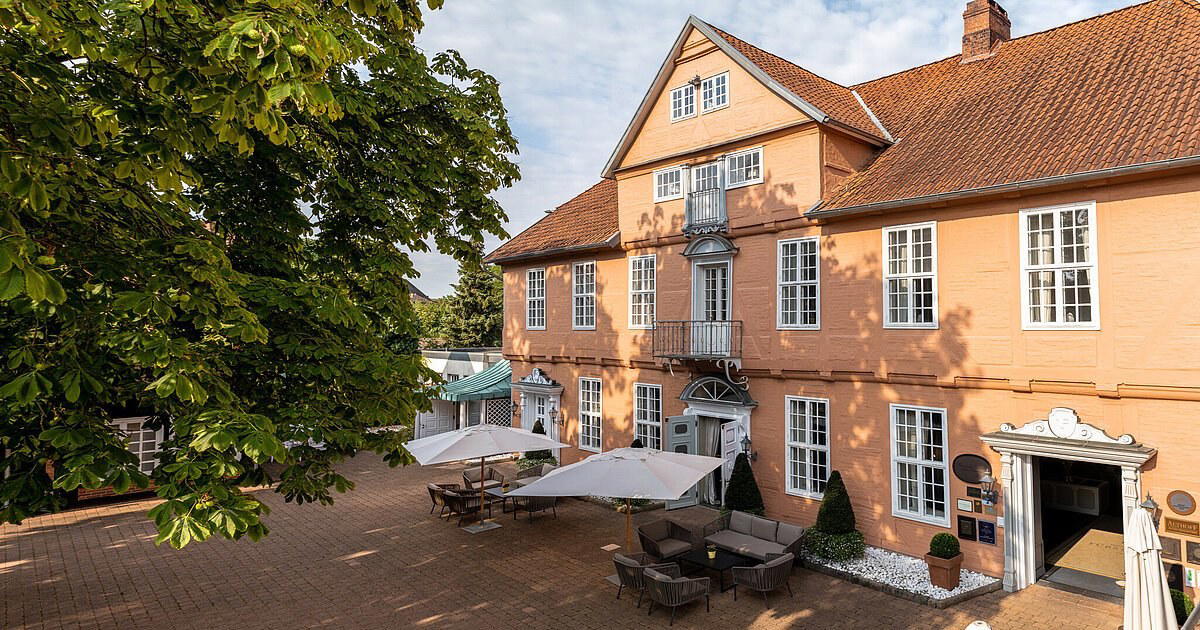
The approach to Engenser Str. 2 offers none of the architectural theatre that marks Germany's trophy dining destinations. Burgwedel is a quiet town north of Hannover, and Gasthaus Lege sits within it the way a well-regarded Gasthaus should: without fanfare, with a building that signals quality through restraint rather than spectacle. The category name matters here. The German Gasthaus tradition, rooted in hospitality, local community, and seasonal discipline, is precisely the frame through which Lege's cooking reads most clearly. This is not a restaurant trying to become something else.
Michelin awarded the venue a Plate in both 2024 and 2025, a recognition that signals consistent cooking quality. In the context of the Hannover region, that sustained acknowledgment is meaningful. The city itself has relatively few venues at this level of recognition, and Burgwedel's position in the wider dining map is partly defined by what Gasthaus Lege represents: a serious kitchen operating in a format most dining cities reserve for entry-level bistros.
Classic Cuisine and What It Demands of the Kitchen
Classic cuisine as a category is harder to execute well than its name implies. It offers no avant-garde concealment for technical gaps, no creative narrative to redirect attention from the plate. The standards are codified: proper stocks, correct seasoning, ingredient quality that speaks without intervention. In Germany, the classic tradition draws from both French brigade cooking and the domestic Bürgerküche, the latter emphasising root vegetables, game, cured preparations, and dairy sourced within a recognisable geography.
Venues across Germany operating in this tradition succeed or fail on sourcing decisions made before anything reaches the kitchen. The region around Hannover and the Leine valley has a strong agricultural backbone, arable land, livestock farming, and proximity to the Harz foothills, where game traditions run deep. A kitchen working with those supply chains has access to produce that doesn't need to travel far or be held long, and that proximity is visible in a classic menu where freshness and season are not marketing language but structural requirements. Comparable kitchens in this tier, such as KOMU in Munich and Maison Rostang in Paris, demonstrate how the classic register, when grounded in regional sourcing, develops a distinctly local character even within a French-inflected framework.
Positioning Inside Germany's Recognised Dining Tier
Germany's Michelin-recognised dining covers an extraordinary range. At the upper end, venues like Aqua in Wolfsburg and Schwarzwaldstube in Baiersbronn operate with three stars and price structures to match. Elsewhere, CODA Dessert Dining in Berlin, Vendôme in Bergisch Gladbach, and ES:SENZ in Grassau anchor the two-star creative tier. Gasthaus Lege sits well below those price points at €€€, positioned closer to the entry of serious dining than to the destination-spend category occupied by Restaurant Haerlin in Hamburg, Schanz in Piesport, or Victor's Fine Dining by Christian Bau in Perl.
That positioning is not a limitation. It defines a different competitive set: venues where cooking quality is the draw and ceremony is secondary, where a table of four can eat well without the evening becoming an occasion requiring advance planning months out. Among recognised German restaurants in this tier, sustained Michelin Plate acknowledgment across two consecutive years represents the kitchen meeting a consistent standard, not a one-cycle anomaly. For comparison within the wider region, Bagatelle in Trier and JAN in Munich offer useful reference points for what sustained recognition at this level looks like across different regional contexts.
The Hannover Catchment and How to Use It
Burgwedel sits north of Hannover, accessible from the city and from the A7 corridor that connects Hannover to Hamburg. For travellers passing through on that route, or based in Hannover for trade fairs or longer stays, the town offers a quieter dining environment than the city centre without sacrificing kitchen quality.8 across 159 reviews, reflects a consistent experience rather than occasional peaks, which matters when choosing a dinner for a first visit to the region.
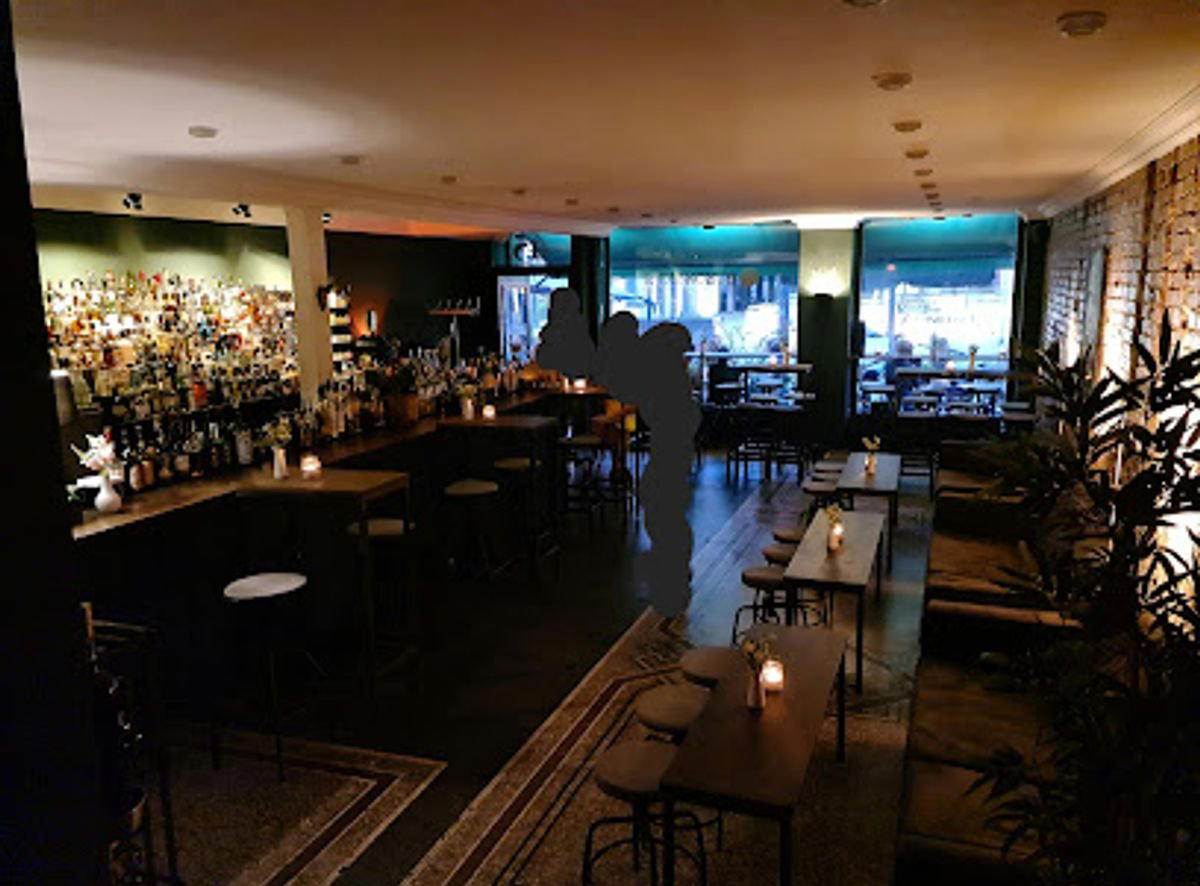
For those building a wider Hannover-area itinerary, the surrounding region has more to offer than its dining reputation currently suggests. Our full Burgwedel restaurants guide covers the broader local options, while guides to hotels in Burgwedel, bars, wineries, and local experiences provide fuller planning context. The address at Engenser Str. 2 is direct to reach by car from central Hannover, and the town's scale means parking presents no particular difficulty.
What the Price Point Signals About the Evening
The €€€ bracket in Germany's dining shorthand covers a wide range, but in the context of Michelin-acknowledged cooking it typically signals a menu built around quality produce rather than elaborate technique-for-technique's-sake. At this level, the kitchen has to make its case through the ingredients themselves, which is exactly where the classic cuisine register applies most pressure. A dish that relies on a correct demi-glace and properly sourced protein cannot hide behind novelty. That transparency is, for many diners, one honest test of a kitchen's confidence.
Waldhotel Sonnora in Dreis, covered separately in our guide to Waldhotel Sonnora, represents how the classic register scales to three-star level in Germany. Lege operates several tiers below that, which means the evening is less structured around ceremony and more around the food itself, a format that suits both business dinners and local regulars looking for a kitchen they can return to without the occasion requiring justification.
In Context: Similar Options
Comparable venues nearby, for context on price, style, and recognition.
| Venue | Cuisine | Price | Awards | Notes |
|---|---|---|---|---|
| Gasthaus LegeThis venue — the venue you are viewing | Classic German Fine Dining | $$$$ | Michelin Plate | Not listed |
| Sülbecker Krug | German Steakhouse | $$$$ | Michelin Plate | Nienstädt |
| Park Restaurant | Contemporary Regional German with Mediterranean Influences | $$$$ | Michelin Plate | Bürgerpark |
| Novalis | Seasonal Regional German Fine Dining | $$$$ | Michelin Plate | Nörten-Hardenberg |
| Gourmetrestaurant 1751 | Modern German Fine Dining | $$$$ | Michelin Plate | old town |
| Jagdhaus Waldfrieden | Traditional German with French Influences | $$$$ | Michelin Plate | Bilsen |
Recognition history
Dated appearances from independent guides and award organizations, with the underlying list record or original source where available.
Michelin Plate
Michelin
Michelin Plate
Michelin
Michelin Plate
Michelin
Continue exploring
More in Burgwedel
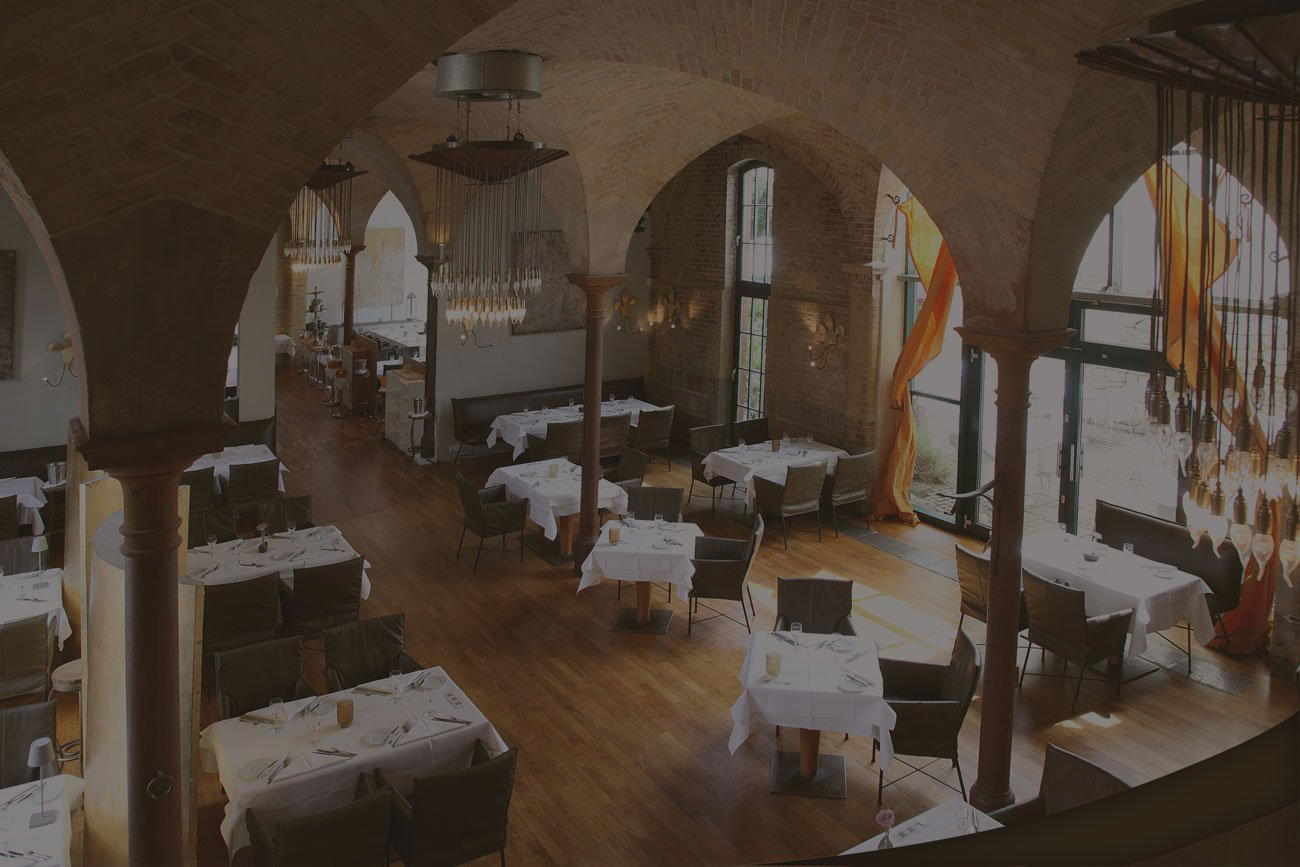
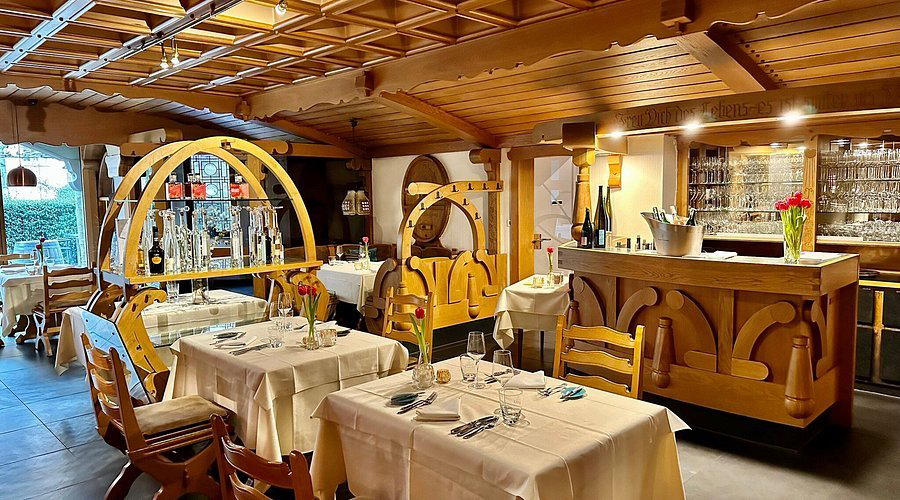
Restaurants in Burgwedel
Browse all →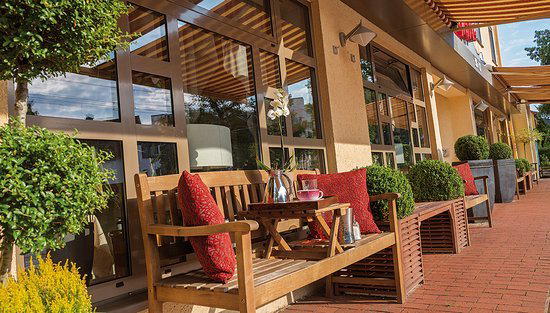
Bars in Burgwedel
Browse all →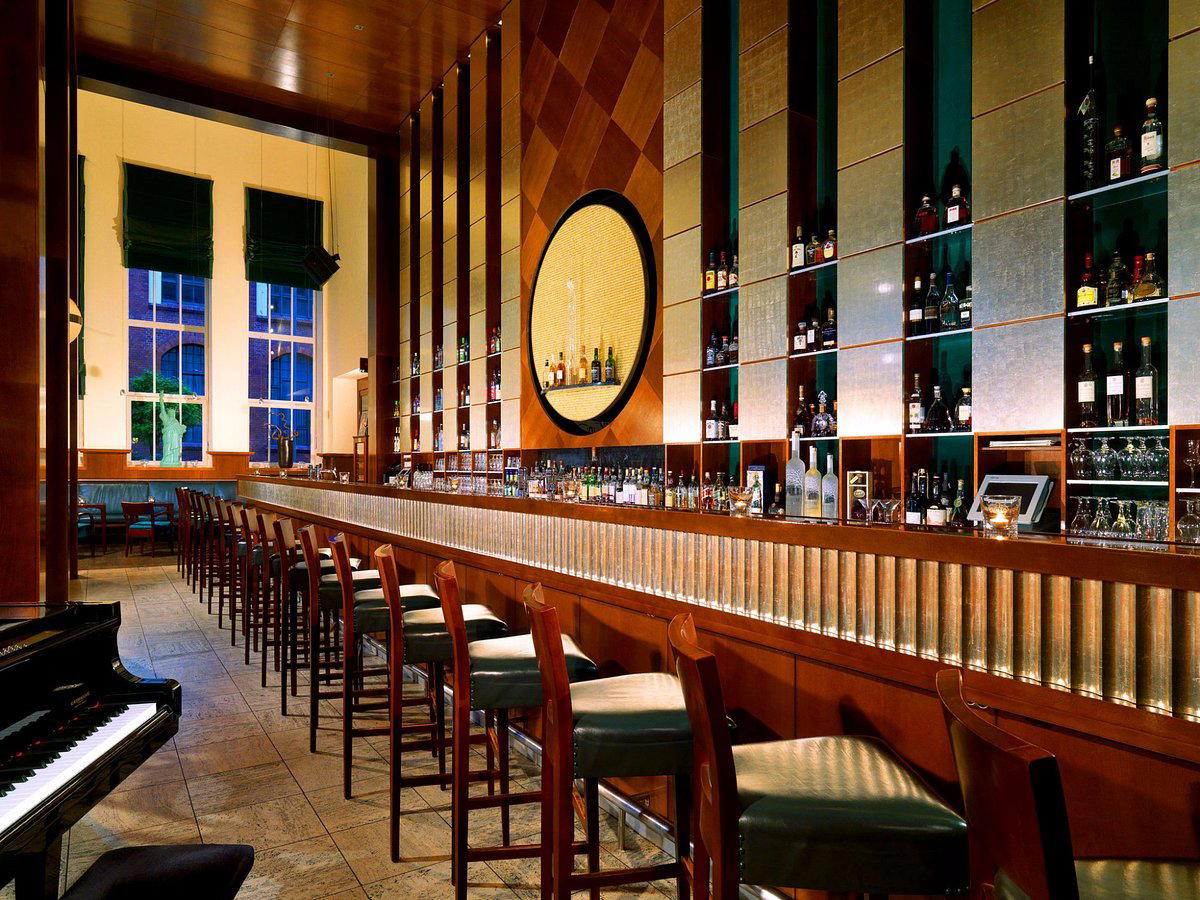
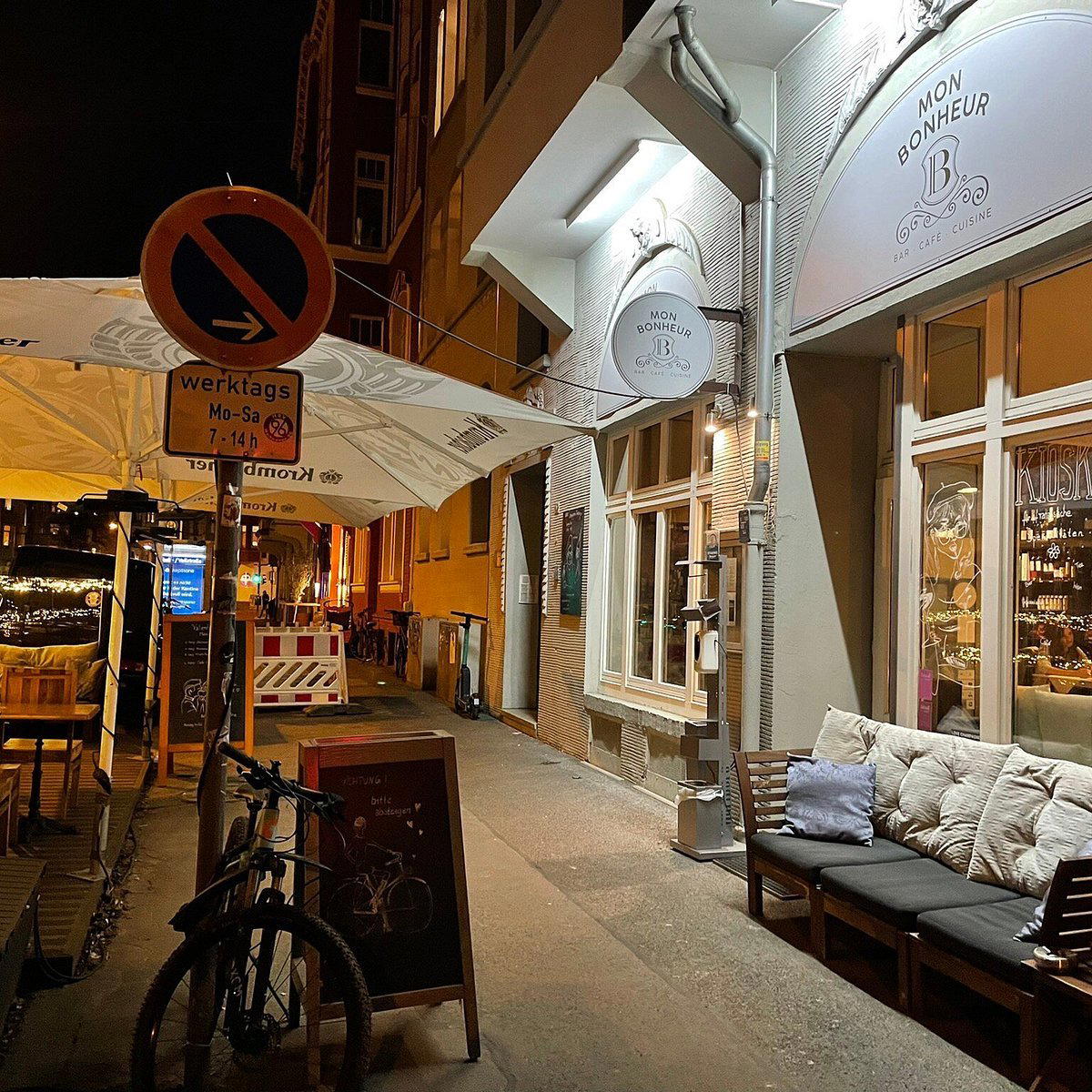

Hotels in Burgwedel
Browse all →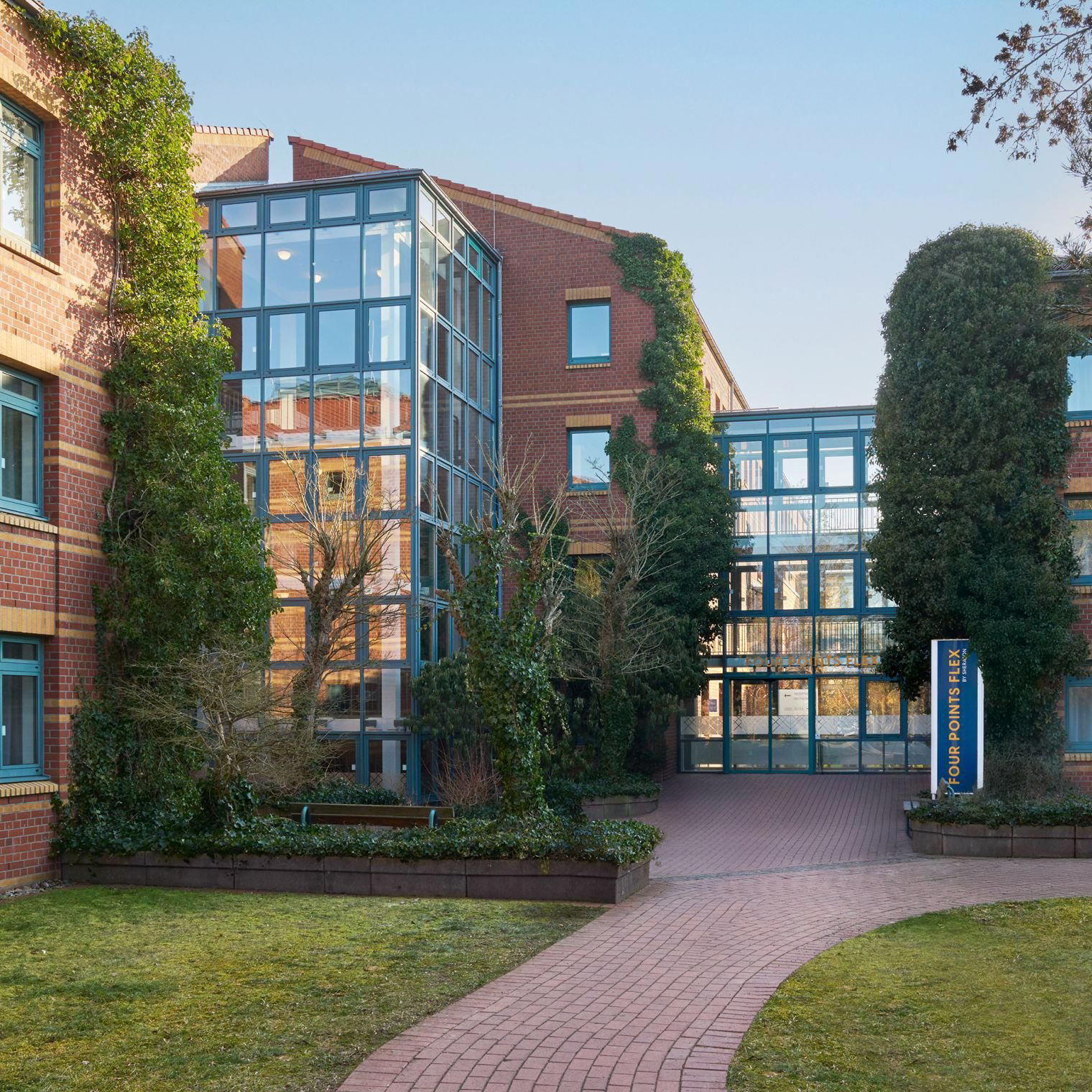
Wineries in Burgwedel
Browse all →
At a Glance
- Romantic
- Cozy
- Elegant
- Classic
- Intimate
- Date Night
- Celebration
- Special Occasion
- Business Dinner
- Courtyard
- Garden
- Private Dining
- Extensive Wine List
- Sommelier Led
- Farm To Table
- Local Sourcing
Current opening hours
- Monday
- Closed
- Tuesday
- Closed
- Wednesday
- Closed
- Thursday
- 6–9:30 PM
- Friday
- 6–9:30 PM
- Saturday
- 6–9:30 PM
- Sunday
- 12–2 PM, 6–9:30 PM
Hours can change for holidays and private events. Last verified .
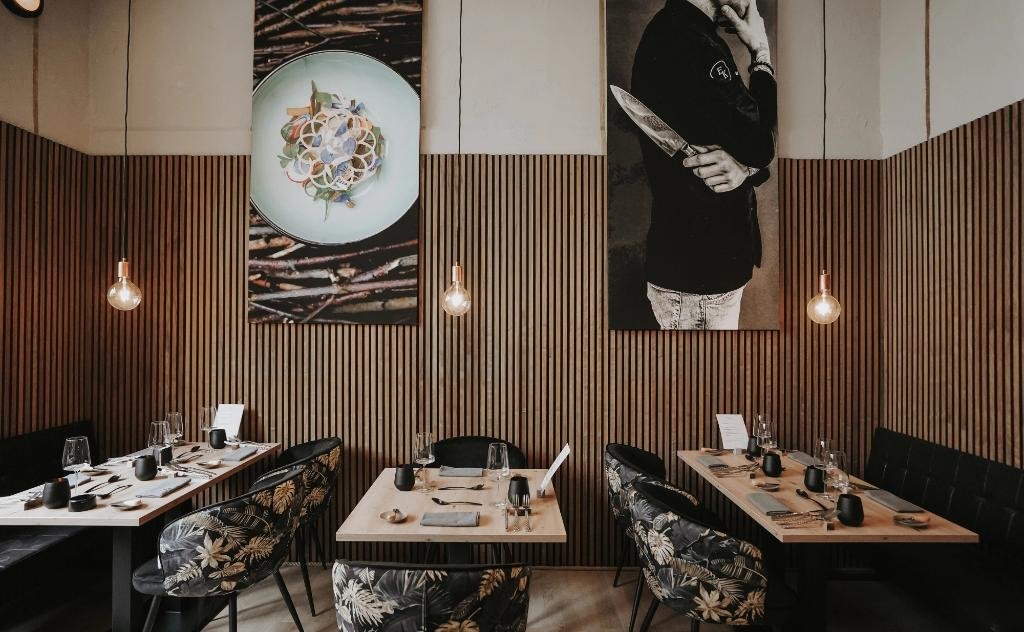
Warm and welcoming rustic decor with modern interiors, creating an inviting backdrop for memorable dining; summer courtyard dining available.