
Falstaff Winery - Listed
Vinery Färber is a young, family-run winery in Burgwedel with a northern German identity built around vegan organic wines, hand-harvested fruit, and BIOLAND-aligned farming. Its compact range of white wine cuvée, rosé, and Rotling makes the case for small-scale production where ecological stewardship shapes the style as much as cellar technique.

Pearl is the En Primeur Club membership app, where members save venues, book tables and use the concierge.

Vinery Färber is a Burgwedel venue best described through a quiet, rustic, and environmentally minded lens. The profile points to a small-family-winery feel, a natural and artisanal mood, and a focus on hand-harvested production. That is enough to set expectations without overstating the details: this is not a page for invented cellar specifications, bottle lists, or claims about a formal tasting format. It is a concise Burgwedel entry for visitors who want a grounded sense of the place before deciding whether it fits their plans.
The appeal is intimate rather than grand. Vinery Färber reads as a cozy, hidden-gem address with a production-minded identity, not as a venue defined by spectacle. The most reliable way to frame it is through atmosphere and values: natural, artisanal, environmentally minded, and small in feel. Those cues matter because they tell visitors what kind of experience to expect even when many operational details are not publicly here.
For broader planning, keep Vinery Färber in the Burgwedel file. The strongest confirmed hook is simpler: a quiet Burgwedel venue with rustic character and a hand-harvested, small-family-winery sensibility.
Northern German wine framed by feel, craft, and restraint
Vinery Färber’s identity is not built around a long list of technical claims. What can be stated confidently is more restrained: the venue presents a natural, artisanal, environmentally minded character, with an emphasis on hand-harvested production and the feel of a small family winery. That framing gives the place its shape without needing to invent grape varieties, farming certifications, cellar methods, bottle names, or visitor services.
It suggests a hands-on approach and supports the impression of a smaller, craft-oriented operation. It does not, by itself, verify any specific wine style, range, vineyard size, technical method, or certification. For that reason, the best description stays close to what is known: Vinery Färber is a Burgwedel venue where manual production and artisanal presentation are central to the story.
The environmental language should also be handled carefully. The facts support describing the venue as environmentally minded, but they do not support naming particular certifications, farming systems, or sustainability programs. That distinction is important. A grounded guide can still be useful by explaining the tone of the place: natural, rustic, quiet, and craft-led. It simply should not turn that tone into unsupported technical detail.
Visitors should therefore approach Vinery Färber as a low-key Burgwedel stop rather than as a checklist destination built around confirmed awards, formal rankings, or a documented tasting format. The available facts point to atmosphere and ethos more than a published operational playbook. For some travelers, that is precisely the attraction: a quieter venue whose appeal rests on small-scale character, hand-harvested production, and a cozy setting.
A compact profile rather than a detailed public dossier
Price is listed as $$, and the venue’s character is described as natural, artisanal, environmentally minded, quiet, cozy, hidden-gem, and rustic. Those details are useful, but they do not verify a menu, a wine list, a tasting-room policy, reservations, opening hours, dietary accommodations, delivery, take-out, specific pairings, or a named service style.
It can help set expectations around mood and positioning, but it should not pretend to provide a complete visitor manual. If you are planning around timing, availability, group size, or a specific tasting experience, confirm directly before making plans. The record supports a general expectation of a small, craft-minded Burgwedel venue, not the fine print of a visit.
The $$ price marker also helps frame the venue without overexplaining it. It suggests a moderate price category, but it does not verify individual bottle prices, tasting fees, food prices, or package costs. A responsible description leaves those details open. Vinery Färber can be presented as approachable in price category while avoiding invented numbers or unsupported examples.
In the Burgwedel context, the most useful comparison is not a named rival but the broader idea of choosing between different kinds of local stops. Some venues may be more formal, more central, or more service-driven; Vinery Färber’s confirmed identity is quieter and more rustic. It is the kind of listing that will appeal most to visitors who value a natural, environmentally minded atmosphere and a small-family-winery feel.
How to judge the visit
Judge Vinery Färber by the qualities that are actually verified: quietness, coziness, rustic character, environmental awareness, artisanal mood, and hand-harvested production. Those are the dependable signals. They point toward a venue that is likely to suit travelers looking for a low-key Burgwedel experience rather than those seeking a heavily documented luxury program or a venue defined by confirmed accolades.
The limits are equally important.
For the right visitor, that restraint is useful. Vinery Färber stands out as a Burgwedel with a small, cozy, environmentally minded identity. Its best-supported story is about feel and craft: a natural, rustic venue with a family-winery sensibility and a focus on hand-harvested production.
Recognition history
Dated appearances from independent guides and award organizations, with the underlying list record or original source where available.
Falstaff Winery - Listed
Falstaff
Continue exploring
More in Burgwedel
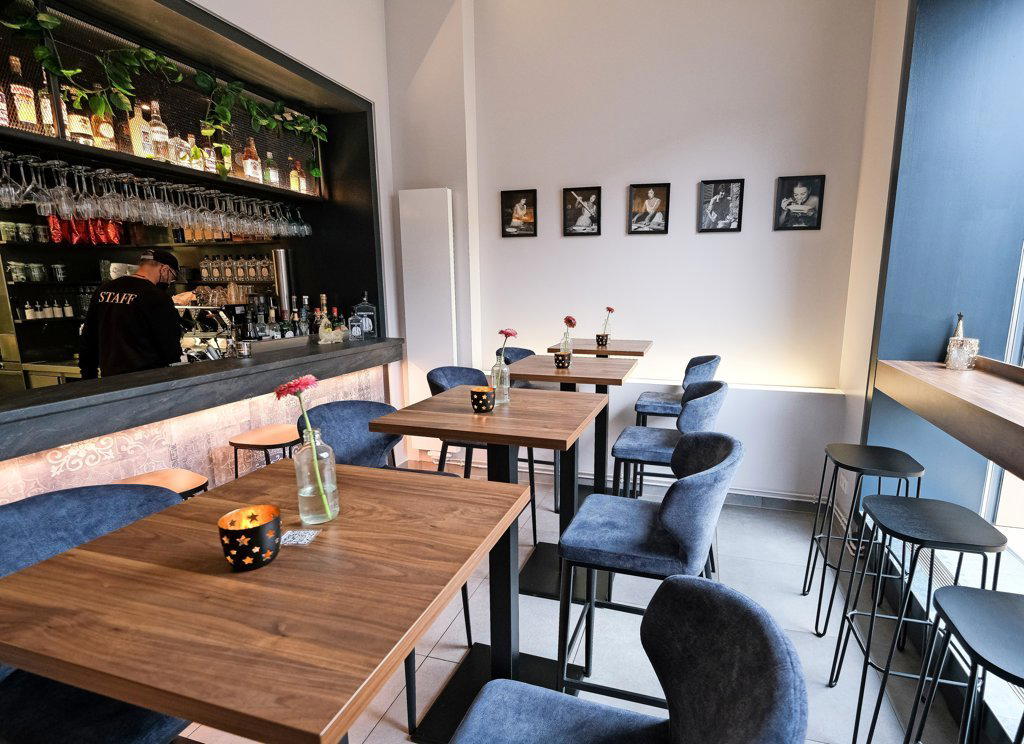
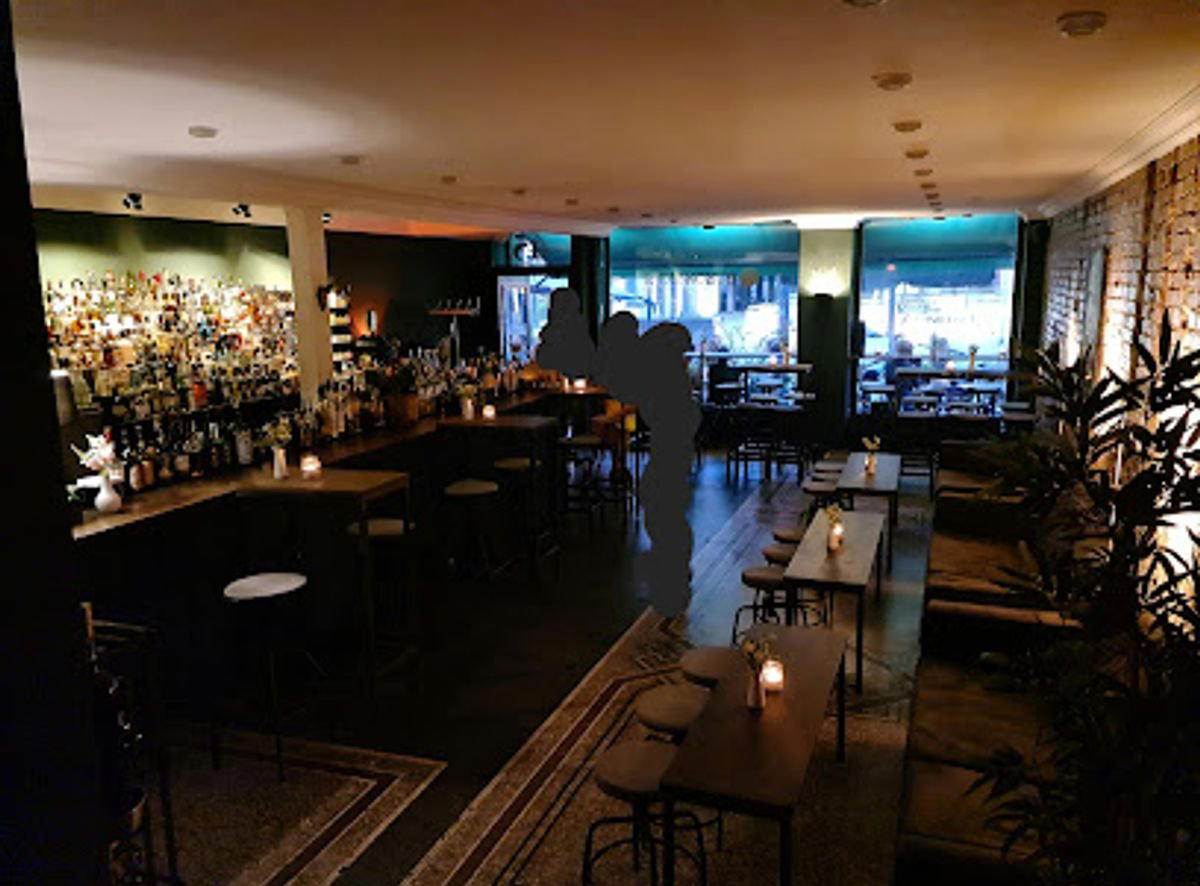
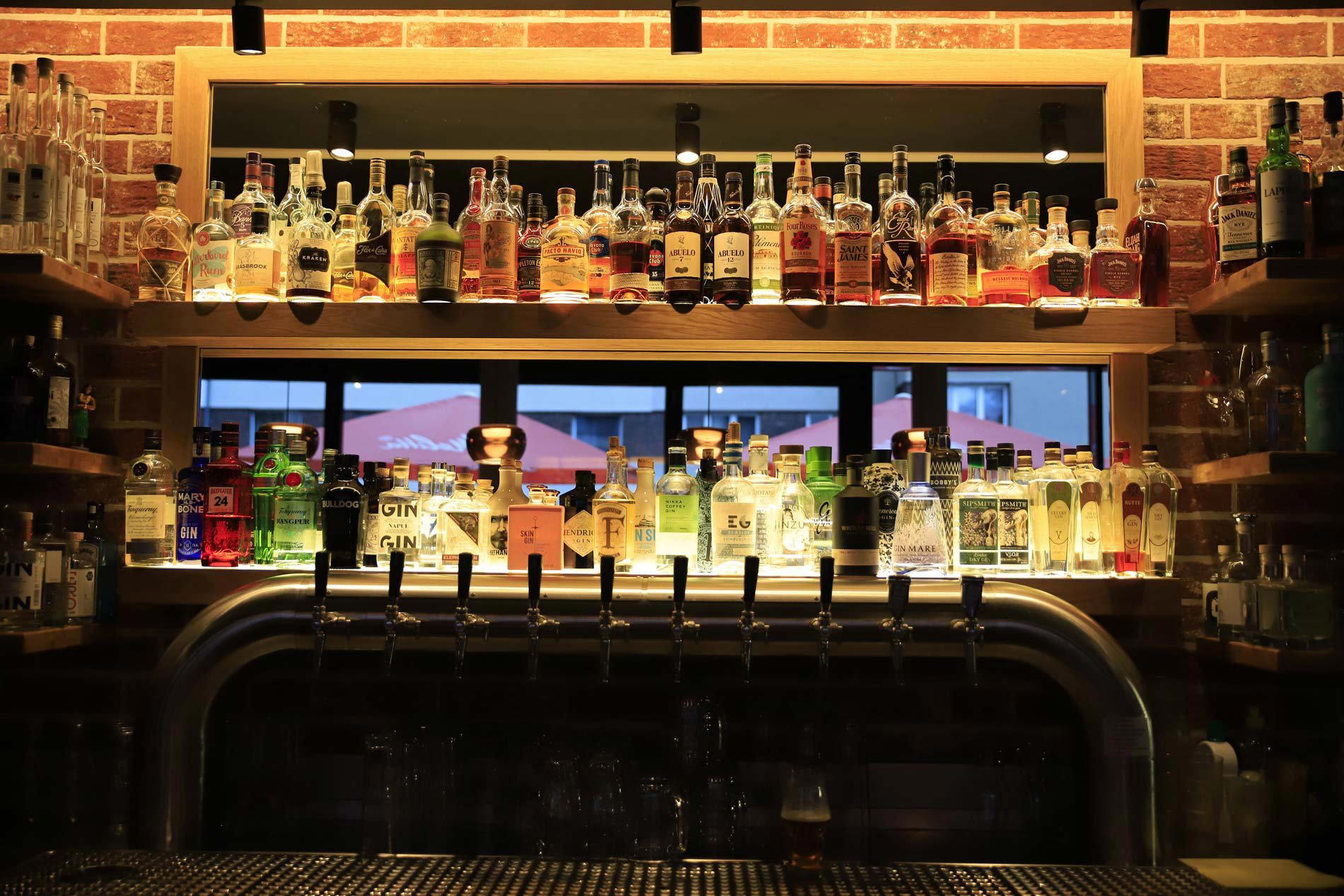
Restaurants in Burgwedel
All restaurants in Burgwedel →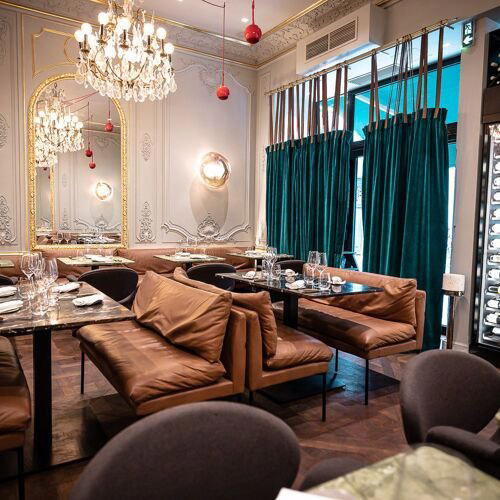
Hotels in Burgwedel
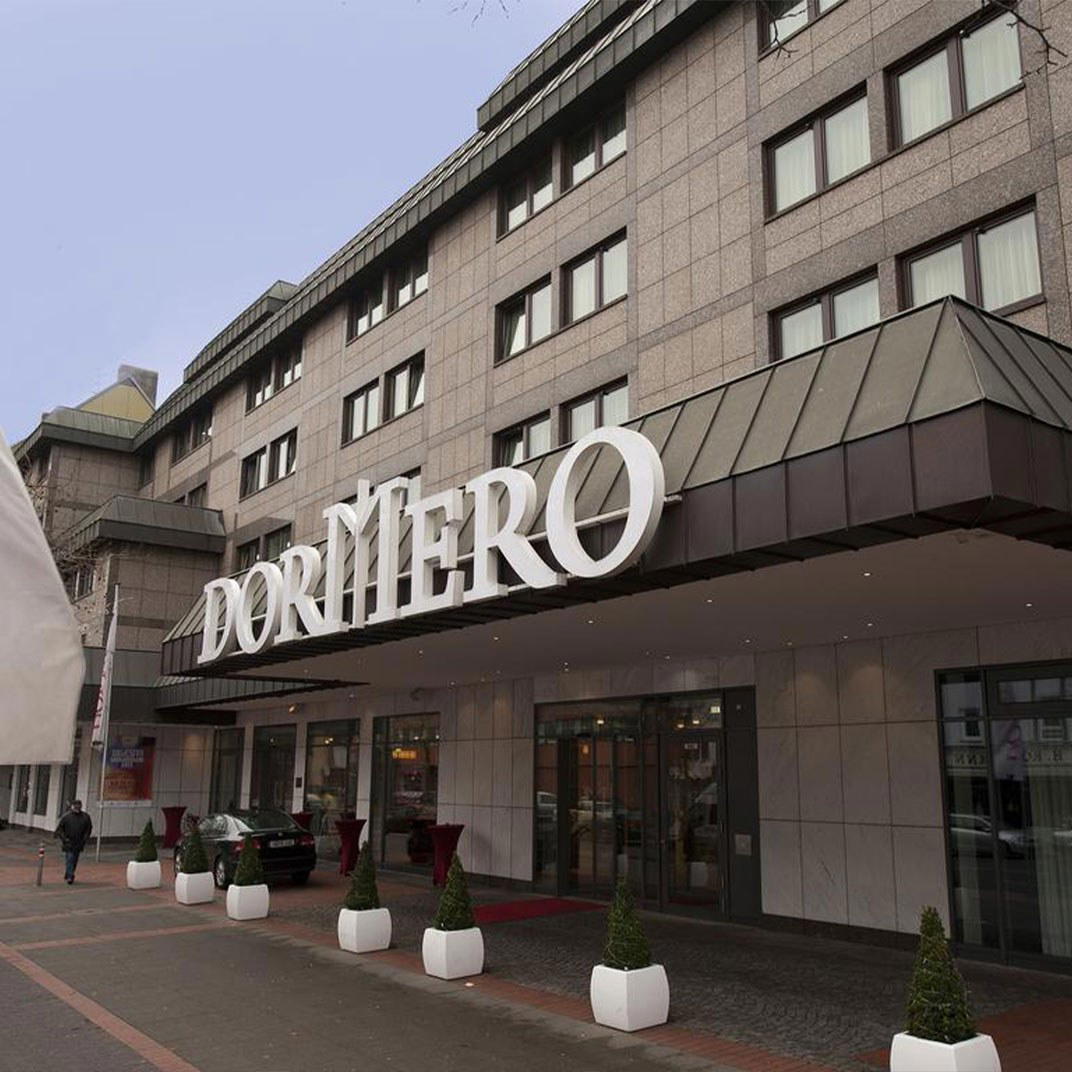
Browse all →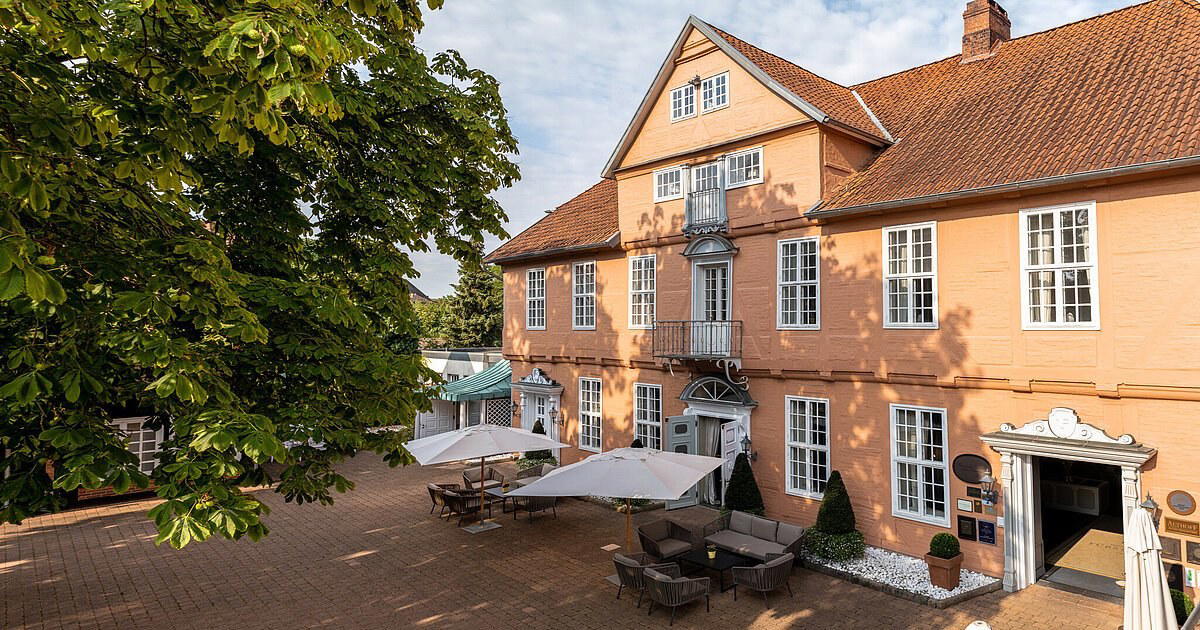
Details
- Quiet
- Cozy
- Rustic
- Solo Exploration
- Special Occasion
- Design Destination
- Vineyard Tour
- Organic
- Sustainable
- Vineyard
- White Wine Cuvée
- Rosé
- Rotling
- Still White
- Still Rosé
- Tasting Room
Natural, artisanal, and environmentally minded, with a focus on hand-harvested production and a small-family-winery feel.