.png)
A Michelin Plate-recognised table in Überlingen on Lake Constance, Johanniter-Kreuz sits within the classic cuisine tradition that prizes regional produce and disciplined technique over novelty. Consecutive Michelin Plate acknowledgements in 2024 and 2025 confirm its standing, while a 4.9 Google rating across its reviewed base points to consistent execution. For travellers moving through Baden-Württemberg, it represents one of the more considered stops in the southern lake district.
 Discover on Pearl
Pearl is the En Primeur Club membership app — saves, bookings, and concierge access live there. Same editors, same standards.
- Address
- Johanniterweg 11, 88662 Überlingen, Germany
- Phone
- +49 7551 937060
- Website
- johanniter-kreuz.de
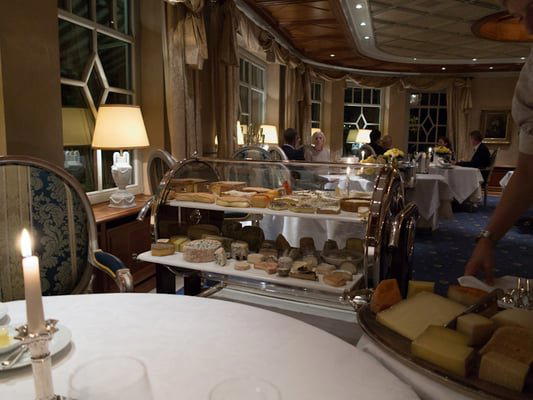
Lake Constance and the Case for Classic Cuisine
Germany's southern lake district is not a region that chases trends. The stretch of shoreline between Konstanz and Überlingen has long operated on a different clock from the capital's restaurant scene, where venues like Nobelhart & Schmutzig or CODA Dessert Dining push at formal and conceptual edges. Down here, the tradition is older and the supply chain shorter: the lake itself, the orchards on the slopes above Überlingen, the farms on the Swabian plateau behind them. Classic cuisine in this context is not conservatism for its own sake. It is a culinary grammar that respects ingredient provenance above all else, and in a region this well-provisioned, that approach has genuine logic.
Johanniter-Kreuz, at Johanniterweg 11 in Überlingen, is a restaurant serving Classic German Regional Cuisine. Its address alone, a named way rather than a commercial street, signals the kind of setting the Lake Constance restaurant scene produces: unhurried, rooted in place, oriented toward the guest who has made a deliberate decision to be there rather than one who wandered in off a high street. The approach from the lake side through the old town reinforces this. Überlingen's medieval architecture and the water visible at intervals between buildings create a frame that sets expectations before you reach a menu.
What a Michelin Plate Signals in This Context
Consecutive Michelin Plate acknowledgements in 2024 and 2025 place Johanniter-Kreuz in a defined tier. The Plate designation, awarded to restaurants where inspectors find cooking of good quality, sits below starred status but above the broader field. In a region where the guide's attention is distributed across a competitive set that includes starred kitchens in Baden-Württemberg and nearby Bavaria, holding that recognition across two consecutive years is not incidental. It reflects sustained standards rather than a single good inspection cycle.
For context, the starred end of Germany's southern restaurant scene is anchored by tables like Schwarzwaldstube in Baiersbronn and ES:SENZ in Grassau, both operating at higher price points and with correspondingly different formats. Johanniter-Kreuz at the €€€ price tier sits in the practical middle ground: serious enough to warrant Michelin attention, accessible enough to function as a regular destination for guests staying on the lake rather than a once-a-trip occasion. That positioning is not a compromise. In regions where the tourism economy is seasonal and visitor loyalty matters, a restaurant that delivers consistent quality at a reachable price point often builds a more durable reputation than a flashier operation aimed at a narrower audience.
A Google rating of 4.6 across 579 reviews reinforces this. The figure is consistent with a kitchen and front-of-house that execute reliably across different guest types and service occasions, not just the high-stakes table visits that tend to drive review spikes.
The Ingredient Question on Lake Constance
Classic cuisine as a category is sometimes misread as technique-led at the expense of produce. The better version of the tradition inverts that hierarchy: technique exists to express what the region produces, and the Lake Constance area is unusually well-placed to support that approach. The lake supplies Felchen (a whitefish prized in Swabian and Swiss cooking), perch, and pike-perch. The agricultural belt between the shoreline and the Swabian Alb produces asparagus, stone fruit, and root vegetables in a climate moderated by the lake's thermal mass. These are not generic Central European inputs. They are specific to this stretch of water and its immediate hinterland, and they distinguish a Lake Constance table from a comparable kitchen in Stuttgart or Munich operating without that proximity.
This is the argument for classic cuisine in the south: when the regional larder is this coherent, the cooking tradition that keeps it at the centre of the plate is also the most honest one. More experimental formats, from the hyper-local radicalism of Nobelhart & Schmutzig to the creative European work at FACIL, make their own valid claims on sourcing, but they are answering different questions. Classic cuisine in Überlingen is answering the oldest one: what does this place taste like?
Placing It in the Broader German Dining Map
Überlingen is not a city on the primary circuit of restaurant travel in Germany. Visitors making a dedicated dining trip through the country tend to route through Hamburg (where Restaurant Haerlin anchors the northern end), Munich (with options from JAN to KOMU), or the starred cluster in Bergisch Gladbach and Wolfsburg where Vendôme and Aqua operate. The Lake Constance area, shared between Germany, Austria, and Switzerland, sits outside those principal routes.
That positioning is part of what makes a table like Johanniter-Kreuz relevant to a specific kind of traveller: one already moving through Baden-Württemberg, combining the lake with the Black Forest, or using Überlingen as a base before crossing into Austria or Switzerland. In that itinerary, a Michelin Plate kitchen at the €€€ level, with a 4.9 rating across its guest base, is a serious recommendation rather than a fallback. Those planning a wider tour of the region's dining scene can use our full Berlin restaurants guide, alongside coverage in our Berlin hotels guide, bars guide, wineries guide, and experiences guide to build out a fuller picture of the country's dining geography. Internationally, the classic cuisine bracket Johanniter-Kreuz occupies has strong parallels at Maison Rostang in Paris, where the same commitment to tradition-as-craft rather than tradition-as-stasis shapes the offer.
Planning a Visit
Überlingen is reached most directly by train from Stuttgart (around two hours via Singen) or by road from Munich (approximately two and a half hours via the A96). The town's compact historic centre makes Johanniterweg 11 walkable from most accommodation in the old town. The €€€ price range places Johanniter-Kreuz at a level where a meal for two with wine sits comfortably below the starred bracket of southern Germany without feeling casual. Given the 4.9 guest rating, booking ahead is sensible, particularly during summer months when Lake Constance draws significant visitor numbers from across the German-speaking region. Booking is recommended.
Cuisine and Credentials
Comparable venues nearby, for context on price, style, and recognition.
| Venue | Cuisine | Price | Awards | Notes |
|---|---|---|---|---|
| Johanniter-KreuzThis venue — the venue you are viewing | Classic German Regional Cuisine | $$$ | Michelin Plate | |
| Diekmann | Franco-German Bistro | $$$ | Michelin Plate | Charlottenburg |
| aerde | Modern Regional Foraging & Fermentation | $$$ | Michelin Plate | Schoneberg |
| Michelberger Restaurant | Modern European Farm-to-Table | $$$ | 2 recognitions | Friedrichshain |
| Grosz | Classic German/French Brasserie | $$$ | , | Charlottenburg |
| The Casual | Modern Fusion with Italian Influences | $$$ | Michelin Plate | Tiergarten |
Continue exploring
More in Berlin
Restaurants in Berlin
Browse all →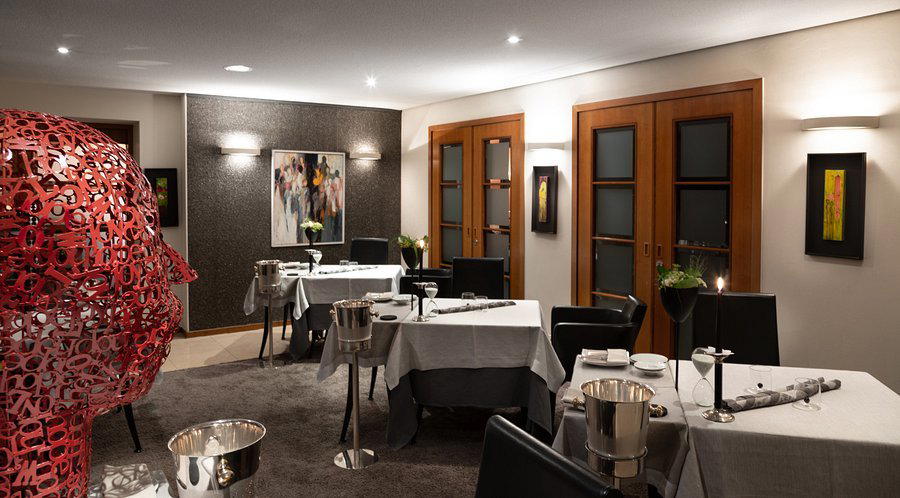
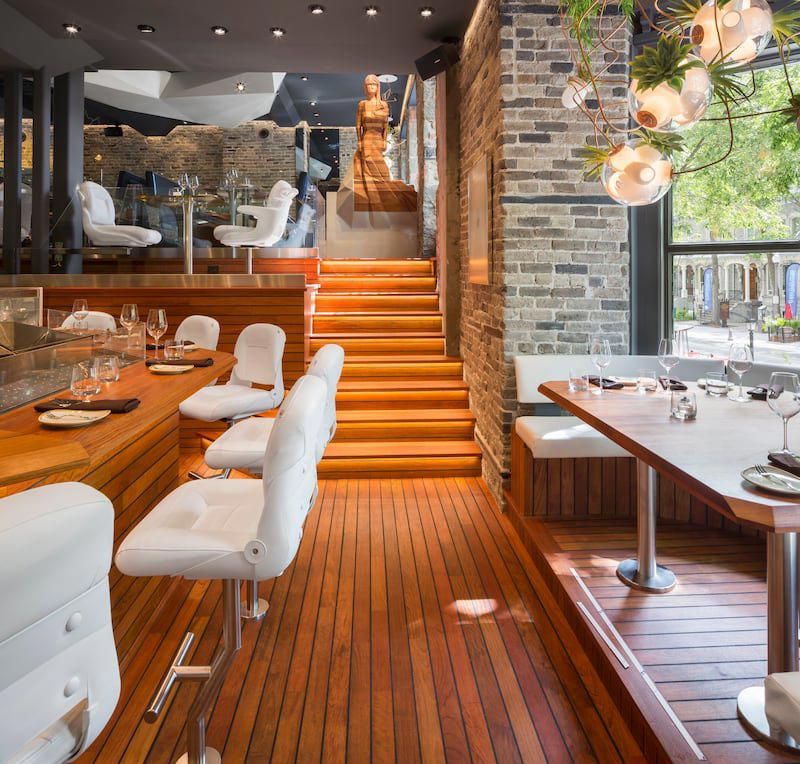
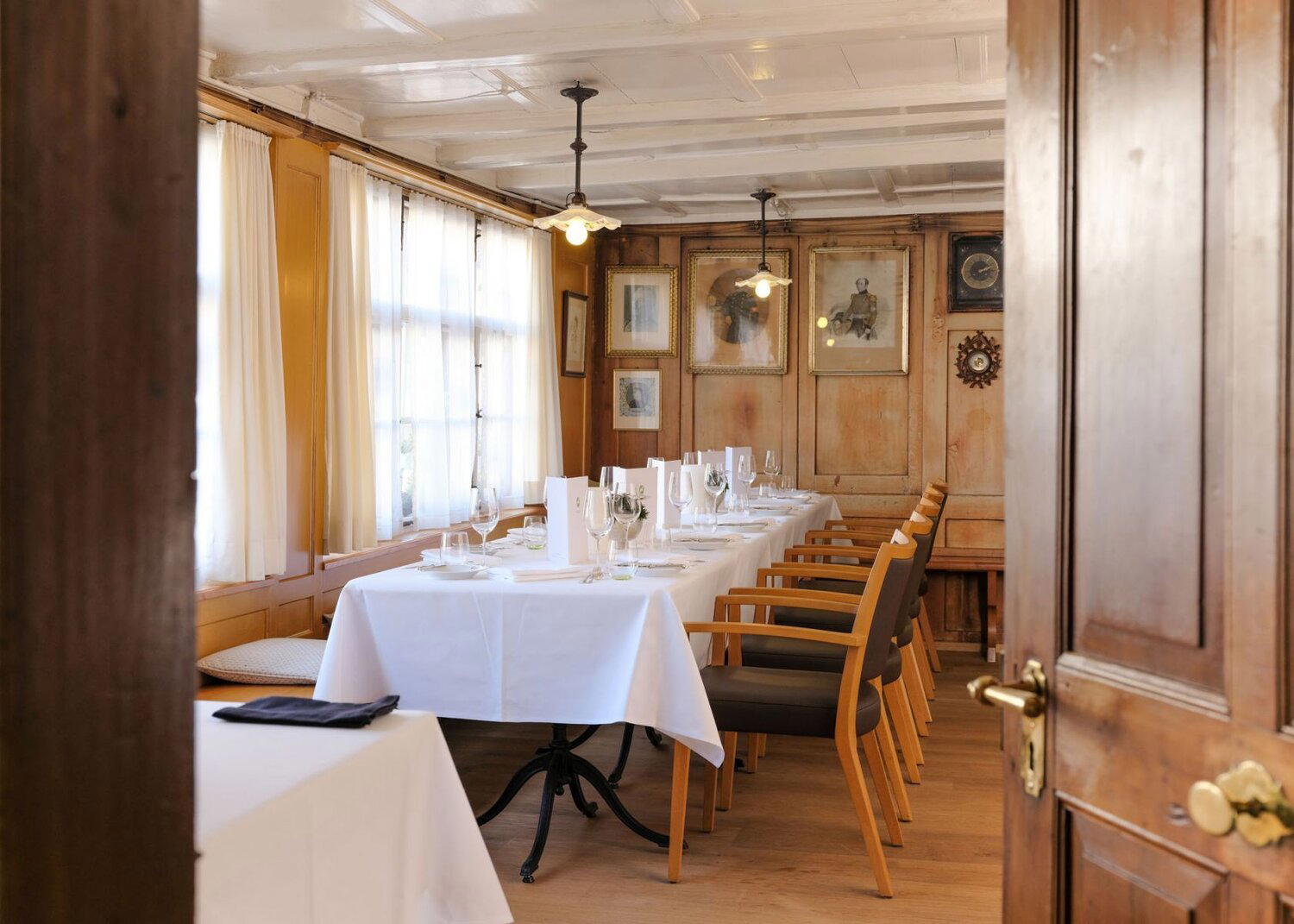
Hotels in Berlin
Browse all →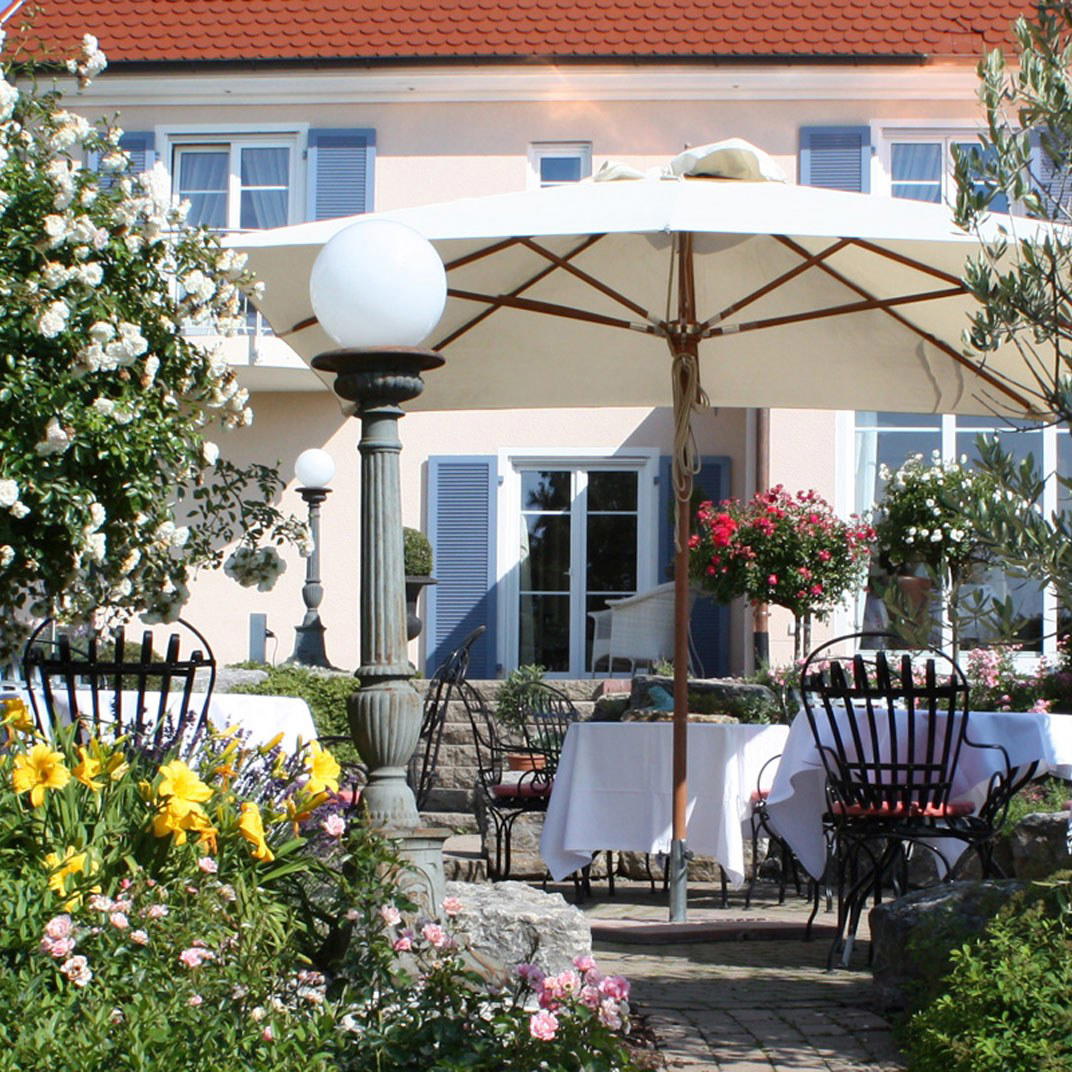
Wineries in Berlin
Browse all →
At a Glance
- Romantic
- Cozy
- Classic
- Date Night
- Special Occasion
- Historic Building
- Extensive Wine List
- Local Sourcing
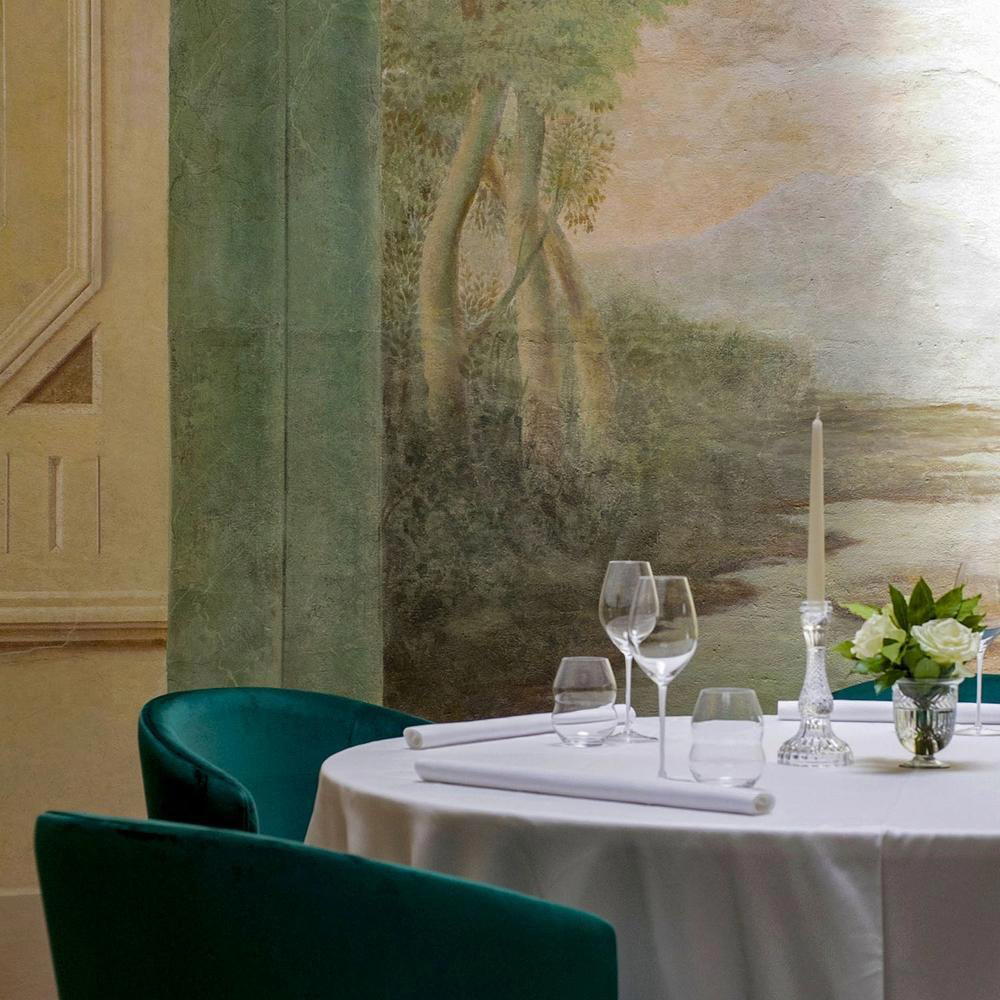
Relaxed and cozy atmosphere with light-flooded dining spaces, attentive service, and a quiet countryside setting.