Google: 4.2 · 51 reviews
Johann Grill
.png)
Johann Grill holds consecutive Michelin Plate recognition (2024 and 2025) for classic cuisine in Berchtesgaden, the Alpine town in Bavaria's southernmost corner. Priced at the €€€ tier, it sits above the local country-cooking bracket and below the haute-cuisine ceiling, making it the area's mid-premium reference point for traditional German cooking with formal kitchen discipline.
 Discover on Pearl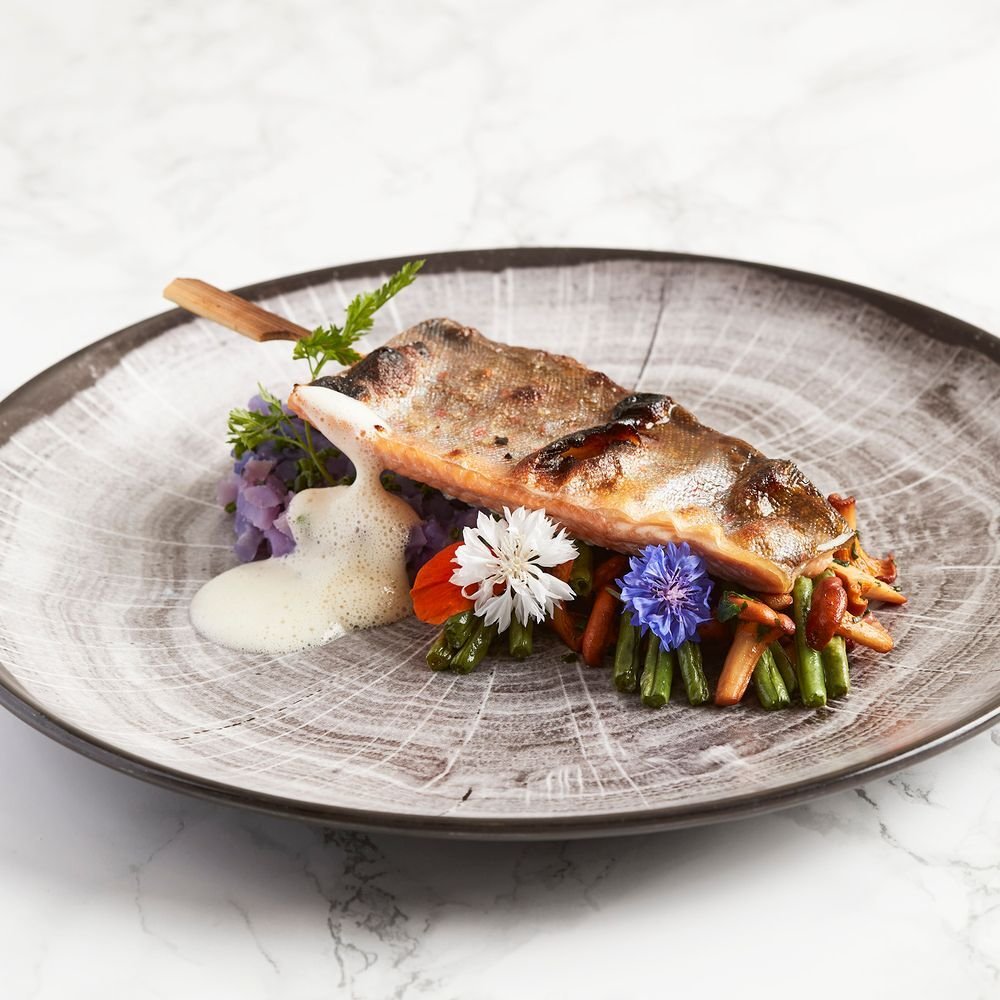
Classic Cuisine in the Bavarian Alps: Where Tradition Still Has Standards
Berchtesgaden sits at an altitude where the architecture, the food, and the pace of life have historically resisted the pressure to modernise for tourism's sake. The town draws visitors for the Königssee, the salt mines, and the surrounding Berchtesgaden National Park, but its dining scene has never fully pivoted toward the resort-casual model that flattens Alpine food culture elsewhere. Johann Grill, at Hintereck 1, occupies that context directly: a classic cuisine address with consecutive Michelin Plate recognition in 2024 and 2025, in a town where the gap between a hearty Wirtshaus and a formally recognised kitchen is larger than most visitors expect.
Classic cuisine, as a category, carries specific weight in the German context. It refers to cooking that draws from the European brigade tradition — structured preparation, French-influenced technique applied to regional ingredients, and menus built around the logic of courses rather than sharing plates. In a region defined by game, freshwater fish from glacial lakes, dairy from Alpine pastures, and root vegetables that last through winter, classic cuisine is less a conservative choice than a disciplined one. The ingredients have always been there; the question is what the kitchen does with them.
Where Johann Grill Sits in Berchtesgaden's Dining Tier
Berchtesgaden's restaurant scene breaks into three recognisable tiers. At the entry level, traditional Gasthöfe and Stuben serve Bavarian staples — Schweinebraten, Knödel, Obatzda , at prices that reflect the local economy. At the upper end, PUR operates as the town's most ambitious address, holding two Michelin Stars with a French modern cuisine format priced at €€€€. Johann Grill occupies the mid-premium band: €€€ pricing, Michelin Plate recognition, and a classic cuisine positioning that places it above the Gasthof tier without reaching for the avant-garde register of the town's starred counterpart.
The Michelin Plate, awarded in both 2024 and 2025, signals consistent kitchen quality without the theatrical ambition that stars require. It is a credential that tends to attract a specific kind of diner: someone who wants formal cooking with seasonal discipline, who is not there for the narrative or the spectacle, and who reads the menu as a document of what the kitchen is actually capable of. In this tier, across Germany, the comparison set includes places like KOMU in Munich and the broader cohort of regionally anchored classic kitchens that hold Michelin recognition without chasing trend cycles.
Locally, the contrast with Berchtesgadener Esszimmer is instructive. That address operates in the country-cooking register at the same €€€ price point, with an identity rooted in Bavarian domestic tradition. Johann Grill, by contrast, applies a more formal European framework to the same regional geography. Neither approach is superior; they answer different questions about what Alpine food should feel like at a table with a cloth on it. For visitors also considering Lockstein 1 , the town's vegetarian option at the €€ tier , the distinction sharpens further: Berchtesgaden now covers enough culinary ground that a thoughtful multi-night itinerary can avoid repetition entirely.
Classic Cuisine in the German Alpine Register
The cultural roots of classic cuisine in the Bavarian Alps trace back to the intersection of French brigade influence and the region's own larder logic. Unlike the Rhineland or Hamburg, where port trade and proximity to France accelerated kitchen modernisation, the Alpine south developed a more insular culinary identity, one where French technique arrived later and was absorbed into an existing tradition rather than replacing it. The result, in places that do it well, is cooking that reads simultaneously European and specifically Bavarian: the structure of a classic service, the seasonality of a mountain calendar.
Game appears on Bavarian menus from late summer through early winter, with venison, wild boar, and hare anchoring the hunting-season rotation. Freshwater fish from the Königssee and Chiemsee ecosystems , char, trout, whitefish , carry a different quality signature than farmed equivalents, and kitchens in this region have the supply relationships that coastal restaurants cannot replicate. Spring brings asparagus from the Bavarian lowlands, a seasonal event taken seriously enough that menus restructure around it. This is the ingredient calendar that shapes what classic cuisine means here, distinct from what the same label would imply in Düsseldorf or Frankfurt.
For comparison across the German classic cuisine tier, the contrast with addresses like Vendôme in Bergisch Gladbach, Restaurant Haerlin in Hamburg, or Schwarzwaldstube in Baiersbronn is clarifying. Those kitchens operate at the starred level of the same tradition, with larger teams, longer menus, and the infrastructure that Michelin's upper tiers demand. Johann Grill, at the Plate level, represents the tier below: the formally trained kitchen operating at a scale where discipline and consistency matter more than innovation. It is not competing with Aqua in Wolfsburg or JAN in Munich. It is competing for the guest who wants the rigour of that tradition in a mountain town at a price point that doesn't require a special occasion rationale.
Internationally, the Michelin Plate tier in a classic cuisine register maps to a peer set that includes Maison Rostang in Paris, kitchens where the tradition is the point and the craft is legible in the details rather than announced through a tasting-menu format. For diners arriving from that frame of reference, the logic of Johann Grill is immediately readable.
Nearby in the Bavarian Alpine Fine-Dining Circuit
Berchtesgaden's geographic position in the extreme southeast corner of Bavaria places it within reach of the broader Chiemgau and Berchtesgadener Land dining circuit. ES:SENZ in Grassau represents the nearest high-end satellite, operating in a different format and ambition tier but reachable for visitors treating the region as a multi-day destination. CODA Dessert Dining in Berlin and Schanz in Piesport are the kinds of destinations that serious diners build itineraries around, but they represent very different format and geographic commitments , Johann Grill answers a different need for the guest already in the Alps.
Planning Your Visit
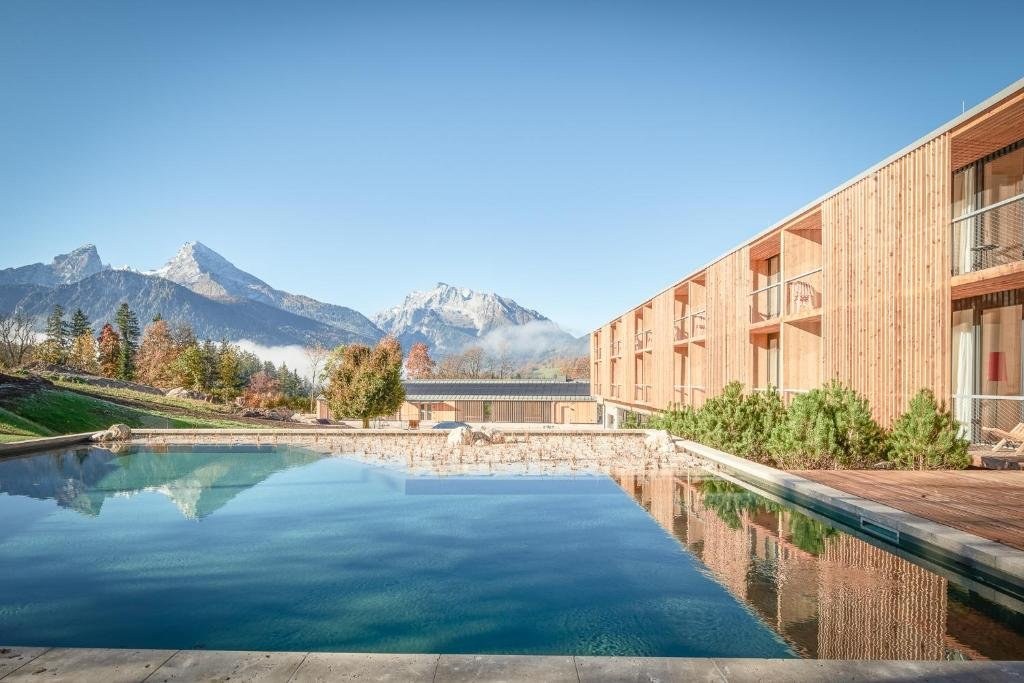
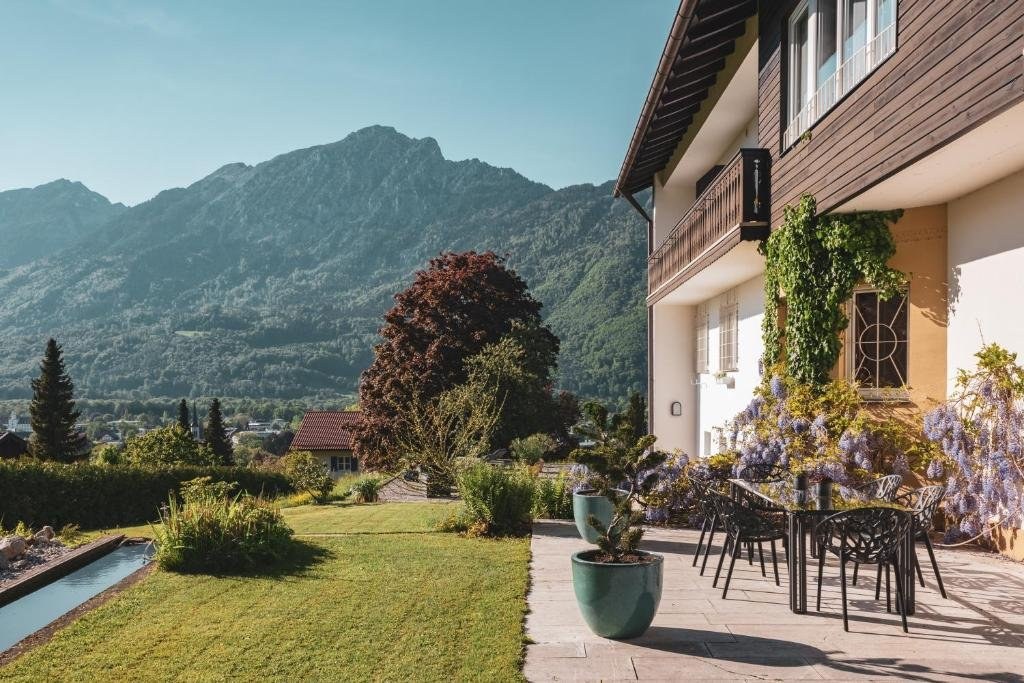
Johann Grill is located at Hintereck 1 in central Berchtesgaden, walkable from the main train station and the town's core hotel addresses. For full accommodation context, the Berchtesgaden hotels guide covers the range from mountain resort properties to smaller Alpine pensions. The town's full dining picture is in the Berchtesgaden restaurants guide, while those planning broader evenings around the region can check the bars guide, the wineries guide, and the experiences guide for cultural and outdoor programming. At the €€€ price point with consecutive Michelin Plate recognition, Johann Grill warrants advance planning rather than a walk-in approach, particularly during peak summer and Christmas-season periods when Berchtesgaden draws visitor numbers that tighten availability across the town's formal dining options.
Frequently Asked Questions
- What's the must-try dish at Johann Grill? The venue database does not include confirmed current menu items, so specific dish recommendations cannot be made without risk of inaccuracy. What the Michelin Plate recognition across 2024 and 2025 does confirm is consistent kitchen quality in the classic cuisine format, which in an Alpine Bavarian context typically means game, freshwater fish, and seasonal produce prepared with European brigade discipline. The kitchen's strengths will be most evident in whichever seasonal centrepiece the menu is built around at the time of your visit.
- How far ahead should I plan for Johann Grill? Berchtesgaden draws significant visitor volumes during summer (July to September) and the winter holiday period, and the town's formally recognised restaurants fill quickly across both peaks. At the €€€ tier with Michelin Plate status, Johann Grill is not a walk-in proposition during those windows. A booking made two to four weeks ahead is advisable for summer visits; for the Christmas and New Year period, earlier is safer.
- What's the defining dish or idea at Johann Grill? The defining idea is the application of classic European kitchen discipline to an Alpine Bavarian ingredient calendar. In a region with access to freshwater fish from glacial-fed lakes, game from the national park surrounds, and dairy and produce from mountain farming systems, a classic cuisine kitchen is not a conservative retreat from the region's identity but a framework for expressing it with formal precision. The Michelin Plate, held consecutively, is the external confirmation that the kitchen is executing that idea at a consistent standard.
Pricing, Compared
A compact peer snapshot based on similar venues we track.
| Venue | Price | Awards | Notes |
|---|---|---|---|
| Johann Grill | €€€ | Michelin Plate (2025); Michelin Plate (2024) | This venue |
| PUR | €€€€ | Michelin 2 Star | French, Modern Cuisine, €€€€ |
| Berchtesgadener Esszimmer | €€€ | Country cooking, €€€ | |
| Lockstein 1 | €€ | Vegetarian, €€ |
Continue exploring
More in Berchtesgaden
Restaurants in Berchtesgaden
Browse all →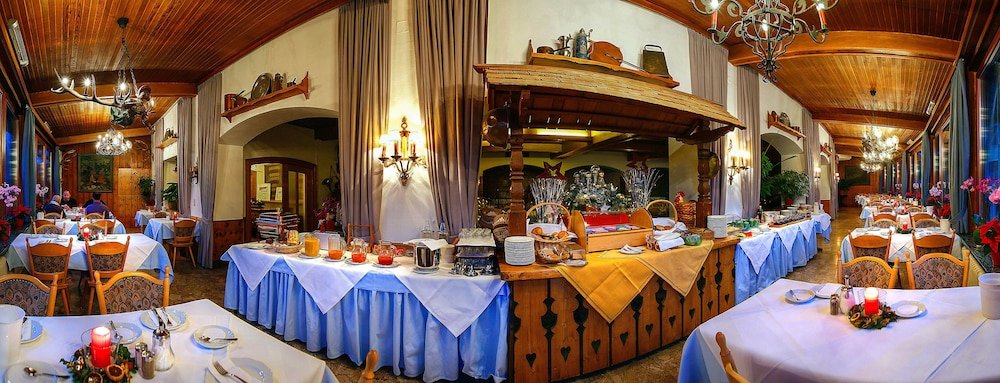
Bars in Berchtesgaden
Browse all →
Hotels in Berchtesgaden
Browse all →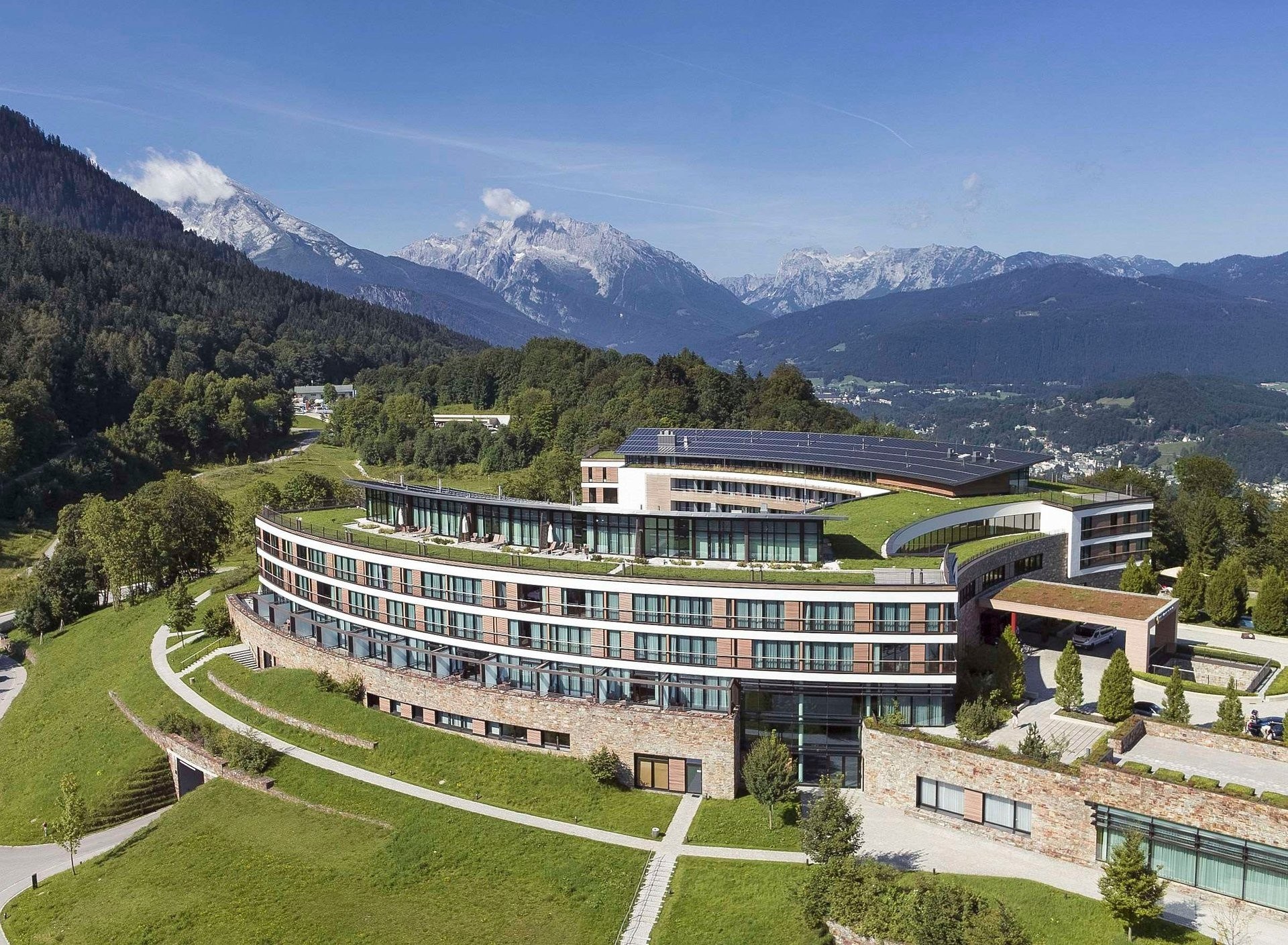
At a Glance
- Elegant
- Scenic
- Cozy
- Sophisticated
- Date Night
- Special Occasion
- Family
- Panoramic View
- Hotel Restaurant
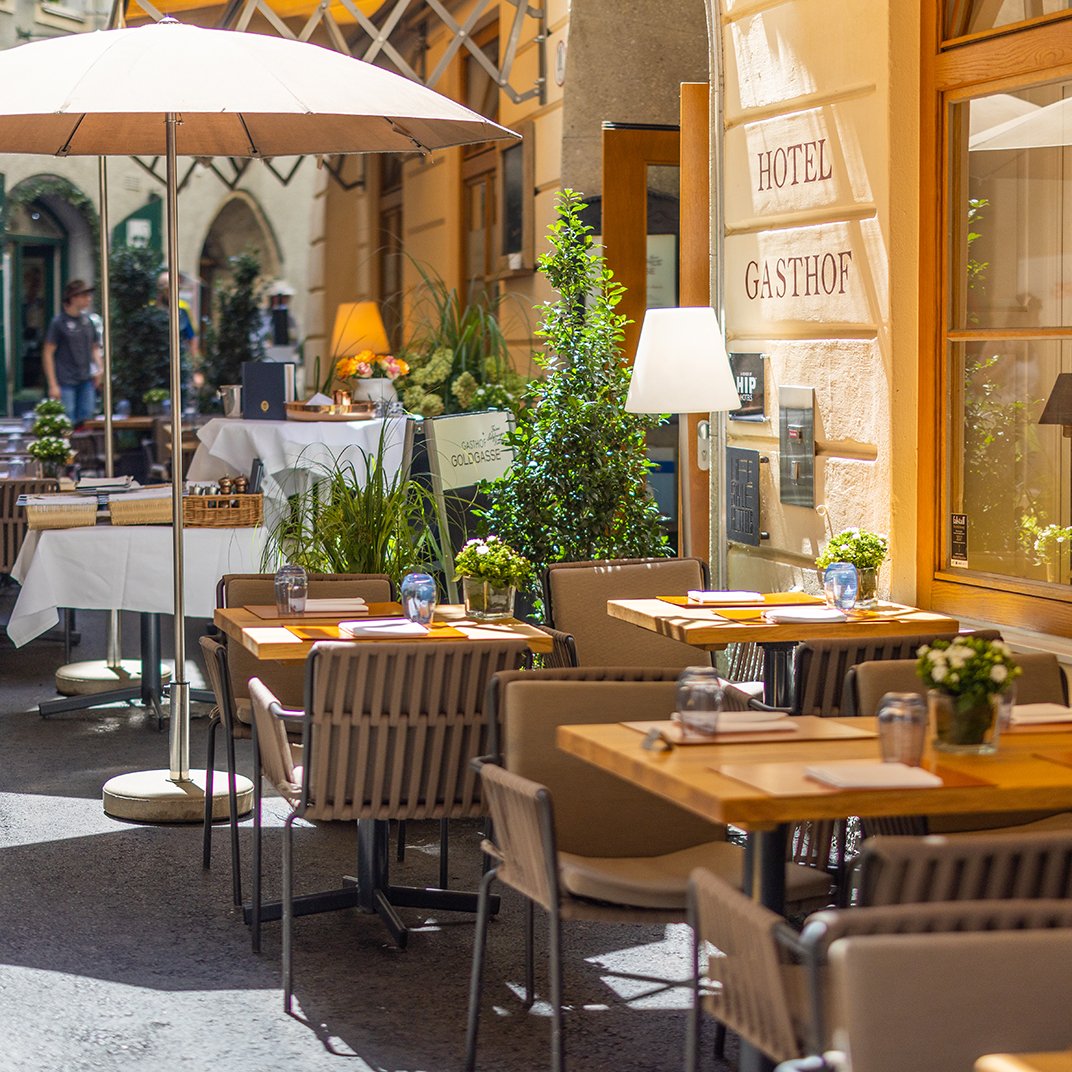
- Terrace
- Local Sourcing
- Mountain
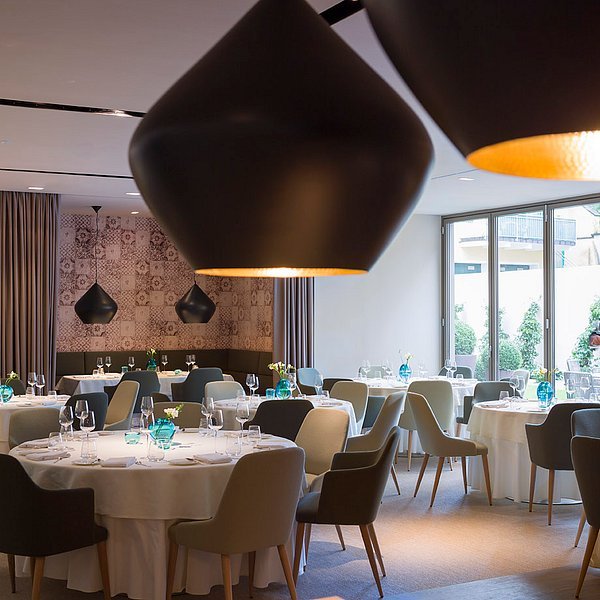
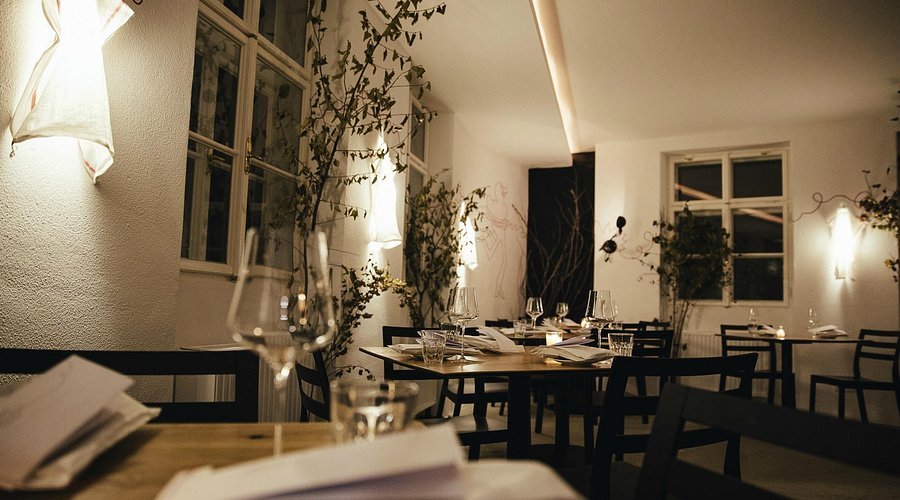
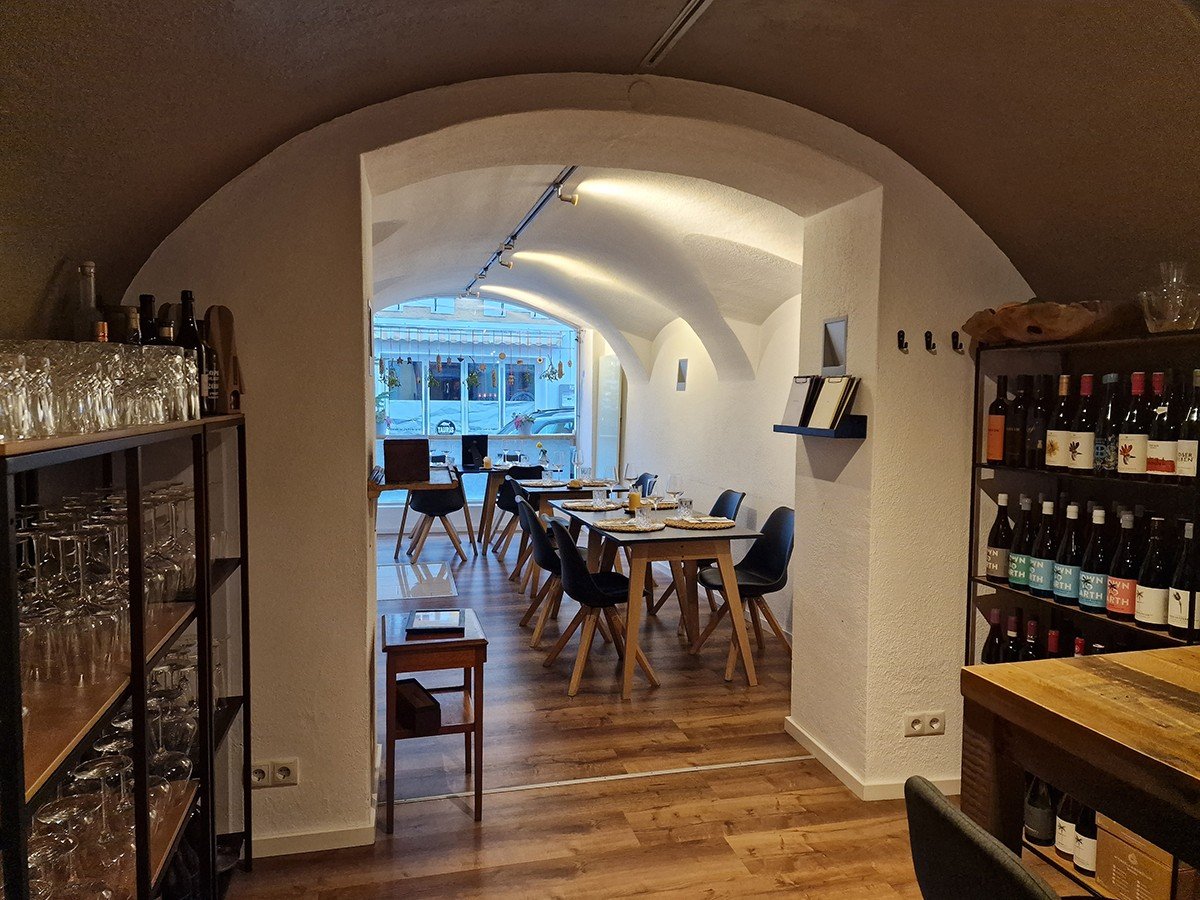
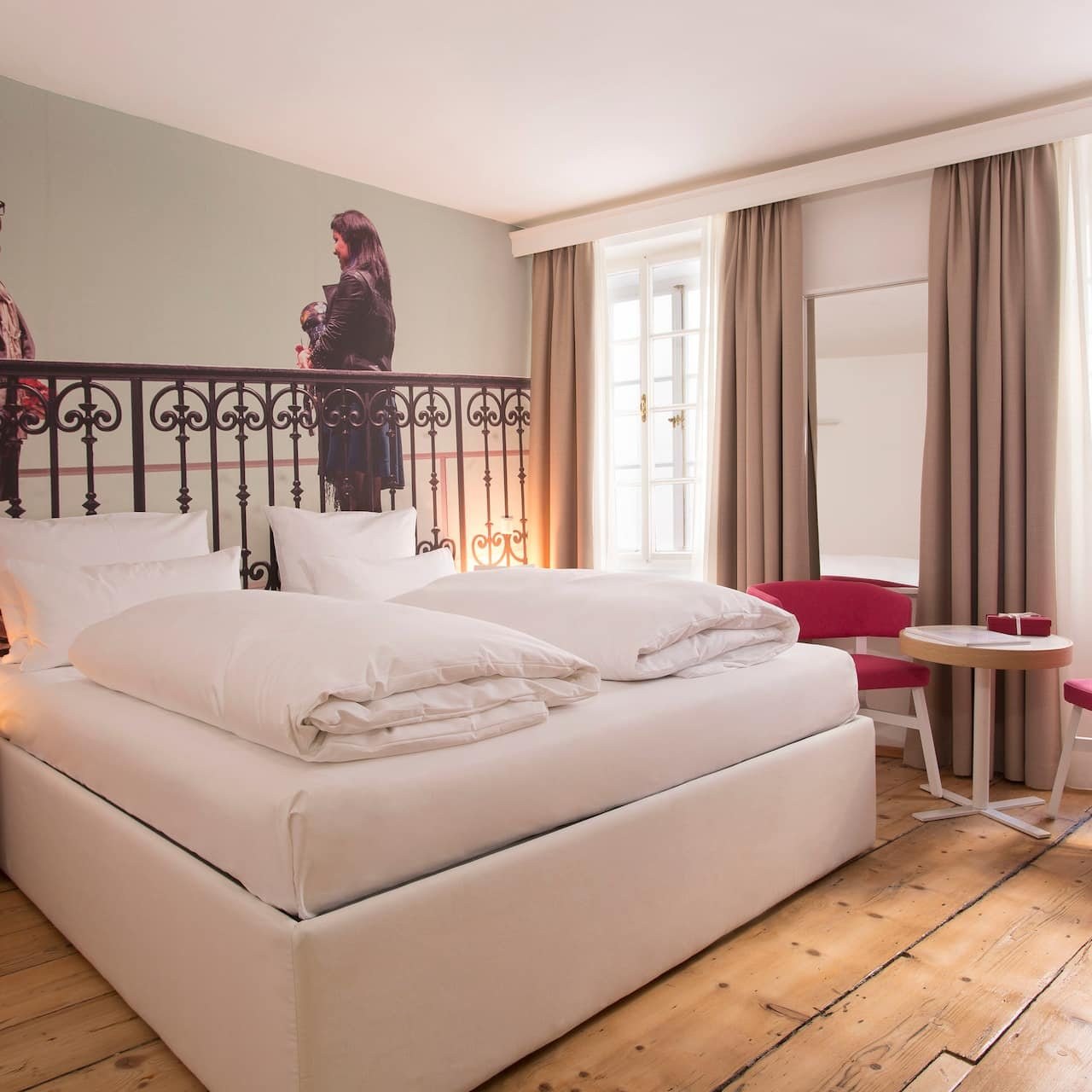
Sleek modern interior with stunning mountain views, creating an elegant and serene atmosphere.