Berchtesgadener Esszimmer
.png)
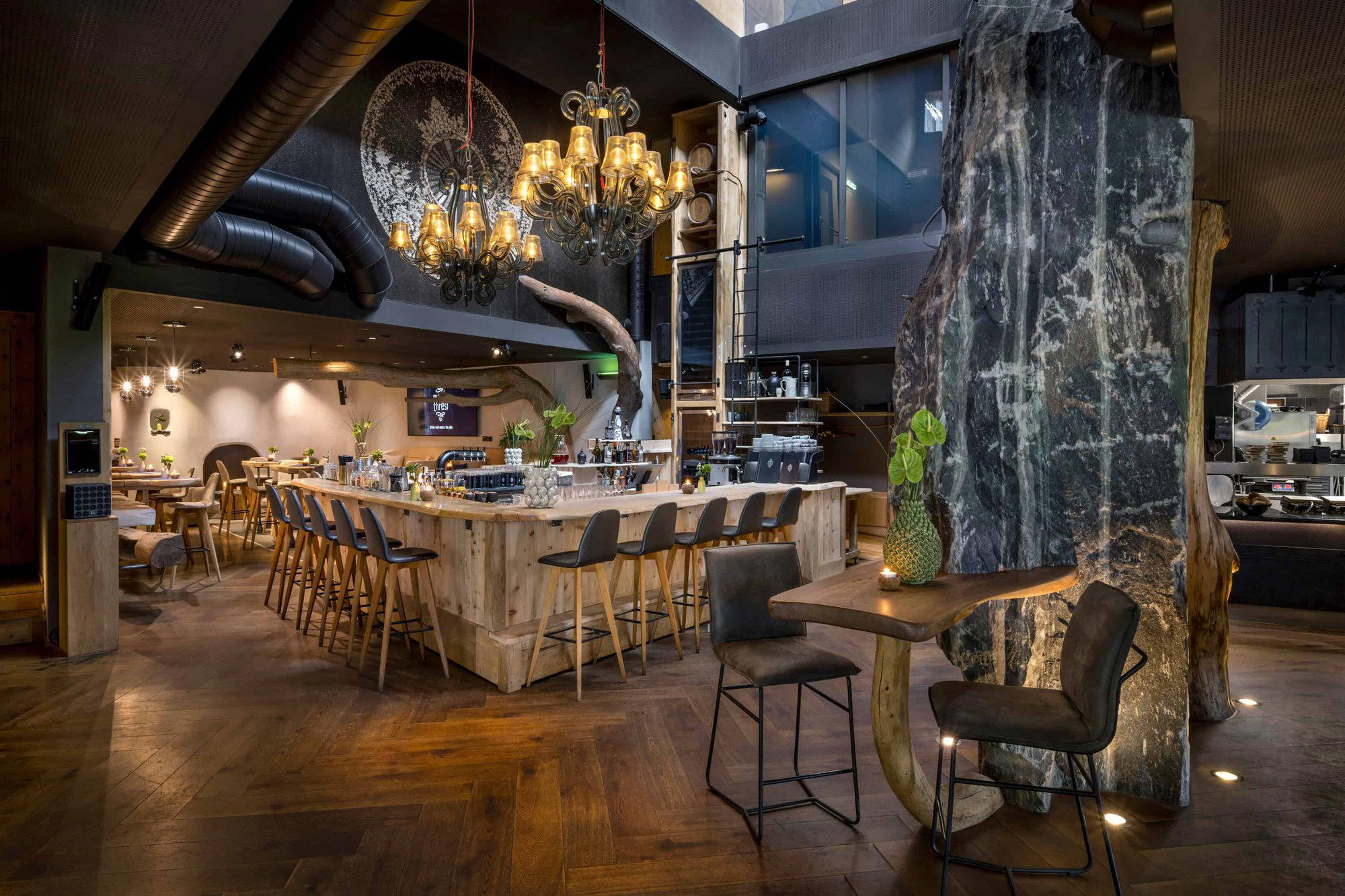
A Michelin Plate-recognised address on Nonntal Strasse, Berchtesgadener Esszimmer anchors its menu in the cooking traditions of the Bavarian Alpine region, with country cuisine built around the larder at its doorstep. The 4.8 Google rating across 204 reviews signals consistent execution rather than occasional brilliance. For a town better known for mountains than restaurants, it earns its place at the table.
Pearl is the En Primeur Club membership app — saves, bookings, and concierge access live there. Same editors, same standards.
- Address
- Nonntal 7, 83471 Berchtesgaden, Germany
- Phone
- +49 8652 6554301
- Website
- esszimmer-berchtesgaden.com
 Saves & bookings on Pearl
Country Cooking in Alpine Context
The Berchtesgaden valley sits inside one of Germany's most tightly protected natural zones, a fact that shapes what ends up on plates here as much as any chef's preference or kitchen philosophy. Farmers in the Berchtesgadener Land operate within strict environmental regulations tied to the National Park and UNESCO Biosphere Reserve status of the surrounding area, which means the regional larder, while constrained in scale, tends toward quality that lowland producers rarely match. Dairy herds graze at altitude, game is managed through controlled seasonal hunts, and foraged ingredients follow a calendar dictated by elevation and climate rather than commercial supply chains. Berchtesgadener Esszimmer, at Nonntal 7, sits within this context and frames its country cuisine accordingly.
Country cooking in the Alpine tradition is not a simplified register of fine dining. It operates by its own logic: ingredient seasonality is non-negotiable, preparation methods favour preservation and slow cooking over technical flourish, and the relationship between kitchen and local producer is closer than in most urban restaurants. The genre is arguably more demanding than modern tasting menus in one respect, because the ingredients cannot be supplemented from global supply when the season shifts. What the valley provides is what the kitchen works with.
What the Michelin Plate Signals Here
Berchtesgadener Esszimmer has held the Michelin Plate in both 2024 and 2025, a designation the Guide uses to mark restaurants offering food of good quality that fall below starred thresholds. In a town the size of Berchtesgaden, with a restaurant scene anchored more by tourist volume than by culinary ambition, consecutive Plate recognition carries more weight than it might in Munich or Hamburg. It places the restaurant inside a tier of Bavarian dining that includes addresses like JAN in Munich at the starred end, and regional peers further south such as ES:SENZ in Grassau, which operates in a comparable Alpine corridor with stronger fine-dining intent. Within Berchtesgaden itself, the competitive set includes PUR, which carries two Michelin stars and a French Modern Cuisine format at €€€€, and Johann Grill, which works a Classic Cuisine register at the same €€€ price point. Berchtesgadener Esszimmer's country cooking sits in a different lane from PUR's technically refined approach, but the shared price tier means both compete for the same dinner booking.
A Google rating of 4.8 from 213 reviews adds a separate layer of confidence. That volume of reviews, for a restaurant in a small Alpine town, suggests a guest mix of returning locals and informed visitors rather than a rating inflated by one-time tourists with low benchmarks. Consistency across that sample is the relevant signal.
Spring and Autumn: When the Table Makes Most Sense
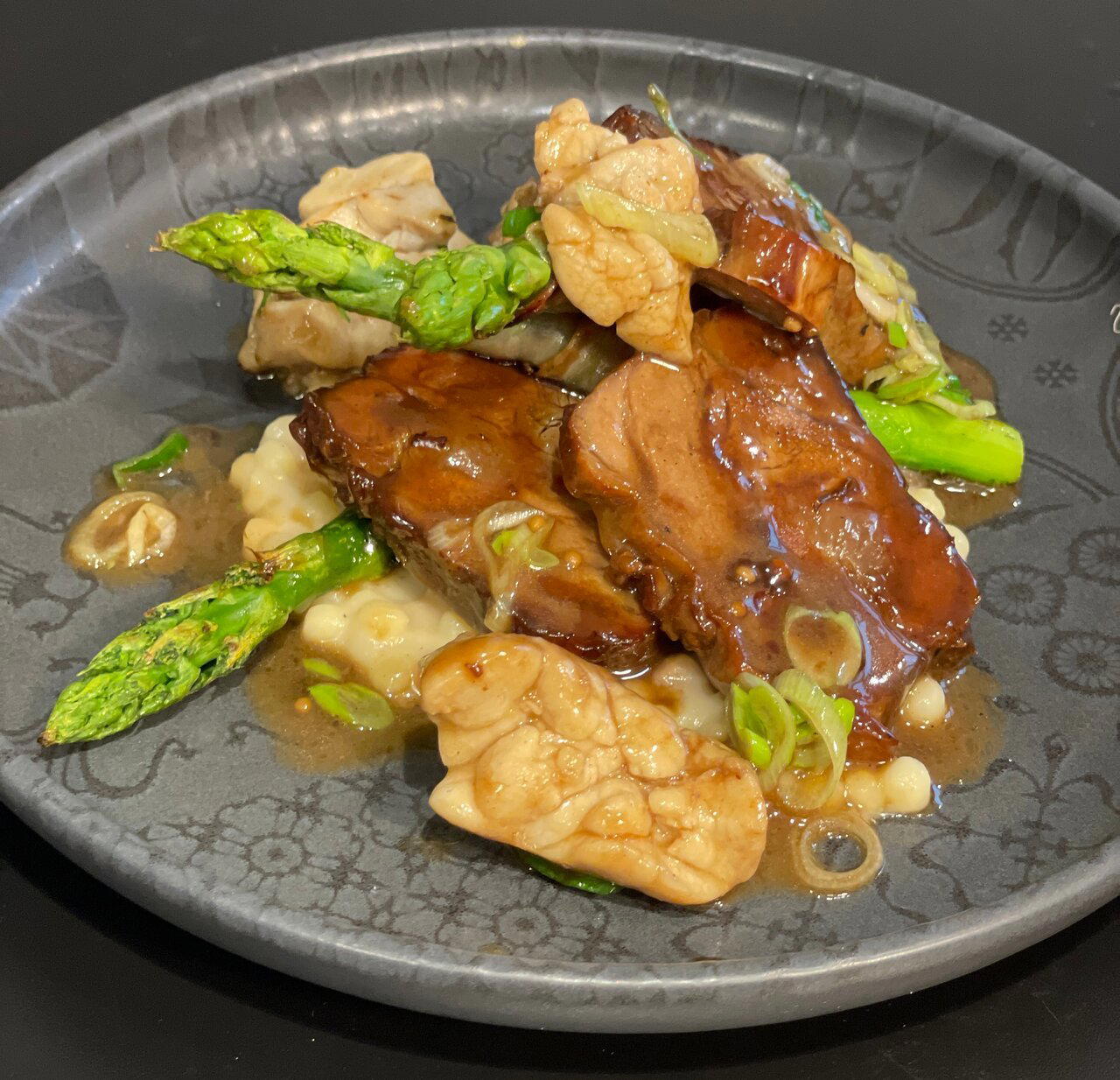
Search patterns for Berchtesgaden peak in May, August, and September, which maps closely onto the rhythm of Alpine country cooking. Spring in the Berchtesgadener Land means wild garlic from the valley floors, early asparagus from lower Bavarian fields, and the first dairy output from herds moving back to higher pastures after winter. By May, the kitchen has access to a range of foraged and farmed ingredients that winter menus cannot replicate. September sits at the other end of that arc: game season opens, mushroom foraging reaches its depth, and the dairy character shifts as grazing patterns change with the altitude. These are the months when country cuisine operating from a regional larder has the most to work with, and when a table at Berchtesgadener Esszimmer reflects the full range of what the valley can produce. August sits between those peaks, the height of the summer tourist season, when the town is at capacity and advance booking is advisable. For a quieter, more considered experience of the same kitchen, early September tends to offer both the ingredient quality of autumn and slightly less pressure on the town itself.
Sourcing as Structure
The country cooking category, at its most serious, treats ingredient provenance as the structural principle of the menu rather than a marketing footnote. In regions like Berchtesgaden, where geography limits what can be grown or raised locally, the kitchen's relationship with suppliers becomes visible in the food. Bavarian Alpine cooking has historically leaned on a short list of ingredients: mountain cheeses, cured meats, freshwater fish from the Königssee and Berchtesgadener Ache, game from managed forest land, and root vegetables that survive at altitude. A restaurant working within this tradition is not making a stylistic choice so much as acknowledging a centuries-old cooking logic built around what the environment actually provides. Comparable approaches appear further north at addresses like Schwarzwaldstube in Baiersbronn, where Black Forest terrain sets similar constraints, and internationally at country cooking addresses such as 21.9 in Piobesi d'Alba and Andrea Monesi at Locanda di Orta, where the Italian Alpine foothills impose a similar discipline on what reaches the plate.
Planning a Visit
Berchtesgadener Esszimmer is located at Nonntal 7 in Berchtesgaden, at the €€€ price point, which in this market sits above casual Alpine dining but below the investment required at PUR. The address is accessible from the town centre on foot, and Berchtesgaden itself is reached by train from Munich in roughly two and a half hours via Freilassing, making it viable as a day trip for those staying in the city. For visitors planning a longer stay, accommodation options across Berchtesgaden range from mountain lodges to full-service hotels. Given peak demand in August and the compressed dining supply of a small town, booking ahead for any visit between late spring and early autumn is the practical approach. Hours, phone contact, and booking method are not listed in the available data, so confirming directly through the venue's website or a reservation platform before arrival is the sensible step.
For those building a broader picture of eating and drinking in the region, our full Berchtesgaden restaurants guide covers the current range of options, from the vegetarian format at Lockstein 1 to the starred ambition at PUR. Bars, wineries, and experiences in the area are mapped in the separate Berchtesgaden bars guide, wineries guide, and experiences guide.
Fast Comparison
Comparable venues nearby, for context on price, style, and recognition.
| Venue | Cuisine | Price | Awards | Notes |
|---|---|---|---|---|
| Berchtesgadener EsszimmerThis venue — the venue you are viewing | Modern Regional German Fine Dining | $$$$ | Michelin Plate | |
| Johann Grill | Modern Bavarian Alpine Grill | $$$ | Michelin Plate | Berchtesgaden |
| Lockstein 1 | Vegetarian Fine Dining | $$$ | Michelin Plate | Nonntal |
| PUR | Modern European Fine Dining | $$$$ | Michelin 2 Star | Berchtesgaden |
| Gut Steinbach | Seasonal Regional German with Farm-to-Table Focus | $$$$ | Michelin Plate | Reit im Winkl |
| Schwarzreiter | Modern Bavarian Fine Dining | $$$$ | Michelin Plate | Lehel |
Continue exploring
More in Berchtesgaden
Restaurants in Berchtesgaden
Browse all →
Bars in Berchtesgaden
Browse all →

Hotels in Berchtesgaden
Browse all →
At a Glance
- Cozy
- Elegant
- Intimate
- Sophisticated
- Date Night
- Special Occasion
- Open Kitchen
- Historic Building
- Extensive Wine List
- Local Sourcing
- Organic
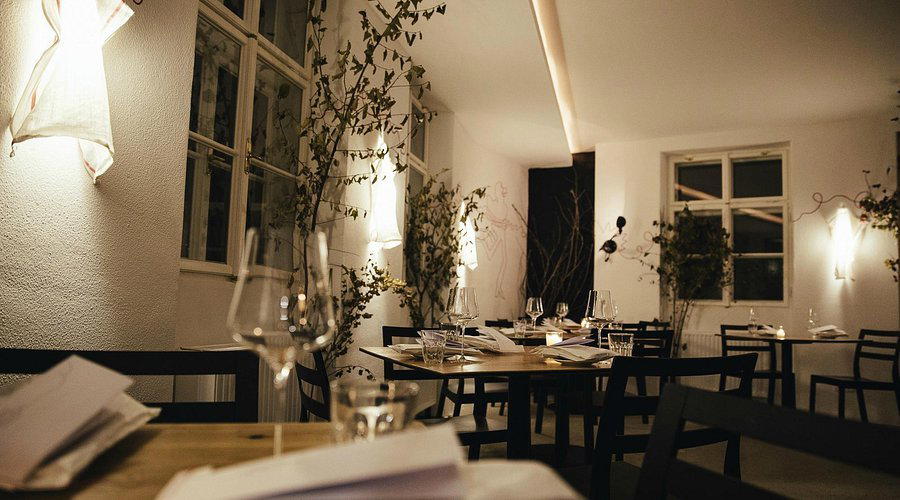
Cozy and homely atmosphere in a small vaulted-ceiling room with only 4 tables, warm lighting, and a relaxed yet refined historic charm.