
At Plaça des Blanquer in Inca, Joan Marc holds a Michelin Plate for two consecutive years running a seasonal, island-rooted menu where Mallorcan ingredients drive the kitchen. The format spans an extensive tapas selection and two tasting menus, set inside a wood-forward contemporary room that reflects the town's artisan character. For visitors to Mallorca's interior, it offers a grounded alternative to the coast's more theatrical dining options.
Pearl is the En Primeur Club membership app — saves, bookings, and concierge access live there. Same editors, same standards.
- Address
- Plaça des Blanquer, 10, 07300 Inca, Illes Balears, Spain
- Phone
- +34 971 50 08 04
- Website
- joanmarcrestaurant.com
 Saves & bookings on Pearl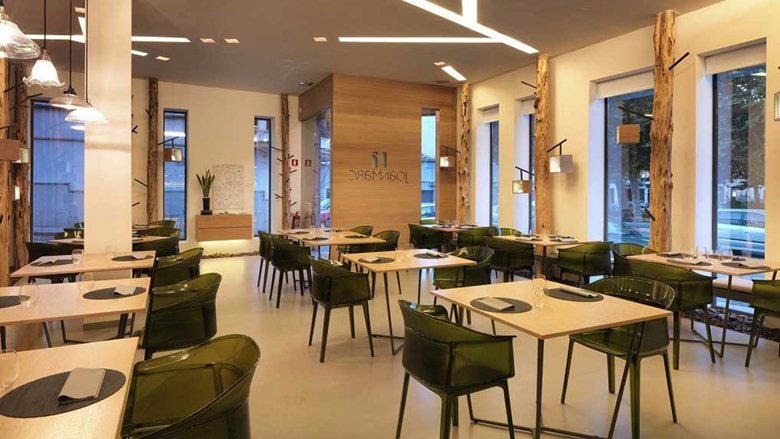
Where Inca's Market Tradition Meets the Plate
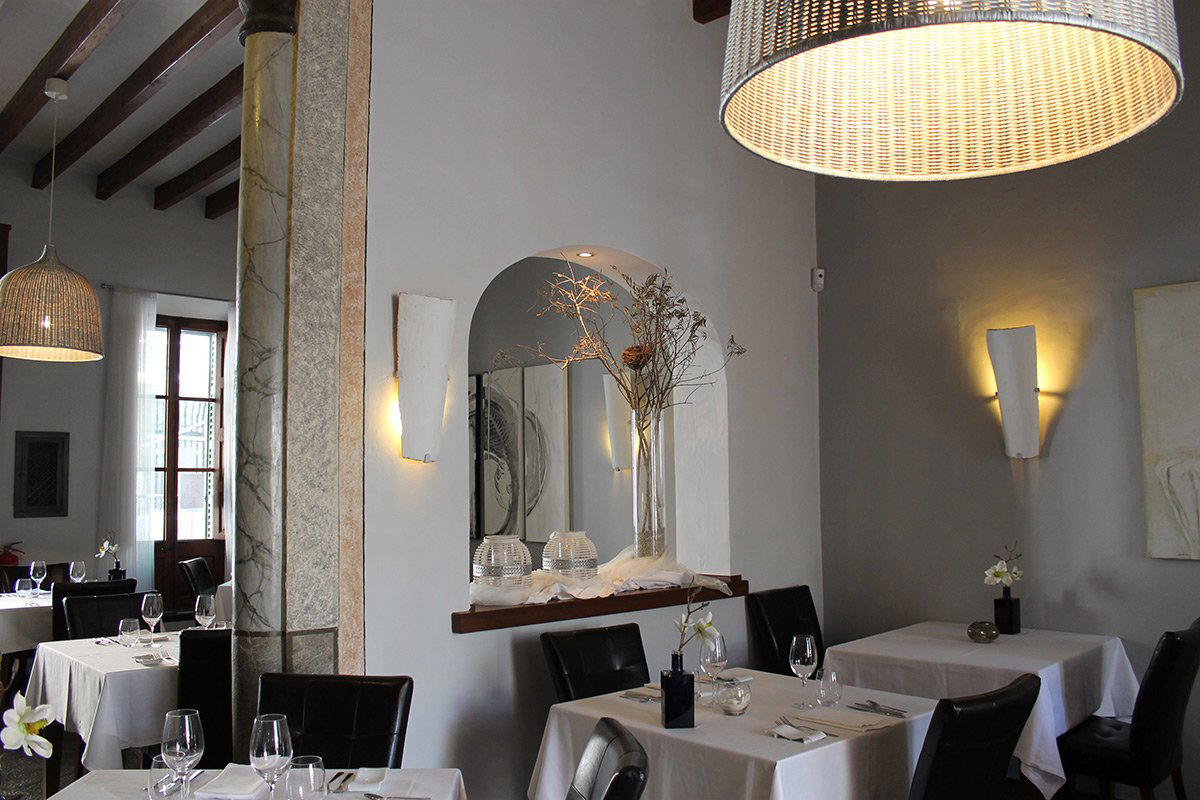
Inca sits at the geographic and commercial heart of Mallorca's interior, a leather-working town whose weekly Thursday market draws producers from the surrounding plains and foothills. The dining culture here runs on a different clock to Palma or the resort coast: less performative, more rooted in what arrives from nearby farms and fishing boats. Joan Marc, a Modern Mallorcan restaurant at Plaça des Blanquer, 10 in Inca, occupies this tradition deliberately. The room reads as contemporary without being cold, exposed wood surfaces, natural light, and a layout that keeps the focus on the table rather than the architecture. This is the visual grammar of modern Spanish regional cooking at a mid-tier price point, where the room signals competence rather than spectacle.
The Sourcing Logic Behind a Seasonal Menu
The kitchen at Joan Marc works from Mallorca's agricultural calendar, which produces rather different raw material to the mainland. The island's cuisine draws from a specific larder: sobrasada made from black-hoofed Mallorcan pigs, tumbet vegetables from the interior valleys, lamb from the tramuntana foothills, and seasonal fish from small-boat fleets docking at ports like Pollença and Alcúdia. A menu that claims to showcase island flavour is making a geographical commitment, it implies proximity to those supply chains, shorter transit times, and produce that hasn't spent two days in a cold chain before reaching a pan.
The tapas format, which runs across several categories, vegetarian, classic, meat, fish and seafood, free-range egg preparations, and dipping dishes, is well-suited to an ingredient-led philosophy. Smaller plates require less structural transformation of the raw material; the produce carries more of the work. This is a broader pattern in Spanish regional cooking, visible in sharper focus at places like Ricard Camarena in València, where the seasonal sourcing argument underpins the entire menu architecture. At the restaurant's price tier, this approach offers direct value: the quality of the ingredient absorbs much of the cost that more elaborate kitchens spend on technique and theatre.
Two Michelin Plates and What That Recognition Signals
Joan Marc has held the Michelin Plate in both 2024 and 2025. The Plate recognition, introduced by Michelin as a category below Star level, is awarded to restaurants that consistently produce good cooking, it is a quality floor rather than a ceiling, and it functions as a useful calibration tool. In Mallorca's interior, where the restaurant density thins considerably once you leave Palma, consecutive Plate recognition carries more contextual weight than it might in a city with dozens of starred alternatives.
Spain's Michelin-starred tier is dominated by the Basque Country and Catalonia. The three-star cohort includes Arzak in San Sebastián, Azurmendi in Larrabetzu, El Celler de Can Roca in Girona, and Cocina Hermanos Torres in Barcelona. At the creative extreme, DiverXO in Madrid, Mugaritz in Errenteria, and Martin Berasategui in Lasarte-Oria operate at price points and conceptual distances far removed from a market-square tapas restaurant in a Mallorcan town of 30,000 people. The restaurant is not competing in that register and makes no claim to. It is working in the more immediate register of regional quality, consistent, seasonal, ingredient-honest, where the Plate signal is the appropriate benchmark.
The Tasting Menu Option as a Structural Choice
Alongside the tapas selection, the restaurant offers two tasting menus, a format that, at this price tier, tends to function as a curated walk through the kitchen's seasonal focus rather than an avant-garde statement. The tasting menu option matters to visitors planning a sit-down evening rather than a grazing session; it structures the meal and, in kitchens with a clear ingredient philosophy, usually allows the sourcing argument to develop across courses in a way that individual tapas orders do not. The coexistence of both formats in a single restaurant is a practical calibration: it serves the local lunch crowd, the market-day visitor, and the visitor who wants a longer deliberate meal, without requiring the kitchen to operate two entirely separate programs.
Inca as a Dining Destination
Visiting Mallorca's interior for food rather than beach access requires a specific orientation, but the reward is direct contact with the ingredients that coastal kitchens often source from this exact territory. Inca's Thursday market, running for centuries, remains one of the island's primary points where agricultural producers, leather artisans, and food vendors converge. The town's restaurant scene is smaller than Palma's, which means that a place with consecutive Michelin recognition at Plaça des Blanquer functions as an anchor rather than one option among many. For visitors staying on the island for more than a few days, building a meal in Inca around the market calendar is a logical structure: arrive Thursday, walk the market, eat at the square.
Those planning a broader Mallorcan or Spanish itinerary can use the island's interior as a productive contrast to the headline restaurants. Quique Dacosta in Dénia, Aponiente in El Puerto de Santa María, and Atrio in Cáceres each represent different regional expressions of Spanish cooking at its most ambitious. The restaurant sits at a different coordinate on that map, closer to where the ingredients originate than to where they are most elaborately transformed.
For visitors building an itinerary beyond the restaurant, the wider Inca picture includes hotels, bars, wineries, and experiences.
Planning Your Visit
The restaurant is located at Plaça des Blanquer, 10 in Inca, in the Balearic Islands, approximately a 30-minute drive from Palma via the Ma-13 motorway, and accessible by train on the Palma–Inca line, which deposits passengers a short walk from the old town square. The restaurant's price tier sits around $95 per person: a full evening with tapas across several categories and a glass or two of local wine will not require the planning overhead of a tasting-menu reservation at a starred address. Booking ahead is advisable for weekends and Thursday market days. The natural-materials room with its wood-dominant design seats diners in a bright, unhurried environment that suits both quick lunch stops and longer shared meals.
Comparison Snapshot
Comparable venues nearby, for context on price, style, and recognition.
| Venue | Cuisine | Price | Awards | Notes |
|---|---|---|---|---|
| Joan MarcThis venue — the venue you are viewing | Modern Mallorcan | $$$ | Michelin Plate | Not listed |
| Ca n'Ignasi | Traditional Mallorcan Tasting Menu | $$ | Not listed | Inca |
| El Hogar Gallego | Galician Seafood | $$$ | Michelin Plate | Calella |
| La Vieja | Modern Canarian Fusion | $$$ | Michelin Plate | Old Town |
| L'Atelier Dagà Clos | Traditional Catalan | $$$ | Michelin Plate | Llagostera |
| 365 | Modern Mallorcan | $$$ | Michelin Plate | Pollença foothills |
Recognition history
Dated appearances from independent guides and award organizations, with the underlying list record or original source where available.
Michelin Plate
Michelin
Michelin Plate
Michelin
Michelin Plate
Michelin
Continue exploring
More in Inca
Restaurants in Inca
Browse all →
Bars in Inca
Browse all →
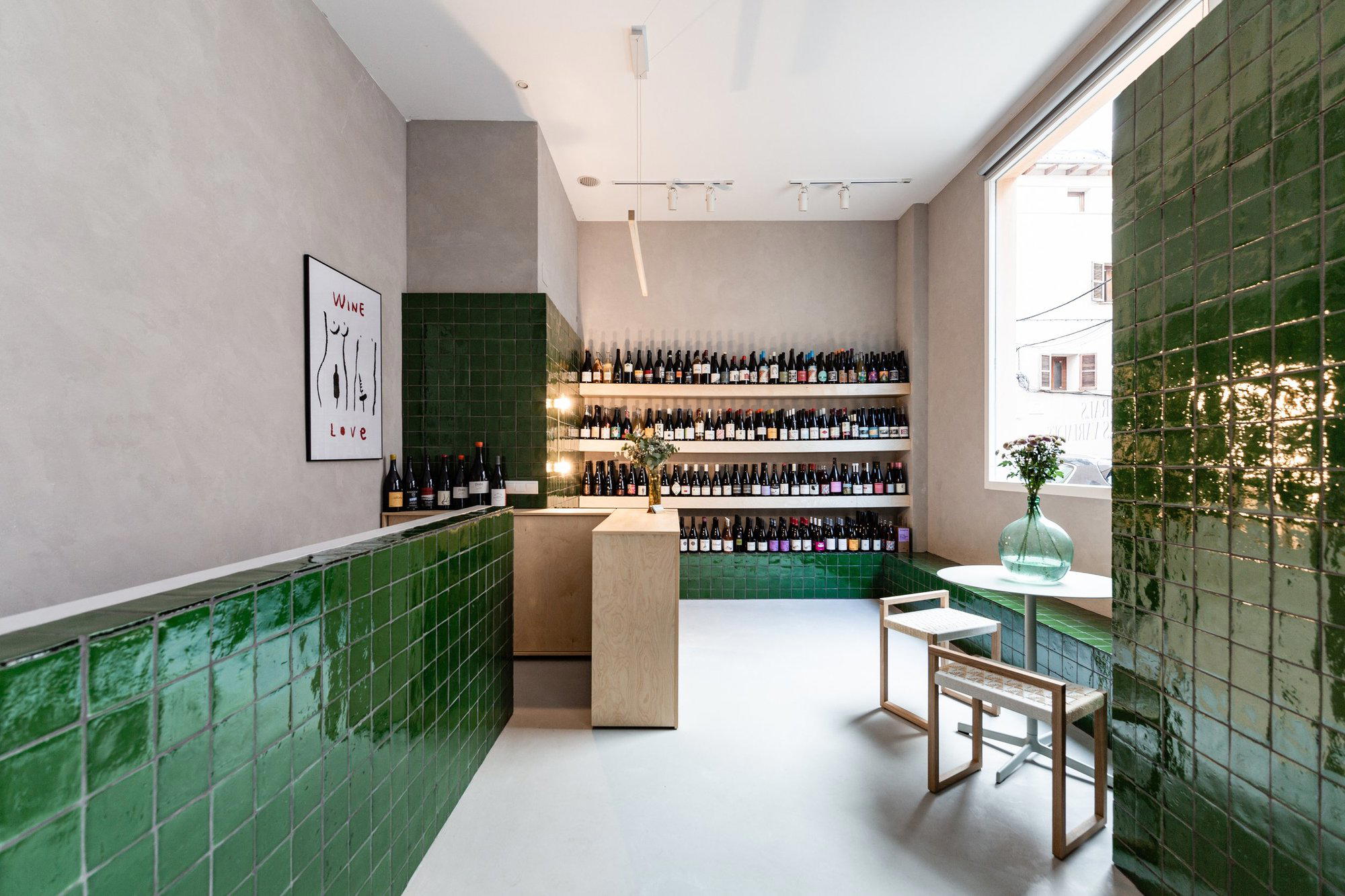
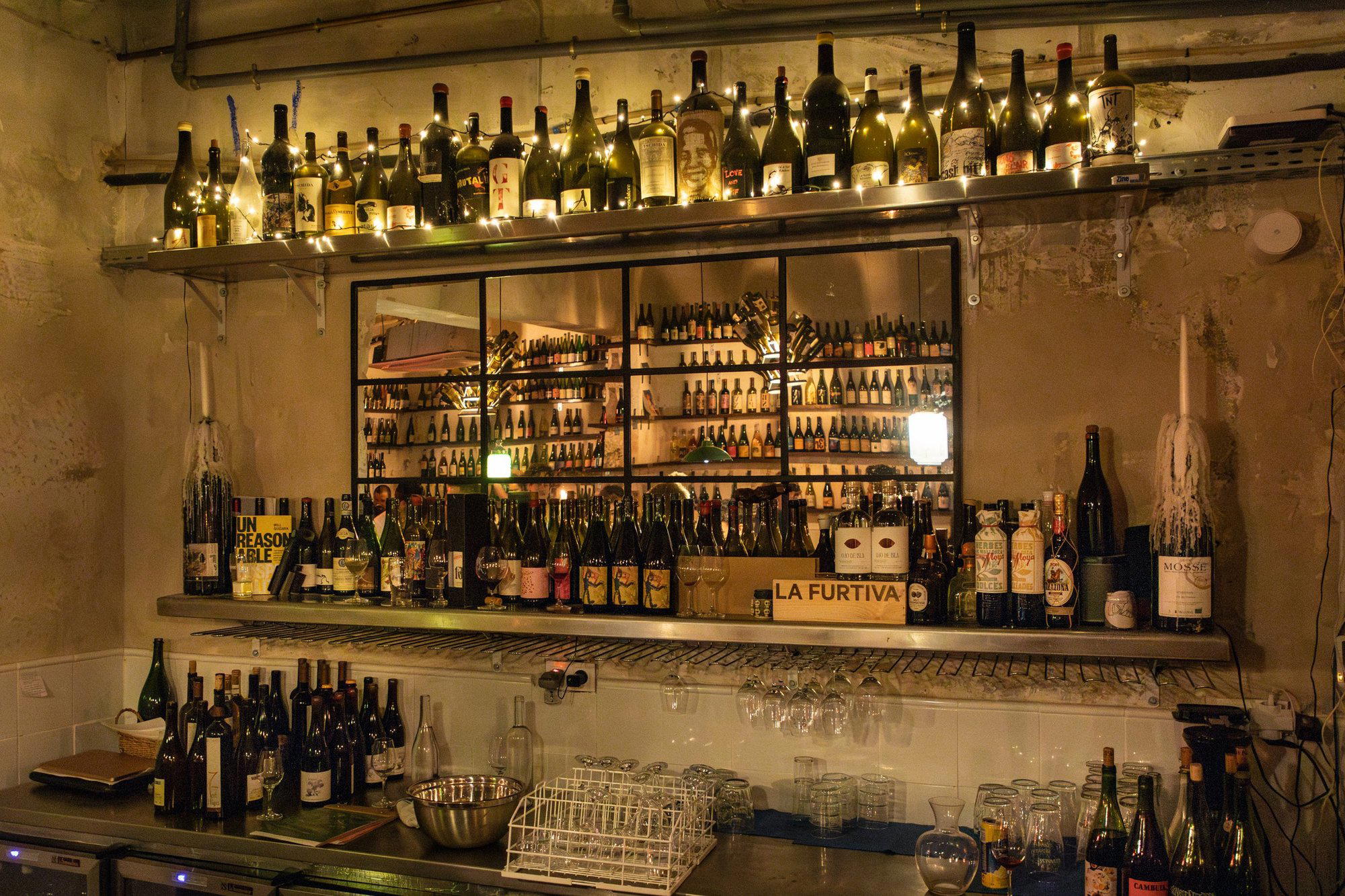
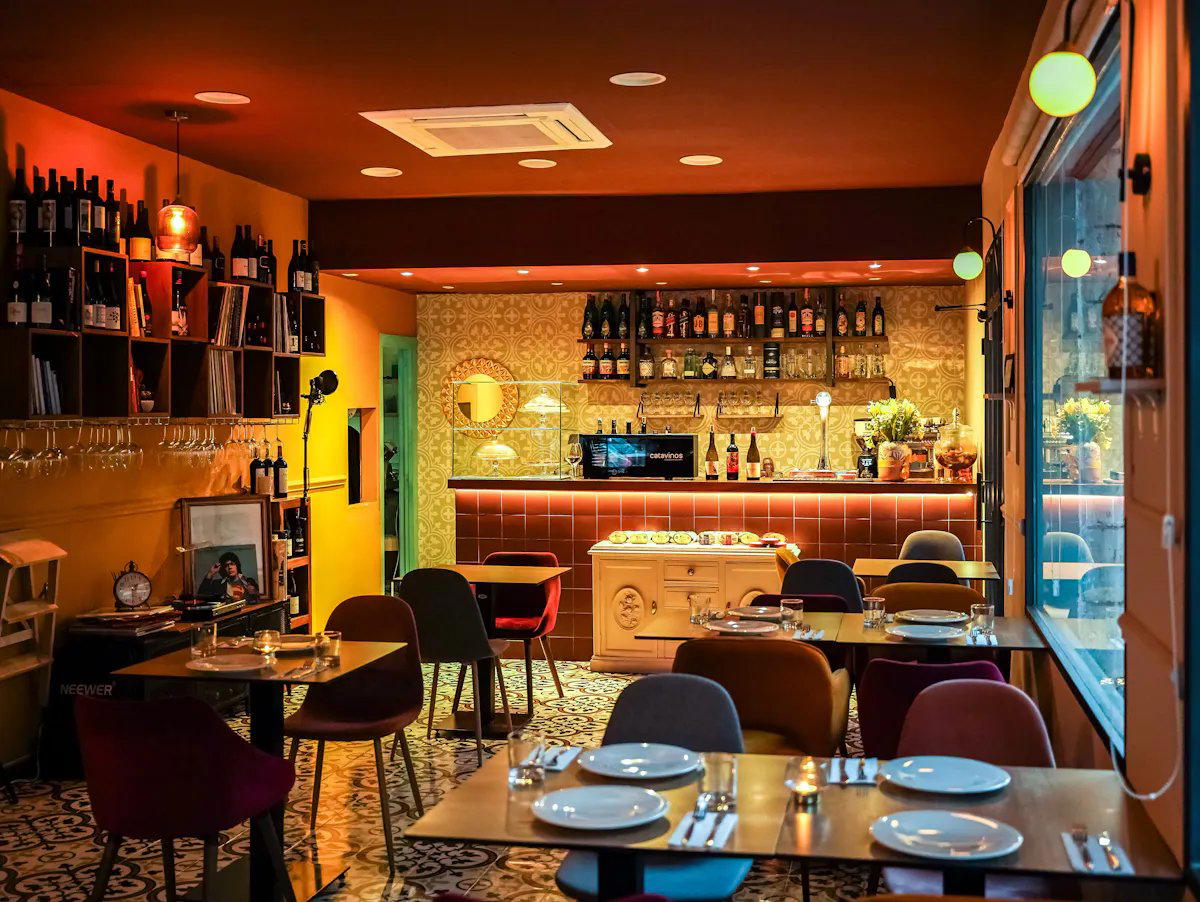
Hotels in Inca
Browse all →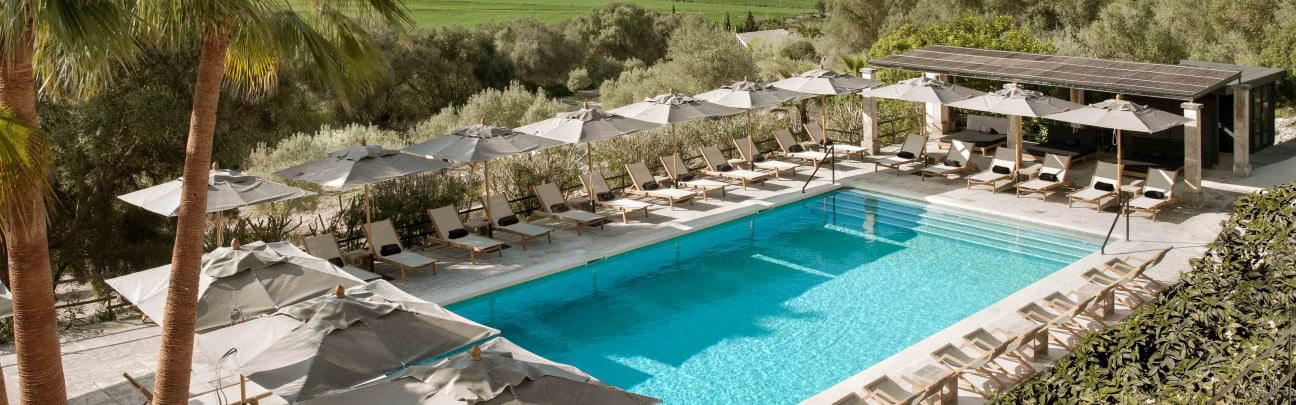
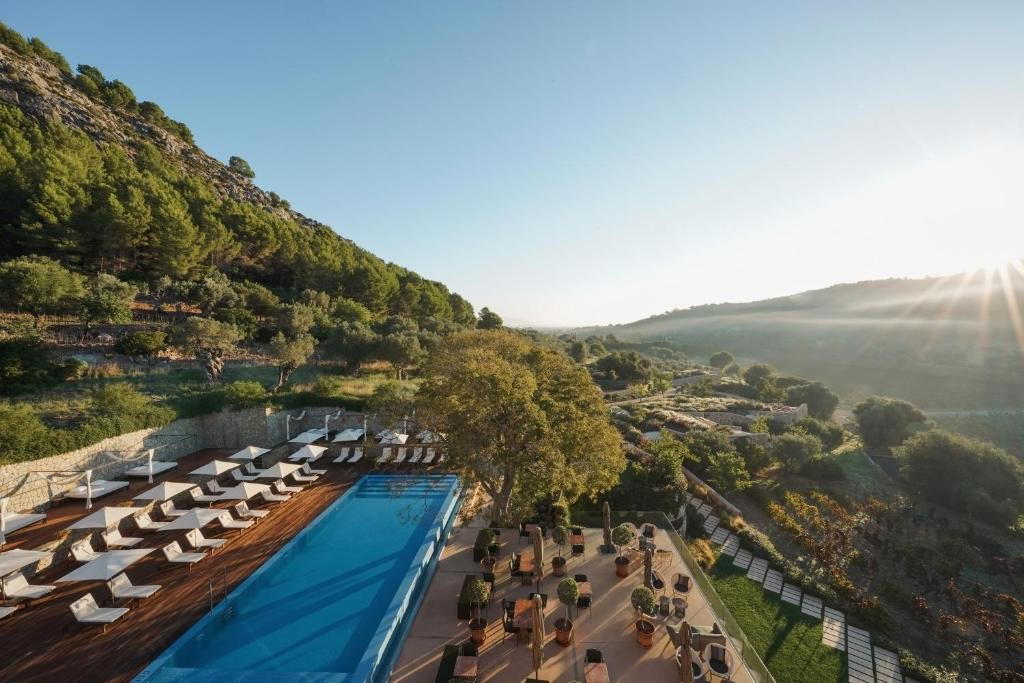
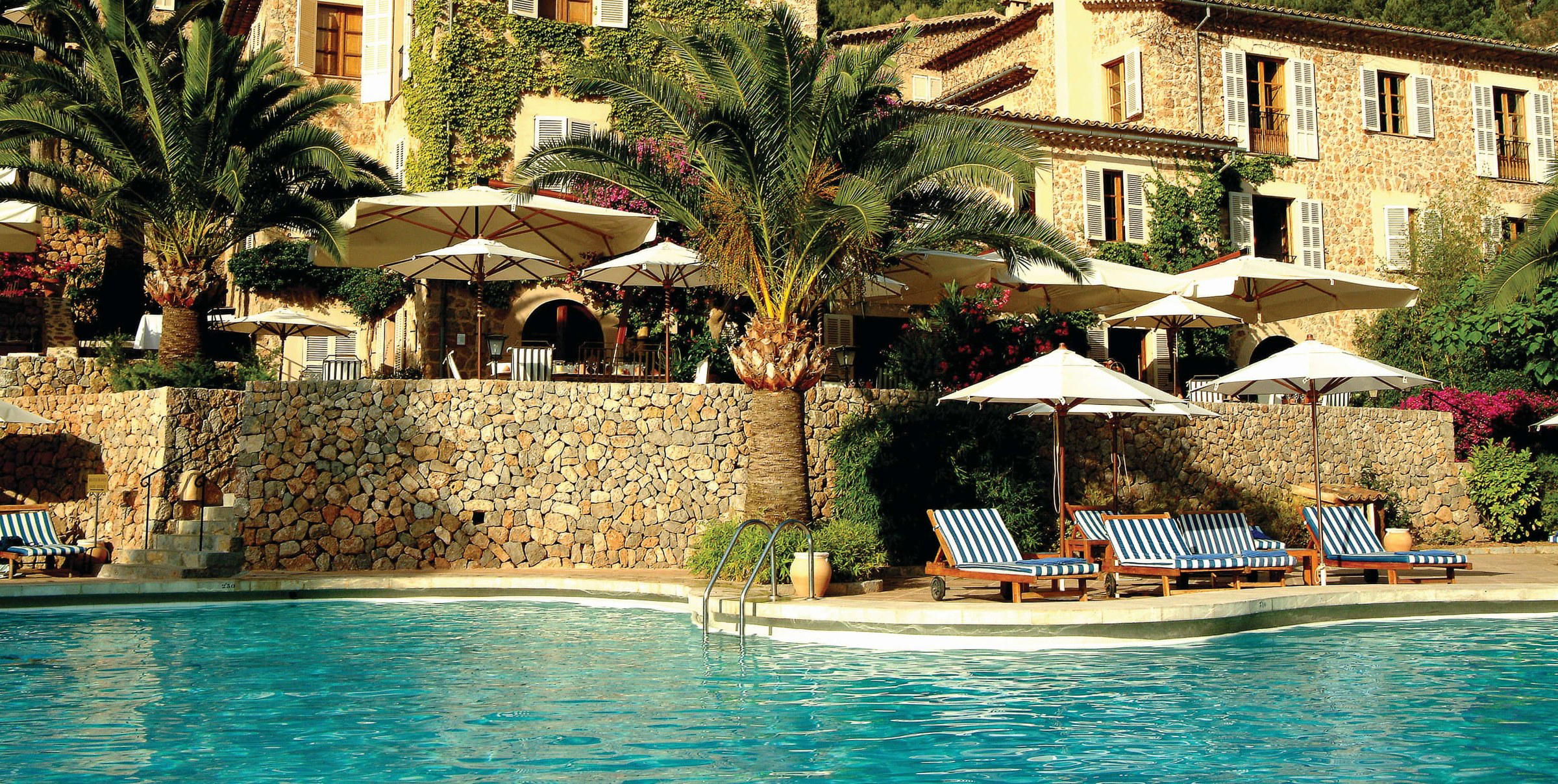
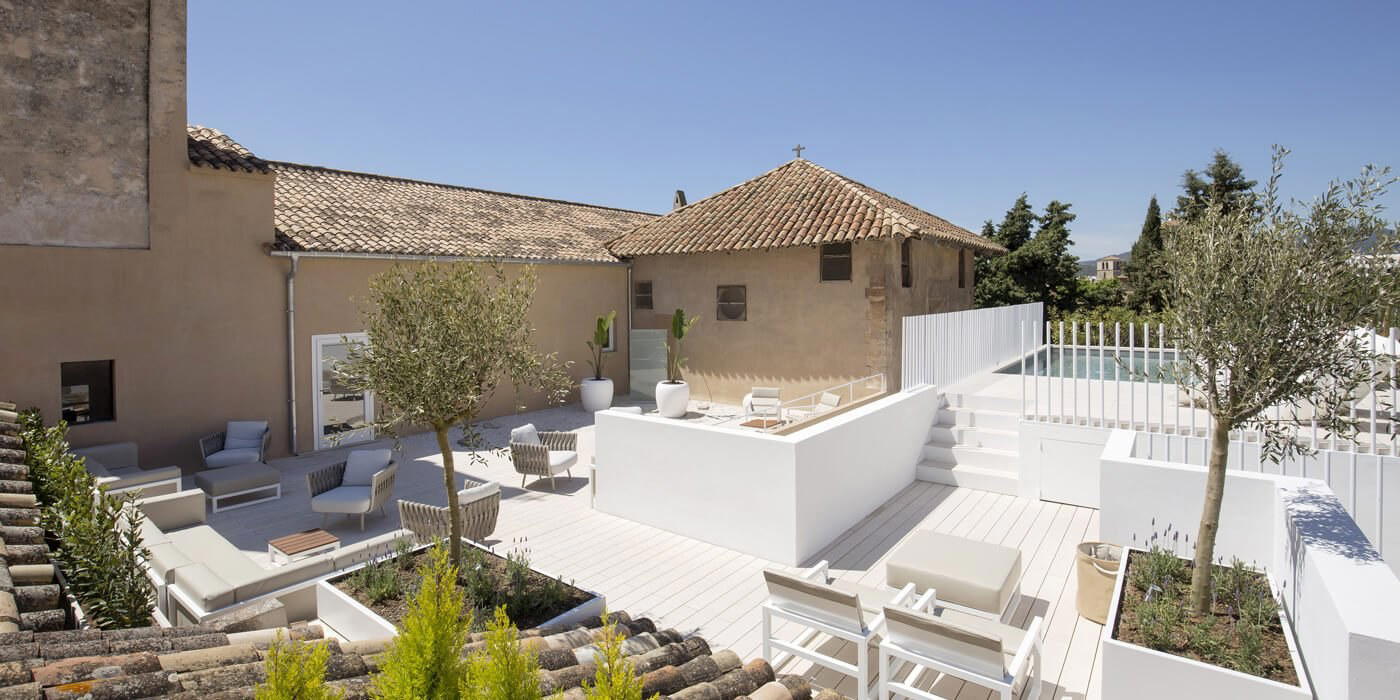
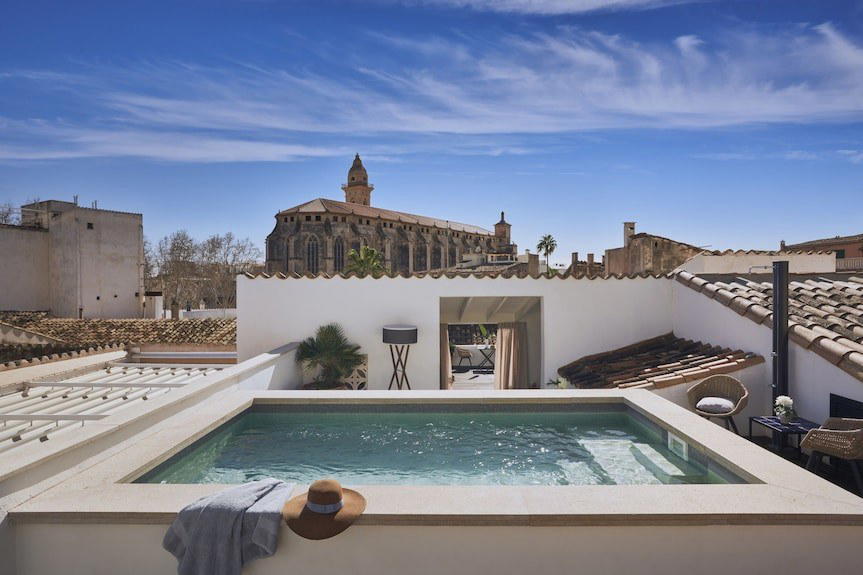
Wineries in Inca
Browse all →
At a Glance
- Modern
- Elegant
- Intimate
- Sophisticated
- Date Night
- Special Occasion
- Celebration
- Open Kitchen
- Private Dining
- Sommelier Led
- Farm To Table
- Local Sourcing
- Organic
Current opening hours
- Monday
- Closed
- Tuesday
- Closed
- Wednesday
- 7–10 PM
- Thursday
- 1–3 PM, 7–10 PM
- Friday
- 1–3 PM, 7–10 PM
- Saturday
- 1–3 PM, 7–10 PM
- Sunday
- 1–3 PM
Hours can change for holidays and private events. Last verified .
Bright, naturally lit dining room with contemporary design centered on wood elements; minimalist yet warm aesthetic with an open kitchen visible from the dining area.