Ca n'Ignasi sits on Carrer de s'Aigua in Inca, a market town in Mallorca's interior that draws serious attention from those looking beyond the island's coastal dining circuit. The restaurant operates in a part of the island where agricultural tradition shapes what reaches the table, placing it in a different register from the resort-facing kitchens that dominate the island's culinary conversation. For visitors with time to move inland, Inca rewards the detour.
Pearl is the En Primeur Club membership app — saves, bookings, and concierge access live there. Same editors, same standards.
- Address
- Carrer de s'Aigua, 29, 07300 Inca, Illes Balears, Spain
- Phone
- +34665383412
- Website
- canignasi.es
 Saves & bookings on Pearl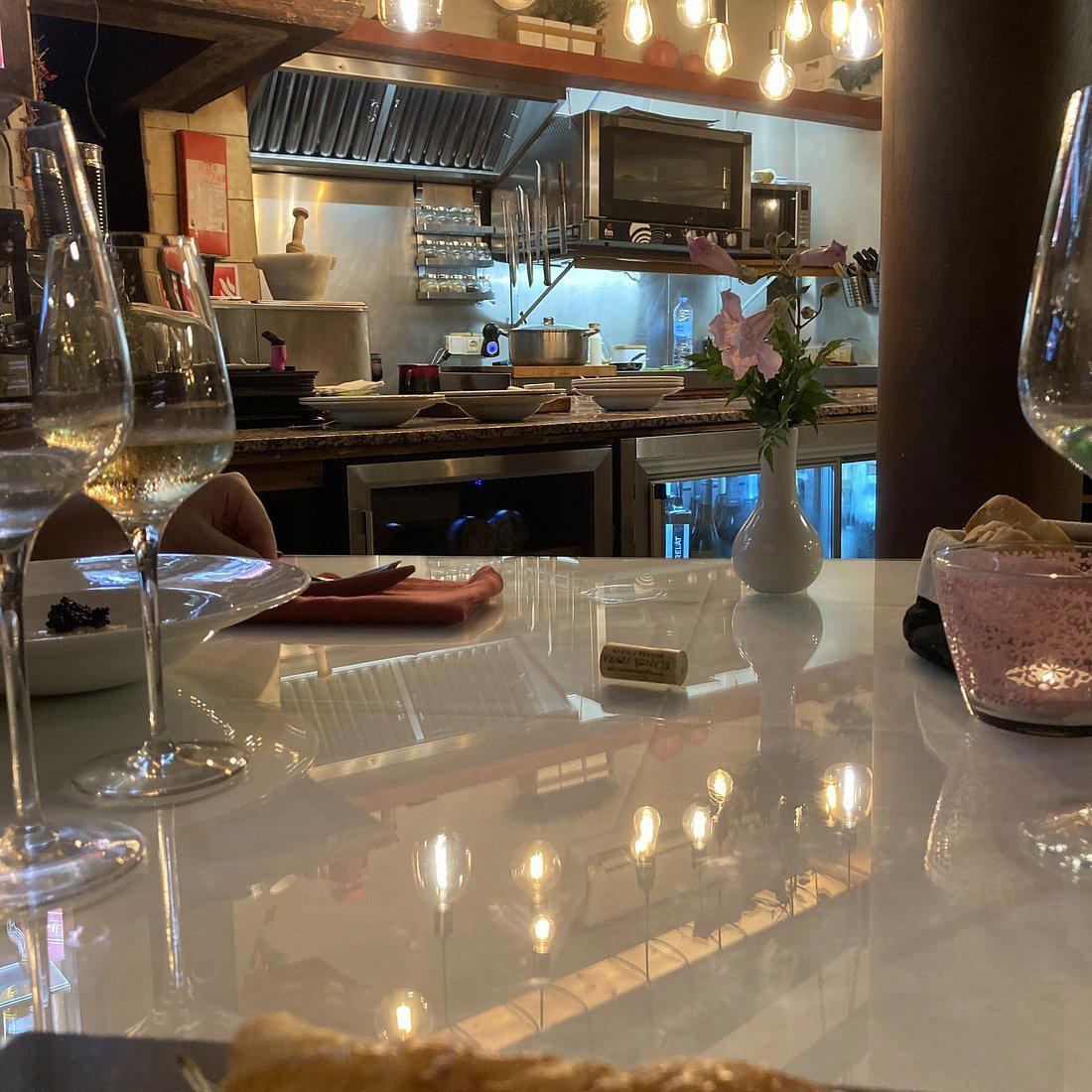
Inca's Interior and What It Tells You About Mallorcan Cooking
The drive into Mallorca's interior changes the conversation. Palma's waterfront and the resort towns along the Badia de Palma represent one version of the island's food culture: international, seasonally adjusted for tourist traffic, often excellent on its own terms. But the inland towns, Inca among them, operate on a different rhythm. Inca has long functioned as a market and trade hub, known for its leather industry and its Thursday market, where agricultural producers from the surrounding Raiguer region bring produce that never reaches the coastal supply chain. It is in this context that a restaurant on Carrer de s'Aigua makes sense as a dining proposition rather than simply a local option.
Spain's broader fine dining circuit, represented by houses like Quique Dacosta in Dénia, Arzak in San Sebastián, and Azurmendi in Larrabetzu, has spent decades demonstrating that regional specificity is not a limitation but a competitive advantage. The Basque Country built its gastronomic reputation precisely by rooting technique in local ingredient logic. Mallorca's interior has the raw material for a similar argument: sobrassada made from black pig, ensaïmada from local lard, olive oil pressed from Arbequina trees on the island's hillsides, and vegetables grown in the red clay soils of the Pla. Whether any given inland kitchen is making that argument fully is a question worth asking before you book.
What Draws Attention to Ca n'Ignasi
Ca n'Ignasi occupies a address at Carrer de s'Aigua, 29 in central Inca, which places it in the older residential fabric of the town rather than on a tourist-facing street. That address is itself an editorial signal. Restaurants that situate themselves away from foot-traffic corridors are generally either serving a local clientele that already knows them or operating with enough confidence in their offer to dispense with passing trade. In Inca's case, the town's own identity as a place Mallorcans use rather than a place tourists visit first gives that positioning some weight.
That absence of public data is not unusual for smaller inland Mallorcan kitchens, which have historically communicated through word of mouth and local press rather than aggregator platforms. For comparison on what the broader Mallorcan dining conversation looks like at the high end, Joan Marc in the same city operates as a modern cuisine reference point for the town.
Ingredient Geography: Why Inland Mallorca Has a Sourcing Story
The editorial angle that makes inland Mallorcan restaurants worth discussing is not tradition for its own sake. It is the specificity of what grows and is raised here. The Tramuntana mountain range to the northwest creates a microclimate that separates the island's northern valleys from the Mediterranean heat of the coast. In the Raiguer zone, where Inca sits, the agricultural profile includes carob, almonds, apricots, and olives, alongside smallholder vegetable plots that supply markets rather than supermarket networks. A kitchen that draws from this supply chain is working with ingredients that carry a clear provenance signal, the kind of traceable origin that separates a regional menu from a generic Mediterranean one.
This sourcing logic has become a structural argument across Spanish cooking. Aponiente in El Puerto de Santa María built its identity around Atlantic marine ingredients that other kitchens ignored. Casa Marcial in Arriondas grounded its Asturian menu in hyper-local mountain and coastal produce. Noor in Córdoba went further, framing ingredient selection through a historical and cultural lens. In each case, the sourcing story gave the kitchen a frame that a generic tasting menu could not replicate. Inca's inland position puts a restaurant like Ca n'Ignasi in proximity to exactly that kind of differentiated raw material, provided the kitchen is using it deliberately.
How Ca n'Ignasi Fits the Wider Spanish Dining Map
Spain's restaurant scene is among the more decentralised in Europe. Madrid and Barcelona anchor the metropolitan conversation, with houses like DiverXO in Madrid, Cocina Hermanos Torres in Barcelona, and El Celler de Can Roca in Girona representing the country's internationally recognised tier. But the more interesting development over the past two decades has been the rise of serious cooking in smaller cities and towns: Martin Berasategui in Lasarte-Oria, Cenador de Amós in Villaverde de Pontones, Atrio in Cáceres. These are not consolation prizes for travellers who missed the capital circuit. They are kitchens where regional rootedness produces something the metropolitan versions cannot.
Mallorca has not yet produced an inland kitchen at that level of international recognition. The island's dining reputation is concentrated in Palma and, to a lesser degree, the Port d'Andratx area. That gap represents both a limitation and an opportunity for a restaurant in Inca. For readers used to navigating the international fine dining circuit, places like Mugaritz in Errenteria, Le Bernardin in New York City, or Lazy Bear in San Francisco offer a useful reference for what it looks like when a kitchen fully commits to a distinct identity. The question worth asking about the restaurant is how far along that commitment it has made.
Planning a Visit
The restaurant is located at Carrer de s'Aigua, 29 in central Inca, a town served by the Palma to Sa Pobla train line with a journey time of roughly 30 minutes from the capital. Inca's railway station sits close to the town centre, making arrival on foot from the platform direct. The restaurant is recommended for reservations and is priced at about $45 per person. Inca's Thursday market, running since medieval times, provides a useful anchor for timing a visit to the town: a morning at the market followed by lunch gives the day a structure that the drive alone does not.
A Quick Peer Check
Comparable venues nearby, for context on price, style, and recognition.
| Venue | Cuisine | Price | Awards | Notes |
|---|---|---|---|---|
| Ca n'IgnasiThis venue — the venue you are viewing | Traditional Mallorcan Tasting Menu | $$ | Not listed | Not listed |
| Joan Marc | Modern Mallorcan | $$$ | Michelin Plate | Inca |
| Casa Maruka | Market-driven Spanish–Mediterranean restaurant | $$ | Not listed | near Plaça d’Espanya |
| Bar Casa Tia | Traditional Menorcan Tapas | $$ | Not listed | Cala en Porter |
| Tantarantana | Traditional Spanish Tapas & Catalan | $$ | Not listed | Sant Pere, Santa Caterina i la Ribera |
| Ca l'Estevet | Traditional Catalan | $$ | Not listed | el Raval |
Continue exploring
More in Inca
Restaurants in Inca
Browse all →
Bars in Inca
Browse all →
Hotels in Inca
Browse all →
Wineries in Inca
Browse all →
At a Glance
- Rustic
- Cozy
- Intimate
- Family
- Special Occasion
- Open Kitchen
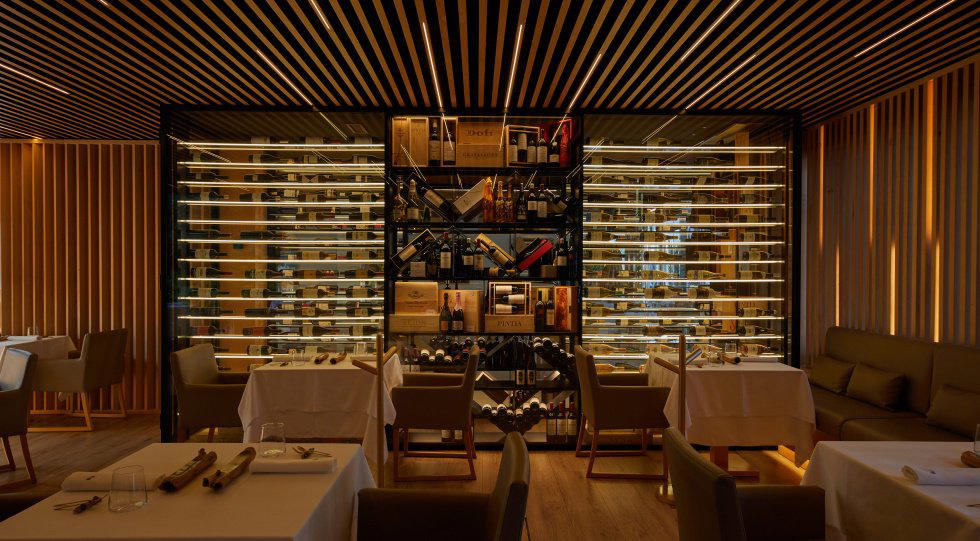
- Extensive Wine List
- Local Sourcing
- Farm To Table
Current opening hours
- Monday
- Closed
- Tuesday
- Closed
- Wednesday
- Closed
- Thursday
- Closed
- Friday
- 1–3:30 PM, 7:30–9:30 PM
- Saturday
- 1–3:30 PM, 7:30–9:30 PM
- Sunday
- 1–3 PM
Hours can change for holidays and private events. Last verified .
Cozy and charming with warm home-like atmosphere, open kitchen, and intimate setting.