Jinpachi
On Santa Monica Boulevard in West Hollywood, Jinpachi occupies the stretch where the neighborhood's late-night energy and its appetite for precise, Japanese-influenced cooking converge. The address places it squarely in one of Los Angeles's more competitive dining corridors, where the room, the mood, and the quality of execution tend to matter in equal measure.
Pearl is the En Primeur Club membership app — saves, bookings, and concierge access live there. Same editors, same standards.
- Address
- 8711 Santa Monica Blvd, West Hollywood, CA 90069
- Phone
- +13103589134
- Website
- jinpachigo.site
- Directions
- Get directions
 Saves & bookings on Pearl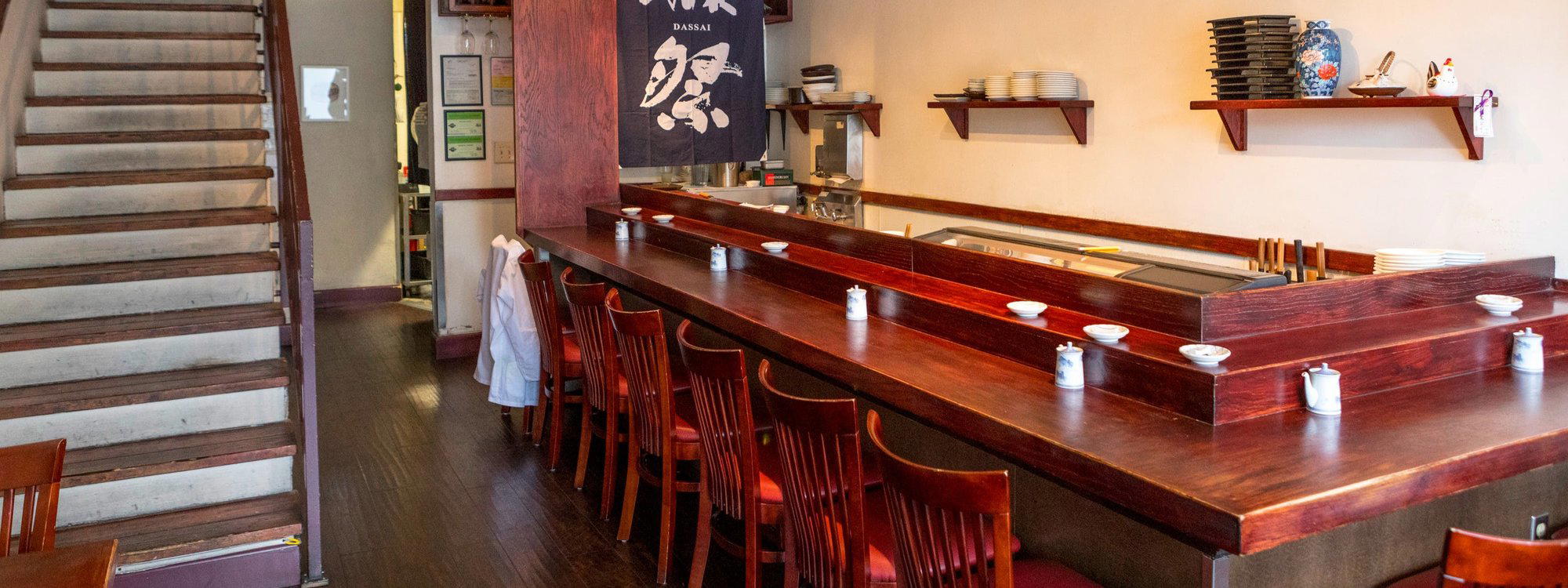
Santa Monica Boulevard After Dark
Jinpachi is a restaurant serving Modern Japanese Omakase at 8711 Santa Monica Blvd in West Hollywood. Jinpachi, at 8711 Santa Monica Blvd, sits inside that rhythm rather than apart from it.
The Sensory Case for Japanese Formats in Los Angeles
Los Angeles has assembled one of the more serious Japanese dining ecosystems outside Japan itself, and West Hollywood contributes a particular register to that picture: casual enough for a walk-in crowd, precise enough to attract regulars who care about sourcing and technique. The city's broader Japanese dining range spans from the omakase counters of Little Tokyo and Beverly Hills, where a seat can run into the hundreds of dollars, to the neighborhood izakayas that treat small plates and cold beer as the entire point. Jinpachi occupies a middle ground that has become increasingly contested in this market. Restaurants at this tier are evaluated not just against each other but against the memory of what a comparable meal costs in, say, the Arts District or in a proper sushi bar closer to the Westside. That competitive pressure tends to concentrate attention on exactly the things that matter in Japanese cooking: temperature, timing, the weight of silence between courses, and whether the fish tastes of something specific or merely of refrigeration.
Across the broader American fine-dining conversation, the venues that have built lasting reputations, places like Providence in Los Angeles, Le Bernardin in New York City, or Atomix in New York City, tend to share a commitment to craft that is legible in the details rather than announced in the décor. Japanese-influenced formats in particular have influenced how Americans now read precision as a form of hospitality. That influence is visible in the West Hollywood corridor where Jinpachi operates, in how the neighborhood has come to expect something more controlled and considered even from its mid-register restaurants.
Atmosphere and Room Character
West Hollywood's dining rooms have a tendency toward either full spectacle or studied restraint, and particularly durable spots tend to have made a clear decision about which they are. The block on Santa Monica Boulevard where Jinpachi sits has the kind of ambient street energy that can either work against a restaurant's interior logic or be absorbed into it, depending on how the room is designed to function. In a Japanese dining context, the sensory cues that signal seriousness are specific: lighting that falls on the counter and the plate rather than the room generally, the smell of dashi or charcoal that arrives before the food does, the particular quiet of a kitchen operating at volume but without chaos. These are not decorative choices; they are the grammar of a format where the meal is meant to occupy your attention fully.
The corridor also includes Arden, Basix Cafe, and Boxwood, which together give a sense of how diverse the neighborhood's dining register has become. For something more casual between stops, Astro Burger and Blushington round out the pedestrian-friendly options on the same stretch.
Planning Your Visit
Jinpachi is recommended for reservations and is open Monday through Thursday from 6 to 10 p.m. Friday and Saturday from 6 to 10:30 p.m. and closed Sunday. Visiting earlier in the week typically offers more flexibility, and the room often runs at a pace that allows for a more deliberate meal. For reference on what the broader American high-end market looks like in terms of planning discipline, venues like Lazy Bear in San Francisco, Single Thread Farm in Healdsburg, and The French Laundry in Napa operate on pre-purchased ticket systems that require weeks or months of advance planning. Other ambitious American restaurants worth cross-referencing for scale of ambition include Alinea in Chicago, Blue Hill at Stone Barns in Tarrytown, Addison in San Diego, The Inn at Little Washington in Washington, and Emeril's in New Orleans. Internationally, the comparison set extends to places like 8 1/2 Otto e Mezzo Bombana in Hong Kong.
Peers in This Market
Comparable venues nearby, for context on price, style, and recognition.
| Venue | Cuisine | Price | Notes |
|---|---|---|---|
| JinpachiThis venue — the venue you are viewing | Modern Japanese Omakase | $$$ | Not listed |
| Toku Unagi & Sushi | Japanese Unagi & Sushi | $$$ | West Hollywood |
| Lucques | Seasonal Californian with French-Mediterranean Influences | $$$ | West Hollywood |
| Soulmate | Modern Spanish-Mediterranean Tapas | $$$ | West Hollywood |
| Tre Lune Hollywood | Classic Italian | $$$ | Hollywood |
| Sal's Place | Seasonal Italian | $$$ | West Hollywood |
Continue exploring
More in West Hollywood
Restaurants in West Hollywood
Browse all →
Bars in West Hollywood
Browse all →
Hotels in West Hollywood
Browse all →
Wineries in West Hollywood
Browse all →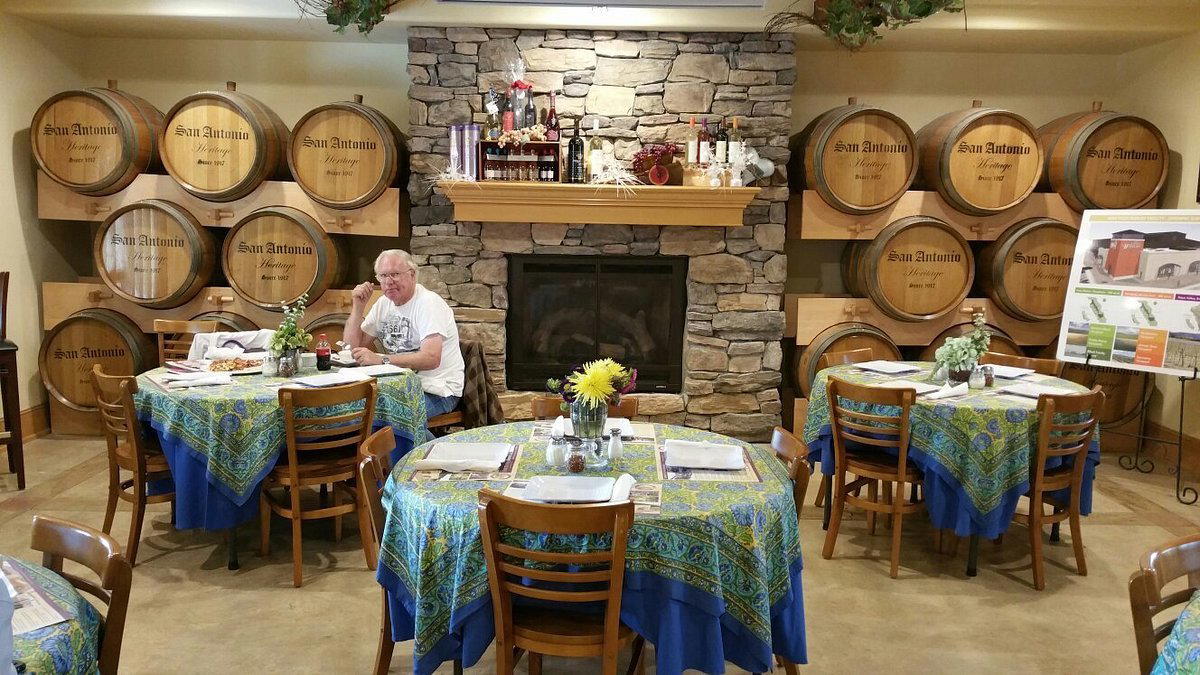
At a Glance
- Elegant
- Intimate
- Sophisticated
- Date Night
- Special Occasion
- Business Dinner
- Chefs Counter
- Open Kitchen
- Sake Program
- Sustainable Seafood
Current opening hours
- Monday
- 6–10 PM
- Tuesday
- 6–10 PM
- Wednesday
- 6–10 PM
- Thursday
- 6–10 PM
- Friday
- 6–10:30 PM
- Saturday
- 6–10:30 PM
- Sunday
- Closed
Hours can change for holidays and private events. Last verified .
Small, narrow restaurant swathed in dark cherry wood with intimate lighting, featuring a nine-seater bar and ground floor tables with a larger upstairs area for groups.