JingHe Japanese Restaurant
JingHe Japanese Restaurant sits on East Mockingbird Lane in Dallas's Lower Greenville corridor, a stretch that has quietly accumulated serious dining options over the past decade. The restaurant operates in a neighborhood where Japanese cuisine competes across a wide range of formats and price points, from casual ramen counters to omakase-only rooms. JingHe occupies that middle ground where the kitchen's ambitions exceed the strip-mall address.
 Discover on Pearl
Pearl is the En Primeur Club membership app — saves, bookings, and concierge access live there. Same editors, same standards.
- Address
- 5321 E Mockingbird Ln #105, Dallas, TX 75206
- Phone
- +12142585700
- Website
- jingherestaurant.com
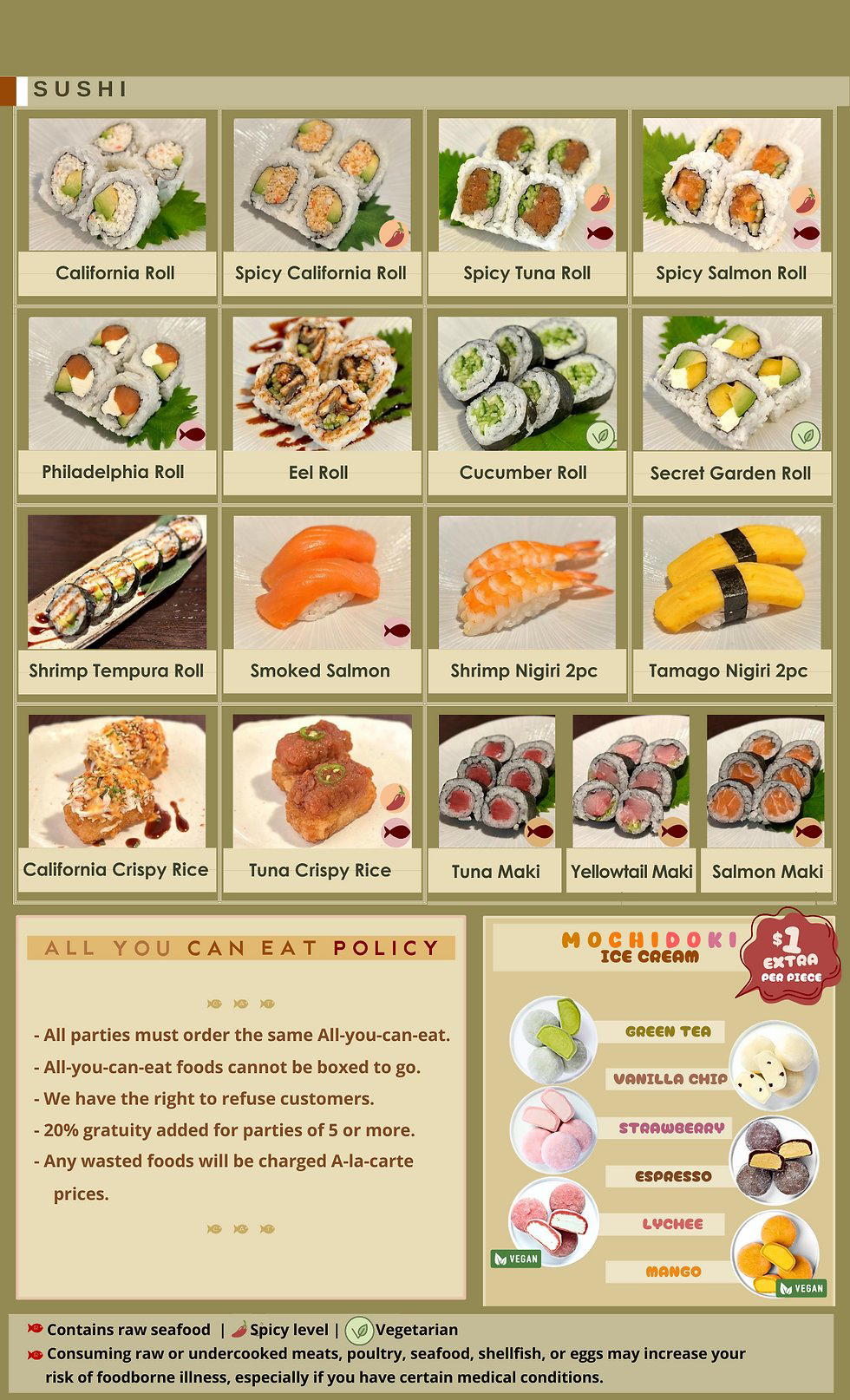
East Mockingbird Lane and the Dining Corridor Around It
The address tells part of the story before you walk through the door. East Mockingbird Lane at the 5300 block sits within the Lower Greenville corridor, one of Dallas's more consistent stretches for independent restaurant openings. This is not the Uptown concentration of hotel bars and corporate expense-account dining, nor is it the Deep Ellum circuit where late-night formats dominate. Lower Greenville runs quieter, drawing a neighborhood crowd that returns regularly rather than chasing novelty. For a Japanese restaurant operating in that context, the competitive frame shifts: the comparison set is not the high-production omakase rooms closer to downtown but the mid-tier independents competing on quality and consistency rather than spectacle.
Dallas's Japanese dining scene has developed in recognizable layers over the past fifteen years. At the leading end, rooms like Tatsu Dallas and Tei-An have established that the city can sustain chef-driven Japanese formats at the $$$$ price tier. Below that, a wider band of mid-range Japanese restaurants handles volume across sushi, izakaya, and ramen formats. JingHe at 5321 E Mockingbird Ln #105 sits somewhere in that mid-range band, defined less by theatrical format and more by the neighborhood function it serves: a reliable, kitchen-focused Japanese restaurant in a corridor where that kind of operation earns loyalty through repetition rather than opening-week press.
What the Neighborhood Asks of a Japanese Restaurant
Strip-mall positioning on a corridor like East Mockingbird carries specific implications for how a Japanese restaurant operates. The room is almost certainly compact, the signage understated, and the expectations calibrated accordingly. This format has produced some of the more serious Japanese cooking in American cities precisely because it strips away the architectural theater and puts the kitchen's work at the center. The parallel runs through Dallas, Houston, and Los Angeles, where Japanese restaurants in non-destination locations have consistently overdelivered relative to their addresses. The question for any operation in this format is whether the kitchen takes advantage of the stripped-down frame or defaults to a broad, crowd-pleasing menu that the location might seem to encourage.
Lower Greenville's dining character has been shaped by restaurants that lean into specificity. The corridor rewards operators who commit to a point of view, because the neighborhood's regulars are food-literate and return often enough to notice whether a kitchen is coasting. That dynamic creates a different kind of pressure than a high-profile address in Uptown or Knox-Henderson, where first impressions and visual programming carry more weight. For Mamani and other Lower Greenville independents, the staying power comes from the same source: a regular customer base that evaluates on cumulative experience rather than single visits.
Japanese Cuisine in Dallas: The Competitive Frame
Understanding where JingHe sits requires understanding the tiers above and below it. At the leading, omakase-format rooms in Dallas now operate at price points and booking depths that align them with peer counters in other major American cities rather than with general-market Japanese restaurants. The format gap between a twelve-seat omakase counter and a neighborhood Japanese restaurant is substantial, covering not just price but the entire operating logic of the kitchen. JingHe, without confirmed omakase positioning or a documented tasting format, most plausibly operates in the a-la-carte or selective-format tier that serves a broader dining public.
That tier in Dallas has seen genuine quality gains. The same forces that drove serious Korean cooking into strip-mall formats in Los Angeles and Houston have pushed competent Japanese kitchens into similar positions in Dallas, where real estate economics and a growing Japanese-food-literate customer base have created conditions for mid-tier restaurants to work at a higher level than their overhead would require. The comparison isn't to Alinea in Chicago or Le Bernardin in New York City, where the entire proposition is built around a maximalist, highly produced experience. It is closer to the model that Lazy Bear in San Francisco upended from below: the idea that serious cooking doesn't require serious staging.
Other Dallas operations worth mapping as part of the broader dining picture include 12 Cuts Brazilian Steakhouse, 360 Brunch House, and 3Eleven Kitchen and Cocktails, each occupying distinct format niches in the city's mid-tier independent sector. For the full picture of where Japanese dining fits within Dallas's restaurant ecosystem, the EP Club Dallas restaurants guide maps the scene across price tiers and neighborhood corridors.
Planning a Visit
JingHe sits at 5321 E Mockingbird Ln #105, a suite-format address that puts it in a small commercial cluster rather than a standalone building. This kind of address typically means parking is manageable and the room is compact, which in practice means reservations or early arrival matter more than they would at a larger operation.
JingHe operates in a different register, one defined more by neighborhood function and regular-customer relationships than by destination dining credentials.
Where It Fits
Comparable venues nearby, for context on price, style, and recognition.
| Venue | Cuisine | Price | Awards | Notes |
|---|---|---|---|---|
| JingHe Japanese RestaurantThis venue — the venue you are viewing | Modern Japanese Asian Fusion | $$ | , | |
| Shinsei Restaurant | Contemporary Pan-Asian Sushi | $$$ | , | Devonshire |
| Manpuku Japanese BBQ Dallas | Japanese Yakiniku BBQ | $$$ | , | Belmont |
| Resident Taqueria | Modern Taqueria | $$ | , | Lake Highlands |
| MoMo Italian Kitchen Lake Highlands | Authentic Northern Italian | $$ | , | Northwood Heights |
| Veracruz Cafe | Veracruz Mesoamerican | $$ | , | Bishop Arts District |
Continue exploring
More in Dallas
Restaurants in Dallas
Browse all →
Bars in Dallas
Browse all →
Hotels in Dallas
Browse all →
At a Glance
- Modern
- Lively
- Trendy
- Casual Hangout
- Group Dining
- Family
- Open Kitchen
- Sake Program
Warm, welcoming, and lively atmosphere with moderate noise levels.