
Tabelog 100 #94
Our verdict
Shusui Daigo sits in Kanazawa’s serious izakaya tier, where fish, regional cooking, and sake matter more than spectacle. Its Tabelog 100 Izakaya WEST selections in 2024 and 2025 place it among western Japan’s notable tavern-format restaurants, with a format that suits groups, families, and drink-led dinners as much as food-focused travelers.

Pearl is the En Primeur Club membership app — saves, bookings, and concierge access live there. Same editors, same standards.
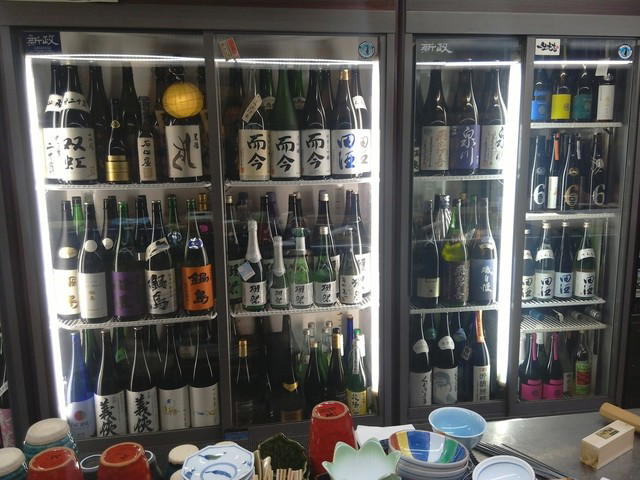
Kanazawa’s izakaya culture is not a late-night afterthought to the city’s more formal dining counters. It is where the city’s working rhythm, local drinking habits, and regional cooking meet in a less formal register. Shusui Daigo belongs to that tradition: not a counter-only temple of silence, and not a tourist-facing hall, but a serious tavern-format restaurant where the izakaya frame carries the argument.
The city’s dining identity often gets reduced to seasonal specialties, counter dining, and the orbit around well-known food markets. That shorthand misses the way Kanazawa eats on ordinary nights. Izakaya here are not merely places to drink; they are informal restaurants with a broad culinary vocabulary, usually better for reading local appetite than a single-course tasting menu. In that context, Shusui Daigo’s recognition in Tabelog’s 2025 Hyakumeiten field matters because the category rewards the tavern format rather than fine-dining choreography.
Kanazawa izakaya culture, filtered through regional cooking
The stronger izakaya rooms in Kanazawa tend to revolve around Japanese cooking without becoming formal restaurants. Food is treated as a reason to drink, linger, and order across categories, not as a linear omakase progression. Shusui Daigo fits that Kanazawa grammar, with izakaya, regional cuisine, and Japanese cuisine sitting in the same frame. The experience belongs to a contemporary tavern pattern: informal in shape, but serious enough to anchor a full evening.
That matters for travelers because Kanazawa can feel split between polished destination dining and casual everyday meals. The middle tier is where the city becomes more revealing. Compared with Koide, which sits in a different planning context, Shusui Daigo occupies an accessible serious-dinner band. Compared with Ajiraku Yumemi, which also sits in the same general price bracket, the distinction is less about luxury than about how the evening is structured: this is the kind of room where shared pacing and the tavern format define the experience.
The Tabelog score of 3.73 is not a universal verdict, but in Japan’s user-review culture it signals sustained approval rather than a venue coasting on foreign attention. Tabelog’s Hyakumeiten lists are especially useful for izakaya because the category is deeply local and often resistant to English-language discovery. A place selected in that field is being read against Japan’s tavern culture, not against a generic international dining checklist.
A tavern format built for groups, not ceremony
Kanazawa’s better izakaya often have a social architecture that differs from tightly scripted, counter-led dining. Shusui Daigo is best understood through that tavern lens: a place where the meal can be shaped by the table rather than by a single ceremonial sequence. The point is not a fixed formal path through dinner, but a flexible meal built around ordering, sharing, and letting the table set its own pace.
This is not the format for diners who want every plate explained in a hushed sequence. It is stronger for people who understand the izakaya as a cumulative meal: order, drink, pause, add another round, and let the table find its rhythm. The regional-Japanese focus gives the kitchen a clear identity without forcing the meal into a tasting-menu structure. In Kanazawa, that is often the more honest way to eat: less performance, more range.
The broader shift in Japanese izakaya culture also matters. Many serious tavern-format restaurants now feel more reservation-led, more polished, and more useful for mixed occasions than the old stereotype of smoky beer halls suggests. Shusui Daigo reads in that contemporary Kanazawa register: relaxed enough to function as a tavern, but credible enough to be planned as a proper dinner.
Where it sits in a Kanazawa itinerary
Shusui Daigo makes the clearest sense for travelers who want a grounded Kanazawa dinner without turning the night into a high-cost formal commitment. The city rewards that choice. A day built around its cultural sights, craft traditions, and food markets can feel oddly incomplete if dinner becomes too formal. An izakaya with regional cooking gives the trip a different register: closer to how the city eats after work, and less dependent on a single chef-led narrative.
For broader planning, Our full Kanazawa restaurants guide is the better starting point for mapping the city’s dining range. Travelers building a full weekend can pair it with Our full Kanazawa hotels guide, Our full Kanazawa bars guide, Our full Kanazawa wineries guide, and Our full Kanazawa experiences guide. Within the city’s restaurant field, casual and specialist addresses, including Ajiraku Yumemi and other Kanazawa dining rooms, show how varied the city’s eating can be beyond a single narrative.
The appeal is cultural rather than theatrical. Kanazawa’s izakaya tradition works because it compresses regional cooking, drinking culture, and everyday hospitality into a room that can handle both casual and serious dining. Shusui Daigo’s 2025 Tabelog Hyakumeiten recognition, regional-Japanese identity, and tavern format put it in that useful middle ground: credible enough for a food-focused trip, relaxed enough that the meal does not need to become the entire evening.
Readers comparing Japanese dining formats beyond Kanazawa can think more generally about how taverns, counters, bars, cafés, and specialist restaurants organize a meal. Those comparisons underline the point: format shapes the meal as much as cuisine does, and Kanazawa’s izakaya format remains one of the city’s more instructive ways to eat.
Frequently asked questions
What are Shusui Daigo's hours?
Current hours are not provided here; check directly with Shusui Daigo before planning your visit.
Is Shusui Daigo expensive?
Pricing at Shusui Daigo is listed as JPY 6,000 - JPY 7,999 for dinner.
Where exactly is Shusui Daigo?
Kanazawa.
What has Shusui Daigo built its reputation on?
Its profile rests on izakaya, regional cuisine, and Japanese cuisine, with a Tabelog Hyakumeiten 2025 listing. The price range sits at JPY 6,000–7,999 for dinner, which places it in the range for a serious but not formal Kanazawa night out.
Is Shusui Daigo good for vegetarians?
Shusui Daigo is categorized as an izakaya, regional cuisine, and Japanese cuisine restaurant, so vegetarian diners should check directly with the restaurant about what can be prepared before booking.
Can I bring kids to Shusui Daigo?
Family policies are not specified here. If you are dining with children, check directly with Shusui Daigo before booking.
Cost Snapshot
Nearby venues at a similar price tier for orientation.
| Venue | Cuisine | Price | Awards | Notes |
|---|---|---|---|---|
| Shusui DaigoThis venue (the venue you are viewing) | Japanese Izakaya | $30–50 | Tabelog 100 #94 | Not listed |
| うなぎ四代目菊川 | Not listed | Not listed | Not listed | Kanazawa Station, Kansai-style Whole Eel (Unagi) |
| Katsusen Nomura | Japanese Seafood and Tempura | $50–100 | Not listed | Izumino Demachi, Japanese Seafood and Tempura |
| BIRD | Yakitori (Grilled Chicken Skewers) | $50–100 | Tabelog 100 #68 | Kanazawa, Yakitori (Grilled Chicken Skewers) |
| Sushi-ya Kozakura | Traditional Sushi Omakase | Not listed | Tabelog 100 #48 | Kanazawa, Traditional Sushi Omakase |
| Tempura Miyashita | Seasonal Tempura Kaiseki | $50–100 | Not listed | Kanazawa, Seasonal Tempura Kaiseki |
Recognition history
Dated appearances from independent guides and award organizations, with the underlying list record or original source where available.
Tabelog 100 #94 · No. 94
Tabelog · Tabelog 100 - Izakaya - WEST - 2025
Continue exploring
More in Kanazawa
Restaurants in Kanazawa
All restaurants in Kanazawa →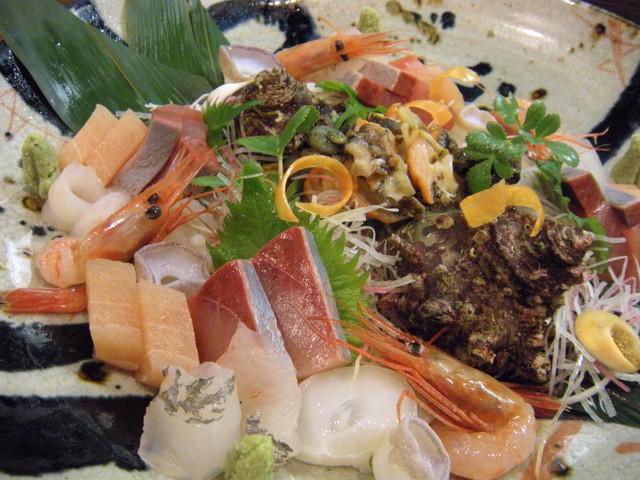
Hotels in Kanazawa
All hotels in Kanazawa →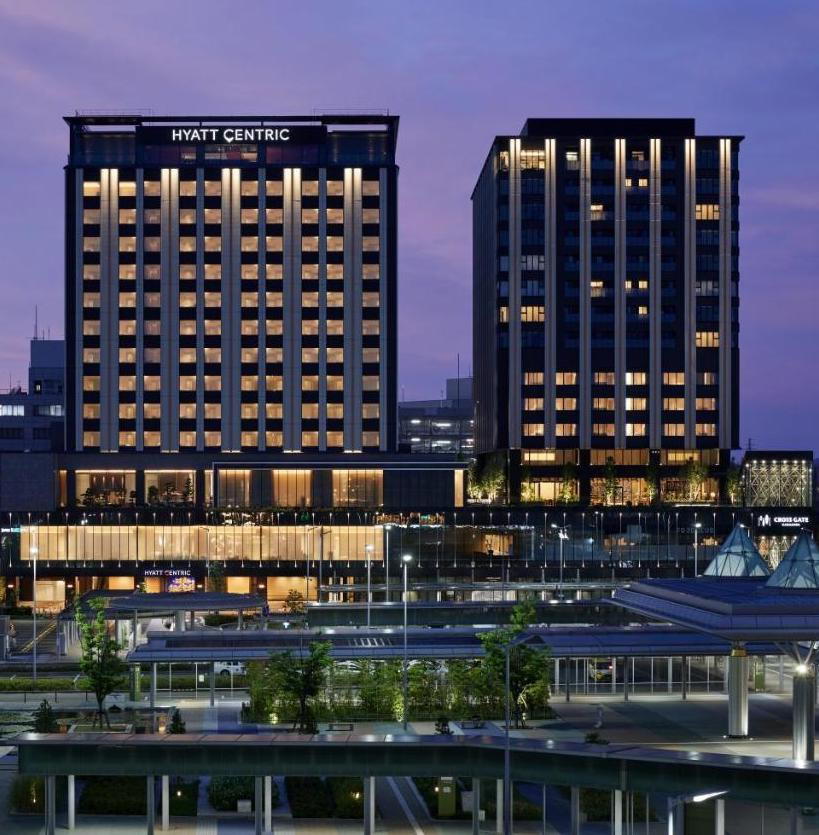
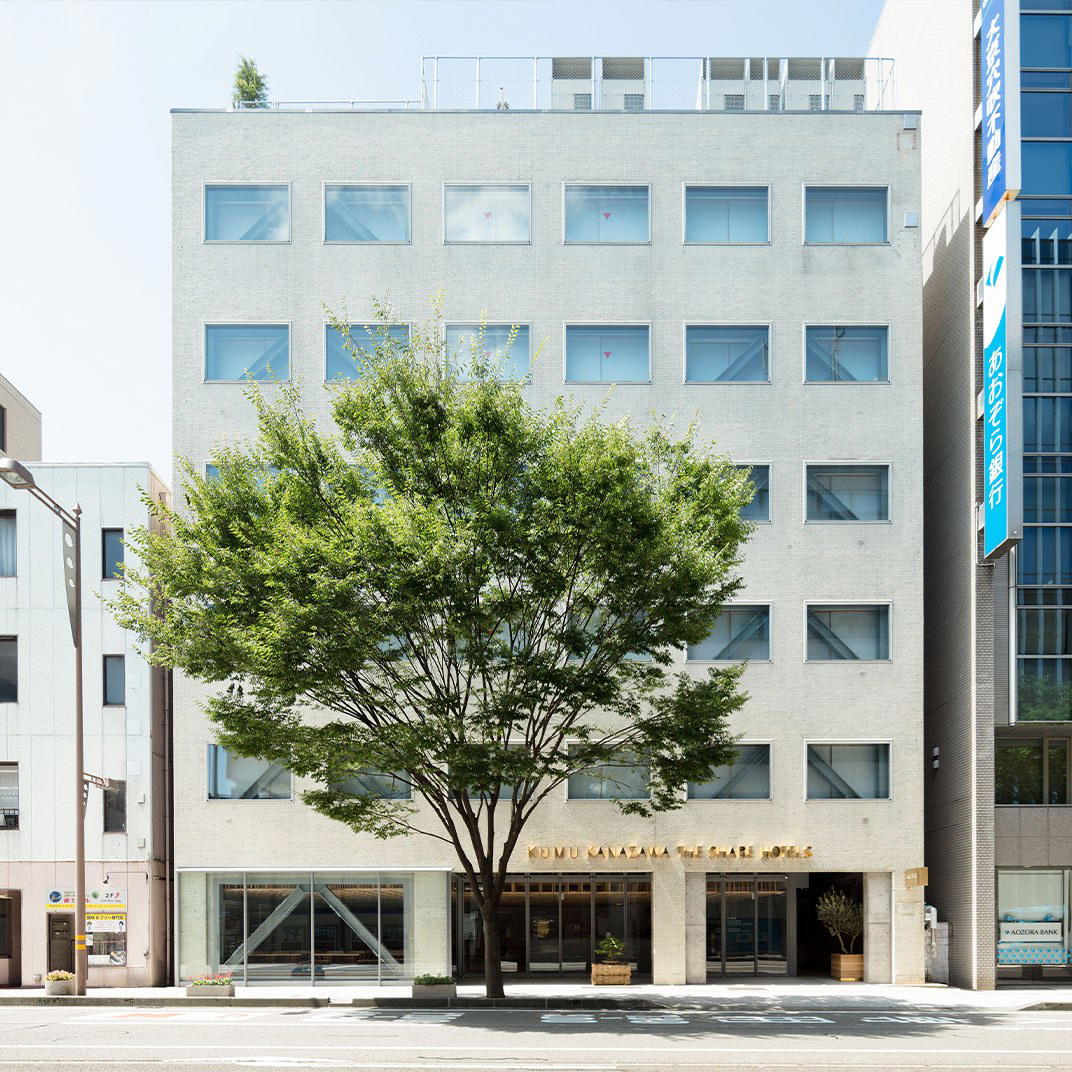
Wineries in Kanazawa
Browse all →
Details
- Modern
- Cozy
- Intimate
- Sophisticated
- After Work
- Casual Hangout
- Group Dining
- Solo
- Private Event
- Chefs Counter
- Private Dining
- Standalone
- Sake Program
- Local Sourcing
- A La Carte
- Set Menu
- Counter Dining
- Sake
Current opening hours
- Monday
- 3–11 PM
- Tuesday
- 3–11 PM
- Wednesday
- 3–11 PM
- Thursday
- 3–11 PM
- Friday
- 3–11 PM
- Saturday
- 3–11 PM
- Sunday
- Closed
Hours can change for holidays and private events. Last verified .
Calm, clean, and stylish, with a modern building that harmonizes with old Kanazawa streets and warm wood-toned tatami seating.