

Tabelog 100 #39
Our verdict
Japanese Cuisine Yamazaki brings a compact Kyobashi counter format into Tokyo’s serious Japanese dining circuit, with recognition from Tabelog 100 Japanese cuisine Tokyo 2025 and OAD’s 2026 Japan restaurant ranking. The appeal is less spectacle than control: a small room, fish-led cooking, sake and wine depth, and a structure that rewards advance planning.

Pearl is the En Primeur Club membership app, where members save venues, book tables and use the concierge.
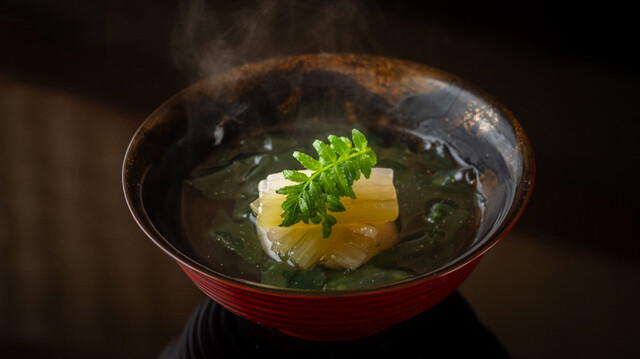
The menu
What to order
- 煮鰻の蒲焼き丼「柊」(boiled eel kabayaki bowl Hiiragi)
- 煮鰻の蒲焼き丼「椿」(boiled eel kabayaki bowl Tsubaki)
- 鰻真丈と肝のお椀 (soup of eel shinjo and liver)
- Seasonal kaiseki omakase course
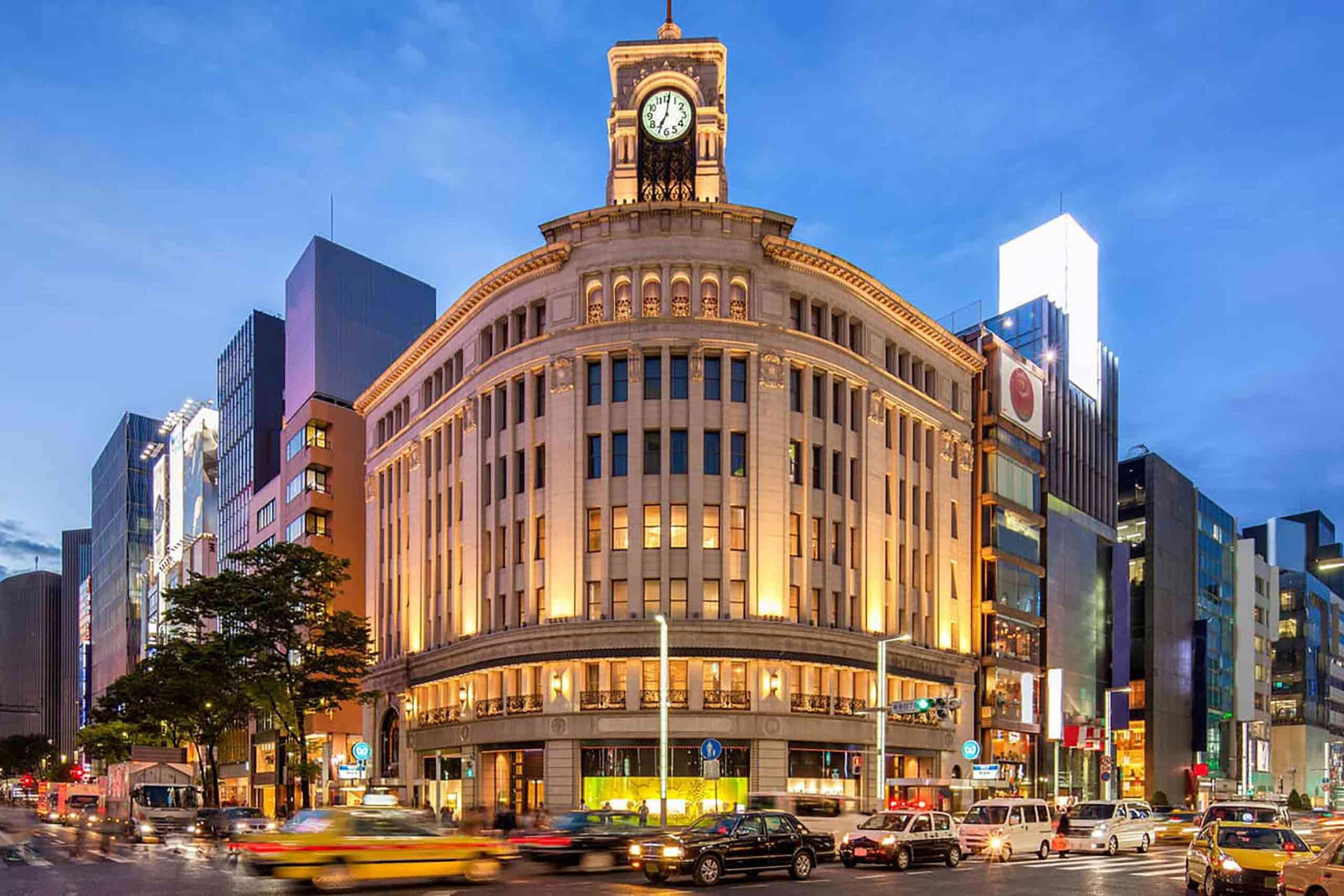
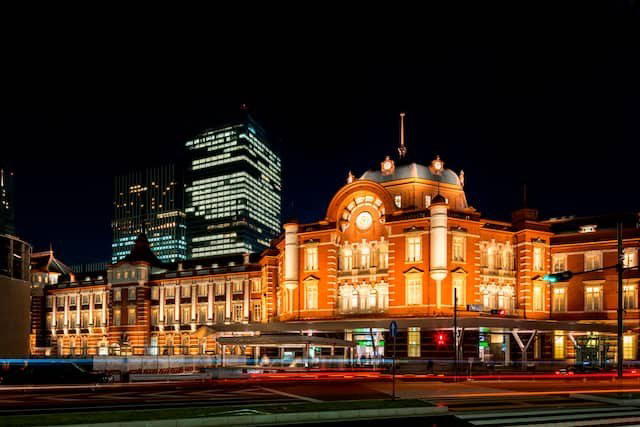
Tokyo’s polished office blocks and older commercial lanes create a particular kind of dining rhythm: discreet entrances, focused rooms, and meals often built around timing rather than theatrical arrival. Japanese Cuisine Yamazaki fits into that wider Tokyo context as a serious Japanese restaurant. The available listing points readers toward a meal defined less by spectacle than by category, price band, and local recognition. In Tokyo, the serious meal often happens quietly, with the value found in pacing and attention rather than in a sign trying to announce itself.
The restaurant is listed in the Japanese cuisine category, with unagi noted alongside that broader description. That matters in Tokyo because Japanese dining at this level is not one market. Sushi counters compete on fish sourcing and shari calibration; tempura rooms on oil, batter, and sequence; other Japanese dining rooms on range and responsiveness. Yamazaki’s category places it in the field where progression, restraint, and ingredient handling carry more weight than a single headline gesture.
Tokyo's small-room Japanese dining rewards timing and restraint
Tokyo has become expensive territory for restaurants that operate with care and precision. A focused Japanese meal changes the evening: the diner is usually choosing rhythm, sequence, and attention over a casual, highly flexible format. That is not a hospitality affectation; it is part of how synchronized Japanese dining protects temperature, order, and service flow. For Yamazaki, the most reliable reading is a restaurant to plan around, rather than a loose à la carte fallback.
Recognition helps explain where it sits in the city’s crowded field. Tabelog Hyakumeiten recognition in 2025 places it among notable Japanese restaurants in the capital, with a listed score of 4.09. That kind of listing is not the same as a universal ranking, but it is a useful local signal for diners sorting serious Tokyo options. The practical point is credibility: Yamazaki is not an anonymous room, but a Japanese restaurant with visible recognition in a competitive market.
Tokyo diners comparing categories should separate this from tempura specialists such as Fukamachi or てんぷら 深町, where the craft narrows around frying sequence, and from hybrid or Western-leaning rooms such as SAKAKI. Omino Tsubaki sits in another high-price Tokyo bracket with a different format signal, while ToshiYoroizuka TOKYO occupies a lower-priced dessert-led lane. The useful comparison is not who is more famous; it is what kind of evening the diner is choosing. Yamazaki is for a Japanese meal where the sequence is the point.
A Japanese kitchen where pacing carries the meal
The beverage program should be approached in the same practical way as the food: confirm details directly and treat drinks as part of the meal’s overall rhythm rather than as a separate performance. In Tokyo Japanese restaurants, drinks can either underline the meal quietly or pull attention away from it. For Yamazaki, the safer expectation is a dining experience built around balance, with beverages supporting a sequence that is meant to feel measured rather than showy.
The restaurant’s Japanese cuisine and unagi listing also puts it into a Tokyo tradition that is often misunderstood by visitors. Japanese cuisine at this tier is not simply “seasonal” in the vague sense; seasonality can affect procurement, preparation, serving temperature, and the order in which richer and cleaner elements appear. Without naming unlisted dishes, the category itself tells the reader what to expect: precision rather than abundance, a progression rather than a menu to graze, and a meal whose success depends on disciplined pacing.
The more useful point is not biography. Tokyo has no shortage of chef-led rooms where personal story is used as shorthand for quality. Here, the stronger signal is structural: Japanese cuisine focus, unagi appearing in the category listing, stated high-end dinner pricing, lower lunch pricing, and recognition through Tabelog Hyakumeiten 2025. That combination places the restaurant in a serious but narrow lane, especially for travelers who want a Japanese meal outside the sushi-counter default.
How to think about it within a Tokyo itinerary
For a first serious meal in Tokyo, sushi or tempura may be easier to decode because the format is globally legible. A Japanese cuisine room asks more of the diner: arrive ready for sequence, not choice; read the meal through balance, not spectacle; and understand that the controlled rhythm is part of the value proposition. That makes Yamazaki a better fit for travelers who already know Tokyo’s basic dining codes or who want to move beyond the expected omakase circuit.
The Tokyo setting helps. The meal has a city precision rather than a nightlife mood, and that can be useful for visitors building a day around Tokyo dining, shopping, or hotel bases. The decision is less about chasing a famous address and more about choosing a controlled Japanese dining format in a city built for punctuality. Yamazaki should be treated as a planned meal, not a casual fallback.
For broader planning, compare Yamazaki with the city’s wider restaurant field in Our full Tokyo restaurants guide, or map it against other Tokyo dining rooms and specialist listings. Travelers building a fuller stay can also use Our full Tokyo hotels guide, Our full Tokyo bars guide, Our full Tokyo wineries guide, and Our full Tokyo experiences guide.
For cross-city context, EP Club also tracks Japanese dining and related formats beyond Tokyo, including other restaurants, bars, cafes, and specialist rooms in Japan and abroad. Those references are useful not because they duplicate the experience, but because they show how specific Japanese formats travel, narrow, or change outside Tokyo.
Frequently asked questions
What are the opening hours for Japanese Cuisine Yamazaki?
Opening hours for Japanese Cuisine Yamazaki should be confirmed directly with the restaurant before booking.
What's the price range at Japanese Cuisine Yamazaki?
Pricing at Japanese Cuisine Yamazaki is listed as Dinner: JPY 30,000 - JPY 39,999; Lunch: JPY 4,000 - JPY 4,999.
Where do I go for Japanese Cuisine Yamazaki?
Tokyo.
What's Japanese Cuisine Yamazaki best at?
It is strongest as a tightly run Japanese cuisine restaurant in Tokyo, with Tabelog Hyakumeiten recognition for 2025 and a listed score of 4.09. The Japanese cuisine and unagi categories suit diners looking for a measured meal rather than a casual, flexible format.
Cuisine and Recognition
Comparable venues by cuisine and price in the same metro.
| Venue | Cuisine | Price | Awards | Notes |
|---|---|---|---|---|
| Japanese Cuisine YamazakiThis venue (the venue you are viewing) | Seasonal Japanese Kaiseki | $300–500 | Tabelog 100 #39 | Not listed |
| Kyoaji (京味) | Traditional Kyoto-Style Kaiseki Omakase | Not listed | Not listed | Shinbashi |
| Oryori Shibuu | Japanese Kaiseki | $200–300 | Tabelog 100 #63 | Chūō |
| Ginza Yamashina | Luxury Wagyu Yakiniku & Steak in Private Rooms | $100–150 | Tabelog 100 #81 | Chūō |
| にく割烹金座 | Niku Kappo (Meat Kappo) | Not listed | Not listed | Chūō |
| Namba | Modern Japanese Omakase | $300–500 | La Liste Top Restaurants · Tabelog Silver #86 | Chiyoda |
Recognition history
Dated appearances from independent guides and award organizations, with the underlying list record or original source where available.
Opinionated About Dining Top Restaurants in Japan Ranked #81
Opinionated About Dining
Tabelog 100 #39 · No. 39
Tabelog · Tabelog 100 - Japanese cuisine - TOKYO - 2025
Continue exploring
More in Tokyo
Restaurants in Tokyo
All restaurants in Tokyo →










Details
- Elegant
- Quiet
- Sophisticated
- Intimate
- Classic
- Special Occasion
- Date Night
- Business Dinner
- Celebration
- Solo
- Chefs Counter
- Private Dining
- Standalone
- Design Destination
- Sake Program
- Extensive Wine List
- Local Sourcing
- Farm To Table
- Tasting Menu
- Omakase
- Set Menu
- Counter Dining
- Sake
- Wine
- Pescatarian Friendly
Current opening hours
- Monday
- 11:30 AM–1:30 PM, 6–11 PM
- Tuesday
- 11:30 AM–1:30 PM, 6–11 PM
- Wednesday
- 11:30 AM–1:30 PM, 6–11 PM
- Thursday
- 11:30 AM–1:30 PM, 6–11 PM
- Friday
- 11:30 AM–1:30 PM, 6–11 PM
- Saturday
- Closed
- Sunday
- Closed
Hours can change for holidays and private events. Hours as of .
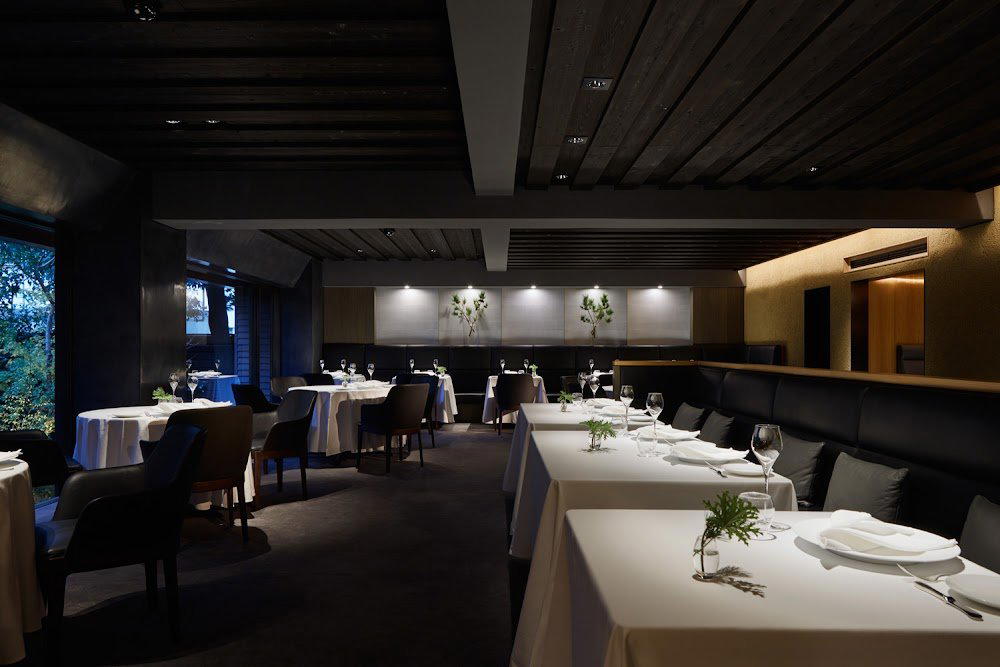
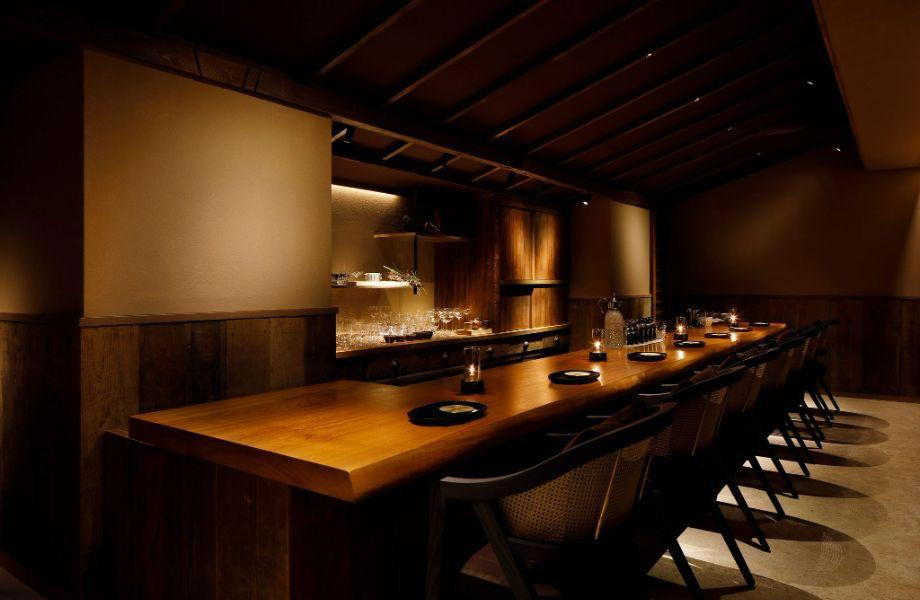
Calm, refined Japanese atmosphere with an emphasis on seasonality and presentation; counter and room settings are designed to highlight the beauty of the dishes and tableware, creating a focused, hushed dining experience suited to formal occasions.