Our verdict
Jamavar Mumbai carries the weight of one of India's most recognised fine-dining names into the city's northern hotel corridor near Andheri East. The room applies the brand's formal register to a Mumbai context where premium Indian dining has grown increasingly competitive. Planning a visit requires attention to timing and reservation logistics given the brand's following across the subcontinent.

Pearl is the En Primeur Club membership app — saves, bookings, and concierge access live there. Same editors, same standards.
- Address
- Sahar Airport Rd, Mariyyman Nagar, Greater Indra Nagar, Andheri East, Mumbai, Maharashtra 400059, India
- Directions
- Get directions
The menu
What to order
- Malabar Prawns
- Daal Jamavar
- Alleppey Fish Curry
- Shahi Gilawat ke Kebab
Booking Into Mumbai's Most Formal Indian Address
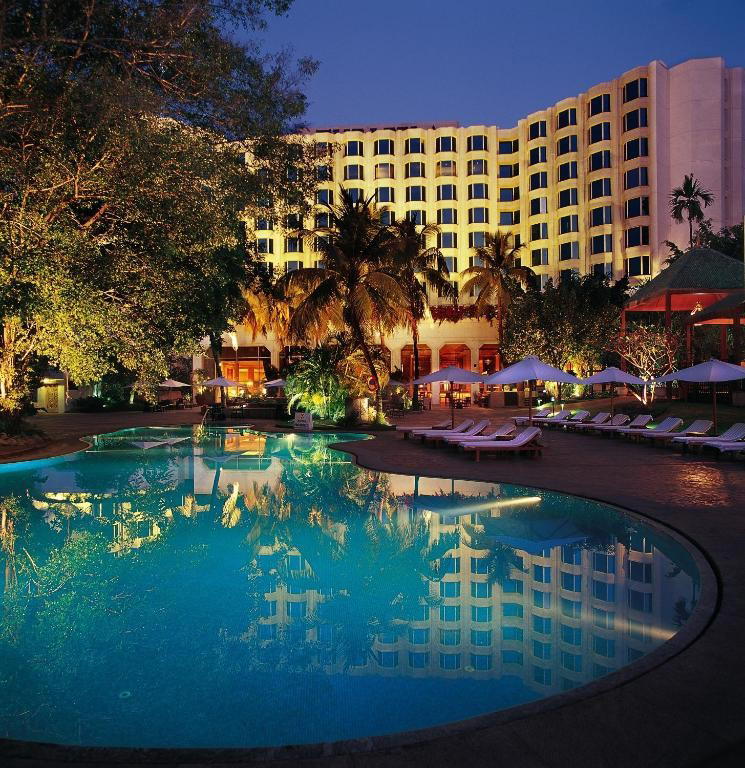
The address tells you something before you've placed a reservation. Sahar Airport Road in Andheri East is not the neighbourhood of spontaneous walk-ins — it's a corridor defined by transit hotels, corporate accounts, and travellers whose schedules demand proximity to Chhatrapati Shivaji Maharaj International Airport. Restaurants that establish themselves here are playing to a specific audience: arriving and departing guests with an appetite for occasion dining, business dinners conducted under the airport's flight path, and Mumbaikars who treat the journey out here as deliberate, not incidental. Jamavar operates within that logic.
The Jamavar brand has built its reputation across multiple Indian cities by applying a consistent formal framework to Indian fine dining — a category where the gap between ambition and execution is often wider than anywhere else in the country's restaurant scene. The brand's position is not as an interpreter of regional street tradition but as a practitioner of courtly, composed Indian cooking delivered in rooms designed to signal occasion. That positioning shapes what kind of booking experience this is before you arrive.
What the Brand Signals About the Experience
In India's premium restaurant tier, brand lineage carries real weight with diners in a way that differs from the West. A known name attached to a hotel dining room changes the calculation around trust, consistency, and what the room will feel like at its finest. Jamavar's presence across multiple cities means that guests approaching the Mumbai property carry prior associations, either from dining in other cities or from the brand's wider reputation, which in turn influences how formal the dress code expectation feels, how structured the service approach tends to run, and what the menu's organisational logic will resemble.
For comparison, Mumbai's premium Indian dining scene now runs a wide range of registers. Masque operates at the contemporary-research end, turning hyperlocal Indian ingredients into a modernist tasting format. The Bombay Canteen works through a nostalgic-but-refined lens on Indian regional cooking. The Table applies global technique to Indian ingredients in a way that blurs the category lines. Dakshin holds a more conservative, southern-regional position. And at the fusion-forward edge, Americano brings Indian ingredients into conversation with Latin American frameworks. Jamavar sits outside those currents, more formal, more classically composed, closer in spirit to the kind of Indian fine dining that preceded the current wave of regional-ingredient experimentation.
Within India's broader restaurant ecosystem, it's worth placing Jamavar Mumbai alongside peers in other cities. Bukhara in New Delhi represents the established North Indian formal register, focused on a narrow, authoritative repertoire rather than breadth. Adaa at Falaknuma Palace in Hyderabad deploys palace dining theatre in a way that prioritises setting as much as food. Avartana in Chennai takes the opposite approach, quiet, technically precise, building southern Indian cuisine from the ground up with a fine-dining vocabulary. Farmlore in Bangalore and Naar in Kasauli represent an entirely different current, hyper-seasonal, small-production, tied to specific landscapes. Jamavar's idiom is distinct from all of them: it's the formal banquet tradition, codified and made bookable.
Planning the Visit: What You Need to Know
The Andheri East location has practical implications that shape how you should approach a reservation. Guests arriving from South Mumbai or the Bandra-Kurla Complex should factor in significant travel time, this is not a detour you make on the way to somewhere else. The corridor becomes most logical when you're already at or near the airport, or when you're staying in one of the surrounding business hotels. For travellers landing at Mumbai and treating their first or last night as the dining occasion, the location argument makes considerably more sense than it might otherwise.
Mumbai's premium dining scene does not suffer from a shortage of options at any price point, and the city's food-interested public has strong opinions about where to direct serious money. The competition within the formal Indian category is active: The Table and Masque both draw a certain kind of attention that is harder to claim at a hotel restaurant operating outside the city's social geography. For diners who prioritise neighbourhood energy and proximity to Mumbai's social texture, that matters. For diners who prioritise formality, consistency, and the kind of service structure that hotel dining trains for, the calculus shifts.
Booking approach follows the brand's standard operating model: reservations through the hotel property are the most reliable route. Walk-in availability at hotel restaurants in this tier is inconsistent, and weekend evenings at known names carry genuine demand. Approaching a Friday or Saturday night without a reservation is a risk that the location makes harder to absorb, there is no secondary option on the same street to absorb the overflow. Book ahead, and if you have a table size above four, communicate that early. Large-group hotel restaurant bookings in Mumbai can involve negotiated seating areas and menu pre-selections that benefit from advance discussion.
The Wider Mumbai Context
Mumbai's dining culture is one of the most layered in Asia, and its relationship to formal Indian cooking is complicated by the city's own preference for informality at almost every other level. The city's greatest culinary strengths, its street food heritage, its Parsi restaurants, its Konkan coastal cooking, are not formal traditions. The premium hotel dining room occupies a specific niche in Mumbai that is different from the one it occupies in Delhi, where courtly and formal registers have deeper roots in the city's self-image. In Mumbai, formal Indian dining succeeds by persuading a public that is often more comfortable in relaxed settings. That persuasion happens through consistency, through occasion-building, and through brand recognition.
For broader context on where Jamavar sits across Mumbai's dining options and comparable international addresses, consider Le Bernardin in New York City and Atomix in New York City as reference points for what formal dining with a strong culinary identity looks like at its most resolved. The comparison is useful not because Jamavar occupies the same tier, but because both those addresses show what happens when a distinct point of view meets a controlled, high-service environment, the combination that formal dining anywhere needs to justify its register.
For readers building a broader Mumbai itinerary, the city's dining, drinking, and cultural scene is covered in depth across our full guides: our full Mumbai restaurants guide, our full Mumbai hotels guide, our full Mumbai bars guide, our full Mumbai wineries guide, and our full Mumbai experiences guide. For other Indian cities worth anchoring around formal dining, Baan Thai in Kolkata offers an instructive contrast, a city where formal hotel dining occupies different cultural territory entirely.
Frequently asked questions
Is Jamavar Mumbai a family-friendly restaurant?
Jamavar operates at the formal end of Mumbai's dining spectrum, which means the atmosphere skews adult rather than child-oriented. Families with older children accustomed to sit-down dining in hotel settings will manage comfortably. The Andheri East location near Sahar Airport Road also makes it a practical choice for family meals before or after international travel rather than a spontaneous outing.
How would you describe the vibe at Jamavar Mumbai?
The register is formal and deliberate — this is the kind of address where the room keeps its voice low and the service follows a structured cadence. The Andheri East placement, away from Mumbai's louder restaurant corridors in Bandra or Lower Parel, reinforces that the clientele is largely hotel-based or destination-driven rather than walk-in crowd. Think occasion dining with a composed, unhurried pace.
Is Jamavar Mumbai worth visiting if you're not staying near Andheri East?
The Sahar Airport Road address in Andheri East sits a significant distance from South Mumbai and Bandra, so the journey requires deliberate planning rather than a casual detour. For travellers transiting through Chhatrapati Shivaji Maharaj International Airport, the location is genuinely convenient and arguably the most accessible version of Jamavar's formal Indian cooking in the city. For those based in central or south Mumbai, the travel time should factor into whether the brand draw justifies the trip against closer high-end Indian alternatives.
What dish is Jamavar Mumbai famous for?
Jamavar as a brand has built its reputation on North Indian and Mughal-influenced cooking, with slow-cooked preparations and tandoor work forming the backbone of the menu across its properties.
Where is Jamavar Mumbai located?
Jamavar Mumbai is located at Sahar Airport Rd, Mariyyman Nagar, Greater Indra Nagar, Andheri East, Mumbai, Maharashtra 400059, India, Mumbai.
What's the best way to book Jamavar Mumbai?
Given the hotel setting on Sahar Airport Road, the most reliable route is through the property's front desk or concierge, who can connect to the restaurant directly. For groups or special occasions, approaching the hotel by email in advance is the safer path than arriving without a reservation.
A Quick Peer Check
| Venue | Cuisine | Price | Awards |
|---|---|---|---|
| Jamavar MumbaiThis venue — the venue you are viewing | Authentic Pan-Indian Fine Dining | $50–100 | Not listed |
| O Pedro | Modern Goan-Portuguese | $30–50 | Not listed |
| Ziya | Modern Indian Fine Dining | $50–100 | La Liste Top Restaurants |
| The Bombay Canteen | Modern Regional Indian | $30–50 | World's 50 Best #91 · La Liste Top Restaurants |
| Masque | Modern Indian Tasting Menu | $100–150 | World's 50 Best #15 · La Liste Top Restaurants |
| Indigo | Modern Italian Deli | $30–50 | Not listed |
Details
- Elegant
- Sophisticated
- Classic
- Romantic
- Ornate
- Business Dinner
- Date Night
- Special Occasion
- Group Dining
- Family
- Hotel Restaurant
- A La Carte
- Vegetarian Friendly
- Vegan Options
- Gluten Free Options
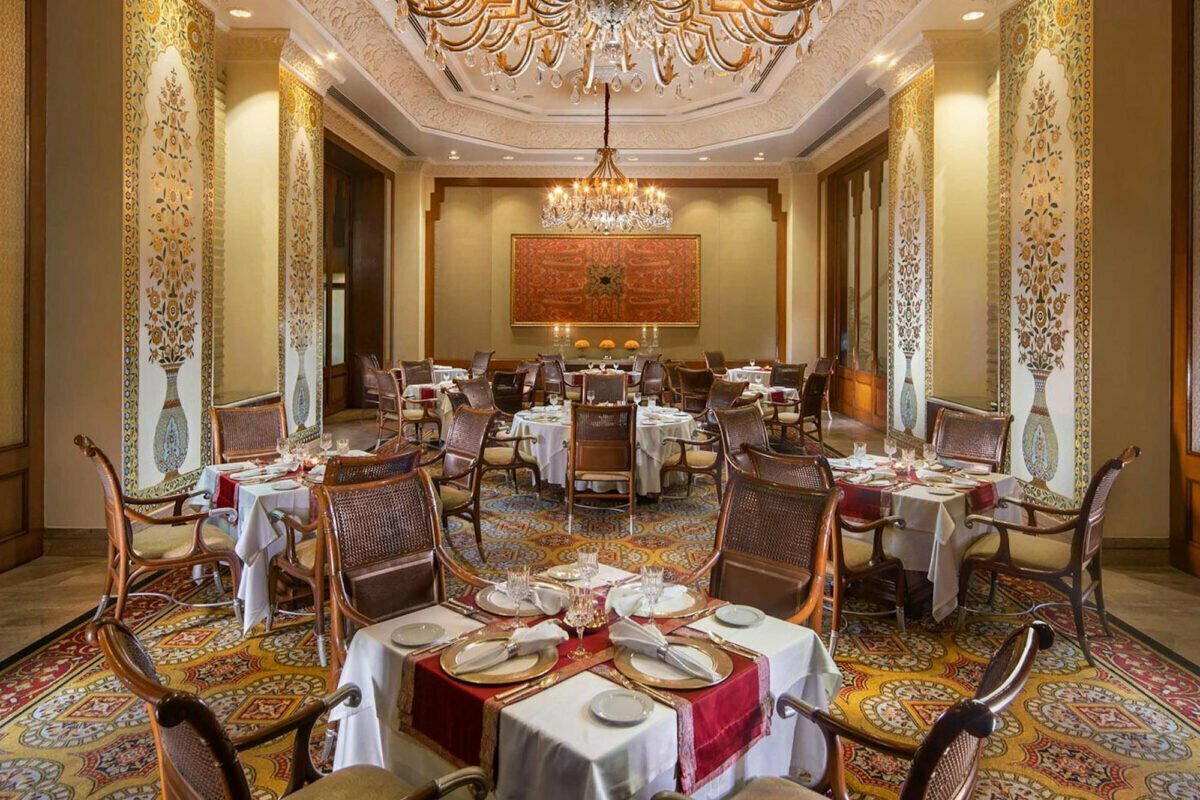
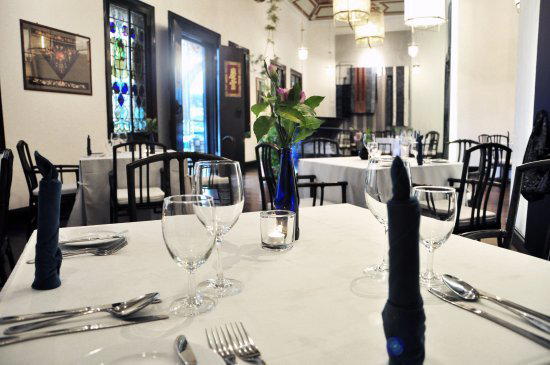
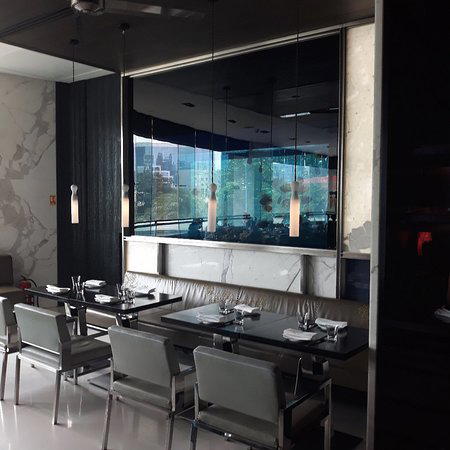
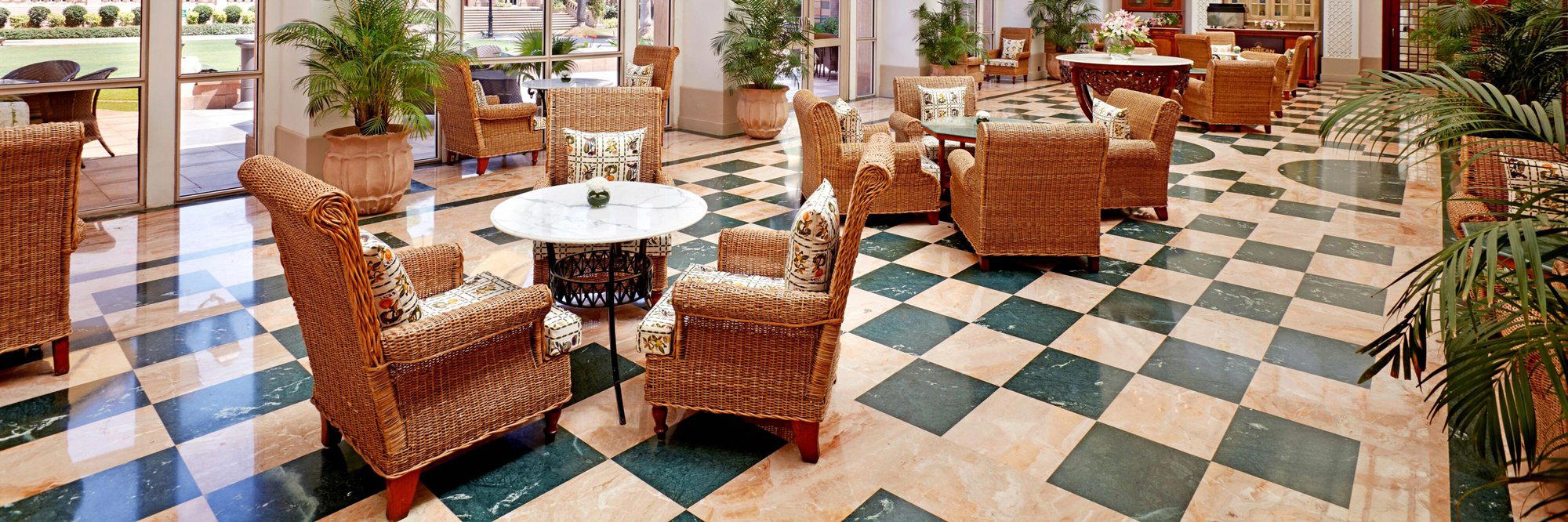
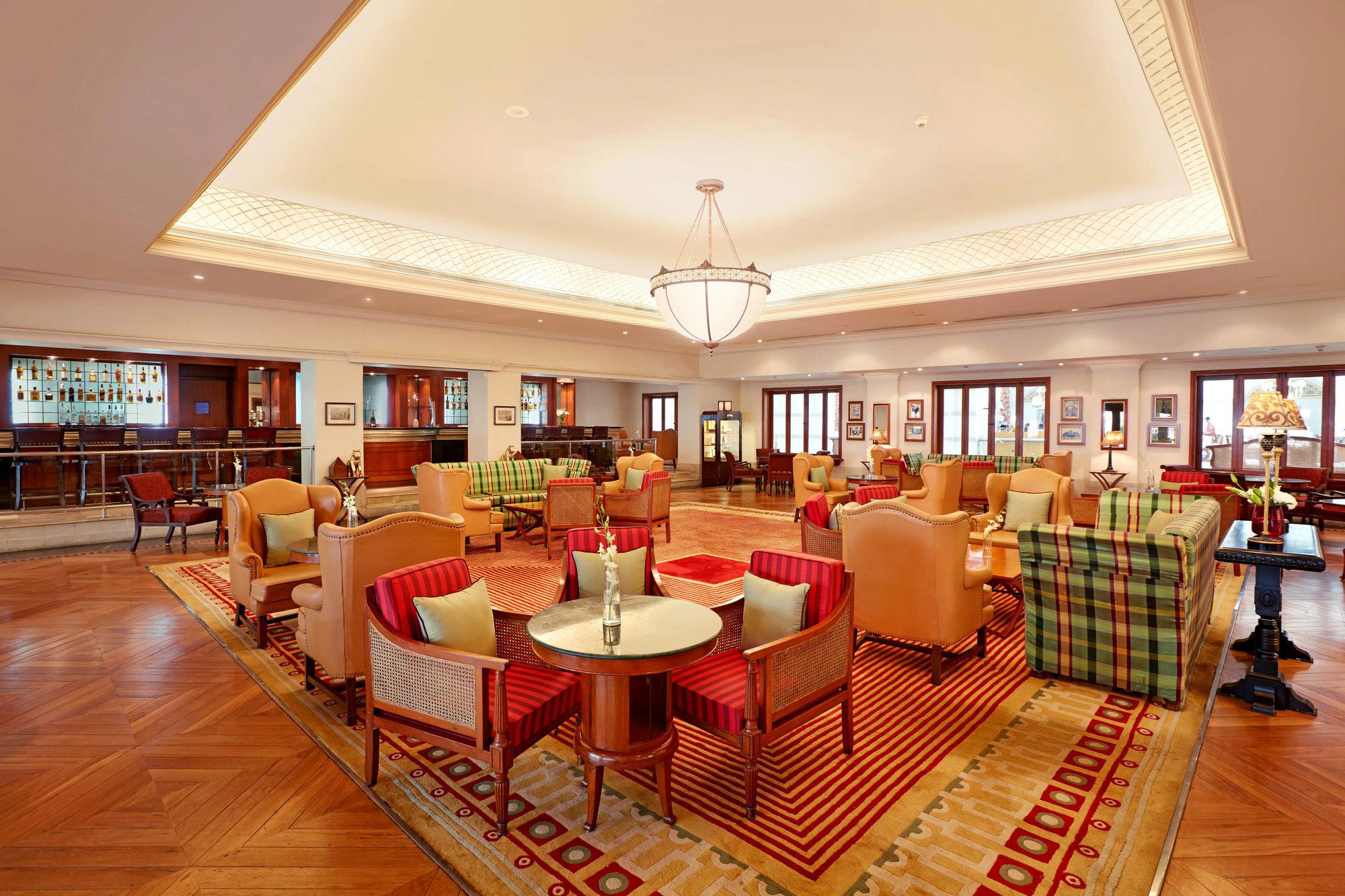
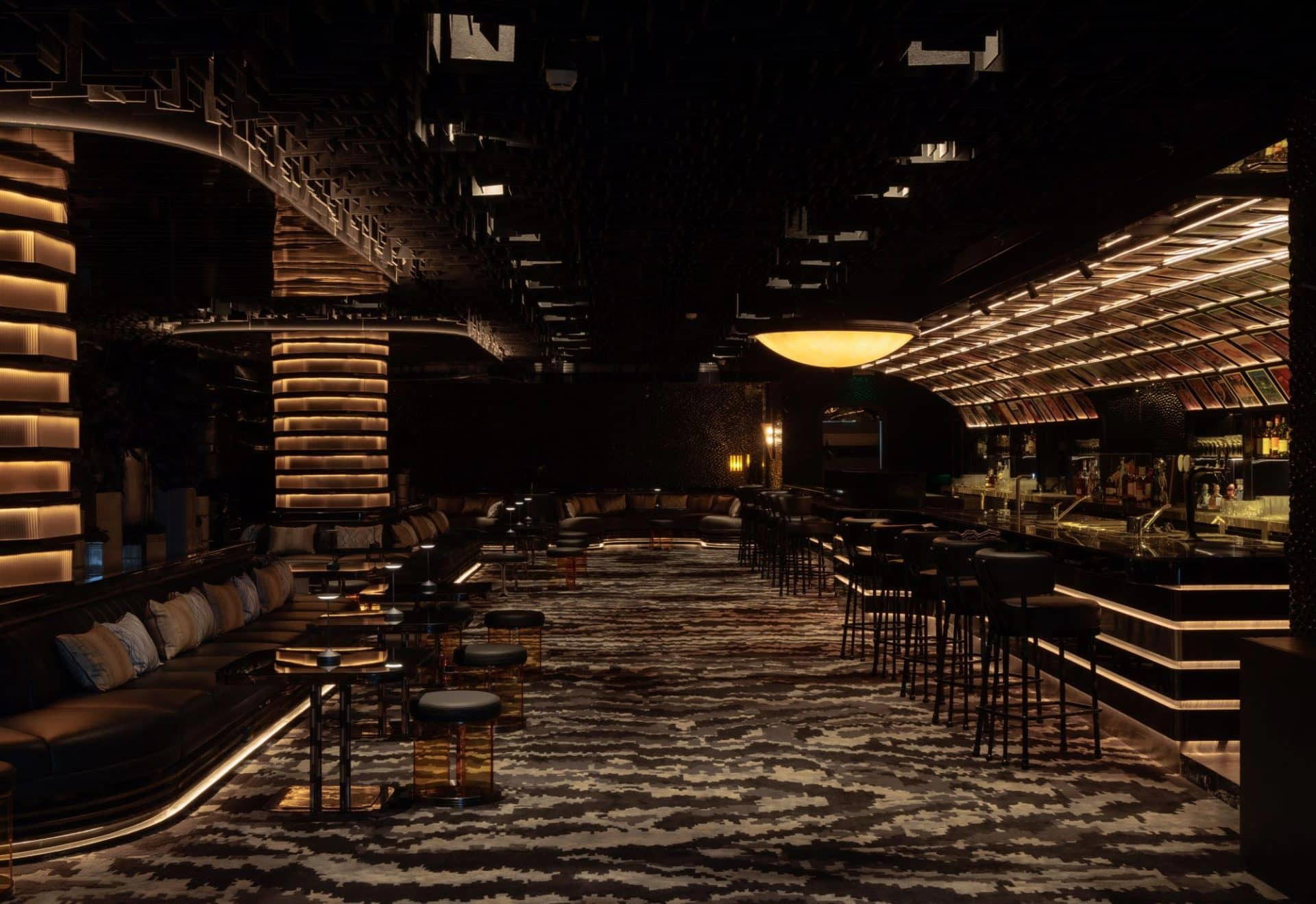
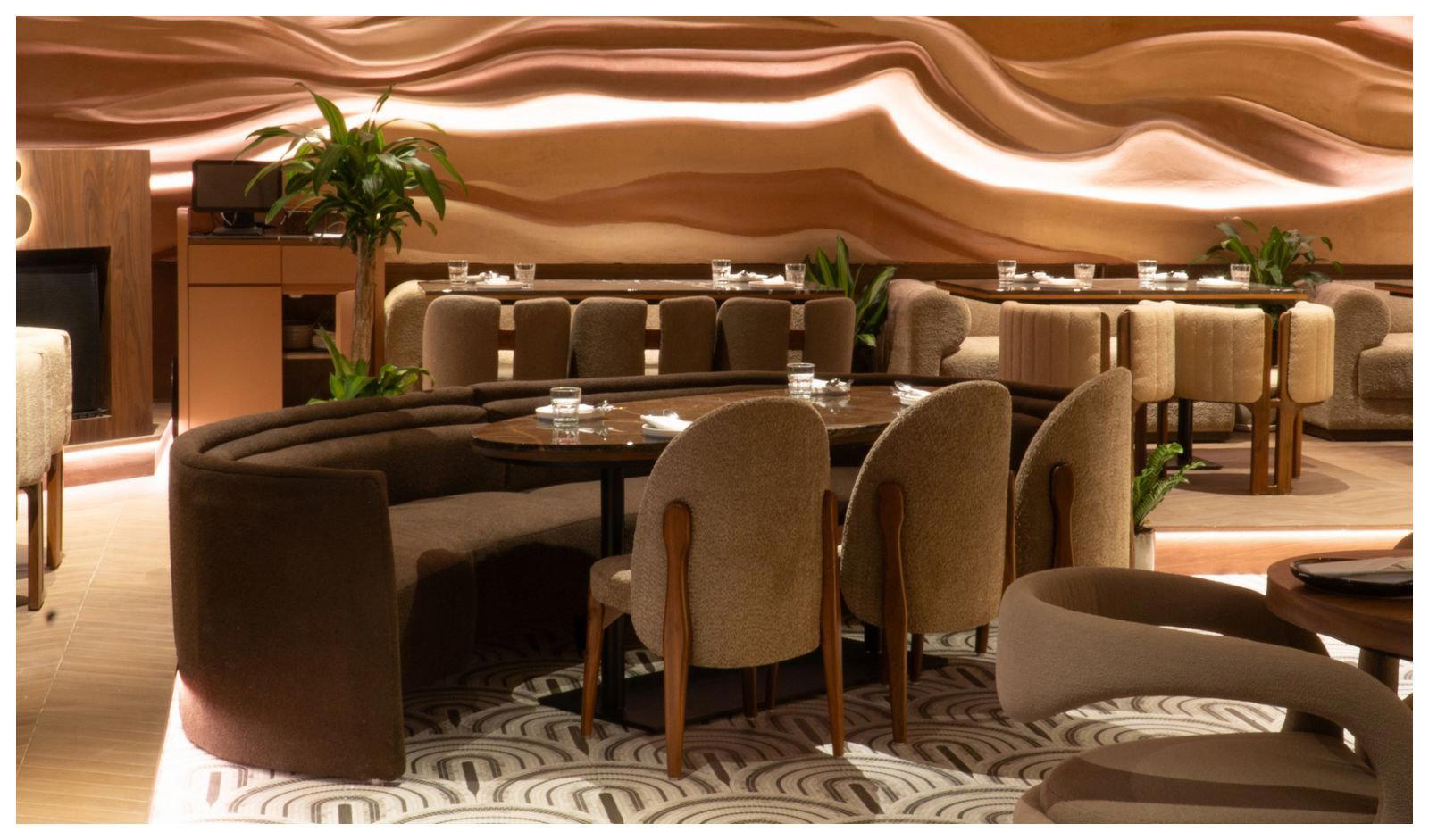
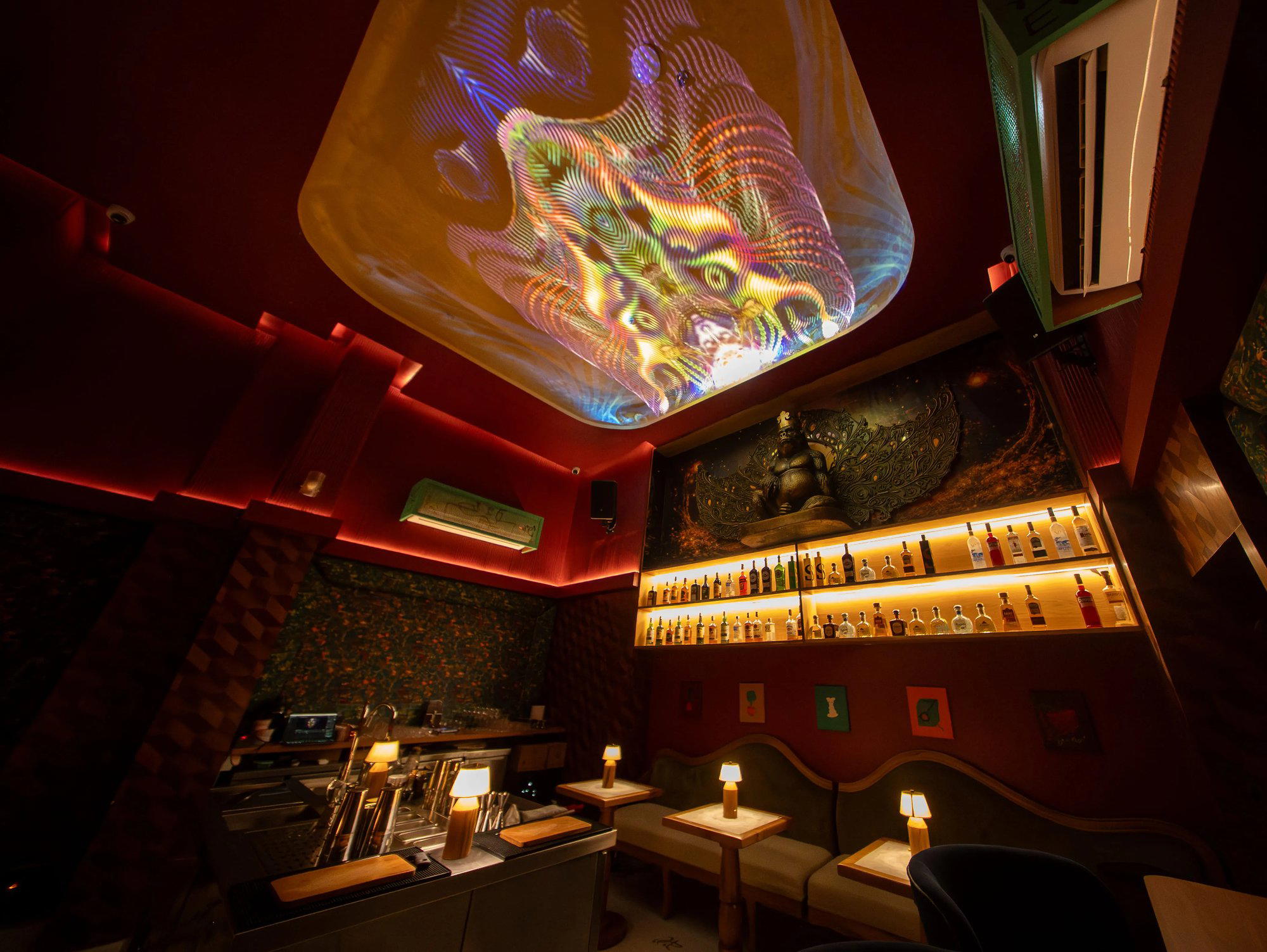
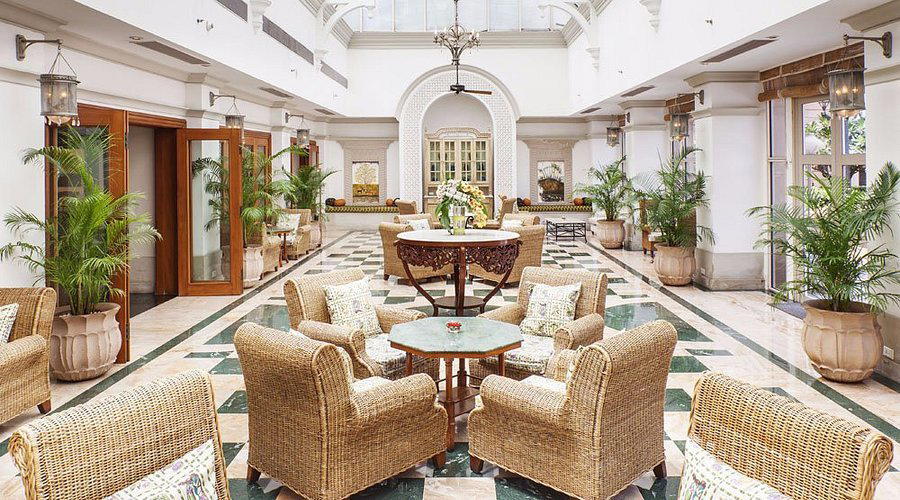
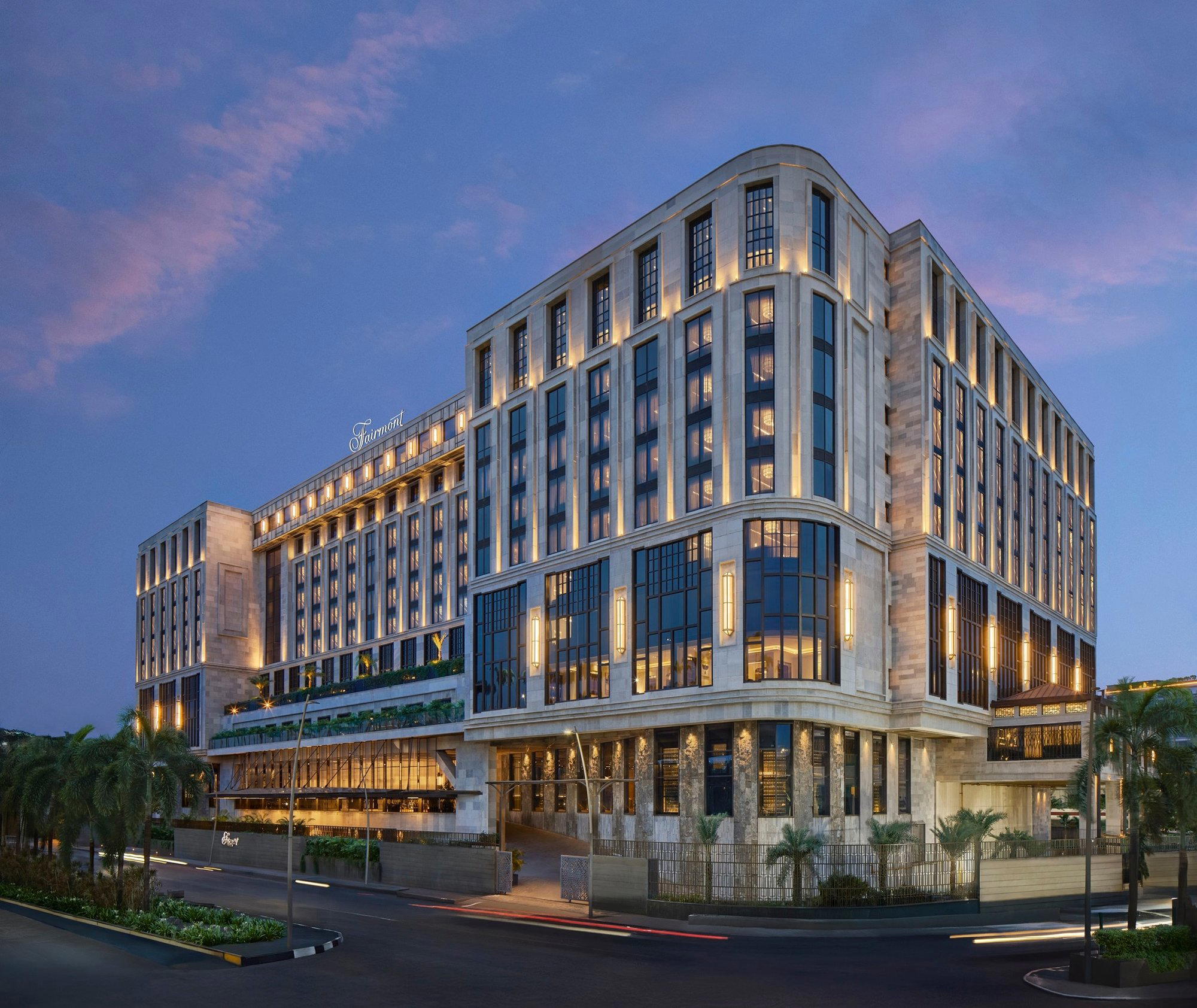
Elegant with high ceilings, crystal chandeliers, hand-carved wooden screens, and a quiet romantic atmosphere.