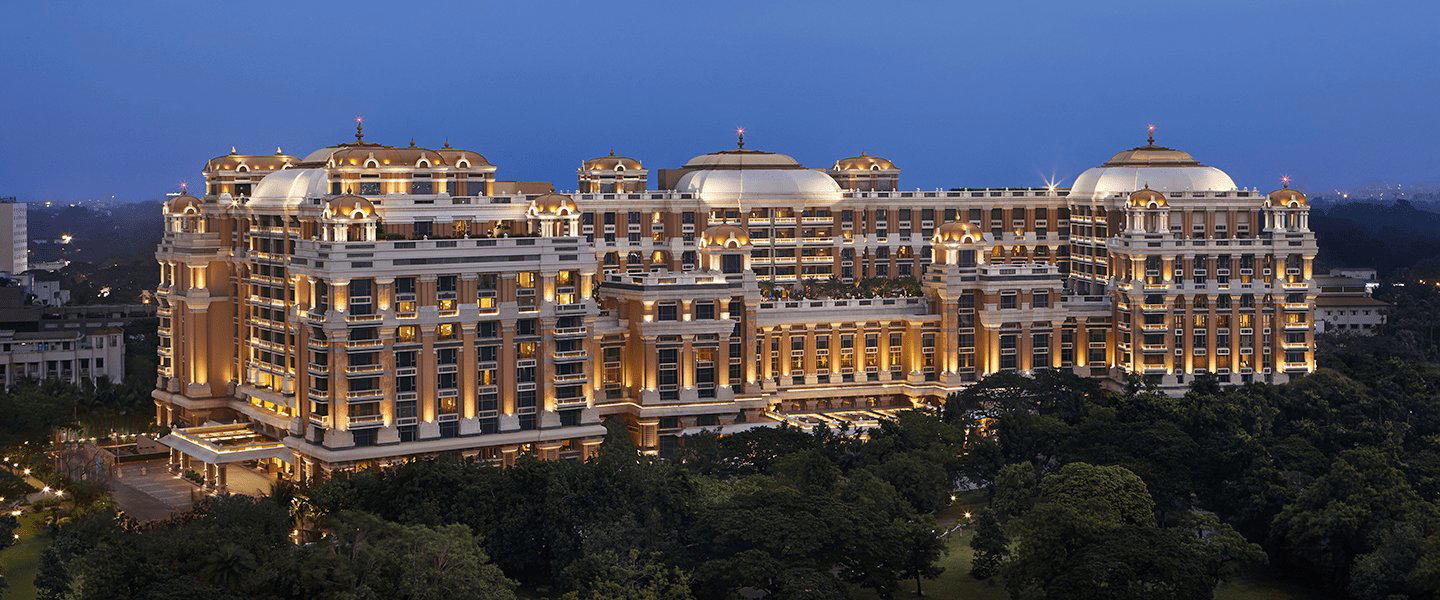
Inside The Leela Palace Chennai on the Adyar Sea Face, Jamavar operates as the hotel group's flagship Indian dining format, drawing on culinary traditions that run from the northwest frontier to the southern coast. The menu is structured around regional specificity rather than a pan-Indian blur, placing it in a different tier from the city's more casual Indian dining circuit. For residents and visitors navigating Chennai's premium restaurant scene, it represents one of the more considered addresses for formal Indian cooking.
Pearl is the En Primeur Club membership app — saves, bookings, and concierge access live there. Same editors, same standards.
- Address
- Ground level, The Leela Palace Chennai, Adyar Sea Face, MRC Nagar, Raja Annamalaipuram, Chennai, Tamil Nadu 600028, India
- Phone
- +914433661234
- Website
- theleela.com
- Directions
- Get directions
 Saves & bookings on Pearl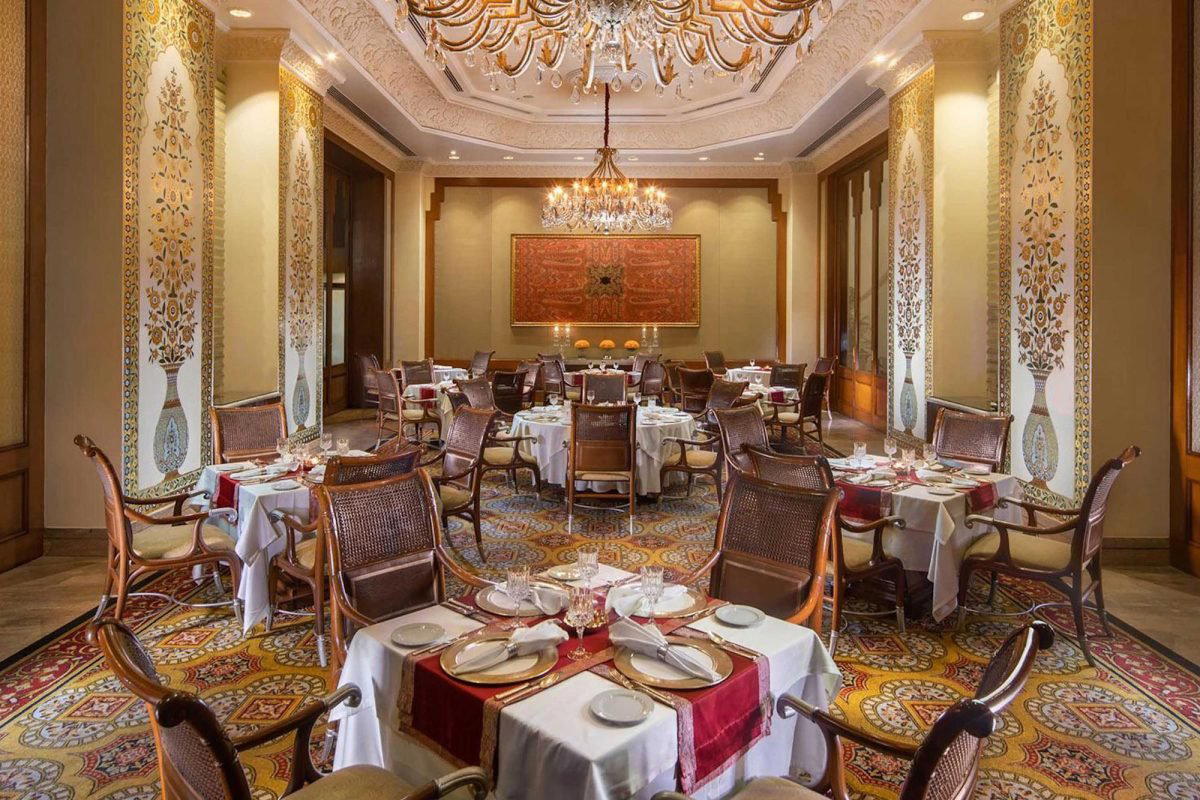
The Setting and What It Signals
The ground floor of The Leela Palace Chennai faces the Adyar Sea Face in MRC Nagar, a stretch of southern Chennai where the Bay of Bengal sits close enough to feel present without being visible from every seat. Hotel dining in India occupies a complicated position: at the lower end, it defaults to safe, generic menus calibrated for international guests nervous about heat and complexity. At the upper end, a small number of hotel restaurants have broken from that pattern entirely, building reputations that draw local diners who could eat anywhere they chose. Jamavar is a fine dining North Indian restaurant at The Leela Palace Chennai, with an average spend of about $60 per person and a smart casual dress code.
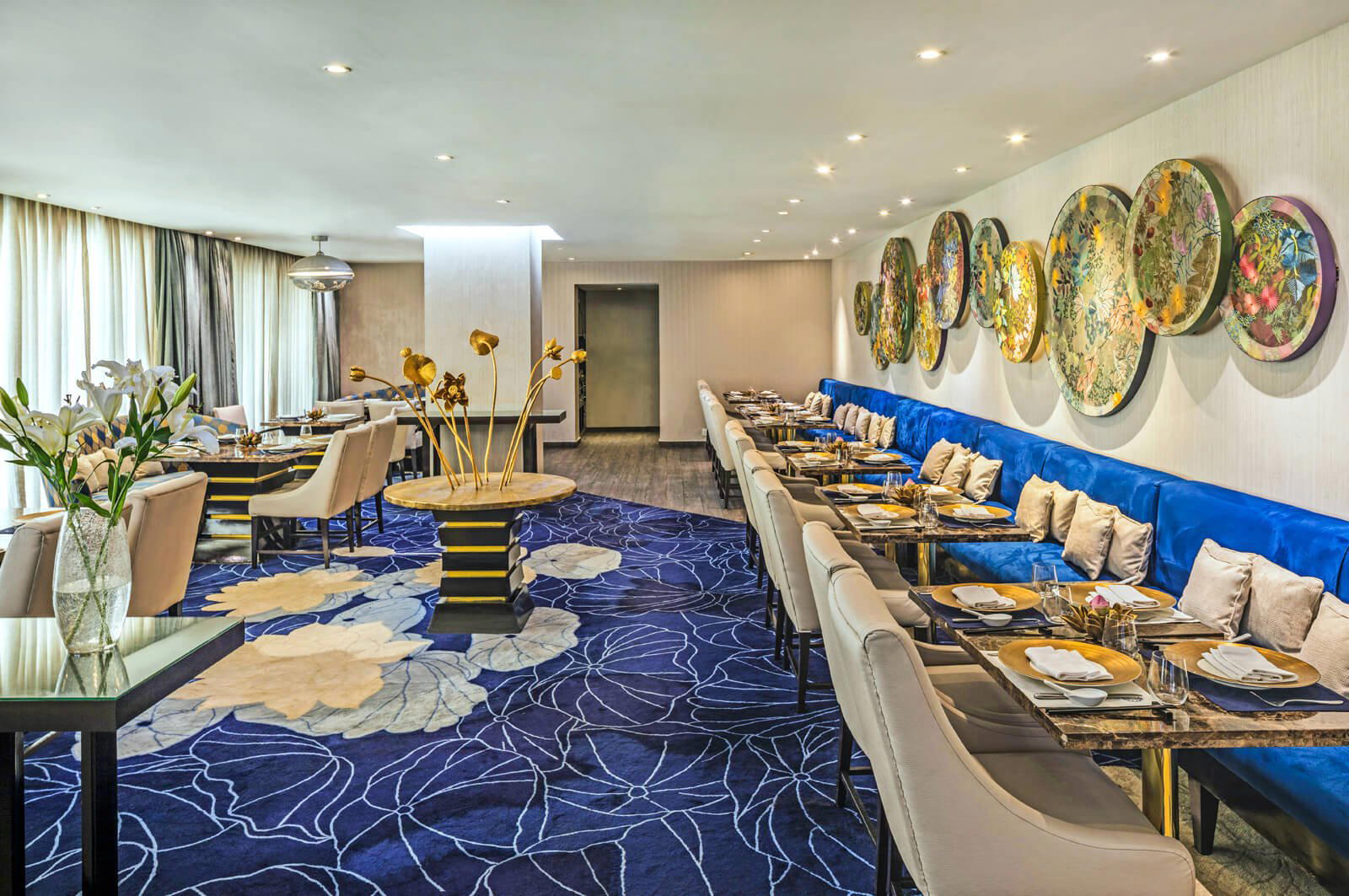
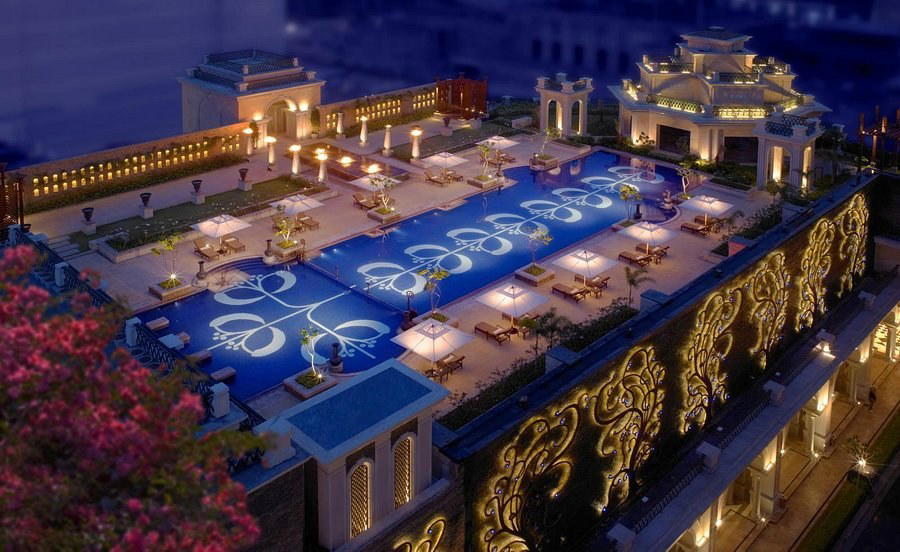
The Leela Palace Chennai itself sits in a neighbourhood that blends residential quietness with proximity to the city's financial and cultural institutions. Arriving at the hotel, the architectural register is formal without being cold, a characteristic the restaurant carries through into its own interiors. The room communicates occasion without requiring it, which is the right calibration for a restaurant that needs to work for both celebratory dinners and serious weeknight eating.
How the Menu Is Structured
Indian restaurant menus often operate as catalogues: long lists organised by protein or cooking method, rewarding familiarity but offering little guidance to the uninitiated. The Jamavar format, developed across its multi-city presence, takes a different approach. The architecture of the menu is regional rather than categorical, drawing from identifiable culinary traditions across the subcontinent rather than assembling a greatest-hits collection. That structural choice has consequences for how you eat here.
North Indian tandoor cooking, with its emphasis on high-heat clay-oven technique, sits alongside preparations from coastal and southern Indian traditions. This is not fusion; the traditions stay distinct. What the menu design acknowledges is that Indian cuisine is not a single tradition but a set of parallel ones, each with its own logic of spicing, fat, and texture. A restaurant that respects those distinctions eats differently from one that homogenises them into a single register for accessibility.
For context, Chennai's own dining scene is dominated by Tamil and Chettinad traditions, with restaurants like Anjappar Chettinad Restaurant and Dindigul Thalappakatti Restaurant representing the city's indigenous culinary character with directness and local authority. Jamavar is doing something categorically different: it is a formal presentation of a multi-regional Indian repertoire within a luxury hotel context, aimed at a guest who wants that breadth and that register of service in the same sitting.
Where Jamavar Sits in the Chennai Dining Picture
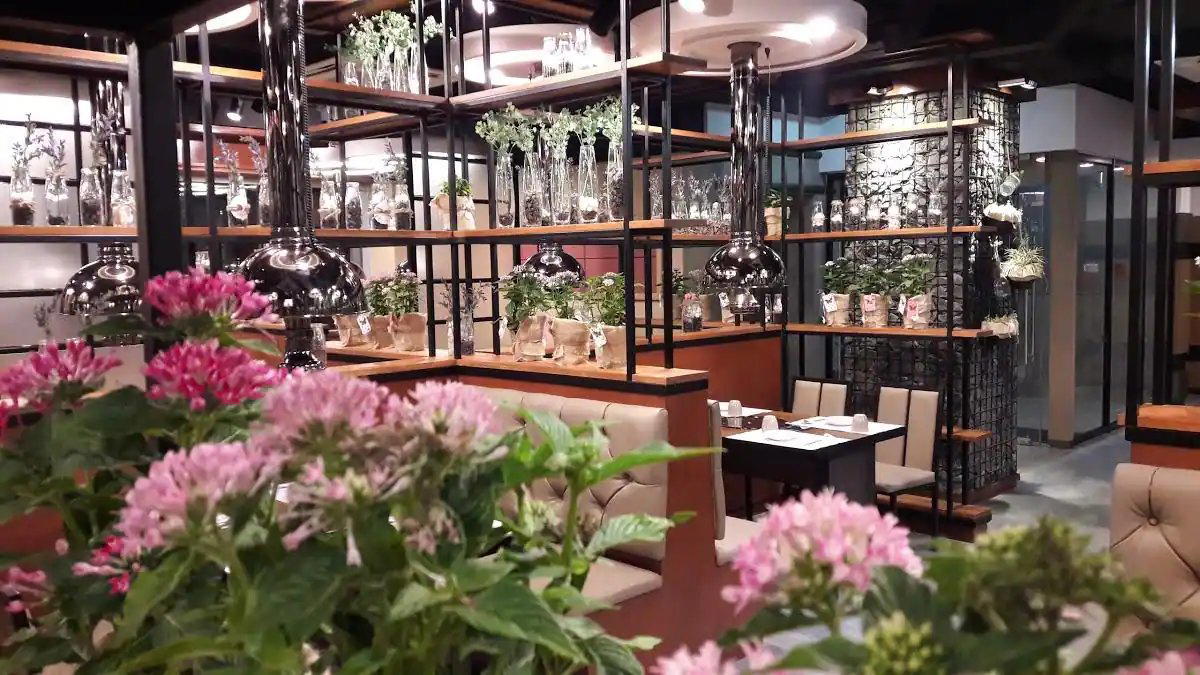
Chennai has developed a more layered premium dining scene in recent years. At one end, the city's most technically ambitious address is Avartana, which works with South Indian ingredients through a modernist lens that has drawn national attention. At the other end of the formality scale, Aeseo Korean Restaurant and Freshco Food Court represent the city's broader appetite for international formats. Jamavar occupies a specific gap: classical Indian cooking at fine-dining production levels, with service infrastructure that most standalone restaurants in the city cannot match.
Across India more broadly, this style of hotel-anchored Indian fine dining has produced some of the country's most referenced restaurants. Bukhara in New Delhi is the clearest example of a hotel restaurant that has transcended its setting to become a culinary institution in its own right. Jamavar's multi-city model is building toward comparable recognition through consistency of execution rather than through a single flagship location. For Chennai, having the format present raises the ceiling on what formal Indian dining looks like in the city.
It is worth placing this alongside what is happening in Indian restaurant culture beyond the hotel sector. Destination-led independents like Farmlore in Bangalore and regionally specific addresses like Naar in Kasauli represent a different model, one rooted in local sourcing and hyper-specific geography. Jamavar is not competing in that register; its claim is different, built on range, technical consistency, and the resources of a luxury hotel operation.
The Leela Context and Why It Matters
The Leela Palace group has operated its hotel restaurants with more editorial intent than most Indian luxury chains. Properties like Leela Kerala Terrace in Trivandrum demonstrate the group's awareness that hotel dining can carry genuine regional meaning rather than simply serving as a convenience for guests. Jamavar, as the group's premium Indian dining brand, sits at the summit of that internal hierarchy.
That grouping places Jamavar in a comparable set that includes other hotel-anchored Indian restaurants with serious culinary programs, rather than the broader market of hotel dining that ranges from adequate to forgettable. For international visitors to Chennai arriving via the hotel, the question of whether to eat in or venture out is answered fairly directly: Jamavar provides a level of Indian cooking, within that hotel context, that would require deliberate research to replicate through independently chosen restaurants in the city.
Planning Your Visit
Jamavar sits at the ground level of The Leela Palace Chennai at Adyar Sea Face, MRC Nagar, Raja Annamalaipuram. The hotel address places it in the southern part of the city, accessible from the airport and from the central business district, though Chennai's traffic patterns mean timing matters for dinner reservations. As a hotel restaurant operating within a five-star property, bookings through the hotel are the standard route; arriving without a reservation on weekend evenings carries risk, particularly given the restaurant's reputation among Chennai's dining-conscious residents. Dress code aligns with the hotel's formal register.
Recognition, Side-by-Side
Comparable venues nearby, for context on price, style, and recognition.
| Venue | Cuisine | Price | Notes |
|---|---|---|---|
| JamavarThis venue — the venue you are viewing | Fine Dining North Indian | $$$$ | Not listed |
| Southern Spice | Authentic Southern Indian Fine Dining | $$$ | Nungambakkam |
| Avartana | Progressive Southern Indian Fine Dining | $$$$ | Guindy |
| Anjappar Chettinad Restaurant | Authentic Chettinad | $$ | Nungambakkam |
| Taj Fisherman's Cove | Coastal Seafood and Multi-Cuisine | $$$$ | Covelong |
| Lotus | Contemporary Pan-Asian | $$$ | Nungambakkam |
Continue exploring
More in Chennai
Restaurants in Chennai
Browse all →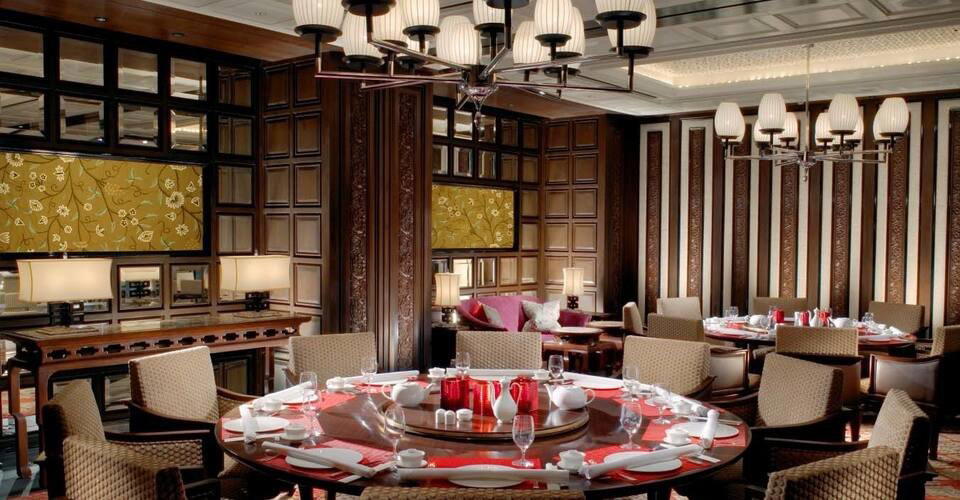
At a Glance
- Elegant
- Sophisticated
- Ornate
- Special Occasion
- Business Dinner
- Celebration
- Hotel Restaurant
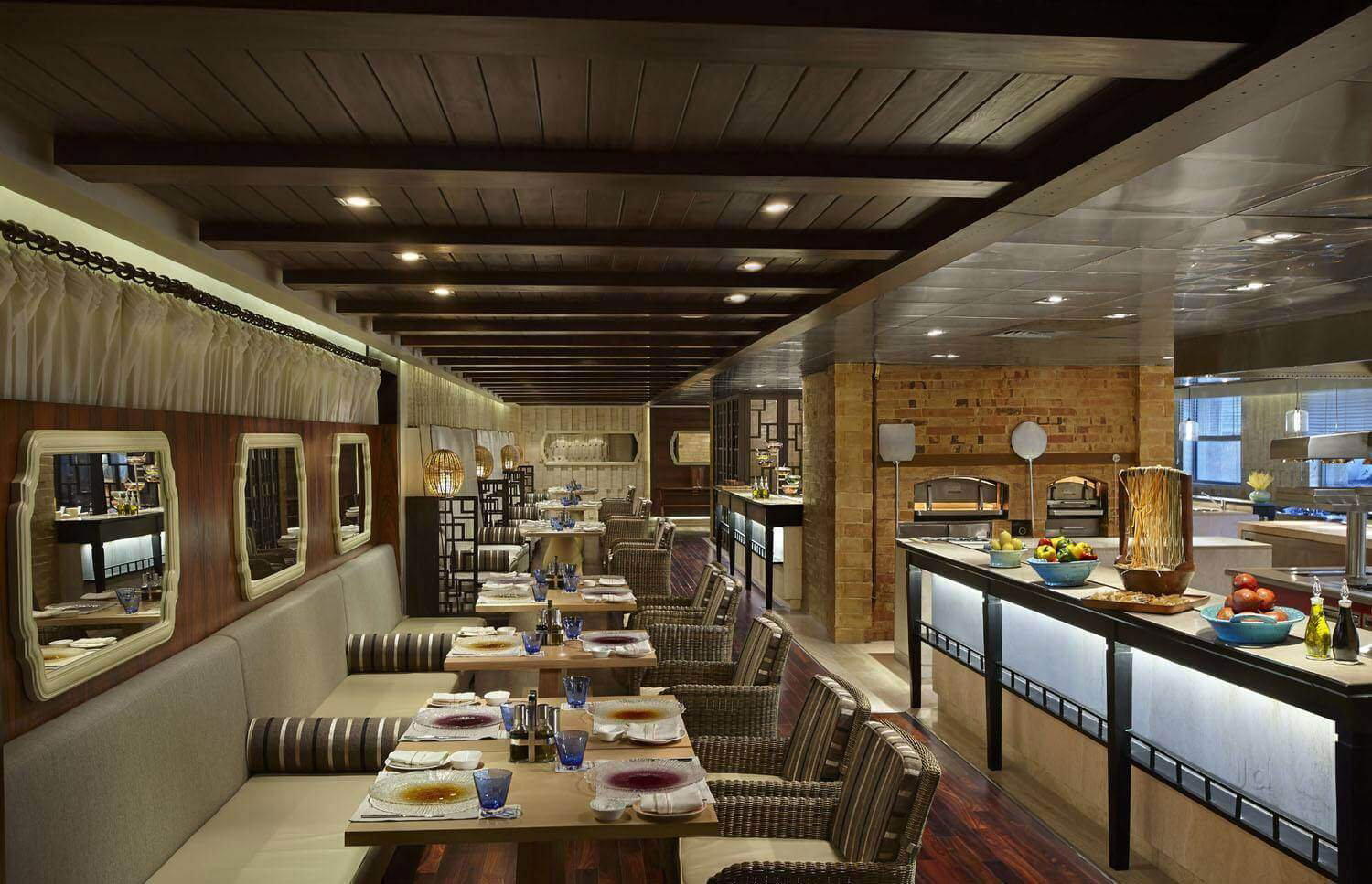
- Open Kitchen
- Extensive Wine List
Current opening hours
- Monday
- 12–3 PM, 7–11 PM
- Tuesday
- 12–3 PM, 7–11 PM
- Wednesday
- 12–3 PM, 7–11 PM
- Thursday
- 12–3 PM, 7–11 PM
- Friday
- 12–3 PM, 7–11 PM
- Saturday
- 12–3 PM, 7–11 PM
- Sunday
- 12–3 PM, 7–11 PM
Hours can change for holidays and private events. Last verified .
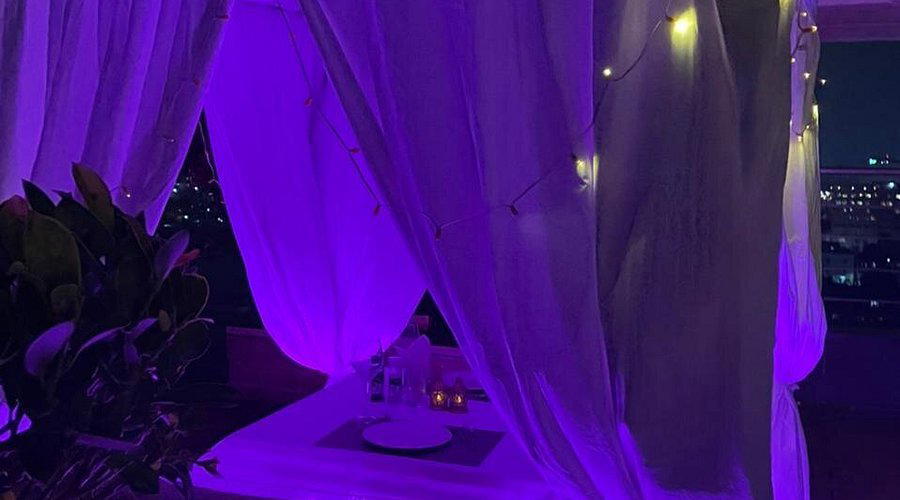
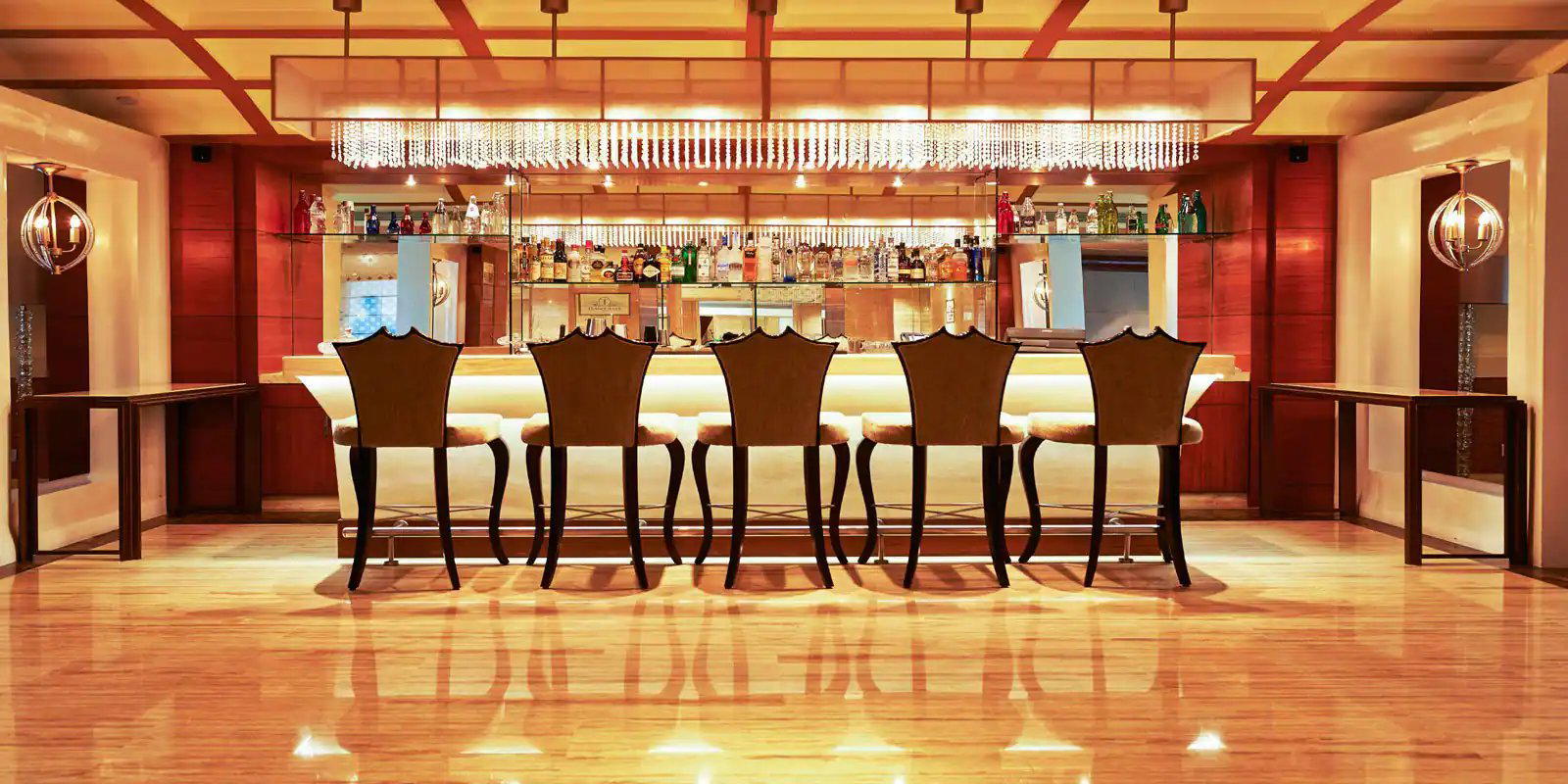
Ornate and regal with intricate wall paintings, hand-carved wooden screens, and luxurious lighting evoking dynastic Indian heritage.