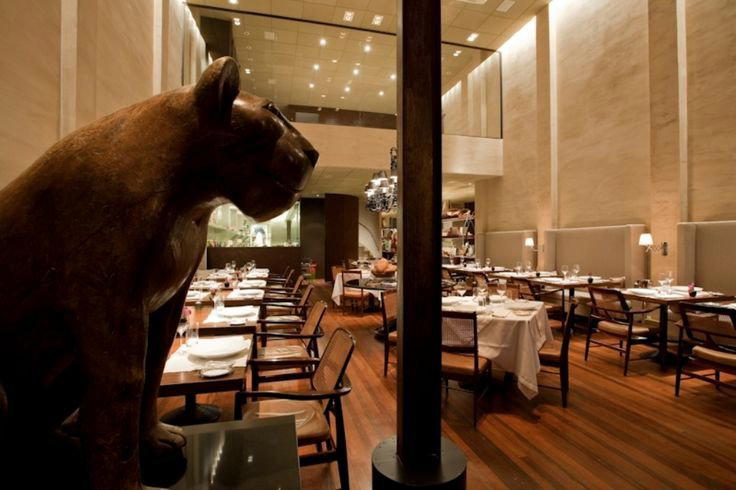
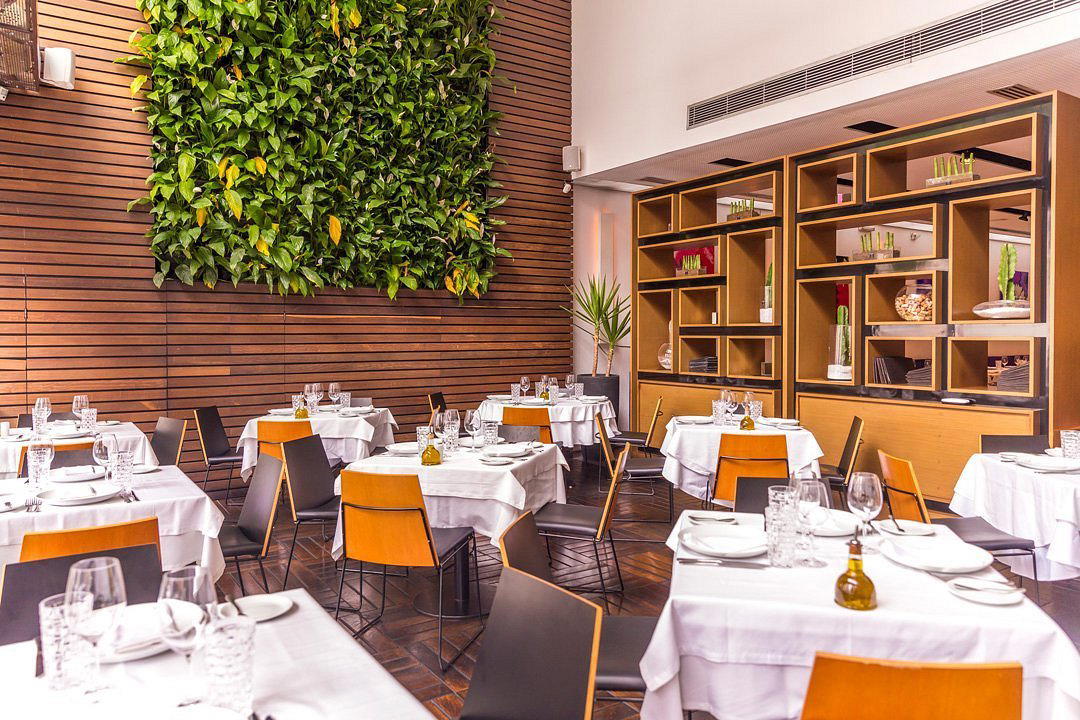
Sophisticated eatery with tropical décor, art and music
 Discover on Pearl
Pearl is the En Primeur Club membership app — saves, bookings, and concierge access live there. Same editors, same standards.
- Address
- R. Bela Cintra, 1929 - Cerqueira César, São Paulo - SP, 01415-007, Brazil
- Phone
- +551134733273
- Website
- jam.com.br
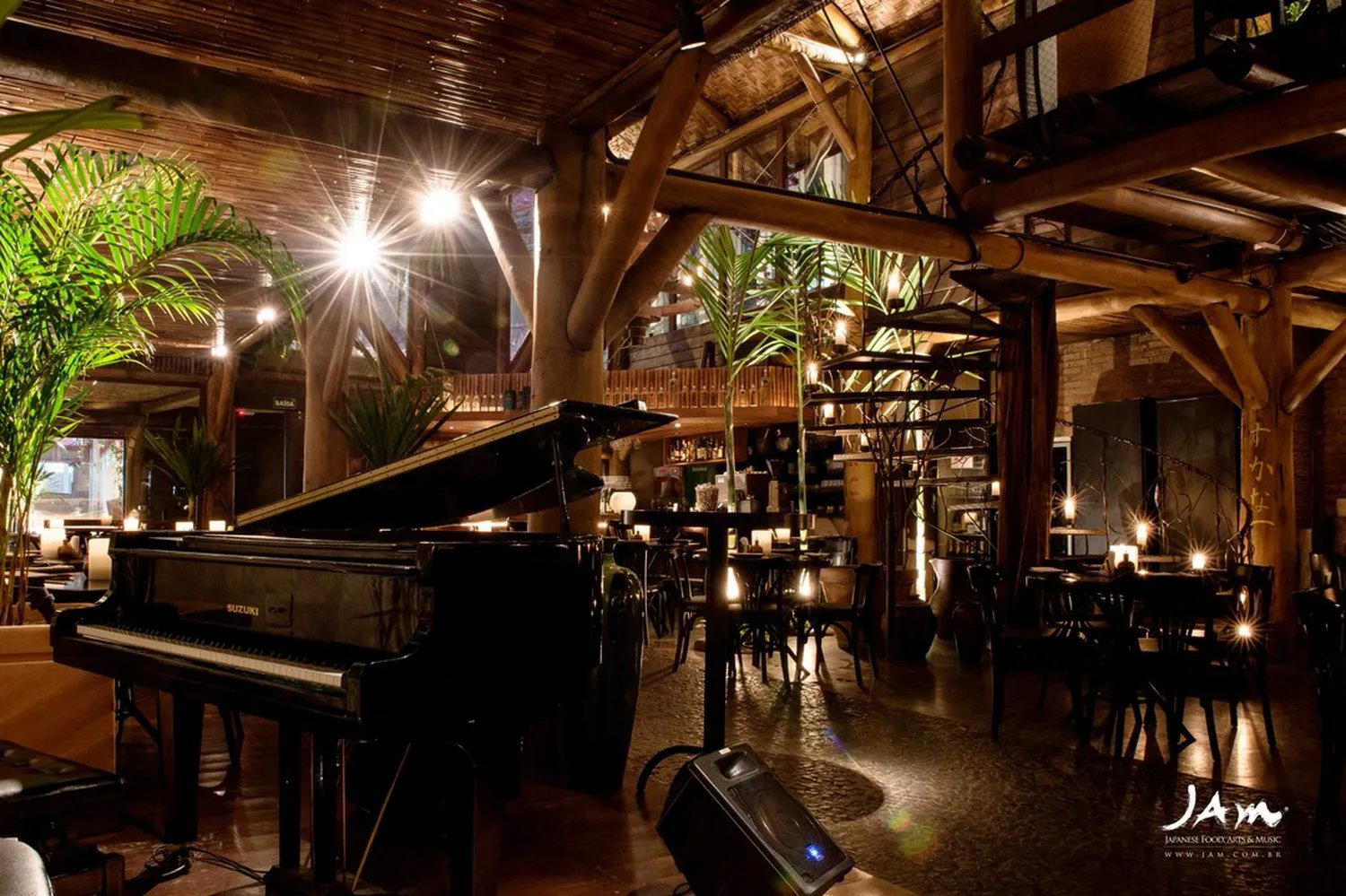
Japanese Dining in Jardins: Reading the Room
Cerqueira César sits at the quieter, residential edge of Jardins, where the grid of low-rise buildings and plane-tree-lined streets creates a different register from the louder commercial blocks further south. R. Bela Cintra is the kind of address where you notice the absence of neon before you notice anything else. The approach to Jam Jardins Japanese Cuisine is, in that sense, consistent with the dining style that São Paulo's more considered Japanese restaurants have long favoured: understated entry, interior focus, the suggestion that what matters happens inside.
São Paulo carries one of the largest Japanese diaspora communities outside Japan, a demographic reality that has shaped the city's Japanese restaurant sector into something more internally differentiated than most international cities can sustain. There is a clear tier structure here. At the upper end, counters such as Jun Sakamoto set the benchmark for omakase seriousness in the city. Below that, a broader mid-range operates across sushi bars, izakaya-format rooms, and neighbourhood Japanese that range from serviceable to genuinely precise. Jam Jardins sits within this ecosystem, on Bela Cintra in one of the neighbourhoods where São Paulo's appetite for Japanese food has historically been most consistent.
What the Menu Architecture Reveals
The way a Japanese restaurant organises its menu tells you almost everything about its identity and its intended audience. At one end of the spectrum, a menu built around omakase sequencing signals a kitchen committed to pacing, seasonal calibration, and the kind of guest who cedes control to the chef. At the other, a menu that covers sushi, teriyaki, gyoza, udon, and tempura in a single document signals a different contract: flexibility, accessibility, something for everyone at the table.
Brazilian-Japanese restaurants across São Paulo have historically navigated this spectrum with considerable fluency, partly because the local Japanese community's relationship with its own culinary tradition is multi-generational and unsentimental. The Liberdade neighbourhood, São Paulo's established Japanese quarter, produced restaurants that served Japanese food adapted to Brazilian ingredient realities long before fusion became a global talking point. What emerged was a cuisine that is neither purely traditional nor consciously hybrid, but pragmatically rooted in what was available and what the local palate recognised.
Within Jardins specifically, Japanese restaurants tend to appeal to a clientele that is more cosmopolitan than community-specific. This shapes menu decisions: broader coverage of the format canon, quality ingredients, and the expectation that a table might include guests with very different reference points for what Japanese food means. A menu structured around accessibility without sacrificing precision is a deliberate editorial choice, not a default.
Jardins and the São Paulo Restaurant Context
Understanding where Jam Jardins sits requires some orientation within São Paulo's wider restaurant geography. Jardins and its sub-neighbourhoods, Jardim Paulista, Jardim América, and Cerqueira César among them, represent the city's most consistently premium dining address. The concentration of Michelin-recognised restaurants in this zone is notable: D.O.M., Alex Atala's flagship for modern Brazilian cuisine, holds multiple Michelin stars and operates on R. Barão de Capanema nearby. Evvai, Luiz Filipe Souza's contemporary Italian-inflected operation, and Maní, Helena Rizzo's Brazilian-international creative kitchen, further demonstrate the density of serious cooking in the area. Tuju and Fame Osteria add further range across creative and Italian contemporary formats.
This context matters because it sets guest expectations before they walk in. A Japanese restaurant in Jardins is evaluated against a neighbourhood standard that includes some of Brazil's most discussed kitchens. That comparison is not unfair, it is simply the reality of the address. The Japanese category in this neighbourhood occupies a specific niche: guests who want the cuisine done properly, without necessarily requiring the full omakase commitment that the city's most demanding counters require.
For visitors constructing a broader São Paulo eating itinerary, the EP Club full São Paulo restaurants guide maps the category spread across the city, including options at different price points and formats. Those planning wider Brazilian itineraries might also reference Lasai in Rio de Janeiro for comparison against Rio's more restrained, produce-driven approach to fine dining. Further afield in Brazil, Bistro Fitz Carraldo in Manaus and Cantina Pozzobon in Santa Maria represent the country's regional restaurant breadth. Internationally, those who measure Japanese restaurants against the highest global benchmarks will have New York references in mind: Le Bernardin and Atomix both represent the kind of long-form tasting precision that São Paulo's leading Japanese counters aspire to match in their own idiom.
Planning a Visit
Jam Jardins Japanese Cuisine is located at R. Bela Cintra, 1929, Cerqueira César, São Paulo. The address is accessible from the Consolação metro station and sits within the core Jardins dining district, making it direct to combine with pre or post-dinner movement through the neighbourhood. Given the concentration of restaurants in the area, weekday evenings tend to allow more flexibility than weekend bookings. For reservation specifics, booking policies, current hours, and menu details, contacting the restaurant directly through current local listings is advisable, as operational details for São Paulo's mid-market restaurant sector change seasonally.
Those exploring São Paulo's broader dining range beyond Jardins might also consider Aero Burguer e Grill in Santa Cruz do Sul, Arte e Café Imperial in Angra dos Reis, Casa da Dika in Bragança, Casa da Flor in Dourados, Casa da Picanha Penedo in Itatiaia, Famosa Pizza in Ribeirão Preto, and Fornazzo Pizzaria in Passo Fundo for a wider cross-section of Brazilian regional dining.
Accolades, Compared
Comparable venues nearby, for context on price, style, and recognition.
| Venue | Cuisine | Price | Awards | Notes |
|---|---|---|---|---|
| Jam Jardins Japanese CusineThis venue — the venue you are viewing | Japanese Fusion | $$$ | , | |
| Djapa Moema | Modern Japanese Rodízio | $$$ | , | Moema |
| By Koji | Japanese Sushi and Seafood | $$$$ | , | Morumbi |
| Altruísta Osteria e Enoteca | Italian Osteria with Wine Focus | $$$ | , | Jardim Paulista |
| TAN TAN | Modern Japanese Chuka Noodle Bar | $$ | , | Pinheiros |
| Nakka Jardins | Modern Japanese Omakase | $$$ | , | Jardim Paulista |
Continue exploring
More in São Paulo
Restaurants in São Paulo
Browse all →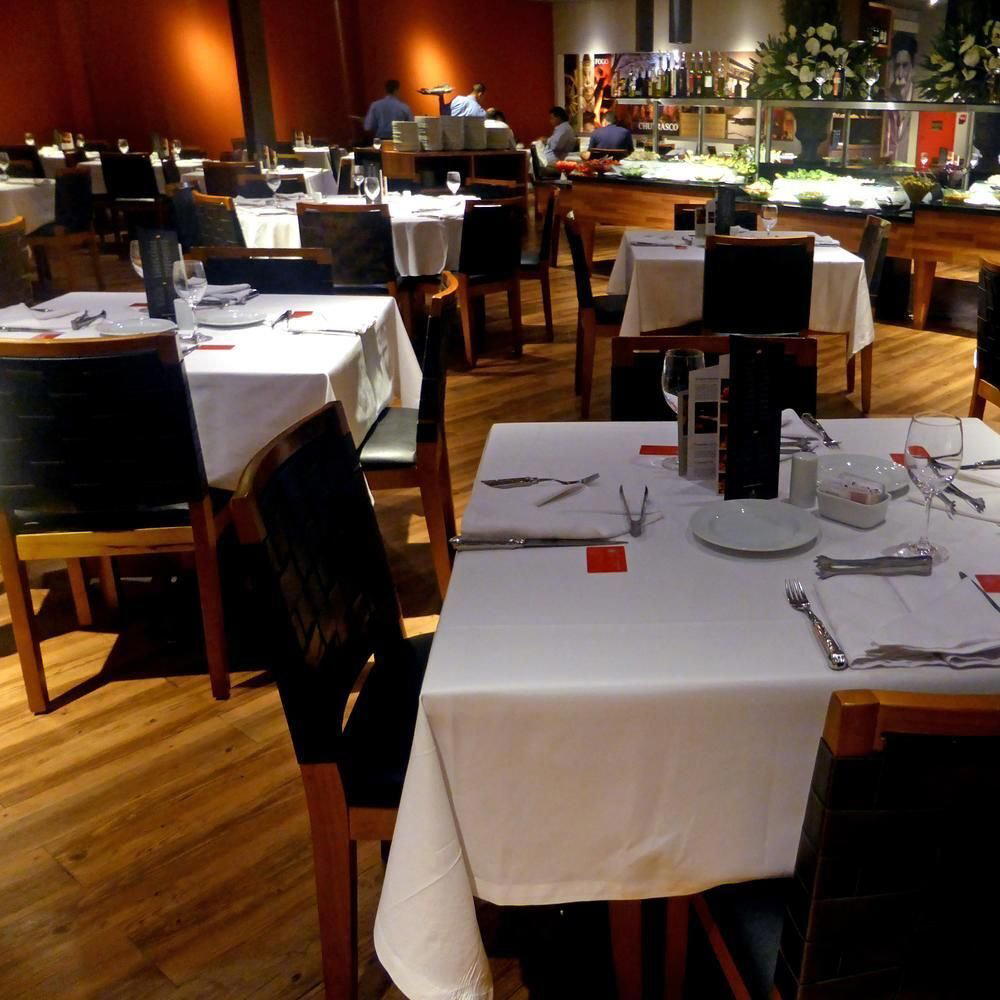
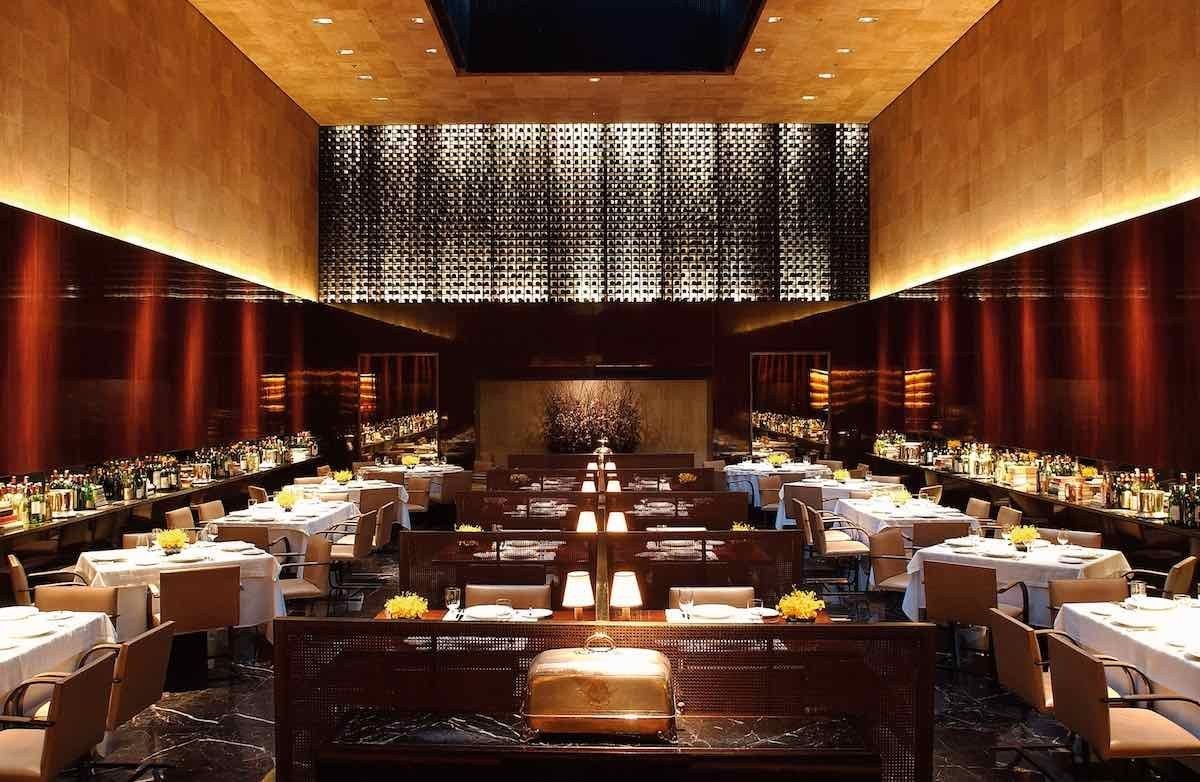
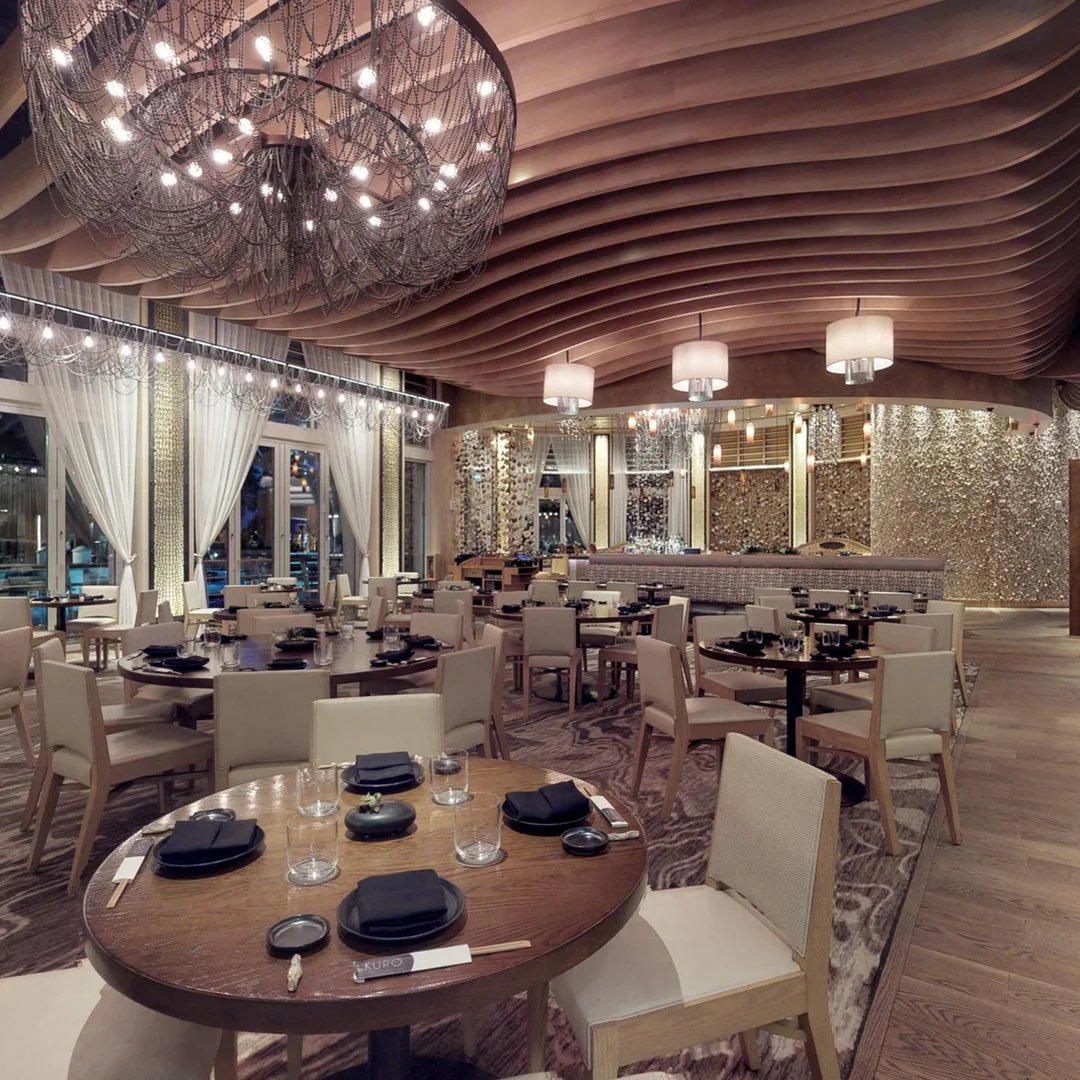
Bars in São Paulo
Browse all →




At a Glance
- Cozy
- Elegant
- Lively
- Sophisticated
- Date Night
- Special Occasion
- Live Music
- Open Kitchen
- Sake Program
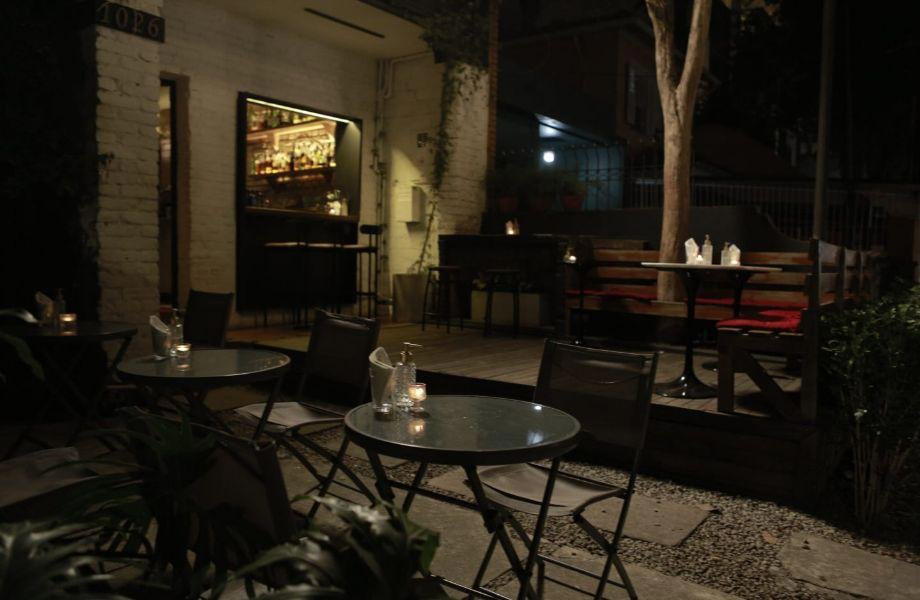
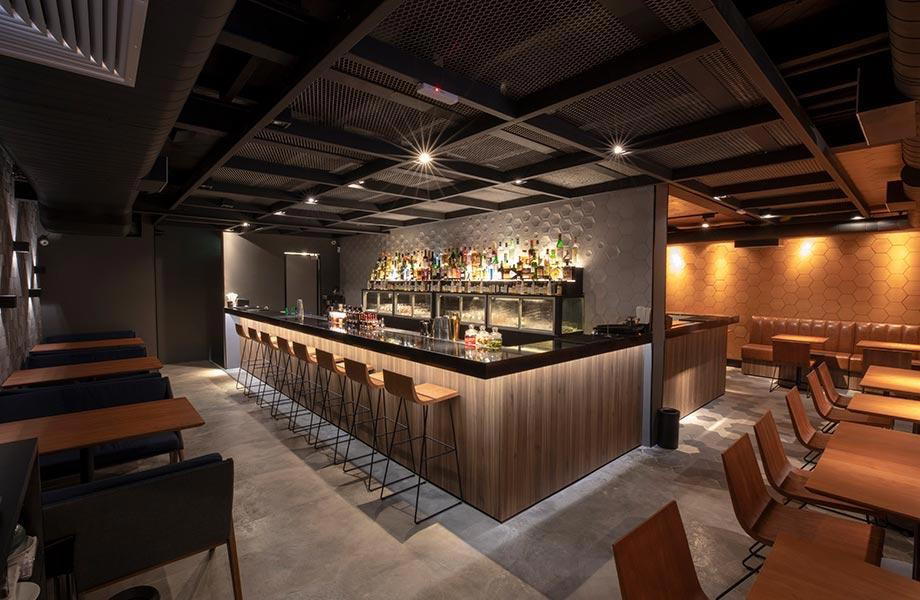
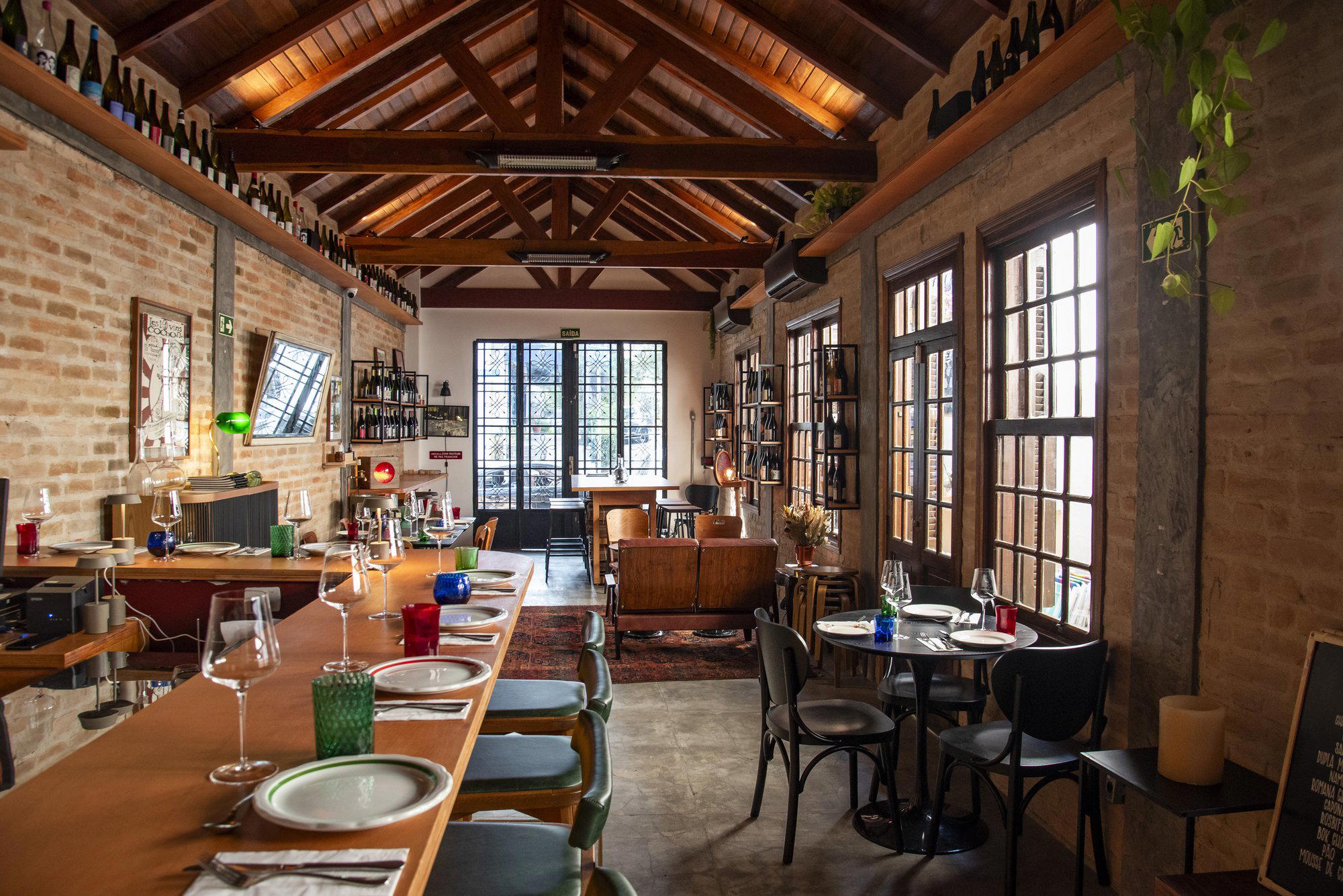
Cozy and charming with elegant decor, wood elements, ambient lighting, and live acoustic music that creates an enchanting yet sometimes noisy atmosphere during peak times.