Der Rebenhof – Hartmut Aubell

Falstaff Winery - Listed
A small biodynamic winery in Ehrenhausen, Der Rebenhof – Hartmut Aubell belongs to South Styria’s quieter, more textural side: estate vineyards, skin-contact whites, wild-yeast fermentations and a rural terrace atmosphere rather than polished cellar-door theatre. The draw is terroir expression through Weißburgunder and other still white, orange and skin-contact wines shaped by certified biodynamic farming.

Pearl is the En Primeur Club membership app — saves, bookings, and concierge access live there. Same editors, same standards.
- Address
- Ehrenhausen, Southern Styria, Styria, Österreich
- Directions
- Get directions

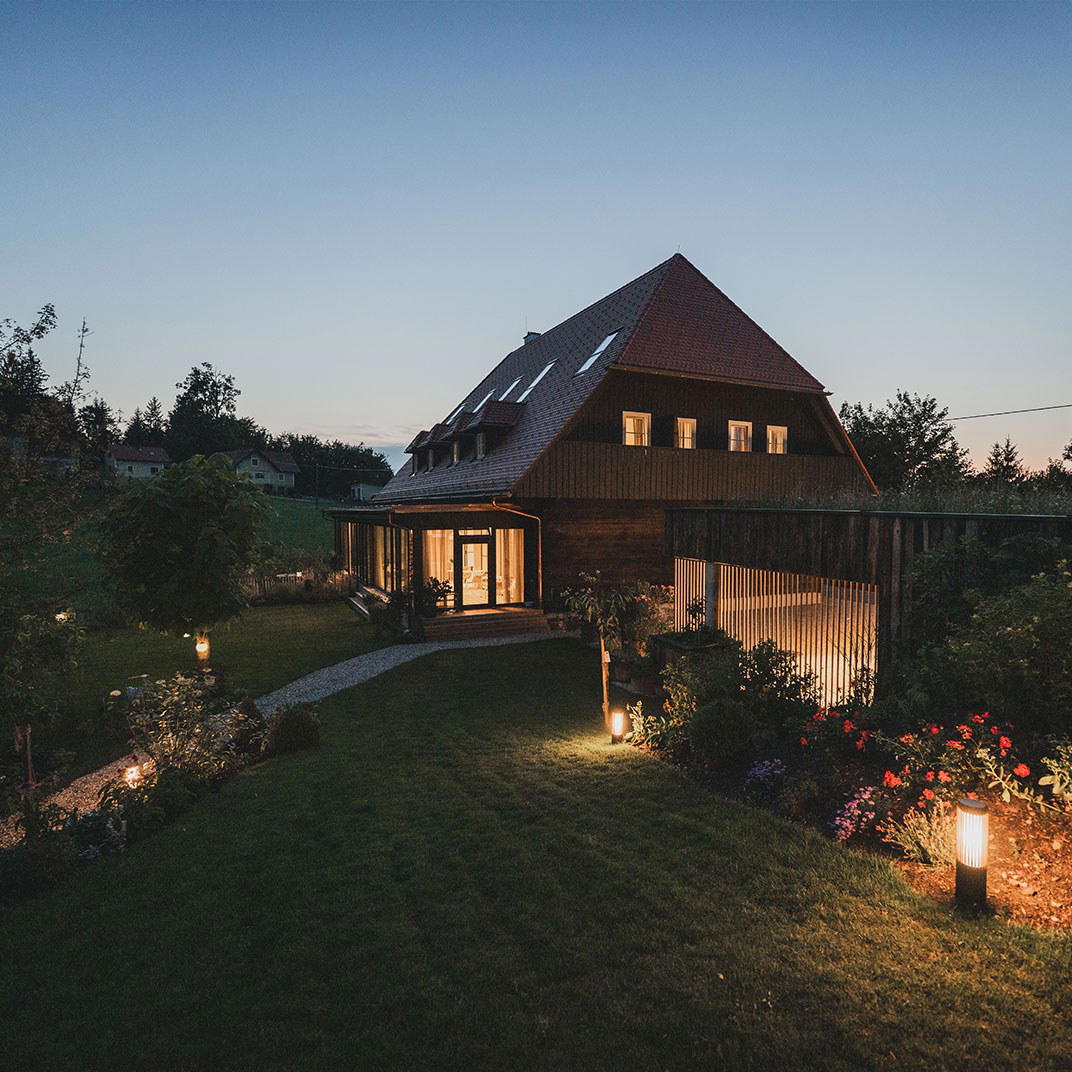
Approaching the South Styrian wine hills around Ehrenhausen, the cues are agricultural before they are architectural: vineyard rows, open slope, quiet air, and the Slovenian border close enough to make the region feel less like a sealed Austrian postcard than a working cross-border wine zone. In that setting, Der Rebenhof fits the smaller, lower-gloss end of the local cellar-door spectrum, where the point is not design theatre but what biodynamic farming, skin contact and cool-climate ripening can do to white wine structure.
South Styria’s reputation rests heavily on aromatic whites, with Sauvignon Blanc often taking the public spotlight. The more interesting question for serious drinkers is texture: how much grip, breadth and bottle development can the region build without losing its clean line of acidity? Der Rebenhof – Hartmut Aubell answers from a compact estate scale, with roughly 9.5 to 9.6 hectares under vine and a production style focused on still white, orange and skin-contact wines. Weißburgunder appears in the varietal mix, but the broader story is the region’s ability to turn white grapes into wines with tannin, length and a more contemplative pace.
South Styrian soil, biodynamics and the case for texture
The estate’s farming moved to certified biodynamics in 2013, a meaningful date in a region where sustainable viticulture has become part of the premium conversation rather than an afterthought. Biodynamics matters here less as a label than as a farming system built around soil vitality, biodiversity and vineyard resilience. In South Styria, where cool Alpine influence meets warmer Pannonian air, that approach gives growers a framework for preserving acidity while chasing full ripeness.
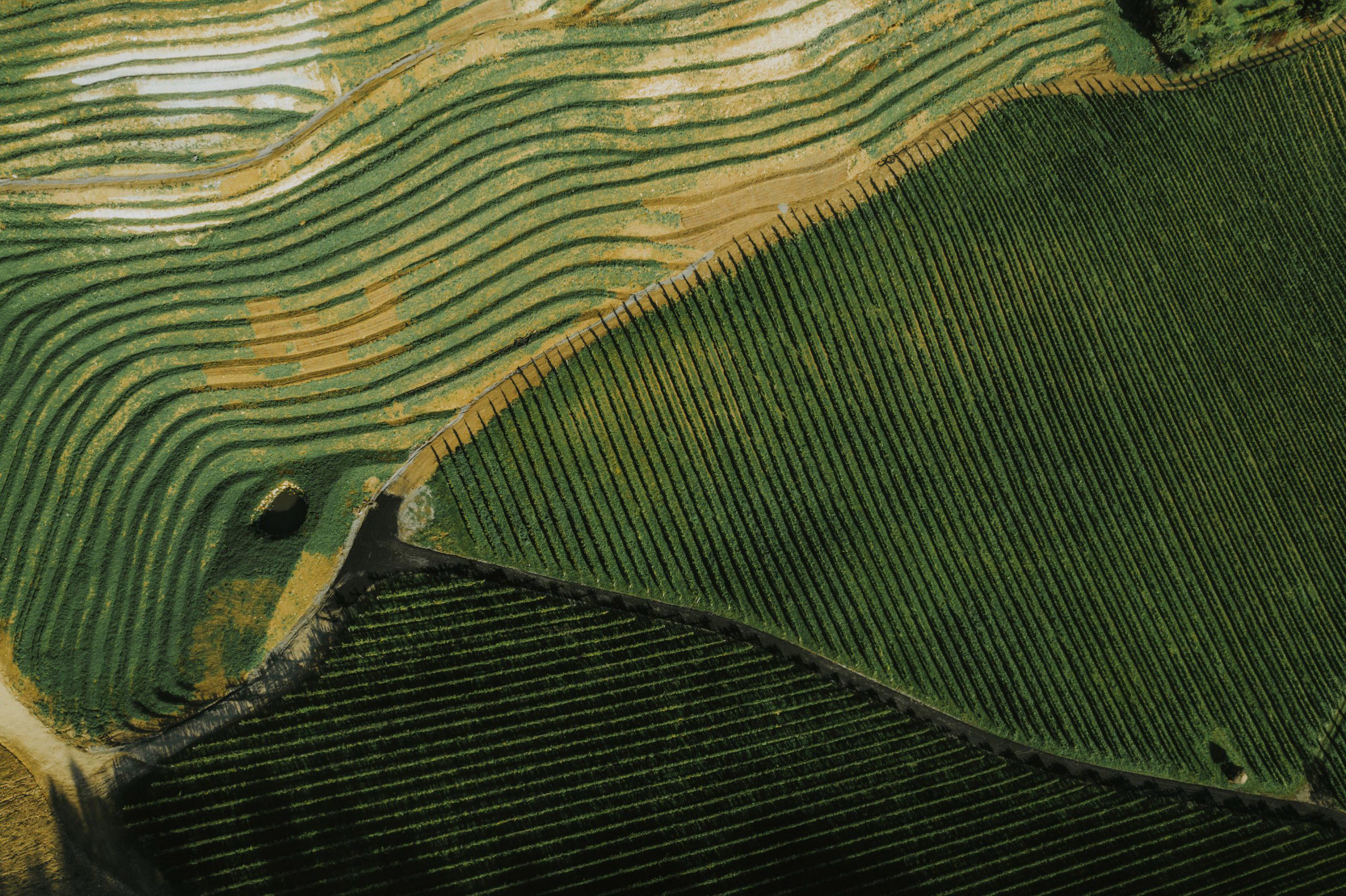
The land around Ehrenhausen is not a neutral backdrop. Sand, silt and gravel soils are part of the estate’s identity, and those well-drained profiles suit wines that rely on precision rather than weight. In practical wine terms, this is the difference between a white that exists mainly as fruit and one that carries phenolic shape. Hartmut Aubell is associated with extended Maischestandzeit, the Austrian term for prolonged skin contact before fermentation. For white grapes, that choice can add grip and aromatic breadth; for anyone used to stainless-steel, early-release whites, it changes the conversation from freshness alone to structure.
That emphasis also places the winery inside Austria’s natural-wine and low-intervention current without reducing it to fashion. Wild-yeast fermentation, zero-sulfur production noted in the estate’s positioning, and long aging all point toward wines that ask for patience. This is not the lane for drinkers who want simple, fruit-forward pours and immediate clarity. It is better suited to those who read white wine through texture, soil and time in bottle.
A small estate format, not a polished wine-tour machine
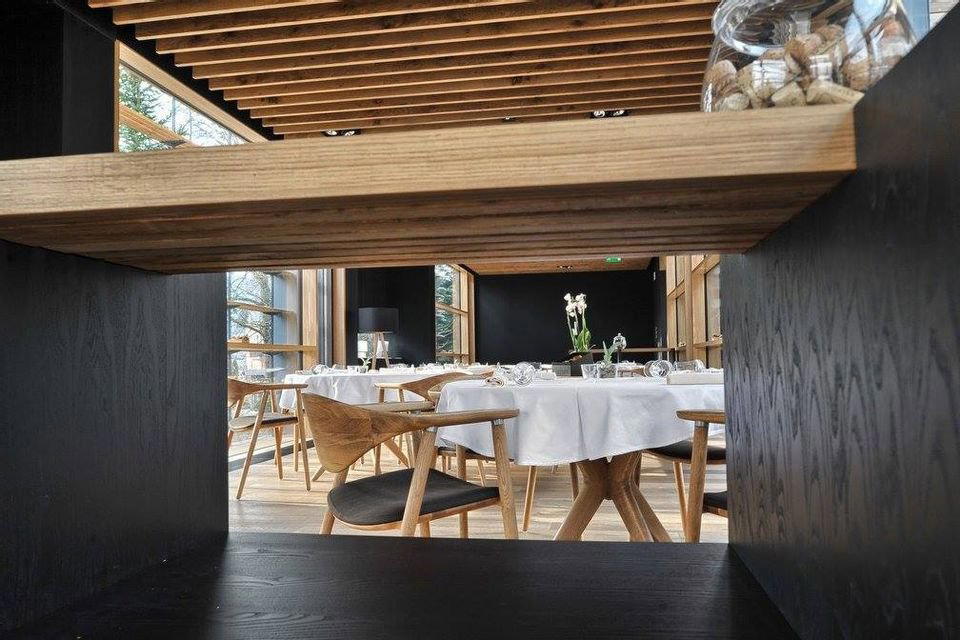
The experience is described in unusually restrained terms: scenic, rustic, quiet and intimate. That matters. Premium wine travel has split into two different formats, large-scale hospitality with polished rooms and fixed programming, and smaller estate visits where the vineyard is the main piece of interpretation. This winery belongs to the second category. The setting is rural and unpretentious, with simple on-site tasting areas, terrace space and vineyard views doing more of the work than interiors or spectacle.
The tasting formats include bar, seated and vineyard options, which gives the visit a more flexible rhythm than a single formal flight. The estate is also marked by a small capacity tier, outdoor seating, quiet noise level and on-site parking. Those details point to a visit built around attention rather than throughput: vineyard context, production method, and the patience required by skin-contact styles. Groups are suitable here, but the stronger fit is a wine-education outing, a solo tasting, or a low-key rural stop where conversation can stay close to farming and cellar practice.
Hartmut Aubell’s role should be read as a credential rather than a personality myth. The Austrian wine community’s “Master of Tannins” shorthand around him is useful because it describes the technical distinction: tannin management in white and orange wines, not just power in reds. The estate’s reputation as a leading biodynamic operation in Südsteiermark adds another trust signal. A gold medal for a Kriecherlschnaps also shows craft beyond wine, though the estate’s core identity remains firmly vineyard-led.
How to place it in an Ehrenhausen wine itinerary
For planning, the key is to treat Der Rebenhof as a specialist stop rather than a generic scenic tasting. The price level sits in the accessible middle tier, dress is casual, payment can be made by cash or card, and visits are recommended by reservation. Food pairing is not part of the format, and the estate is not positioned around a wine club or shipping program. Those details make it more useful as an in-person South Styrian vineyard experience than as a polished retail operation for remote collecting.
Within Ehrenhausen, it pairs naturally with a wider wine-focused day rather than a single-stop detour. Readers building a local route can use Our full Ehrenhausen wineries guide for the broader field, then compare nearby cellar-door formats through Erzherzog Johann Weine, Ewald Zweytick Wein, Familienweingut Tement and KulturWeingut Kästenburg. For the rest of the trip, the city pages for Ehrenhausen restaurants, Ehrenhausen hotels, Ehrenhausen bars and Ehrenhausen experiences help keep the day from becoming a series of disconnected tastings.
As a reference point beyond South Styria, EP Club’s winery index also stretches from Austria to international producers, including »der Steiner« Hans Steiner in Podersdorf am See, ®walzer in Gneixendorf Bei Krems, 1516 Brewing Company Distillery in Vienna, & Handwein in Mannheim and 00 Wines in Carlton. The value of Der Rebenhof is narrower and more specific: a quiet South Styrian estate where biodynamic farming and skin contact make the local white-wine tradition feel more textural, slower and more soil-driven.
Recognition history
Dated appearances from independent guides and award organizations, with the underlying list record or original source where available.
Falstaff Winery - Listed
Falstaff
Continue exploring
More in Ehrenhausen
Wineries in Ehrenhausen
Browse all →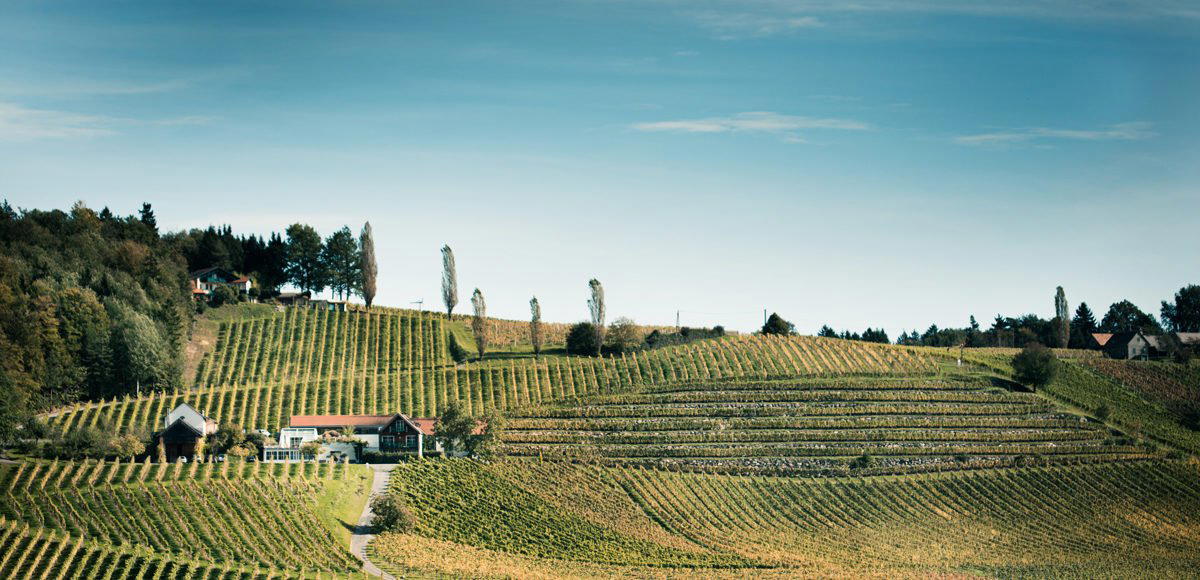
Bars in Ehrenhausen
Browse all →
Restaurants in Ehrenhausen
Browse all →
Details
- Scenic
- Rustic
- Quiet
- Intimate
- Romantic Getaway
- Group Outing
- Solo Exploration
- Wine Education
- Estate Grounds
- Vineyard Tour
- Panoramic View
- Terrace
- Biodynamic
- Vineyard
- Mountain
- Weißburgunder
- Still White
- Orange
- Skin Contact
- Bar Tasting
- Seated Tasting
- Vineyard Tasting
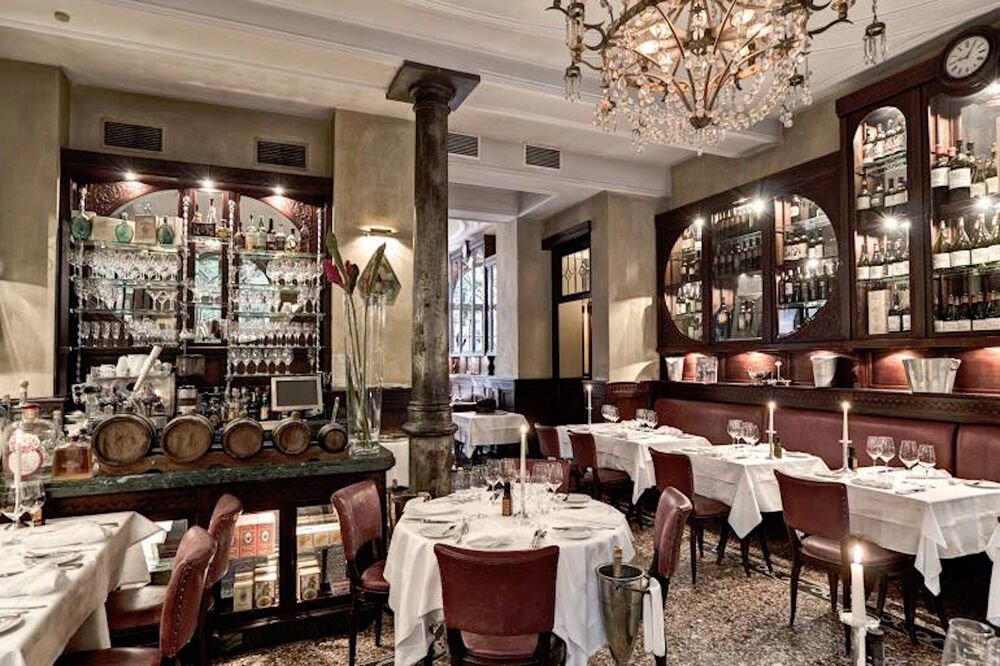
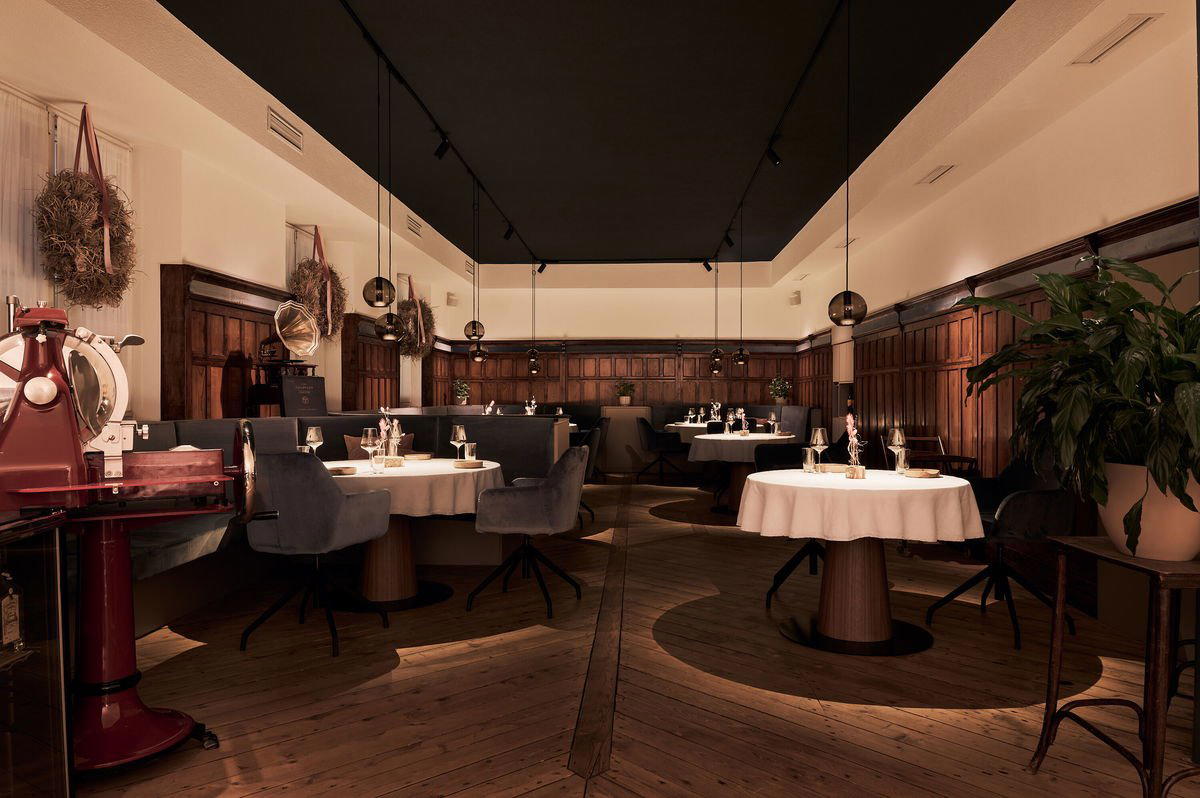
Relaxed and unpretentious South Styrian winery atmosphere focused on natural, low-intervention wines rather than flashy design, with a rural feel shaped by estate vineyards and the surrounding landscape.