
Michelin Bib Gourmand
Our verdict
Philipp Marko and chef Lukas Fürk run this understated modern restaurant Gamlitz, prioritising locally sourced ingredients and care-driven comfort cooking. A five-course tasting menu and a three-course lunch set anchor the offer, alongside an à la carte selection and a wine list with notable regional depth.

Pearl is the En Primeur Club membership app — saves, bookings, and concierge access live there. Same editors, same standards.
- Address
- Kirchengasse 145, Gamlitz, Steiermark, 8462, AUT
- Phone
- +43 664 1905496
- Website
- weinkehr.at
- Directions
- Get directions
The menu
What to order
- Homemade crackling dumplings with paprika-flavoured Welschriesling cabbage
- Topfenknödel (Austrian curd dumplings)
- Seasonal goose dishes
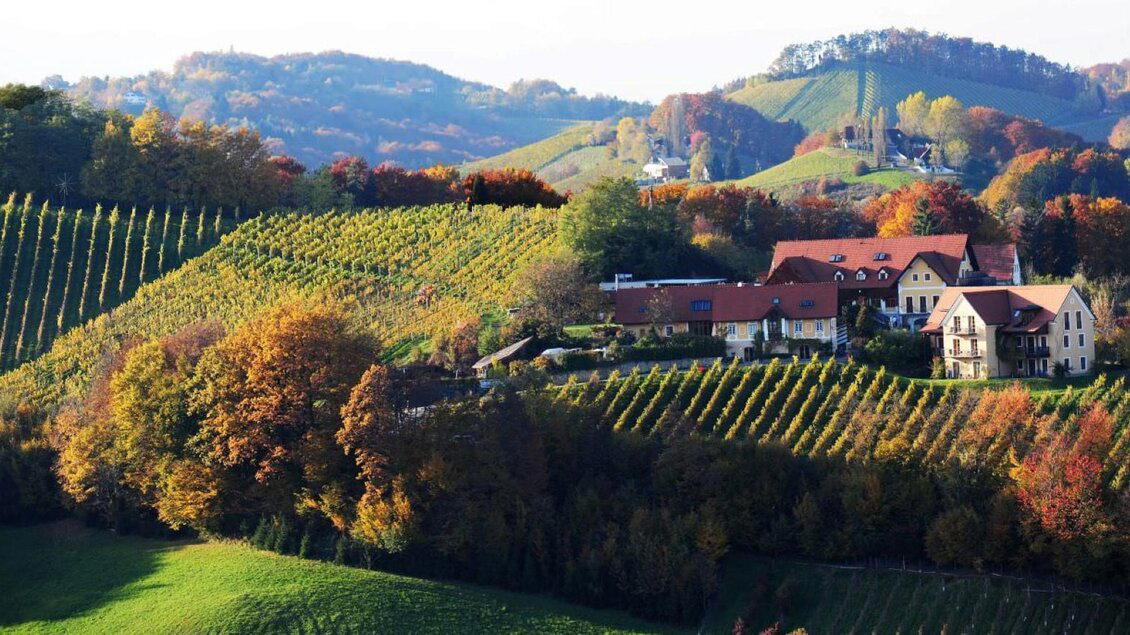
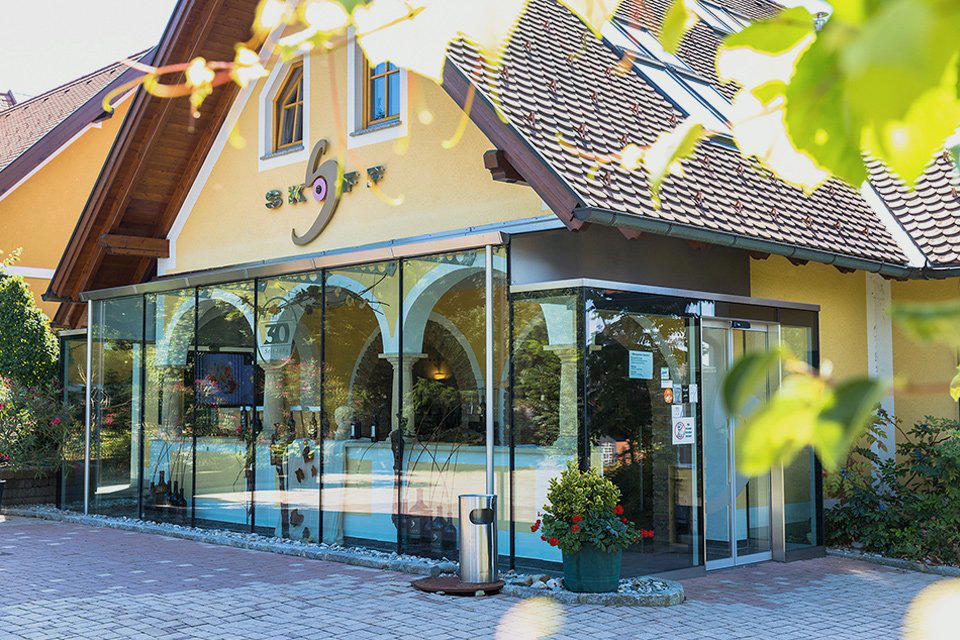
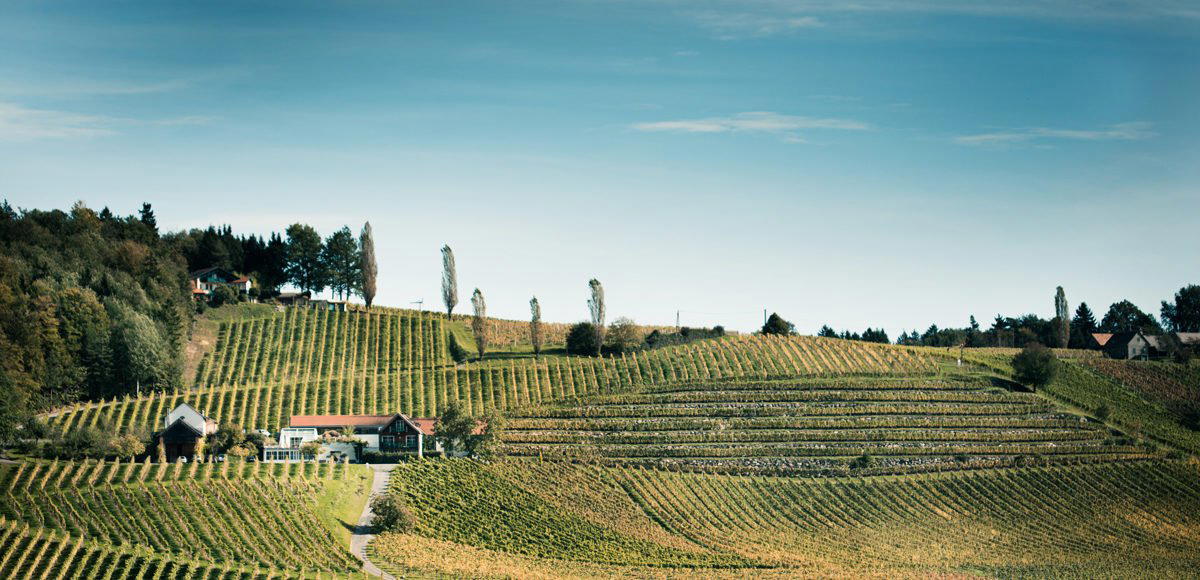
Gamlitz sits in the centre of Styria's Südsteiermark wine country, where winemakers and chefs draw on the same hillside microclimates and farm networks. The dining scene here divides between estate-attached restaurants, where the cellar drives the menu, and independent kitchens that curate wine and ingredients from across the region. Weinkehr occupies the second category, operating as a standalone restaurant with a wine list that reaches beyond a single producer's portfolio and a sourcing strategy that prioritises proximity over pedigree. Co-owner Philipp Marko handles the front of house and wine selection; chef Lukas Fürk leads the kitchen with a comfort-food approach that foregrounds technique over conceptual flourish. The restaurant sits on Kirchengasse, Gamlitz's central street, in a modern building with clean lines and a shaded terrace that operates in summer.
The food and sourcing framework
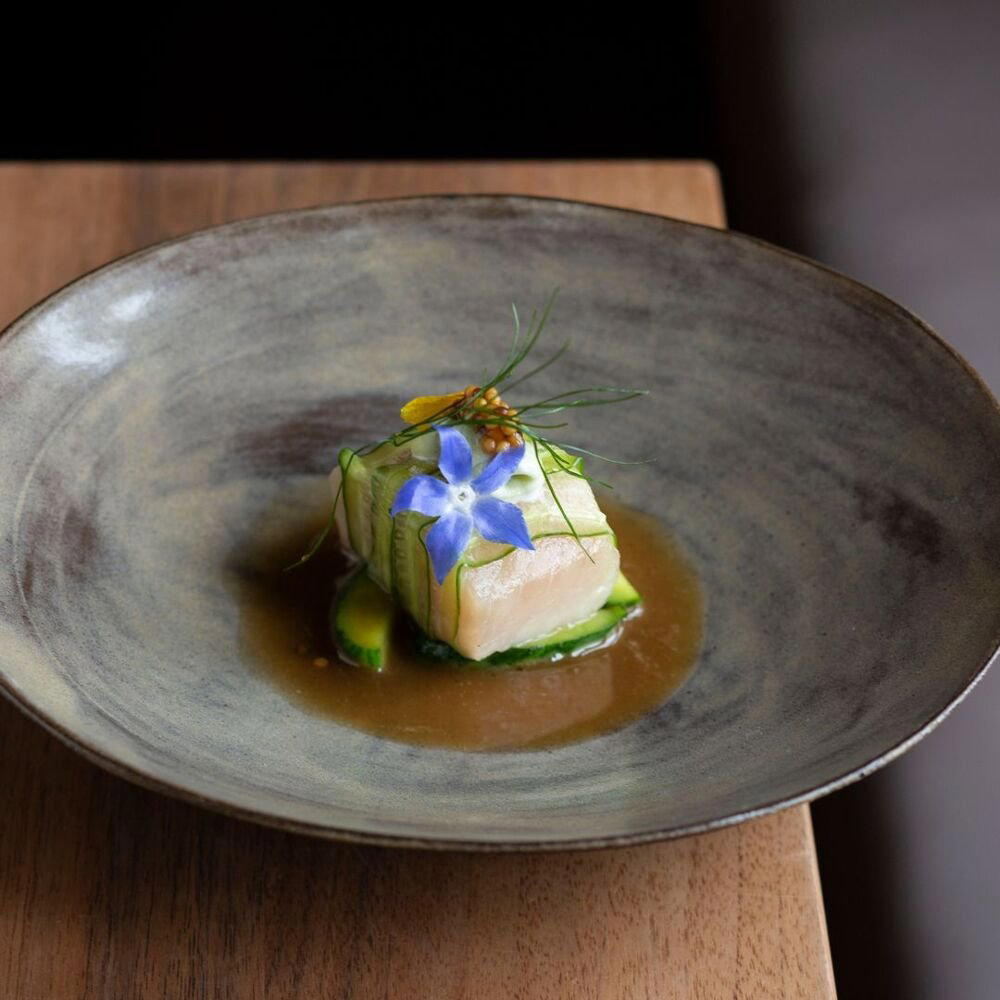
Fürk's menu centres on ingredients grown or raised within a tight radius of the restaurant. Vegetables arrive from farms in the Sausal hills; pork and beef come from nearby cooperatives; trout and char are sourced from alpine streams to the west. The kitchen makes staples in-house, sourdough bread, pasta, crackling, and treats them as equal components of the dish rather than accompaniments. The Grammelknödel, a pork-crackling dumpling, appears with Welschriesling-braised cabbage spiced with paprika, a pairing that draws on both Styrian tradition and the region's Hungarian culinary influence. The Weinkehr goulash follows a similar logic: slow-cooked beef, housemade Vienna roll, and a sauce that balances acidity with depth. At the start of the meal, the kitchen serves Esskultur, a small sourdough loaf with whipped butter and smoked bacon, a signal of the restaurant's broader approach, where foundational ingredients receive focused attention.
The menu structure offers three paths. À la carte diners can build their own progression from starters, mains, and desserts; the five-course tasting menu requires the whole table to commit and runs through a pre-set sequence; at lunch, a three-course set menu compresses the format into a shorter, more economical option. Dishes are cooked fresh to order, which extends service time but ensures temperature and texture control at the point of plating. The kitchen does not chase novelty or reinterpret traditional forms; it executes them with precision and adjusts seasonally as ingredient availability shifts.
Wine depth and regional representation
Marko's wine list privileges Styrian producers but includes vertical depth rather than breadth alone. Multiple vintages of Sauvignon Blanc and Welschriesling allow diners to compare ripeness levels and ageing trajectories across the same terroir. The list also stocks orange wines, skin-contact Grauburgunder, and a selection of Austrian reds from Blaufränkisch and Zweigelt. Pricing reflects the region's broader wine market: entry-level bottles start at accessible price points, while aged library wines and single-vineyard selections occupy the upper tier. Marko's service style leans educational without formality; he will walk diners through producer backgrounds, vineyard sites, and vintage characteristics if asked, but does not impose commentary. The pairing strategy for the tasting menu rotates seasonally and includes both classic and experimental matches, Welschriesling with trout, skin-contact Sauvignon with richer vegetable preparations.
The wine programme places Weinkehr in the same tier as Sattlerhof and Emmy im Schloss Gamlitz in terms of cellar ambition, though the latter two operate within estate structures that constrain their lists to single-producer portfolios. Weinkehr's independence allows for a wider selection, but also removes the immediate connection between vineyard and table that defines estate restaurants like Weinrefugium Brolli. For diners prioritising wine exploration over site-specific terroir storytelling, Marko's curated approach offers a more flexible framework.
The room and the terrace
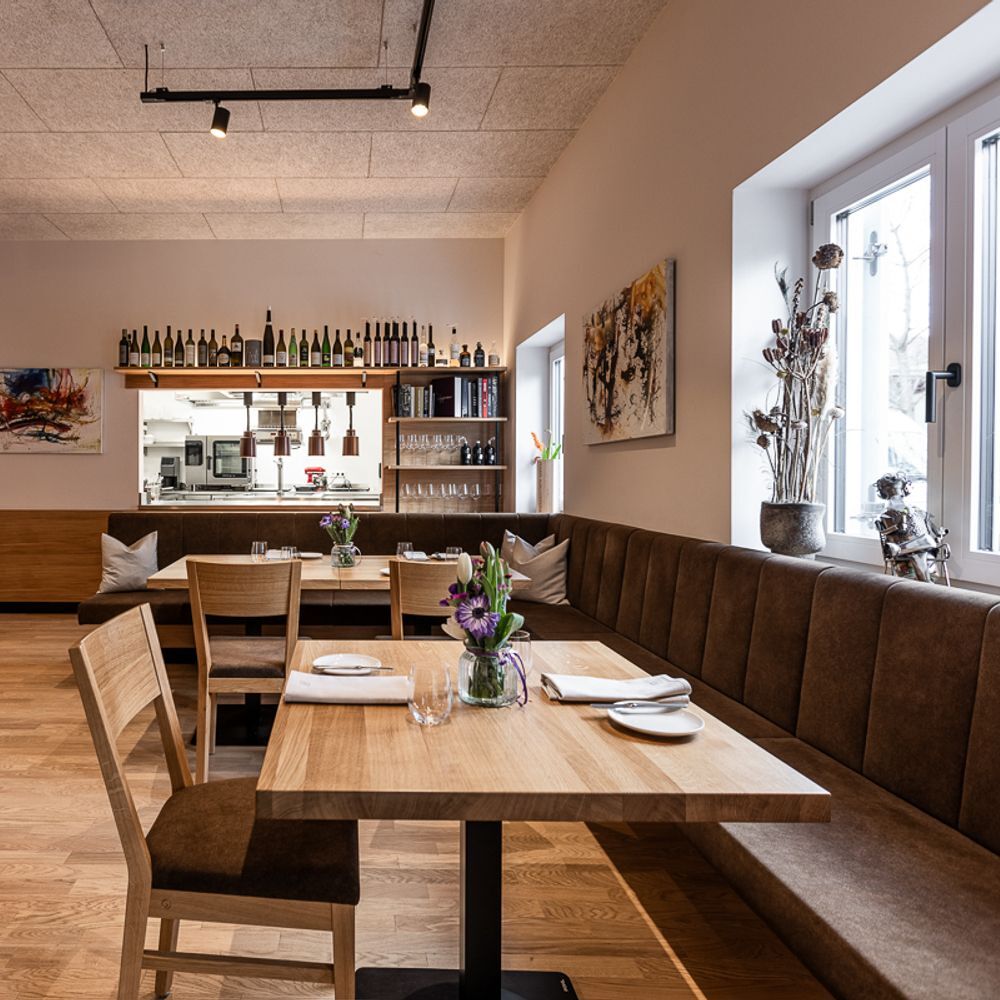
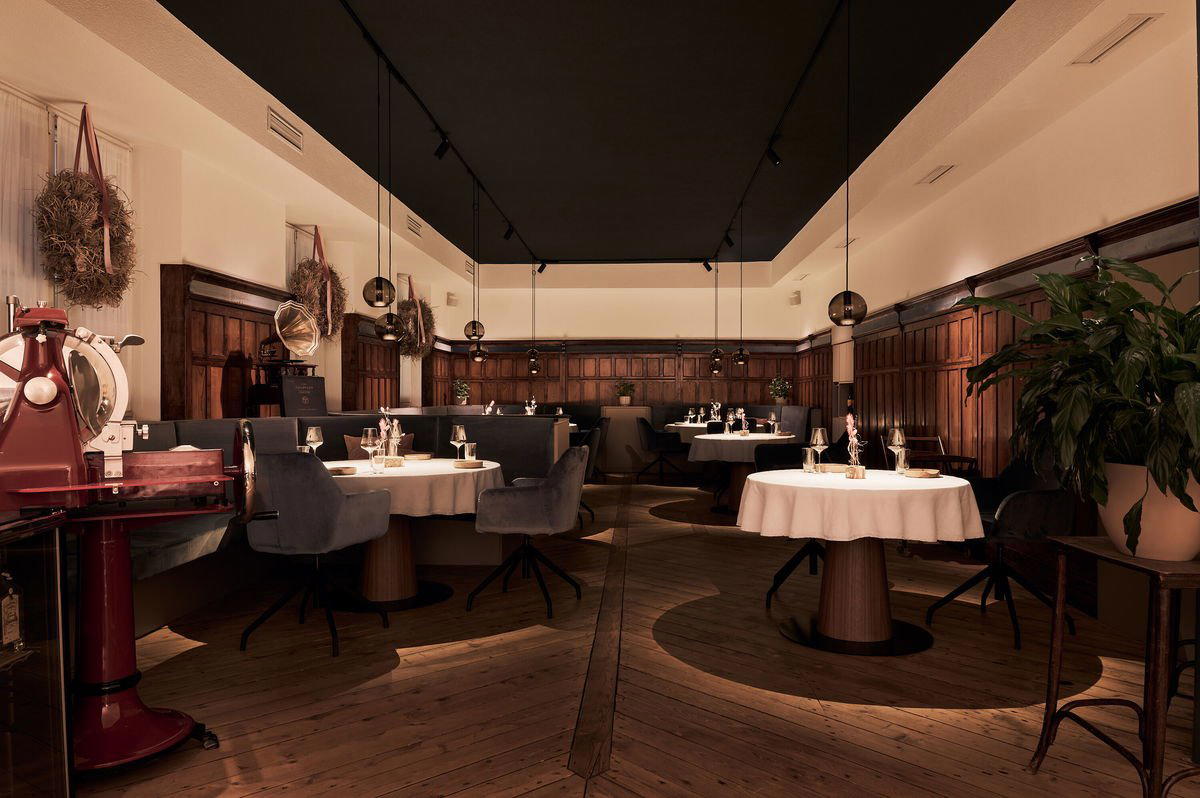
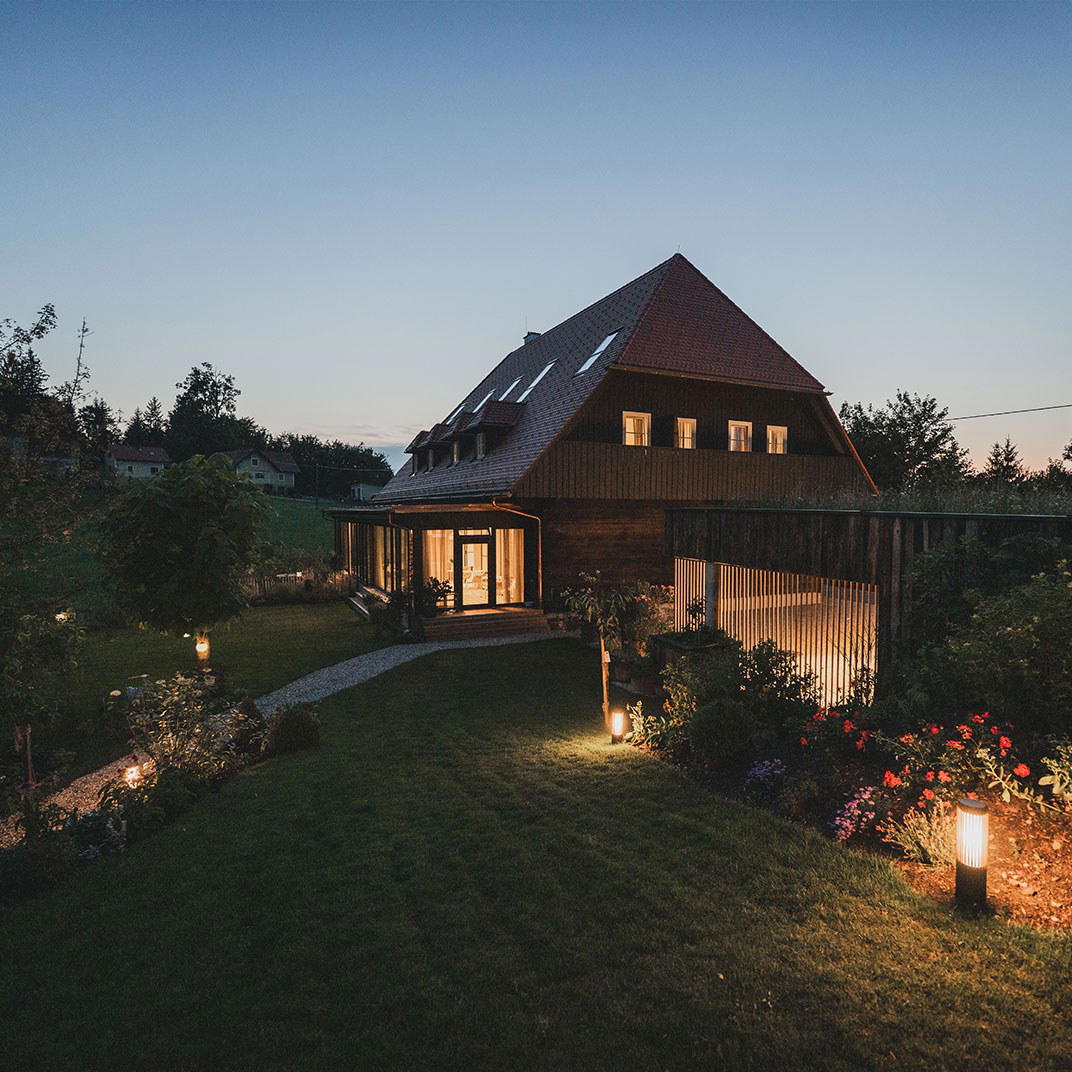
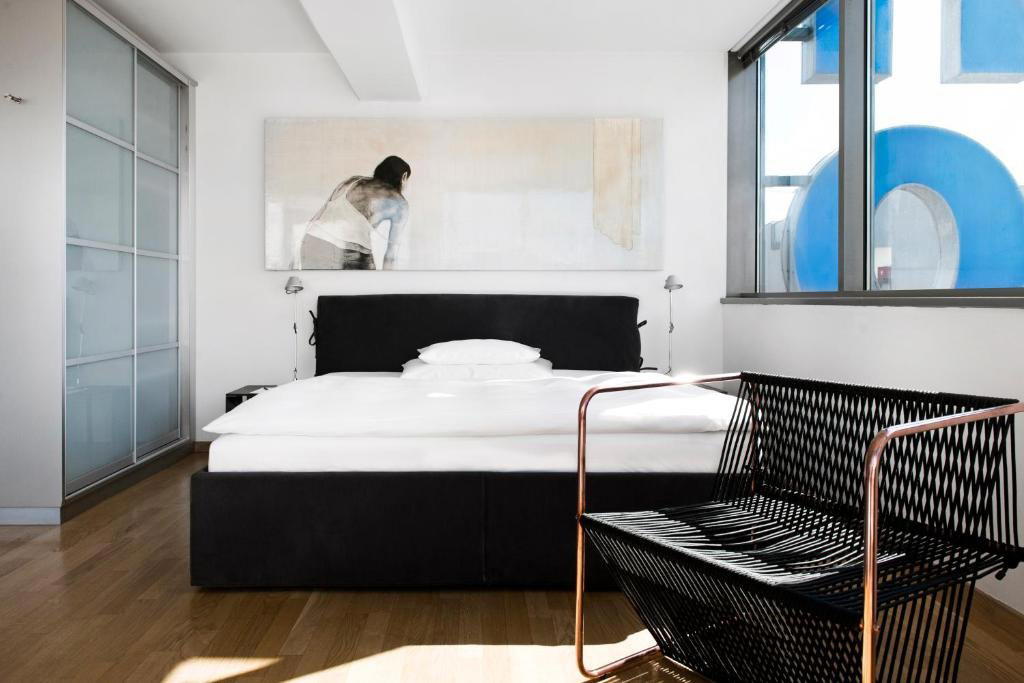
The interior is minimalist: white walls, natural wood tables, restrained lighting, and no decorative clutter. The design prioritises sightlines and acoustics over atmosphere-building; the space reads as functional rather than theatrical. In warm months, the terrace becomes the primary dining zone. Shaded by mature trees and set back from the street, it offers a quieter environment than the interior and aligns with the region's outdoor dining culture. Service moves smoothly between indoor and outdoor zones, and the kitchen maintains the same pacing regardless of location.
Gamlitz's dining landscape also includes Lilli & Jojo, a farm-to-table operation with a lighter price point and a more casual format, and Jaglhof, which leans into wine-estate hospitality. Weinkehr sits between the two: more structured than Lilli & Jojo, less bound to a single producer's identity than Jaglhof. The restaurant does not advertise heavily and relies on regional reputation and word-of-mouth within the Styrian wine community. Its position on Kirchengasse makes it accessible to visitors exploring Gamlitz's restaurant scene on foot, and the terrace provides a natural stopping point during daylight hours.
Marko and Fürk's partnership defines the restaurant's operational rhythm: Marko's hospitality and wine knowledge balance Fürk's kitchen discipline, and both prioritise consistency over experimentation. The restaurant does not chase awards or media attention, but the kitchen's technical competence and the wine list's depth position it as a credible option for diners who understand the region's culinary context. For those exploring Gamlitz's wineries or staying in local accommodations, Weinkehr offers a format that complements cellar visits without requiring estate affiliation.
Frequently asked questions
Is Weinkehr good for families?
The à la carte format and comfort-focused dishes such as Grammelknödel and goulash accommodate varied appetites, though the five-course tasting menu requires whole-table participation. The shaded summer terrace offers more flexibility for groups with children than the minimalist dining room.
What is the atmosphere like at Weinkehr?
White walls, natural wood tables, and restrained lighting create a minimalist interior with clear sightlines and no decorative clutter. The design emphasises calm and acoustic control, while the quiet, shaded terrace in summer provides a softer alternative.
Is Weinkehr Michelin-listed?
Weinkehr has received recognition including: There are two dedicated owners behind this inviting, understated modern restaurant Gamlitz. Philipp Marko embodies genuine hospitality and wine expertise; chef Lukas Fürk puts predominantly locally sourced ingredients front ….
What's the address for Weinkehr?
Weinkehr is located at Kirchengasse 145, Gamlitz, Steiermark, 8462, AUT, Gamlitz.
Do they take walk-ins at Weinkehr?
Given the five-course menu requires advance whole-table commitment and the wine list's vertical depth suggests limited seating, advance contact is advisable before travelling to Gamlitz.
Comparable venues by cuisine and price in the same metro.
| Venue | Cuisine | Price | Awards |
|---|---|---|---|
| WeinkehrThis venue — the venue you are viewing | Modern Austrian comfort food & wine bar | $50–100 | Michelin Bib Gourmand |
| Emmy im Schloss Gamlitz | Styrian Austrian Regional | $30–50 | Not listed |
| Sattlerhof | Michelin-Starred Styrian Fine Dining | Not listed | 1 Michelin Star · Star Wine List |
| Die Weinbank - Wirtshaus | Regional Cuisine | Not listed | Not listed |
| Lilli & Jojo | Regional Styrian Farm-to-Table | Not listed | Michelin Plate · Falstaff Restaurant - 95 Falstaff Points |
Recognition history
Dated appearances from independent guides and award organizations, with the underlying list record or original source where available.
Michelin Bib Gourmand
Michelin
Continue exploring
More in Gamlitz
Restaurants in Gamlitz
Browse all →
Bars in Gamlitz
Browse all →
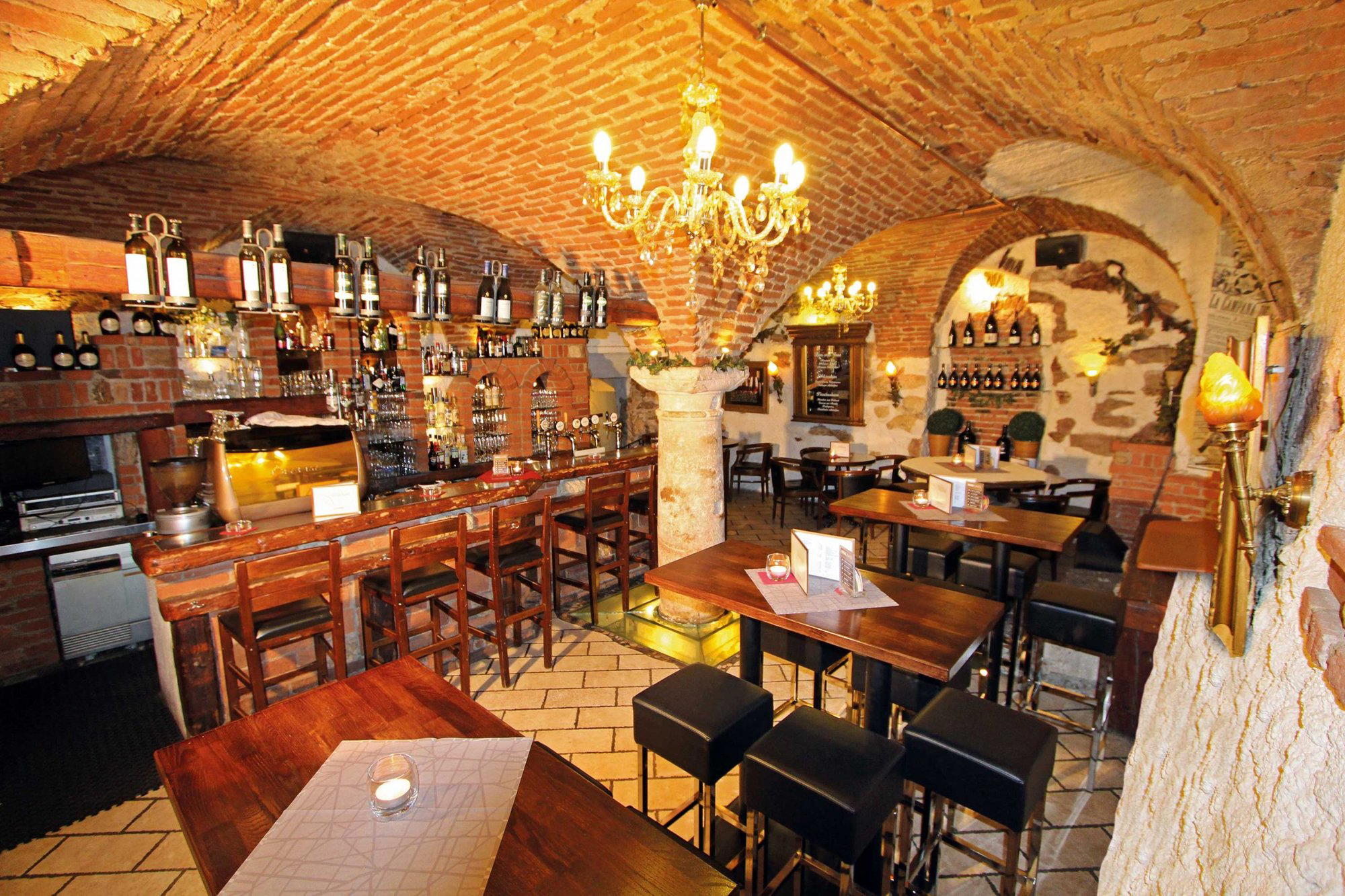
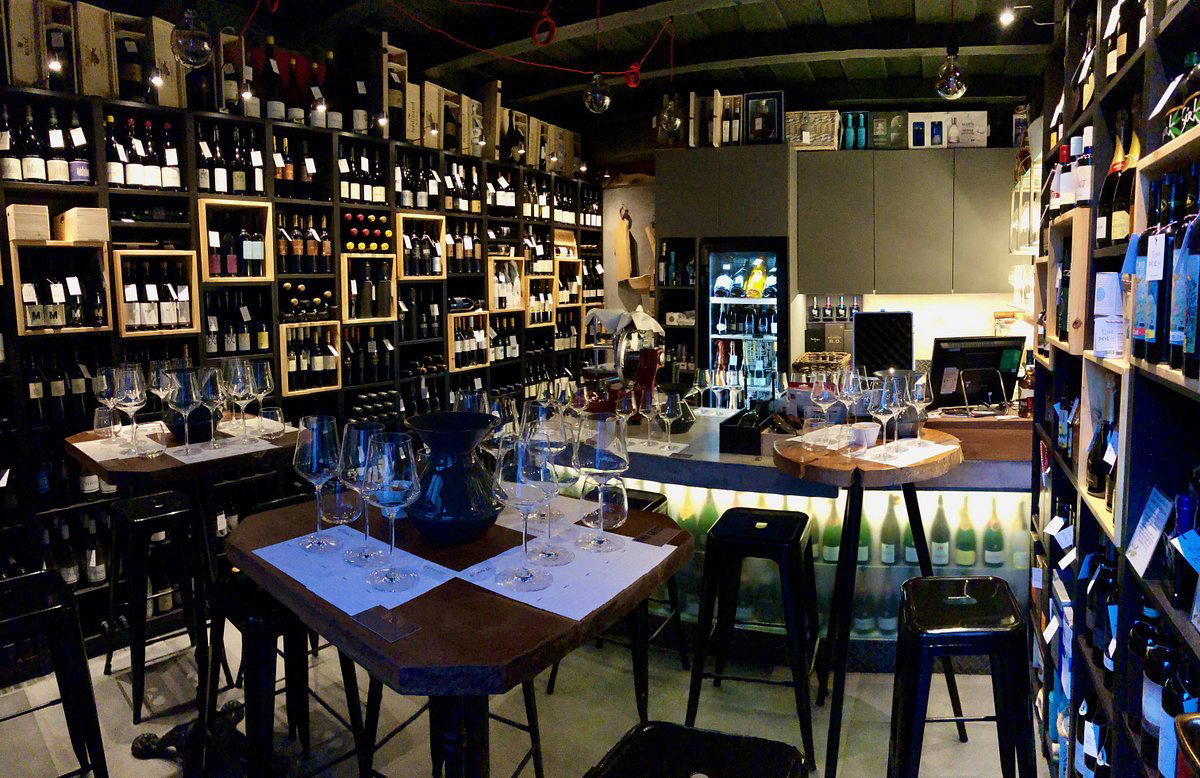
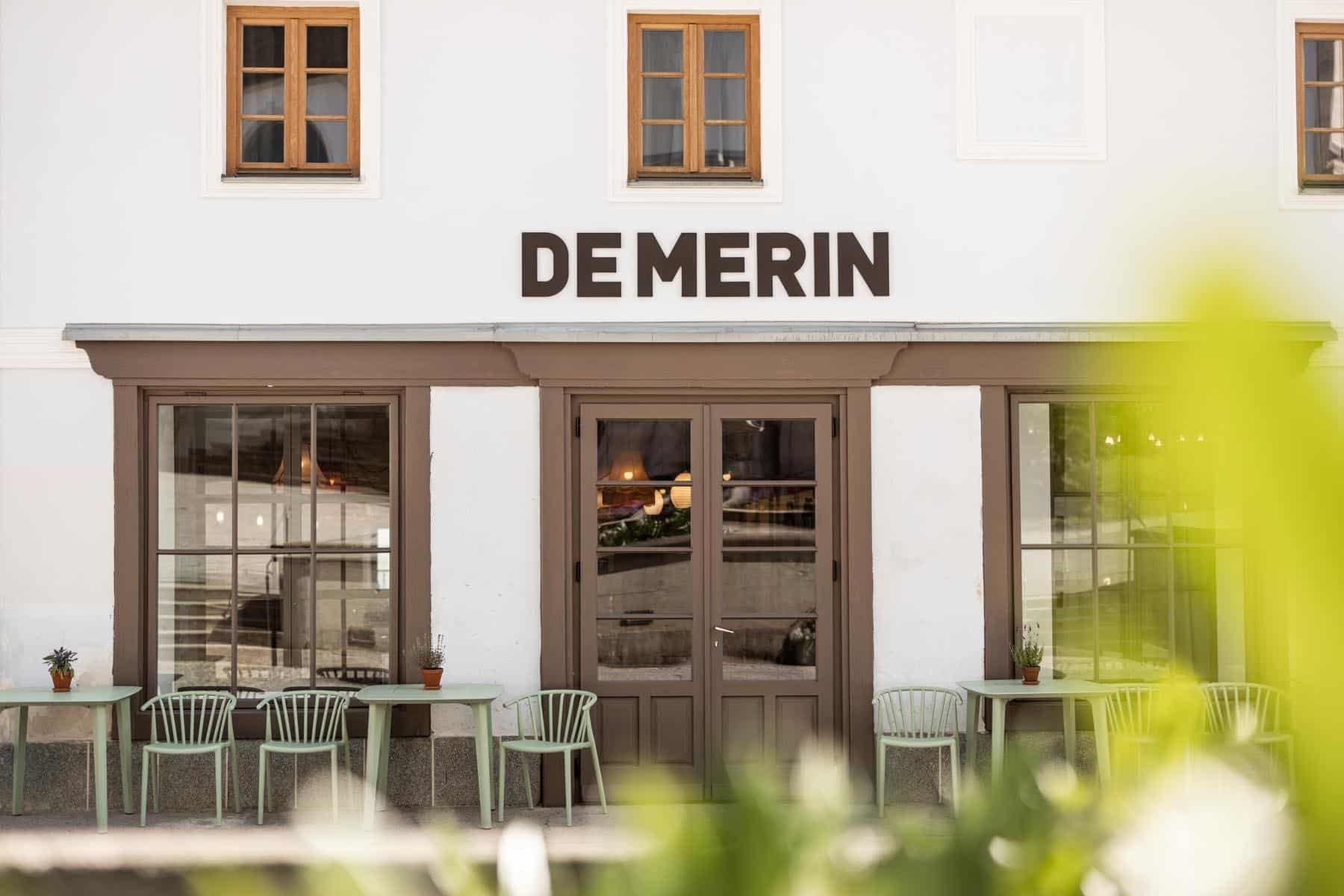
Hotels in Gamlitz
Browse all →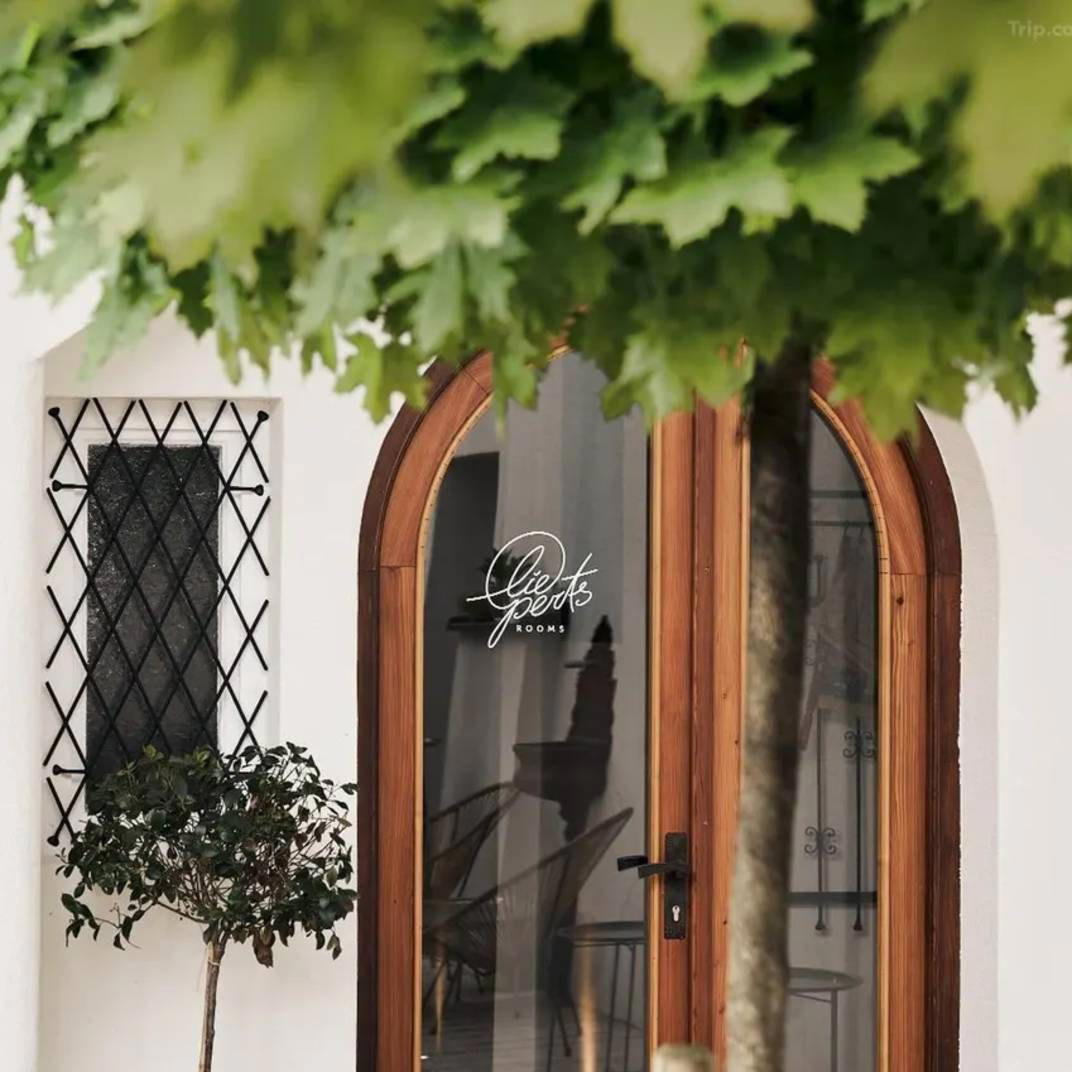

Weinkehr
The wine
- Wine program
- Exceptional wine program
- Extensive wine list
- Sommelier-led
- Natural wine
Details
- Cozy
- Modern
- Intimate
- Rustic
- Date Night
- Group Dining
- Casual Hangout
- After Work
- Celebration
- Wine Cellar
- Standalone
- Extensive Wine List
- Sommelier Led
- Natural Wine
- Local Sourcing
- Street Scene
- A La Carte
- Wine
- Natural Wine
- Regional Wine
Understated, modern and comfortably cozy, with a relaxed wine‑bar feel and heartfelt, personal service that makes guests feel at home rather than in a formal fine‑dining setting.