JAE BU DO
Jae Bu Do on North Western Avenue sits inside Koreatown's working restaurant corridor, where Korean barbecue transitions from casual to serious. The format here centers on tabletop charcoal grilling, a preparation style with deep roots in Korean culinary tradition. For Los Angeles diners mapping the city's Korean dining scene, this address represents the neighborhood's grounding rather than its periphery.
Pearl is the En Primeur Club membership app — saves, bookings, and concierge access live there. Same editors, same standards.
- Address
- 474 N Western Ave, Los Angeles, CA 90004
- Phone
- +1 323 467 2900
- Website
- jaebudogo.site
- Directions
- Get directions
 Saves & bookings on Pearl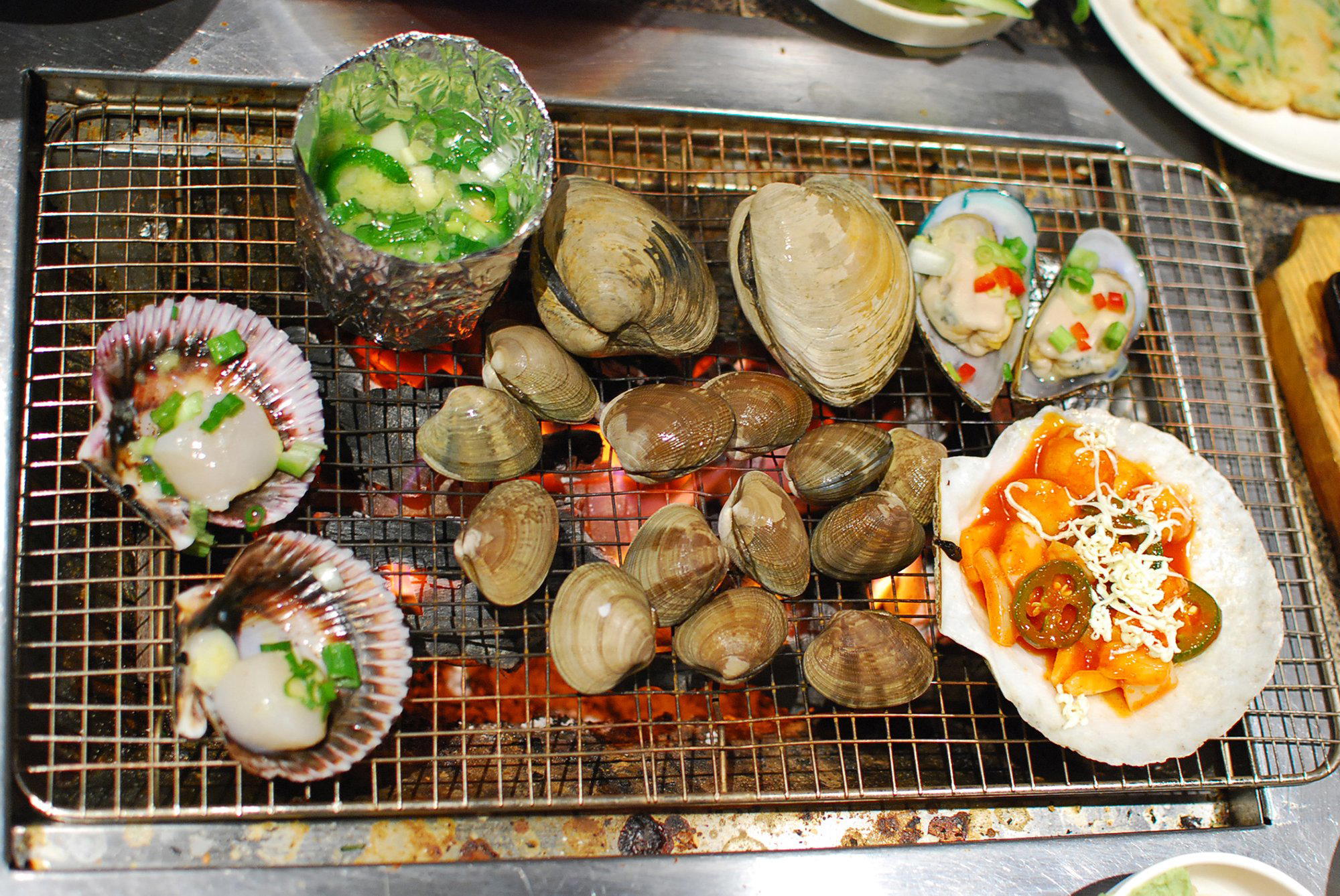
Koreatown's Grill Culture and Where Jae Bu Do Sits Within It
Los Angeles Koreatown runs along a dense corridor of Western and Vermont avenues that constitutes one of the most concentrated Korean dining environments outside the Korean peninsula. The neighborhood's restaurant culture did not develop around a single format or price tier — it layered over decades into something stratified: late-night pojangmacha spirit in some blocks, destination-level Korean barbecue in others. The tabletop charcoal grill, as a format, sits near the center of that tradition. It demands more from the kitchen and the diner alike: precise heat management, protein that can hold up to open flame, and a pacing logic where the meal is assembled at the table rather than plated in the back. Jae Bu Do, at 474 N Western Ave, operates within that tradition on a street that functions as one of the neighborhood's primary dining spines.
The Western Avenue corridor is not the tourism-facing face of Koreatown — it is where the neighborhood eats. That distinction matters when reading any address on this stretch. Venues here are not calibrated to outside expectations; they are calibrated to regulars who know what correct looks like. For anyone mapping Los Angeles's Korean dining scene through its price tiers, our full Los Angeles restaurants guide positions Koreatown alongside the city's other major dining corridors. Jae Bu Do occupies the neighborhood's working tier, not its showcase tier, which is precisely what makes it a useful reference point for understanding how the format actually functions day to day.
The Format: Charcoal Grilling as a Sustained Practice
Korean barbecue at the charcoal level differs from gas-grill formats in ways that are immediately legible to anyone who has eaten both. Charcoal produces a drier, more uneven heat that creates the char and smoke contact that gas suppresses. The result is not simply aesthetic, it changes the texture of the fat cap on samgyeopsal, the caramelization pattern on marinated galbi, the speed at which thin cuts need to be turned. Restaurants that maintain charcoal service carry the operational cost of managing live fuel, ventilation, and table turnover within a more constrained window. That cost is passed to the diner in some venues and absorbed as a positioning choice in others.
This grill-forward format places Jae Bu Do in a different conversation than the city's high-concept Korean restaurants. Kato, working in New Taiwanese territory with a fine-dining framework, and Hayato, operating within Japanese kaiseki at the $$$$ tier, both represent the direction Los Angeles's Asian dining has moved at its upper end: away from shared-table combustion and toward plated precision. Neither approach invalidates the other. They serve different purposes and different appetites. The charcoal grill tradition in Koreatown is not a lesser format waiting to be refined; it is a complete system with its own standards and its own ceiling.
Sustainability and the Ethics of the Whole-Animal Grill
Within global conversations about ethical eating and resource use, the grilled meat format occupies contested ground. The honest position is that high-volume Korean barbecue, like any protein-heavy restaurant category, carries a significant environmental footprint. What distinguishes more conscientious operators in this space is how they engage with sourcing, portioning, and waste. Venues that source from domestic producers with traceable supply chains, that portion to minimize trim waste, and that manage vegetable and banchan production with attention to what does not reach the table are operating within a different ethical register than those that simply chase throughput.
The broader movement toward supply-chain transparency in American dining has touched this format. Restaurants like Blue Hill at Stone Barns in Tarrytown and Single Thread Farm in Healdsburg have anchored their entire identity around sourcing ethics and farm-to-table accountability. That level of programmatic commitment is rare and resource-intensive. For neighborhood Korean barbecue, the sustainable question is more granular: where does the pork belly come from, how are the banchan produced, and what happens to the food that does not sell. These are answerable questions for any serious diner who asks them directly, and they are the right questions to be asking of any restaurant operating in 2024.
The charcoal grill format itself has an argument to make on sustainability grounds that gas systems do not: charcoal derived from responsibly managed wood sources is a lower-emission fuel source than propane or natural gas at point of use, and the flavor return per unit of fuel is substantially higher. This is not a claim that Korean barbecue is an environmentally neutral activity, it is not, but it is a reason why the format's traditional fuel choice deserves a more careful reading than it typically receives in sustainability-focused dining coverage.
Where Jae Bu Do Fits in the Broader American Korean Dining Arc
Korean cuisine in the United States has moved through several distinct phases of recognition. The Koreatown model, dense, neighborhood-anchored, format-specific, predates the current moment of Korean fine dining, which is represented at its most deliberate by venues like Atomix in New York City, operating at the $$$$ tier with a tasting-menu structure informed by Korean culinary tradition but expressed through a contemporary fine-dining framework. The distance between Atomix and Jae Bu Do is not a quality gradient, it is a format and intention gradient. Both exist because Korean dining in America now has enough depth to support the full range from neighborhood anchor to destination counter.
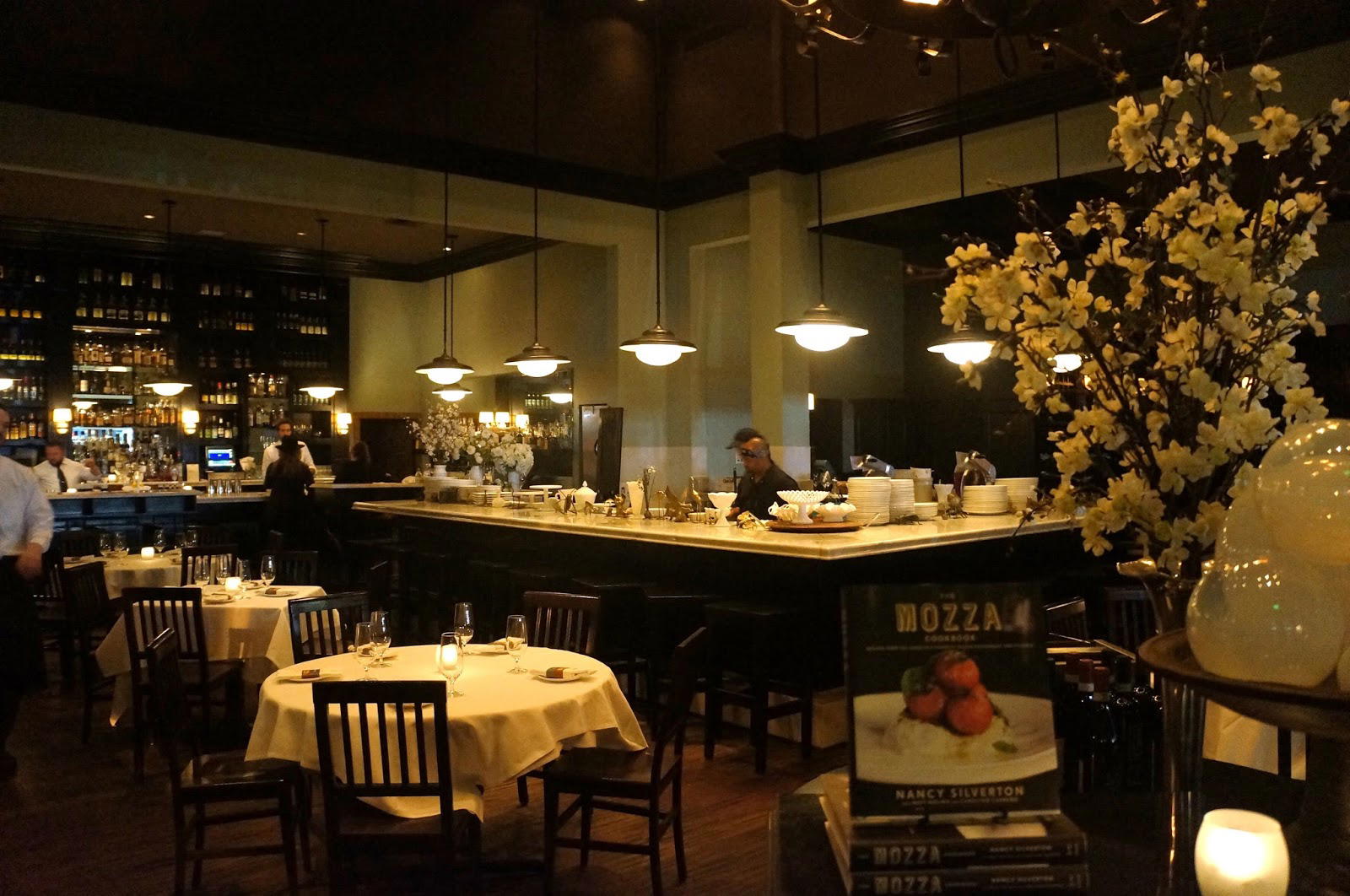
Peer reference points in Los Angeles help situate the city's Korean barbecue tier. Providence in the seafood-tasting space, Somni in molecular and progressive territory, and Osteria Mozza in Italian represent Los Angeles's higher price tiers in other cuisine categories. Korean barbecue at the neighborhood level occupies a different economic position, more accessible by price, more demanding by participation. The diner is not passive at a charcoal grill table; they are managing heat and timing alongside the server. That participatory format is not for every occasion, but for the occasions it suits, it is more immersive than almost anything served on a plate.
Planning a Visit: Practical Notes
474 N Western Ave places Jae Bu Do on the eastern edge of Koreatown's primary dining corridor, reachable by the Metro B Line with a short walk from the Wilshire/Western station. Western Avenue parking runs tight during evening hours; arriving by transit or rideshare is the more reliable option. Given the absence of publicly available booking information, calling ahead or arriving early is advisable, as walk-in formats at Koreatown barbecue spots typically fill on weekend evenings without advance notice. The surrounding block has competing Korean restaurants on both sides, which reflects the neighborhood's density rather than any particular competitive pressure, this is a street where dining is the primary commercial activity, and the foot traffic reflects that.
For readers building a Los Angeles itinerary that spans the city's range, other EP Club profiles worth reading alongside this one include Kato for contemporary Asian fine dining, Hayato for Japanese kaiseki, and reference points outside Los Angeles such as Le Bernardin in New York City, Lazy Bear in San Francisco, Smyth in Chicago, Addison in San Diego, The French Laundry in Napa, Emeril's in New Orleans, Frasca Food & Wine in Boulder, The Inn at Little Washington, and Atelier Moessmer Norbert Niederkofler in Brunico for an international point of comparison on sourcing-led cooking.
How JAE BU DO Los Angeles compares with similar nearby venues.
| Venue | Cuisine | Price |
|---|---|---|
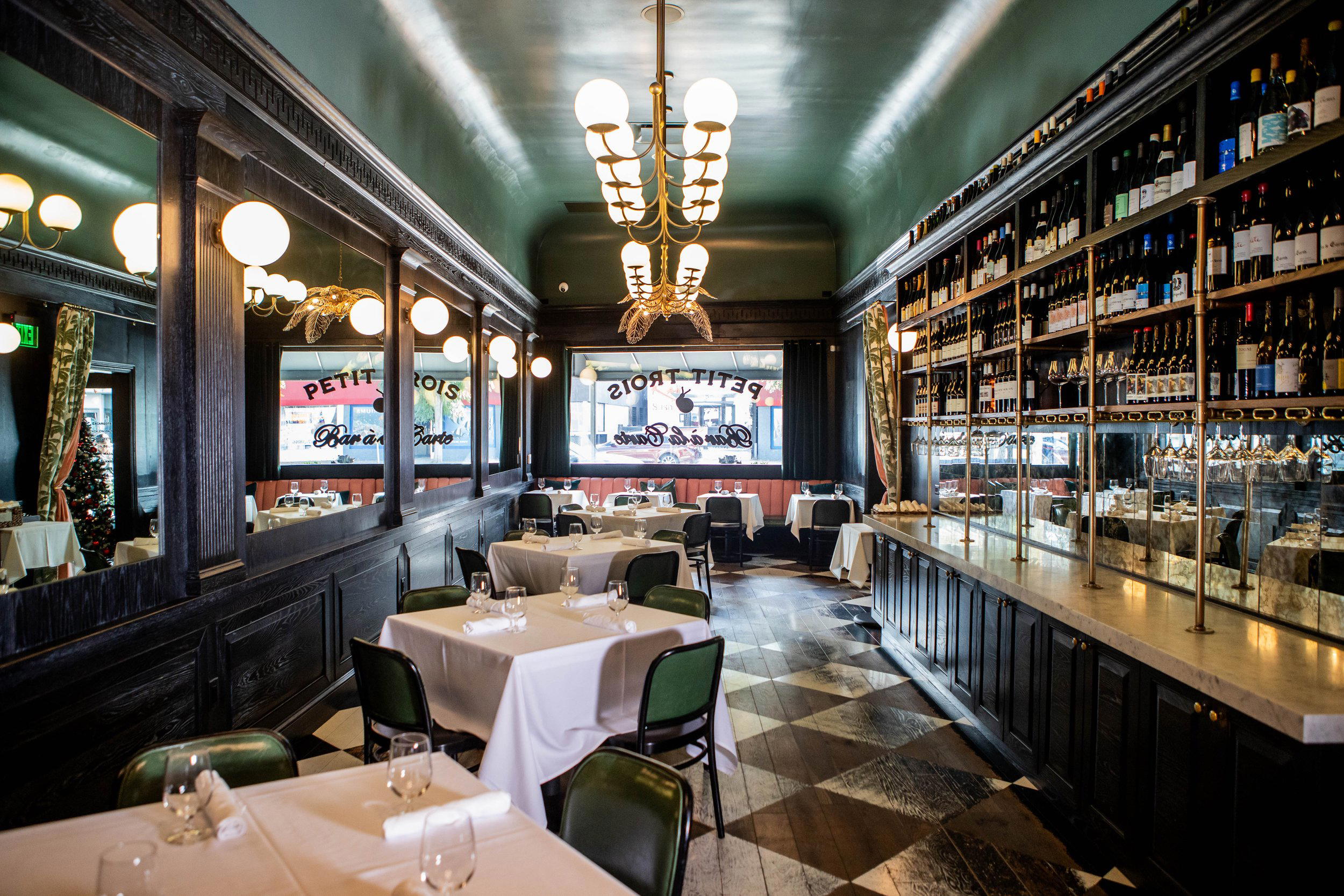
| Bar Etoile | Californian | $$$ |
| Antico Nuovo | Italian | $$$$ |
| Chainsaw Cafe | cafe/restaurant | Not listed |
Continue exploring
More in Los Angeles
Restaurants in Los Angeles
Browse all →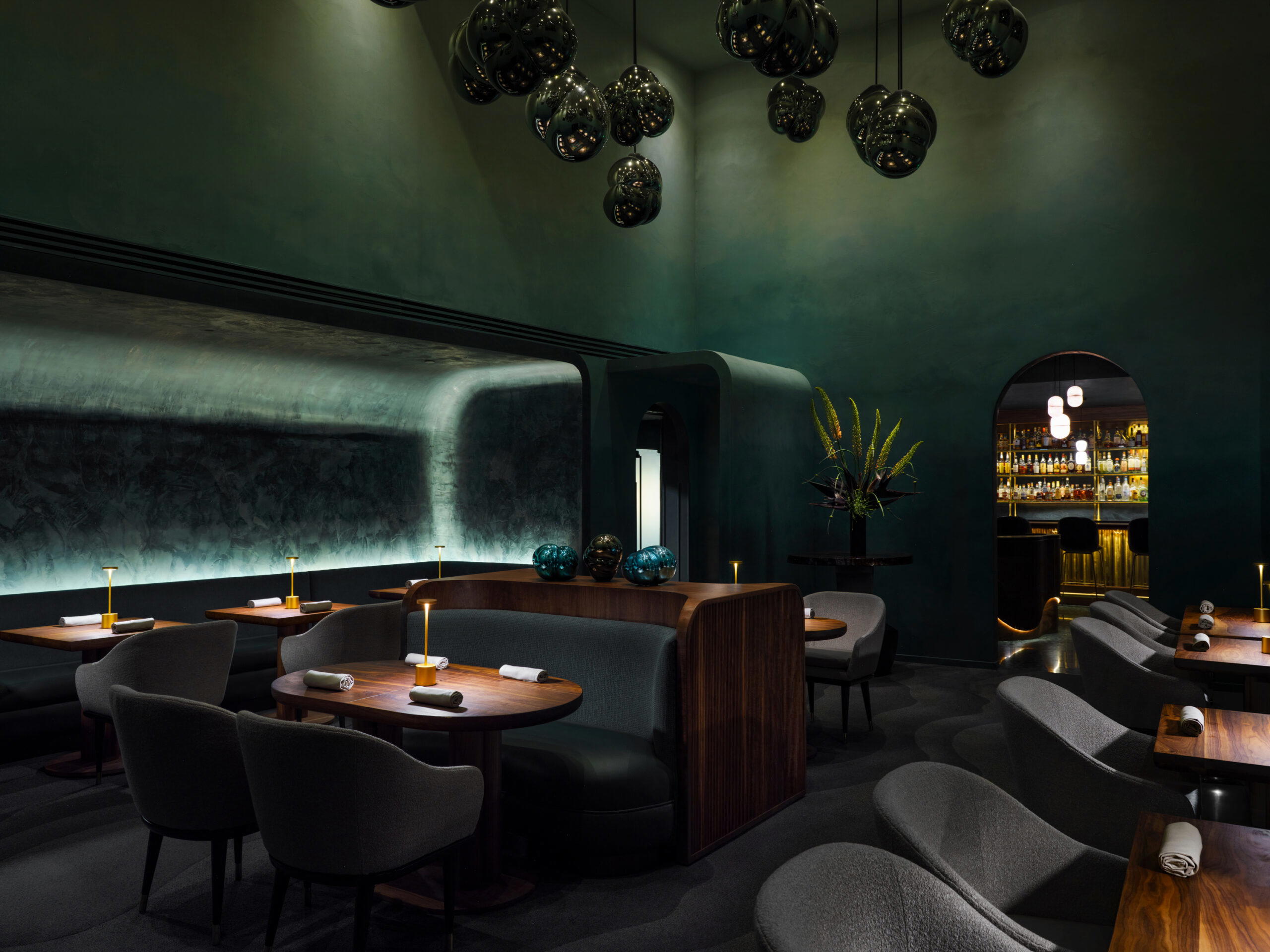
Bars in Los Angeles
Browse all →

Hotels in Los Angeles
Browse all →
Wineries in Los Angeles
Browse all →
At a Glance
- Lively
- Energetic
- Group Dining
- Celebration
- Casual Hangout
- Open Kitchen
- Sustainable Seafood
Current opening hours
- Monday
- 11 AM–11 PM
- Tuesday
- 11 AM–11 PM
- Wednesday
- 11 AM–11 PM
- Thursday
- 11 AM–11 PM
- Friday
- 11 AM–12 AM
- Saturday
- 11 AM–12 AM
- Sunday
- 2 PM–12 AM
Hours can change for holidays and private events. Last verified .
Casual, energetic dining with tabletop grills creating an interactive cooking experience; neon signage hints at the Korean oceanic theme.
Know Before You Go
- Getting there
- 474 N Western Ave, Los Angeles, CA 90004