
Michelin Plate
Our verdict
A Michelin Plate recipient sitting at Bergen's affordable end of the Japanese dining spectrum, Izakaya Skostredet on Domkirkegaten brings izakaya-style eating to a city more associated with New Nordic tasting menus. At the €€ price point, it occupies a distinct position alongside Moon as one of the few serious kitchens in Bergen where a full meal doesn't require a tasting-menu commitment or a starred price tag.

Pearl is the En Primeur Club membership app, where members save venues, book tables and use the concierge.
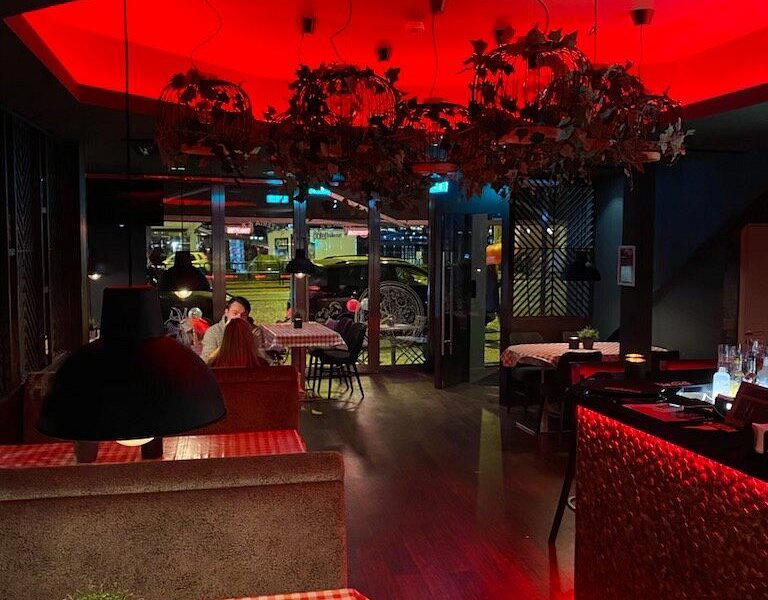
The menu
What to order
- Ramen
- Sushi
- Salmon poke
- Okonomiyaki
- Agemono
- Tonkotsu pork
- Karaage
Japanese Drinking Food in a Nordic Port City
Bergen's restaurant scene has spent the past decade building a reputation on hyper-local New Nordic cooking, with Michelin stars going to tasting-format rooms like Lysverket and Gaptrast rather than to the kind of relaxed, order-as-you-go Japanese eating that defines the izakaya format. That context matters when you walk into Izakaya Skostredet on Domkirkegaten, steps from Bergen Cathedral in the quiet web of streets that sits between the Bryggen waterfront and the city's commercial centre. The address itself signals something: this isn't a restaurant chasing a tasting-menu clientele or positioning itself against Bergen's New Nordic heavyweights. It's operating in a different register entirely.
Izakaya eating has a grammar that most European diners know less well than they think. The Kansai tradition, centred on Osaka, treats the izakaya as a place of abundance and directness: food arrives in volume, flavours are bold, and the expectation is that alcohol and small plates will arrive in roughly simultaneous waves across the table. The Kanto tradition, more common in Tokyo and its satellite cities, tends toward slightly more composed plates, lighter broths, and a tidier relationship between dish progression and drink. Bergen's version, as a northern European interpretation, sits somewhere between these registers by necessity, since neither the ingredient base nor the diner expectation maps exactly onto either Japanese original.
The Michelin Plate Signal and What It Means at This Price
A Michelin Plate in 2025 means the guide's inspectors found cooking worth noting, without the technical ambition or consistent execution that earns a star. At the €€ price point, Izakaya Skostredet holds that recognition in a peer group where the bar is already compressed by accessible pricing. Compare that to Omakase by Sergey Pak, which operates at €€€€ and holds a Michelin star, or to BARE Restaurant, Bergen's other Japanese address, which sits without a formal award tier. The Plate at €€ is a meaningful signal: it suggests that the kitchen is doing something more considered than neighbourhood sushi, while the price point confirms this isn't chasing the omakase counter experience.
At the broader Norway level, that price-to-recognition ratio stands out. Maaemo in Oslo, RE-NAA in Stavanger, and FAGN in Trondheim all operate in the starred, tasting-menu register. Iris in Rosendal, Under in Lindesnes, and Boen Gård in Tveit each represent different premium formats. Izakaya Skostredet occupies none of these tiers. It's the accessible, informal Japanese option in a Norwegian city where informal Japanese dining of any quality is thin on the ground.
Bergen's Seafood Advantage and Japanese Technique
One of the more interesting structural questions for any Japanese kitchen operating in coastal Norway is whether it treats the local seafood supply as an asset or simply imports the protein categories it needs. Bergen's fishing heritage gives any serious kitchen access to North Sea species that parallel, in richness and quality, many of the ingredients that Kansai izakaya cooking was built around. The cold-water fish and shellfish available through Bergen's port have a different character than the Pacific species that anchor traditional Japanese menus, but they carry fat and salinity profiles that respond well to Japanese preparation methods, from quick grilling and salt-curing to dashi-adjacent broths.
This isn't purely theoretical. In Tokyo, restaurants like Myojaku and Azabu Kadowaki demonstrate the degree to which Japanese technique and premium local ingredients can reinforce each other. The question for any izakaya operating outside Japan is whether the kitchen is willing to adapt its sourcing logic to local seasonality rather than defaulting to imported standardised ingredients. Bergen's position as a port city with strong fishing infrastructure makes that adaptation more viable here than in many landlocked European cities attempting similar formats.
Where Izakaya Skostredet Sits Among Bergen's Non-Nordic Rooms
Bergen's dining scene divides fairly cleanly between New Nordic tasting formats and a smaller, less formalised tier of international restaurants. Within that second tier, the Japanese presence is more developed than in many comparable Norwegian cities, likely reflecting Bergen's status as a transit and tourism hub with an internationally mobile population. Moon, with its French kitchen at a matching €€ price point, is the closest structural peer in terms of format and accessibility. Both occupy the middle band of Bergen's restaurant market: serious enough to earn Michelin attention, priced accessibly enough to function as regular dining rather than occasion eating.
A small review sample at a restaurant that doesn't heavily market itself online tends to reflect a narrow slice of actual customers; the Michelin Plate, assessed by trained inspectors across multiple visits, is a more reliable quality signal than a modest aggregate of diner reviews. The divergence between the two is common for restaurants that serve a specific audience well without having broad diner visibility.
Planning a Visit
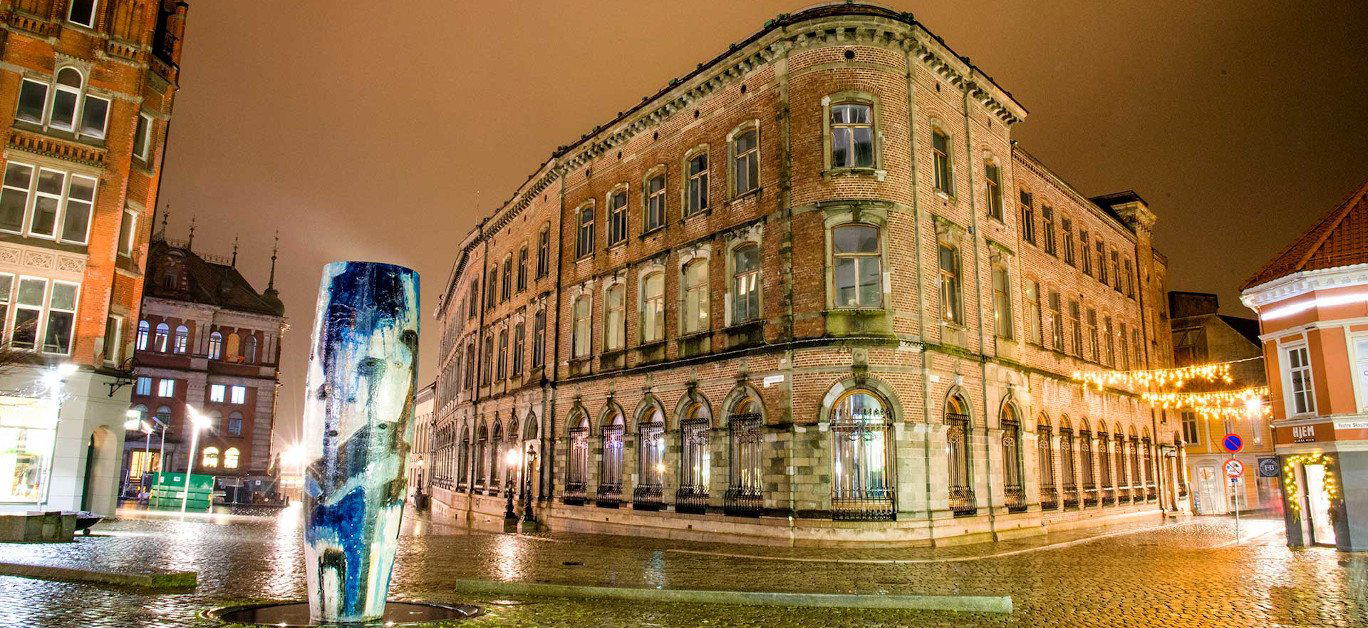
Izakaya Skostredet sits at Domkirkegaten 6, in the block behind Bergen Cathedral, which places it within a short walk of the central station and the Bryggen wharf. Bergen is small enough on foot that the restaurant is reachable from most central accommodation without any transport logistics. The €€ price positioning means this works as a mid-week dinner or a pre-theatre option rather than a special-occasion destination; the izakaya format, with its expectation of multiple small plates and drinks, is designed for a relaxed pace rather than a timed sitting.
For deeper Japanese eating in Bergen, the contrast with Omakase by Sergey Pak is instructive: that room operates at a starred, counter-format, high-commitment register. Skostredet is the right entry point for a first Japanese meal in the city, or for an evening when the priority is a relaxed table rather than a structured progression. For a full picture of what Bergen's restaurants offer across formats and price points, our full Bergen restaurants guide maps the field, alongside our Bergen hotels guide, bars guide, wineries guide, and experiences guide.
Frequently asked questions
Has Izakaya Skostredet won any awards?
Izakaya Skostredet has received recognition including: Michelin Plate (2025).
What's the best thing to order at Izakaya Skostredet?
The menu details aren't published in a form that allows a reliable single recommendation, but the structural case for the seafood-led dishes is strong: Bergen's position as a major North Sea fishing port means any Japanese kitchen working here has direct access to shellfish and cold-water fish that outperforms what most European izakayas can source. The Michelin Plate recognition in 2025 suggests the kitchen handles that supply with enough consistency to earn inspector attention at the €€ price point, which is where shareable small plates and grilled items tend to carry the most value.
How much does it cost to eat at Izakaya Skostredet?
Pricing at Izakaya Skostredet is listed as €€.
Cuisine Lens
Comparable venues nearby, for context on price, style, and recognition.
| Venue | Cuisine | Price | Awards | Notes |
|---|---|---|---|---|
| Izakaya SkostredetThis venue (the venue you are viewing) | Contemporary Japanese Izakaya | $50–100 | Michelin Plate | Not listed |
| Villani Skostredet - Osteria & Trattoria | Authentic Italian Trattoria & Pizzeria | $30–50 | Star Wine List | Vågen |
| Lola bistro | Modern Scandinavian Bistro | Not listed | Star Wine List | central Bergen |
| Moon | French Bistro with Norwegian Influences | $100–150 | Michelin Plate · Star Wine List | Sentrum |
| BARK Mat | Modern Nordic Fine Dining | $50–100 | Not listed | Bergen sentrum |
| BARE Restaurant | Modern Norwegian-Japanese Fusion | $150–200 | White Guide Nordic Restaurants - Very Fine Level | Vågen |
Recognition history
Dated appearances from independent guides and award organizations, with the underlying list record or original source where available.
Michelin Plate
Michelin
Full recognition history (2 entries)
Michelin Plate
Michelin
Continue exploring
More in Bergen
Restaurants in Bergen
All restaurants in Bergen →
Bars in Bergen
All bars in Bergen →
Details
- Cozy
- Modern
- Intimate
- Elegant
- Date Night
- Group Dining
- Special Occasion
- Hotel Restaurant
- Terrace
- Open Kitchen
- Sake Program
- Beer Program
- Local Sourcing
- Sustainable Seafood
- A La Carte
- Set Menu
- Family Style
- Sake
- Craft Beer
- Wine
- Pescatarian Friendly
Current opening hours
- Monday
- 4–11 PM
- Tuesday
- 4–11 PM
- Wednesday
- 4–11 PM
- Thursday
- 4–11 PM
- Friday
- 4–11 PM
- Saturday
- 4–11 PM
- Sunday
- 4–10 PM
Hours can change for holidays and private events. Hours as of .
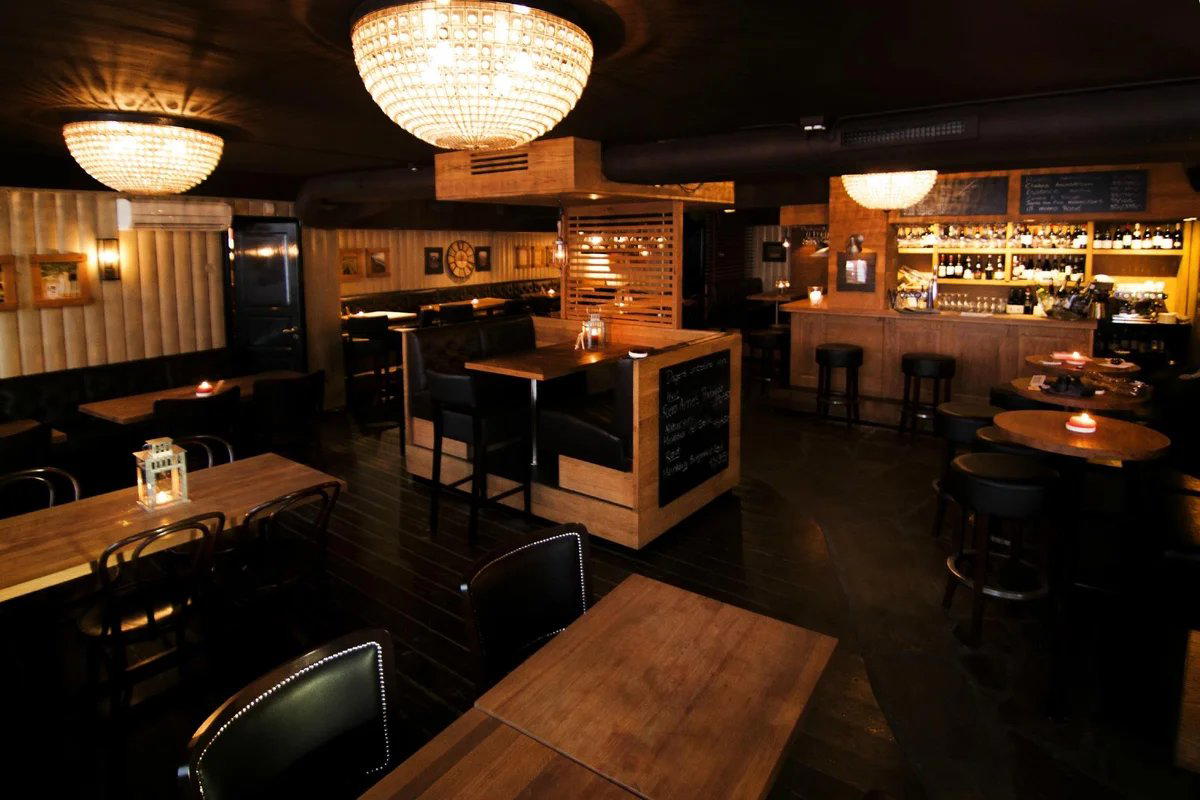
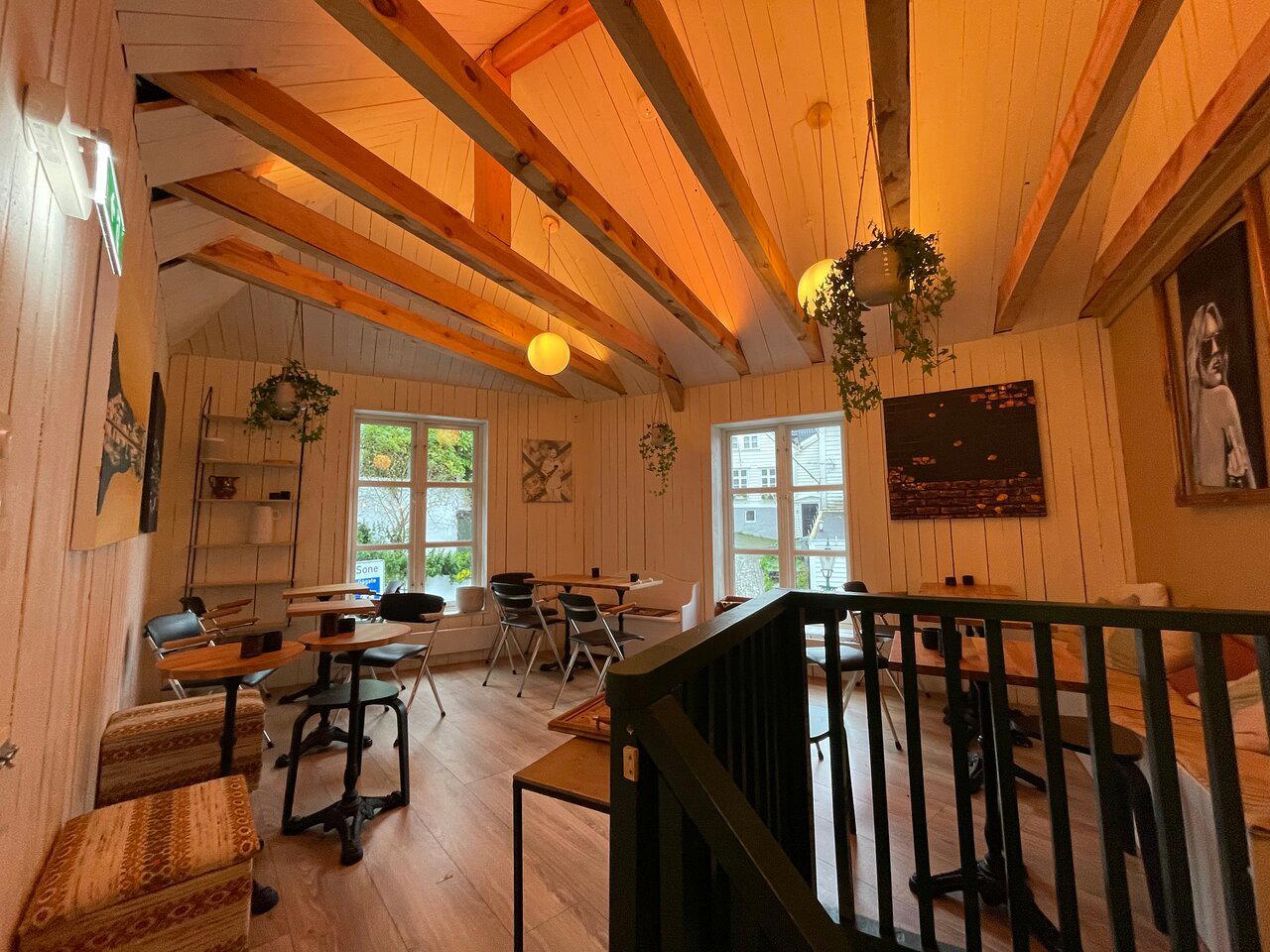
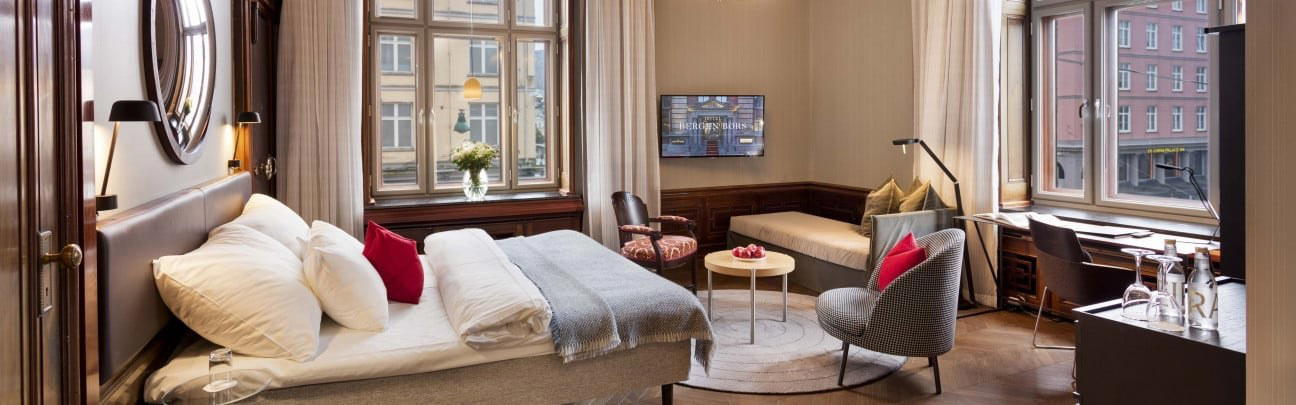
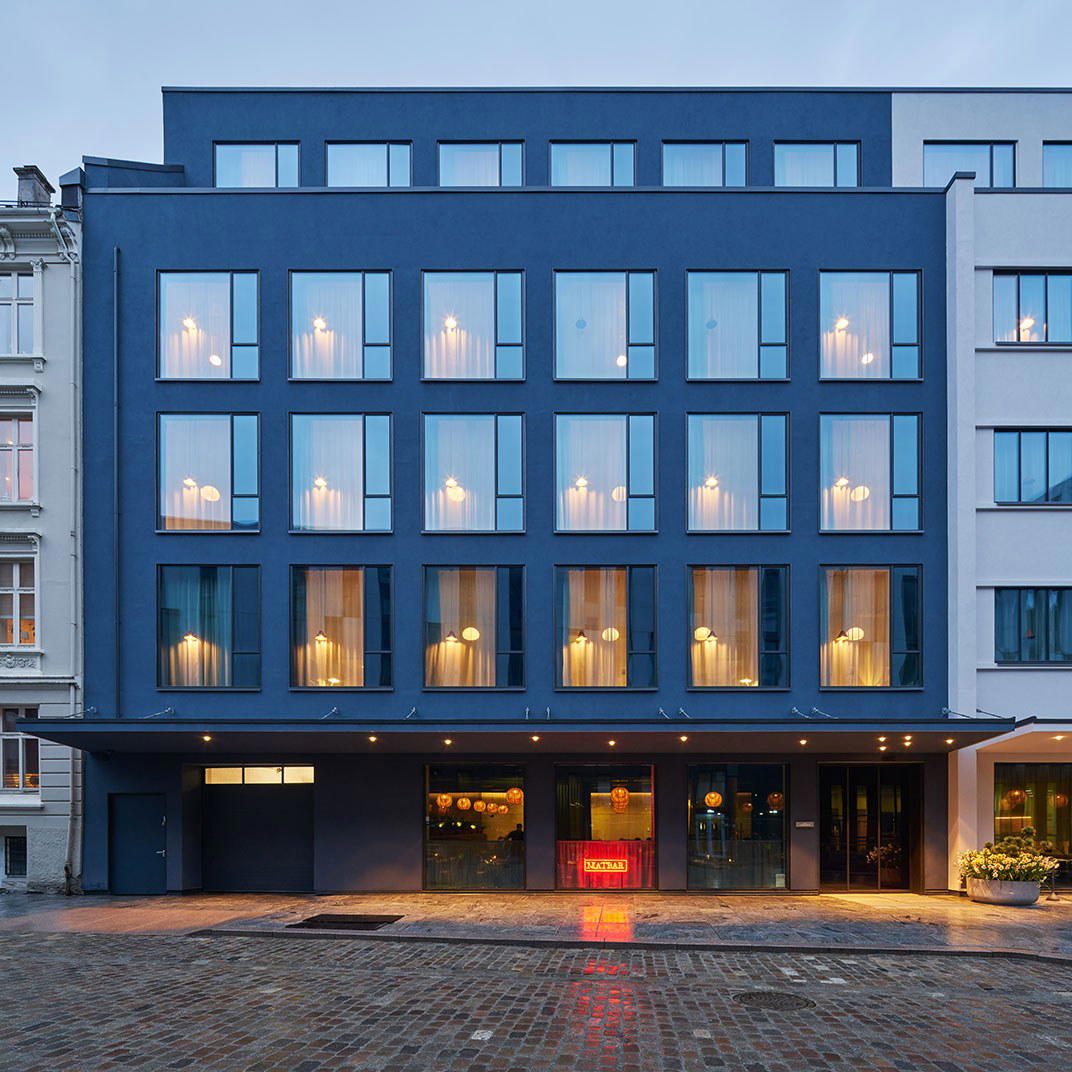
Modern, calm, and pleasant atmosphere with clean, quiet dining spaces; minimalist interior with wood accents; hotel lobby setting that feels separate from the main hotel.