Izakaya Matsuri
Izakaya Matsuri sits on Young Street in the Makiki-adjacent corridor of Honolulu, operating in the tradition of the Japanese drinking-and-eating house format that has found a firm footing across the Hawaiian capital. The izakaya model, built around shared plates and unhurried pacing, connects naturally to Hawaii's deeply embedded Japanese-American food culture, placing Matsuri within a category that rewards repeat visits over single sittings.
Pearl is the En Primeur Club membership app — saves, bookings, and concierge access live there. Same editors, same standards.
- Address
- 1436 Young St #103, Honolulu, HI 96814
- Phone
- +18087455858
- Website
- matsurihawaii.getbento.com
- Directions
- Get directions
 Saves & bookings on Pearl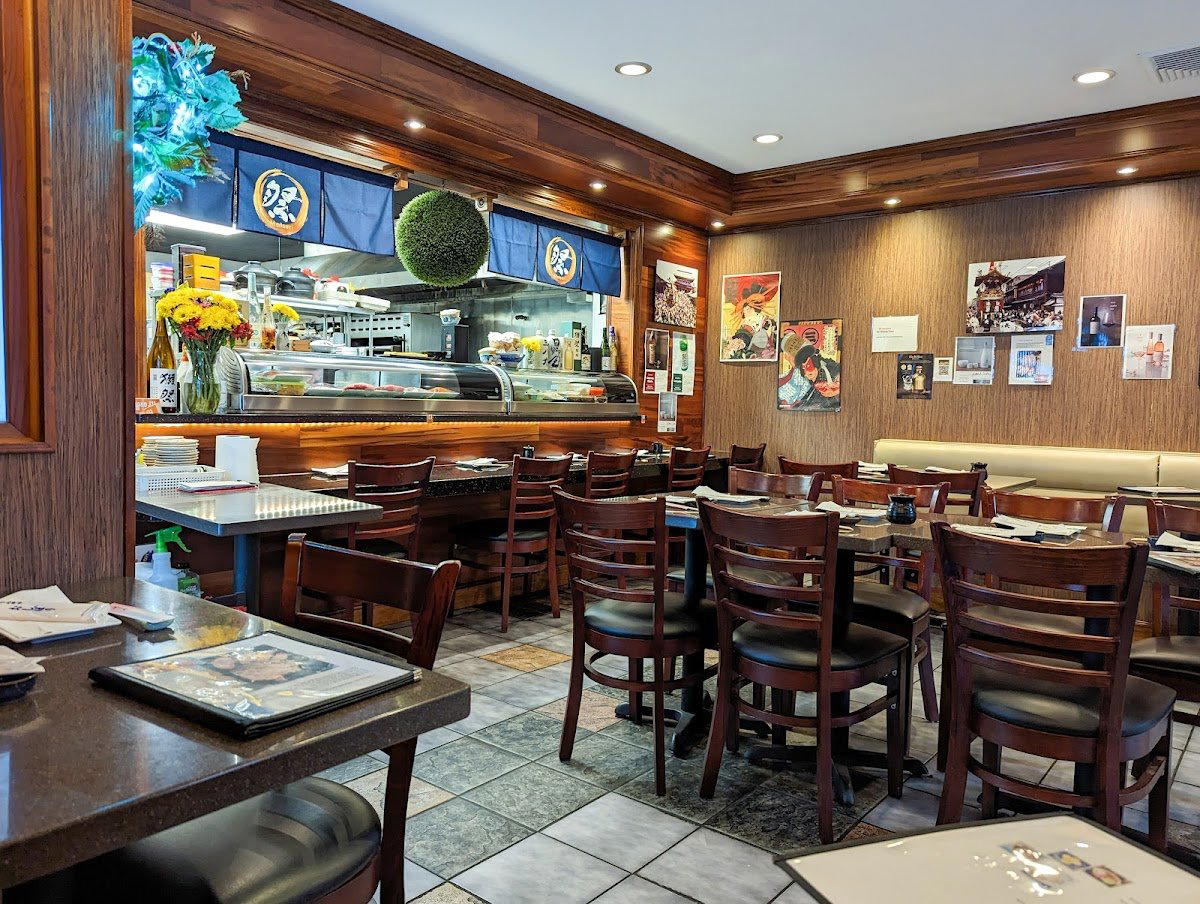
Honolulu's Izakaya Tradition and Where Matsuri Fits
Japanese izakayas occupy a specific and well-understood position in Honolulu's dining order. Hawaii's Japanese-American population is the largest outside Japan itself, and that demographic depth has produced a restaurant culture that doesn't treat izakaya as a novelty import. The format arrived decades ago and matured quietly, producing a tier of neighborhood-rooted drinking houses that operate with little need for external validation. Izakaya Matsuri, on Young Street in the Makiki-adjacent stretch of Honolulu, belongs to that category: a mid-city, street-facing operation at 1436 Young St, suite 103, removed from the resort corridor of Waikiki and from the high-profile dining district around Ala Moana.
That address matters more than it might appear. Young Street runs through a part of Honolulu that functions as a working neighborhood rather than a tourist destination, which shapes the clientele, the pacing, and the general expectation of what a meal should cost and how long it should last. The comparison venues in Honolulu's Japanese dining category include operations like Fujiyama Texas and Ginza Bairin, both of which operate in more visible or more specialized registers. Matsuri's placement in a suite within a low-key commercial building signals a different proposition: consistency over spectacle, regulars over tourists.
The Lunch-to-Dinner Shift in Izakaya Format
The izakaya format is fundamentally an evening institution. In Japan, the word itself carries a temporal implication: these are places that come alive after work, once the pressure of the day has passed and the appetite for small plates and cold beer (or sake, or shochu) becomes the point of the evening rather than a footnote to it. That evening-first identity is not incidental; it structures the entire menu logic, the staffing rhythm, and the social contract between kitchen and table.
What this means practically is that lunch and dinner at an izakaya tend to be quite different experiences even when the physical space is identical. Daytime service at Japanese-format restaurants in Honolulu often takes a simplified form: set lunches, smaller portions, faster table turns. The evening shift, by contrast, is designed for open-ended ordering across multiple rounds. For a venue operating within the izakaya tradition, the dinner hour is when the format fully expresses itself. Shared plates arrive in no strict sequence, drinks anchor the experience as much as food does, and the kitchen's range becomes legible only when a table orders across several categories over the course of an evening.
Honolulu's Japanese dining scene has a number of venues that straddle this lunch-dinner divide in different ways. At the formal end, restaurants like 53 By The Sea operate with a clear dress-code and occasion-dining logic that applies equally across services. At the casual end, the izakaya format resists that consistency by design. The value case for dinner at an izakaya is not the same as the value case for lunch, and a first visit during daytime hours may not reflect the full scope of what the kitchen produces when the evening pacing is in effect.
Hawaii's Japanese Food Culture as Context
Understanding any izakaya in Honolulu requires some grounding in Hawaii's broader Japanese food history. The islands absorbed Japanese culinary influence through successive waves of immigration beginning in the late nineteenth century, and that influence is now so embedded in local food culture that it operates below the surface of explicit ethnic categorization. Plate lunches in Hawaii carry Japanese structural logic. The preference for rice as a base, the comfort with pickled and fermented accompaniments, the general acceptance of raw fish across a broad demographic: all of this reflects a century of cultural integration that few American cities can match.
For an izakaya specifically, this means that Honolulu diners are not encountering an unfamiliar format. The genre does not need to explain itself here the way it might in, say, Dallas or Denver. That familiarity raises the bar: a Honolulu izakaya competes against a population that knows what the format should deliver, which places the emphasis squarely on execution rather than novelty.
This is a different competitive environment from what faces high-concept American restaurants. Venues like Fête (New American) or 3660 On the Rise operate in a register where the cuisine category itself requires some positioning and explanation. The izakaya, by contrast, enters a market with deeply held expectations. Meeting those expectations consistently, night after night, is the actual measure of quality in this format.
Across the continental United States, the premium end of Japanese dining has moved toward omakase counters and tasting-menu formats that carry reservation windows of months and price points that approach those of Le Bernardin in New York City or Alinea in Chicago. The izakaya occupies a deliberately different tier: accessible, repeat-visit-friendly, and structured around the communal logic of sharing rather than the individual progression of a tasting menu. Honolulu's version of this split mirrors what you find in larger Japanese-American markets on the West Coast, with the added dimension that Hawaii's geographic and cultural proximity to Japan makes the format's authenticity easier to sustain.
Planning a Visit: Practical Notes
Izakaya Matsuri operates out of suite 103 at 1436 Young St, a location that requires some awareness of Honolulu's parking and transit patterns. The Young Street corridor is accessible by car, but street parking in the Makiki-adjacent blocks tends to fill during evening hours; arriving before 6:30 pm or using a nearby lot is the more reliable approach. The venue sits outside the Waikiki resort zone entirely, which means it draws a local-leaning crowd rather than visitors making their way from hotel concierge lists. That dynamic has implications for pacing and atmosphere: tables here tend to settle in for the evening rather than cycle through quickly.
For context on how Izakaya Matsuri fits within Honolulu's broader restaurant picture, the full Honolulu restaurants guide covers the range from occasion-dining venues like 53 By The Sea to cultural-experience formats like Ahaaina Luau. Matsuri operates in a quieter register than either of those, which is precisely the point. The izakaya format rewards visitors who approach it on its own terms: unhurried, multi-course in the informal sense, and oriented around the pleasure of the table rather than the performance of the kitchen.
Contacting the venue directly before a first visit is advisable, particularly on weekend evenings when local demand for the format tends to run high. The address at 1436 Young St, suite 103, is the confirmed location.
How Izakaya Matsuri Honolulu compares with similar nearby venues.
| Venue | Cuisine |
|---|---|
| Sushi Izakaya Gaku | Izakaya |
At a Glance
- Cozy
- Intimate
- Date Night
- Casual Hangout
- Open Kitchen
- Sake Program
Current opening hours
- Monday
- Closed
- Tuesday
- 5–10 p.m.
- Wednesday
- 5–10 p.m.
- Thursday
- 5–10 p.m.
- Friday
- 5–10 p.m.
- Saturday
- 5–10 p.m.
- Sunday
- Closed
Hours can change for holidays and private events. Last verified .
Cozy, small, and relaxing Japanese atmosphere.
Know Before You Go
- Getting there
- 1436 Young St #103, Honolulu, HI 96814