Among São Paulo's scattered Mexican dining options, El Soares - Sabores Mexicanos in Jardim Franca occupies a neighbourhood register distinct from the city's tasting-menu circuit. The address on Rua Ismael Neri positions it as a local fixture rather than a destination draw, making it an instructive counterpoint to the high-concept Brazilian restaurants dominating the city's critical conversation.
Pearl is the En Primeur Club membership app — saves, bookings, and concierge access live there. Same editors, same standards.
- Address
- R. Ismael Neri, 683 - Jardim Franca, São Paulo - SP, 02335-001, Brazil
- Phone
- +551127290188
- Website
- elsoares.com.br
- Directions
- Get directions
 Saves & bookings on Pearl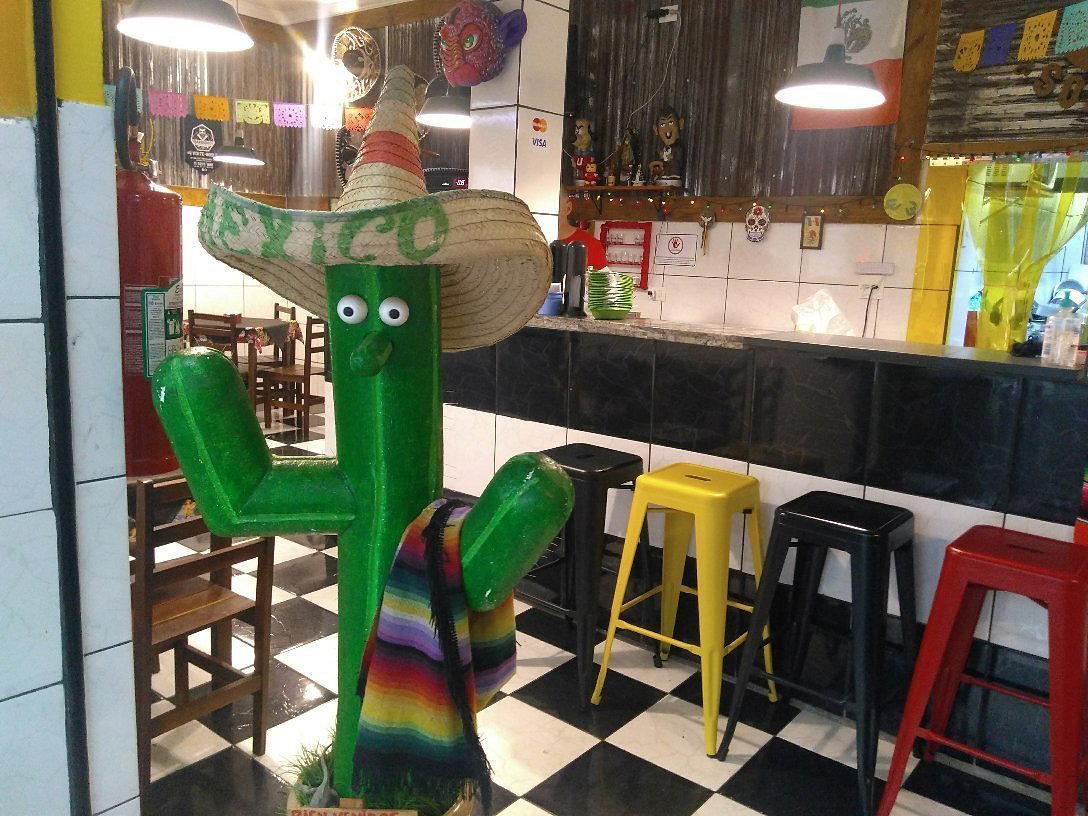
Mexican Cooking in a Brazilian Megalopolis: Where El Soares Sits
São Paulo's restaurant map is dominated by a well-documented top tier: tasting-menu houses like D.O.M. and Tuju, modern Italian addresses such as Evvai and Fame Osteria, and creative Brazilian-international crossover kitchens like Maní. What receives less editorial attention is the parallel geography of immigrant and diaspora kitchens operating in the city's outer bairros, often with narrower margins, smaller rooms, and a customer base drawn from the immediate neighbourhood rather than from across the cidade. El Soares - Sabores Mexicanos, on Rua Ismael Neri in Jardim Franca, belongs to that second category. It is a casual, walk-in-friendly Mexican taqueria in São Paulo's northern zone.
Mexican Food in Brazil: A Tradition Still Finding Its Form
Mexico and Brazil share a broad Mesoamerican and Iberian inheritance, but their culinary traditions diverged sharply long before modern restaurant culture arrived. In São Paulo, Mexican cooking has historically been filtered through American-style Tex-Mex formats, arriving as franchise burritos and fajita platters rather than as the chile-based mole traditions, nixtamal-processed masa, or dry-chile-driven sauces that define the regional kitchens of Oaxaca, Yucatán, or Puebla. The result is a city where Mexican food is common but authentically grounded Mexican cooking is genuinely scarce.
That scarcity creates a specific kind of value for neighbourhood restaurants that take the cuisine seriously. When the dominant reference points in a market are watered-down international formats, a kitchen working with dried chiles, proper epazote, or hand-pressed tortillas occupies a different competitive position entirely, one measured not against other Mexican restaurants but against the absence of credible alternatives.
Jardim Franca and the Character of Outer-Bairro Dining
Jardim Franca sits in the northern zone of São Paulo, well outside the Pinheiros-Itaim-Vila Madalena triangle that concentrates most of the city's reviewed restaurant stock. Dining in these neighbourhoods follows a different logic: rooms are typically smaller, menus are shaped around what the local customer wants rather than what a food press audience expects, and the relationship between kitchen and regular is closer and less mediated by reservation platforms and tasting-menu theatrics. It is a model that parallels what one finds at good neighbourhood trattorie in São Paulo's Italian-heritage districts, or at the better per-kilo lunch houses scattered across the city's working zones.
This neighbourhood register has its own sustainability dimension worth noting. Outer-bairro restaurants in São Paulo tend to source closer to their immediate supply chains, buy in smaller quantities, and waste less by virtue of volume constraints. The incentive structure is different from that of a high-turnover destination restaurant: without the margin cushion that comes from premium cover charges, kitchen efficiency and ingredient use become disciplines rather than choices. That practical relationship with ingredients aligns, whether by design or necessity, with what the broader dining world now markets as conscious sourcing, except here it predates the trend by decades.
What the Sabores Mexicanos Format Suggests
The phrase sabores mexicanos, Mexican flavours, signals something specific about kitchen positioning. It is not the language of a chef-driven concept or a tasting-menu destination. It is the language of a regional cooking tradition presented with directness, where the flavours themselves, rather than the technique that produces them, are the selling point. In Mexican culinary terms, that points toward the kind of cooking where dried chile variety, acid balance, and masa texture are the critical variables, not plating geometry or course architecture.
Brazilian diners approaching this format from the city's creative restaurant circuit, anchored by addresses like D.O.M. or the boundary-pushing kitchens reviewed alongside Oteque in Rio de Janeiro or Manu in Curitiba, will find the register deliberately different: lower architectural ambition, higher ingredient fidelity, and a price point calibrated to the neighbourhood rather than to São Paulo's destination-dining ceiling.
Ethical Sourcing in the Mexican Kitchen: A Structural Reality
Mexican cooking, when executed with any fidelity to its source traditions, is structurally aligned with what the sustainability conversation in fine dining has spent the last decade trying to recover. Dried chiles are a preservation technology, not a trend. Nixtamalization, the alkaline processing of corn that makes tortillas nutritionally complete and texturally distinct from cornmeal flour substitutes, reduces waste by using the whole grain and extends shelf life through fermentation and drying cycles. Beans, squash, and corn, the foundational triad of Mexican cooking, are ecologically low-impact crops that have supported dense populations for millennia without the soil degradation associated with protein monocultures.
At the neighbourhood restaurant scale, these structural advantages compound. A kitchen running on dried chiles, dried beans, and fresh corn masa has a fundamentally lower cold-chain dependency than one running on imported proteins or out-of-season produce. This is not sustainability as a marketing position, it is sustainability as culinary infrastructure, baked into the tradition at the source. The same logic applies across regional Brazilian kitchens examined in places like Birosca S2 in Belo Horizonte or ingredient-led destinations such as Orixás in Itacaré, tradition and low-impact sourcing frequently arrive together, without announcement.
How El Soares Compares Within São Paulo's Non-Fine-Dining Tier
São Paulo supports a substantial middle tier of neighbourhood restaurants operating between the per-kilo lunch format and the tasting-menu circuit. Within that tier, ethnic and diaspora kitchens occupy a sub-category defined by the depth of their source cuisine rather than by any local award recognition. A Casa do Porco, for example, has crossed from neighbourhood register into critical attention by taking Brazilian pork traditions seriously at scale. Mexican cooking in São Paulo has not yet produced a comparable critical crossover moment, which means the field remains open for kitchens that execute the tradition with rigour.
El Soares on Rua Ismael Neri, 683 in Jardim Franca represents the ground-level of that potential: a neighbourhood address working within a cuisine that São Paulo has consistently underestimated. Regional properties such as Castelo Saint Andrews in Gramado, Olivetto in Campinas, and State of Espírito Santo in Rio Bananal round out the picture of how Brazilian dining varies sharply by region and register.
Planning a Visit
El Soares - Sabores Mexicanos is located at Rua Ismael Neri, 683, in Jardim Franca, in São Paulo's northern zone. Hours: Mon: Closed; Tue: 6–10 PM; Wed: 6–10:30 PM; Thu: 6–10:30 PM; Fri: 6–11 PM; Sat: 6–11 PM; Sun: 6–10 PM. The restaurant is walk-in friendly.
The Essentials
Comparable venues nearby, for context on price, style, and recognition.
| Venue | Cuisine | Price | Notes |
|---|---|---|---|
| El Soares - Sabores MexicanosThis venue — the venue you are viewing | Tucuruvi, Authentic Mexican Taqueria | $$ | Not listed |
| TAN TAN | Not listed | $$ | Pinheiros, Modern Japanese Chuka Noodle Bar |
| Temakeria Paulista | Agua Rasa, Japanese Temaki & Sushi | $$ | Not listed |
| Veridiana Pizzaria - Jardins | Jardim Paulista, Neapolitan-Style Pizza | $$ | Not listed |
| Tanka Restaurante | Not listed | $$ | Se, Asian Buffet (Japanese, Chinese, Korean, Thai) |
| Rota do Acarajé | Santa Cecilia, Bahian Brazilian | $$ | Not listed |
Continue exploring
More in São Paulo
Restaurants in São Paulo
Browse all →
Bars in São Paulo
Browse all →


At a Glance
- Lively
- Casual Hangout
Current opening hours
- Monday
- Closed
- Tuesday
- 6–10 PM
- Wednesday
- 6–10:30 PM
- Thursday
- 6–10:30 PM
- Friday
- 6–11 PM
- Saturday
- 6–11 PM
- Sunday
- 6–10 PM
Hours can change for holidays and private events. Last verified .
Welcoming atmosphere with tasty food and helpful service.