
Shiogama Sushi Tetsu S-PAL sendai ten brings Shiogama’s port-city sushi culture into Sendai Station’s dining circuit, with a Sanriku seafood focus and natural hon-maguro anchoring the appeal. Selection for Tabelog Sushi EAST “Tabelog 100” in 2025 and 2021 places it in a more serious bracket than the station setting might suggest.
Pearl is the En Primeur Club membership app — saves, bookings, and concierge access live there. Same editors, same standards.
- Address
- 宮城県仙台市青葉区中央1-1-1 エスパル仙台店 B1F
- Phone
- +81227161075
- Website
- shiogama-sushitetsu.com
 Saves & bookings on Pearl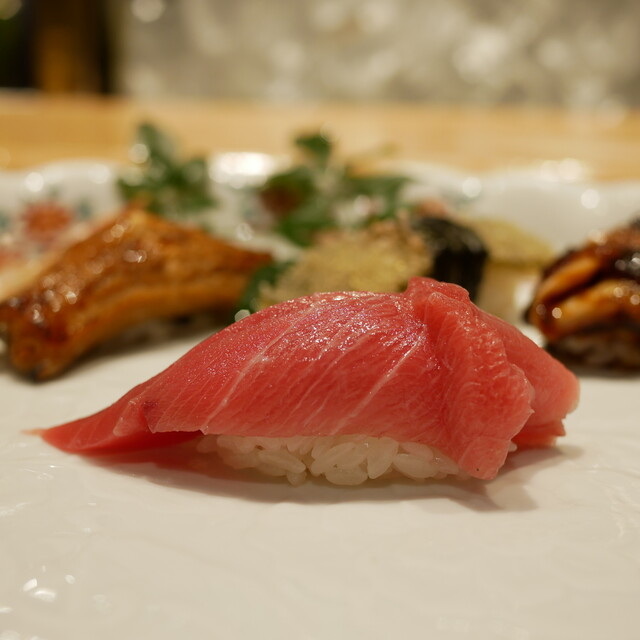
The first signal is not ceremony but movement: commuters below Sendai Station, shopping-floor brightness, and the quick pivot from rail concourse to sushi counter. That setting matters. Sendai’s station dining is often treated as transit infrastructure, yet the stronger addresses in the complex work as a compressed map of Miyagi eating, from wagashi and anko specialists such as ankoya Ekimae ten to patisserie counters like kazunori ikeda individuel Esuparu sendai ten. Sushi here has a different burden: it has to justify itself in a place built for speed while drawing on a coast where fish is not an imported luxury cue but a regional identity.
Shiogama Sushi Tetsu S-PAL sendai ten sits inside that tension. Its selection for Tabelog Sushi EAST “Tabelog 100” in 2025, with earlier selection in 2021, is the trust signal that separates it from routine station sushi. The point is not trophy-chasing. In eastern Japan, where serious sushi ranges from tiny reservation counters to busy market-adjacent shops, a Tabelog Hyakumeiten listing suggests consistent local credibility rather than tourist theatre. Sendai visitors using Our full Sendai restaurants guide will find that distinction useful: this is station-accessible sushi tied to a port tradition, not a generic mall compromise.
Shiogama's port logic inside a Sendai Station room
Shiogama, northeast of Sendai, has long been associated with sushi culture because of its fishing-port economy and proximity to Sanriku waters. That context gives the restaurant its editorial reason to exist. The menu focus is sushi and seafood, with attention placed on Sanriku seafood and natural hon-maguro. Those details matter because Miyagi sushi is not only about technique; it is about how the region reads season, landing, and tuna quality through a counter format that can be casual in mood yet serious in sourcing language.
The station location changes the rhythm. A remote counter can ask the diner to surrender the evening. A station branch has to serve different use cases: lunch between trains, dinner after arrival, a group meal before dispersing into the city. The room supports that mixed function with counter seating, table seating, and raised seating areas, so the experience is less monastic than a small omakase room. That does not make it lesser. It places the restaurant in a practical Sendai category where regional seafood, sake, shochu, and wine can meet everyday urban traffic.
Compared with Senrei Zushi JR sendai eki 3 kai ten, another station sushi option in the lower spend band, Shiogama Sushi Tetsu S-PAL sendai ten occupies a more expensive and more recognition-backed tier. Compared with casual station sweets and snack stops such as Ademain, Baisaou, or Ako, the commitment is greater: sushi here asks for a meal slot rather than a grazing stop. That is the key decision for travellers planning Sendai around rail schedules.
What the recognition says, and what it does not
Tabelog’s Sushi EAST selection places the restaurant in a broad regional field rather than a Michelin-style hierarchy. That distinction is useful. A station restaurant with a 2025 Hyakumeiten listing is not automatically a hushed destination counter, and it should not be judged as one. Its strength lies in making Shiogama’s seafood grammar accessible in central Sendai, with enough recognition to merit attention from diners who normally avoid station complexes for serious meals.
The format also makes the restaurant more flexible than many high-end sushi counters. Take-out is listed, private rooms are not, and the dining space includes counter and group-friendly seating types. In practice, that places the experience closer to an accomplished regional sushi shop than an omakase-only theatre. The better expectation is directness: seafood-led sushi, a Miyagi coastal reference point, and the convenience of a station setting without abandoning craft signals entirely.
For broader city planning, the surrounding Sendai scene rewards contrast. A sushi meal here can sit alongside spice-led cooking at achaar, beef-focused dining in the station area, or casual sweets before a train. Travellers mapping beyond restaurants can pair the meal with Our full Sendai hotels guide, Our full Sendai bars guide, Our full Sendai wineries guide, and Our full Sendai experiences guide. The advantage is concentration: Sendai Station functions as a food district as much as a transport hub.
How to read it against Japan's wider dining map
Japan’s better regional dining often reveals itself through specificity rather than spectacle. In Kamakura, -Grilled beef Sukiyaki- KAMAKURA TANUKIAN 鎌倉 たぬき庵 in Kamakura expresses a different tradition through beef and sukiyaki ritual. Tokyo’s casual izakaya energy appears in places such as. 鮪と炭火焼き うお炭 秋葉原店 in Tokyo, while Osaka’s café culture has its own register at.cafe in Osaka. Sendai’s sushi argument is more coastal: Sanriku seafood, tuna, and a port-city lineage filtered through a station branch.
That wider comparison helps set expectations. Shiogama Sushi Tetsu S-PAL sendai ten is not trying to be the intimate Tokyo counter where every gesture is amplified. Its value is regional fluency in a high-traffic urban setting, backed by repeat Hyakumeiten recognition. Diners looking across Japan might also compare the way local identity appears in.know in Kumamoto, (Shoku) Vietnam in Kawasaki, or [Curry Senmon Ten] Maruyama Kyoju. in Sapporo. For overseas context, Jōdo Saké Bar in Los Angeles and Onigiri Time in Pasadena show how Japanese formats travel; in Sendai, the stronger move is to read sushi through its nearby waters.
The editorial verdict is practical but firm: this is a serious Sendai Station sushi choice for travellers who want Miyagi seafood culture without building the day around a remote reservation. The award history gives it credibility, the station setting gives it usefulness, and the Shiogama connection gives it a reason to be more than a convenient meal.
Price and Positioning
Nearby venues at a similar price tier for orientation.
| Venue | Cuisine | Price | Notes |
|---|---|---|---|
| Shiogama Sushi Tetsu S-PAL sendai ten | Not listed | $$ | Aoba Ward, Traditional Sushi from Shiogama at Sendai Station |
| Shirayuki | Aoba Ward, Japanese Izakaya | $$ | Not listed |
| Yoru no Yakizakana Chocho Musubi | Not listed | $$ | Aoba Ward, Seafood-focused Japanese Izakaya |
| Genji | Not listed | $$ | Aoba Ward / Bunka Yokocho (Culture Alley), Traditional Sendai Izakaya |
| Baisaou | Not listed | $ | Aoba Ward, Traditional Japanese wagashi & kakigori shop |
| Senrei Zushi JR sendai eki 3 kai ten | Not listed | $$ | Aoba-ku, Standing sushi counter with Sanriku seafood |
Recognition history
Dated appearances from independent guides and award organizations, with the underlying list record or original source where available.
Tabelog 100 #98 · No. 98
Tabelog · Tabelog 100 - Sushi - EAST - 2025
At a Glance
- Lively
- Classic
- Cozy
- Solo
- Business Dinner
- Casual Hangout
- After Work
- Chefs Counter
- Standalone
- Sake Program
- Beer Program
- Local Sourcing
- Sustainable Seafood
Compact basement sushi counter with 12-seat counter and a few small tables, creating a cozy but busy atmosphere typical of a popular station restaurant with constant foot traffic and short waits.