
PIZZERIA DE NAPULE puts Sendai’s Tachimachi area into Japan’s serious pizza conversation, with Tabelog Pizza 100 selections in 2019, 2021, 2023, and 2025. The appeal is not ceremony or luxury pricing, but a compact, neighbourhood-scale room where pizza and Italian cooking sit alongside vegetarian-friendly options, wine, sake, and takeout.
Pearl is the En Primeur Club membership app — saves, bookings, and concierge access live there. Same editors, same standards.
- Address
- Japan, 〒980-0822 Miyagi, Sendai, Aoba Ward, Tachimachi, 26−19 井上ビル 1F
- Phone
- +81 22-713-2737
- Website
- instagram.com
 Saves & bookings on Pearl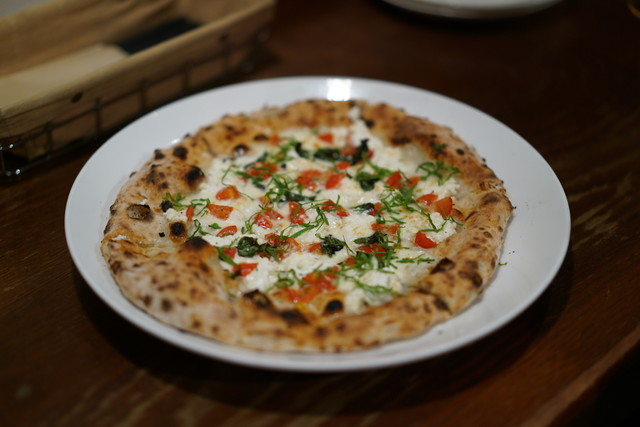
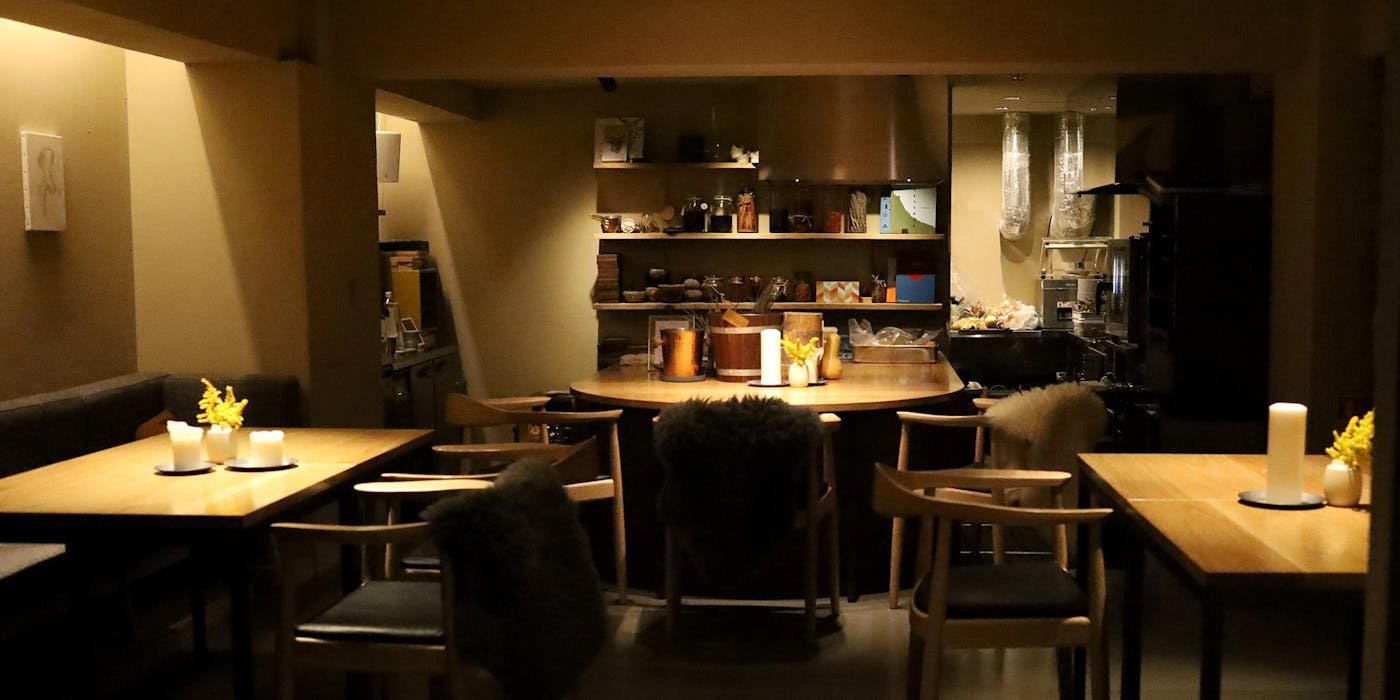
Tachimachi has a quieter register than the restaurant corridors around Sendai Station, and that matters here. The approach is backstreet rather than grand: a small Aoba Ward address, a 20-seat room, and pizza counter culture that Japan has refined into something distinct from both Naples nostalgia and casual chain dining. In Sendai, where beef, izakaya cooking, seafood, and café culture often dominate a visitor’s first pass, serious pizza occupies a narrower lane. PIZZERIA DE NAPULE belongs to it, and repeated Tabelog Pizza 100 selections in 2019, 2021, 2023, and 2025 give the room a national signal most neighbourhood pizzerias never acquire.
The context matters because Sendai’s dining map rewards specificity. A meal at ankoya Ekimae ten reflects the city’s affection for compact local formats; Baisaou sits closer to the café and tea register; achaar, Ademain, and Ako show how varied small-format dining has become. Pizza here is not a fallback when reservations fail elsewhere. It is part of the same urban pattern: focused rooms, modest scale, and menus that serve locals as much as visitors.
A Tachimachi pizzeria with national pizza-list credibility
Japan’s serious pizza scene is unusually competitive because it has split into two camps. One pursues Neapolitan orthodoxy: dough discipline, oven management, and a short path from bake to table. The other folds pizza into broader Italian dining, where vegetables, drinks, and shared plates matter as much as the pie. PIZZERIA DE NAPULE is listed in both Pizza and Italian categories, placing it in the second conversation without weakening the pizza signal. Tabelog’s Pizza 100 recognition is the trust marker, especially because the selections span several cycles rather than a single appearance.
That distinction matters outside Tokyo. In the capital, a pizza specialist can live on obsessive comparison; in Sendai, a pizzeria must also function as a neighbourhood restaurant, absorbing families, couples, small groups, takeout orders, and diners who want wine or sake rather than a full Italian progression. Twenty seats put pressure on pacing and supply, but they also keep the experience close to the oven-and-table model that gives Japanese pizzerias their appeal.
The competitive set in Sendai cuts across categories rather than cuisine alone. Bon Kura sits in a similar casual dinner band; Izakaya Chocho asks more from the evening budget; Tempura Azumi and Sendai Gyuu to Wafuu Private rooms Suteiki Kojiro occupy higher-priced special-occasion territory. Against that spread, this pizzeria reads as a focused meal rather than a splurge. The value is not breadth, but the chance to eat in one of the city’s nationally noticed pizza rooms without entering the formal dining bracket.
Pizza as a neighbourhood meal, not a destination ritual
The strongest Sendai meals often feel embedded in daily geography. Tachimachi’s position west of the busiest station-side flow gives this restaurant a rhythm unlike places built around transit convenience. The nearest station is Kotodai Koen, a detail that points to the local character of the evening: a meal to fold into Aoba Ward, not a dining room designed around a hotel lobby or department-store floor.
Vegetarian-friendly options and stated attention to vegetables also shift the menu’s reading. In Japan, pizza and Italian restaurants can suit mixed groups better than specialist counters, especially when one diner wants vegetables, another alcohol, and another a familiar format after seafood, beef, or ramen. Here, wine, sake, and cocktails sit beside pizza and Italian categories, giving the room more flexibility than a strict pizza-only stop. That practical advantage also says something about Sendai’s eating culture: the strongest casual rooms meet several needs without becoming generic.
The family-friendly signals matter too. Children are welcome, including babies, preschoolers, and school-age children, and strollers are accepted. That may sound minor, but it defines the kind of pizzeria this is. In a city where many serious small restaurants lean adult, counter-driven, or reservation-sensitive, a compact pizza room that accommodates families occupies useful middle ground. It can be a credible food stop for travellers without forcing the evening into fine-dining choreography.
How to place it in a Sendai itinerary
This suits diners building a Sendai trip around neighbourhood eating rather than trophy-course dining. Use it when the day has already carried enough formal structure: museum time, shopping around the central arcades, or a walk through Aoba Ward. It pairs naturally with a broader read of the city through Our full Sendai restaurants guide, then branches into planning through Our full Sendai hotels guide, Our full Sendai bars guide, Our full Sendai wineries guide, and Our full Sendai experiences guide.
The broader Japan comparison is instructive. Regional dining strength is often measured through sushi, tempura, wagyu, or ramen, yet casual specialists show many cities’ current taste with less performance. A pizzeria recognized on a national pizza list in Miyagi belongs in the same editorial conversation as other tightly defined Japanese restaurant formats, from -Grilled beef Sukiyaki- KAMAKURA TANUKIAN 鎌倉 たぬき庵 in Kamakura to. 鮪と炭火焼き うお炭 秋葉原店 in Tokyo,.cafe in Osaka,.know in Kumamoto, (Shoku) Vietnam in Kawasaki, and [Curry Senmon Ten] Maruyama Kyoju. in Sapporo. Even outside Japan, the lesson holds at focused casual addresses such as Jōdo Saké Bar in Los Angeles and Onigiri Time in Pasadena: narrow formats travel well when disciplined.
The critical read is simple. PIZZERIA DE NAPULE is not the place to understand Sendai’s entire food identity, and does not need to be. It is a precise stop for a city that rewards smaller addresses, useful for travellers who want a meal with national recognition but without the cost or ceremony of Sendai’s higher-priced counters and private-room restaurants. In Tachimachi, pizza becomes a local meal with outside validation, exactly why it belongs on a serious Sendai dining map.
Compact Comparison
Side-by-side context: comparable cuisine and price.
| Venue | Cuisine | Price | Notes |
|---|---|---|---|
| PIZZERIA DE NAPULEThis venue — the venue you are viewing | Traditional Italian pizzeria | $$ | |
| Salamanger Hiro | $$ | /, Yoshoku hamburger steak specialist | |
| Yoi Tei Yocchan | Dining | , | |
| Yoru no Yakizakana Chocho Musubi | $$ | Aoba Ward, Seafood-focused Japanese Izakaya | |
| Murakamiya Mochi Ten | Dining | , | |
| LE BAR KAWAGOE | Kokubuncho, Cocktail & Whisky Bar | $$ |
At a Glance
- Date Night
- Group Dining
- Casual Hangout
- Standalone