
Tabelog 100 #32
Our verdict
Isshin Niyou belongs to Tokyo’s quieter café culture: small-scale, tea-led, and shaped by ritual rather than spectacle. The Nishi-Ogikubo shop has Tabelog Cafe EAST “Tabelog 100” 2025 recognition, a two-seat format, and a narrowed menu centered on scones and a few other items, making it a serious stop for readers interested in Japanese tea rooms at miniature scale.

Pearl is the En Primeur Club membership app, where members save venues, book tables and use the concierge.
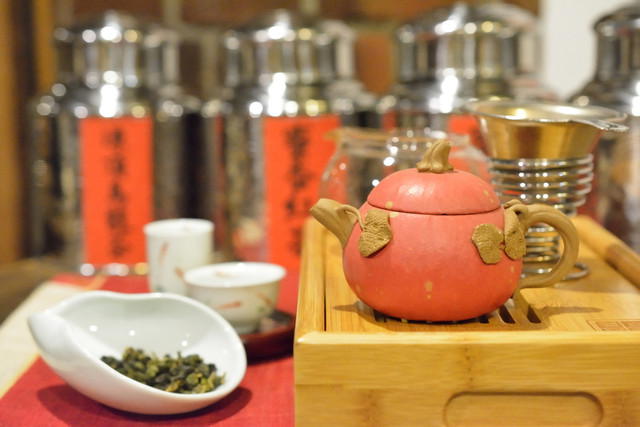
The menu
What to order
- Nepalese tea selection
- Taiwanese oolong tea
- Japanese tea leaves
- House-baked scones
The approach to Isshin Niyou changes the temperature of a Tokyo dining day. The city’s speed drops into a quieter rhythm: small storefronts, everyday foot traffic, and cafés that behave less like social lounges than personal rituals. In that setting, Isshin Niyou reads as part of a Tokyo tradition: the specialist café where the pace is set by quiet attention and the guest’s willingness to accept a narrower format.
Tokyo’s café scene is often discussed through design cafés, kissaten nostalgia, and dessert queues, but focused cafés occupy a different lane. They ask less from volume and more from attention. The category rewards restraint and consistency, which explains why a compact café can sit beside larger operators in recognition terms. Isshin Niyou was selected for Tabelog Hyakumeiten in 2025 in the Cafe category, placing it in a field where consistency and category definition matter more than size.
A focused café ritual in a city built for turnover
The current format is the point. Isshin Niyou is best read as a small-format café rather than a broad, all-purpose stop. That arrangement changes the usual café contract. This is not simply the Tokyo pattern of lingering with a laptop, nor the dessert-café pattern of photographing a table spread. It is closer to a specialist-room discipline: arrive prepared to keep the experience compact, accept the focused logic, and let the café cadence do the work.
The appeal is also narrowed by design rather than broadened into a general café slate. That makes the ritual more legible. Specialist cafés in Tokyo sit at an intersection the city handles particularly well: café habits, domestic attention to detail, and a consumer base willing to follow focused operators into small rooms and limited formats. In a city where destination counters often use scarcity to create theatre, this kind of café focus feels different. It is practical, almost severe, and better understood as a preservation of clarity than as exclusivity.
Tokyo helps that reading. Away from the most obvious hotel-lobby polish and major restaurant circuits, the city still supports independent food and drink addresses with precise identities. For travellers building a day around Tokyo’s broader dining range, the contrast is useful: a café stop here can sit between larger meals without feeling like another reservation-driven performance. It also reminds visitors that Tokyo’s serious food culture is not confined to formal counters and tasting menus.
How to read the recognition without overstating the room
Tabelog’s Hyakumeiten lists are useful because they capture category strength across formats that Michelin-style systems may not prioritise. A café selection does not mean luxury service, extended courses, or a chef-led narrative. It signals that the shop has earned attention inside Japan’s user-review-driven café category, where local repeat use carries weight. Isshin Niyou’s Tabelog score is 3.67, and the 2025 Cafe recognition puts it into a café conversation rather than a general restaurant hierarchy.
That distinction matters for expectations. A traveller comparing Tokyo meals by price and ceremony might place Sushi Marufuku in a completely different decision set, while Kitaya, Tsushima Ryu South Indian Kei Karakuchi Ryori Ten Tarikaro, Ooiwa Shokudo, and Rahi Punjabi Kitchen may answer other Tokyo dining needs. A focused café is narrower: it is for the hour when the café itself is the subject, not a side note.
The price band, JPY 1,000 to JPY 1,999, is modest by Tokyo destination-dining standards, but the format is the limiting factor. The etiquette is simple: treat the visit as a small-format café call, not as a flexible group dining plan. That modest budget position fits a corner of Tokyo hospitality where specialist shops can remain highly specific without needing to imitate the city’s larger restaurant machinery.
Where it fits in a Tokyo itinerary
Isshin Niyou works well as a precision stop, not a catch-all recommendation. The appeal is strongest for travellers who already understand that Tokyo rewards single-purpose venues: small restaurants that do one thing with conviction, counters built around pacing, and cafés where a wider format would change the atmosphere. The focused structure makes it a poor match for anyone seeking a sprawling café session, but a strong match for travellers willing to keep the focus on the venue itself.
For a broader Tokyo food map, pair this kind of stop with category contrast rather than similarity. EP Club’s city coverage ranges from casual and specialist restaurants to wider planning pages including Our full Tokyo restaurants guide, Our full Tokyo hotels guide, Our full Tokyo bars guide, Our full Tokyo wineries guide, and Our full Tokyo experiences guide.
Japan’s small-format dining culture also reads well against regional and overseas comparisons in general: across different cities, narrow formats can carry a place’s food identity with surprising force. The same point often holds in diaspora dining as well: specificity travels better than generic Japanese dining, and a clear format can be more memorable than abundance.
The editorial value here is not abundance. It is the opposite: a café reduced to a clear, restrained premise, operating in a city where small independents can survive on clarity. For the right traveller, Isshin Niyou is a study in Tokyo’s quieter discipline, where the meal is measured less by duration than by how precisely the format holds its line.
Frequently asked questions
How do I find Isshin Niyou?
Isshin Niyou is located in Tokyo.
When can I go to Isshin Niyou?
Current opening hours for Isshin Niyou should be checked directly before visiting.
What does dinner at Isshin Niyou typically cost?
Pricing at Isshin Niyou is listed as JPY 1,000 - JPY 1,999 JPY 1,000 - JPY 1,999.
What is Isshin Niyou known for?
Isshin Niyou is listed in the Cafe category and was recognised by Tabelog Hyakumeiten in 2025.
Where It Fits
Comparable venues to place this listing in its category.
| Venue | Cuisine | Price | Awards | Notes |
|---|---|---|---|---|
| Isshin NiyouThis venue (the venue you are viewing) | Specialty Tea & Scones Café | $10–20 | Tabelog 100 #32 | Not listed |
| a tes souhaits! glace et chocolat | Artisanal Gelato & Chocolate | $10–20 | Relais Desserts Member Boutique · Tabelog 100 #71 | Suginami |
| Jikabaisen Coffee Bon | Traditional Japanese kissaten & cake café | $20–30 | Tabelog 100 | Shinjuku |
| Sumibi Yaki Coffee Kura | Traditional Japanese kissaten & coffee shop | $10–20 | Tabelog 100 | Toshima |
| BAR Too | Cocktail Bar | $30–50 | Tabelog 100 #49 | Toshima |
| Cafe Tram | Absinthe & herbal liqueur cocktail bar and cafe | Not listed | Not listed | Shibuya |
Recognition history
Dated appearances from independent guides and award organizations, with the underlying list record or original source where available.
Tabelog 100 #32 · No. 32
Tabelog · Tabelog 100 - Cafe - EAST - 2025
Continue exploring
More in Tokyo
Restaurants in Tokyo
All restaurants in Tokyo →



Bars in Tokyo
All bars in Tokyo →





Details
- Quiet
- Cozy
- Classic
- Solo
- Casual Hangout
- After Work
- Brunch
- Standalone
- Design Destination
- Zero Proof
- Local Sourcing
- A La Carte
- Counter Dining
- Tea
- Nonalcoholic
- Vegetarian Friendly
Current opening hours
- Monday
- 12–6 PM
- Tuesday
- Closed
- Wednesday
- 12–6 PM
- Thursday
- 12–6 PM
- Friday
- 12–6 PM
- Saturday
- 12–6 PM
- Sunday
- 12–6 PM
Hours can change for holidays and private events. Hours as of .
A small, quietly atmospheric neighborhood tea shop with a classic kissaten feel—simple, warm interior, focused on the aroma of brewed tea rather than decor, lending an intimate, almost private retreat vibe away from the busy city.