Ishtia

Ishtia occupies a distinctive position in Kemah's dining scene, pushing well beyond the waterfront seafood conventions that define most of the town's restaurant options. Located at 709 Harris Ave, the restaurant draws comparisons to destination-dining formats more commonly associated with major American culinary cities. For travelers willing to look past Galveston Bay's tourist corridor, it represents one of the Gulf Coast's more serious dining propositions.
Pearl is the En Primeur Club membership app — saves, bookings, and concierge access live there. Same editors, same standards.
- Address
- 709 Harris Ave, Kemah, TX 77565
- Phone
- +17134294311
- Website
- ishtia.com
- Directions
- Get directions
 Saves & bookings on Pearl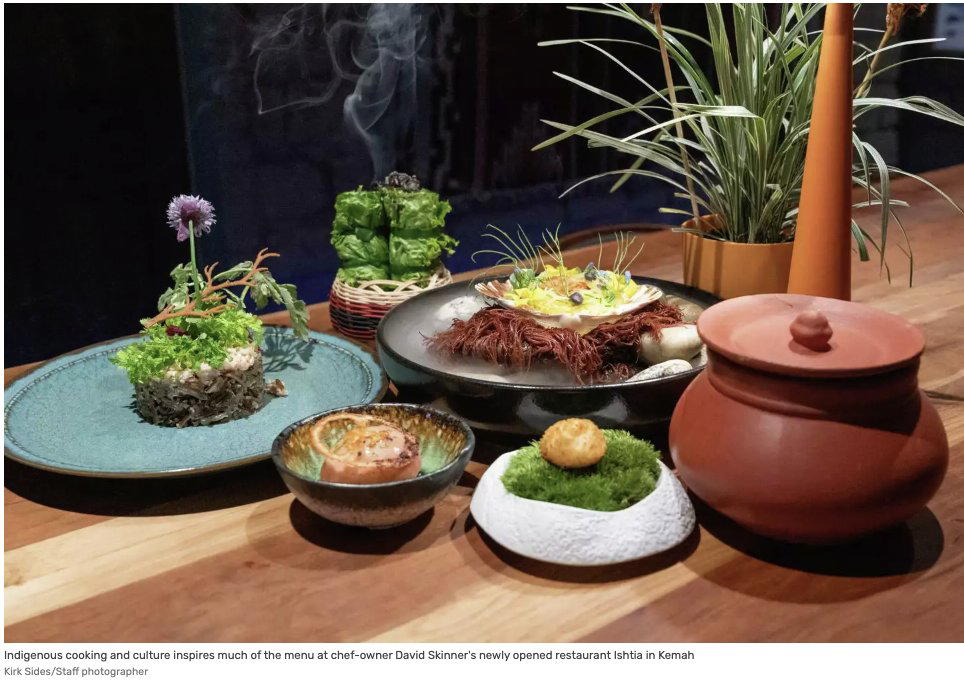
Kemah Beyond the Waterfront
Most visitors arrive in Kemah expecting one thing: fried shrimp with a bay view. The Kemah Boardwalk complex has spent decades reinforcing that expectation, and most restaurants in the area are content to serve it. The town sits roughly 25 miles southeast of downtown Houston, close enough to draw day-trippers but historically too peripheral to attract the kind of serious restaurant investment that tends to cluster in Montrose or the Heights. That context is what makes the presence of a restaurant like Ishtia, at 709 Harris Ave, Kemah, TX 77565, worth examining carefully. It occupies a category of dining that rewards a reservation and a deliberate visit.
The address places Ishtia slightly removed from the boardwalk's commercial density. Destination-format restaurants in smaller American cities rarely compete for tourist foot traffic. They position themselves for the deliberate visit, the reservation made weeks in advance, the diner who has done the research. That positioning puts Ishtia in conversation with properties like Lazy Bear in San Francisco or Alinea in Chicago in terms of format intent, even if the scale and national profile differ substantially.
The Source Question on the Gulf Coast
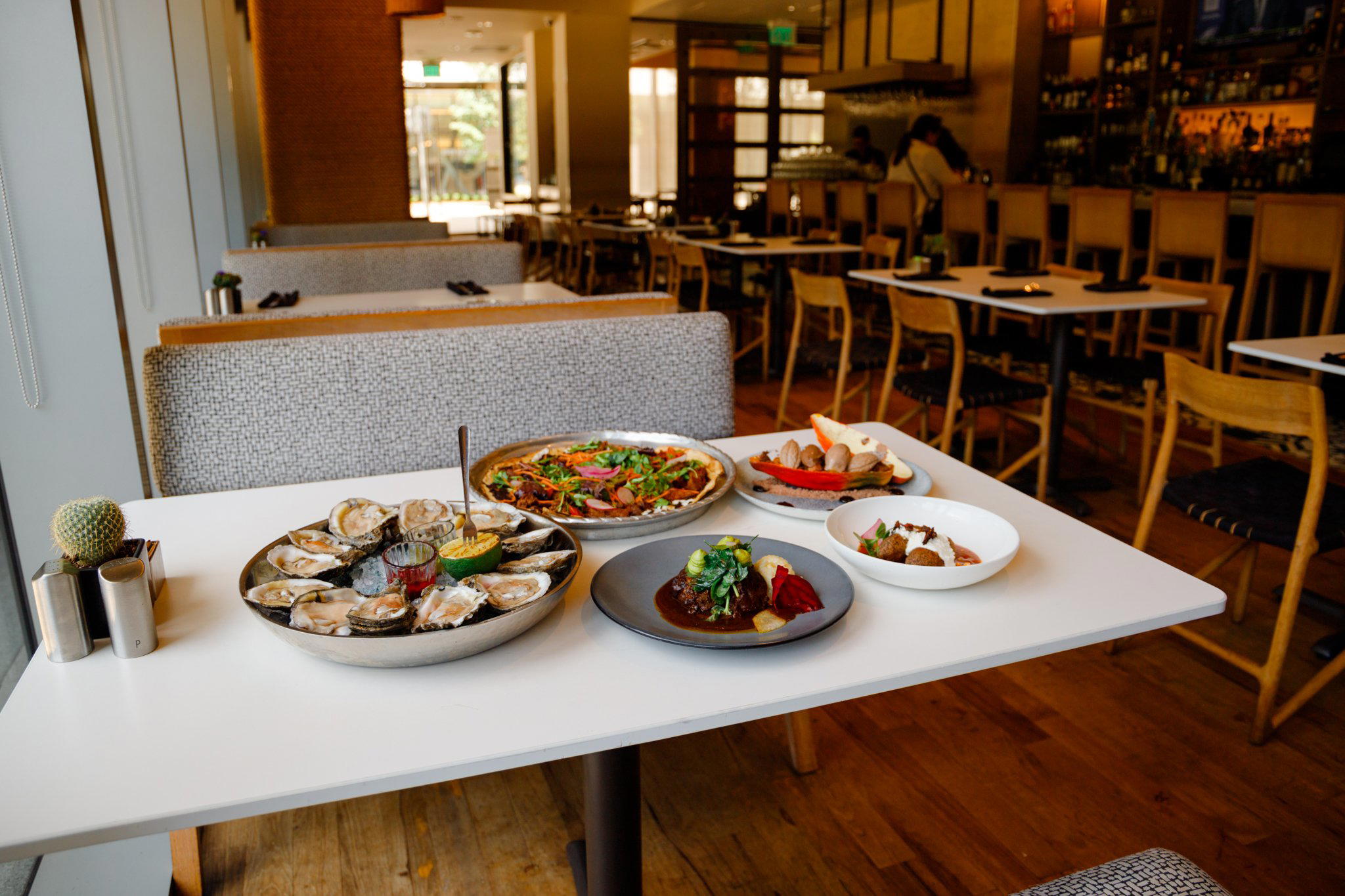
Ingredient provenance has become the defining argument for America's most serious tasting-menu restaurants. At Single Thread Farm in Healdsburg and Blue Hill at Stone Barns in Tarrytown, the sourcing narrative is inseparable from the menu structure: farm-to-table is not a marketing phrase but a literal organizational principle. The Gulf Coast presents a different sourcing argument, one that is harder to articulate but equally compelling. The proximity to some of the country's most productive shrimping grounds, the crawfish parishes of Louisiana just east along I-10, the inland ranching operations of Central Texas, and the citrus and vegetable farms of the Rio Grande Valley means a kitchen in this region has access to ingredients that cannot be replicated in California or New York.
The question for any serious Gulf Coast kitchen is whether it builds its identity around that access. Restaurants operating at the level Ishtia appears to target, comparable in ambition to The French Laundry in Napa or Providence in Los Angeles within their respective regional contexts, tend to foreground sourcing because it is the clearest way to justify a premium price point and distinguish themselves from urban competitors. A Kemah kitchen with genuine sourcing discipline has geographic advantages that a Manhattan restaurant simply cannot replicate, particularly in shellfish, fin fish pulled from the Gulf, and the livestock traditions of South and Central Texas.
Format and Atmosphere in a Small-City Context
Destination dining in smaller American cities has developed along two broad tracks over the past decade. The first follows the Addison in San Diego model: formal, architecturally considered, with service cadences borrowed from European fine dining and a wine program that anchors the ticket price. The second follows something closer to the Bacchanalia in Atlanta approach: rooted in place, warmer in register, less concerned with the visual grammar of luxury and more focused on the integrity of what arrives on the plate.
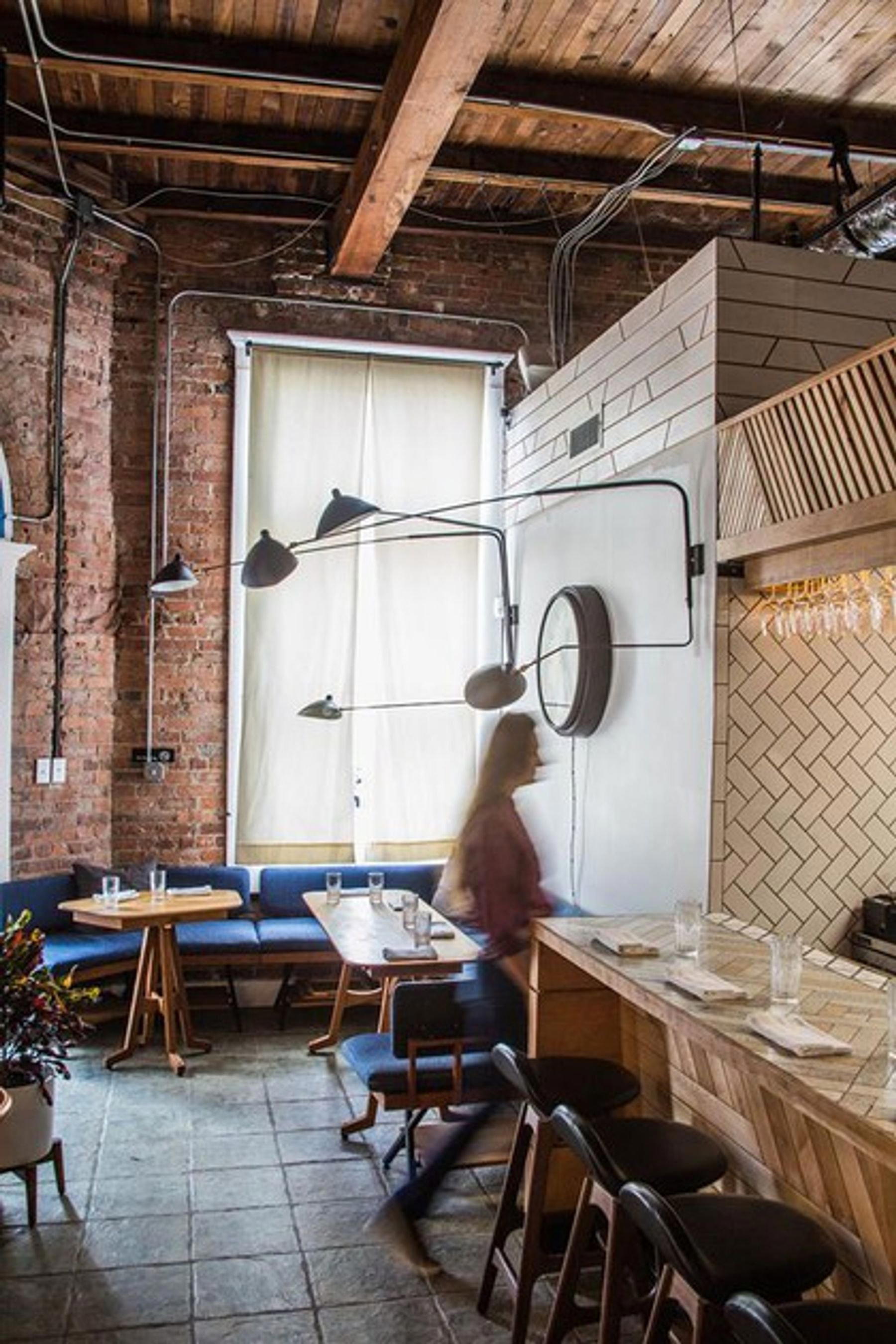
Kemah's character as a town, casual and coastal, suggests Ishtia leans toward the latter register rather than the former. A restaurant operating at serious price points in a waterfront leisure town cannot afford to feel alienating or deliberately austere. The dining rooms that work in these contexts tend to balance culinary ambition with physical environments that feel earned rather than imposed, spaces where the seriousness of the kitchen is felt rather than announced. This is the atmospheric register that distinguishes, say, The Inn at Little Washington from more rigidly formal American counterparts.
Situating Ishtia in a National Conversation
American fine dining has been redistributing itself geographically for at least fifteen years. The concentration of critical attention in New York, anchored by restaurants like Le Bernardin and Atomix, has not disappeared, but it no longer monopolizes the conversation. New Orleans has Emeril's and a broader culture of serious eating that predates the current tasting-menu era by generations. Denver has produced Brutø. Washington D.C. has Causa. The pattern is consistent: smaller and mid-sized American cities are generating restaurant projects that require no apology relative to their coastal metropolitan peers.
The Texas Gulf Coast has been slower to enter this conversation than Houston proper. But Kemah's proximity to Houston means it draws from that city's population of serious diners, people accustomed to paying for quality and willing to make a 30-to-40-minute drive for a meal that justifies the occasion. That catchment population is what makes an ambitious restaurant here viable in a way that would be harder to sustain in a more isolated location. The comparison point is less 8½ Otto e Mezzo Bombana in Hong Kong and more the cluster of serious destination restaurants that orbit major American cities without being contained by them.
For a broader survey of where Ishtia sits within Kemah's overall dining options, see the Kemah restaurants guide. It also covers Eculent, which operates in a similarly ambitious register, and T-Bone Tom's, which represents the town's more casual, long-established dining character.
Planning a Visit
Ishtia is located at 709 Harris Ave, Kemah, TX 77565. From central Houston, the drive runs approximately 30 to 40 minutes depending on traffic, with the clearest route following I-45 South toward Galveston before exiting toward the Kemah area. Reservations are essential, particularly on weekends. Visitors combining the meal with exploration of the bay area will find the immediate neighborhood more residential and quieter than the boardwalk corridor, which makes it a more composed setting for an extended dinner.
Comparable Spots, Quickly
Comparable venues nearby, for context on price, style, and recognition.
| Venue | Cuisine | Price | Notes |
|---|---|---|---|
| IshtiaThis venue — the venue you are viewing | Modern Indigenous American Fine Dining | $$$$ | Not listed |
| Eculent | Avant-Garde Molecular Gastronomy | $$$$ | Kemah |
| T-Bone Tom's | Texas Steakhouse & BBQ | $$ | Kemah Boardwalk |
| American Airlines Flagship Dining | Modern American Fine Dining | $$$$ | DFW Airport |
| Sire Spirits Diner Club | American Steakhouse & Seafood | $$$$ | Downtown |
| Lucio's | New American Steakhouse | $$$ | Neartown |
Recognition history
Dated appearances from independent guides and award organizations, with the underlying list record or original source where available.
James Beard Award Semi Finalist
James Beard Award
Continue exploring
More in Kemah
Restaurants in Kemah
Browse all →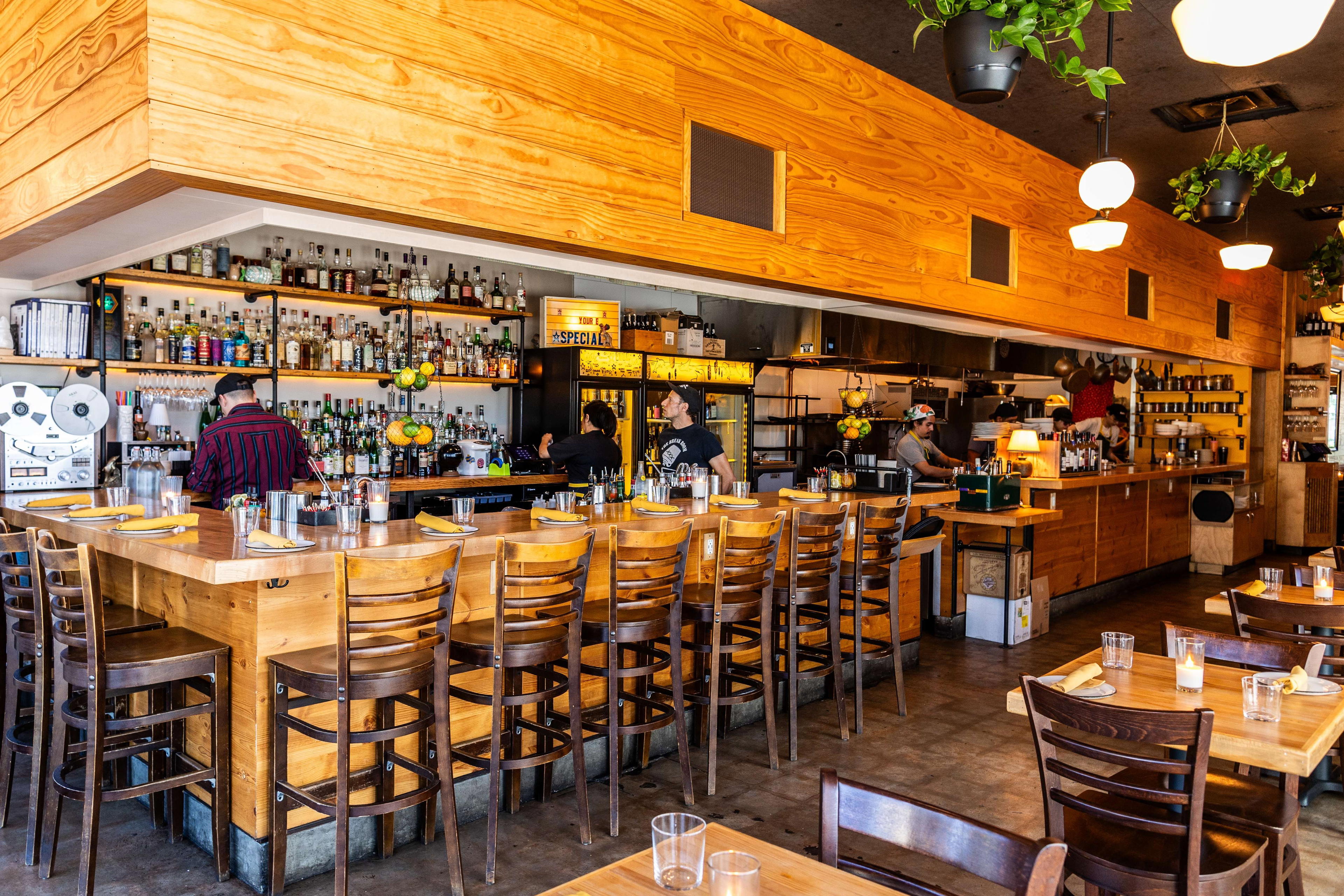
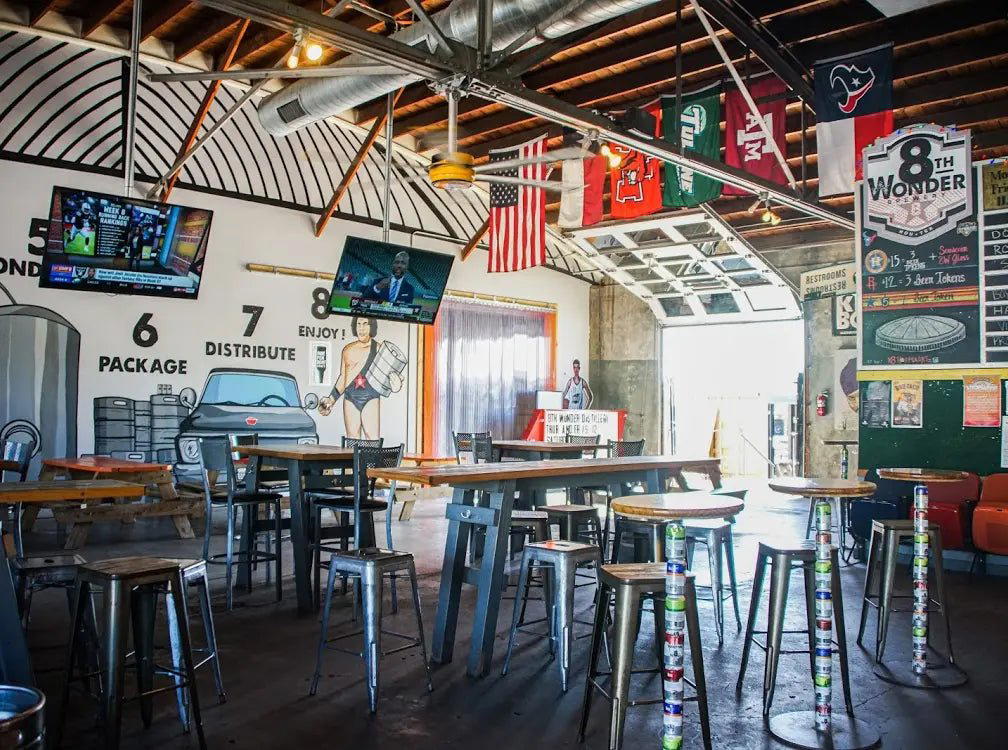
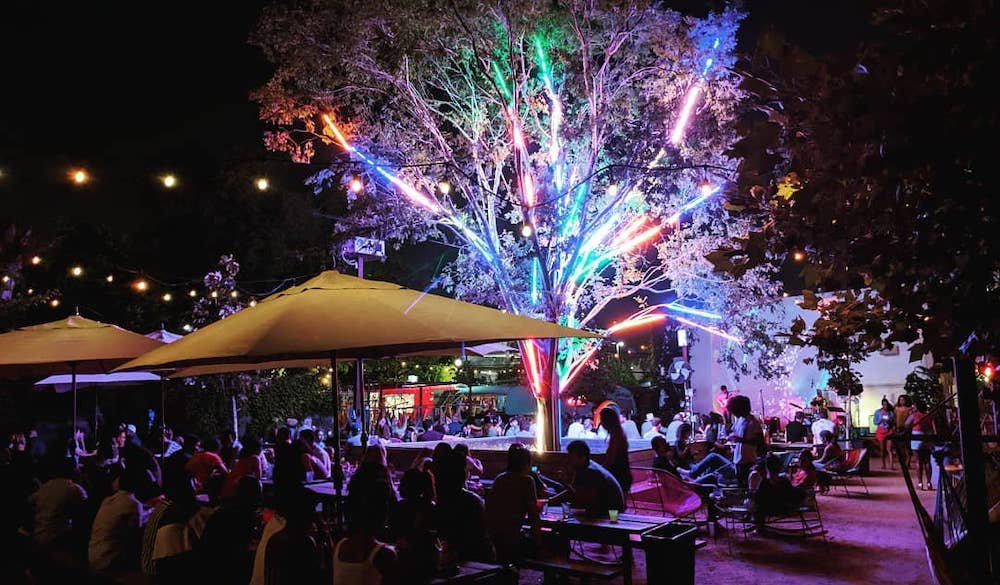
Bars in Kemah
Browse all →
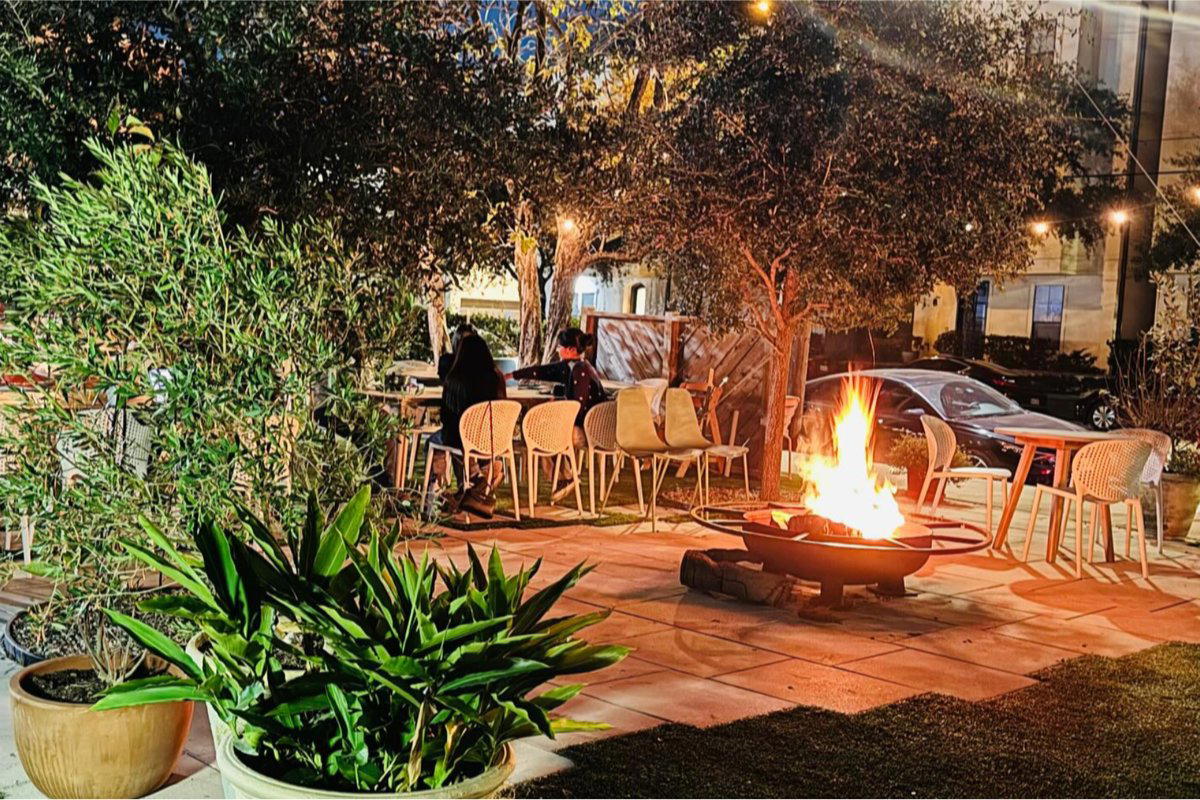
Hotels in Kemah
Browse all →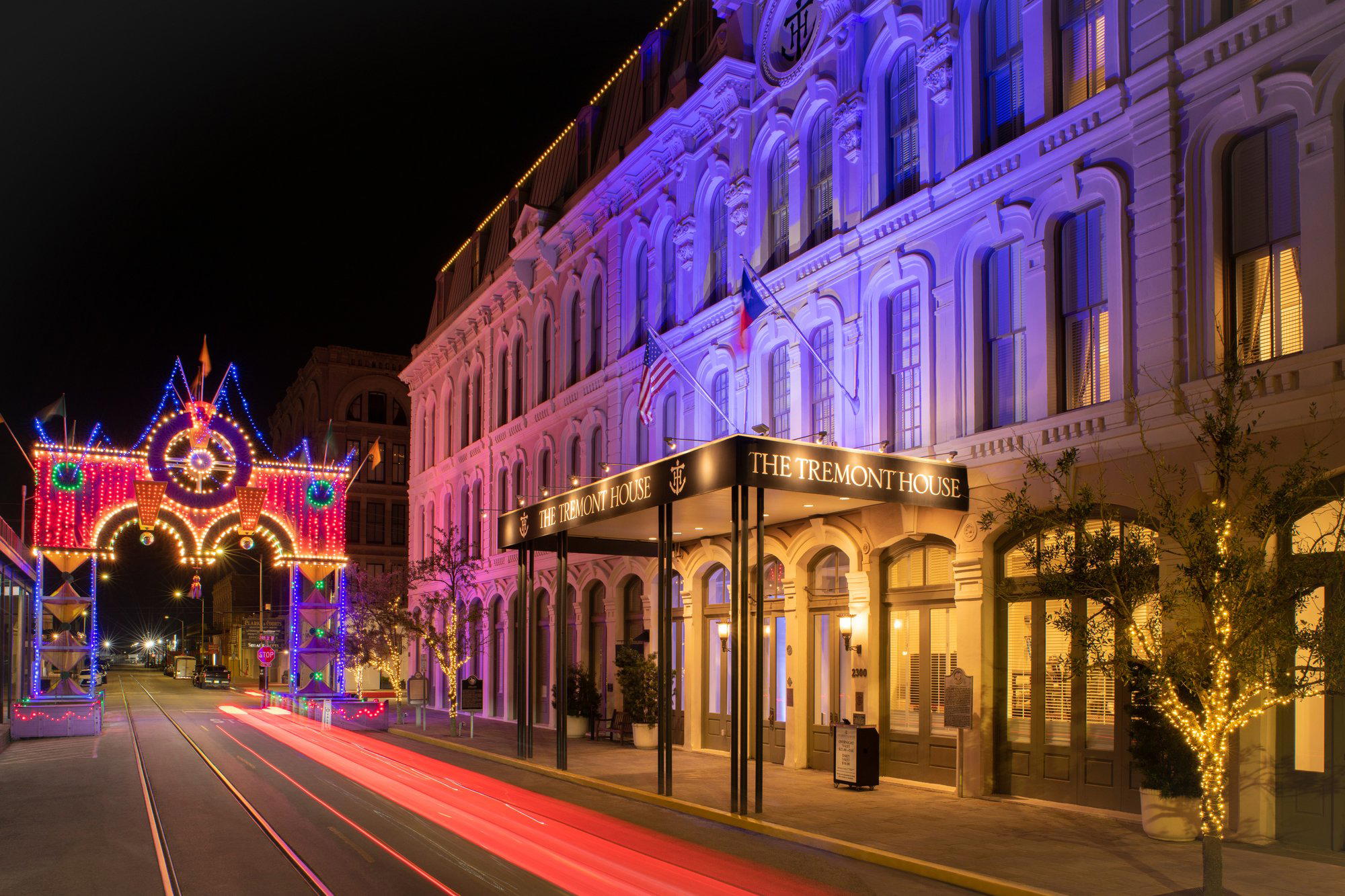
At a Glance
- Intimate
- Elegant
- Modern
- Special Occasion
- Chefs Counter
- Open Kitchen
Current opening hours
- Monday
- Closed
- Tuesday
- Closed
- Wednesday
- Closed
- Thursday
- 7–10 PM
- Friday
- 7–10 PM
- Saturday
- 7–10 PM
- Sunday
- Closed
Hours can change for holidays and private events. Last verified .
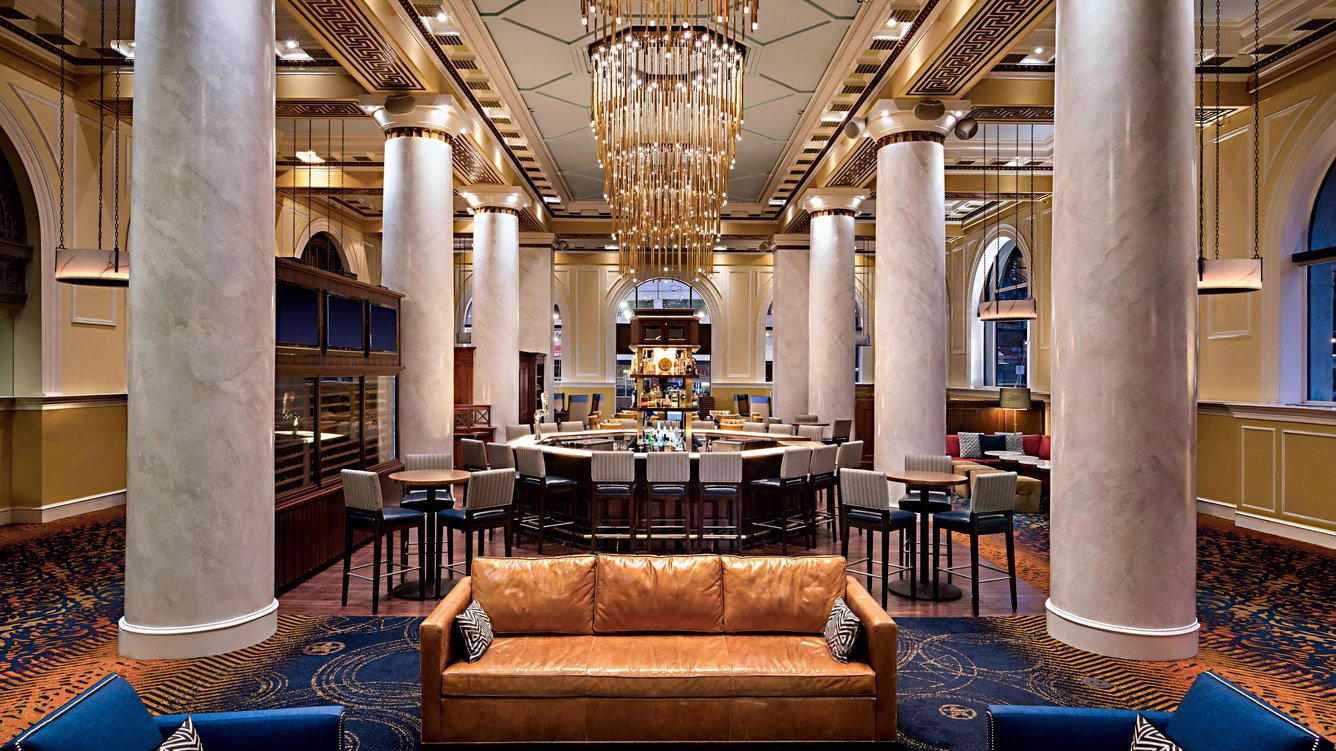
Intimate fine-dining atmosphere centered around a crackling fire for roasting and smoking, with chefs cooking and serving over a 3-hour journey.