Eculent
Our verdict
Eculent sits at 709 Harris Ave in Kemah, Texas, operating in a category of progressive fine dining that is rare along the Gulf Coast. The kitchen works in a format where technique and concept take precedence over convention, placing it in a different tier from the waterfront seafood houses that define most of the Kemah dining scene. Advance planning is advised for anyone making the trip from Houston.

Pearl is the En Primeur Club membership app — saves, bookings, and concierge access live there. Same editors, same standards.
- Address
- 709 Harris Ave, Kemah, TX 77565
- Phone
- (713) 429-4311
- Hours
- Mon–Tue ClosedWed–Sat 5–10 PMSun Closed
- Website
- eculent.com
- Directions
- Get directions
- Booking
- Book on OpenTable
The menu
What to order
- Pigs in a Cloud
- Salmon Mousse with Fish Bone Brittle
- Rabbit Roulade
- French Onion BonBon
Fine Dining at the Edge of the Gulf Coast
Kemah's dining identity is built almost entirely around its waterfront, where casual seafood houses and tourist-facing boardwalk concepts dominate the stretch of Galveston Bay. That context makes Eculent, at 709 Harris Ave, an anomaly worth understanding on its own terms. In most mid-sized American coastal towns, the highest-end dining gravitates toward the water view and leans on proximity to fresh catch as its primary credential. Eculent operates differently, belonging to a smaller category of destination restaurants in secondary American cities that compete on concept and technical ambition rather than setting or local celebrity.
That category has grown meaningfully over the past decade. Venues like Lazy Bear in San Francisco and Smyth in Chicago helped establish that serious tasting-menu restaurants could anchor themselves in neighborhoods without conventional prestige, drawing guests through reputation and format discipline rather than address. Eculent occupies an analogous position in the Houston metro, drawing diners who might otherwise drive to the city for comparable ambition.
The Cultural Weight of Gulf Coast Ingredients
The Gulf Coast sits at a crossroads of American food culture that rarely receives the same editorial attention as the coasts on either side of the continent. Texas Gulf seafood, regional game, and the agricultural output of the coastal plains connect to overlapping traditions: Creole and Cajun influence from the Louisiana corridor, the deep-South smoke-and-salt ethos, and the Mexican border cooking that has shaped Texas food more broadly than most national coverage acknowledges. A restaurant working at the fine-dining tier in this geography carries the option to draw on all of those threads, or to set them aside entirely in favor of a more internationalist framework.
That choice is one of the defining editorial questions for any serious kitchen operating in this part of Texas. Venues like Ishtia, also in Kemah, have built a nationally noted identity around Native American culinary traditions, demonstrating that the Gulf Coast can support destination dining anchored in specific cultural rootedness rather than generic fine-dining convention. The comparison matters: it shows that Kemah's small but serious dining tier is not monolithic, and that the most ambitious kitchens here tend to have a defined cultural or conceptual point of view.
For context on the range of approaches available at this level nationally, the tasting-menu format has taken different shapes at venues as varied as Blue Hill at Stone Barns in Tarrytown, which anchors its menu in farm provenance, and Addison in San Diego, which leans into French classical technique applied to California product. Where Eculent positions itself along that spectrum is the operative question for any diner making the trip.
What Separates Eculent from the Kemah Baseline
The dominant dining mode along the Kemah Boardwalk is volume-focused seafood: fried platters, po'boys, and Gulf shrimp served at tables that turn quickly. T-Bone Tom's represents another strand of the local character, a Texas-specific steak-and-smoke tradition with its own loyal following. Eculent does not compete in either of those categories. Its address on Harris Ave rather than the boardwalk itself signals a deliberate step away from the tourist circuit, which is the first indicator of a kitchen oriented toward repeat, intentional visitors rather than walk-in traffic.
That positioning is common among the serious independent fine-dining restaurants that have emerged in smaller American cities over the past fifteen years. Frasca Food and Wine in Boulder and The Wolf's Tailor in Denver both established themselves in cities where the dominant dining culture was more casual, and both did so by being unambiguous about their format and ambition from the outset. The model works when the kitchen has a clear answer to why a diner should travel specifically for it rather than find something comparable closer to home.
The Progressive Fine Dining Tier on the Gulf
At the national level, the tasting-menu format has been pressure-tested repeatedly over the past decade. Le Bernardin in New York City and The French Laundry in Napa represent the classical anchor of that tier, where format and pedigree have been stable for decades. A newer generation of venues, including Atomix in New York City and ITAMAE in Miami, has expanded what counts as fine dining by centering non-European culinary traditions at the same price and ambition level. Providence in Los Angeles and Single Thread Farm in Healdsburg sit in a middle tier that is both technically rigorous and geographically rooted.
Eculent's relationship to that national tier is worth mapping carefully. The Gulf Coast has historically been underrepresented at the highest levels of American fine-dining recognition, which means that a serious kitchen here operates with less infrastructure around it: fewer peer restaurants at the same level, a smaller local population of trained fine-dining diners, and less established critical coverage. That can be a constraint, but it also means that a restaurant working at this level in Kemah carries more weight as a regional anchor than a comparable venue would in a denser fine-dining market. For comparison, venues like Emeril's in New Orleans and The Inn at Little Washington in Washington have both functioned as anchors for fine dining in regions where the category's presence is thinner than in New York or San Francisco. And internationally, the model of a destination restaurant operating outside major urban centers has been demonstrated by venues like Atelier Moessmer Norbert Niederkofler in Brunico, where geographic remove is itself part of the draw.
Planning Your Visit
Kemah sits approximately 25 miles southeast of downtown Houston, making it a viable evening destination from the city rather than a destination requiring overnight accommodation. The drive along Highway 146 and Highway 146 Business through the bay communities takes roughly 40 minutes in off-peak traffic, though the Houston metro's congestion patterns make Friday and Saturday departure timing worth considering. For visitors coming specifically for Eculent, arriving early enough to walk the waterfront beforehand gives context for how different the restaurant's register is from the surrounding area.
The address at 709 Harris Ave, Kemah, TX 77565 is confirmed. Given the format and the limited dining options at this tier in the region, bookings at restaurants of this type in comparable markets typically require two to six weeks of lead time, and weekend seatings fill faster than weeknight slots. For a broader view of where Eculent sits within the local dining options, see our full Kemah restaurants guide.
Frequently asked questions
Where is Eculent in Kemah?
Eculent is located at 709 Harris Ave, Kemah, TX 77565, Kemah.
Is Eculent worth the drive from Houston for a special occasion dinner?
Kemah sits approximately 25 miles southeast of downtown Houston, making Eculent a practical evening destination rather than an overnight commitment. For a city with a serious fine-dining tier, having a tasting-menu option on the water adds a format that Houston's urban core doesn't replicate. The occasion dining crowd driving out from Houston finds a different setting — Gulf waterfront rather than a city dining room — alongside the structured progression of a multi-course menu.
What's the best thing to order at Eculent?
Eculent operates as a tasting-menu concept, so ordering à la carte is not the format here. The full progression is the point: each course builds on the last in a structure that separates Eculent from the volume-focused seafood houses along the Kemah Boardwalk. Arriving with dietary restrictions flagged in advance gives the kitchen the best opportunity to work within its format.
What's the best way to book Eculent?
Eculent is located at 709 Harris Ave in Kemah, TX 77565, and given the tasting-menu format, advance reservations are the only practical approach. Seats at counters like this tend to fill well ahead of the date, particularly for weekend sittings.
What's the signature at Eculent?
The signature at Eculent is the format itself: a progressive tasting menu that draws on Gulf Coast ingredients while operating at a remove from the fried-platter baseline that defines most Kemah dining. Where the boardwalk prioritizes throughput, Eculent prioritizes sequence and technique. That structural contrast is what gives the restaurant its position in the local scene.
Can Eculent handle vegetarian requests?
Tasting-menu kitchens at this tier routinely accommodate vegetarian and other dietary requirements when guests communicate them at the time of booking rather than at the table. Eculent's address — 709 Harris Ave, Kemah — puts it in a Gulf Coast context where seafood dominates sourcing, so flagging preferences early gives the kitchen the clearest runway to adapt the progression.
Pricing, Compared
| Venue | Cuisine | Price | Awards | Notes |
|---|---|---|---|---|
| EculentThis venue — the venue you are viewing | Avant-Garde Molecular Gastronomy | $200–300 | Not listed | Not listed |
| Le Bernardin | French Seafood Fine Dining | $300–500 | 3 Michelin Stars · World's 50 Best #13 | French, Seafood |
| Lazy Bear | Modern American Tasting Menu | Not listed | 2 Michelin Stars · World's 50 Best #25 | Progressive American, Contemporary |
| Atomix | Modern Korean Tasting Menu | $300–500 | 2 Michelin Stars · World's 50 Best #7 | Modern Korean, Korean |
| Per Se | French Fine Dining Tasting Menu | $300–500 | 3 Michelin Stars · World's 50 Best #40 | French, Contemporary |
| Masa | Traditional Japanese Omakase | $500+ | 2 Michelin Stars · World's 50 Best #27 | Sushi, Japanese |
Continue exploring
More in Kemah
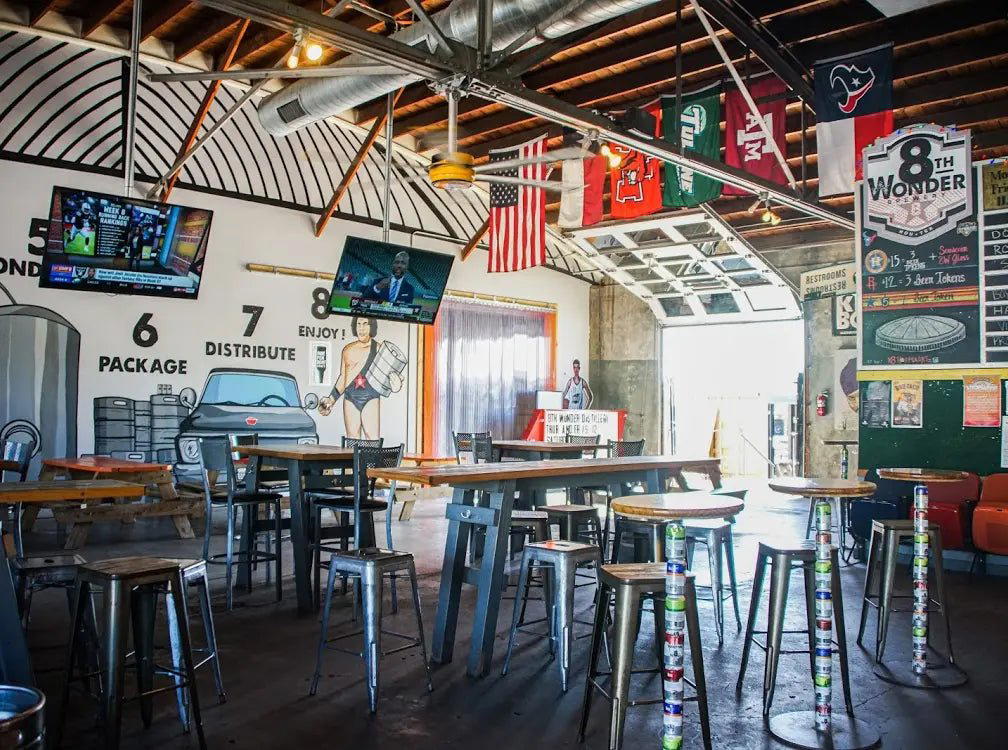
Restaurants in Kemah
Browse all →
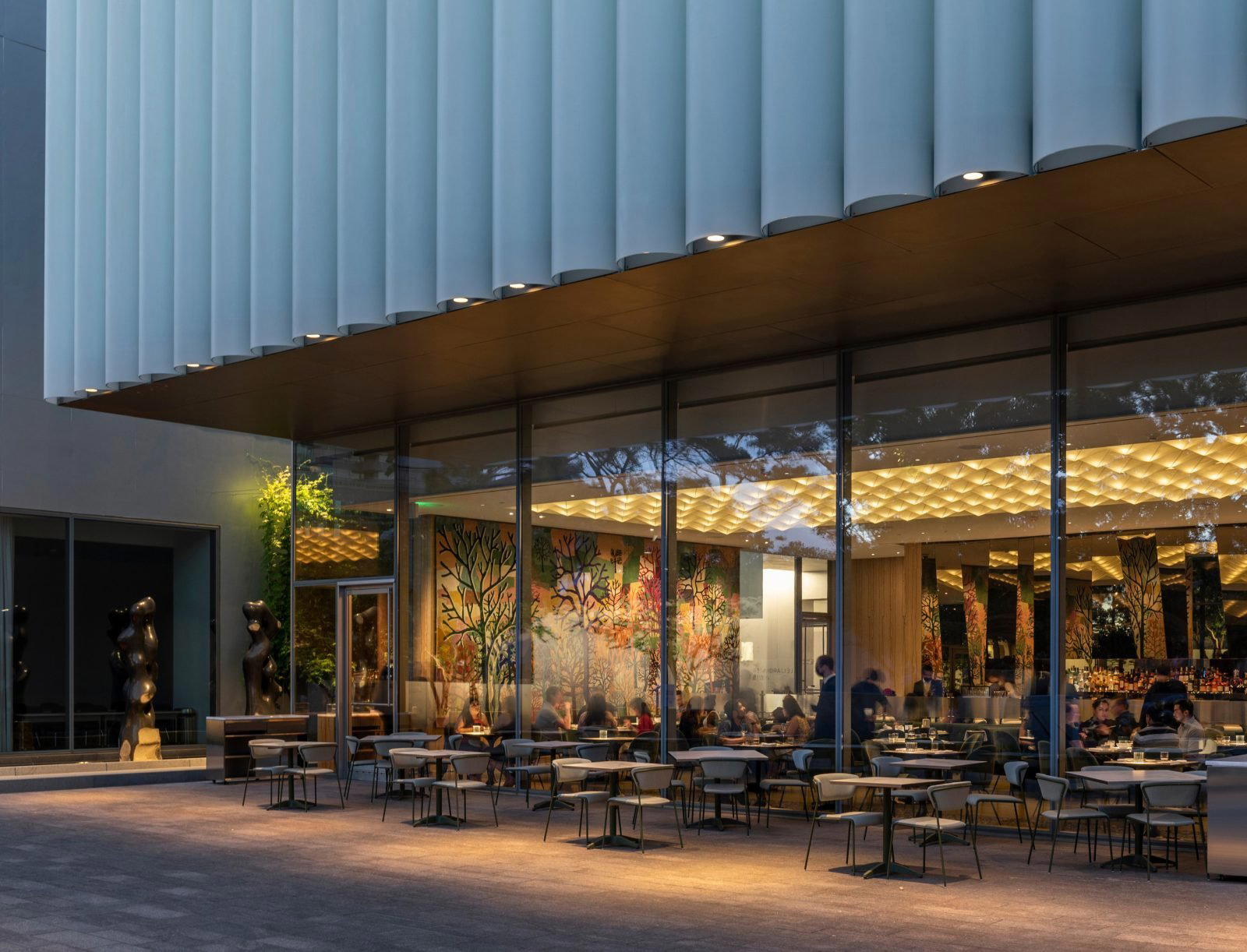
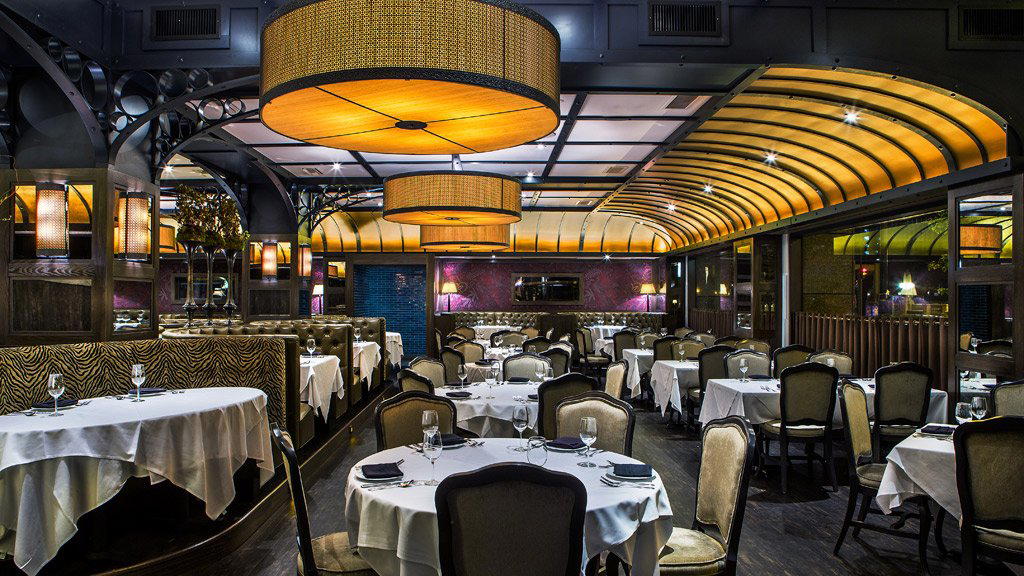
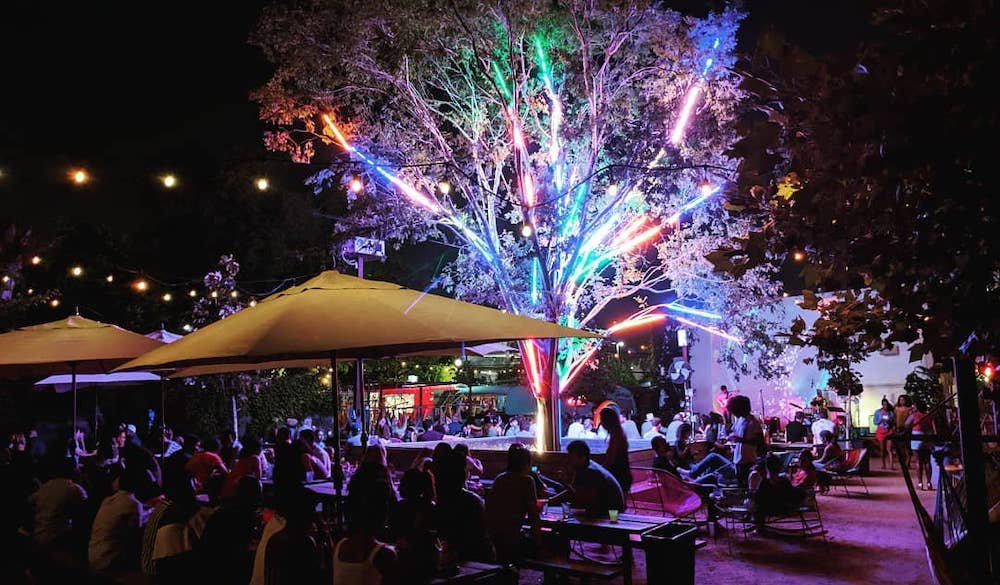
Bars in Kemah
Browse all →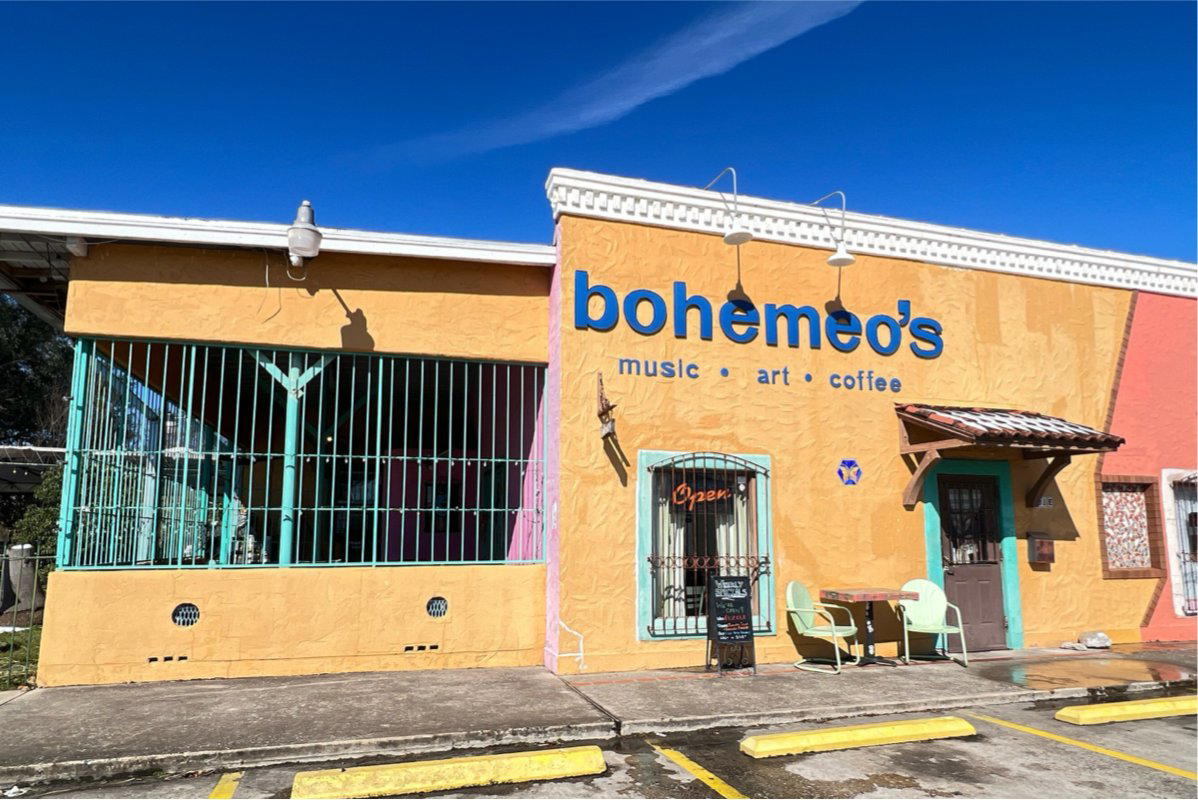

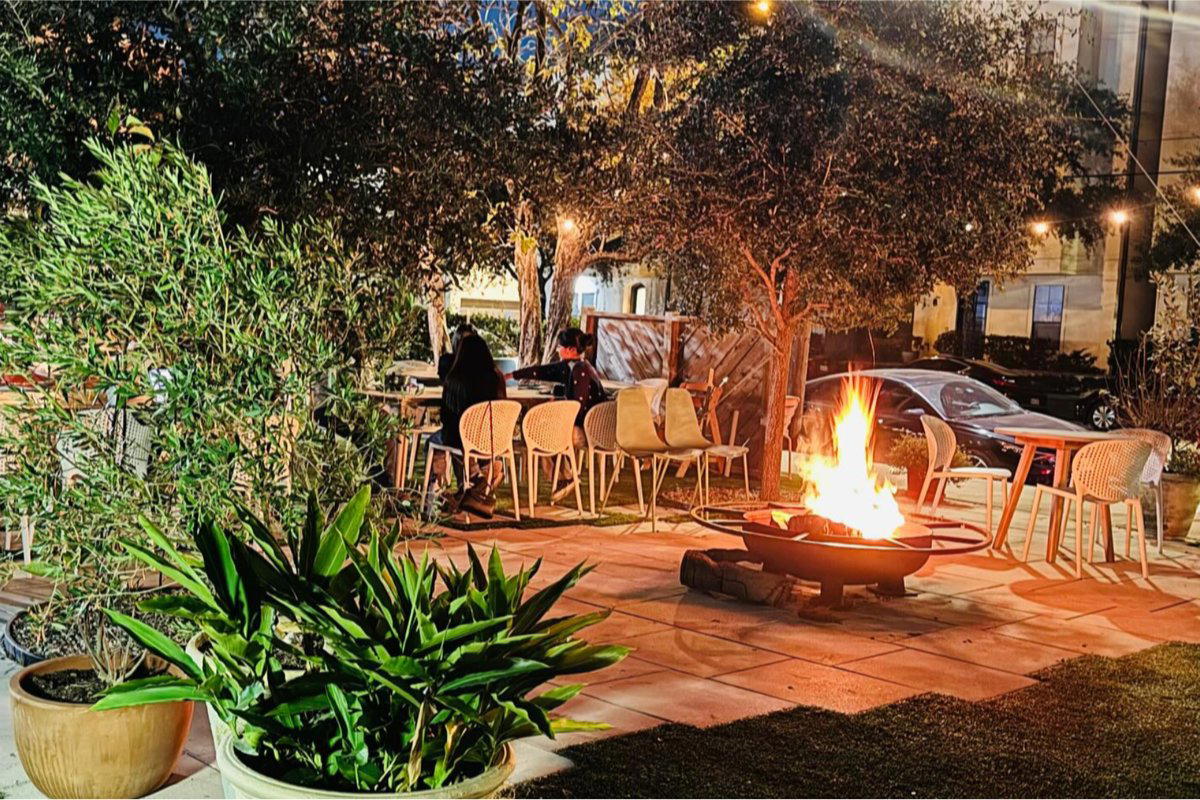
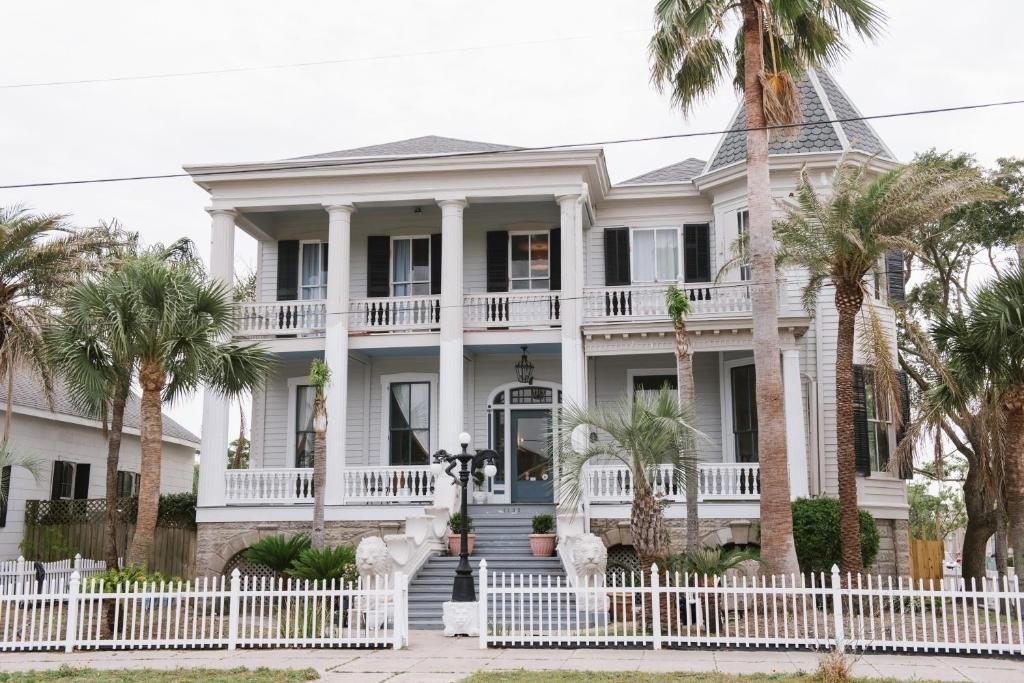
Hotels in Kemah
Browse all →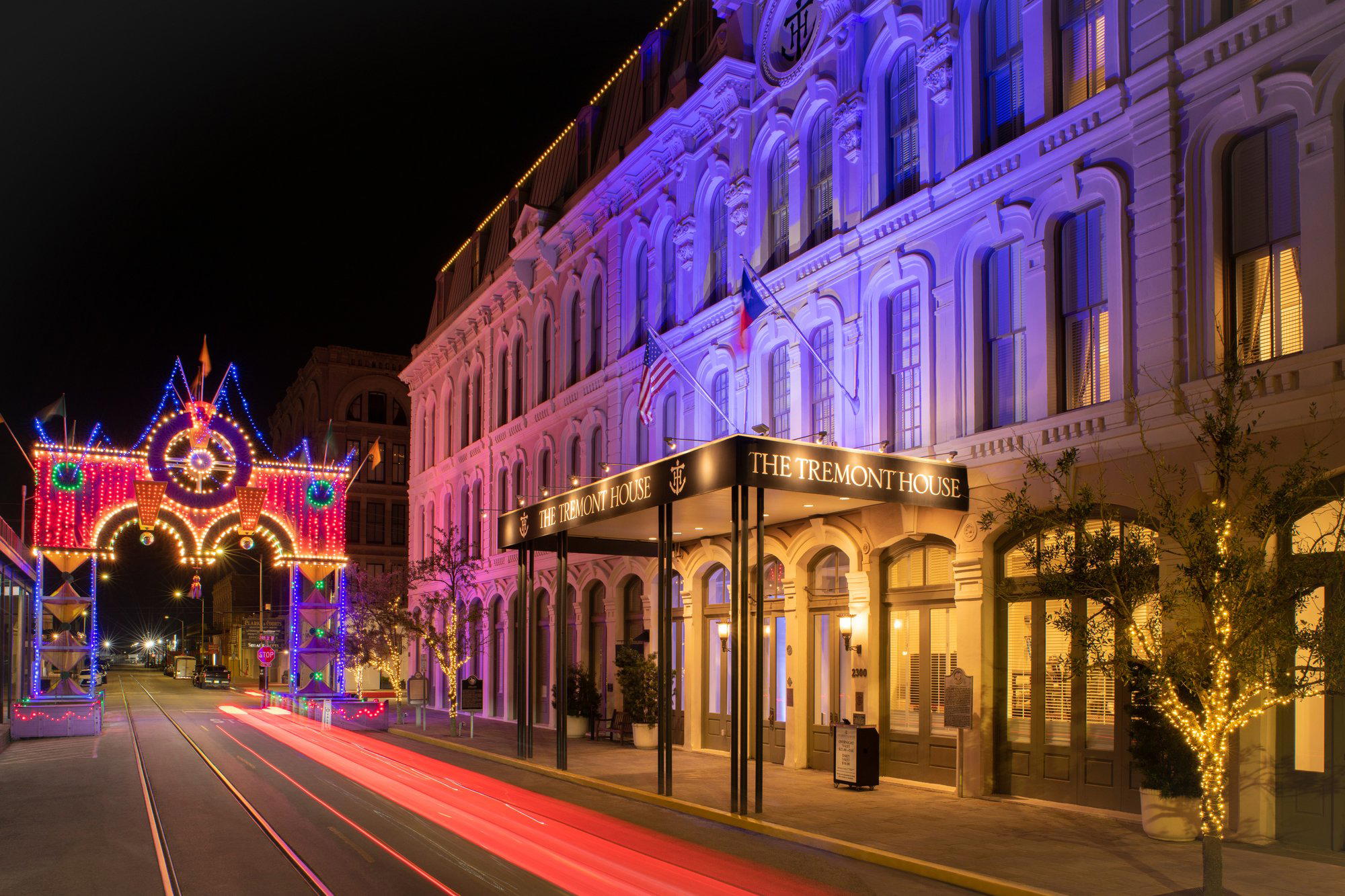

Eculent
The wine
- Wine program
- Curated wine list
- Sommelier-led
- Craft cocktails
Details
- Whimsical
- Intimate
- Modern
- Elegant
- Sophisticated
- Special Occasion
- Date Night
- Celebration
- Open Kitchen
- Design Destination
- Standalone
- Craft Cocktails
- Sommelier Led
- Farm To Table
- Local Sourcing
- Tasting Menu
- Prix Fixe
- Craft Cocktails
- Wine Pairing
- Vegetarian Friendly
- Gluten Free Options
Current opening hours
- Monday
- Closed
- Tuesday
- Closed
- Wednesday
- 5–10 PM
- Thursday
- 5–10 PM
- Friday
- 5–10 PM
- Saturday
- 5–10 PM
- Sunday
- Closed
Hours can change for holidays and private events. Last verified .
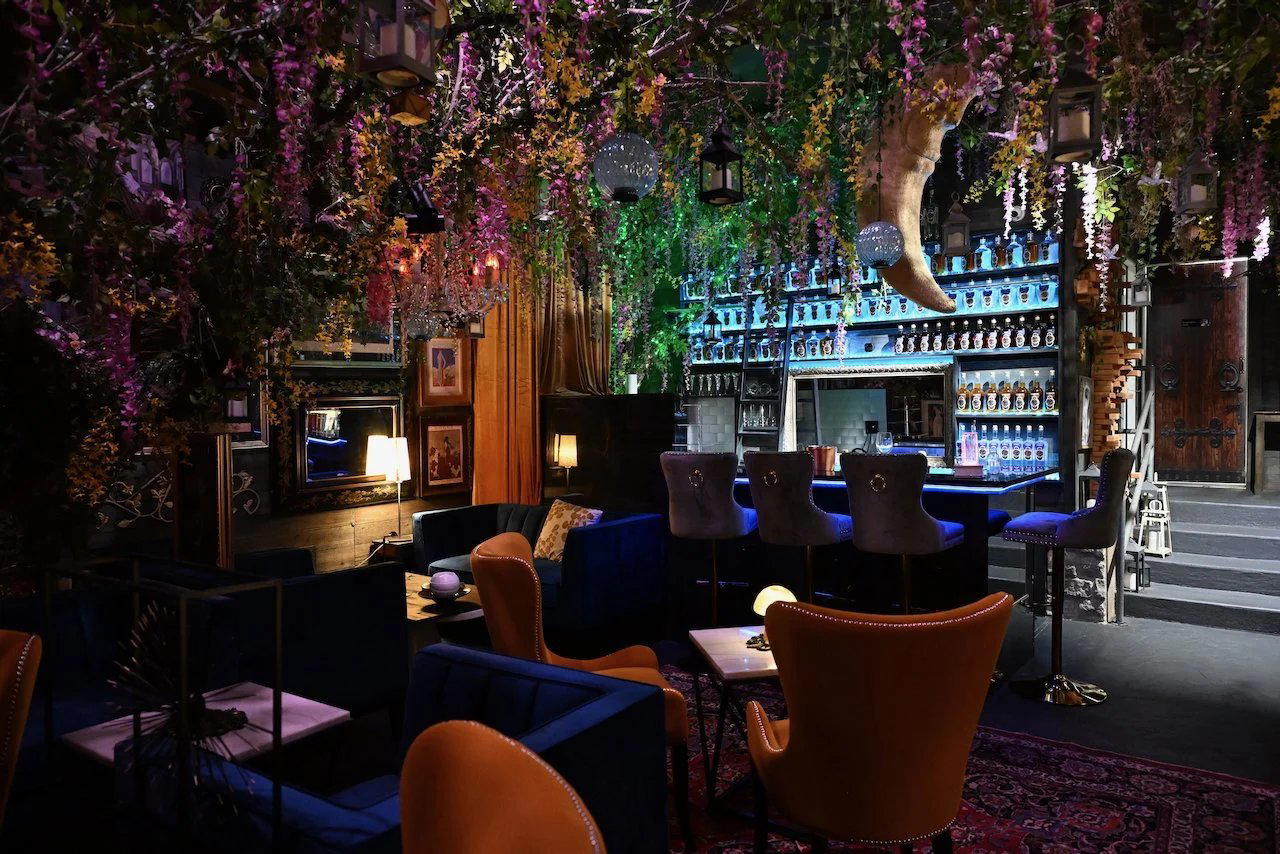
Warm and intimate atmosphere with earth-toned shades, familiar comforting scents, and dramatic atmospheric changes throughout the meal; described as a complete sensory experience that dissolves the barrier between chef and guest.