Isabella
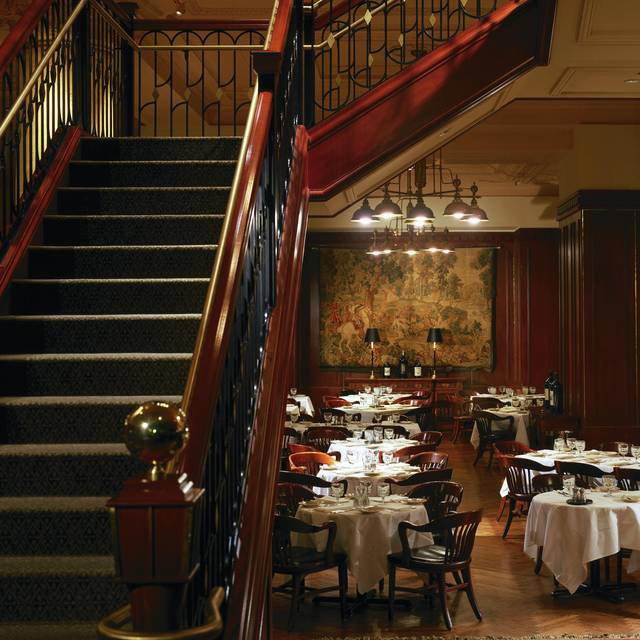
Isabella occupies a Prince Street address in Boston's North End, one of the city's oldest dining corridors, where Italian-American tradition and contemporary New England cooking have long intersected. The room rewards a slow pace: arrival, ritual, and the steady progress of a meal structured around seasonal ingredients and careful preparation. For Boston diners oriented toward the dining ritual rather than spectacle, Isabella represents a considered choice in a neighbourhood dense with options.
Pearl is the En Primeur Club membership app — saves, bookings, and concierge access live there. Same editors, same standards.
- Address
- 2 Prince St, Boston, MA 02113
- Phone
- +16172277300
- Website
- isabellasboston.com
- Directions
- Get directions
 Saves & bookings on Pearl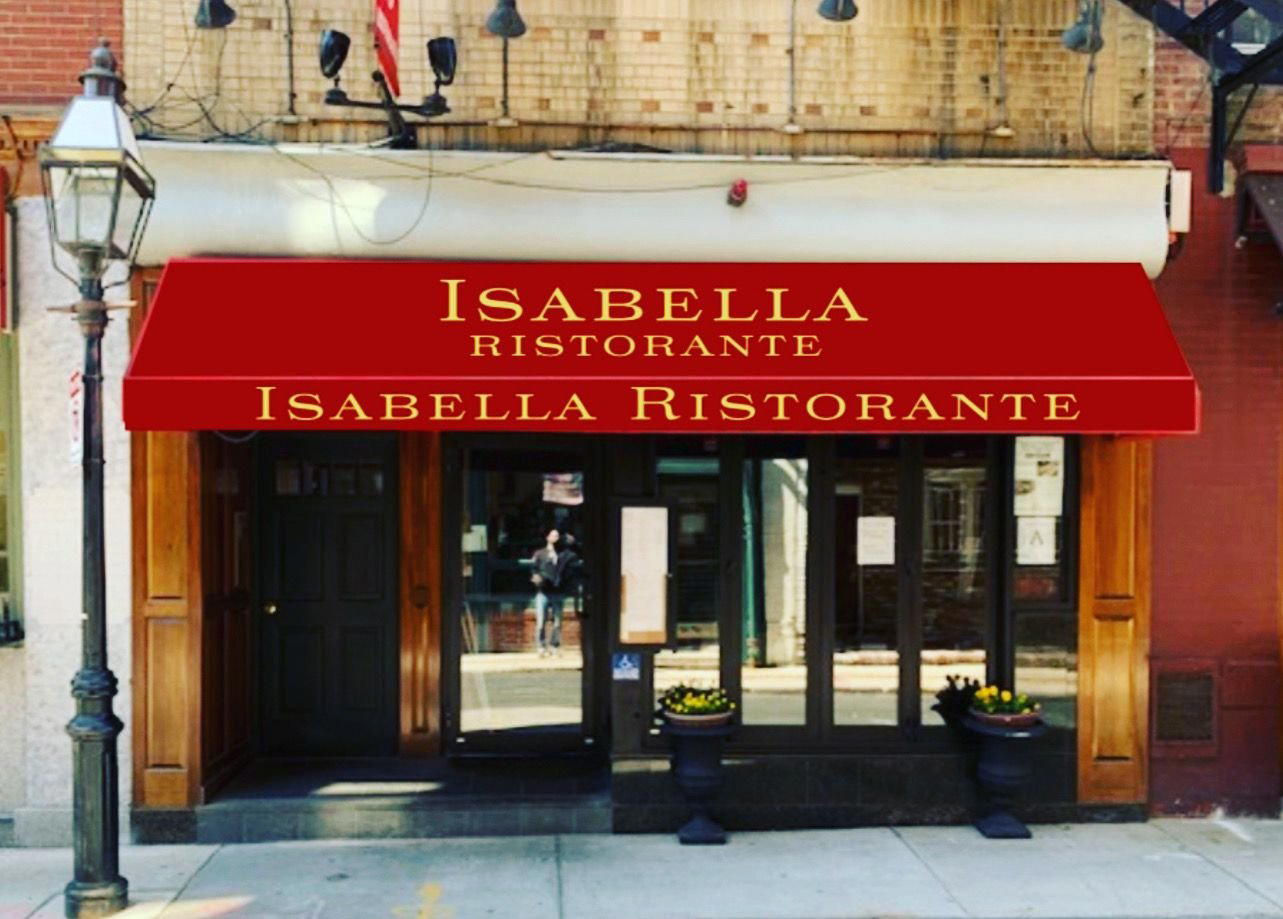
Prince Street and the North End's Dining Grammar
Boston's North End operates on a different register from the waterfront dining rooms along Rowes Wharf or the precision-format counters that have emerged elsewhere in the city, such as 311 Omakase. The neighbourhood's identity is shaped by decades of Italian-American settlement, a concentration of family-run trattorie, and a street plan narrow enough that the boundary between dining room and public life dissolves on warm evenings. Prince Street, where Isabella sits at number 2, feeds directly into that character. This is a block where the meal begins before you reach the door: the smell of garlic from neighbouring kitchens, the sound of conversations spilling through open windows, the slow foot traffic of residents and visitors who know the neighbourhood rather than just passing through it.
That physical context matters because it shapes the dining ritual that Isabella belongs to. In Boston's North End, meals are rarely transactional. The expectation, inherited from the Italian tradition that roots this neighbourhood, is that a table is held long enough for the experience to unfold in full, course by course, without the efficient turnover that characterises midtown lunch counters or the theatre of a tasting-menu format like Agosto's chef's counter. The pacing is relaxed without being indifferent, and the room reads accordingly.
The Ritual of the Meal
What distinguishes the leading Italian-inflected dining rooms from their lesser counterparts is the degree to which the kitchen respects the internal logic of a meal: appetiser to pasta to secondi, with each stage given room to breathe rather than compressed into a single plate or a tasting parade. In the North End tradition, pasta is not a gesture toward Italy but the structural centre of the table, arriving after the antipasto and before the main, demanding that the guest pace themselves accordingly. The ritual asks something of the diner as much as the kitchen.
This is the format that separates a neighbourhood like the North End from Boston's broader dining scene, where the influences range from the precise Japanese technique at Oishii Boston to the raw bar focus at Neptune Oyster to the seafood grill model at Ostra. Each of those venues organises the meal differently, in terms of sequence, pacing, and what the diner is expected to attend to. The North End's model privileges time over efficiency and tradition over innovation as a primary signal of quality.
Nationally, the dining ritual has been thoroughly renegotiated at the ambitious end of the market. Restaurants such as Alinea in Chicago or Atomix in New York City have formalised the tasting-menu structure to the point where the guest's movement through the room is choreographed alongside the food. At the opposite pole, venues like Blue Hill at Stone Barns in Tarrytown or Single Thread Farm in Healdsburg anchor the ritual in agricultural sourcing, making the provenance of ingredients an explicit part of the meal's narrative. Boston's North End sits outside both of those frameworks. Its ritual is older and less self-conscious: the pleasure of a known sequence, executed well.
Neighbourhood Context and Competitive Positioning
Within the North End, Isabella's Prince Street address places it at the residential core of the neighbourhood rather than at its tourist-facing edges along Hanover Street, where the concentration of restaurants is highest and the pressure toward high turnover is greatest. That positioning is a signal. Rooms that operate slightly off the main corridor tend to serve a higher ratio of repeat visitors and neighbourhood regulars, which in turn influences how service is calibrated. The assumption is familiarity rather than first-time discovery.
This dynamic appears across many American cities with established Italian-American enclaves, but Boston's North End is among the more intact examples. Where comparable neighbourhoods in other cities have been absorbed into broader dining districts, the North End maintains enough residential density and cultural continuity to sustain the original logic. For comparison, the waterfront register at venues like 75 on Liberty Wharf or the classic steakhouse format at Abe and Louie's both represent a different Boston dining tradition, oriented toward the celebratory occasion and the power-dinner format rather than the neighbourhood ritual.
Internationally, the format Isabella operates in has clear antecedents. The classic Italian-American trattoria in a residential enclave is a model that appears across the American Northeast and has equivalents in the dining traditions of cities from New York to New Orleans, where Emeril's helped formalise a comparable relationship between local identity and fine dining. The difference is one of scale and ambition: the North End tradition does not seek to transcend its context but to deepen it.
What to Order and How to Order It
What can be said with confidence is that the category logic of a North End Italian room prioritises handmade pasta, locally sourced seafood given the proximity to the harbour, and a wine list weighted toward Italian regions. The meal is leading approached in full sequence rather than edited down to a single course. A diner who arrives with the expectation of moving quickly will experience a different room than one who arrives prepared to spend two hours at the table.
Planning Your Visit
Isabella's address at 2 Prince St places it in the North End. The neighbourhood is compact enough that arriving on foot from the Haymarket MBTA station is one practical approach; parking in the North End requires patience rather than luck. Reservations are recommended. The North End has enough competing tables that walk-in success varies significantly by season, with summer and the October through November shoulder period bringing notably different dynamics. A table in the earlier seating, around 6pm, tends to move at a more deliberate pace than a later booking when the room is fuller.
In Context: Similar Options
Comparable venues nearby, for context on price, style, and recognition.
| Venue | Cuisine | Price | Notes |
|---|---|---|---|
| IsabellaThis venue — the venue you are viewing | Traditional Italian | $$ | Not listed |
| Artu | Italian Rosticceria & Trattoria | $$ | North End |
| Nando | Sicilian and Modern Italian | $$ | North End |
| Forcella | Modern Italian | $$ | North End |
| Panza | Traditional Italian | $$ | North End |
| Serafina Seaport | Modern Italian with Artisanal Pizza | $$$ | Fort Point Channel |
Continue exploring
More in Boston
Restaurants in Boston
Browse all →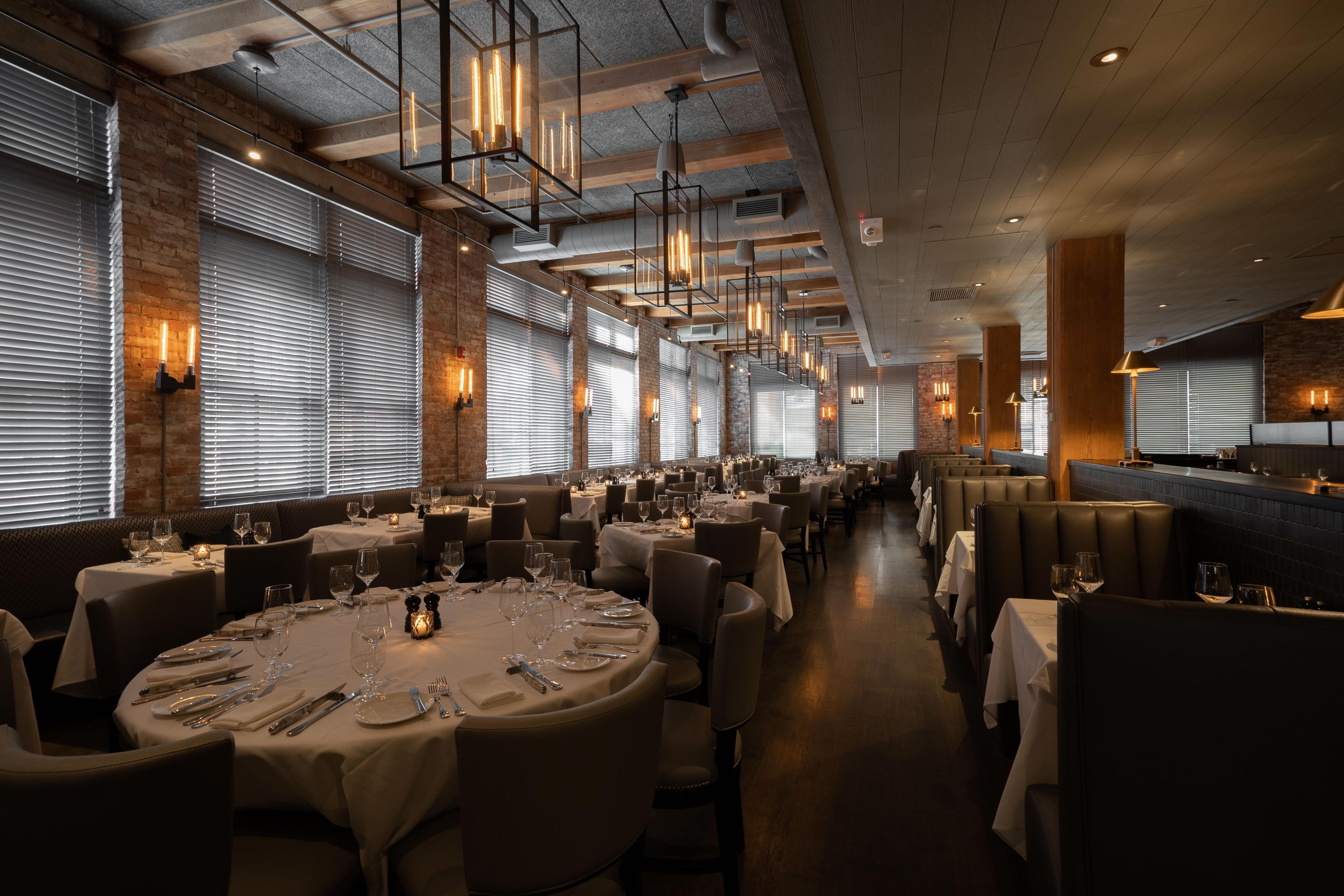
Bars in Boston
Browse all →
Hotels in Boston
Browse all →
Wineries in Boston
Browse all →
At a Glance
- Cozy
- Intimate
- Lively
- Date Night
- Family
- Casual Hangout
- Historic Building
Current opening hours
- Monday
- 11 AM–10 PM
- Tuesday
- 11 AM–10 PM
- Wednesday
- 11 AM–10 PM
- Thursday
- 11 AM–10 PM
- Friday
- 11 AM–10 PM
- Saturday
- 11 AM–10 PM
- Sunday
- 11 AM–10 PM
Hours can change for holidays and private events. Last verified .
Cozy and charming with closely spaced tables creating an intimate, lively atmosphere.