Tabelog 100 #71
Our verdict
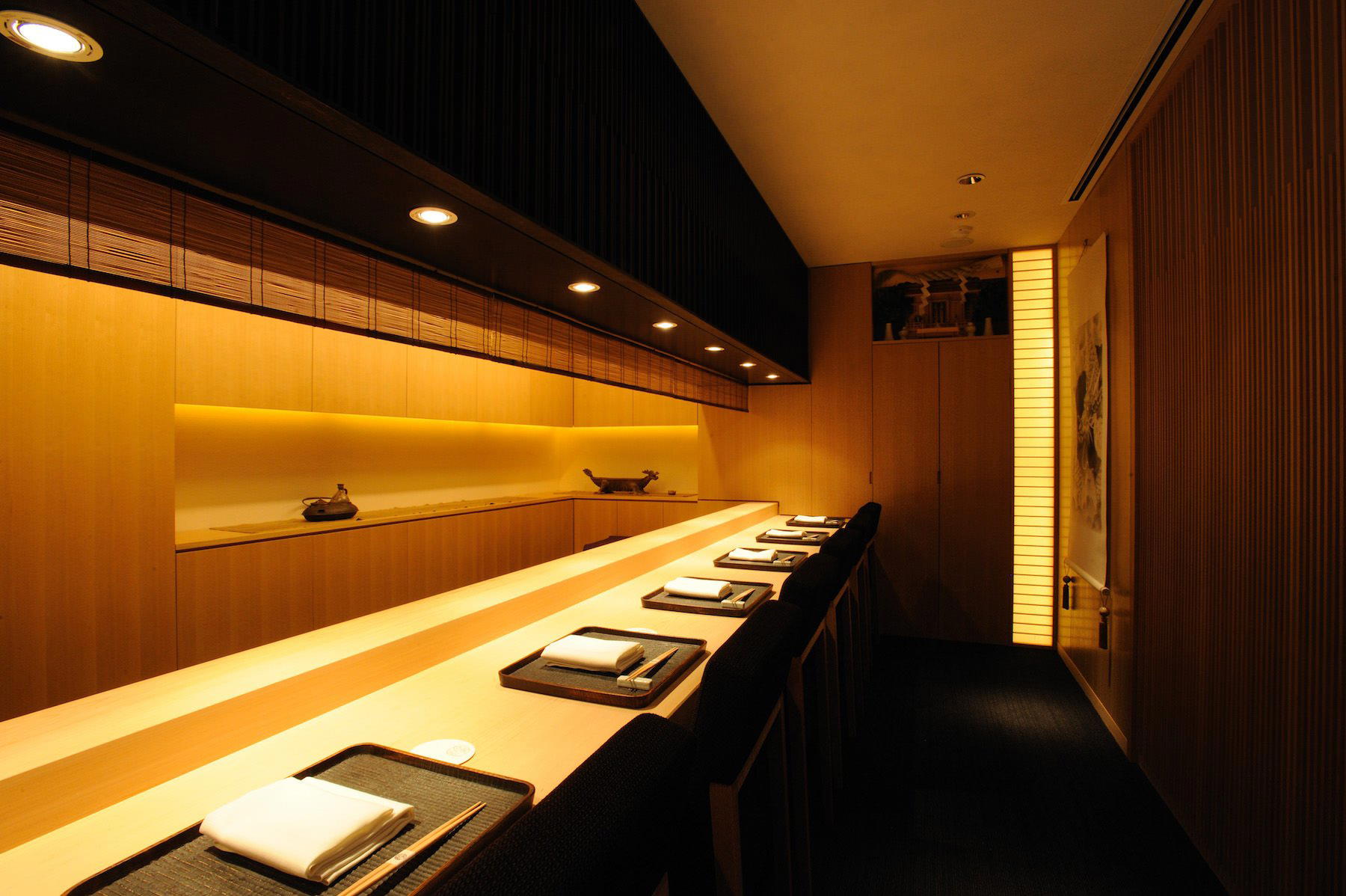
Tokyo’s ramen culture is not confined to the central wards, and Iruka Tokyo makes that point from an eight-seat counter in Higashikurume. Its Tabelog Ramen TOKYO 100 selections from 2021 through 2025 place it among the city’s closely watched ramen addresses, with a compact format, non-smoking room, and pricing that keeps it in the everyday ramen bracket rather than the luxury tasting-menu economy.

Pearl is the En Primeur Club membership app, where members save venues, book tables and use the concierge.
The menu
What to order
- Shoyu Ramen with porcini mushrooms
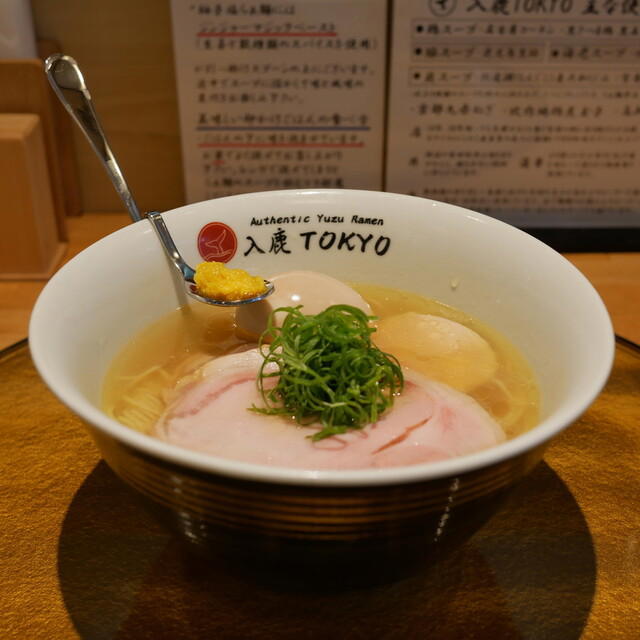
- Yuzu Shio Ramen
- Quartet broth ramen
Tokyo changes the rhythm before the bowl arrives. Beyond the most familiar visitor assumptions, the meal can feel quieter than the city’s station-to-station crush, and that matters for ramen: the genre often reads differently when the experience is not framed by neon, department stores, and late-night drinking traffic. In a focused ramen setting, the meal becomes a narrow-format exchange between kitchen tempo and customer turnover, closer to Tokyo’s everyday ramen grammar than the export version built around theatrical branding.
Iruka Tokyo belongs to a category that serious ramen diners understand well: Tokyo ramen shops with citywide pull. Tabelog selected it for its 2025 ramen recognition, giving it more weight than a casual burst of attention. Its 3.86 Tabelog score and 2025 placement put it inside a competitive field where consistency, repeat custom, and specialist scrutiny matter. That is a different kind of credibility from Michelin-style ceremony; ramen’s evaluation culture in Tokyo is granular, price-sensitive, and unusually unforgiving.
A ramen counter in Tokyo's specialist tier
Tokyo ramen has split into several lanes. There are shops designed for fast solo meals, places that treat broth and tare with unusual focus, and rooms that preserve narrower styles. Iruka Tokyo sits in the specialist lane without abandoning ramen’s everyday price logic. The listed price range is - JPY 999 - JPY 999, with the provided budget also listed as Dinner: - JPY 999; Lunch: - JPY 999, so the experience remains closer to a focused noodle stop than a premium dégustation.
The format is part of the argument. A ramen meal creates a finite rhythm: fewer distractions, less slack, and a sharper relationship between timing and demand. Rather than belonging to the controlled booking economy that defines many Tokyo counters in other genres, this kind of shop is best understood through ramen’s own practical culture. For travelers used to months-ahead restaurant planning, this is a useful corrective. Some of Tokyo’s serious food experiences still operate on patience, timing, and the willingness to plan around the meal itself.
The wine-list assignment here is almost a category error, and that contrast is instructive. Ramen culture is not built around cellar depth or sommelier performance; it is built around broth architecture, noodle texture, tare balance, and a fast cadence. Where a French or modern Japanese restaurant might signal ambition through Burgundy allocations, ramen signals it through repeat selection, queue tolerance, and a bowl that can survive daily comparison against dozens of rivals. Beverage curation is not the story. The absence of a wine-driven frame helps clarify the point: this is a noodle shop judged by ramen standards, not a dining room borrowing luxury codes.
Why Tokyo changes the calculation
Location changes the reader’s decision. Iruka Tokyo is in Tokyo, but it should not be read only through convenience, nightlife adjacency, or hotel proximity. A ramen address has to justify the trip differently from an easy stop: the pull is the strength of the ramen scene’s own recommendation network. In that sense, Tabelog’s 2025 ramen recognition functions as a practical signal as much as an award marker. It tells the diner that the shop is being compared within Tokyo’s ramen field, not merely within a narrow neighborhood radius.
The comparison set reinforces the point. ARCACHON Honten, L’AUTOMNE Akitsu honten, Yoshifuji, Sobakiri Suzuki, and Beruteko point to other ways Tokyo’s dining map can reward focused, modestly framed meals. These are not interchangeable stops, but they frame a useful Tokyo truth: serious eating in the city is not always expensive, and a low listed price does not mean low scrutiny.
For a fuller map of the city’s dining spread, Our full Tokyo restaurants guide gives the broader restaurant context, while adjacent planning can sit with Our full Tokyo hotels guide, Our full Tokyo bars guide, Our full Tokyo wineries guide, and Our full Tokyo experiences guide. Nearby Tokyo listings show how broad the city’s low-to-mid price field can be, from other casual counters and specialist rooms to unnamed cafes, noodle shops, and everyday dining across the city.
The practical read: go for ramen discipline, not ceremony
The strongest reason to prioritize Iruka Tokyo is not rarity for its own sake. It is the combination of a focused ramen format, ramen-specific recognition, and a price structure that keeps the meal grounded. The shop is listed in the ramen category, with a Tabelog score of 3.86 and a provided price range of - JPY 999 - JPY 999. That fits the format: this is ramen to be judged by balance, repeatability, and discipline, not by the signals of a hosted group meal.
Timing needs care because the practical details should be checked before going. The location is Tokyo, and the appeal is not the sort of stop to reduce to a filler between cocktail reservations. It is better treated as a focused ramen outing, especially for diners who want to see how Tokyo’s noodle culture works beyond the most obvious visitor routes. The useful planning frame is simple: confirm current details, go for ramen, and read the experience within the city’s specialist noodle culture rather than through fine-dining ceremony.
Outside a single ramen stop, Japan’s specialist-food map broadens quickly. For contrast, other cities and regions have their own casual formats, specialist counters, cafes, curry shops, and grilled-meat rooms, while Japanese casual formats also travel abroad in different shapes. Tokyo ramen remains unusually tied to local evaluation habits, train geography, and meal discipline, which is why Iruka Tokyo’s 2025 Tabelog recognition and 3.86 score matter more than decorative luxury markers.
Frequently asked questions
Where is Iruka Tokyo in Tokyo?
Iruka Tokyo is located in Tokyo.
What's the price range at Iruka Tokyo?
Pricing at Iruka Tokyo is listed as - JPY 999 - JPY 999.
What are Iruka Tokyo's hours?
Specific hours for Iruka Tokyo are not included in the provided details; check directly before going.
What do critics highlight about Iruka Tokyo?
Critics point to the ramen format and specialist recognition: Iruka Tokyo is listed in the ramen category, has a 3.86 Tabelog score, and appears in Tabelog's 2025 ramen recognition for Tokyo.
Is Iruka Tokyo good for vegetarians?
Iruka Tokyo is listed as a ramen shop in Tokyo. Vegetarian diners should check directly before going, since the provided details do not specify vegetarian options.
A Tight Comparison
Nearby venues at a similar price tier for orientation.
| Venue | Cuisine | Price | Awards | Notes |
|---|---|---|---|---|
| Iruka TokyoThis venue (the venue you are viewing) | Modern ramen shop | $20–30 | Tabelog 100 #71 | Not listed |
| ARCACHON Honten | French-style patisserie & café | $10–20 | Tabelog 100 #95 | JPY 1,000 - JPY 1,999 JPY 1,000 - JPY 1,999 View spending breakdown |
| Yoshifuji | Musashino-style udon shop | $1–10 | Tabelog 100 #1 | JPY 999 |
| Sobakiri Suzuki | Traditional Soba | $10–20 | Michelin Bib Gourmand | Soba |
| L’AUTOMNE Akitsu honten | Japanese Patisserie & Western-style Sweets | $10–20 | Tabelog 100 #27 | JPY 999 - JPY 999 |
| Beruteko | Not listed | Not listed | Not listed | JPY 999 JPY 1,000 - JPY 1,999 View spending breakdown |
Recognition history
Dated appearances from independent guides and award organizations, with the underlying list record or original source where available.
Tabelog 100 #71 · No. 71
Tabelog · Tabelog 100 - Ramen - TOKYO - 2025