Interalpen-Hotel Tyrol serves modern Austrian gourmet cooking with a sommelier-led wine list, quiet formal pacing, and mountain views for unhurried meals.
Pearl is the En Primeur Club membership app — saves, bookings, and concierge access live there. Same editors, same standards.
- Address
- Doktor-Hans-Liebherr-Alpenstraße 1, 6410 Telfs, Austria
- Phone
- +43435080930
- Website
- interalpen.com
- Directions
- Get directions
 Saves & bookings on Pearl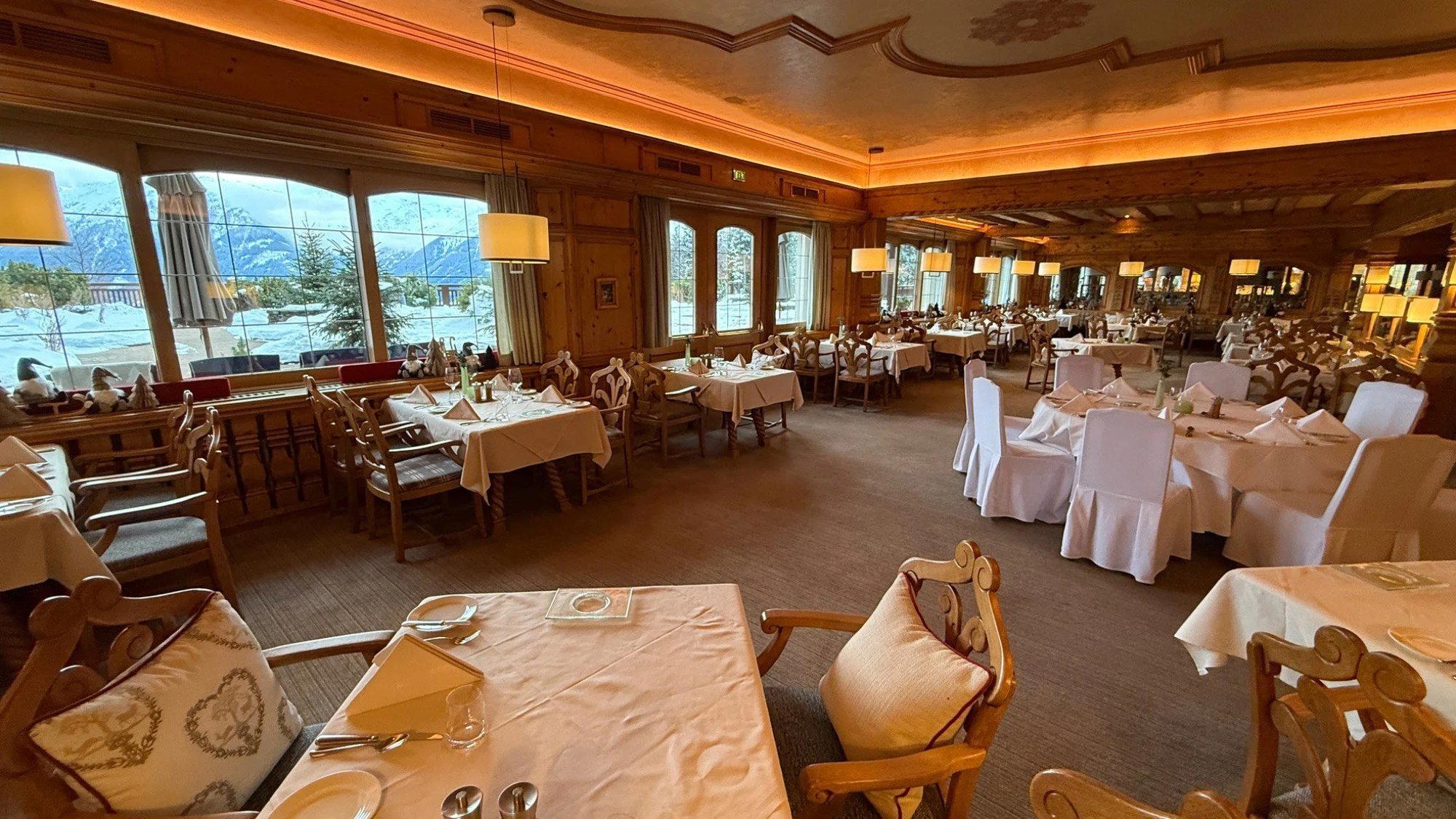
Where the Alps Do the Work
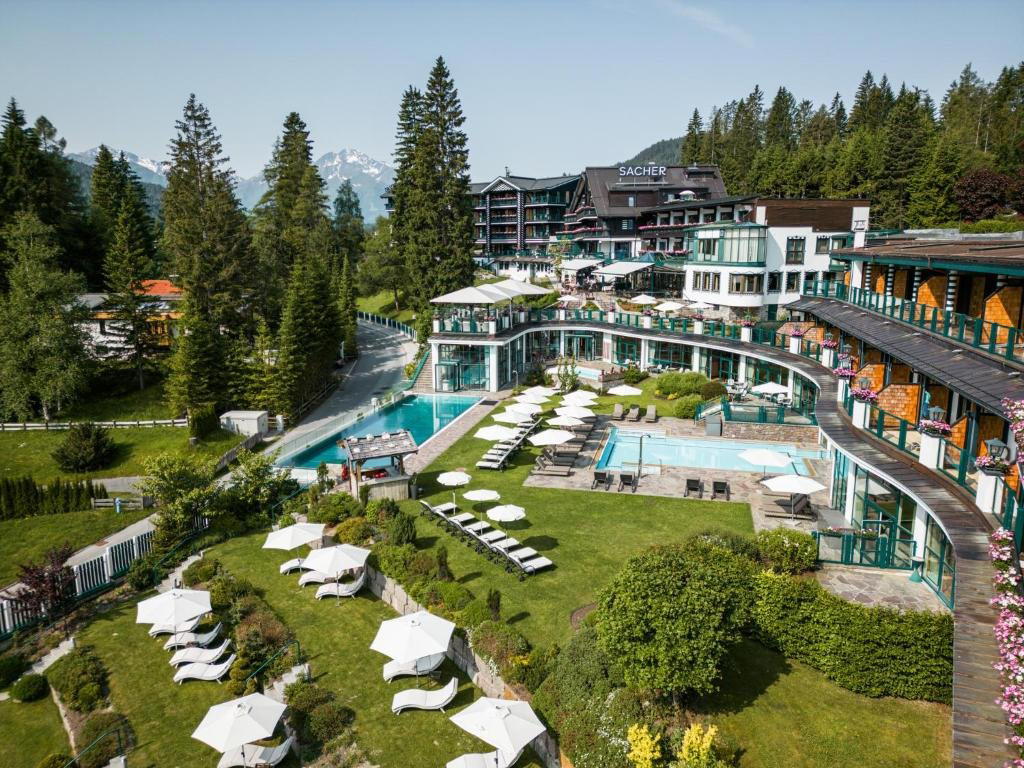
At altitude in the Tyrolean Alps above Telfs, a particular kind of hotel dining makes more sense than it does anywhere in the flatlands. The elevation determines what grows, what is reared, and how long it takes to reach a kitchen. The Interalpen-Hotel Tyrol sits within this logic, positioned in a mountain setting where the sourcing story is not a marketing footnote but a structural condition of the food. Austrian Alpine cuisine at this level operates on a short-radius principle: the meadows, forests, and smallholdings visible from the dining room windows are, in many cases, the same ecosystems that supply the plate.
This is worth understanding before you arrive, because it explains the character of what appears on the table. High-altitude Tyrolean cooking is not the same discipline as the refined Viennese kitchen at Steirereck im Stadtpark in Vienna, nor does it share the coastal-adjacent range of somewhere like Le Bernardin in New York City. The constraint is the point. Proximity to the source, short growing seasons, and a larder shaped by altitude produce a different kind of precision, one measured in seasonality and geography rather than technique alone.
Sourcing at Elevation: Why Provenance Shapes the Plate
Austrian Alpine hotels at the upper end of the market have, over the past two decades, moved toward treating ingredient provenance as a primary editorial voice in their menus. The dynamic is visible across the western Austrian dining circuit: at Döllerer in Golling an der Salzach, the kitchen has built a reputation specifically around what it calls Alpine cuisine, treating the region’s produce as a culinary identity rather than a supply chain convenience. At Kräuterreich by Vitus Winkler in Sankt Veit im Pongau, herb cultivation on-site has become the structural logic of the entire menu.
The Interalpen-Hotel Tyrol sits within this broader shift toward place-rooted sourcing that has reshaped how premium mountain hotels present their dining programs. In Tyrol specifically, the combination of Alpine pastures, wild herb meadows, and access to both fresh-water fish and quality regional livestock creates a larder that rewards kitchens willing to work within its seasonal limits rather than supplement it with imports. That constraint, when taken seriously, produces menus that read like a calendar and a map simultaneously.
The Hotel’s Creative Dining Format
Within the property, the dedicated creative format is the Interalpen Chef’s Table, which operates as the kitchen’s most focused expression. Chef’s table formats at Alpine hotels now form a distinct sub-category of Austrian fine dining: low-capacity, high-engagement, and built around direct dialogue between the kitchen team and a small number of guests. This format has precedent across the Austrian Alpine dining circuit, from Gourmetrestaurant Tannenhof in Sankt Anton am Arlberg to Griggeler Stuba in Lech, where intimate formats with strong regional sourcing credentials have become a signature of serious Alpine hospitality.
The broader Austrian restaurant context offers additional reference points. Ikarus in Salzburg has built a different kind of creative program, rotating guest chefs through its kitchen over decades. Obauer in Werfen holds a long-standing reputation for regional Austrian cooking at a high level. What links these properties is a shared commitment to the idea that Austrian mountain cuisine is a serious culinary category, not a scenic backdrop to international hotel food.
Tyrol in the Austrian Fine Dining Map
Tyrol’s position in Austrian gastronomy has sharpened considerably over the past decade. While Vienna remains the country’s culinary centre of gravity, the Alpine west has developed a credible alternative circuit of destination restaurants, many of them attached to hotels precisely because the geography demands it. A diner driving between Stüva in Ischgl and Schwarzer Adler in Hall in Tirol is moving through a region where serious cooking has found a permanent foothold, not a seasonal novelty.
The Interalpen-Hotel Tyrol addresses that same audience: guests who treat the dining program as a primary reason to stay, not an incidental amenity. The property sits near Telfs, accessible from Innsbruck, which functions as the regional transport hub. The timing of a visit matters here in the same way it does across Alpine Austria: winter and summer seasons define the larder, and the kitchen’s offer will shift accordingly. Planning around a specific season is not optional if provenance is the point.
For wider Austrian dining reference, properties like Landhaus Bacher in Mautern an der Donau, Taubenkobel in Schützen am Gebirge, and Ois in Neufelden each operate within their own regional sourcing logic, demonstrating how Austrian fine dining has increasingly decentralised away from the capital. Restaurant 141 by Joachim Jaud in Mieming, practically neighbouring the Interalpen in Tyrolean terms, offers a useful local comparison for diners building an itinerary around the region.
Further afield, Artis in Graz and Atomix in New York City represent different expressions of the same underlying impulse: kitchens that treat ingredient provenance and cultural specificity as the primary creative constraint rather than an afterthought.
Planning Your Stay
The restaurant is a full-service Alpine hotel property, which means the dining program is most meaningfully experienced as part of an overnight or multi-night stay. The address, Doktor-Hans-Liebherr-Alpenstraße 1 in 6410 Telfs, places the property in the mountains above the Inn valley, reachable from Innsbruck by car in under an hour. For the Chef’s Table specifically, advance reservation is essential. Arriving without a booking is unlikely to yield a table at peak season. Guests focused on the provenance-led side of the menu should consider timing around late summer and autumn, when Alpine herb meadows, game, and late-season produce align most directly with the kitchen’s sourcing geography.
Comparison Snapshot
Comparable venues nearby, for context on price, style, and recognition.
| Venue | Cuisine | Price | Awards | Notes |
|---|---|---|---|---|
| Interalpen-Hotel TyrolThis venue — the venue you are viewing | Modern Austrian Gourmet | $$$$ | Not listed | Not listed |
| Interalpen - Chef's Table | Modern Austrian Fine Dining | $$$$ | Michelin 1 Star | Telfs-Buchen |
| ESSBAR Pertisau | Modern Tyrolean Grill with International Influences | $$$$ | Not listed | Pertisau |
| Berghof | Modern Tyrolean with International Influences | $$$$ | Not listed | Tux |
| DER MAX | Modern Tyrolean Fine Dining | $$$$ | Not listed | Seefeld |
| Hotel Sonnenhof Tirol | Modern Austrian Fine Dining | $$$$ | Not listed | Tannheimer Tal |
At a Glance
- Elegant
- Scenic
- Sophisticated
- Special Occasion
- Celebration
- Hotel Restaurant
- Open Kitchen
- Panoramic View
- Extensive Wine List
- Sommelier Led
- Local Sourcing
- Sustainable
- Mountain
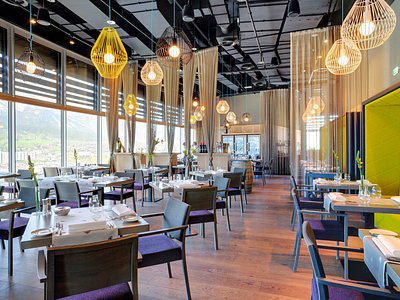
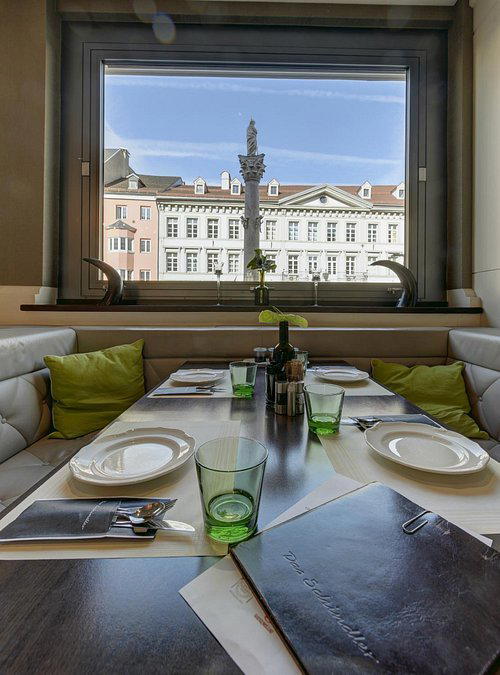
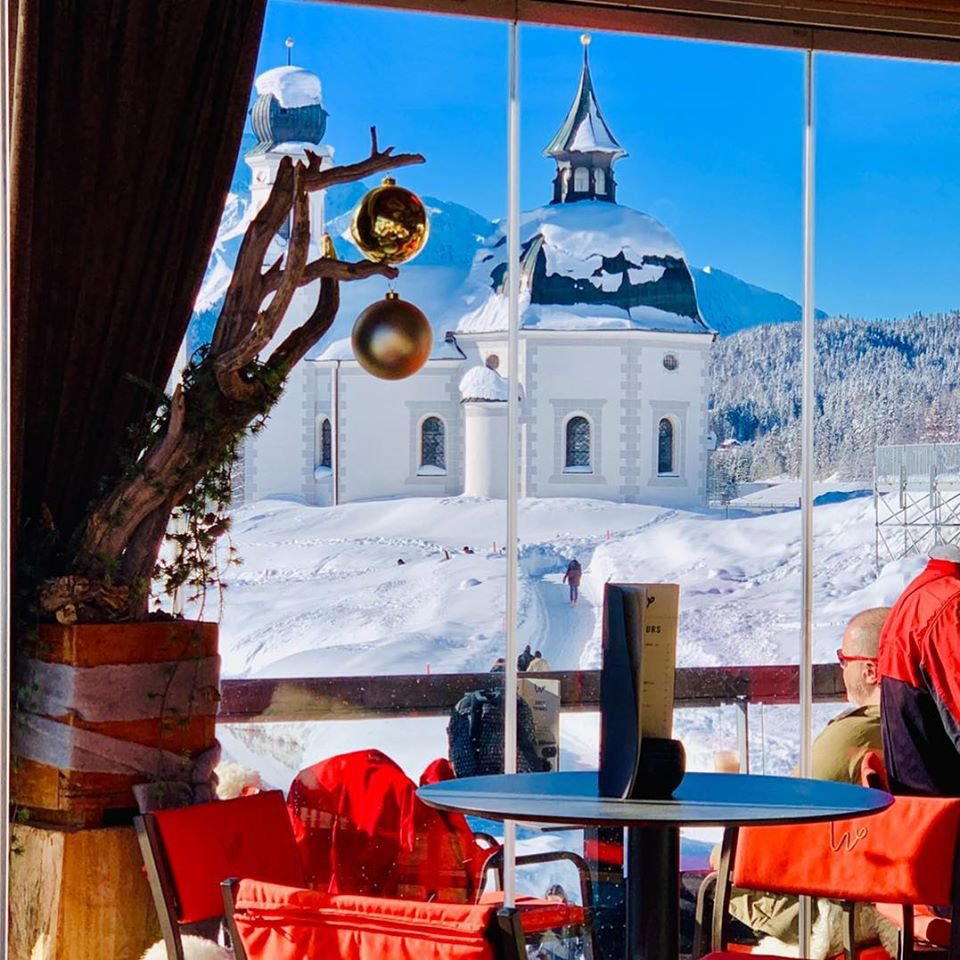
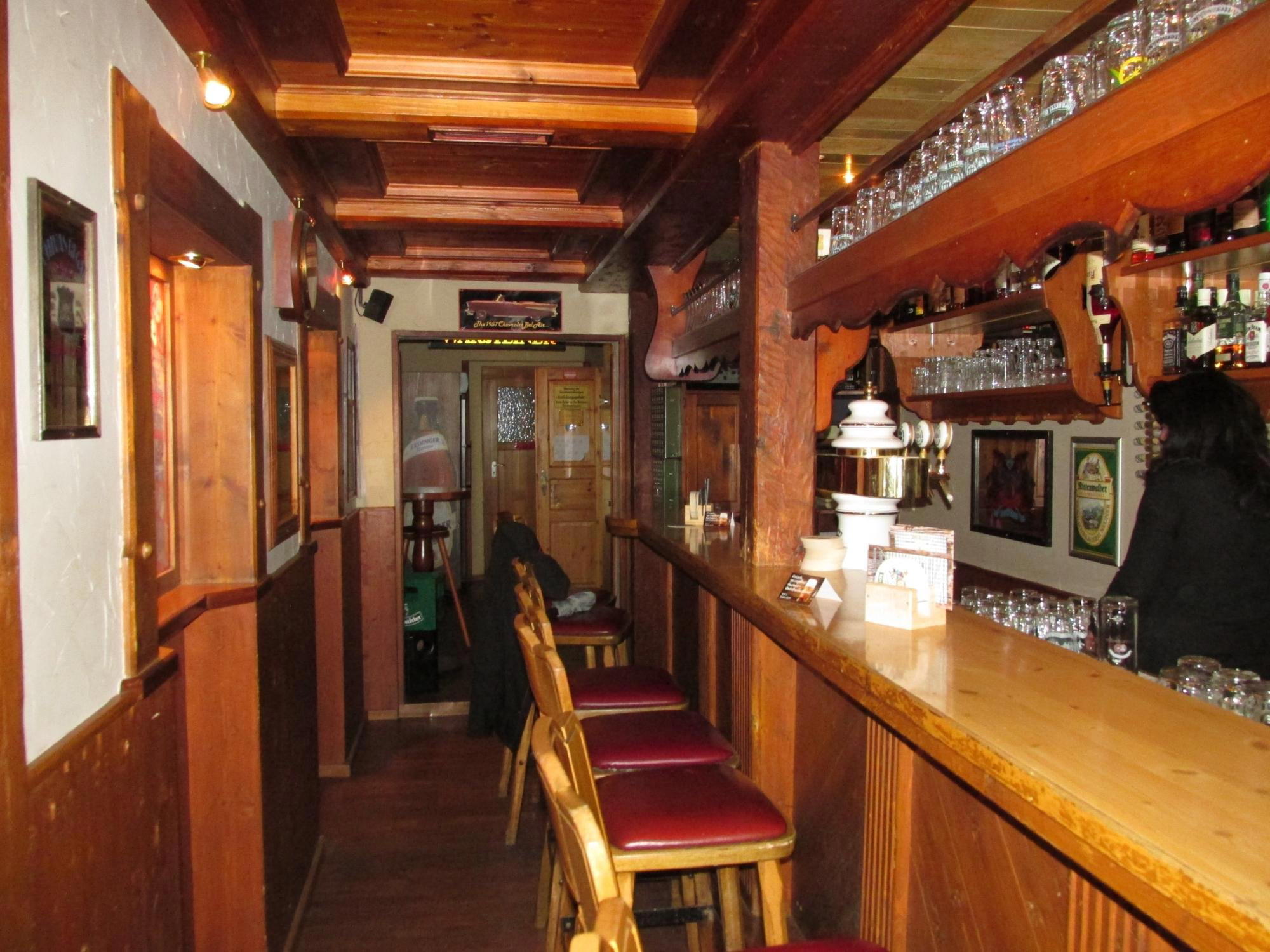
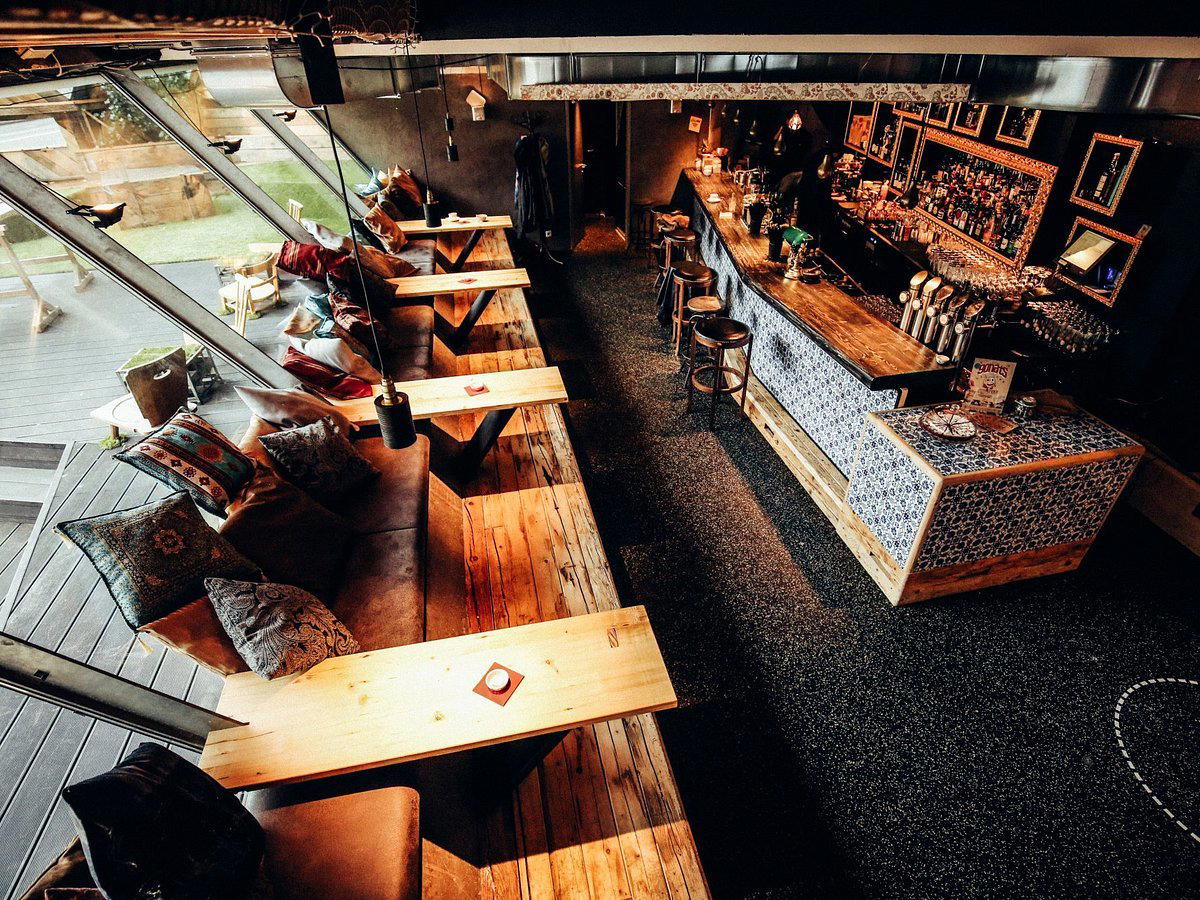
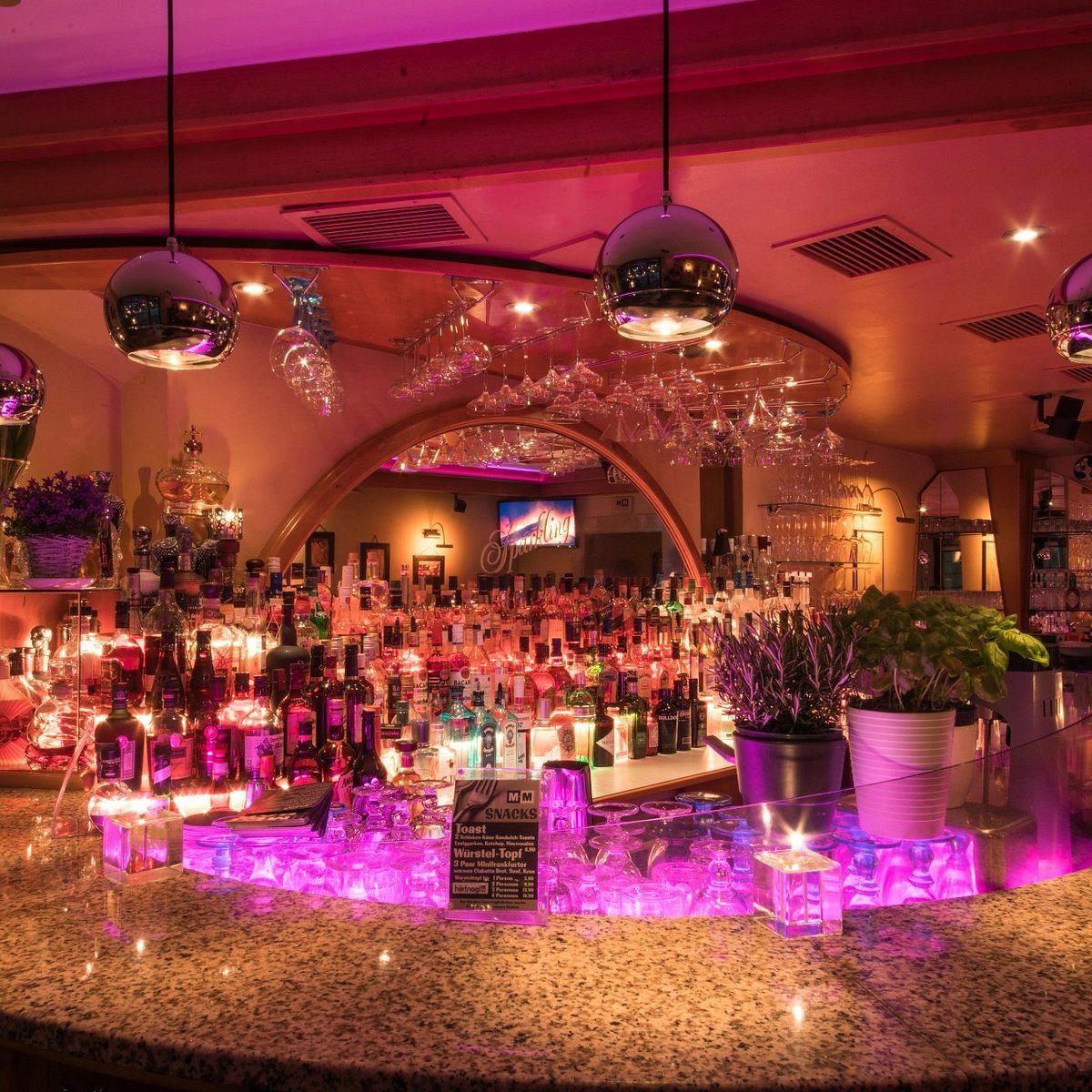
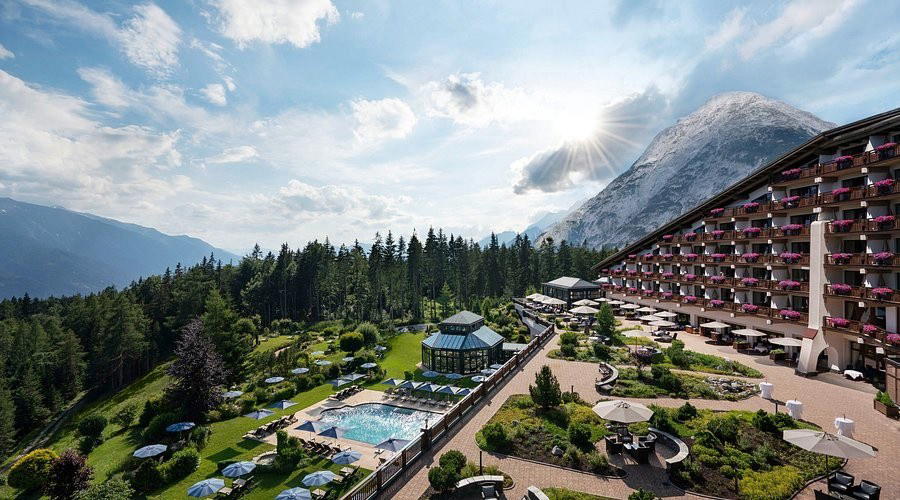
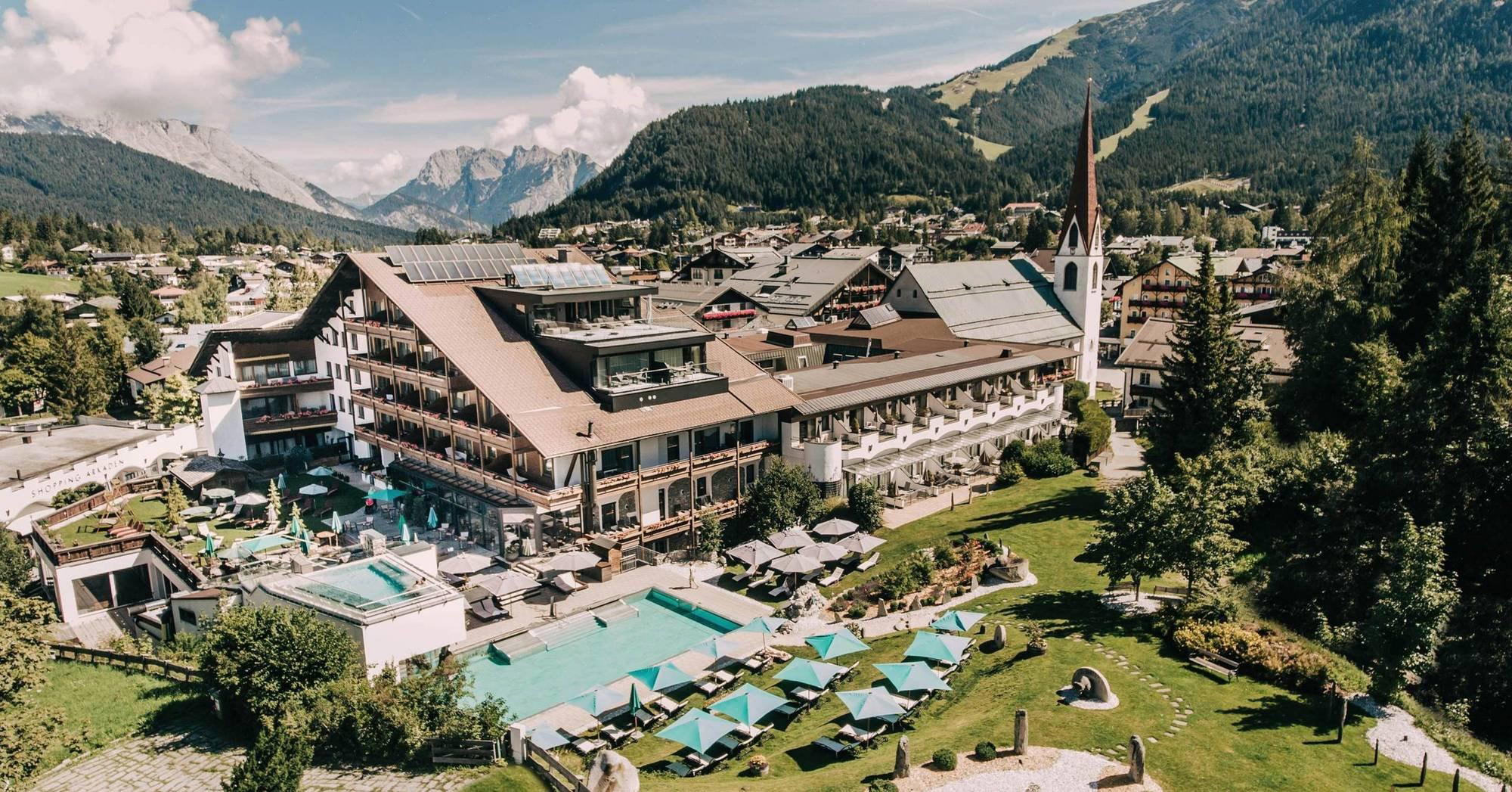
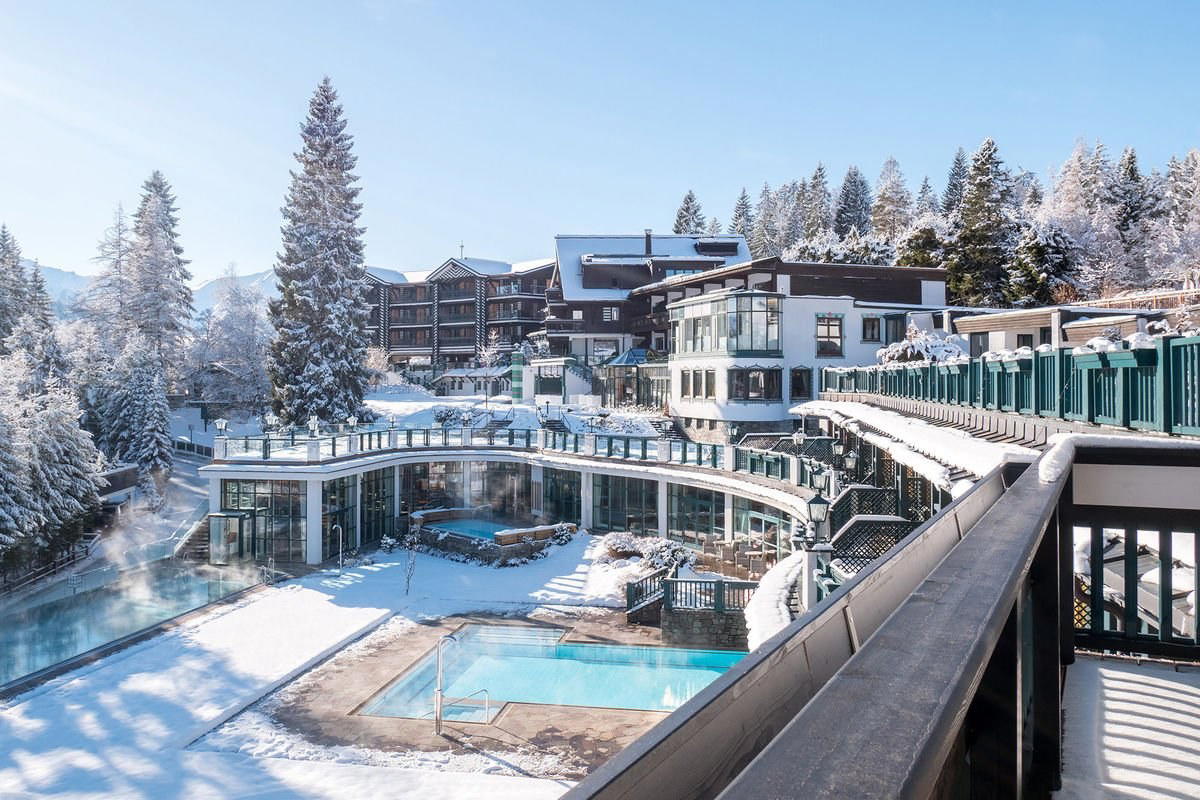
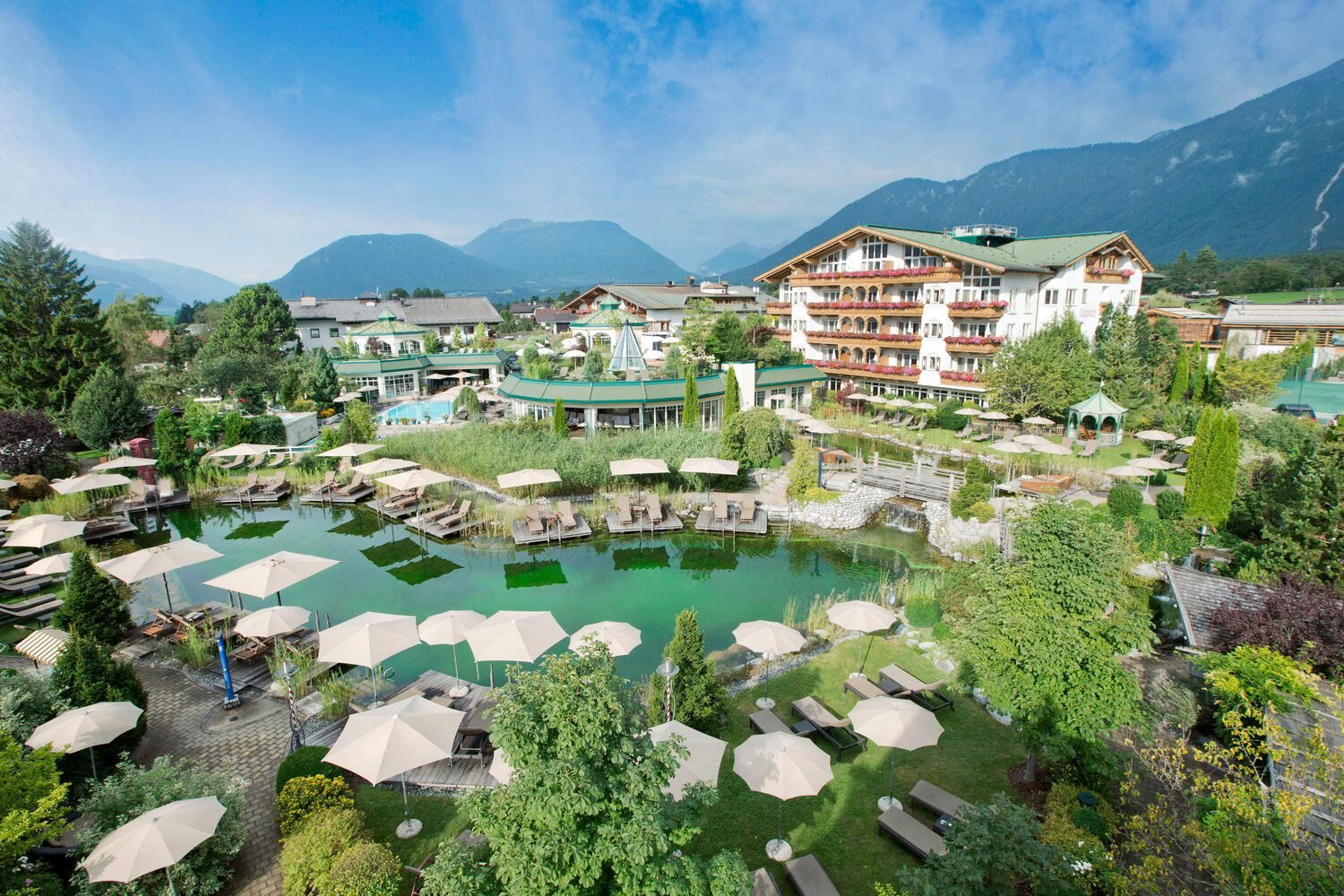
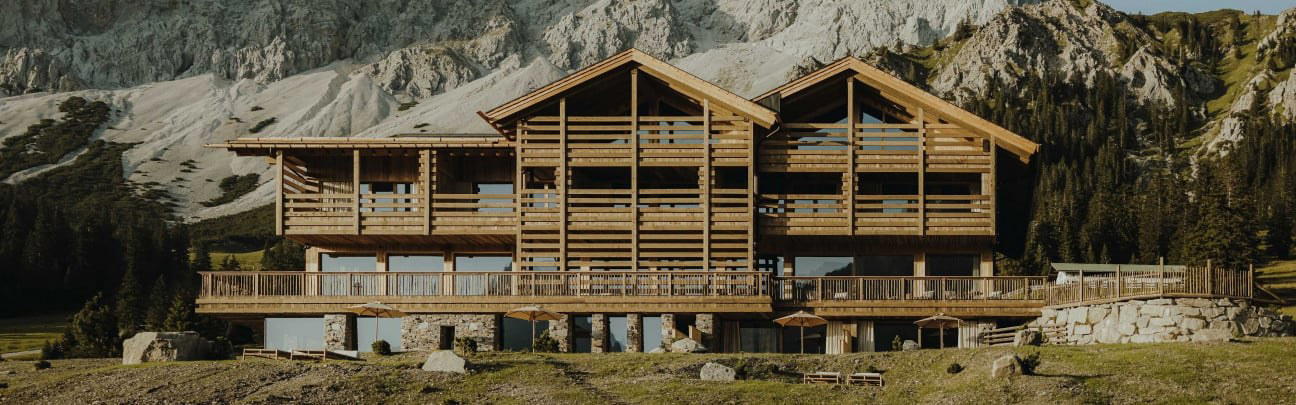
Elegant winter garden and cozy Tyrolean parlours with panoramic mountain views and refined, relaxing atmosphere.