
A Michelin-starred tasting counter in Taipei's Songshan District, INITA merges Italian technique, Japanese sensibility, and Taiwanese produce into a 10-plus course seasonal menu. The name encodes its three-way cultural debt: Italy, Nippon, and Taiwan. Tuesday through Saturday evenings only, with a price point ($$$$) that places it firmly in the city's upper tier of contemporary dining.
Pearl is the En Primeur Club membership app — saves, bookings, and concierge access live there. Same editors, same standards.
- Address
- 105, Taiwan, Taipei City, Songshan District, Alley 52, Lane 12, Section 3, Bade Rd, 1號1樓
- Phone
- +886 2 2577 0886
- Website
- inita.tw
- Directions
- Get directions
 Saves & bookings on Pearl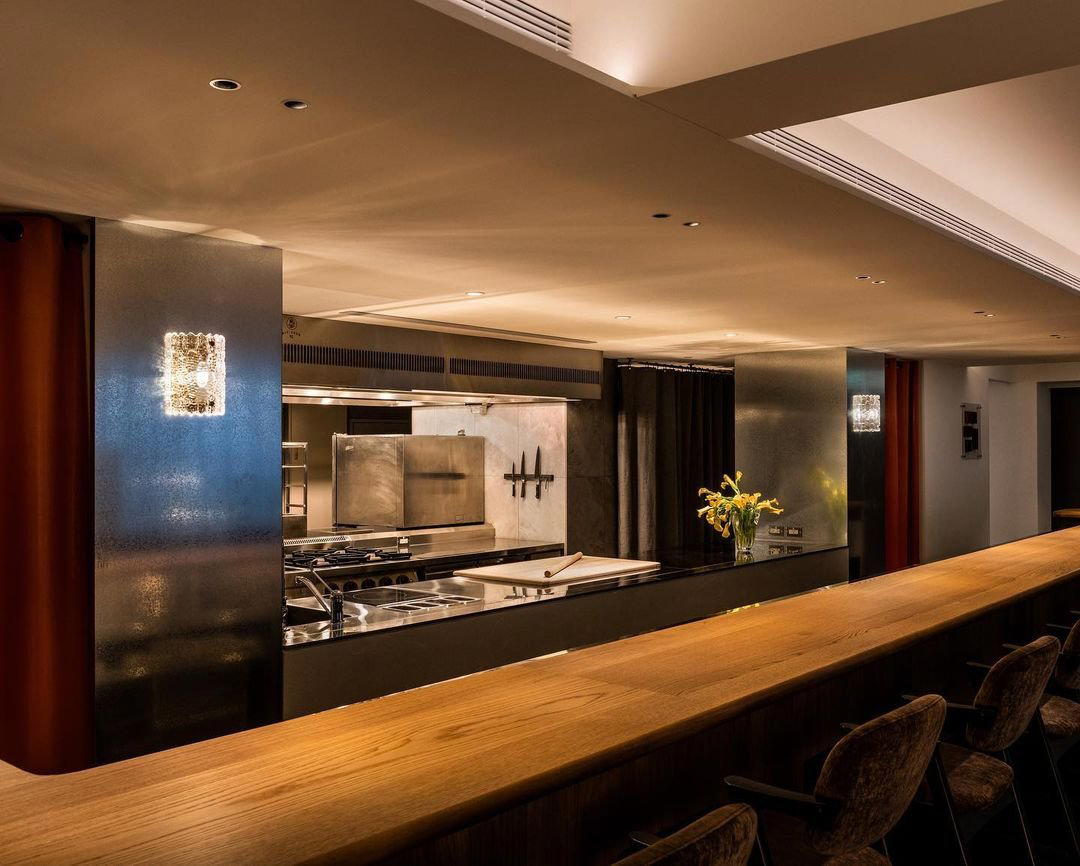
Where Songshan Keeps Its Quiet Tables
Taipei's fine-dining geography tends to cluster around the obvious corridors: Da'an's polished blocks, Xinyi's tower-adjacent rooms, the hotel dining floors that line the arterial roads. Songshan District operates differently. The lanes off Bade Road hold a quieter concentration of serious restaurants, the kind that seat fewer people, open fewer nights, and attract the sort of guest who already knows where they're going. INITA is a Taipei restaurant in Songshan District, awarded one Michelin star in 2024, with tasting-menu pricing at about $140 per person. It sits inside that pattern, occupying a ground-floor space in an alley off Section 3 that reads less like a destination address and more like something a resident passes without noticing until the evening a friend insists they book.
That geographic modesty is not accidental. The neighbourhood restaurant tradition in Italian dining, the trattoria model, where the room is secondary to the cooking and the cooking speaks directly to whoever is at the table, has found an unlikely parallel in Taipei's smaller tasting-counter format. INITA holds a Michelin star (awarded 2024) and operates within the $$$$-tier bracket it shares with logy, Taïrroir, and Le Palais, yet its orientation is closer to a neighbourhood room that happens to execute at a starred level than to the ceremony-heavy formats those peers sometimes inhabit.
The Three-Kitchen Logic of the Menu
The name INITA is a portmanteau: Italy, Nippon, Taiwan. That condensation is functional rather than decorative. It describes a structural approach to the menu in which Italian technique provides the grammar, Japanese sensibility provides the editing instinct, and Taiwanese produce provides the vocabulary. Each course arrives as evidence of how those three systems interact rather than alternate.
The seasonal tasting menu runs to ten courses or more, following a format common to Taipei's serious small counters: the chef works the room at close range, the sequence builds through textural and temperature logic, and the sourcing is dictated by what the island offers at that moment. What sets INITA's particular approach apart within this format is the depth of the Japanese-Italian cross-reference. The dorayaki course is the clearest illustration: a castella pancake sandwich, the castella sponge itself a Portuguese import absorbed into Japanese confectionery centuries ago, filled with a tartare of local yellow beef, then set against an Italian tuna dip packed with briny umami. It is a single dish that contains three culinary traditions without announcing any of them loudly.
That restraint is the relevant editorial point. In a category where Italian-Asian fusion can easily tip into novelty performance, INITA's menu operates according to a discipline that mirrors the trattoria ethos: the technique is in service of the ingredient, not the other way around. Taiwanese yellow beef, treated with the attention Italian kitchens give to local heritage breeds, acquires a specificity it would lose in a more internationally generic room.
For comparison across the island's broader contemporary-Italian tier, FRASSI and Tutto Bello both operate in Taipei's Italian dining space with different emphases and formats. Internationally, the Italian contemporary category includes rooms like Agli Amici Rovinj in Croatia, L'Olivo in Anacapri, and Noi by Paulo Airaudo in Hong Kong, each approaching the Italian framework from a different geographical base. What INITA contributes to that peer group is a specific kind of triangulation that no European address can replicate: the combination of Taiwanese terroir and Japanese knife discipline operating inside an Italian structural logic.
How It Sits in Taipei's Tasting-Counter Tier
Taipei's Michelin-starred tasting-counter scene has consolidated around a recognisable format over the past several years: intimate rooms, seasonal sequences, chef-driven menus that refresh with the markets rather than the calendar, and price points that position them clearly above the casual mid-range. INITA's 2024 star places it in the same Michelin tier as French-leaning rooms like de nuit, while sitting two stars below the three-star heights of Le Palais and Taïrroir. That gap matters less than it appears. Within its one-star cohort, INITA occupies a niche that its peers don't directly contest: no other starred room in the city is working this specific Italy-Japan-Taiwan triangulation at this level of formal seriousness.
8 from 219 ratings, a signal that reinforces what the star implies: a room that maintains consistency rather than operating in peaks and troughs. For a counter of this format and price tier, sustained high satisfaction across a meaningful review count indicates that the experience is replicable rather than dependent on notable nights.
The comparison to logy, which holds two Michelin stars and operates in the Modern European/Asian Contemporary register, is worth making explicitly. Where logy works through European technique applied to Asian ingredients at a broader register, INITA narrows to a single European tradition, Italian, and adds the Japanese layer as a second structural principle. The specificity is both a constraint and the source of its identity. JL Studio in Taichung, GEN in Kaohsiung, and the more regionally rooted Akame in Wutai Township for a picture of how the island's serious dining has spread beyond Taipei.
The Trattoria Instinct at Tasting-Menu Price
The trattoria tradition is not primarily about price or format. It is about proximity: the relationship between a kitchen and the people it feeds, the sense that the cooking reflects a specific place and a specific set of convictions rather than a universal fine-dining language. At INITA, that instinct arrives in a format that is structurally a tasting menu at $$$$ tier pricing, which places it in territory most traditional trattorias would not recognise.
Resolution of that apparent contradiction is in the sourcing logic. Taiwanese produce is not used as an exotic garnish to a European framework. The yellow beef is local because it is the right ingredient, not because it makes a statement. The seasonal discipline that governs the ten-plus course sequence reflects the same market-dependency that has always defined good Italian neighbourhood cooking, now operating through a Taipei lens. The result is a room that feels specific rather than generic, even at a price point where generic fine dining is an easy and commercially viable option.
That specificity is what the Michelin recognition reflects. Stars in a city like Taipei, where the competition includes rooms of the calibre of Le Palais and Taïrroir, are not awarded for novelty. They are awarded for consistent, confident cooking with a clear point of view. INITA's point of view happens to be one of the more geographically complex in the city.
Planning Your Visit
INITA operates Tuesday through Saturday, with service beginning at 6:45 PM and the kitchen running to 10 PM. The restaurant is closed on Mondays and Sundays. The address places it in a residential lane system off Bade Road in Songshan District, which means a taxi or rideshare from central Da'an or Xinyi will take ten to fifteen minutes. The alley address warrants confirming the exact entrance before arrival.
For a different register of Taiwanese hospitality, Volando Urai Spring Spa and Resort in Wulai District and A Cun Beef Soup in Tainan represent the island's breadth across a different price and format spectrum.
What INITA Is Famous For
The dish most associated with INITA in public discussion is the dorayaki course: a castella pancake sandwich filled with tartare of Taiwanese yellow beef, served alongside an Italian tuna dip carrying deep umami. It appears in the restaurant's own Michelin citation as representative of its method. That single course encodes the broader programme: a Japanese confectionery form, a Taiwanese heritage ingredient handled with the care Italian kitchens give to local cattle breeds, and an Italian condiment bridging the two. The Japanese chef-owner's background, drawing on Japanese culinary roots and European technique, shapes the menu's architecture, though the food communicates through the ingredient logic more directly than through biographical reference. The 2024 Michelin star substantiates what the dish implies: that this is a kitchen with a consistent, defined method rather than an experimental work-in-progress.
Budget Reality Check
Comparable venues nearby, for context on price, style, and recognition.
| Venue | Cuisine | Price | Awards | Notes |
|---|---|---|---|---|
| INITAThis venue — the venue you are viewing | Italian Contemporary | $$$$ | Michelin 1 Star | Not listed |
| Ban Bo | Xikang, Modern Taiwanese Fine Dining | $$$$ | Michelin 1 Star | Not listed |
| Eika | Not listed | $$$$ | Michelin 1 Star | Yanping, Modern Japanese Kappo with Taiwanese Influences |
| Ad Astra | Not listed | $$$$ | Michelin 1 Star | Zhongshan, Contemporary Japanese Omakase with Global Influences |
| Sushi Akira | Qingguang, Edomae Sushi | $$$$ | Michelin 1 Star | Not listed |
| Tien Hsiang Lo | Xinfu, Michelin-Starred Hangzhou Cuisine | $$$$ | Michelin 1 Star | Not listed |
Recognition history
Dated appearances from independent guides and award organizations, with the underlying list record or original source where available.
Michelin 1 Star
Michelin
Michelin 1 Star
Michelin
Michelin 1 Star
Michelin
Continue exploring
More in Taipei
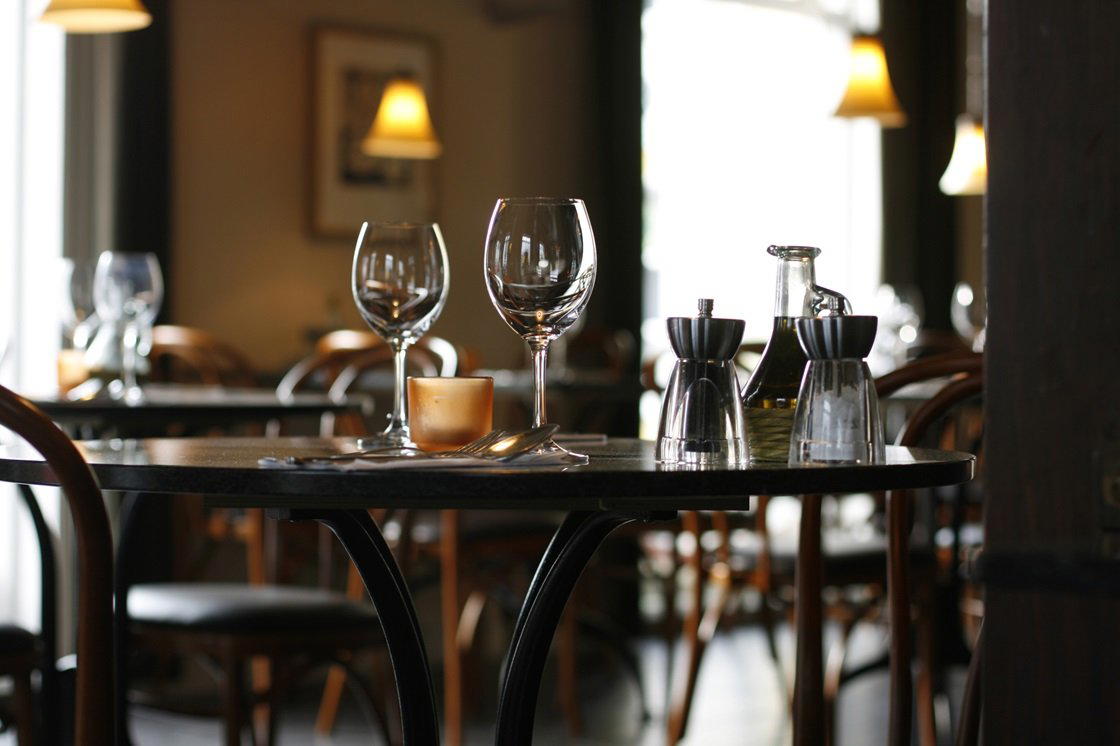
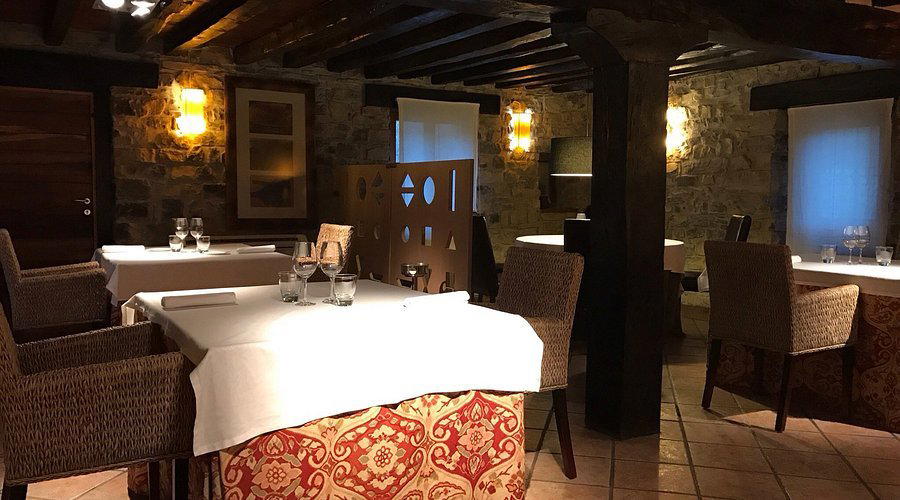
Restaurants in Taipei
Browse all →
Bars in Taipei
Browse all →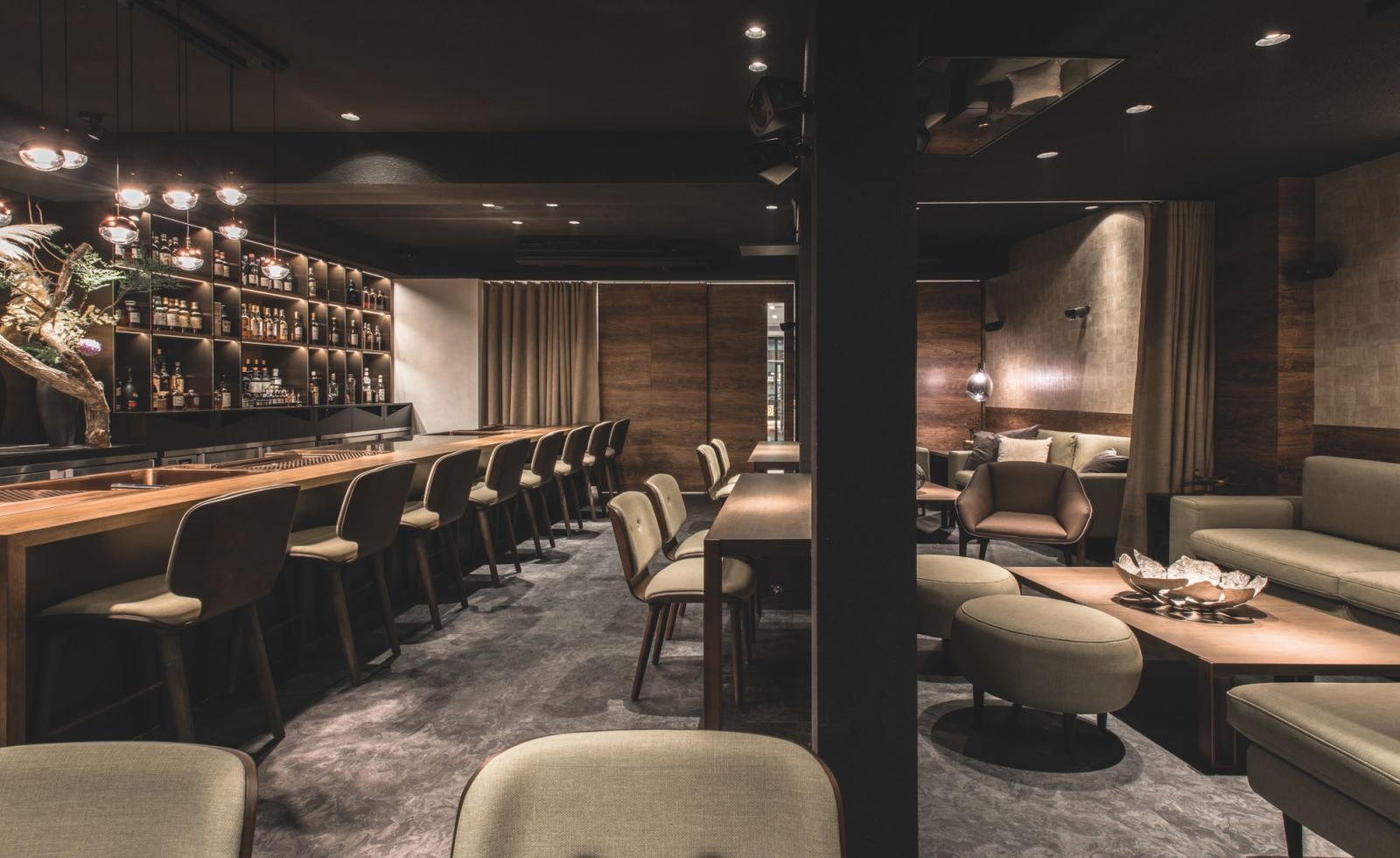
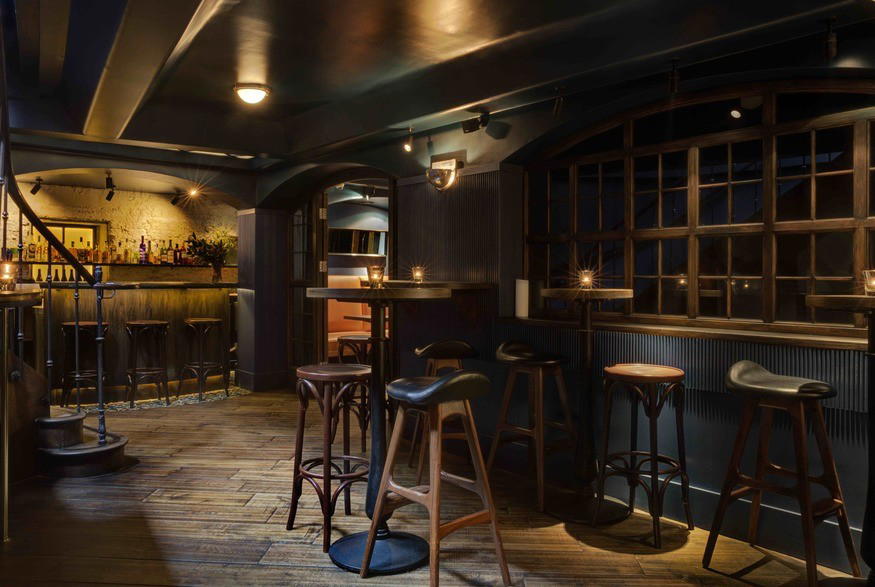
Hotels in Taipei
Browse all →
Wineries in Taipei
Browse all →
At a Glance
- Elegant
- Intimate
- Trendy
- Modern
- Cozy
- Date Night
- Special Occasion
- Chefs Counter
- Open Kitchen
- Extensive Wine List
- Local Sourcing
Current opening hours
- Monday
- Closed
- Tuesday
- 6:45–10 PM
- Wednesday
- 6:45–10 PM
- Thursday
- 6:45–10 PM
- Friday
- 6:45–10 PM
- Saturday
- 6:45–10 PM
- Sunday
- Closed
Hours can change for holidays and private events. Last verified .
Warm orange lighting, modern design with inviting touches, open kitchen creating a lively and interactive atmosphere.