Our verdict
Indie Alehouse Brewing Co. sits on Dundas Street West in Toronto's Junction neighbourhood, operating as one of the area's established craft brewery taprooms. The space anchors a stretch of the street that has shifted from industrial to hospitality-led over the past decade, with the brewery occupying a format that blends production visibility with a full food and draft program.

Pearl is the En Primeur Club membership app, where members save venues, book tables and use the concierge.

The menu
What to order
- Mushroom Pizza
- Popcorn with Rosemary Parmesan
- House-Ground Burger
- Cherry Wood-Smoked Pulled Pork Sandwich
The Junction's Craft Brewery Floor Plan
Along Dundas Street West, the Junction has spent the better part of a decade trading its auto-shop and light-industrial identity for one built around food, drink, and independent retail. Indie Alehouse Brewing Co. at 2876 Dundas St W, sits squarely in that transition zone: a production brewery that doubles as a full-service taproom, occupying a format that became shorthand for Toronto's neighbourhood craft beer scene in the early 2010s and has remained a reference point on that stretch ever since.
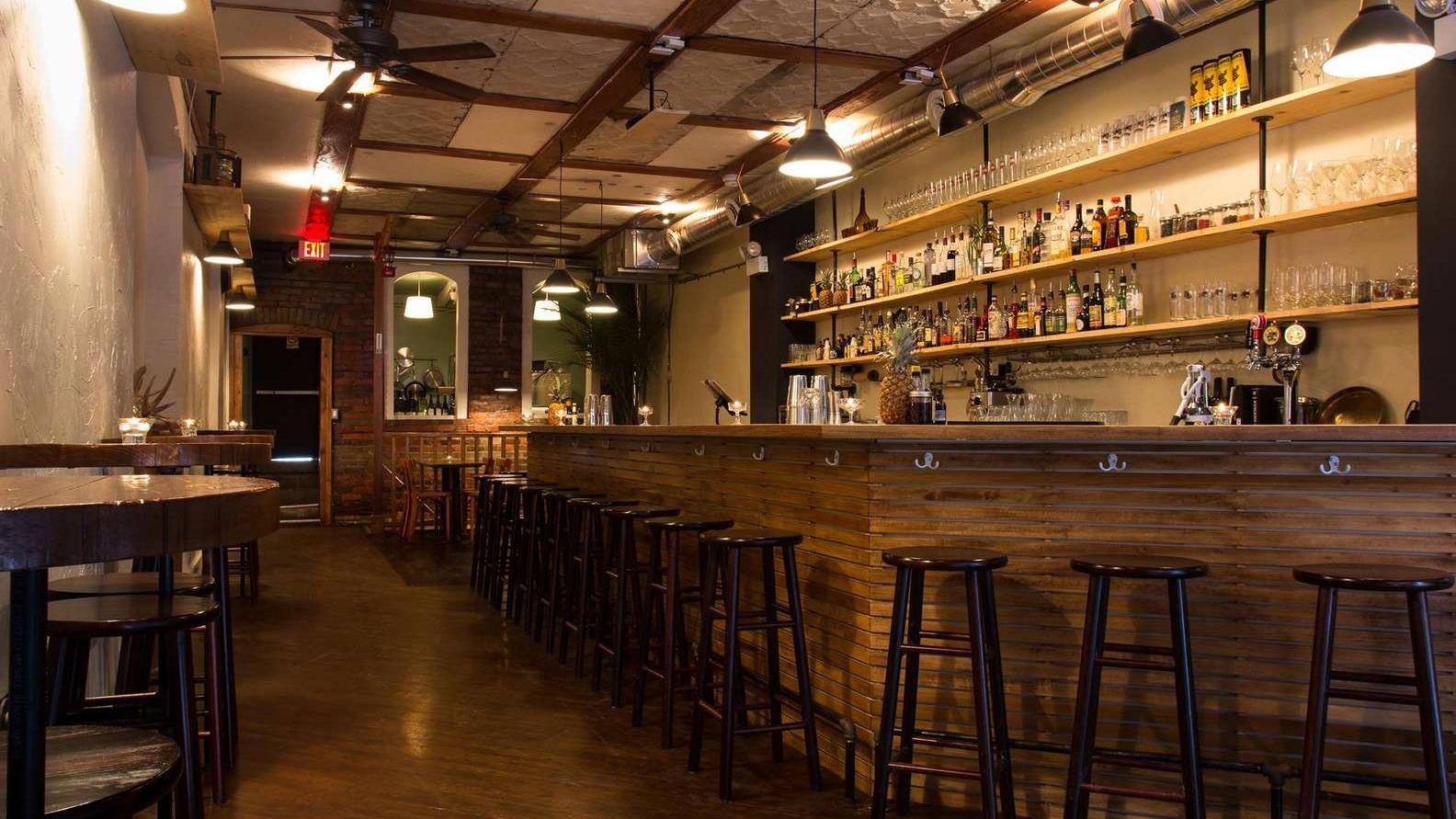
The physical container matters here. Unlike the converted-heritage-building taprooms that proliferated downtown, or the glass-and-steel brew halls that followed investment money into King West, brewery taprooms in working neighbourhoods like the Junction were built to serve regulars as much as destination visitors. The room reads as functional first: high ceilings, exposed structure, sightlines into or alongside the production equipment. This spatial grammar communicates something about the beer program before you order anything. It tells you the place is organized around the product, not around an atmosphere curated for a photo.
Space as Program Signal
In the broader Toronto craft brewery taproom category, interior design choices have increasingly functioned as editorial statements about what kind of drinking experience a venue is selling. The larger, more polished taprooms in the city's core have moved toward hospitality formats that compete with full-service restaurants, complete with curated playlists, seasonal cocktail lists sitting alongside the tap handles, and kitchen programs that require the same attention as any standalone restaurant. The Junction's scale and residential character have pushed venues like Indie Alehouse in a different direction: the room should feel like it belongs to the neighbourhood rather than imported into it.
That distinction shapes how the space gets used. A taproom embedded in a residential neighbourhood serves a genuinely mixed week-day and weekend crowd: the after-work pint crowd on weeknights, longer-table groups on Saturdays, families cycling through on Sunday afternoons. This is a different operational and spatial challenge from a downtown venue that draws mostly from office towers or hotel guests. The seating layout and room proportions of a neighbourhood taproom have to accommodate all of it without tipping into the generic sports-bar register on one end or the precious gastropub register on the other.
Craft Beer in the West End
Toronto's craft beer scene has never been geographically uniform. The downtown core absorbed a wave of brewery openings through the 2010s, but the west end, particularly the stretch from Roncesvalles through the Junction and into the newer Stockyards development, built a denser concentration of independently owned producers. The Junction specifically attracted a cluster of food and drink independents who valued lower rents and a more residential customer base over the high-volume, high-turnover dynamics of King Street or the Entertainment District.
Indie Alehouse exists within that west-end cluster and has operated long enough to pre-date much of the second wave of Toronto brewery openings. That longevity places it in a different peer category from the newer taprooms that opened with already-sophisticated hospitality programs. The comparison set for a brewery like this is less the polished omakase-adjacent food programs of venues like Sushi Masaki Saito or the tasting-menu formality of Alo, and more the neighbourhood anchors that have held a community's drinking and eating habits over multiple years. For the full spectrum of where Toronto's dining scene sits, see our full Toronto restaurants guide.
Across Canada, the neighbourhood anchor model appears in different forms: Cafe Brio in Victoria holds a comparable position in its neighbourhood as a long-running independent that pre-dates the wave of concept-driven openings around it. In more rural Ontario, The Pine in Creemore occupies a similar relationship between a production identity and a hospitality one. Further afield, the farm-to-table rigour of Eigensinn Farm in Singhampton represents the production-first hospitality ethic applied to a radically different format.
The Food Program in Context
Toronto's brewery taprooms split fairly clearly into two categories by food program: those that treat the kitchen as a secondary support to the beer, and those where the food has grown into a genuine draw in its own right. The city's most ambitious dining is concentrated at a $$$$ price tier across venues like Aburi Hana, DaNico, and Don Alfonso 1890. A brewery taproom sits in a different register entirely, where the benchmark is whether the food holds up to an evening of sustained drinking rather than whether it merits a separate destination trip.
That framing is not a diminishment. The leading neighbourhood taproom kitchens in any city understand that their job is to extend the evening and complement the beer, not to compete with the restaurant two streets over. Internationally, venues like Lazy Bear in San Francisco have demonstrated how a communal-format dining room can build a serious food identity without abandoning the casual register. In Canada, AnnaLena in Vancouver sits at the intersection of neighbourhood accessibility and serious culinary intent. The question for any taproom kitchen is where on that spectrum it has positioned itself.
Getting There and Planning Your Visit
Indie Alehouse Brewing Co. is located at 2876 Dundas St W in Toronto's Junction neighbourhood. The address sits on a well-served stretch of the Dundas West corridor, accessible by the 505 Dundas streetcar and within walking distance of Dundas West subway station. Weekend afternoons and early evenings tend to draw the largest crowds on this block, particularly when the weather supports patio use. For a neighbourhood taproom of this type, walk-in is typically the norm rather than advance reservation, though groups should call ahead or check the current policy directly with the venue. No dress code applies.
For diners who want to bookend a Junction visit with higher-formality dining, the city's tasting-menu tier is concentrated further east and downtown. Closer in spirit to the west-end independent ethos, Restaurant Pearl Morissette in Lincoln represents the same production-first philosophy applied to wine and fine dining. For purely celebratory occasions that warrant a higher price tier, Jérôme Ferrer - Europea in Montreal or Tanière³ in Quebec City sit at the far end of the Canadian fine dining spectrum. At the opposite register, Busters Barbeque in Kenora and Narval in Rimouski represent the same casual, regional-ingredient-led approach that neighbourhood taprooms often share. For those whose appetite extends internationally, Le Bernardin in New York City and Fogo Island Inn Dining Room in Joe Batt's Arm both anchor the idea that serious hospitality can exist at any geographic remove from a city centre.
Frequently asked questions
What should I order at Indie Alehouse Brewing Co.?
The menu at a production brewery taproom is typically organized around the house beer list, with food designed to accompany sustained drinking rather than to anchor a formal meal. At Indie Alehouse, the most useful approach is to ask which beers are currently pouring from the in-house production run, as tap lists at independent breweries rotate with batch availability. The food program is leading treated as a complement to the beer rather than a standalone destination.
Should I book Indie Alehouse Brewing Co. in advance?
For most neighbourhood taproom visits in Toronto, walk-in is the default, and Indie Alehouse sits in that category. Weekend evenings in the Junction can draw significant foot traffic given the concentration of independent venues on Dundas West, so groups of six or more would be well-served by contacting the venue directly before arrival. Solo or paired visits on weeknights are typically low-friction.
What makes Indie Alehouse Brewing Co. worth seeking out?
The case for Indie Alehouse rests on its longevity and location rather than on awards or chef credentials. It occupies a stretch of Dundas West that has become one of Toronto's more coherent independent dining and drinking corridors, and it has been part of that corridor long enough to function as a genuine neighbourhood anchor rather than a concept import. For visitors to the city who want to understand what Toronto's west-end independent food and drink culture looks like away from the downtown concentration, the Junction is the right neighbourhood and Indie Alehouse is a useful starting point.
Is Indie Alehouse Brewing Co. a good option for visitors who want to combine craft beer and a full meal in one stop?
The brewery-taproom format at Indie Alehouse is built for exactly that combination, with a food program running alongside the draft list rather than the two operating as separate services. Toronto's Junction neighbourhood is walkable and compact enough that a visit can easily extend into the surrounding block for dessert or a post-dinner drink at another independent venue. This makes it a practical single-stop option for an evening in the west end, particularly for those who find the downtown fine-dining tier, represented by venues like Alo or Aburi Hana, either overpriced or overbooked for a given evening.
Pricing, Compared
Comparable venues nearby, for context on price, style, and recognition.
| Venue | Cuisine | Price | Notes |
|---|---|---|---|
| Indie Alehouse Brewing Co.This venue (the venue you are viewing) | Craft Brewpub with Wood-Fired Pizza | $30–50 | Not listed |
| The Stockyards Smokehouse & Larder | American BBQ & Fried Chicken | Not listed | Hillcrest, American BBQ & Fried Chicken |
| Rose and Sons | Jewish Deli Diner | Not listed | Annex, Jewish Deli Diner |
| Carole's Cheesecake Cafe | Yorkville, American Cheesecake Cafe | $20–30 | Not listed |
| 7 West Cafe | Comfort American Cafe | $20–30 | Bay Street Corridor, Comfort American Cafe |
| Pickle Barrel | Classic Canadian Deli | $20–30 | Uptown Yonge, Classic Canadian Deli |
Continue exploring
More in Toronto
Restaurants in Toronto
All restaurants in Toronto →
Bars in Toronto
All bars in Toronto →

Details
- Lively
- Trendy
- Industrial
- Casual Hangout
- After Work
- Group Dining
- Open Kitchen
- Standalone
- Beer Program
- Craft Cocktails
- A La Carte
- Small Plates
- Craft Beer
- Rotating Taps
- Belgian Ales
- Vegetarian Friendly
- Vegan Options
- Gluten Free Options
Current opening hours
- Monday
- 12–10 PM
- Tuesday
- 12–10 PM
- Wednesday
- 12–10 PM
- Thursday
- 12–10 PM
- Friday
- 12 PM–12 AM
- Saturday
- 12 PM–12 AM
- Sunday
- 12–9 PM
Hours can change for holidays and private events. Hours as of .
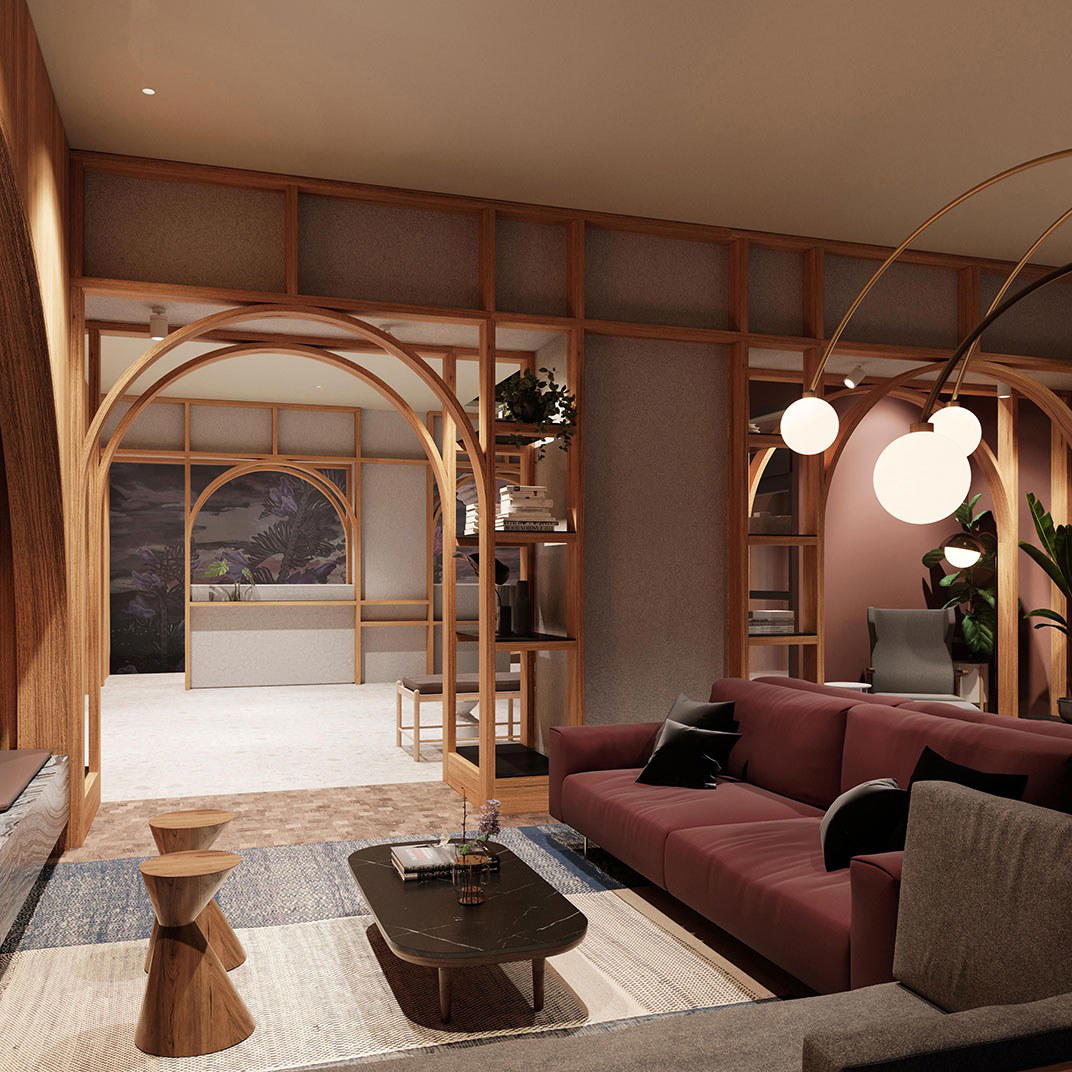
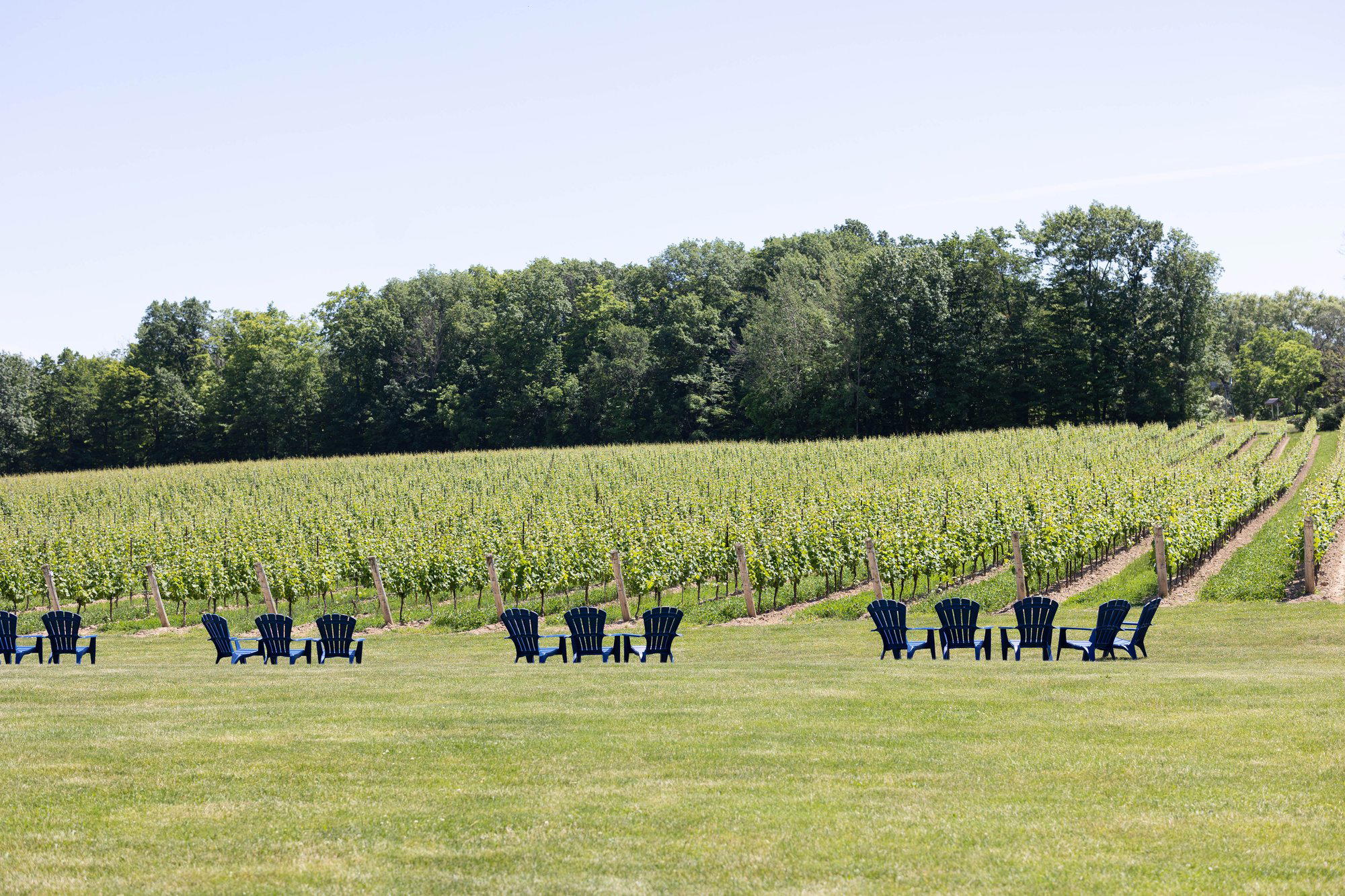
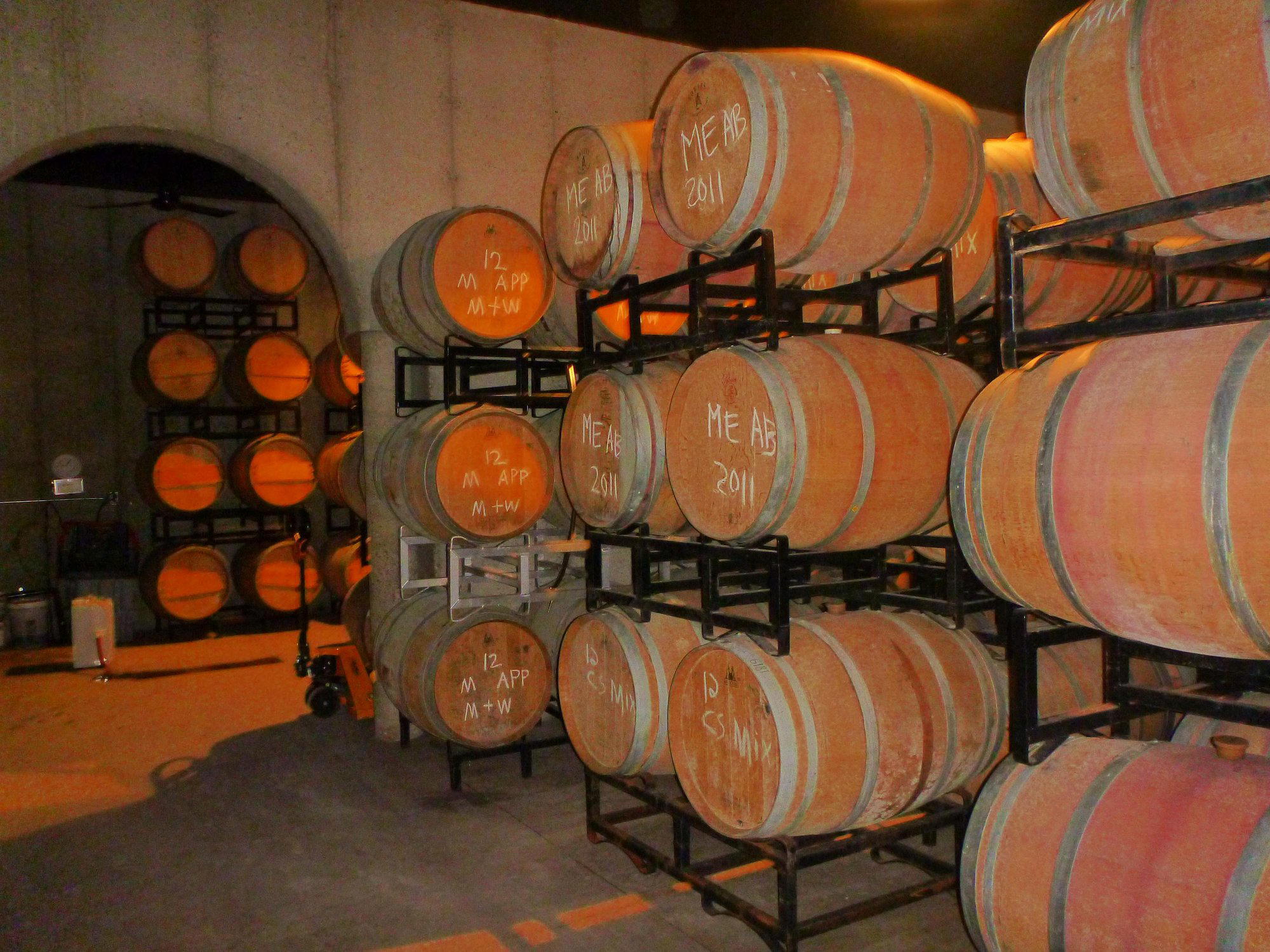
Industrial brewpub atmosphere with barrel room and outdoor woodfire seating; casual and energetic with a focus on craft beer culture.