Indian Garden Restaurant
Indian Garden Restaurant serves Traditional North Indian food at 247 E Ontario St in Chicago, with Murg Tikka Masala, Rogan Josh, and Reshmi Kabab on the menu.
Pearl is the En Primeur Club membership app — saves, bookings, and concierge access live there. Same editors, same standards.
- Address
- 247 E Ontario St, Chicago, IL 60611
- Phone
- +13122804910
- Website
- indiangardenchicago.com
- Directions
- Get directions
 Saves & bookings on Pearl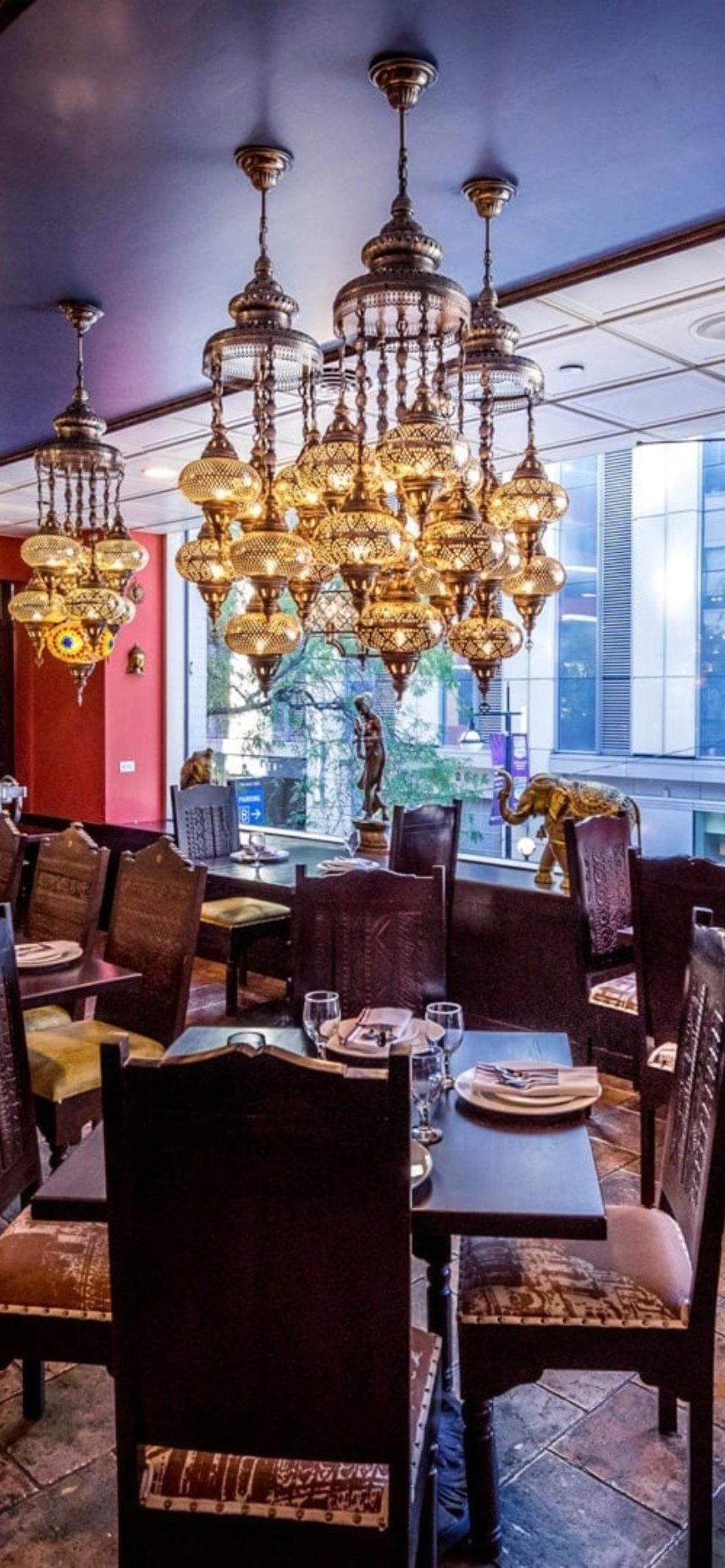
Indian Dining in Chicago's Streeterville Corridor
The stretch of Ontario Street running east toward Lake Michigan sits in one of Chicago's more transient dining zones, where hotel restaurants and expense-account steakhouses dominate the block-by-block rotation. Indian Garden Restaurant at 247 E Ontario St serves Traditional North Indian cooking in Streeterville, Chicago. The dining room draws a mix of hotel guests, nearby office workers, and regulars who treat it as a dependable fixed point in a part of the city better known for churn than consistency.
What the Room Communicates
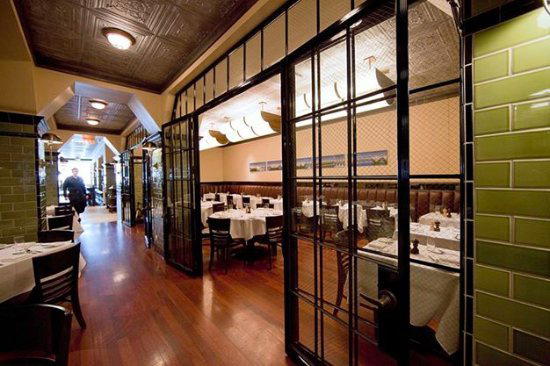
Indian restaurant dining in American cities tends to split between two poles: the utilitarian lunch buffet format, where the emphasis is speed and volume, and the more composed dinner-forward approach, where the kitchen slows down and plates with intention. Streeterville's pace leans toward the former during midday hours. By evening, the dynamic shifts. The room quiets, service extends, and the food can be read on its own terms rather than in the context of a 45-minute lunch window.
That rhythm is characteristic of mid-range Indian restaurants in American urban cores more broadly. The cuisine has a structural advantage in this format: dishes built around slow-cooked proteins, layered spice work, and bread made to order hold well across both service tempos without the kitchen needing to operate as two entirely different programs. The aromatic compounds that define North Indian cooking, the cardamom and cumin and dried chili combinations that announce a kitchen before a diner reaches the table, tend to read more clearly in a quieter room.
North Indian Cooking in a City That Rewards Specificity
Chicago's Indian dining scene has historically been concentrated in Devon Avenue on the North Side, where the density of South Asian grocers, sweet shops, and restaurants creates a reference ecosystem that standalone downtown venues cannot replicate. A restaurant in Streeterville operates in a different context entirely: it serves a more transient, less cuisine-literate audience on average, which means the menu tends toward breadth rather than regional specificity.
The North Indian canon that anchors most menus of this type, the tandoor-cooked proteins, the cream-enriched sauces, the leavened breads pulled from a clay oven, is a format with deep roots in Mughal court cooking that passed through Punjabi restaurant culture before becoming the default export template for Indian restaurants outside the subcontinent. It is a coherent tradition with genuine technical demands, particularly around tandoor management and spice sequencing, and restaurants that execute it consistently earn their position regardless of how removed they are from Devon Avenue's reference density.
Indian Garden sits in a different tier and serves a different function: reliable, accessible regional Indian cooking in a part of the city where that function is genuinely useful.
Chicago in the Broader American Dining Frame
Chicago's restaurant identity is shaped by a much larger working layer of neighborhood and mid-market venues. But the working layer is where most dining decisions get made, and it is where venues like Indian Garden function.
That working layer has counterparts worth understanding as reference points. Emeril's in New Orleans and Bacchanalia in Atlanta both occupy the mid-to-upper register of their local markets without operating in the Michelin-starred stratosphere claimed by venues like Le Bernardin in New York City or The French Laundry in Napa. The category matters: a restaurant does not need to compete with Providence in Los Angeles or Lazy Bear in San Francisco to justify its existence or earn a considered visit. Different questions apply.
For Indian cooking specifically, the relevant comparison is against the city's own Devon Avenue corridor and the handful of downtown Indian restaurants that serve Streeterville and the Loop. Within that category, longevity and consistency are the primary signals.
Planning a Visit
Streeterville is walkable from the Magnificent Mile and accessible from the Red Line at Grand or Chicago stations, with the restaurant positioned a short walk east of Michigan Avenue. The neighborhood is dense with hotels, which means the dining room can fill quickly during convention season, typically spring and fall. Dinner on a weekday evening tends to offer the relaxed service tempo. The venue's Ontario Street address is direct to reach by rideshare from the Loop or River North.
City Peers
Comparable venues nearby, for context on price, style, and recognition.
| Venue | Cuisine | Price | Notes |
|---|---|---|---|
| Indian Garden RestaurantThis venue — the venue you are viewing | Traditional North Indian | $$ | Not listed |
| KAMA – Wicker Park | Modern Indian | $$$ | Wicker Park |
| India House, Chicago | Authentic North Indian Tandoori | $$ | River North |
| Lou Malnati's Pizza | Chicago Deep Dish Pizza | $$ | multiple |
| Professor Pizza - Old Town | Chicago-Style Pizza | $$ | Old Town |
| Labriola Italian Specialties | Chicago-Style Italian Pizza and Pasta | $$ | Magnificent Mile |

At a Glance
- Classic
- Casual Hangout
- Group Dining
Current opening hours
- Monday
- 11 AM–10 PM
- Tuesday
- 11 AM–10 PM
- Wednesday
- 11 AM–10 PM
- Thursday
- 11 AM–10 PM
- Friday
- 11 AM–11 PM
- Saturday
- 11 AM–11 PM
- Sunday
- 11 AM–10 PM
Hours can change for holidays and private events. Last verified .
Warm atmosphere infused with aromatic spices from cumin, curry, and sizzling preparations.