

1 Michelin Star
Our verdict
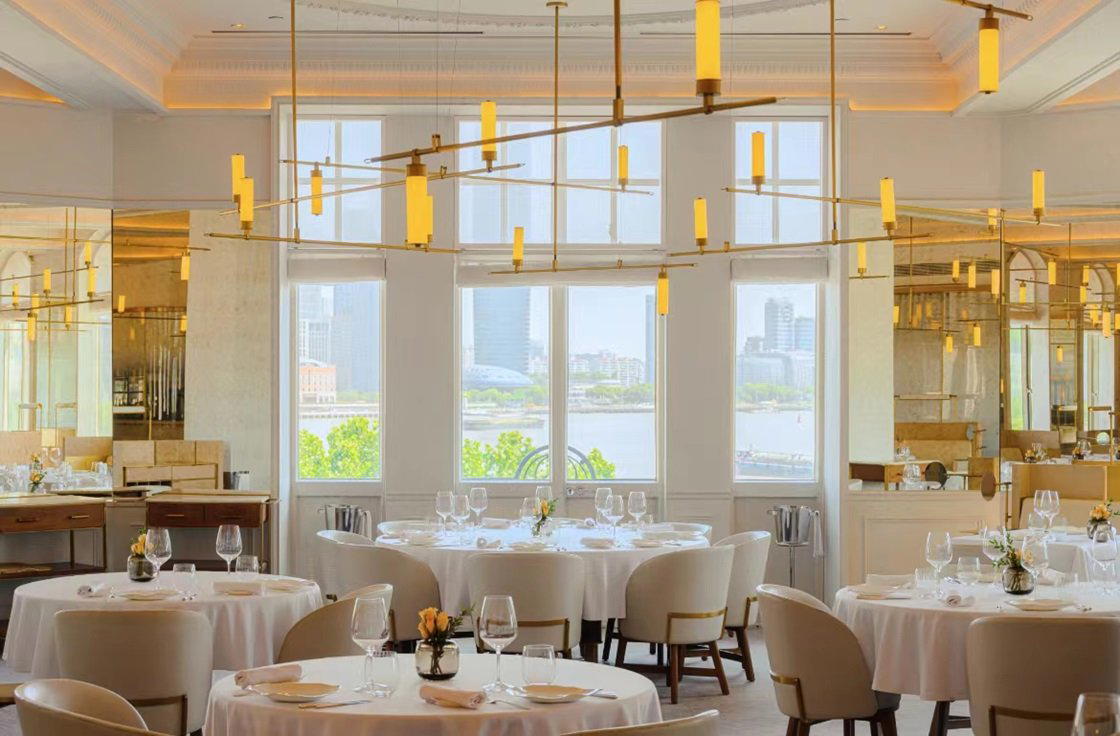
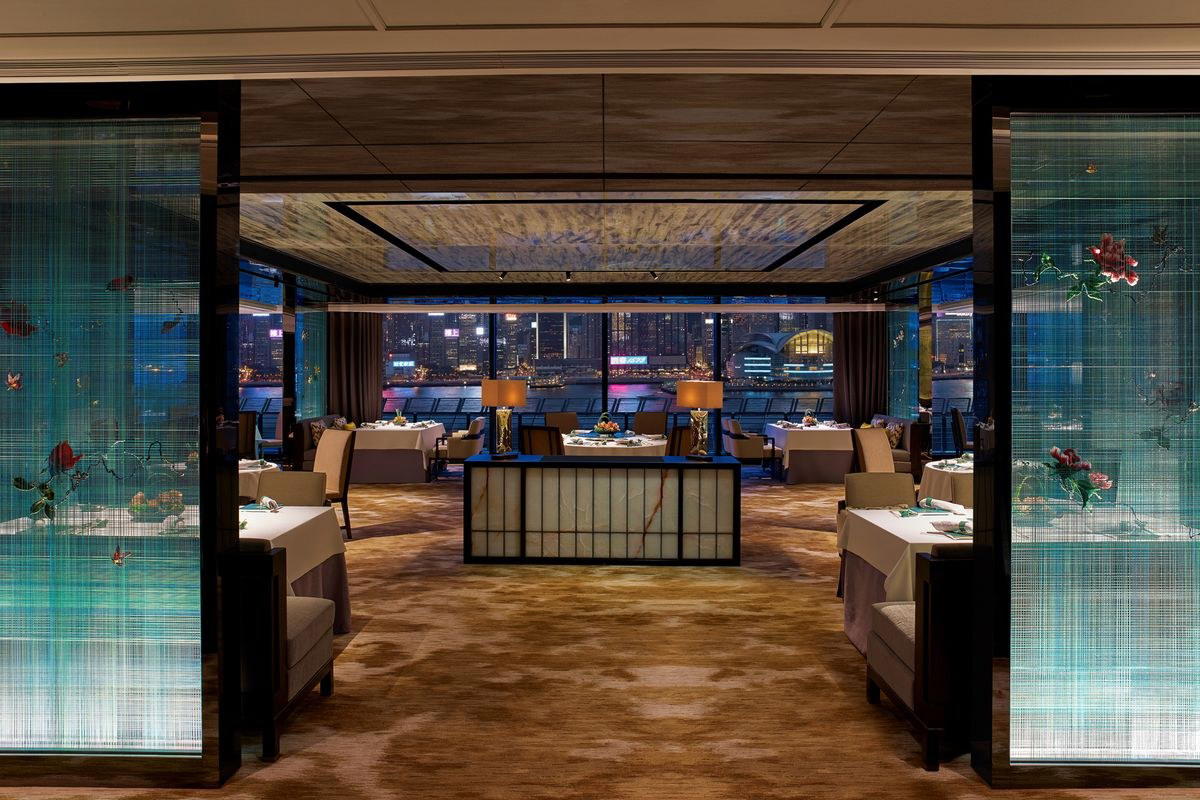
Imperial Treasure Fine Chinese Cuisine occupies the tenth floor of One Peking in Tsim Sha Tsui, with panoramic Victoria Harbour views framing a dining room detailed with ceramic koi and calligraphy. A Michelin one-star holder in 2024 and ranked 346th on Opinionated About Dining's Asia list, it brings the group's Singapore and Shanghai pedigree to Hong Kong's competitive Cantonese scene. The live seafood tank ensures daily availability of garoupa and crab preparations that anchor the menu.

Pearl is the En Primeur Club membership app, where members save venues, book tables and use the concierge.
The menu
What to order
- Roasted Boneless Suckling Pig with Glutinous Rice
- Iberico Pork Char Siu
- Har Gow
- Shrimp Dumpling
Harbour Views and a Divided Service: Lunch and Dinner at Imperial Treasure, Tsim Sha Tsui
Victoria Harbour from the tenth floor of One Peking Road arrives differently depending on the hour. At midday, the light is flat and wide, the Kowloon waterfront spread out in sharp relief, and the dining room carries the particular energy of a yum cha crowd that knows exactly what it wants. By evening, the harbour goes amber then dark, the skyline of Hong Kong Island illuminates in layers, and the same room shifts into a more deliberate register. This is the structural reality of serious Cantonese dining in Hong Kong: the same kitchen, the same address, two distinct experiences defined as much by time of day as by what arrives at the table. Imperial Treasure Fine Chinese Cuisine, which opened its first Hong Kong location here after establishing its reputation across Singapore and Shanghai, operates squarely inside that tradition.
Where the Brand Sits in Hong Kong's Cantonese Hierarchy
Hong Kong's Cantonese fine dining scene is one of the most stratified restaurant categories in Asia. At the upper tier, venues like Lung King Heen and Lai Ching Heen hold three and two Michelin stars respectively and price accordingly. Below that, a mid-premium bracket has expanded substantially over the past decade, where one-star recognition and strong group backing allow a restaurant to offer credible fine Cantonese cooking without the per-head cost of the room-with-a-view trophy addresses. Imperial Treasure sits in this middle-premium cohort. Its 2024 Michelin one star and a ranking of 346th on the Opinionated About Dining Asia list position it as a verified address rather than a discovery, and its $$ pricing places it below the three-star tier occupied in Hong Kong by venues including T'ang Court and competitors across other cuisines like Caprice and 8 1/2 Otto e Mezzo Bombana.
The group's trajectory matters here as context. Imperial Treasure built its credibility in Singapore before expanding to Shanghai and eventually Hong Kong. That model, exporting a polished Cantonese format across major Chinese-diaspora cities, is well-established in the region: compare the approach to what Summer Pavilion in Singapore represents within the Ritz-Carlton ecosystem, or how Jade Dragon in Macau and Chef Tam's Seasons in Macau have built audience by anchoring premium Cantonese in hospitality landmarks. For readers tracking Imperial Treasure across geographies, the Guangzhou branch provides an instructive parallel.
The Room: Designed for Occasion Without Theatre
The dining room's design leans into Chinese decorative tradition without pursuing the maximalist approach of some regional peers. Ceramic koi, calligraphy details, and the steady presence of an active fish tank in the kitchen create an environment that reads as considered rather than ornate. The fish tank is not incidental: it signals that live seafood is available daily, which in Cantonese fine dining is a genuine operational commitment, not a marketing claim. Garoupa, crab, and other marine protein sourced this way are prepared to order rather than pre-cooked, and the difference in texture and freshness is measurable. Comparable commitments to live seafood procurement can be found at addresses like Rùn and Forum in Hong Kong, though each takes a different approach to sourcing and preparation style.
Lunch: The Dim Sum Argument for Coming Early
Lunch service, running 11:30 AM to 3 PM on weekdays and from 11 AM on weekends, is where Imperial Treasure competes in Hong Kong's most contested dining format: the weekend dim sum session. Saturday and Sunday morning openings at 11 AM acknowledge that the weekend yum cha ritual demands earlier access than weekday business dining. Across Hong Kong's mid-premium Cantonese tier, the lunch hour remains the most value-efficient entry point: classic dim sum preparations, seasonal soups, and roasted items arrive at price points substantially below the evening à la carte. For a venue operating at this recognition level, the lunch menu represents a lower-friction way to assess kitchen quality before committing to an evening reservation.
Broader pattern in Hong Kong's Cantonese dining is that daytime and evening services at this tier have grown further apart over the past decade. Lunch has retained a communal, habitual quality; dinner has become more occasion-driven and more expensive. Imperial Treasure's format reflects that split accurately. The setting does the daytime version of the harbour view well: clear light, active waterfront, the geometry of Kowloon visible from the upper floors of One Peking.
Dinner: Live Seafood and Wok Technique as the Central Logic
Evening service shifts the kitchen's focus toward the preparations that depend most on live sourcing and high-heat wok work. These are not novelty dishes but core Cantonese techniques applied to premium ingredients at the right scale.
The evening price point at $$ positions the dinner experience as more accessible than the three-star tier while still operating with Michelin-recognised standards. For readers comparing across the region, similar pricing structures appear at 102 House in Shanghai, Bao Li Xuan in Shanghai, and Canton 8 in Shanghai, though Hong Kong's operating costs and ingredient sourcing place local venues in a different cost environment. For a complete picture of where this restaurant sits in relation to Taipei's equivalent Cantonese offering, Le Palais in Taipei provides a useful regional benchmark.
The Tsim Sha Tsui Position
Tsim Sha Tsui has historically been Hong Kong's hotel and tourist dining district, but the concentration of serious restaurants along the Peking Road and Canton Road corridor has shifted its standing within the local dining hierarchy. One Peking Road, as a high-rise with harbour-facing upper floors, has become a viable address for destination dining rather than just passing trade. The tenth-floor position gives Imperial Treasure a clear competitive advantage in the room-with-a-view category, while the Tsim Sha Tsui location keeps it accessible from both Kowloon and, via the Star Ferry or MTR, from the Island. For visitors staying on the Hong Kong Island side, the harbour crossing itself becomes part of the frame for an evening meal.
For those planning a broader stay, our full Hong Kong restaurants guide maps the city's dining scene in detail. Complementary planning resources include our Hong Kong hotels guide, our Hong Kong bars guide, our Hong Kong wineries guide, and our Hong Kong experiences guide.
Know Before You Go
- Address: 10/F, One Peking, Peking Road, Tsim Sha Tsui, Hong Kong
- Lunch hours: Monday to Friday 11:30 AM – 3 PM; Saturday and Sunday 11 AM – 3 PM
- Dinner hours: Daily 6 PM – 11 PM
- Price range: Mid-premium ($$); lunch typically more accessible than dinner
- Recognition: Michelin one star (2024); Opinionated About Dining Asia ranked #346 (2024)
- Live seafood: Available daily via on-site fish tank in the kitchen
- Getting there: Tsim Sha Tsui MTR station (Exit L6 for One Peking Road); Star Ferry from Central also practical for evening visits
Frequently asked questions
at Imperial Treasure Fine Chinese Cuisine in Hong Kong?
The kitchen's most compelling preparations are anchored in its live seafood programme. Poached garoupa in fish soup with crispy rice and stir-fried crab in pepper are the two dishes consistently cited in the restaurant's own documentation, and both reflect the kitchen's core strengths: precise poaching technique with the garoupa, and sustained wok heat for the crab. These are Cantonese fundamentals executed at a Michelin-recognised level, which is the most reliable frame for setting expectations. At lunch, the dim sum service gives access to the kitchen's range at a lower price point and is a logical first visit if you want to assess the room and the cooking before returning for dinner. Live seafood availability is confirmed daily, making the fish-based preparations a dependable anchor for either service.
Peers in This Market
A quick peer check to anchor this venue’s price and recognition.
| Venue | Cuisine | Price | Awards | Notes |
|---|---|---|---|---|
| Imperial Treasure Fine Chinese Cuisine - Hong KongThis venue (the venue you are viewing) | Fine Cantonese Cuisine | $50–100 | 1 Michelin Star | Not listed |
| 8 1/2 Otto e Mezzo Bombana (Hong Kong) | 3 Michelin-Star Italian Fine Dining | $200–300 | 3 Michelin Stars · World's 50 Best #94 | Italian |
| Ta Vie | Modern French-Japanese Fine Dining | $300–500 | 3 Michelin Stars · World's 50 Best #68 | Japanese - French, Innovative |
| Caprice | Contemporary French Fine Dining | $200–300 | 3 Michelin Stars · World's 50 Best #35 | French, French Contemporary |
| Feuille | Modern Vegetable-Forward French | $200–300 | 1 Michelin Star · World's 50 Best #93 | French Contemporary |
| Neighborhood | Modern French with Asian Influences | $50–100 | 1 Michelin Star · World's 50 Best #24 | International, European Contemporary |
Recognition history
Dated appearances from independent guides and award organizations, with the underlying list record or original source where available.
Michelin 1 Star
Michelin
Opinionated About Dining Top Restaurants in Asia Recommended
Opinionated About Dining
Full recognition history (5 entries)
Michelin 1 Star
Michelin
Michelin 1 Star
Michelin
Opinionated About Dining Top Restaurants in Asia Ranked #346
Opinionated About Dining
Continue exploring
More in Hong Kong
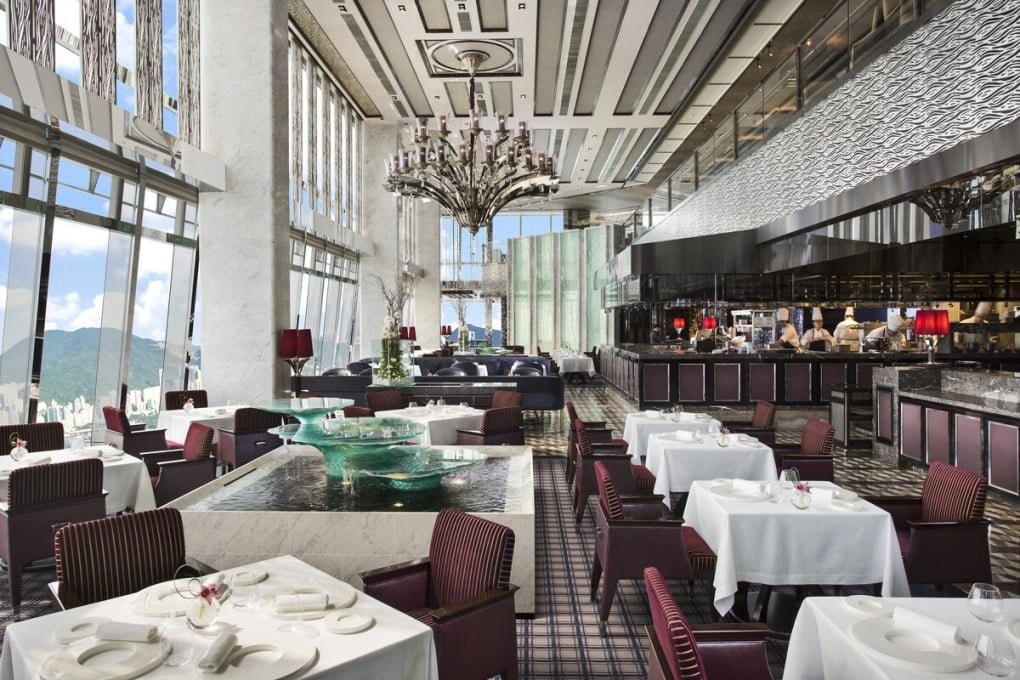
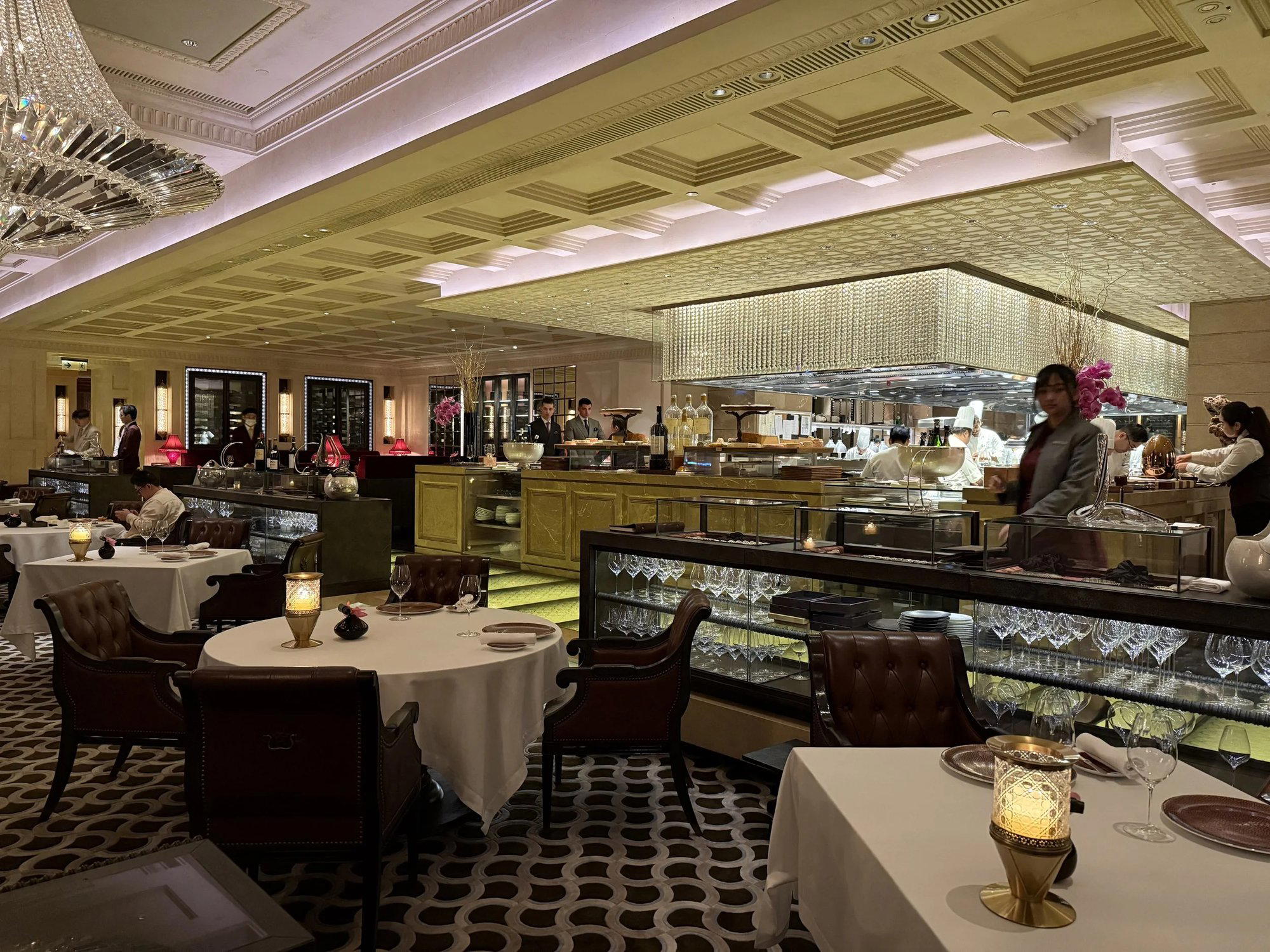
Restaurants in Hong Kong
All restaurants in Hong Kong →
Bars in Hong Kong
All bars in Hong Kong →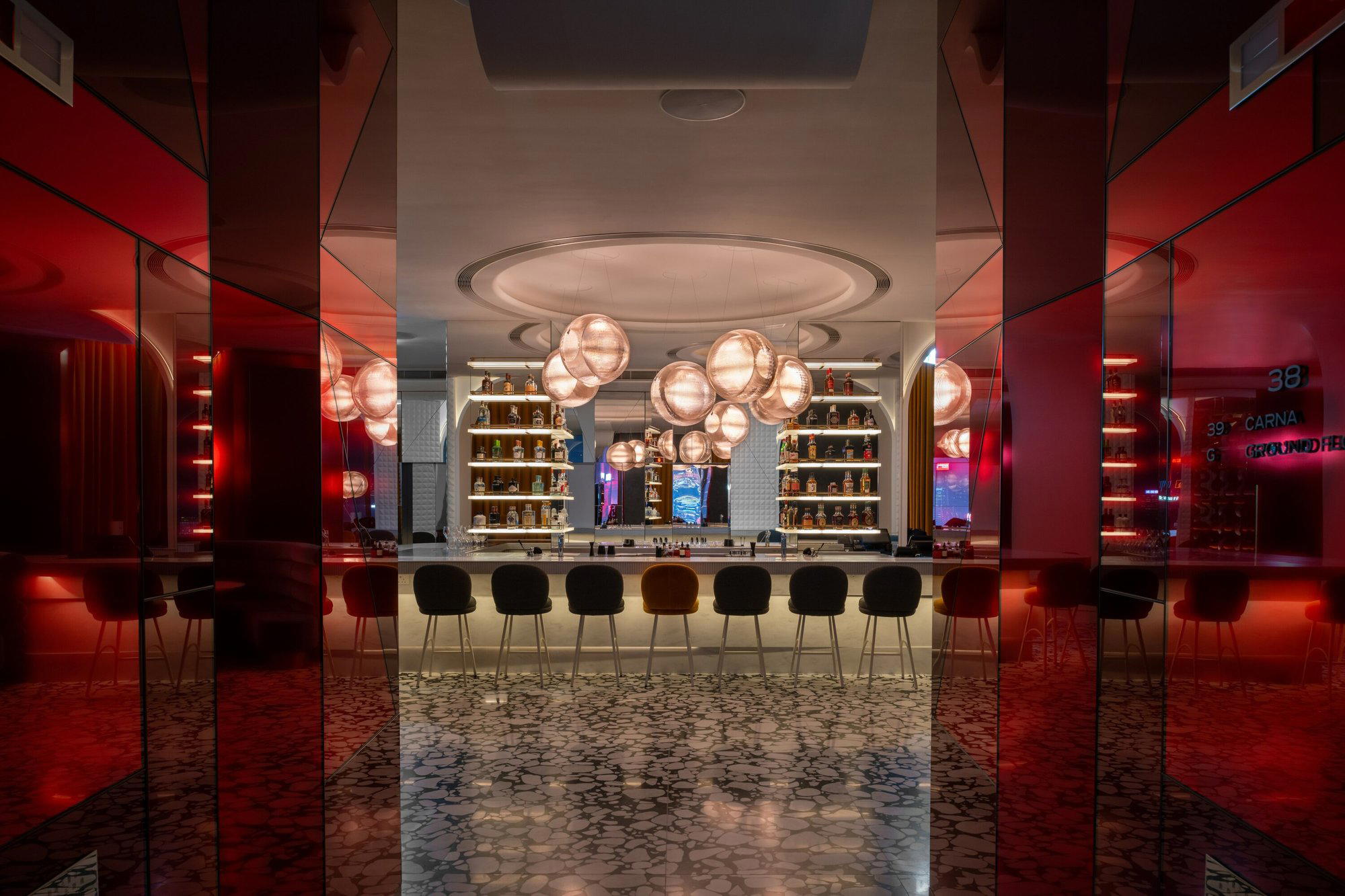
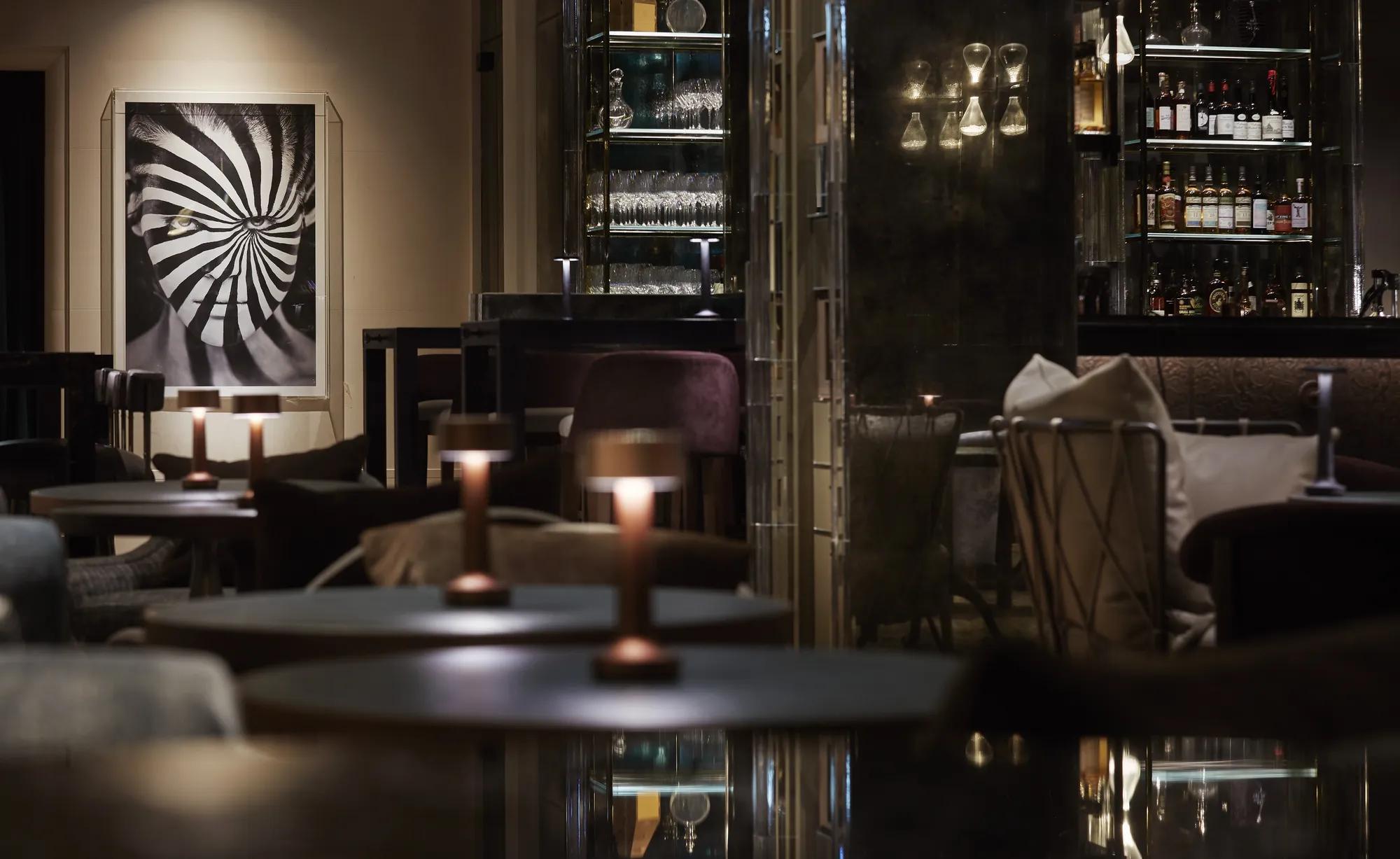
Hotels in Hong Kong
All hotels in Hong Kong →
Wineries in Hong Kong
All wineries in Hong Kong →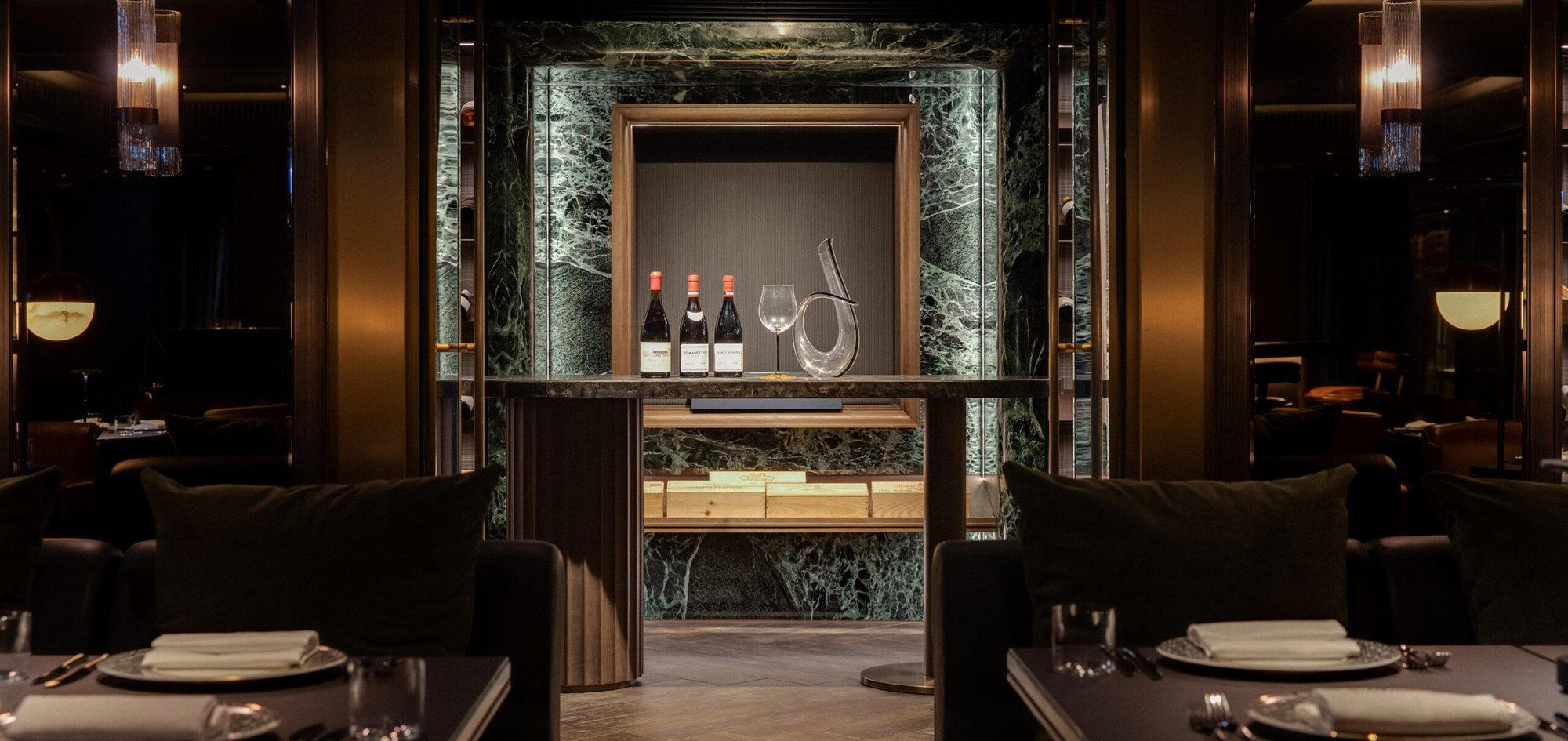
Details
- Elegant
- Sophisticated
- Cozy
- Business Dinner
- Family
- Group Dining
- Special Occasion
- Hotel Restaurant
- Sake Program
- Skyline
- A La Carte
Current opening hours
- Monday
- 11:30 AM–3 PM, 6–11 PM
- Tuesday
- 11:30 AM–3 PM, 6–11 PM
- Wednesday
- 11:30 AM–3 PM, 6–11 PM
- Thursday
- 11:30 AM–3 PM, 6–11 PM
- Friday
- 11:30 AM–3 PM, 6–11 PM
- Saturday
- 11 AM–3 PM, 6–11 PM
- Sunday
- 11 AM–3 PM, 6–11 PM
Hours can change for holidays and private events. Hours as of .
Cozy and comfortable interior with nice decoration, spacious seating, and stylish black & white decor.