
Tabelog 100 #50
Our verdict
Imahan Bekkan belongs to Asakusa’s old-school hot-pot register: sukiyaki, shabu shabu, and beef bowl cooking in a house-restaurant setting rather than a tasting-menu frame. Its Tabelog 100 - Hot Pot - 2024 selection, 120-seat scale, private rooms, tatami rooms, and non-smoking policy make it useful for diners who want Tokyo beef cookery with structure, comfort, and neighbourhood context.

Pearl is the En Primeur Club membership app, where members save venues, book tables and use the concierge.
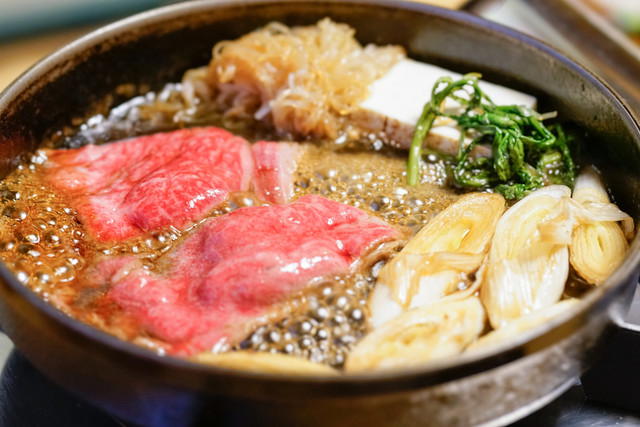
The menu
What to order
- Sukiyaki with Japanese Black beef
- Shabu-shabu
- Gyūdon (beef bowl)
Tokyo dining moves differently from the polished counters and chef-led rooms that dominate the city’s premium conversation. In older, more public-facing traditions, the emphasis is often on familiar formats serving families, visitors, and local regulars without turning dinner into theatre. Imahan Bekkan belongs to that register: a house restaurant built around Japanese hot-pot cooking, not the international language of tasting menus.
The point is not novelty. Sukiyaki and shabu shabu are ingredient-led formats where sourcing and slicing matter more than elaborate composition. Beef is the centre of gravity, with cooking doing the editing: sukiyaki works through sweetness, soy, heat, and fat; shabu shabu gives the same ingredient a lighter reading, with broth and dipping sauces shifting the frame. The listed categories, sukiyaki, shabu shabu, and gyu-don, place it firmly in beef cookery rather than broader washoku.
Tokyo hot pot, judged by beef rather than performance
Tokyo’s premium dining conversation often favours small rooms, long booking windows, and chef proximity. Hot pot follows another logic. It rewards restaurants that manage product consistency, table pacing, and group comfort. The appeal here is not scarcity for its own sake, but a format built for repeated service and shared dining rather than a rarefied counter where performance does much of the work.
That makes the Tabelog 100 - Hot Pot - 2024 selection a useful trust signal. Tabelog’s Hyakumeiten lists do not function like Michelin stars, but in Japan they carry category-specific weight: selection in a hot-pot list means the venue is assessed among sukiyaki and shabu shabu specialists, not against sushi, French, or kaiseki rooms. A 3.64 Tabelog score adds another local-market marker, especially where long-running comfort and repeat appeal count heavily.
Ingredient sourcing is central because these dishes expose weakness quickly. In sukiyaki, sweetness can flatter beef but cannot rescue poor texture; in shabu shabu, thin slicing and quick cooking leave nowhere to hide. Gyu-don, often treated casually, also reveals a kitchen’s approach to beef and rice economy. All three formats suggest a restaurant working across different levels of beef dining, from hot-pot meals to a simpler bowl form, matching Tokyo’s food culture: accessible on the surface, deeply specialised underneath.
Compared with allowed Tokyo peers, the positioning is clear. Asakusa ASA Tora, Gyoza no Ousama, Kibun Zushi, Italiano Jerato Ya, and 弁天山美家古寿司 each point to different casual or specialist lanes. Imahan Bekkan is the beef hot-pot address in that set, with category recognition that gives it a clearer editorial identity than a general-purpose tourist stop.
The room supports the format: groups, comfort, shared dining
Hot pot is social food, and the room must support it. Table comfort and an easy shared rhythm are not decorative details; they shape the meal. Sukiyaki and shabu shabu need space, timing, and comfort for dining that unfolds at the pace of cooking rather than plating. A house-restaurant setting also suits Tokyo, where stronger dining traditions are often tied to continuity and repeatability rather than spectacle.
The appeal for mixed groups is more than convenience. Tokyo has a split dining culture: many serious rooms are implicitly adult, quiet, and reservation-constrained, while older restaurants can absorb multigenerational meals with less ceremony. Sukiyaki often functions in Japan as celebratory without requiring formality, structured without excluding diners who want a more relaxed meal.
The practical decision is about timing and context rather than destination drama. This is not necessarily a table to build an entire trip around months ahead; it is a strong Tokyo lunch or dinner candidate when beef hot pot is the target. Travellers should treat it as part of a Tokyo dining plan, not a cross-town gamble at the busiest hour.
Payment, access, and comfort details should be checked directly before visiting, as they can change and are often more important for hot-pot meals than for quick solo dining. The planning point is simple: Imahan Bekkan is a Tokyo venue whose appeal is rooted in category clarity, local recognition, and a format that rewards shared dining.
Where it fits in a Tokyo dining itinerary
Tokyo rewards category discipline. The city’s strongest meals often come from choosing a genre and understanding its hierarchy: sushi in one lane, yakitori in another, curry elsewhere, hot pot on its own terms. For a wider view, Our full Tokyo restaurants guide gives the broader map, while other Tokyo dining rooms show how sharply the city’s casual and specialist categories diverge.
Imahan Bekkan is strongest for travellers who want Tokyo’s beef tradition in a room built for comfort rather than performance. The editorial case rests on category fit: a Tabelog 100 hot-pot selection, a Tabelog score of 3.64, and a menu identity anchored in sukiyaki, shabu shabu, and beef bowl cooking. It is not the Tokyo of hushed eight-seat counters. It is the Tokyo of a dining form that has survived because it makes sense.
For planning beyond the meal, Tokyo’s hospitality, drinking, and experience scenes sit in separate guides. Related dining references can be useful in a general sense, but Imahan Bekkan’s case is best understood locally: as a Tokyo hot-pot specialist recognised in the Tabelog Hyakumeiten context, with listed categories that keep the focus squarely on beef cookery.
Frequently asked questions
Where is Imahan Bekkan located?
Tokyo.
Is Imahan Bekkan more mid-range or high-end?
Pricing at Imahan Bekkan is listed as JPY 1,000 - JPY 1,999.
When can I go to Imahan Bekkan?
Check current opening times directly with Imahan Bekkan before visiting.
What has Imahan Bekkan built its reputation on?
Imahan Bekkan is known for sukiyaki, shabu shabu, and gyu-don, and it was selected for Tabelog 100 Hot Pot 2024. Its Tabelog score is listed as 3.64, with pricing shown as JPY 1,000 - JPY 1,999.
Comparable Spots, Quickly
Comparable venues at the same tier for side-by-side context.
| Venue | Cuisine | Price | Awards | Notes |
|---|---|---|---|---|
| Imahan BekkanThis venue (the venue you are viewing) | Traditional Sukiyaki & Shabu-shabu | $50–100 | Tabelog 100 #50 | Not listed |
| Unitora (うに虎) | Uni Specialty Sushi | $50–100 | Not listed | Tsukiji |
| Yonekyu Honten | Traditional Sukiyaki | $50–100 | Tabelog 100 #77 | Taitō |
| Unazen | Kanto-style Unagi (Eel) | $30–50 | Tabelog 100 #83 | Sumida |
| 寿司 健 | Premium Omakase Sushi | $300–500 | Tabelog 100 #19 | Chūō |
| 新楽記 | Modern Hong Kong Cantonese | $300–500 | Michelin Bib Gourmand | Shinjuku |
Recognition history
Dated appearances from independent guides and award organizations, with the underlying list record or original source where available.
Tabelog 100 #50 · No. 50
Tabelog · Tabelog 100 - Hot Pot - 2024
Continue exploring
More in Tokyo
Restaurants in Tokyo
All restaurants in Tokyo →

Bars in Tokyo
All bars in Tokyo →


Details
- Classic
- Cozy
- Elegant
- Intimate
- Well Known
- Date Night
- Business Dinner
- Family
- Group Dining
- Special Occasion
- Celebration
- Private Dining
- Historic Building
- Standalone
- Design Destination
- Sake Program
- Local Sourcing
- A La Carte
- Set Menu
- Family Style
- Sake
- Beer
- Tea
- Pescatarian Friendly
Current opening hours
- Monday
- 11 AM–3 PM, 4:30–8 PM
- Tuesday
- 11 AM–3 PM, 4:30–8 PM
- Wednesday
- 11 AM–3 PM, 4:30–8 PM
- Thursday
- 11 AM–3 PM, 4:30–8 PM
- Friday
- 11 AM–3 PM, 4:30–8 PM
- Saturday
- 11 AM–8 PM
- Sunday
- 11 AM–8 PM
Hours can change for holidays and private events. Hours as of .
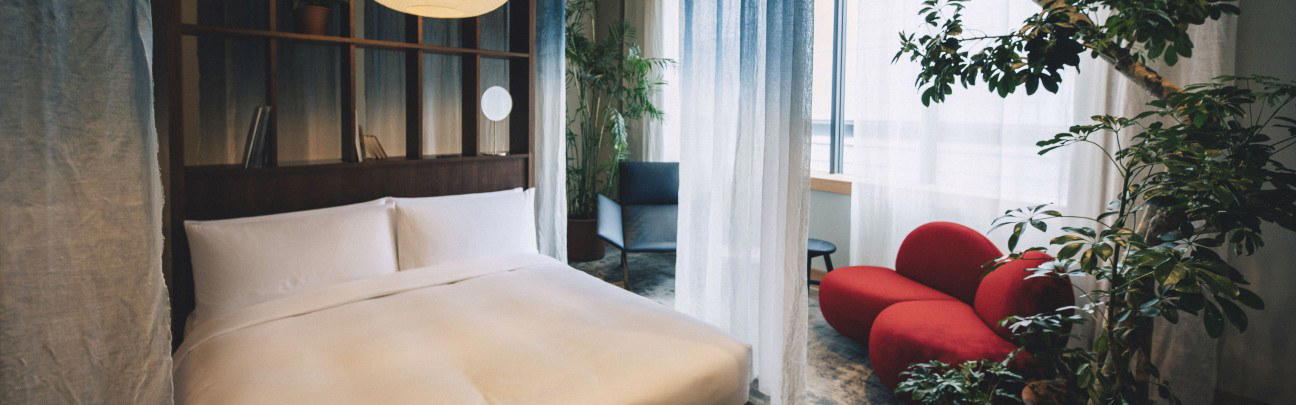
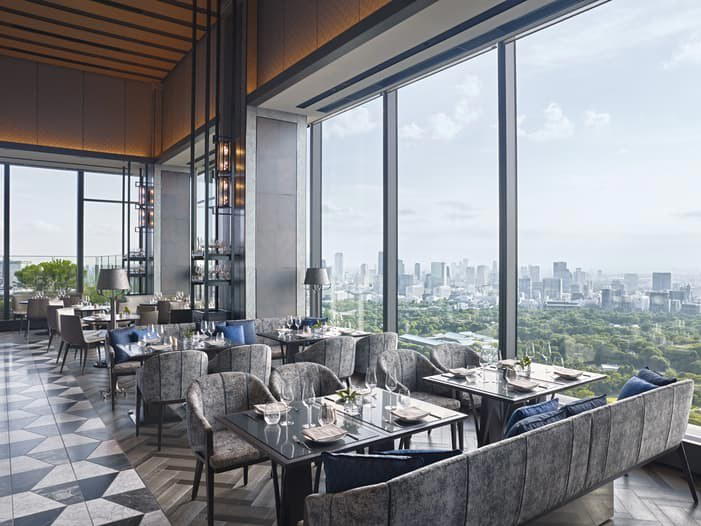
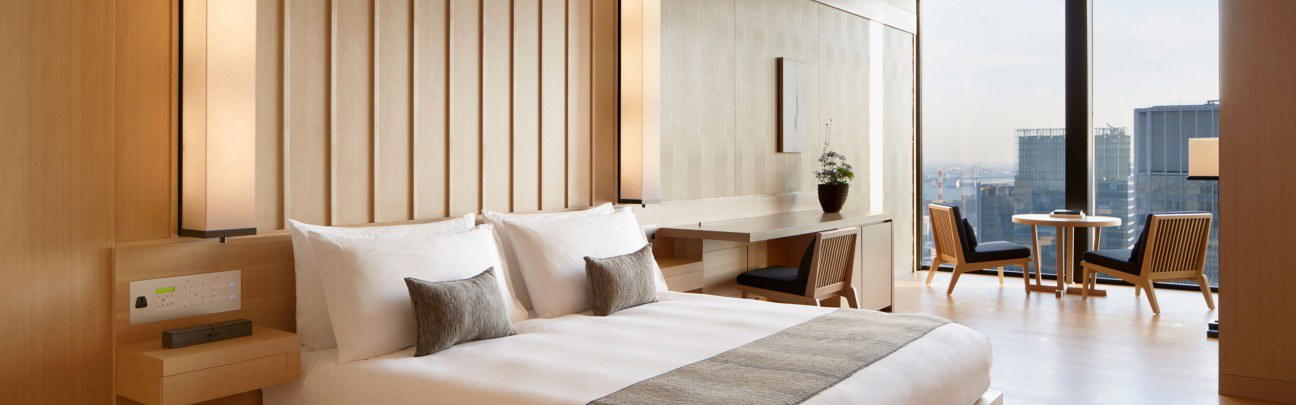
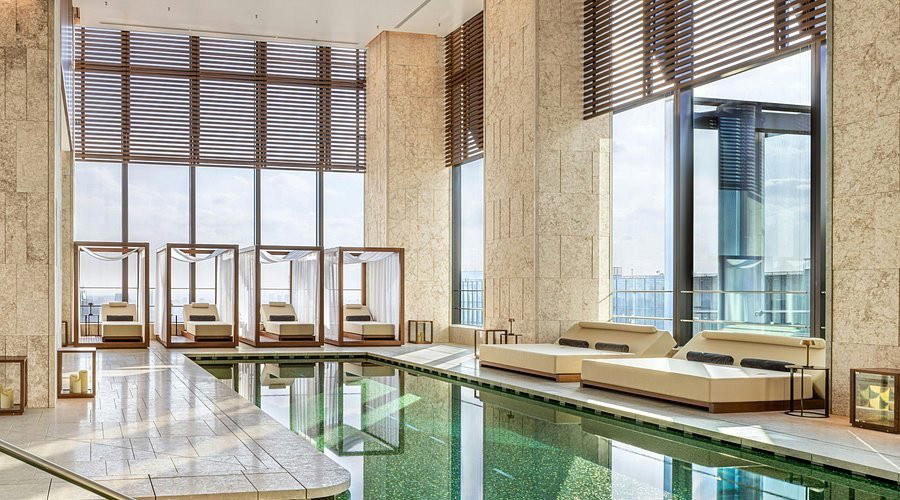
Traditional Japanese house-restaurant with tatami rooms and booth seating, calm and comfortable, with attentive service and a relaxed, slightly upscale atmosphere suited to savoring hotpot at a leisurely pace.