Ilios Greek
A Greek restaurant on Polanco's most-trafficked dining corridor, Ilios Greek brings Mediterranean cooking to one of Mexico City's most competitive fine-dining neighbourhoods. Positioned on Avenida Masaryk, it occupies a district where international cuisines have earned serious footing alongside the city's celebrated Mexican tables. For visitors cross-referencing the broader Mexico City dining scene, it represents the neighbourhood's appetite for European culinary traditions done with conviction.
- Address
- Av. Pdte. Masaryk 311, Polanco, Polanco IV Secc, Miguel Hidalgo, 11550 Ciudad de México, CDMX, Mexico
- Phone
- +525596886866
- Website
- iliosrestaurante.com.mx
- Directions
- Get directions
Polanco's Appetite for the Mediterranean
Mexico City's Polanco district has spent the better part of two decades building a dining identity that extends well beyond Mexican cuisine. Avenida Masaryk and its immediate streets now host one of Latin America's most concentrated corridors of international restaurants, where French, Japanese, and Italian kitchens compete for the same well-travelled clientele that also supports destinations like Pujol and Quintonil. Greek cuisine, historically underrepresented in Mexico City's restaurant pool, occupies a specific niche in that mix: the Mediterranean diet tradition with its olive oil-forward cooking, whole-roasted proteins, and raw seafood preparations translates well to a city that already prizes freshness and sourcing precision.
Ilios Greek sits on Masaryk at number 311, meaning it addresses one of the highest-footfall stretches in the city's dining geography. In a neighbourhood where the street itself functions as a signal of seriousness, the address matters as context before you even consider what's on the plate. The international restaurant cohort here does not survive on novelty, Polanco diners are experienced enough to make repeat visits a demanding metric, and the competition from Em, Rosetta, and Sud 777 keeps the broader scene's quality threshold high.
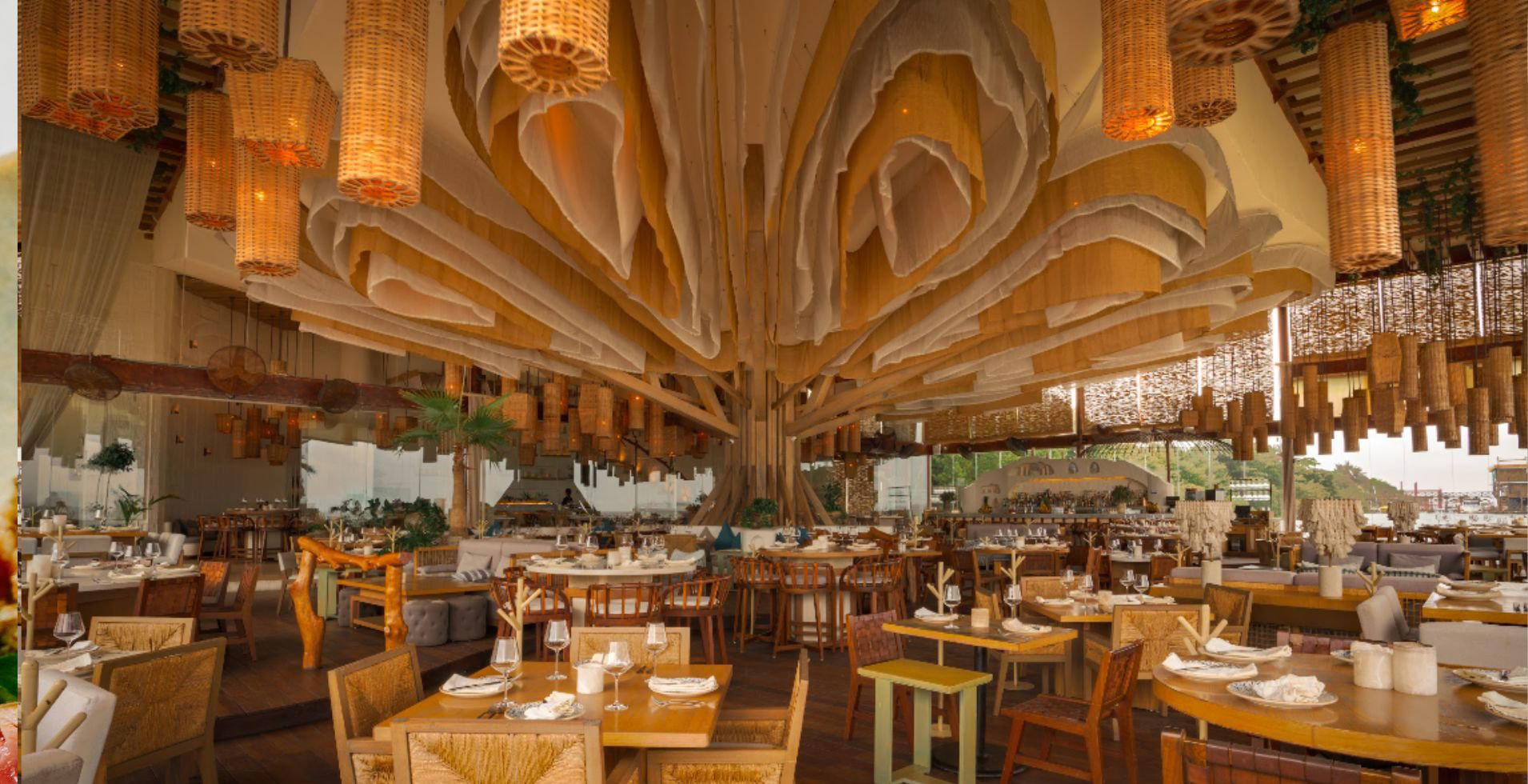
The Physical Container: Space as Editorial Statement
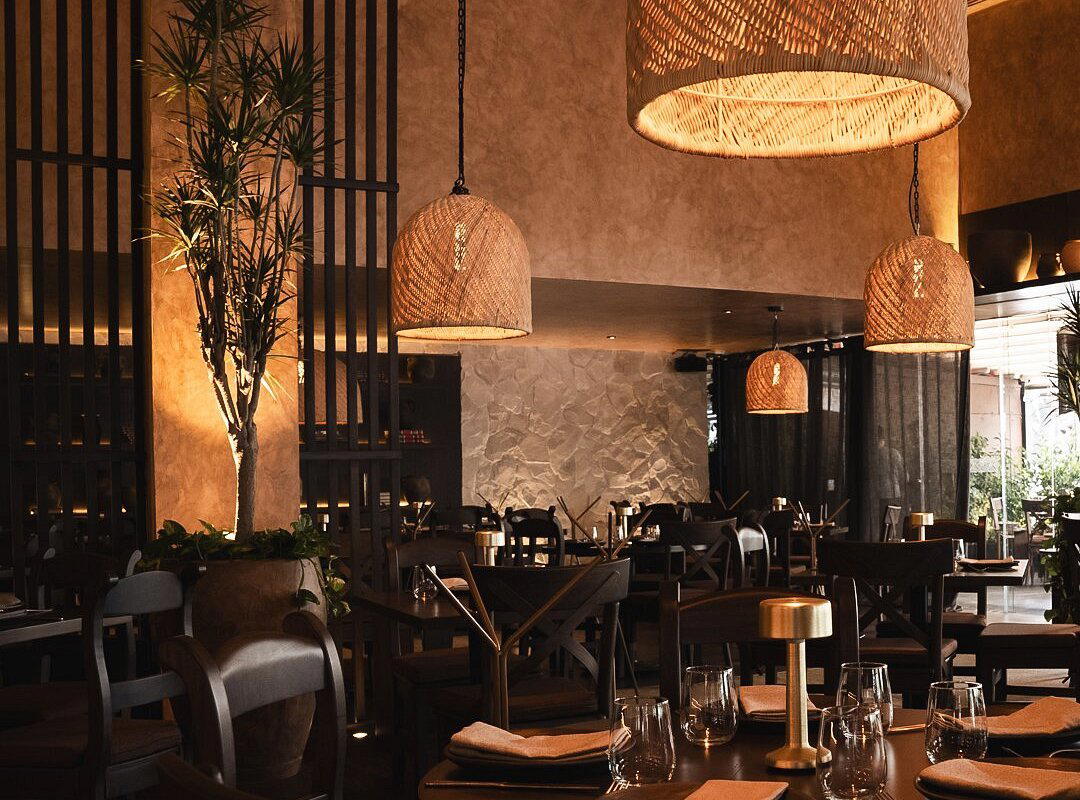
Greek restaurant design in serious international markets has moved through several phases over the past decade. The whitewashed-wall, blue-shutter aesthetic that once dominated has largely given way to something more considered: natural stone surfaces, warm lighting that references the Aegean's late afternoon hours, and an openness of layout that encourages sharing across tables. The leading Mediterranean interiors in cities like London or São Paulo now tend to favour materials that age well, terracotta, linen, exposed timber, over anything that signals theme-park nostalgia for the islands.
On Masaryk, that design language matters because the physical experience of a restaurant in this neighbourhood carries weight. Polanco's dining rooms are evaluated as carefully as their menus. Diners arriving from a district that includes some of the city's most architecturally considered spaces bring those comparisons with them. A Greek kitchen that can hold its own aesthetically alongside that comparable set, rather than leaning on folkloric shorthand, earns a different kind of credibility than one operating under the assumption that the cuisine's novelty is argument enough.
The format of a Greek meal in this context also shapes the spatial logic. Shared plates, mezze structures, and long table rhythms require a floor plan that accommodates communal eating without the crowding that undermines it. When a room is designed with that rhythm in mind, the service flow changes: the table becomes a platform rather than a station, and the meal's timing moves at the pace of conversation rather than the kitchen's turnover clock.
Greek Cooking in a Mexican City: Why the Cuisine Lands Here
The affinity between Greek and Mexican culinary traditions is less surprising than it might first appear. Both rely on high-quality olive oil and fresh herbs as structural ingredients rather than garnish. Both prize the whole animal and the whole fish, with preparations that give priority to the product's inherent character. And both traditions have strong vegetable cultures, Greek salads and cooked greens, Mexican market vegetables, that allow a table to be built around produce rather than protein alone.
In Mexico City specifically, diners with access to kitchens like Pujol and the broader canon reviewed in our full Mexico City restaurants guide have been trained to think carefully about sourcing and technique. That same attention transfers easily to a Greek table. Octopus preparation, whole fish grilling over charcoal, and the calibration of a proper tzatziki are all tests of kitchen discipline that a well-travelled Polanco diner is equipped to evaluate honestly.
Across Mexico, the ambition driving internationally-framed kitchens has been rising. Restaurants like Alcalde in Guadalajara, Pangea in San Pedro Garza García, and KOLI Cocina de Origen in Monterrey have raised the baseline expectation for what a serious restaurant in Mexico should deliver, regardless of its culinary lineage. The same dynamic applies to coastal kitchens: HA' in Playa del Carmen, Le Chique in Puerto Morelos, and Olivea Farm to Table in Ensenada all demonstrate that international culinary languages can be spoken with genuine fluency in Mexican contexts. For Greek cuisine, that precedent is encouraging.
Where Ilios Greek Sits in Polanco's Competitive Frame
Polanco's restaurant market is price-stratified in ways that matter for planning. The neighbourhood's headline addresses, the Mexican fine-dining tables that attract international critical attention, operate at the $$$$ tier. Mid-range international options, including some of the city's more interesting European-rooted kitchens, tend to cluster at the $$ to $$$ level, which is where a restaurant like Rosetta at $$ has built sustained critical respect. Understanding where Ilios Greek prices against that range shapes how it should be read as a dinner option versus a lunch choice, and whether it functions as a destination in itself or a strong secondary option on a multi-day Polanco itinerary.
For visitors mapping the city's dining across multiple days, the strategic comparison is worth making. Mexico City's European-cuisine restaurants in Polanco hold their own partly because the city's broader dining culture is sophisticated enough to demand it. The same diner who books months ahead for Quintonil is also the one evaluating whether a Greek kitchen on Masaryk is doing something genuinely worth their time. Outside the capital, comparable moments of international culinary ambition can be found at Animalón in Valle de Guadalupe, Lunario in El Porvenir, Levadura de Olla in Oaxaca, and Huniik in Mérida, though none in the Greek register. Globally, for reference points on what a serious Mediterranean-rooted kitchen can achieve in a demanding urban environment, Le Bernardin in New York City and Atomix in New York City represent the kind of sustained precision that raises a cuisine category's credibility city-wide.
Planning Your Visit
| Detail | The restaurant | Rosetta (peer reference) | Em (peer reference) |
|---|---|---|---|
| Neighbourhood | Polanco, Masaryk 311 | Roma Norte | Polanco |
| Cuisine | Greek / Mediterranean | Italian, Creative | Mexican |
| Price tier | Not confirmed | $$ | $$$ |
| Booking | Advance recommended | Advance recommended | |
| Format | Not confirmed | À la carte | Tasting menu |
Price and Recognition
Comparable venues nearby, for context on price, style, and recognition.
| Venue | Cuisine | Price | Notes |
|---|---|---|---|
| Ilios GreekThis venue — the venue you are viewing | Not listed | $$$$ | Not listed |
| Lilōu | Not listed | $$$$ | Polanco Chapultepec, Contemporary International Bistro |
| Samos | Not listed | $$$$ | Nva Anzures, Contemporary Mexican Fine Dining |
| Babero | Nva Anzures, Modern Mediterranean Bistro | $$$$ | Not listed |
| Eloise | Guadalupe Inn, Classic French Bistro | $$$$ | Not listed |
| Loma Linda Santa Fe | Not listed | $$$$ | Res Parque Santa Fe, Classic Mexican Steakhouse |
Continue exploring
More in Mexico City
Restaurants in Mexico City
Browse all →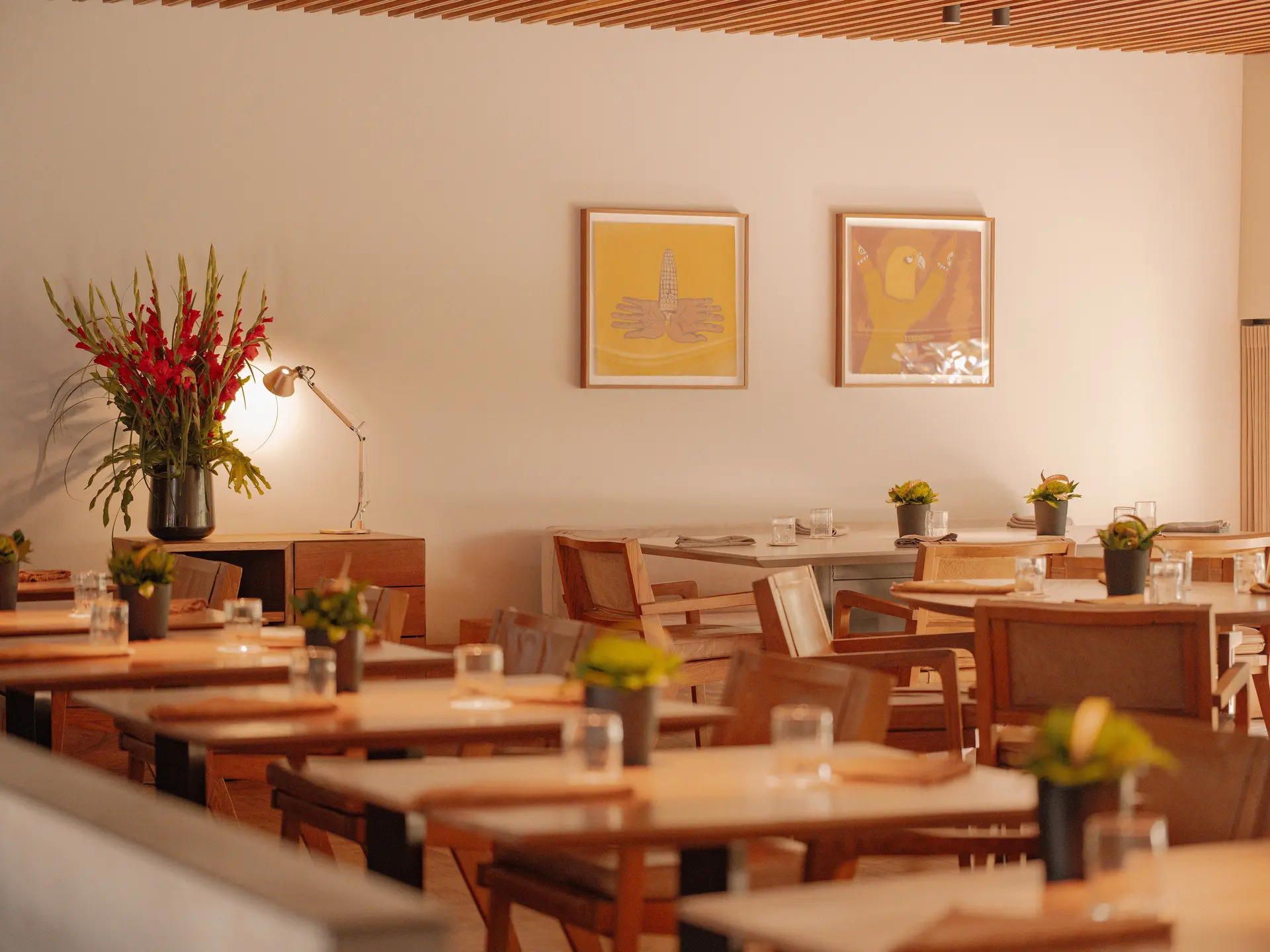
Bars in Mexico City
Browse all →

At a Glance
- Elegant
- Sophisticated
- Modern
- Date Night
- Special Occasion
- Open Kitchen
- Extensive Wine List
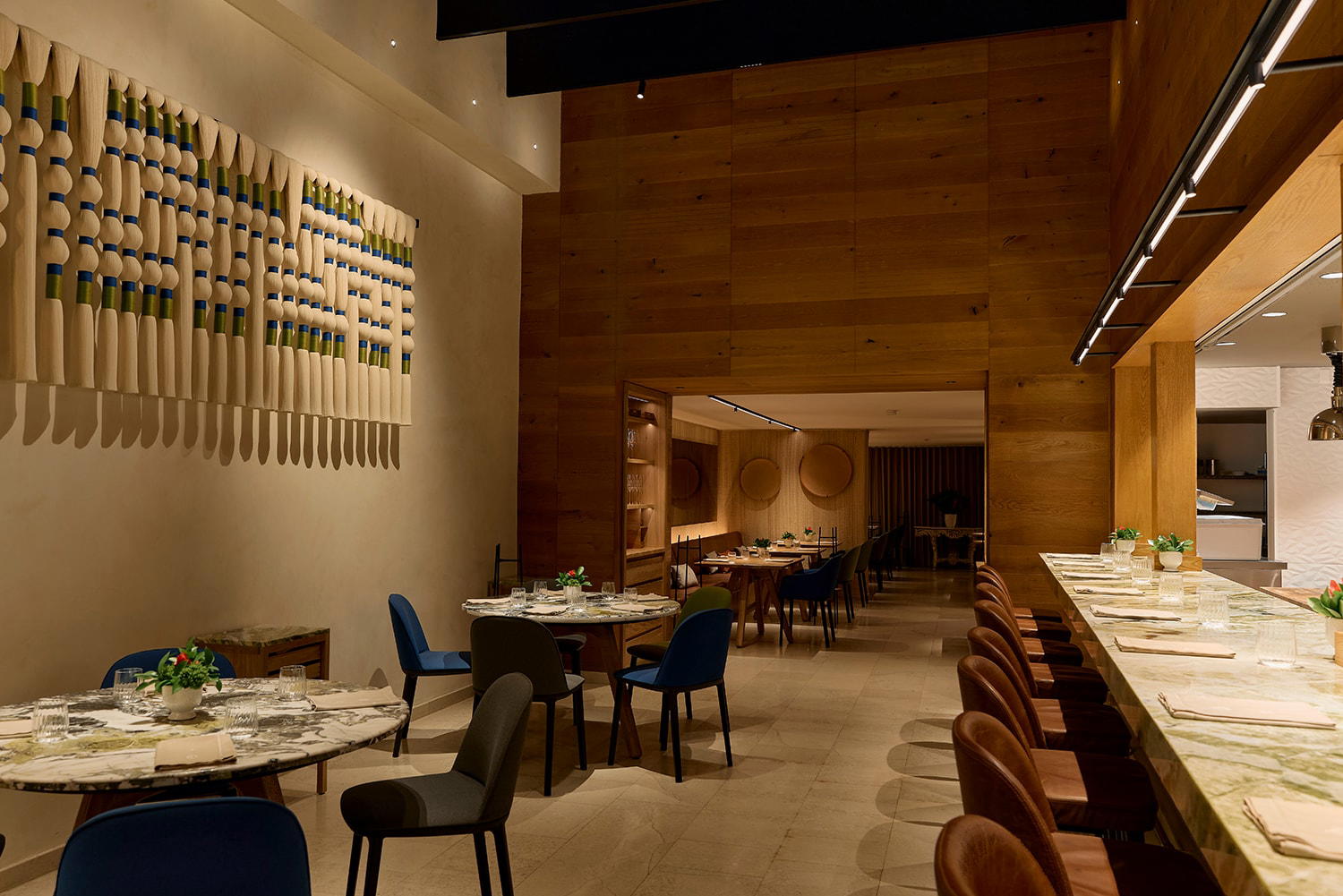
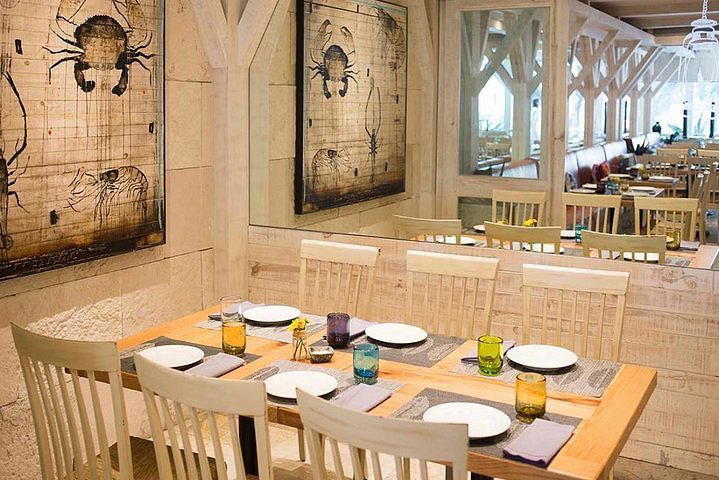
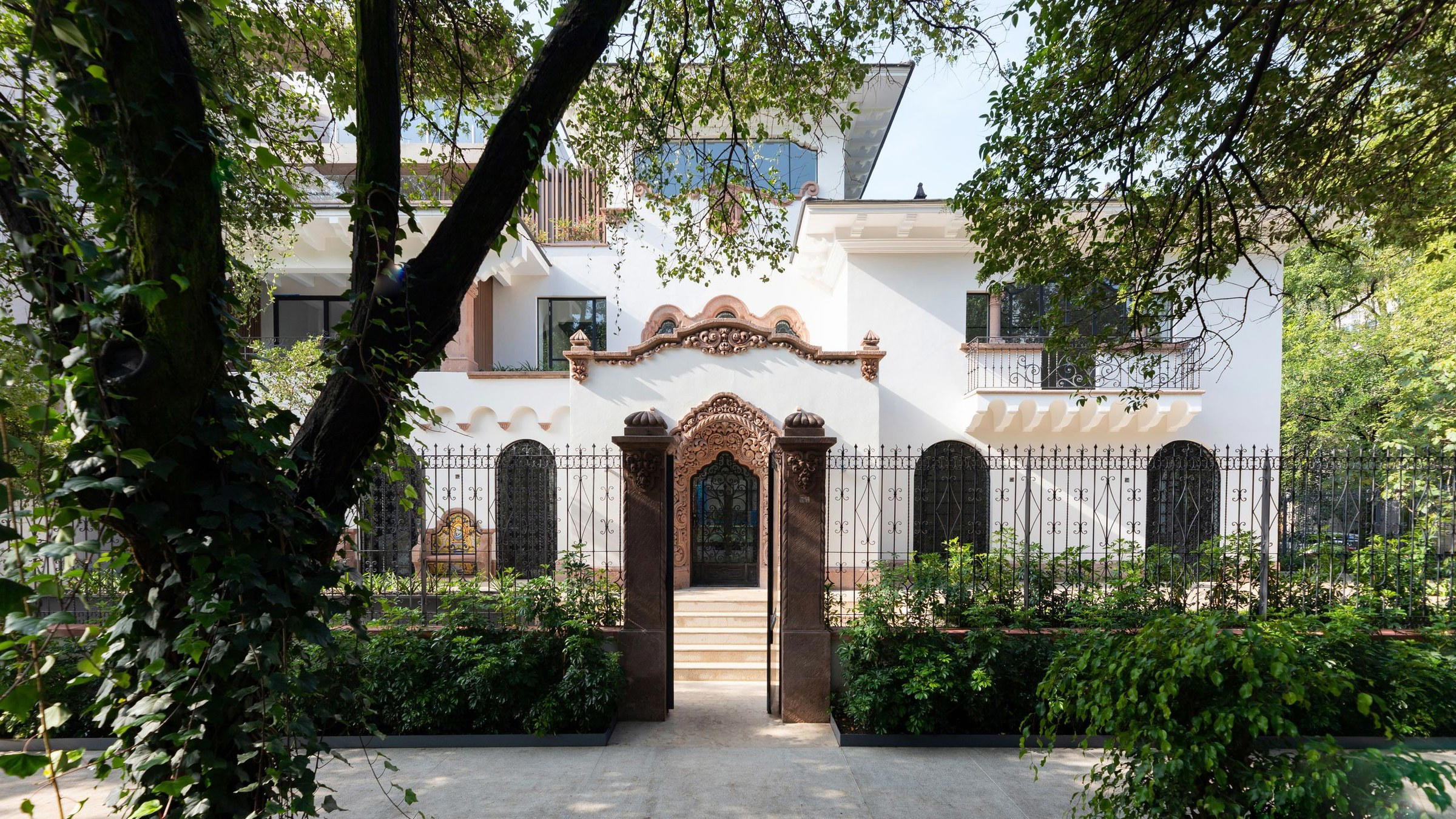
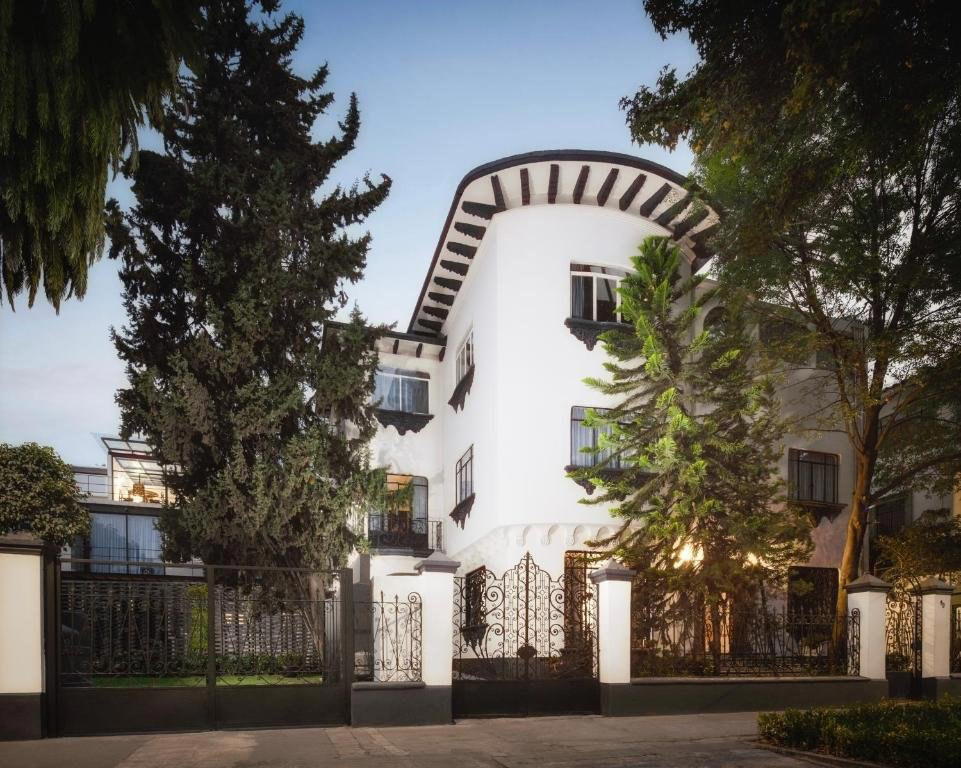
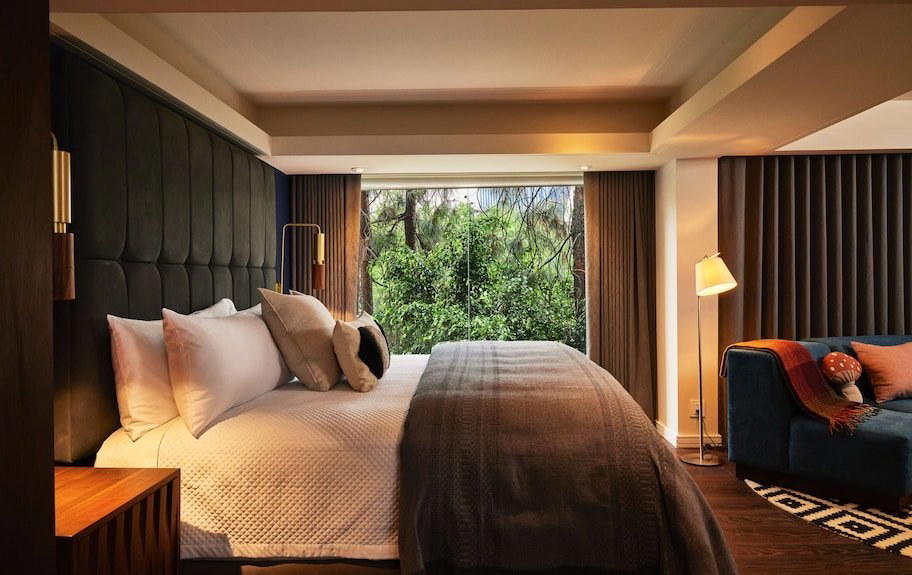
Sophisticated and visually harmonious décor evoking the rugged beauty of Greece with strong design.