Il Ristorantino - Da Dino

A Michelin Plate-recognised trattoria in Anzola dell'Emilia, Il Ristorantino da Dino earns, sea, and garden cooking at €€ prices. The Zuppa Inglese has drawn repeat visitors for years. It operates as a neighbourhood fixture, drawing locals and passing travellers in equal measure.
Pearl is the En Primeur Club membership app — saves, bookings, and concierge access live there. Same editors, same standards.
- Address
- Via XXV Aprile, 11, 40011 Anzola dell'Emilia BO, Italy
- Phone
- +39 051 732364
- Website
- ristorantinodadino.it
- Directions
- Get directions
 Saves & bookings on Pearl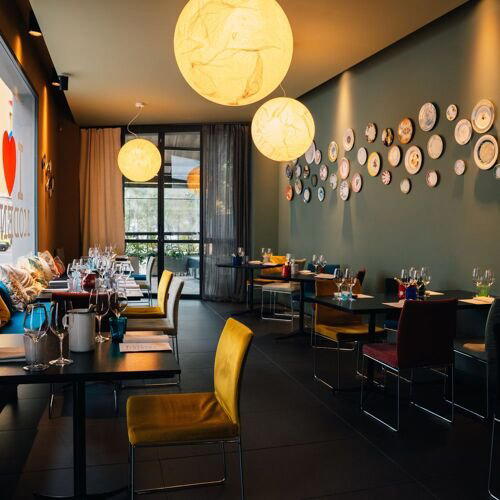
A Roadside Table in the Emilian Heartland
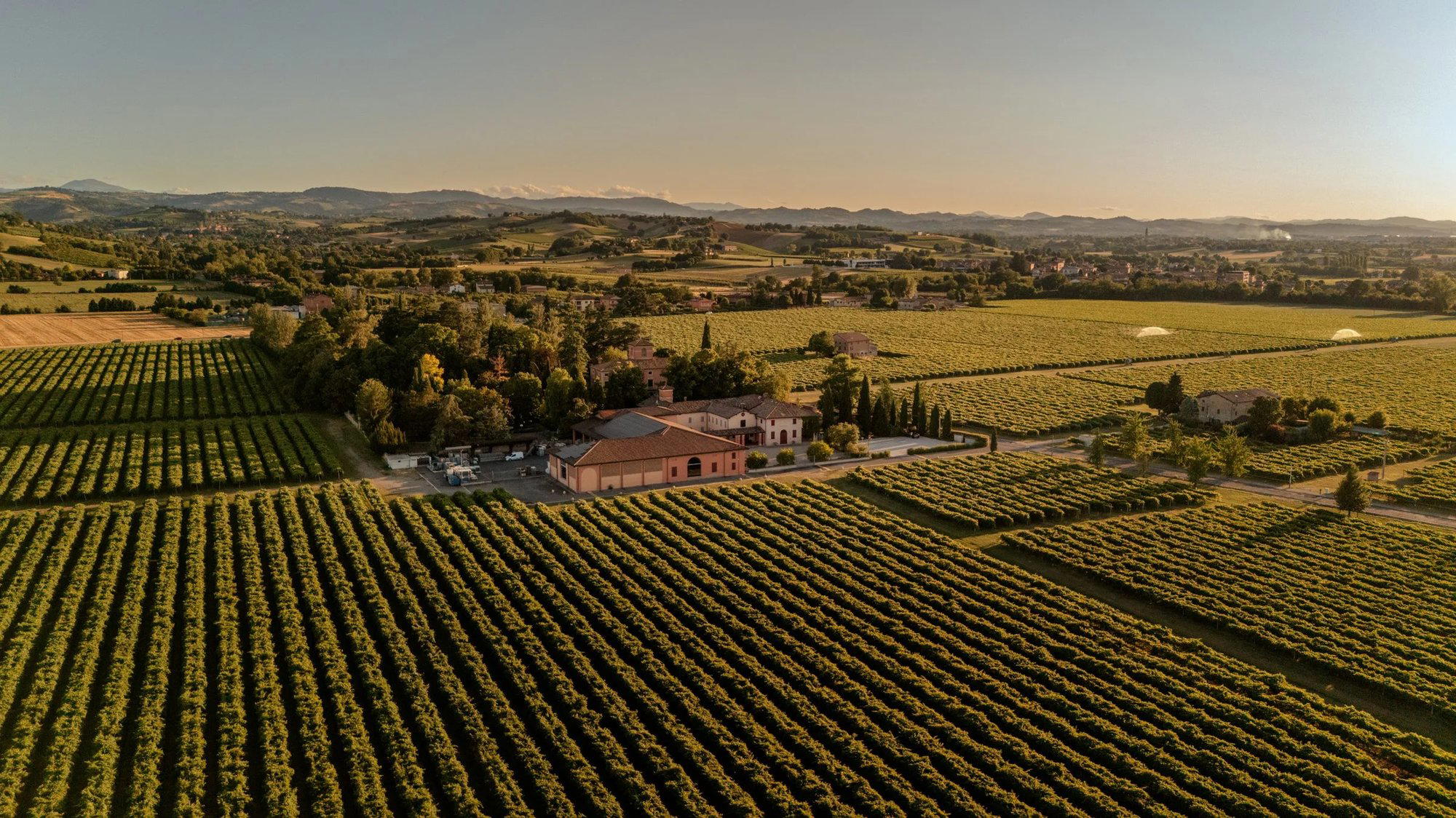
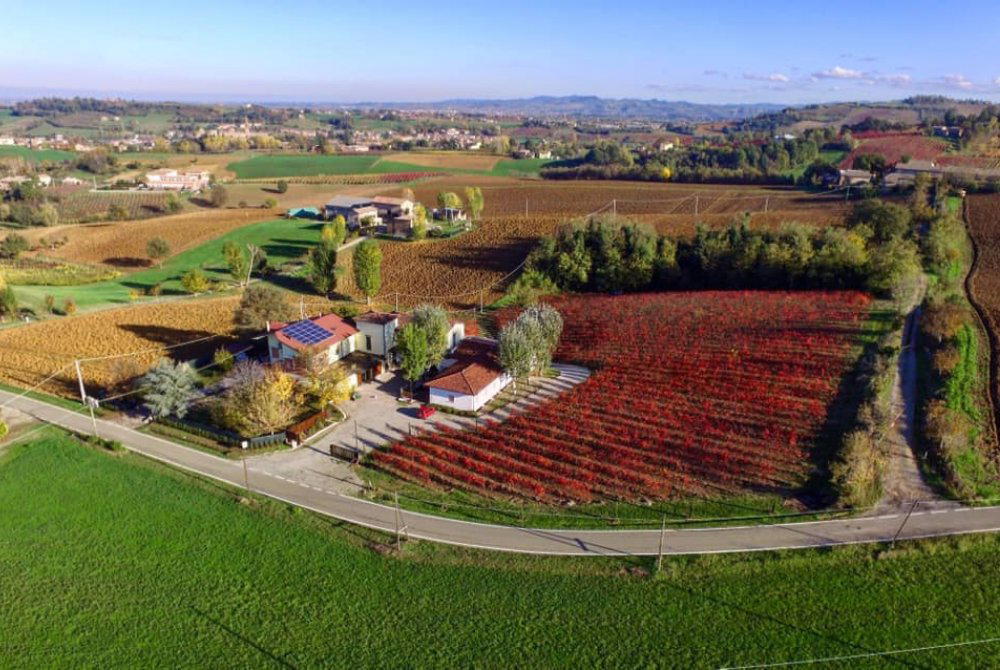
The stretch of the Po Plain between Bologna and Modena is not where most food travellers stop. They head instead to the star-laden addresses, Osteria Francescana in Modena, or the three-Michelin-star counters that demand months of planning, like Le Calandre in Rubano or Dal Pescatore in Runate. Anzola dell'Emilia sits in the productive flatlands between those two cities, a modest comune where the cooking tradition is shaped less by creative ambition and more by the discipline of the Emilian larder: cured pork, egg-rich pasta, seasonal garden produce, and the kind of broth that takes a working kitchen the better part of a day to produce. Il Ristorantino da Dino exists within that tradition, not as a departure from it.
Approaching the address on Via XXV Aprile, the restaurant reads as something absorbed into the residential fabric of the town, the kind of place you notice because cars are parked outside at lunch when everything else is closed. That proximity to daily local life is not incidental. It shapes what the kitchen does and whom it feeds.
What the Emilian Larder Actually Means
The editorial angle at addresses like this one is the ingredient chain, because in Emilia-Romagna that chain is unusually short and unusually well-documented. The region produces some of Italy's most legally protected food products: Parmigiano Reggiano, Prosciutto di Parma, Mortadella Bologna, and Aceto Balsamico Tradizionale di Modena, among others. These are not branding exercises; they are agricultural designations tied to specific soils, specific animal breeds, and specific curing or ageing conditions. When a restaurant in Anzola dell'Emilia sources within this system, the provenance is built into the regulatory structure of the product itself.
This matters for how you read a broad menu at a neighbourhood trattoria. The range that Il Ristorantino da Dino offers, sea, land, and garden, is common across Emilian family restaurants, but the underlying quality floor is set by regional supply chains that few other Italian regions match for density and consistency. A plate of affettati misti here draws from production traditions that other Italian regions import and pay a premium for. The garden component reflects the flat, alluvial fertility of the Po Plain, where market gardens have supplied local kitchens directly for generations.
For wider context on how Emilian cooking traditions are being interpreted further along the price spectrum, Arnaldo Clinica Gastronomica in Rubiera and Osteria del Viandante, also in Rubiera, sit in the same regional tradition with comparable approaches to the land-sourced menu format.
The Menu Structure: Sea, Land, Garden
That three-category framing, mare, terra, orto, is not unusual in central and northern Italian restaurant menus, but it carries particular meaning in a landlocked region like Emilia-Romagna. The presence of fish and seafood on an inland menu reflects the strong influence of Adriatic supply routes that have fed Bologna's markets for centuries. Restaurants in this tradition are not performing coastal ambition; they are working from a historical supply pattern that made fresh Adriatic catch available to the Po Valley well before refrigeration, via the Via Emilia and its predecessor Roman roads.
The land component is where Emilian kitchens tend to be most confident, and most scrutinised by regulars. Egg pasta, tagliatelle, tortellini, passatelli, demands a specific hand and a specific ratio. The bolognese ragù that appears on these menus is not the internationally diffused version but a slower, fattier, wine-reduced preparation. Whether any given kitchen maintains those standards is a matter of regulars and repeat visits, not press releases.
The garden element reflects seasonal availability in a region where agricultural land surrounds most towns. Spring brings asparagus and tender legumes; summer delivers zucchini, tomatoes, and eggplant; autumn shifts toward mushrooms, squash, and root vegetables. A menu described as broad and varied across these categories at Il Ristorantino da Dino suggests a kitchen that adjusts its output to what is arriving from nearby suppliers, which is the operative mode for most restaurants of this type in the region.
Zuppa Inglese and the Question of Dessert Seriousness
Zuppa Inglese is one of those desserts that functions as a regional litmus test. The dish, layered sponge soaked in Alchermes liqueur, interleaved with pastry cream, is deeply rooted in Emilian and Romagnol tradition, and its execution varies enormously. Done well, the Alchermes provides a medicinal floral note against the cold cream; done carelessly, the sponge turns sodden and the cream becomes too sweet. The fact that it receives specific mention in the awards commentary for this restaurant places it in a category of things the kitchen takes seriously, and the description of it as a connection to authentic regional flavour positions it as a deliberate act of preservation rather than a menu afterthought.
At the higher end of Italy's restaurant spectrum, addresses like Enoteca Pinchiorri in Florence or Piazza Duomo in Alba, regional dessert traditions are often reconstructed through contemporary technique. At the neighbourhood trattoria level, the test is different: whether the preparation is honest and consistent, made from the right ingredients in the right proportions. Both are legitimate expressions of a tradition; they simply serve different purposes.
Recognition and What It Signals
The Michelin Plate, awarded in both 2024 and 2025, is a recognition category that sits below the star tiers but above anonymous inclusion in the guide. It indicates that Michelin inspectors found the cooking competent and representative of its type, not transformative, but honest and worth documenting. For a €€ neighbourhood restaurant in a small Emilian comune, that consistent recognition over two consecutive years is a useful signal. It suggests the kitchen is not coasting.
That volume of reviews over time at a consistent score indicates something about repeat visit patterns and local loyalty rather than a single wave of attention. Restaurants in small towns with that kind of rating tend to have earned it through consistency rather than novelty, which is, in any case, the appropriate goal for a kitchen working within a fixed regional tradition.
For comparison, the starred Italian restaurants operating in a different tier of the same general region, Reale in Castel di Sangro, Casa Perbellini 12 Apostoli in Verona, or Uliassi in Senigallia, sit in a different competitive category entirely, with different pricing, format, and booking demands. Enrico Bartolini in Milan and Atelier Moessmer Norbert Niederkofler in Brunico similarly operate in a format and price register that makes direct comparison unhelpful. Da Dino prices and operates as a neighbourhood trattoria, and should be evaluated against that comparable set.
Planning a Visit
Il Ristorantino da Dino is on Via XXV Aprile, 11 in Anzola dell'Emilia, a short drive from Bologna along the Via Emilia corridor. At the €€ price range, this is an accessible meal relative to the broader cost of eating well in Italy's northern cities. The family atmosphere and broad menu make it a practical choice for a group with mixed appetites, and the local regulars who fill the room provide evidence of its standing in the area. Booking in advance is advisable, restaurants with this kind of local following in small towns often fill quickly at peak lunch hours, particularly on weekends.
For further planning across the area, see our full Anzola dell'Emilia restaurants guide, our Anzola dell'Emilia hotels guide, our bars guide, our wineries guide, and our experiences guide for the area.
Comparable Venues
Comparable venues nearby, for context on price, style, and recognition.
| Venue | Cuisine | Price | Awards | Notes |
|---|---|---|---|---|
| Il Ristorantino - Da DinoThis venue — the venue you are viewing | Traditional Bolognese with Seasonal Specialties | $$ | Michelin Plate | Not listed |
| Vicolo Colombina | Traditional Bolognese Trattoria | $$ | Michelin Plate | Santo Stefano |
| Il Pozzo | Traditional Reggio Emilia Italian | $$ | Michelin Plate | old town centre |
| All'Antico Vinaio | Tuscan Schiacciata Sandwiches | $$ | Not listed | San Niccolo |
| Locanda del Feudo | Creative Emilian Italian | $$$ | Michelin Plate | historic center |
| Storico Caffè Grande - Osteria del Centro | Modern Italian Grill | $$ | Michelin Plate | Camposampiero historic center |
Recognition history
Dated appearances from independent guides and award organizations, with the underlying list record or original source where available.
Michelin Plate
Michelin
Michelin Plate
Michelin
Michelin Plate
Michelin
Continue exploring
More in Anzola dell'Emilia
Restaurants in Anzola dell'Emilia
Browse all →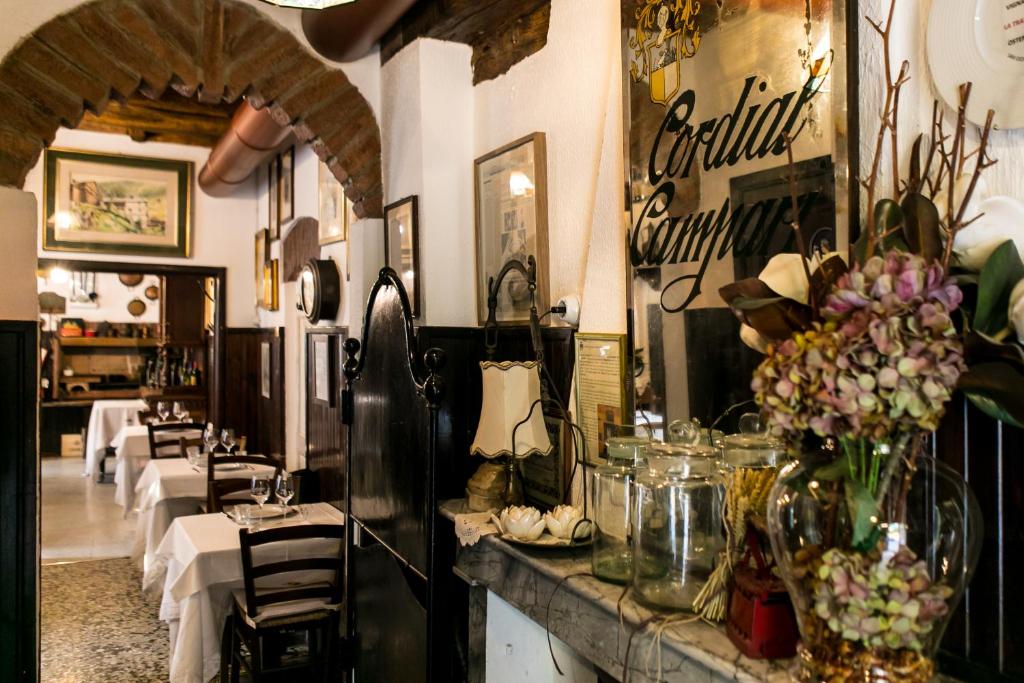
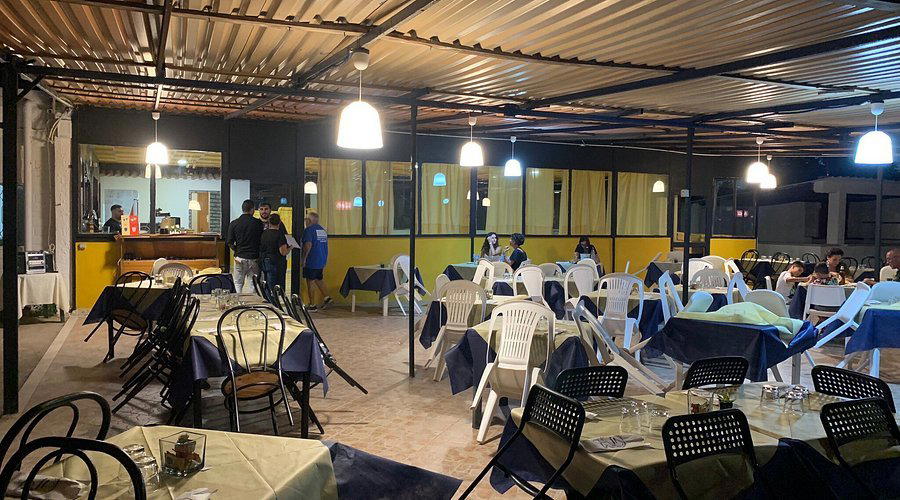
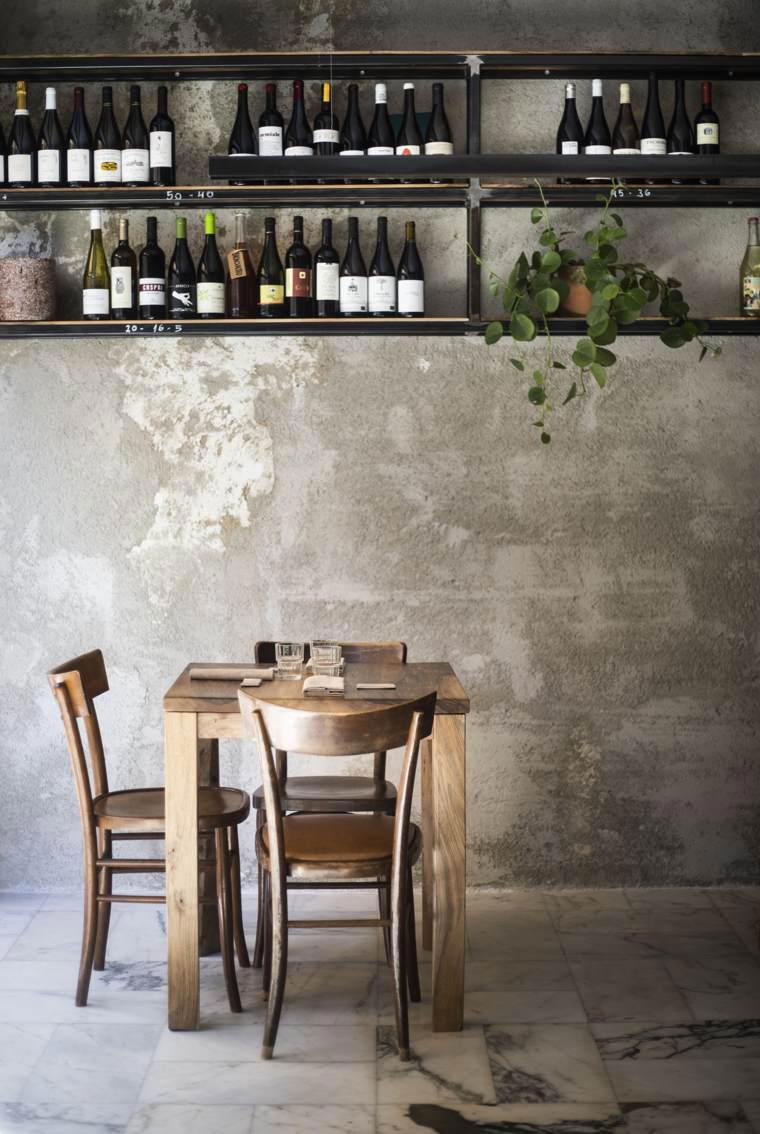
Bars in Anzola dell'Emilia
Browse all →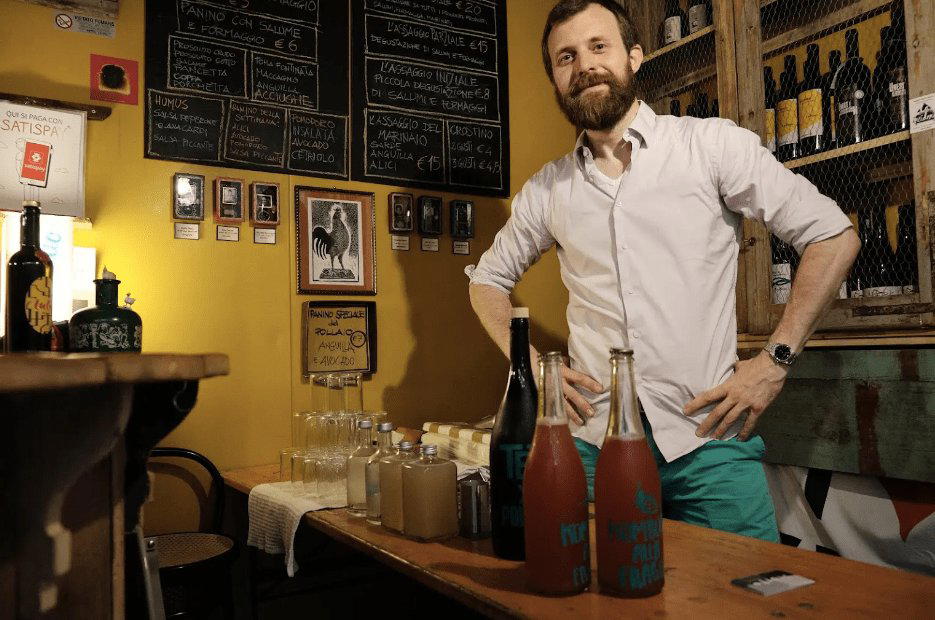
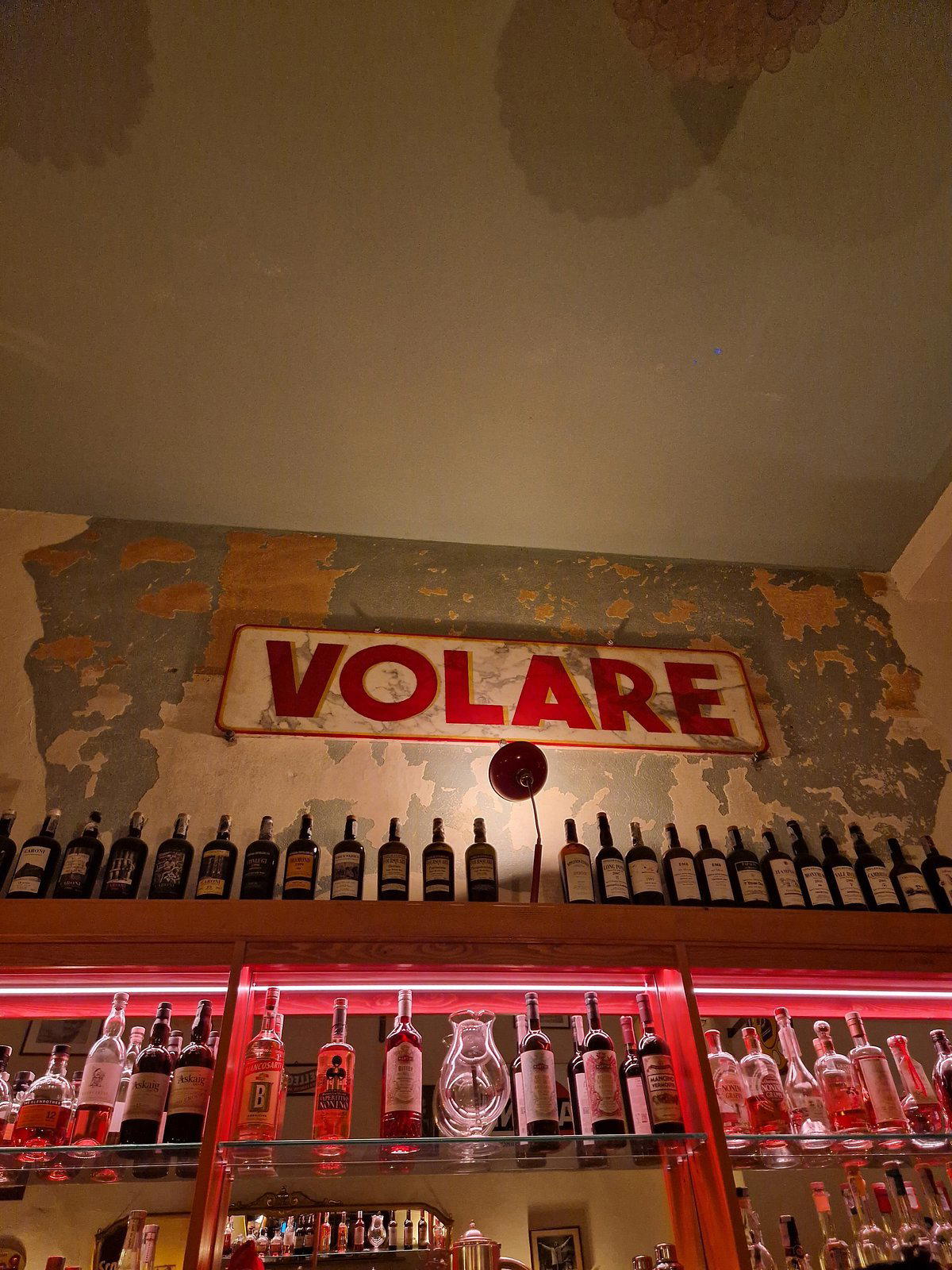
Hotels in Anzola dell'Emilia
Browse all →
At a Glance
- Cozy
- Classic
- Intimate
- Special Occasion
- Date Night
- Open Kitchen
- Extensive Wine List
- Local Sourcing
Current opening hours
- Monday
- Closed
- Tuesday
- 12–3 PM, 7–11:30 PM
- Wednesday
- 7–11:30 PM
- Thursday
- 12–3 PM, 7–11:30 PM
- Friday
- 12–3 PM, 7–11:30 PM
- Saturday
- 12–3:30 PM, 7–11:30 PM
- Sunday
- 12–3:30 PM
Hours can change for holidays and private events. Last verified .
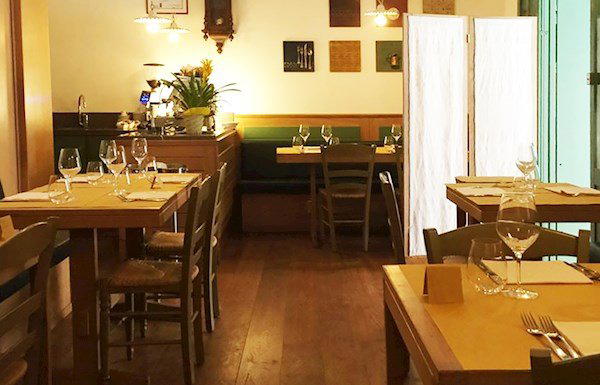
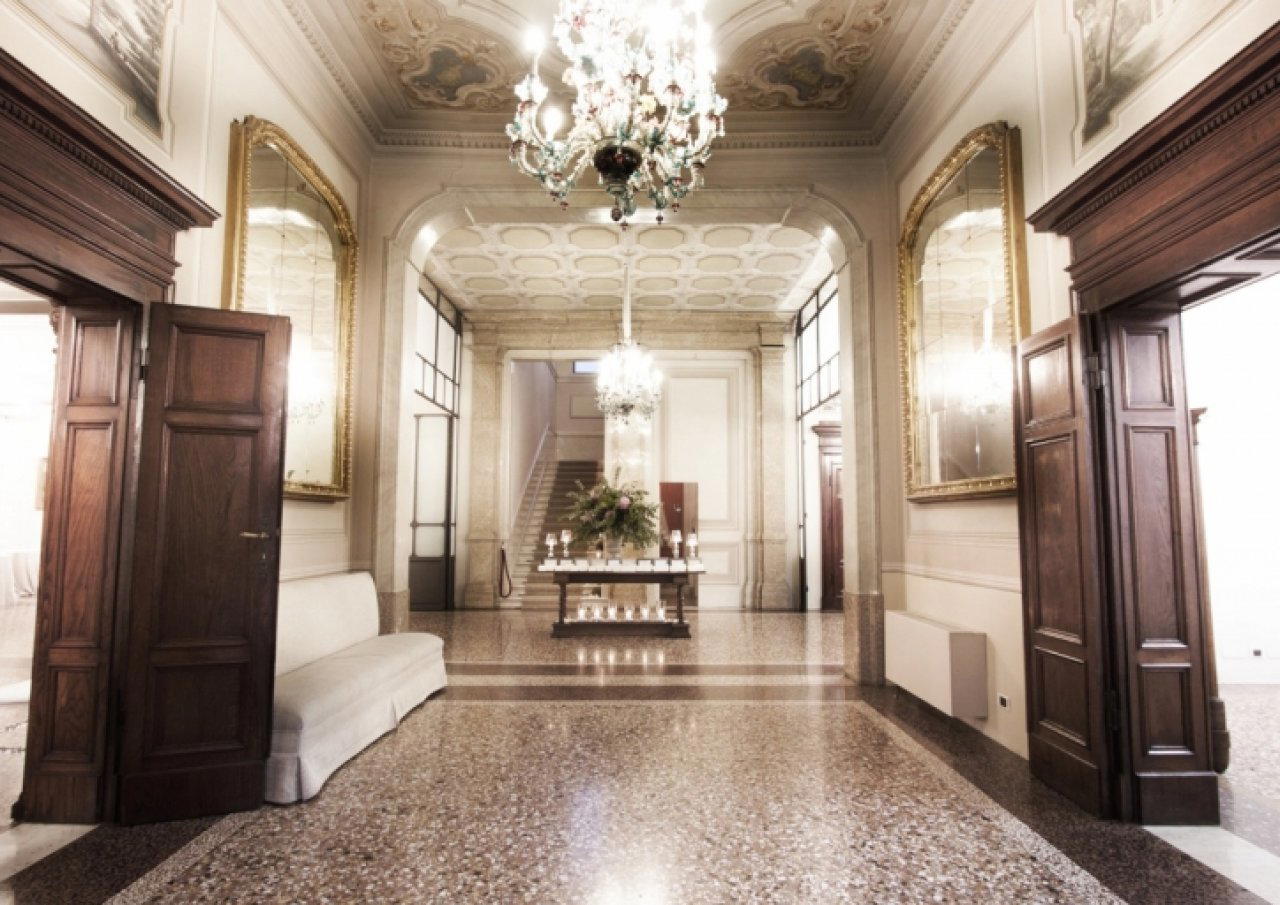
Cozy, welcoming family atmosphere with quiet, sober, and functional decor.