Il Cappero

Il Cappero holds a Michelin star at the Therasia Resort on Vulcano's Vulcanello promontory, where two tasting menus place Aeolian ingredients in a contemporary Mediterranean frame. Chef Onofrio Pagnotto's cooking draws on local produce, fermentation techniques, and the occasional French sauce, while the shared pastry finale moves guests from the dining room to a dedicated pasticceria corner.
Pearl is the En Primeur Club membership app — saves, bookings, and concierge access live there. Same editors, same standards.
- Address
- Vulcanello, 98050 Lipari ME, Italy
- Phone
- +39 090 985 2555
- Website
- ilcapperoristorante.it
- Directions
- Get directions
 Saves & bookings on Pearl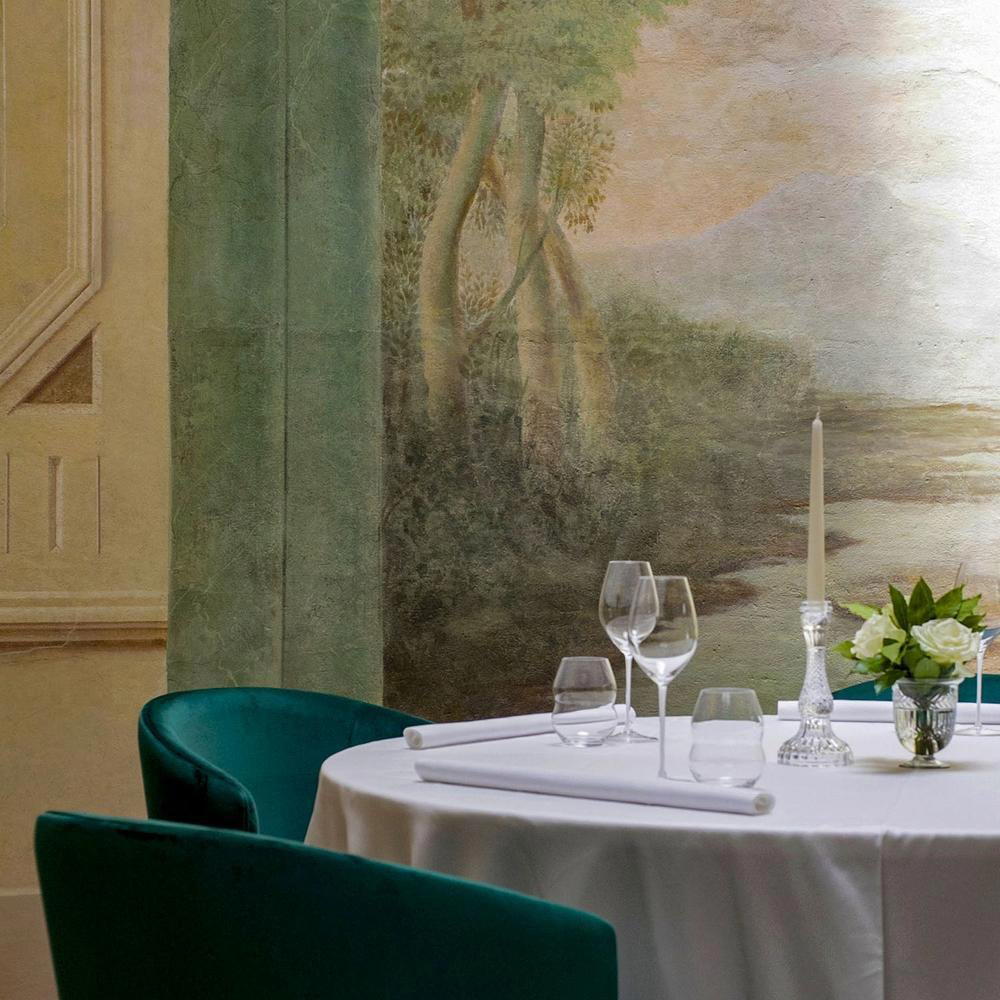
Dining at the Edge of the Aeolian Arc
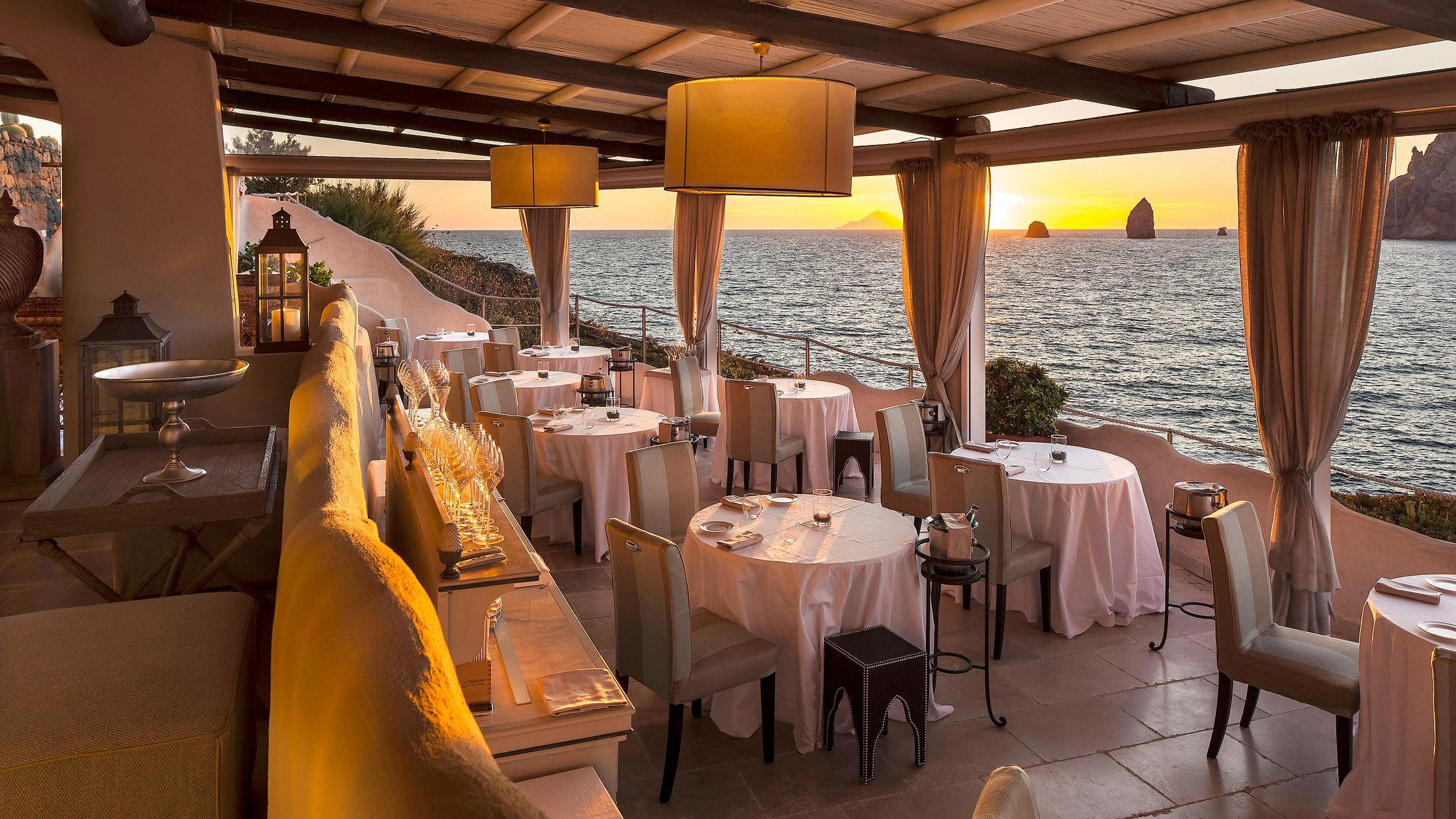
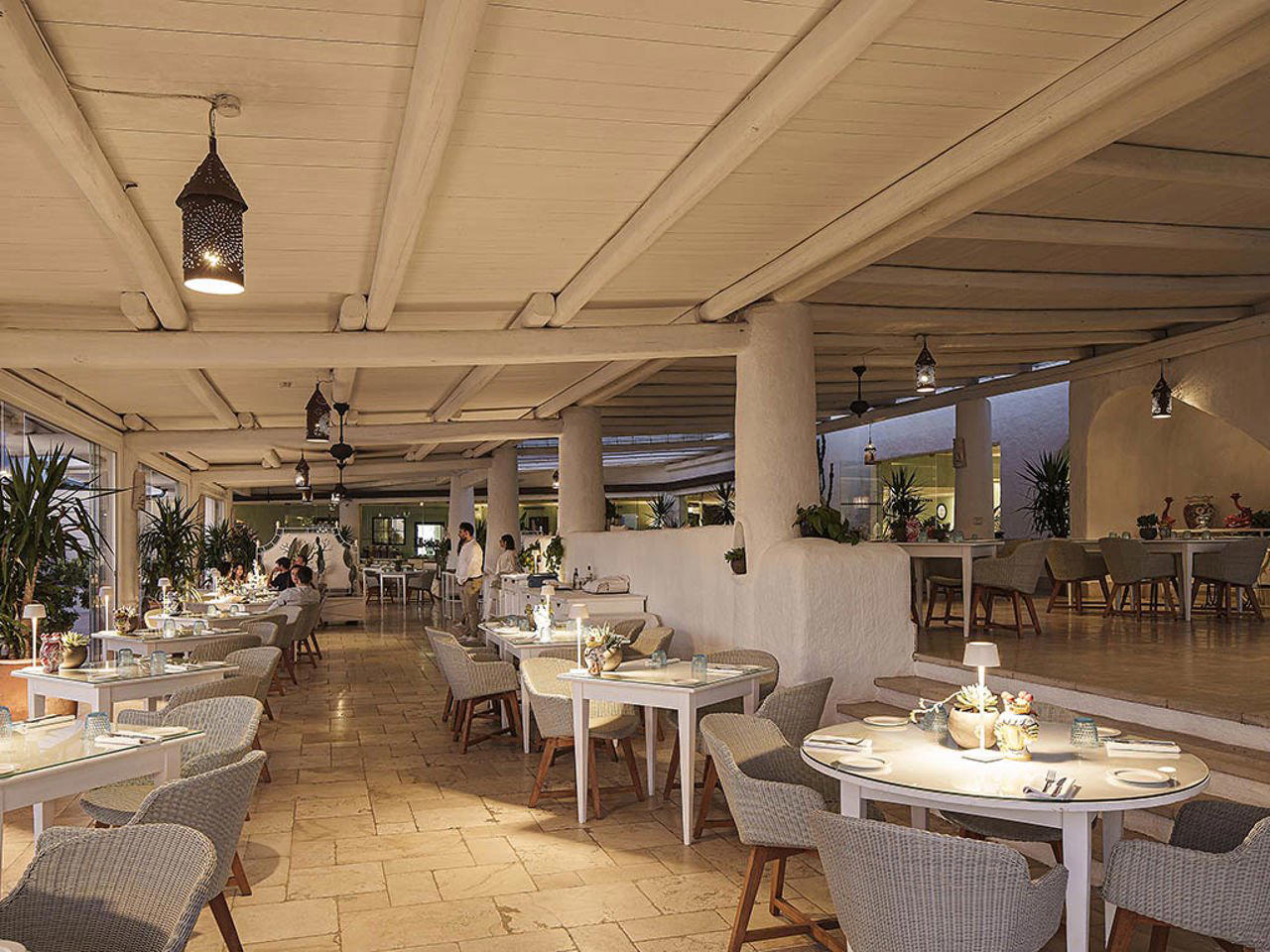
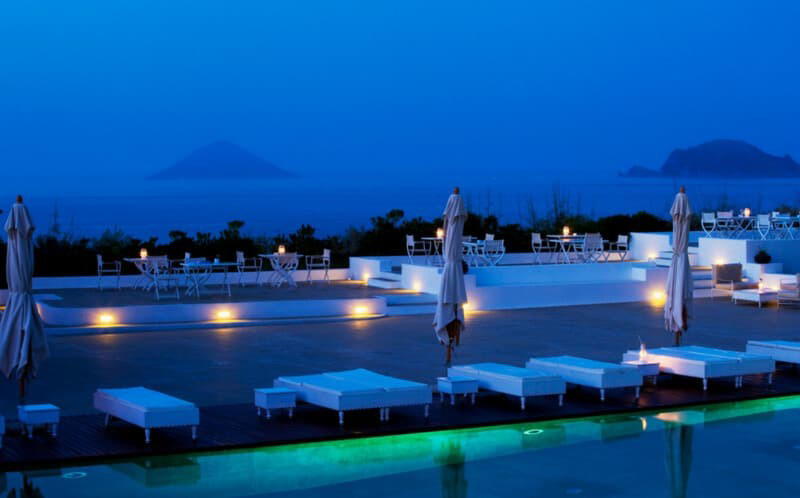
Il Cappero is a one-star restaurant in Vulcanello, Lipari, serving modern Sicilian seafood at about $150 per person. The approach to Il Cappero sets expectations that the kitchen then works hard to match. The Therasia Resort sits on the Vulcanello promontory, the narrow neck of land that connects the volcanic cone of Vulcano to its smaller northern extension, and the dining terrace hangs above the Tyrrhenian with the silhouettes of Lipari, Salina, and Stromboli arranged on the horizon. Sunsets here turn the water shades that read as theatrical even by Sicilian standards. That physical context is not incidental to the meal, it shapes the logic of what arrives on the table.
The Aeolian islands have historically operated as a remote outpost of Sicilian cuisine rather than a destination in their own right. What Il Cappero represents, alongside its sibling restaurant I Tenerumi at the same resort, is a shift in that positioning. Michelin awarded Il Cappero one star in 2024, recognising a kitchen that combines the hyper-local ingredient logic of island cooking with technical ambition.
The Format: Two Menus, One Shared Rhythm
Mediterranean sharing culture rarely translates cleanly into the tasting-menu format, the sequential logic of a dégustation can work against the communal ease of a table that grazes across many dishes. The restaurant resolves this tension partly through structure: two tasting menus, one shorter than the other, both designed around Aeolian produce prepared with contemporary technique. The choice of length is itself useful information about the evening's pacing, and the two-menu model allows the kitchen to address both guests with limited appetite and those who want the full arc of the cooking.
What threads the menus together is a consistent ingredient philosophy. The Aeolian islands produce capers (the restaurant's name is the Italian word for the plant), Malvasia grapes, wild herbs, and seafood drawn from the surrounding channels. Pagnotto's approach channels these through a technical framework that admits fermentation alongside more classical preparations, and occasionally incorporates French sauce structures where the dish logic calls for them. That willingness to reach outside the strictly regional toolkit is not a departure from rigour, it is the mark of a cook confident enough in local identity to import technique without losing specificity.
The dessert sequence deserves particular attention as a structural device. A first dessert arrives in the dining room, served conventionally. Then guests move to a dedicated pasticceria corner, where the pastry team, led by Gianluca Colucci (who holds the same role at I Tenerumi), improvises a final course in response to individual preference. That closing act reintroduces the improvisational, responsive spirit of sharing-table culture into what is otherwise a sequenced tasting format.
Where Il Cappero Sits in the Italian Fine Dining Map
Italy's Michelin-starred tier is anchored by long-established addresses: Osteria Francescana in Modena, Le Calandre in Rubano, Enoteca Pinchiorri in Florence, and Dal Pescatore in Runate, all operating at three stars with decades of institutional recognition behind them. At the single-star level, the field is wider and the editorial argument more interesting: this is where kitchens are still articulating their identity rather than defending an established canon.
The restaurant's 2024 single star places it in that articulation phase, and the island context makes the stakes higher. Remote-location fine dining in Italy has produced some of its most compelling cooking precisely because geographic constraint forces clarity of ingredient sourcing. Quattro Passi in Marina del Cantone demonstrates how a coastal Southern Italian setting can sustain serious tasting-menu ambition; Uliassi in Senigallia has built a three-star reputation from a similarly littoral position. The restaurant is making a comparable argument from a more remote point on the map.
The comparison with Reale in Castel di Sangro and Piazza Duomo in Alba is also instructive: both are addresses where regional specificity is the editorial point, and where the cooking resists the homogenising pull of international fine-dining convention. The restaurant is operating in that mode, using Aeolian ingredients not as decoration but as the primary structural logic of its menus. The work at Arnaud Donckele and Maxime Frédéric at Louis Vuitton in Saint-Tropez and La Brezza in Ascona offer useful lateral context on how the Mediterranean idiom operates at the premium level across different national kitchens. Meanwhile, Atelier Moessmer Norbert Niederkofler in Brunico and Enrico Bartolini in Milan illustrate the range of approaches inside Italian fine dining at the highest tier.
The Setting as Argument
Resort restaurants carry a structural challenge: the captive audience of hotel guests can dilute the competitive pressure that keeps a kitchen sharp. The better resort dining rooms in Italy and across the Mediterranean have addressed this by building identities independent enough to draw non-resident reservations. The restaurant, operating within the Therasia Resort, is working in that direction.
The setting itself, refined above the sea on the Vulcanello promontory, contributes something that cannot be replicated by an urban kitchen. The Aeolian light changes quality across the course of an evening in ways that affect how food reads on the plate. Dining at dusk, with the sky over Lipari shifting from amber to deep blue and the smell of sulfur faint on the wind from the crater above, is a multisensory context that amplifies the regionality of the cooking in ways that a photograph of the same dish in a Milan dining room would not.
Planning the Visit
The restaurant is located within the Therasia Resort on Vulcano, accessible from the main island via the ferry connections that serve the Aeolian archipelago from Milazzo on Sicily's northeast coast. Guests should reserve early, particularly for dinner on weekend evenings during the summer months.
The price range sits at €€€€, consistent with the tasting-menu format and Michelin recognition.
For those building a broader itinerary around the Aeolian archipelago, the resort's own I Tenerumi restaurant provides a vegetarian counterpoint to the restaurant's fish and produce-led tasting menus. The island's bar and hotel options are covered in our Isola Vulcano bars guide and our Isola Vulcano hotels guide. For those interested in the island's wine production, particularly its Malvasia delle Lipari, our Isola Vulcano wineries guide maps the relevant producers. A wider view of what the island offers beyond the table is available in our Isola Vulcano experiences guide.
Price and Positioning
Comparable venues nearby, for context on price, style, and recognition.
| Venue | Cuisine | Price | Awards | Notes |
|---|---|---|---|---|
| Il CapperoThis venue — the venue you are viewing | Vulcano, Modern Sicilian Seafood | $$$$ | Michelin 1 Star | Not listed |
| I Tenerumi | Not listed | $$$$ | Michelin 2 Star | Vulcanello, Modern Plant-Based Fine Dining |
| Zash | Archi, Modern Sicilian Fine Dining | $$$$ | Michelin 1 Star | Not listed |
| Li Galli | Not listed | $$$$ | Michelin 1 Star | Positano, Modern Mediterranean Fine Dining |
| Sapio | Catania, Modern Sicilian Fine Dining | $$$$ | Michelin 1 Star | Not listed |
| O Me O Il Mare | Not listed | $$$$ | Michelin 1 Star | Historic Center of Gragnano, Contemporary Campanian Fine Dining |
Recognition history
Dated appearances from independent guides and award organizations, with the underlying list record or original source where available.
Michelin 1 Star
Michelin
Michelin 1 Star
Michelin
Michelin 1 Star
Michelin
Continue exploring
More in Isola Vulcano
Restaurants in Isola Vulcano
Browse all →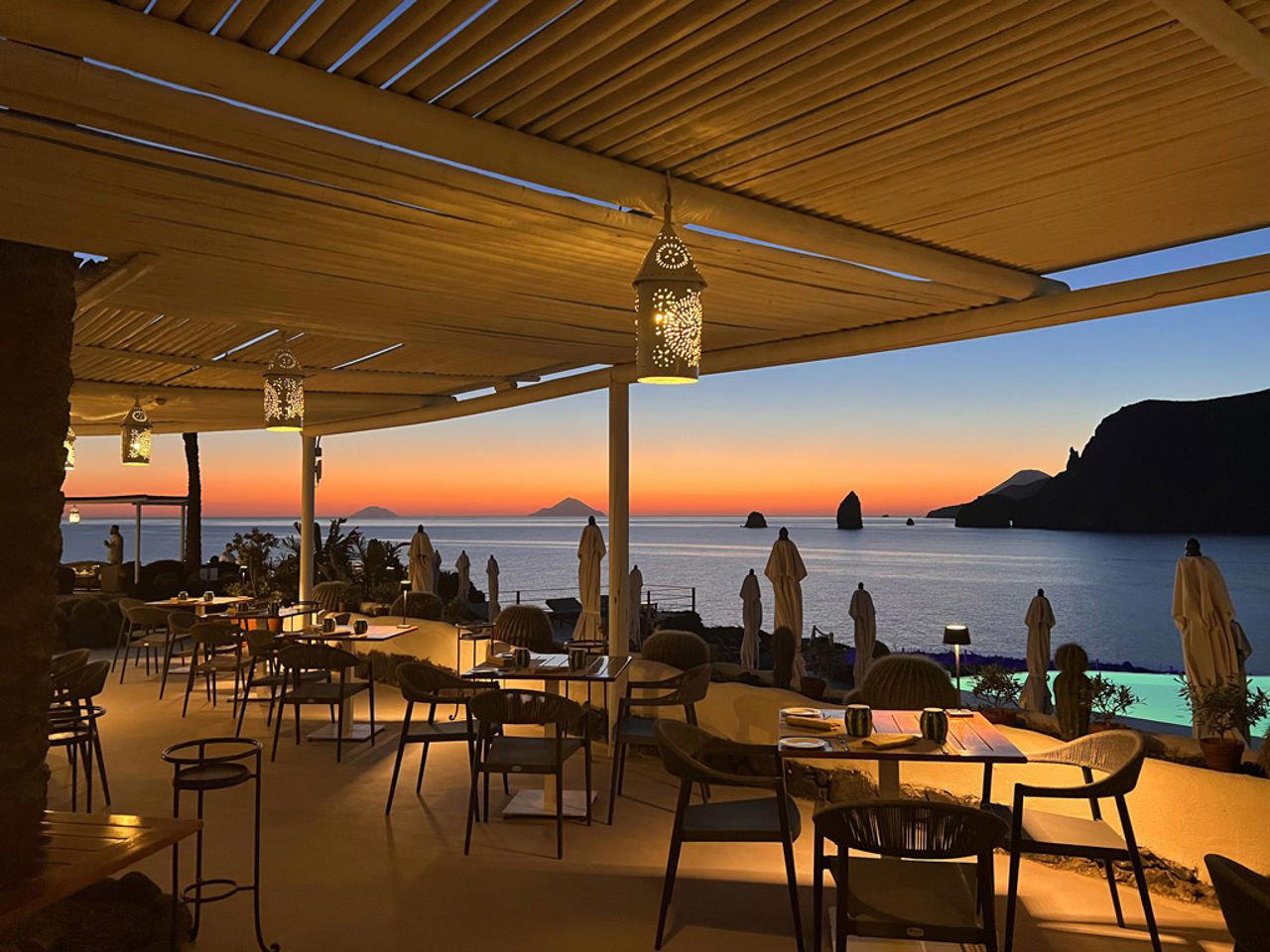
Bars in Isola Vulcano
Browse all →
Hotels in Isola Vulcano
Browse all →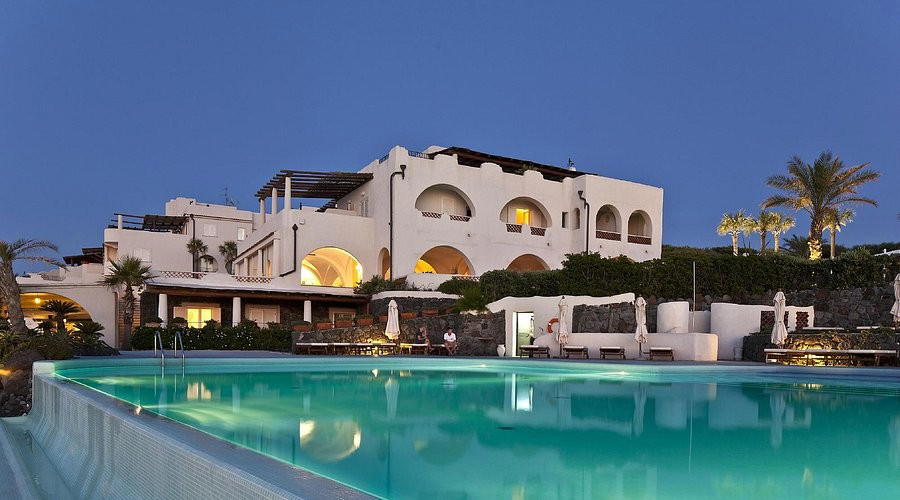
Wineries in Isola Vulcano
Browse all →
At a Glance
- Elegant
- Scenic
- Sophisticated
- Intimate
- Date Night
- Special Occasion
- Waterfront
- Open Kitchen
- Extensive Wine List
- Local Sourcing
- Sustainable Seafood
- Waterfront
Current opening hours
- Monday
- Closed
- Tuesday
- 7:30–10 PM
- Wednesday
- 7:30–10 PM
- Thursday
- 7:30–10 PM
- Friday
- 7:30–10 PM
- Saturday
- 12:30–2:30 PM, 7:30–10 PM
- Sunday
- 12:30–2 PM, 7:30–10 PM
Hours can change for holidays and private events. Last verified .
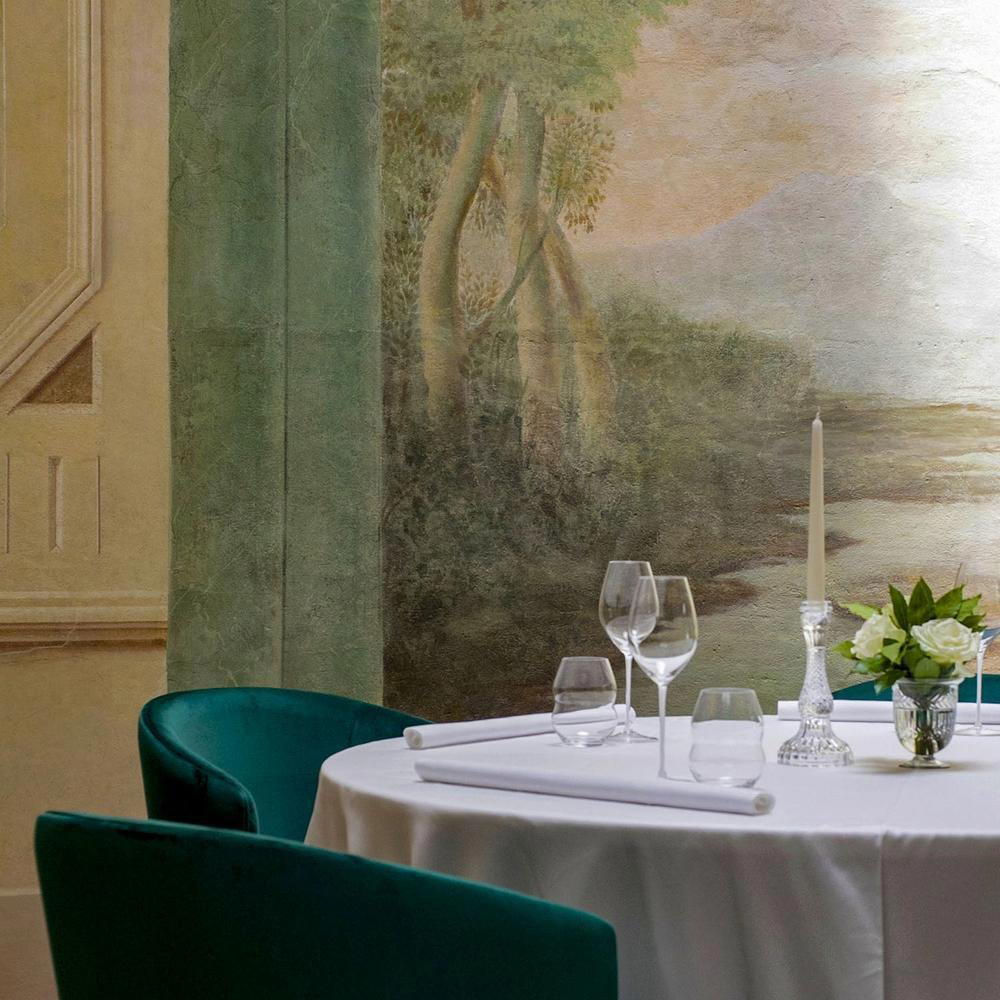
Simple modern dining room with large glass windows offering superb views of the Aeolian Islands and sunsets, creating a refined and relaxing atmosphere.