Il Borro Tuscan Bistro

Relais Chateaux Award
Our verdict
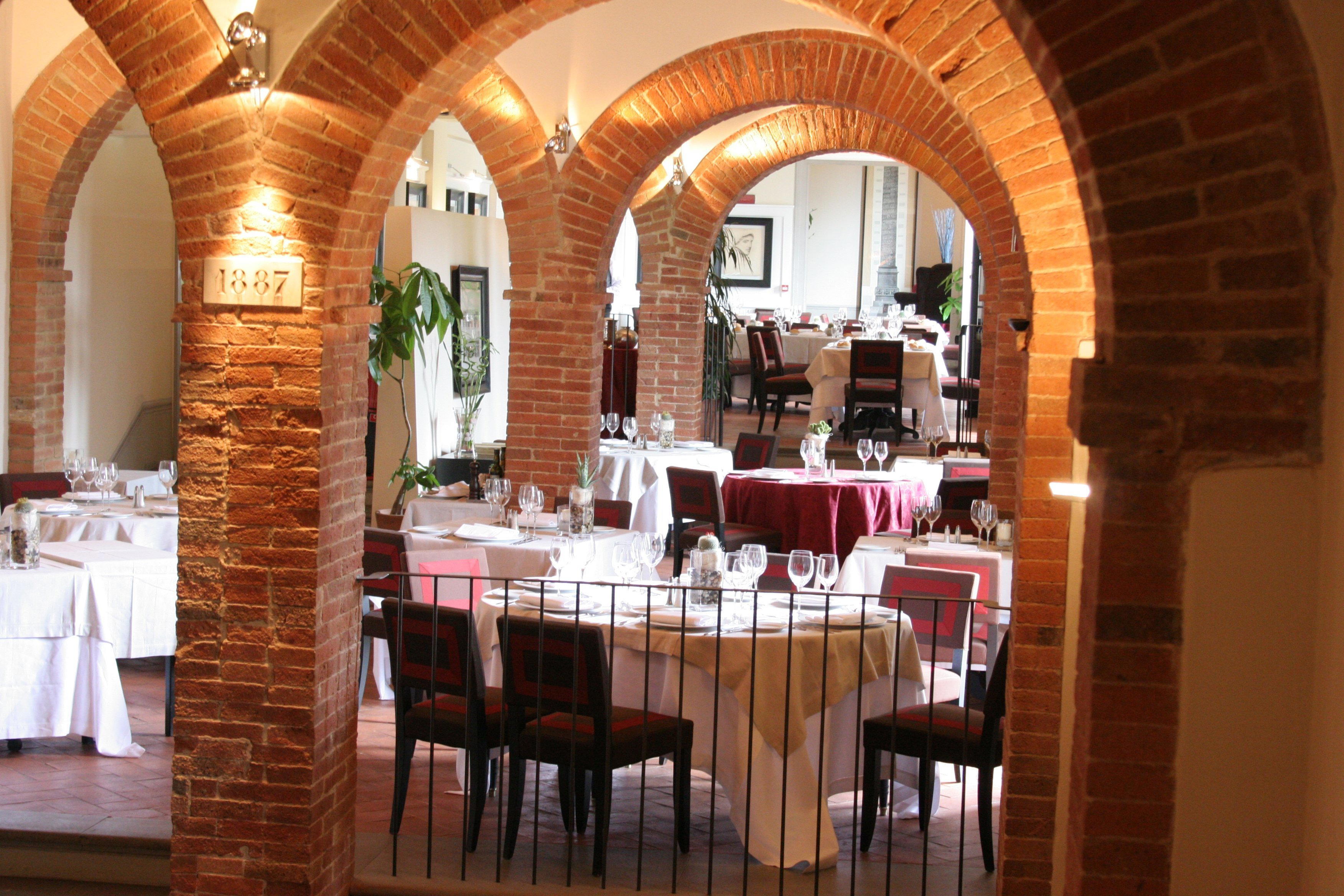
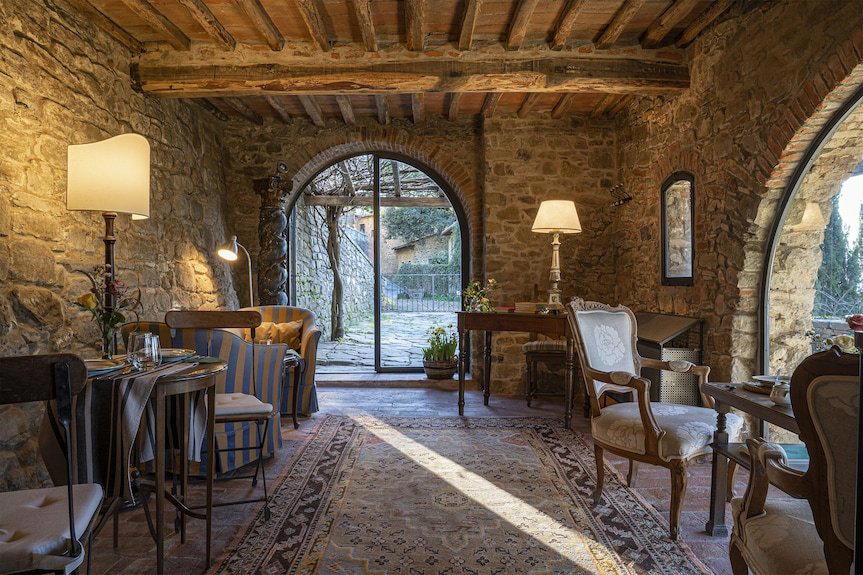
Il Borro Tuscan Bistro sits inside the Il Borro estate in San Giustino Valdarno, where bistro-style Tuscan cooking is tied closely to wine, rural produce, and the social grammar of the country table. The draw is the lower-floor setting with an open-plan wine cellar and a menu built around traditional dishes and family favourites rather than high-concept tasting-menu theatre.

Pearl is the En Primeur Club membership app — saves, bookings, and concierge access live there. Same editors, same standards.
- Address
- Località Borro 1
- Phone
- +39.055.9772333
- Website
- menumodo.com
- Directions
- Get directions
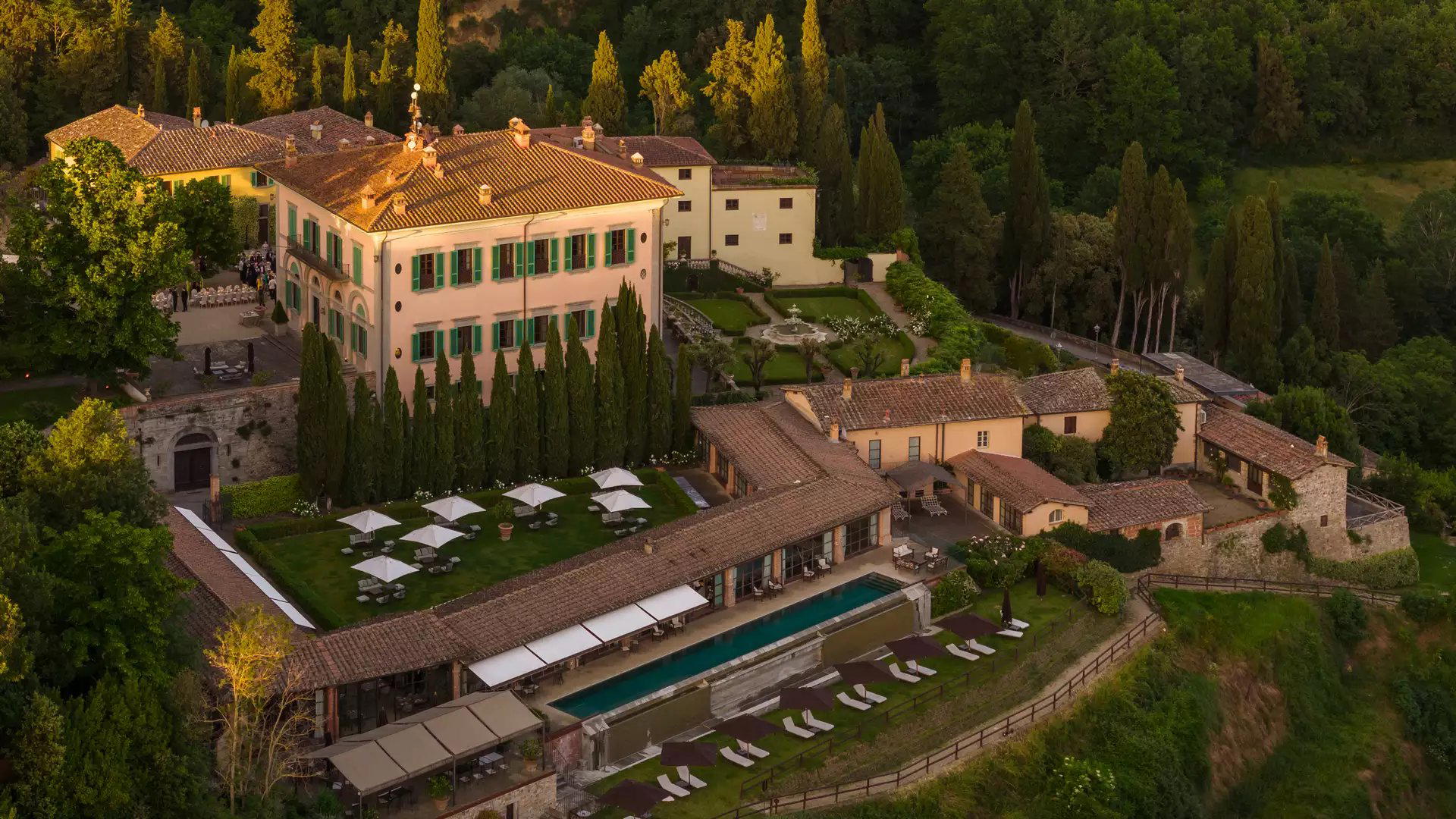
Approach dining in San Giustino Valdarno through the lens of place first, and the hierarchy changes. This is not the big-city model of destination tables packed into famous streets, nor the coastal model of seafood-led leisure. In the Valdarno, the restaurant conversation is shaped by local rhythm, village scale, and the expectation that food should remain closely linked to its setting. Il Borro Tuscan Bistro belongs to that tradition: a bistro-style dining room whose appeal is not spectacle, but a clear sense of Tuscan hospitality.
The useful way to read the restaurant is through proportion. It is listed for bistro-style cuisine, which suggests a register built for ease, familiarity, and a meal that can sit comfortably within a broader day in San Giustino Valdarno. That detail matters because it places the experience inside a hospitality format older than the modern tasting-menu race: conversation first, then food as something grounded, accessible, and regional in spirit.
A Valdarno bistro built around place, Tuscan context, and hospitality
Bistro-style cuisine in Tuscany is often misunderstood by travellers trained to rank restaurants by ceremony. Here, the format is less about elaborate progression than about recognition: familiar structures, regional feeling, and the kind of cooking that makes sense in a Tuscan setting. Chef Andrea Campani’s role sits within that frame. The kitchen is not being presented as a laboratory; it is working in a register where hospitality and Tuscan context carry the argument.
That gives the bistro a different brief from a formal fine-dining room. The value is in how clearly the experience fits its setting. A restaurant in San Giustino Valdarno asks for food that can hold its place within a slower itinerary rather than demand the full drama of a city dining stage. Heavy invention would feel out of key. The better reading is regional: Tuscan bistro cooking as a bridge between local travel, relaxed service, and a meal with a clear sense of place.
Within the same local orbit, Il Borro Tuscan Bistro can be understood alongside other San Giustino Valdarno dining rooms by its bistro format and its emphasis on accessible Tuscan hospitality. For readers mapping the area more broadly, Our full San Giustino Valdarno restaurants guide is the cleaner starting point than treating the bistro as an isolated address.
How the room changes the way to read the menu
The restaurant’s category is the strongest signal. In many Italian contexts, bistro-style cooking is not a lesser ambition; it is a different one. It rewards directness, ease, and a sense that the meal belongs naturally to its surroundings. Traditional feeling and familiar Tuscan cues are not modest ambitions when the setting is built for conversation and a slower pace; they are the correct register for a place where hospitality is part of the experience.
This is also where San Giustino Valdarno differs from larger Italian dining centres. In a major city, bistro-style cooking may read as a metropolitan counterweight to tasting-menu formality. In this corner of Tuscany, it reads as an extension of local life. The same category label can cover different experiences, but the Tuscan version is defined by local setting and regional food memory rather than urban speed or resort-like detachment.
For travellers building an Italian itinerary around regional contrasts, the comparison should stay structural rather than literal. Other unnamed dining rooms across Italy may point toward different local traditions, street-food habits, contemporary casual idioms, or city rhythms. The useful question is not which address is grander, but which regional grammar the meal is speaking.
Where it fits in a San Giustino Valdarno itinerary
Il Borro Tuscan Bistro makes the strongest case when the day is already oriented around San Giustino Valdarno rather than treated as a quick detour from a bigger city. The surrounding travel pattern is place-based: eating, drinking, sleeping, and touring often sit close together. That is why adjacent planning matters. Our full San Giustino Valdarno hotels guide, Our full San Giustino Valdarno wineries guide, and Our full San Giustino Valdarno experiences guide give the meal a better frame than a restaurant-only plan.
The decision point is simple. Choose this bistro when the appeal lies in bistro-style cuisine connected to Tuscan context and a slower local meal. Look elsewhere if the priority is urban energy, late-night bar movement, or chef-counter choreography. For that side of planning, Our full San Giustino Valdarno bars guide is more relevant. Broader Italian dining research can also look generically at how different regions, cities, and countryside settings change the meaning of a meal.
The verdict is restrained but clear: this is a bistro to read through place, not spectacle. The San Giustino Valdarno setting, the bistro-style cuisine, and Andrea Campani’s kitchen all point in the same direction. In a part of Tuscany where place and table are difficult to separate, that coherence is the reason to go.
Frequently asked questions
Is Il Borro Tuscan Bistro a family-friendly restaurant?
Yes, the bistro-style format makes it a sensible choice for mixed-age dining in San Giustino Valdarno. The experience is better understood as relaxed Tuscan hospitality rather than formal tasting-room theatrics.
Is Il Borro Tuscan Bistro better for a quiet night or a lively one?
It suits a quieter meal more naturally, especially given its bistro-style cuisine and San Giustino Valdarno setting. The appeal is conversation, pace, and a meal that fits a slower Tuscan itinerary rather than a high-energy dining room.
What kind of recognition has Il Borro Tuscan Bistro received?
Il Borro Tuscan Bistro is listed by Relais & Châteaux with chef Andrea Campani and a cuisine category of bistro-style cuisine.
What cuisine category does Il Borro Tuscan Bistro fall under?
Il Borro Tuscan Bistro serves bistro-style cuisine.
Where exactly is Il Borro Tuscan Bistro?
San Giustino Valdarno.
Who is the chef at Il Borro Tuscan Bistro?
The chef associated with Il Borro Tuscan Bistro is Andrea Campani.
Do I need a reservation for Il Borro Tuscan Bistro?
A booking is sensible, particularly because the restaurant sits under the Il Borro Tuscan Bistro name and is part of a planned San Giustino Valdarno dining itinerary. The chef listed is Andrea Campani, and the location in San Giustino Valdarno makes it the kind of place most travellers plan rather than drop into casually.
In Context: Similar Options
Comparable venues by cuisine and price in the same metro.
| Venue | Cuisine | Price | Awards |
|---|---|---|---|
| Il Borro Tuscan BistroThis venue — the venue you are viewing | Traditional Tuscan Bistro at a Wine Estate | $50–100 | Relais Chateaux Award |
| La Pagoda | Bistro-style cuisine | Not listed | Not listed |
| Koseritz Cocktail Bar and Bistrot | Bistro-style cuisine | Not listed | Not listed |
| Pool Bar | Bistro-style cuisine | Not listed | Not listed |
Recognition history
Dated appearances from independent guides and award organizations, with the underlying list record or original source where available.
Relais Chateaux Award
Relais Chateaux
Continue exploring
More in San Giustino Valdarno
More from Chef Andrea Campani
Browse all →
Restaurants in San Giustino Valdarno
Browse all →
Bars in San Giustino Valdarno
Browse all →
Hotels in San Giustino Valdarno
Browse all →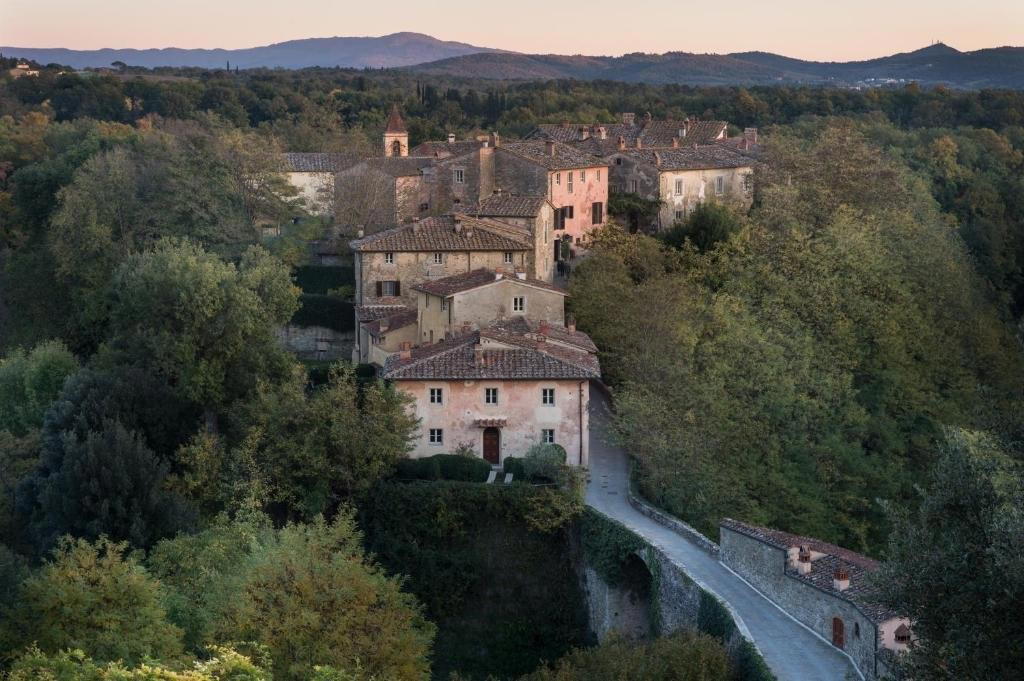
Details
- Elegant
- Rustic
- Romantic
- Scenic
- Sophisticated
- Date Night
- Business Dinner
- Group Dining
- Family
- Celebration
- Special Occasion
- Garden
- Wine Cellar
- Hotel Restaurant
- Courtyard
- Historic Building
- Extensive Wine List
- Farm To Table
- Organic
- Local Sourcing
- Sustainable Seafood
- Garden
- Vineyard
- A La Carte
- Wine
- Vegetarian Friendly
- Gluten Free Options
- Pescatarian Friendly
- Allergy Accommodating
- Organic Focus
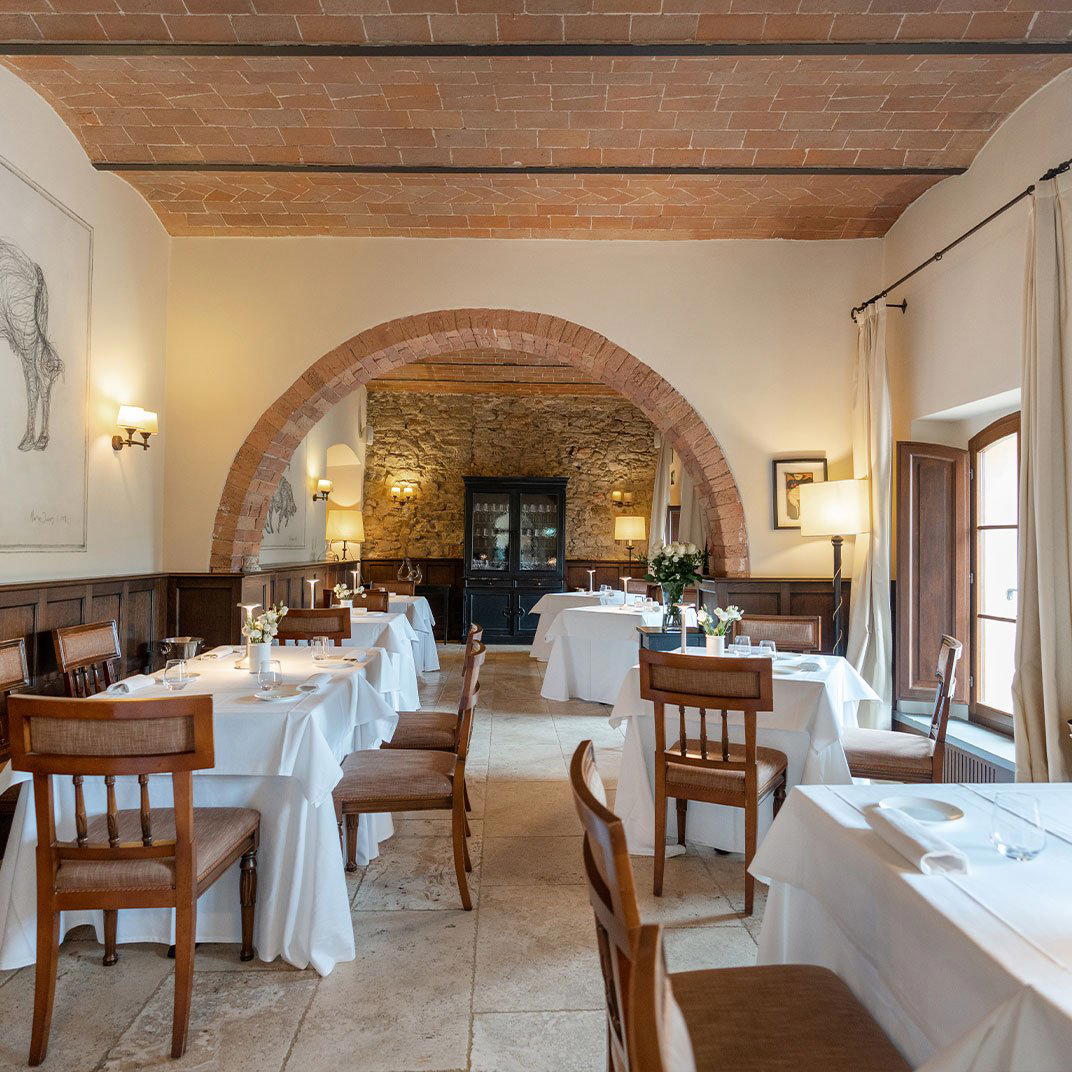
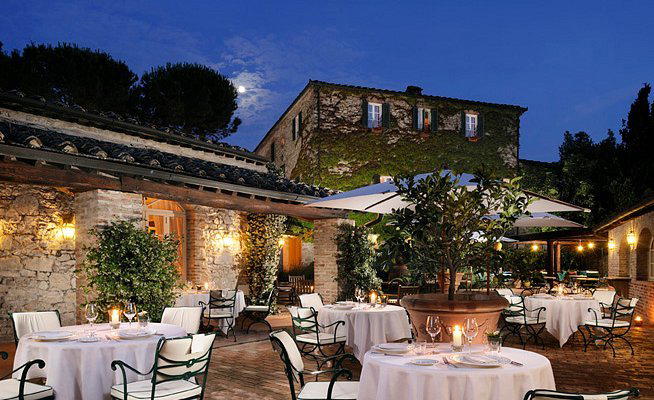
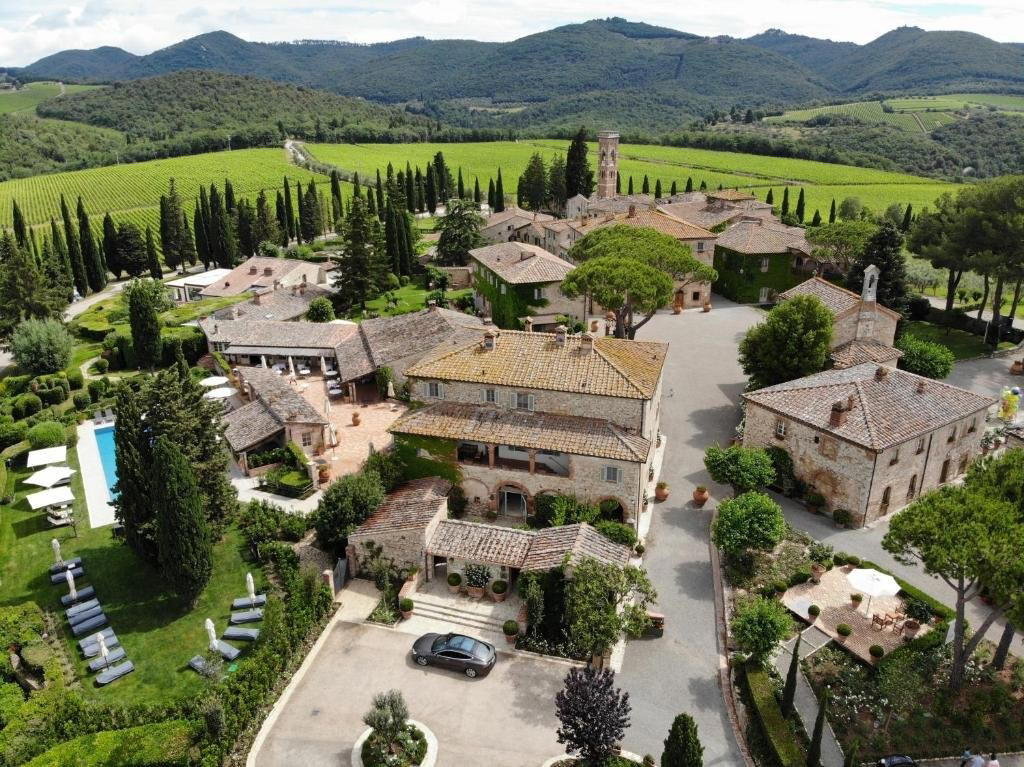
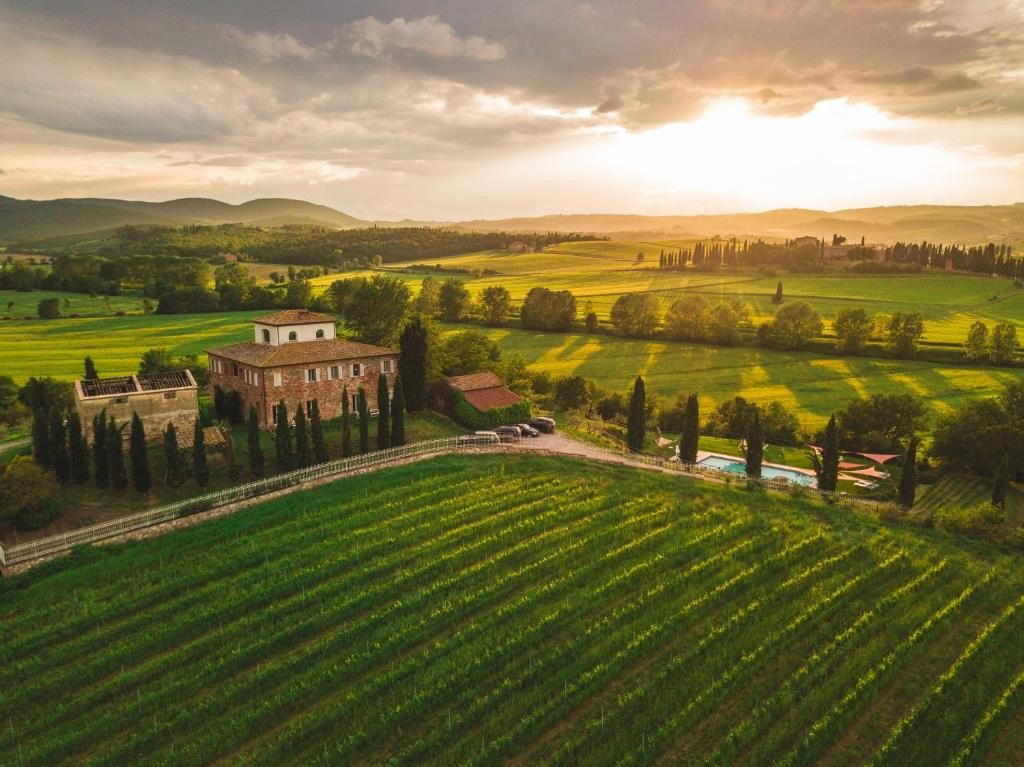
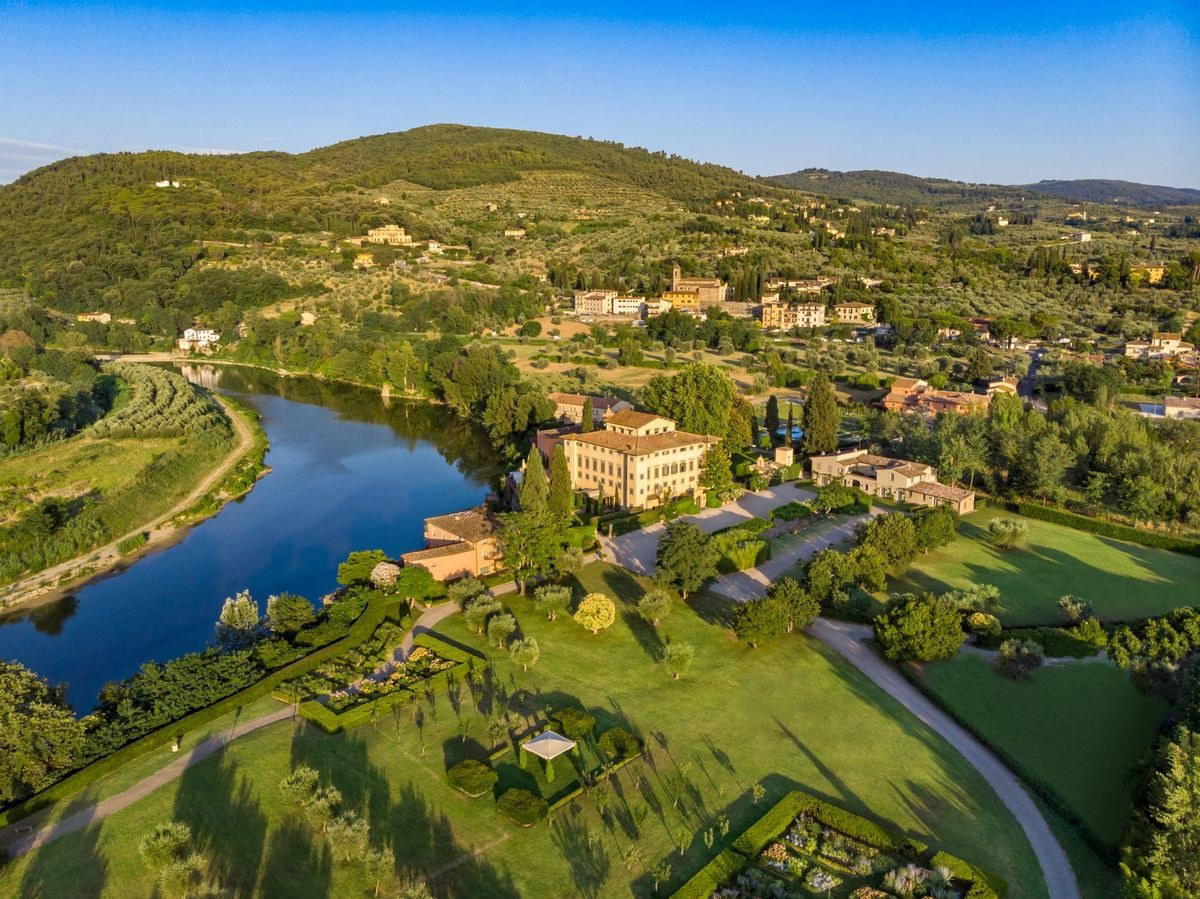
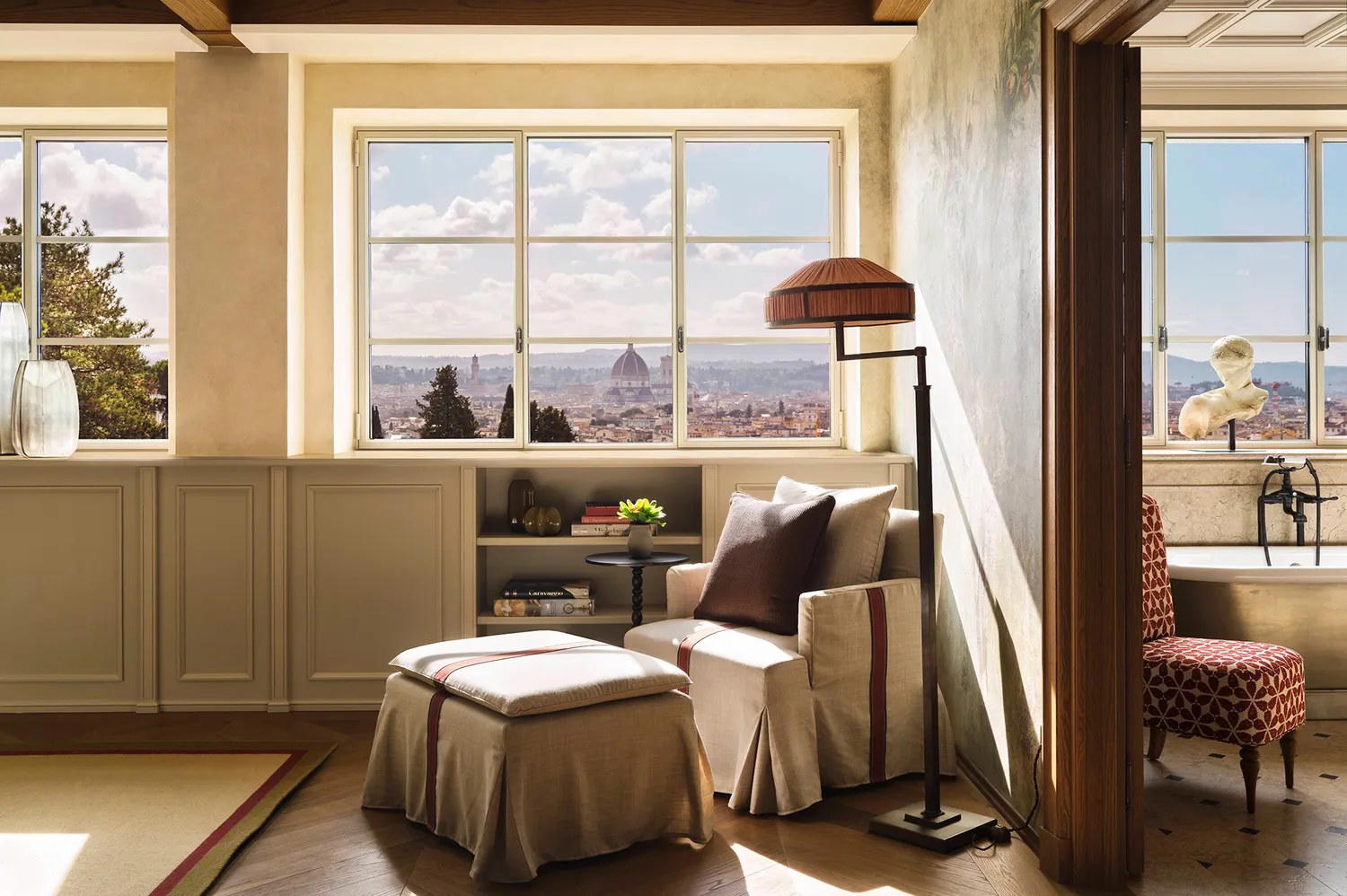
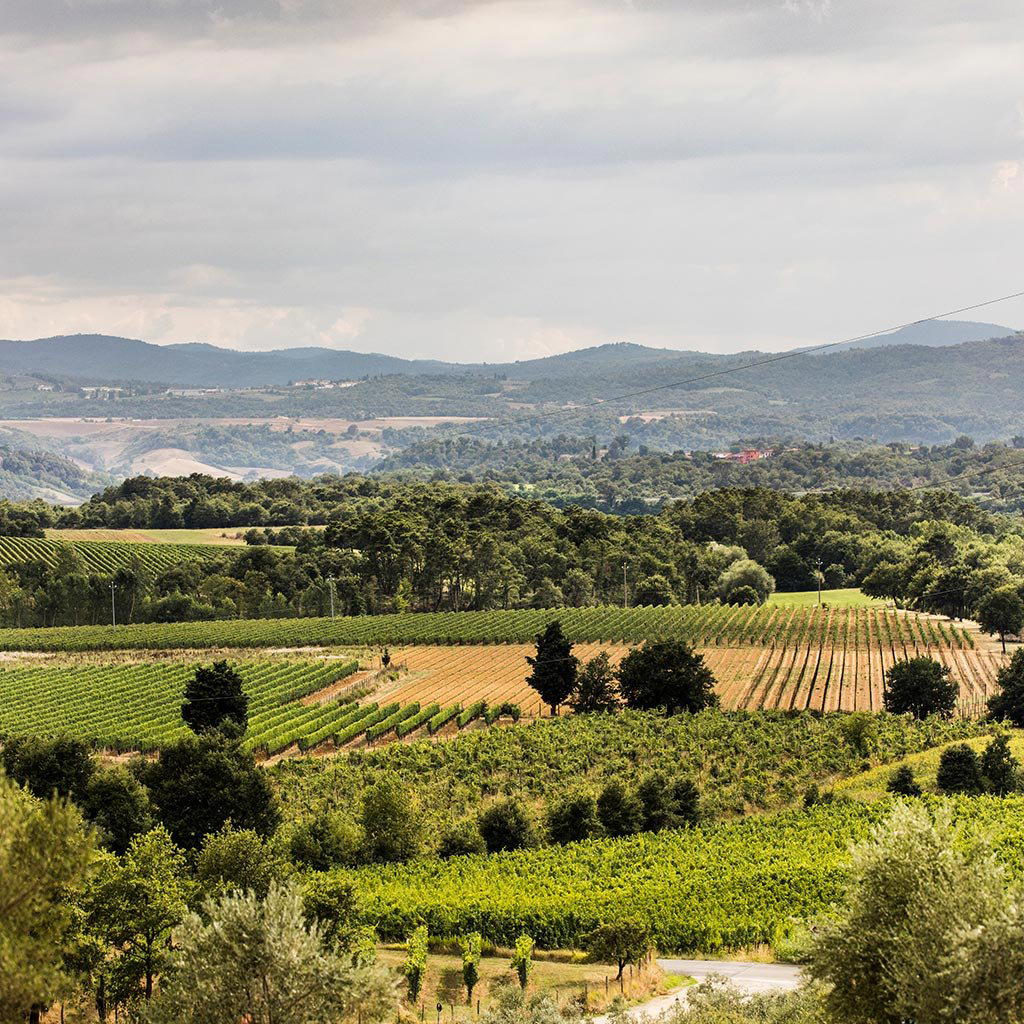
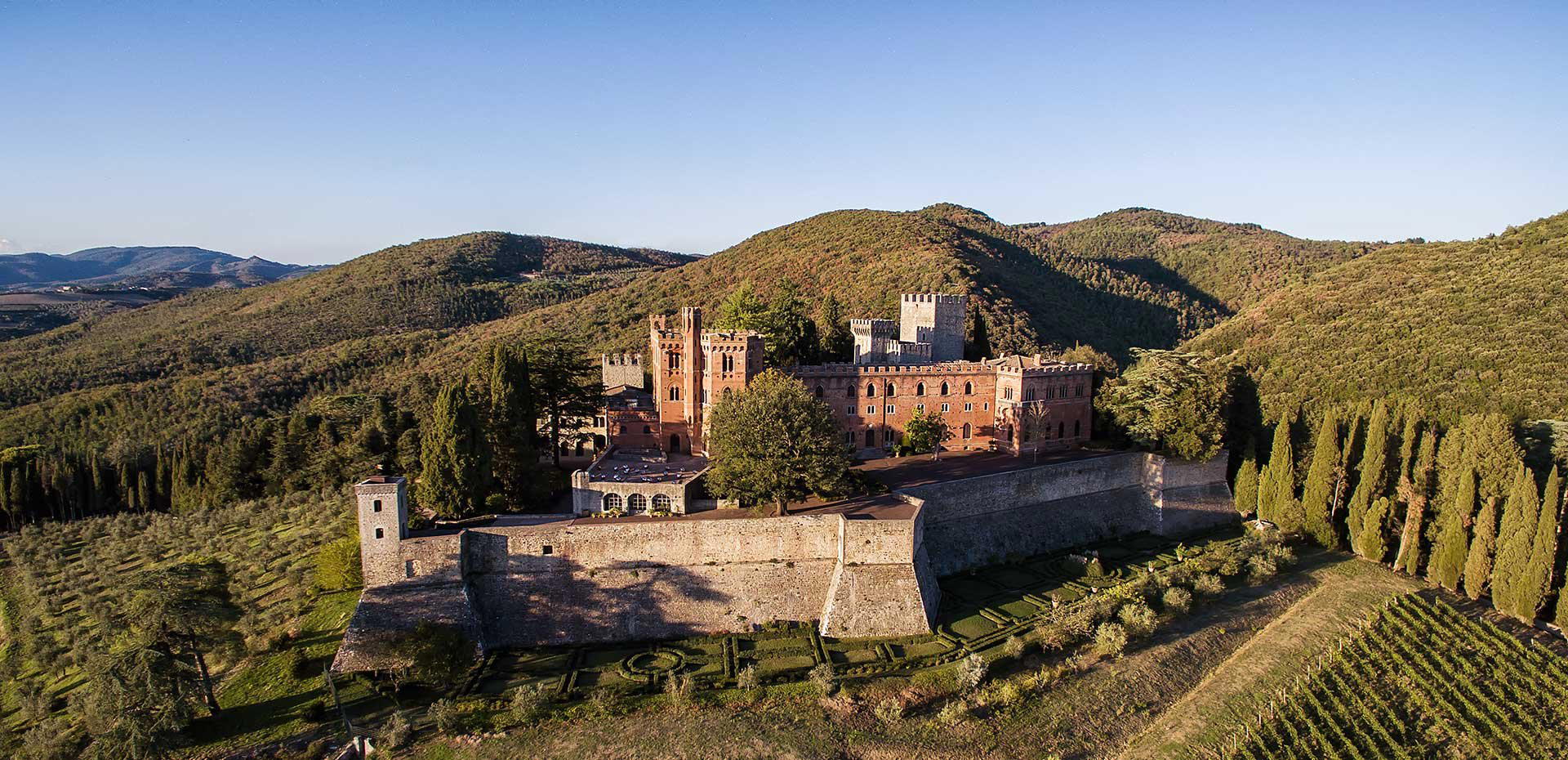
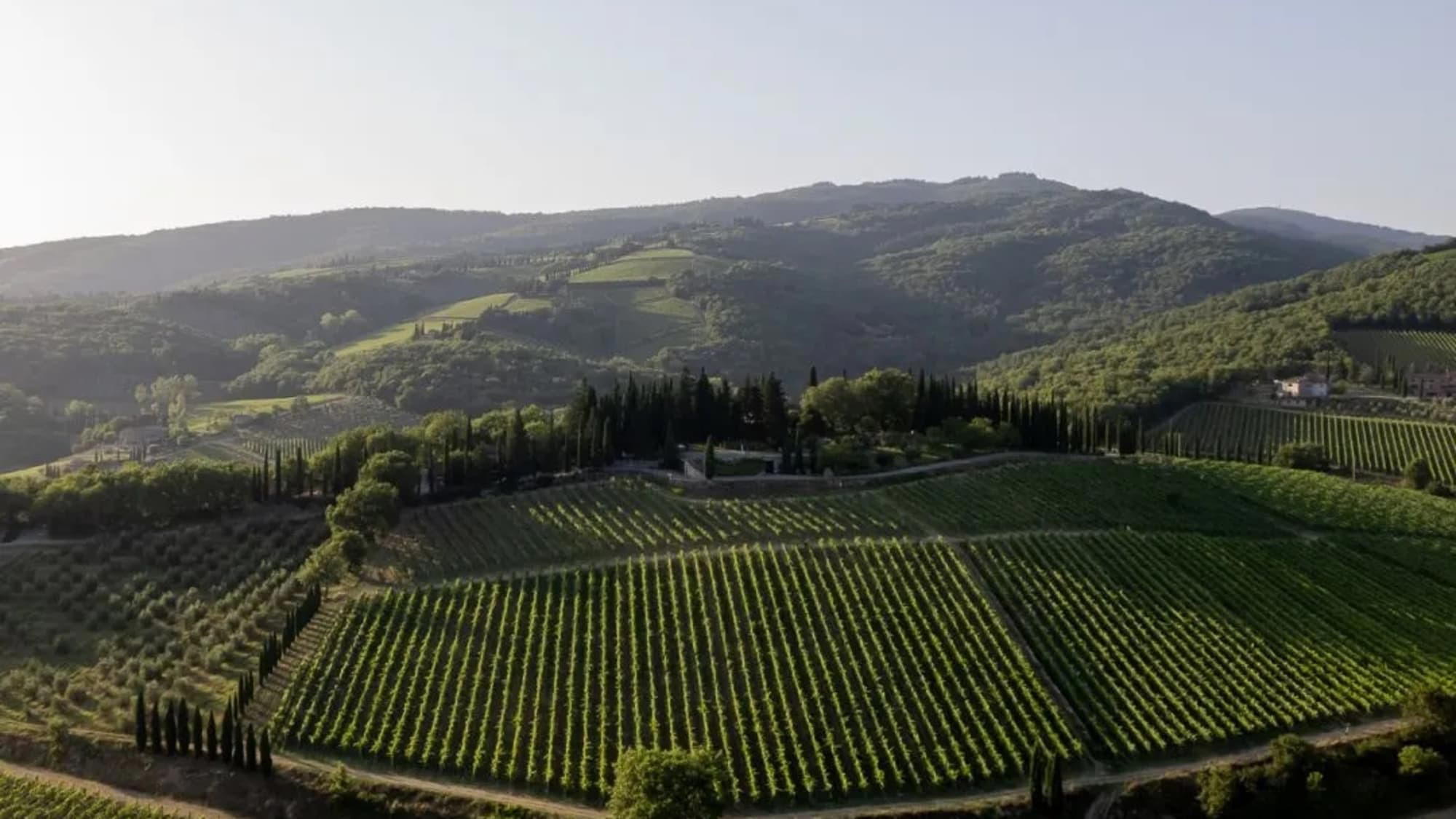
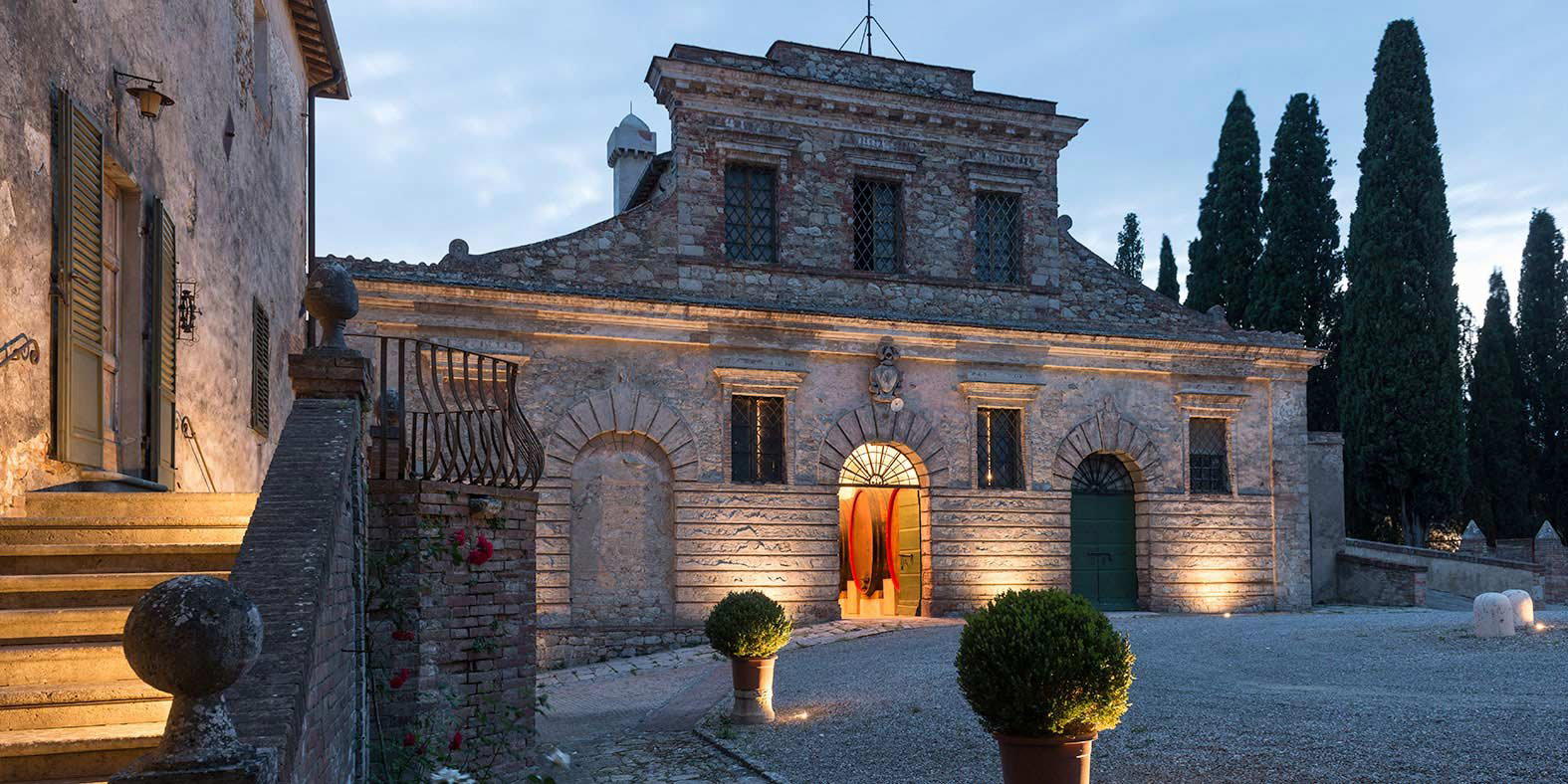
Refined but relaxed Tuscan estate atmosphere with warm lighting, rustic-elegant interiors, and scenic views over the estate’s gardens and vineyards, often highlighted in guest reviews for its beautiful setting and tranquil mood.