IKIGAI
Our verdict
IKIGAI occupies a quiet address in Copenhagen's Østerbro district, where the Japanese concept of purposeful living finds an unexpected home in one of Europe's most committed dining cities. Positioned at the intersection of Nordic discipline and Japanese culinary philosophy, the restaurant draws comparisons to Koan's kaiseki-influenced approach while carving its own measured path through the capital's dense fine-dining field.

Pearl is the En Primeur Club membership app — saves, bookings, and concierge access live there. Same editors, same standards.
- Address
- Rosenvængets Allé 7A, 2100 København, Denmark
- Phone
- +4521408840
- Hours
- Mon ClosedTue–Fri 7:30 AM–5 PMSat–Sun 10 AM–4:30 PM
- Website
- ikigaicph.dk
- Directions
- Get directions
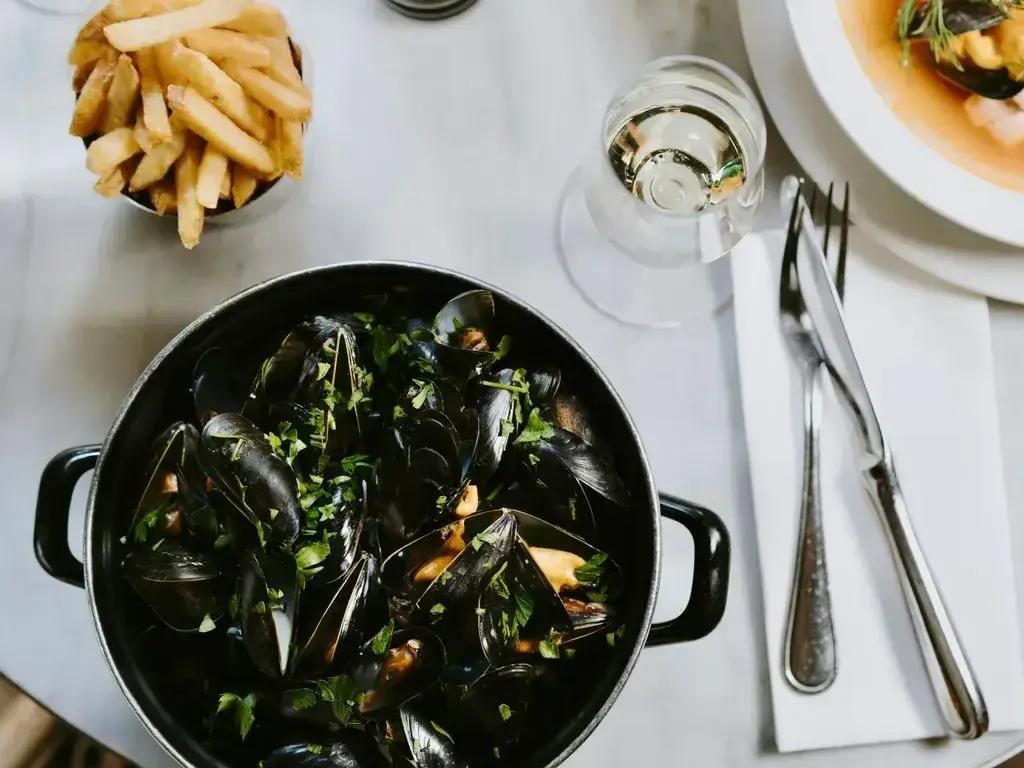
Where Ritual Meets the Nordic Table
Copenhagen has spent two decades building a dining identity so singular that outside influences often arrive filtered through a Nordic lens rather than transplanted wholesale. The city that gave the world Noma and Geranium has also quietly cultivated space for a different kind of precision: restaurants where the structure of the meal itself carries as much meaning as what arrives on the plate. IKIGAI, on Rosenvængets Allé in Østerbro, fits that second category. The address sits away from the central rush of Indre By, in a residential stretch where the pace changes noticeably before you reach the door. That geography is not incidental. The distance from the city's tourist corridors signals something about the intended relationship between the kitchen and its guests.
The Japanese concept of ikigai, loosely translated as the reason for getting up in the morning, describes the intersection of what you love, what you are good at, what the world needs, and what you can be paid for. As a name for a restaurant, it carries weight. It frames the act of eating not as transaction but as purpose, and it asks the guest to arrive with a corresponding seriousness. In that sense, IKIGAI belongs to a small but growing cohort of Copenhagen restaurants that treat the dining ritual itself as the primary subject, with ingredients and technique as the language rather than the headline.
The Architecture of the Meal
Across fine dining in Scandinavia, the multi-course tasting format has become so standard that the differentiating factor is increasingly how a kitchen manages pacing, transition, and silence. At the top end of Copenhagen's market, venues like Alchemist use theatrical interruption as punctuation. Kadeau uses seasonal narrative. Koan has built its identity explicitly around kaiseki sequencing, where each course occupies a distinct emotional register. IKIGAI's approach, rooted in Japanese dining philosophy, similarly treats the meal as a structured arc rather than an accumulation of dishes. The Japanese influence shows not only in technique but in the etiquette the experience seems to request: attentiveness, patience, a willingness to receive rather than consume.
This is not a passive experience. Japanese dining culture, at its most considered, involves the guest as much as the cook. The temperature at which something is served, the order in which components are addressed, the decision to eat certain things in a single bite: these are gestures of respect toward the person who prepared them. Copenhagen's broader fine-dining culture, shaped by Nordic minimalism, shares enough of that philosophy that the synthesis does not feel forced. Both traditions prize restraint over abundance, technique over decoration, and the quality of a single ingredient over the complexity of its preparation.
Østerbro and the City's Expanding Fine-Dining Geography
Copenhagen's restaurant density has long concentrated in Nørreport, Vesterbro, and the waterfront corridors. Østerbro has historically been the residential counterweight: quieter, greener, less freighted with the pressure to perform for an international audience. That character makes it a logical home for a restaurant whose philosophy is built around intention rather than spectacle. Several of Copenhagen's most focused smaller restaurants have moved into similar residential pockets in recent years, creating a secondary fine-dining geography that rewards guests willing to seek it out.
For visitors building a Copenhagen itinerary around serious eating, the practical implication is direct: IKIGAI's Østerbro location is accessible by metro and bicycle, and the neighbourhood's relative calm means the transition from street to table is part of the experience rather than a disruption of it. The Rosenvængets Allé address is within the 2100 postal district, roughly twenty minutes from the central station by public transport. Those also planning to visit Jordnær in Gentofte or building a wider Danish tour that includes Frederikshøj in Aarhus, Alimentum in Aalborg, or ARO in Odense will find the country's fine-dining scene surprisingly distributed beyond the capital.
Copenhagen's Japanese Dining Moment
The Japan-Nordic intersection is not new to Copenhagen. The city's ingredient-forward, technique-disciplined cooking culture has long drawn comparison to Japanese kaiseki traditions, and several chefs with Japanese training or sensibility have found Copenhagen a receptive environment. Koan holds Michelin recognition for its explicit kaiseki-Nordic synthesis. The conversation also reaches beyond Denmark: Atomix in New York City has demonstrated how Korean fine-dining ritual translates to a non-Korean urban audience, and Le Bernardin in New York City has long shown how a non-American culinary tradition can establish permanent authority in a competitive market. The pattern suggests that cities with sophisticated dining audiences are increasingly receptive to restaurants where the ritual structure of another culture's table becomes the organizing principle, provided the execution is serious enough to carry it.
For Copenhagen specifically, that receptivity is grounded in the city's existing comfort with meals that ask something of the guest. Visitors who have eaten at Geranium or Alchemist will arrive at IKIGAI with the right instincts. Those coming without that reference point may benefit from reading the meal as a sequence with internal logic rather than as individual plates to be evaluated in isolation. The broader Copenhagen restaurants guide offers useful orientation for placing IKIGAI within the city's current fine-dining tiers. Further afield, Danish options like LYST in Vejle, MOTA in Nykøbing Sjælland, Domæne in Herning, Dragsholm Slot Gourmet in Hørve, Frederiksminde in Præstø, and Henne Kirkeby Kro in Henne round out a national scene of genuine depth.
Know Before You Go
Address: Rosenvængets Allé 7A, 2100 København, Denmark
Neighbourhood: Østerbro, Copenhagen
Getting There: Østerbro is served by Copenhagen's metro and bus network; the 2100 district is approximately twenty minutes from the central station by public transport.
Timing: Evening sittings are standard for multi-course Japanese-influenced formats; arrive at your reservation time and allow three or more hours for the full sequence.
Frequently asked questions
What is IKIGAI known for?
IKIGAI is associated with a Japanese-influenced dining approach in Copenhagen's Østerbro district, where the structure and pacing of the meal carry as much weight as individual dishes. The name itself references the Japanese concept of purposeful living, and that philosophy appears to extend to how the experience is designed. In a city where Koan has established a kaiseki-Nordic precedent, IKIGAI occupies a comparable space for guests drawn to ritual-led fine dining.
Do I need a reservation for IKIGAI?
Given the nature of tasting-format restaurants in Copenhagen's competitive fine-dining market, advance booking is strongly advisable. Copenhagen's top-tier restaurants frequently book out weeks to months ahead, particularly during summer months when tourist volumes are highest. If price or award tier is a consideration, note that restaurants in this format and neighbourhood context generally fall within Copenhagen's premium bracket, comparable to peers operating in similar spaces across the city.
How does IKIGAI fit into Copenhagen's broader Japanese dining scene?
Copenhagen has developed a small but serious cluster of restaurants working at the intersection of Japanese and Nordic philosophy, with Koan being the most formally recognised. IKIGAI occupies an adjacent space, drawing on Japanese ritual structure within a city already accustomed to long, sequenced meals where the kitchen leads and the guest follows. For visitors exploring how Japanese culinary tradition has translated into European fine-dining contexts, the city offers a more concentrated version of that conversation than most Northern European capitals, making IKIGAI a relevant stop within that specific inquiry.
How IKIGAI Copenhagen compares with similar nearby venues.
| Venue | Cuisine | Price | Awards |
|---|---|---|---|
| IKIGAIThis venue — the venue you are viewing | Danish-Japanese Fusion | Not listed | Not listed |
| Østerberg Ice Cream | Ice Cream | $1–10 | Not listed |
| Arnfeldt | Modern French Farm-to-Table | $100–150 | Not listed |
| Brasserie Post | French Brasserie | $50–100 | Star Wine List |
| Hos Fischer | Authentic Roman Trattoria | $20–30 | Not listed |
| Livingstone | Danish-European Brunch & Tapas | $20–30 | Not listed |
Continue exploring
More in Copenhagen
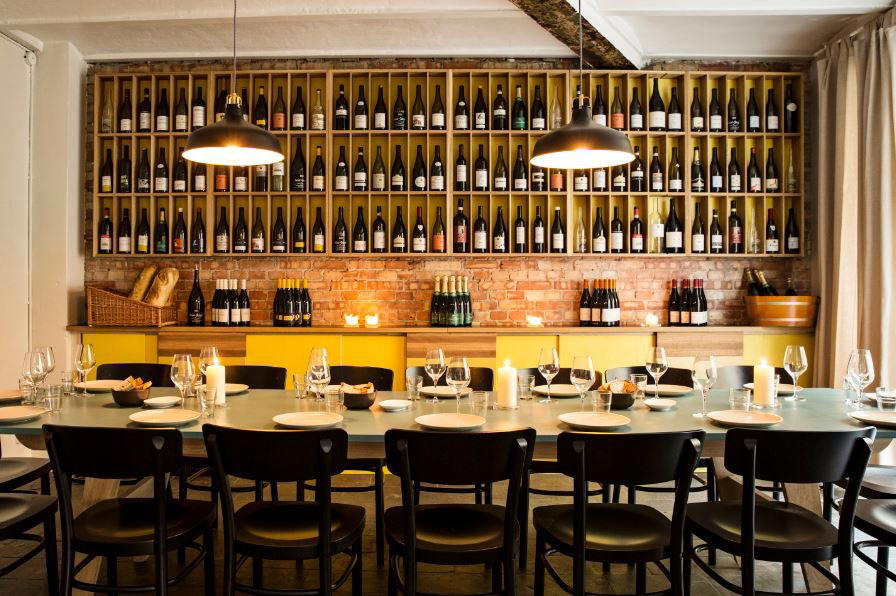
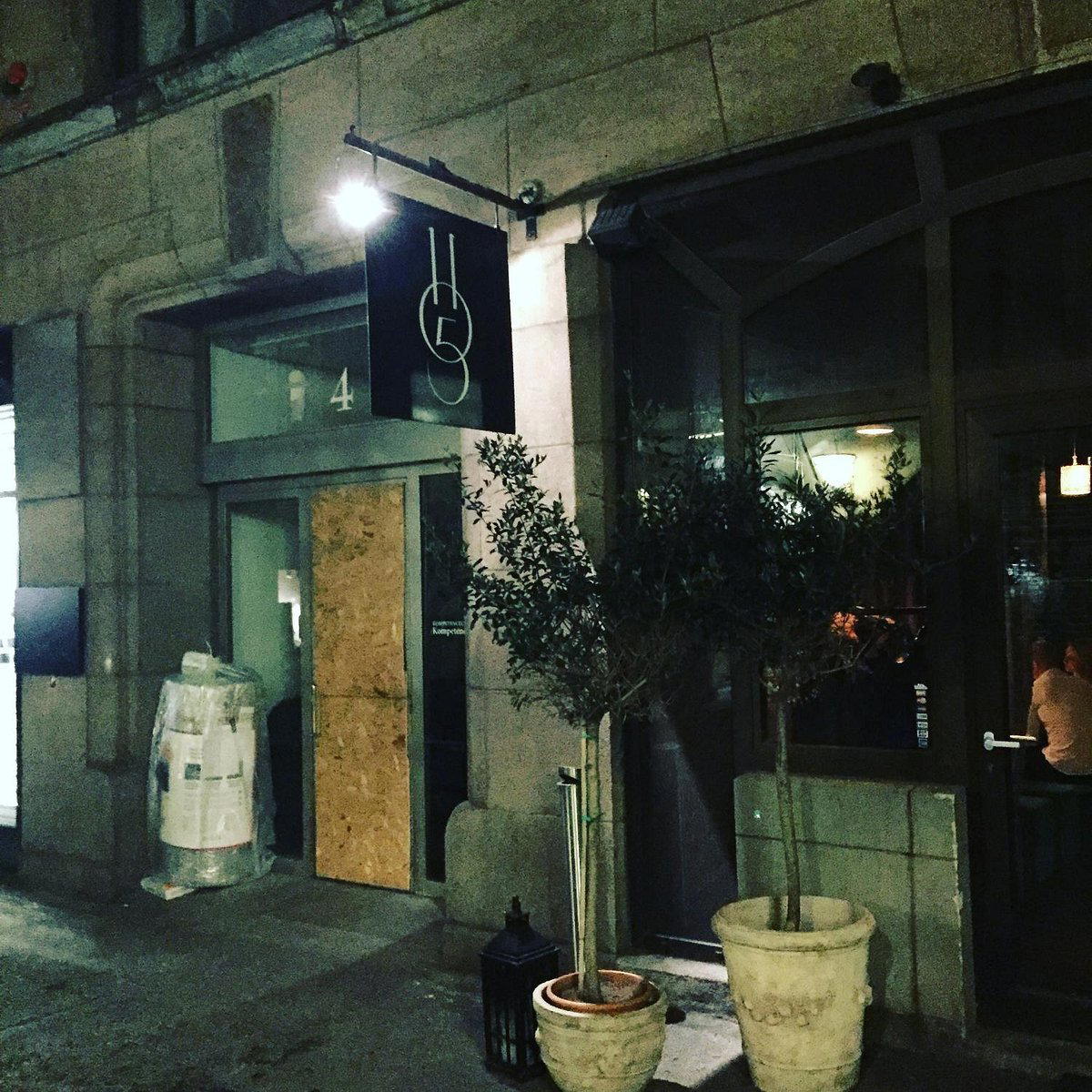
Restaurants in Copenhagen
Browse all →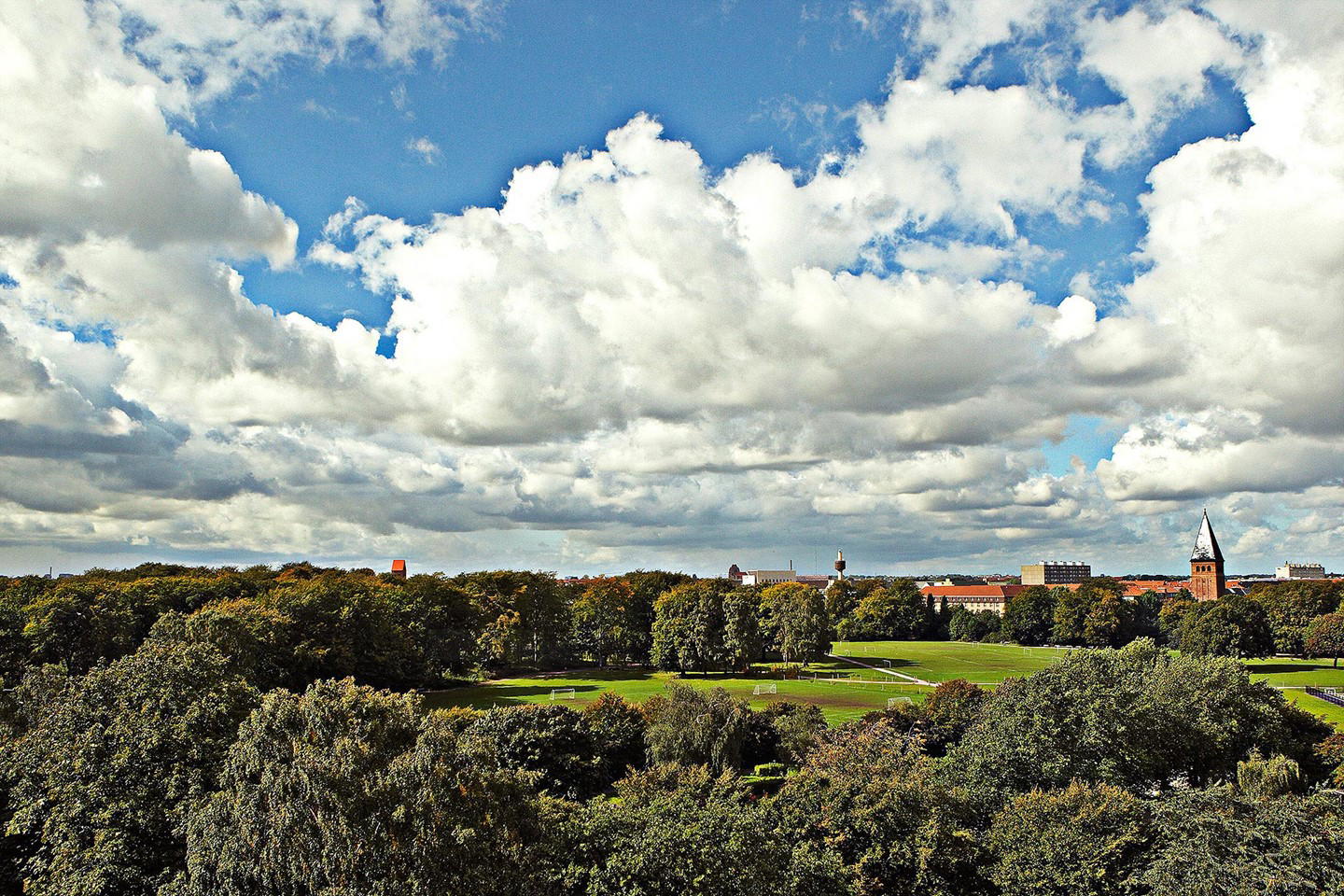
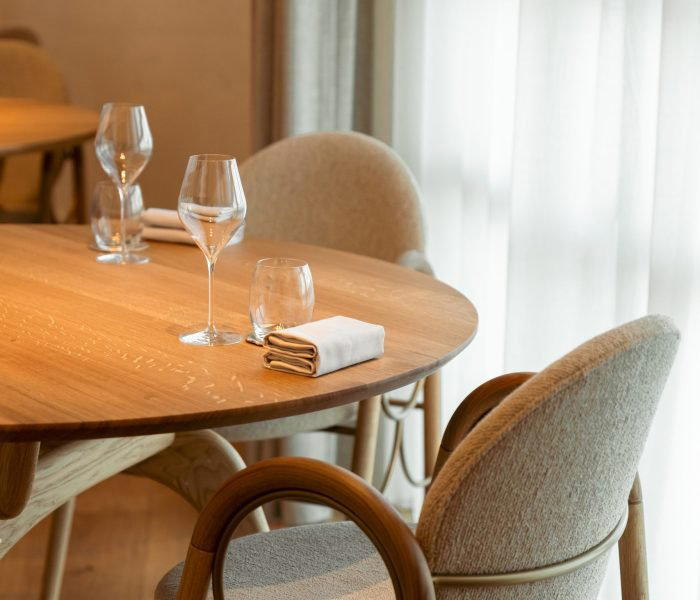
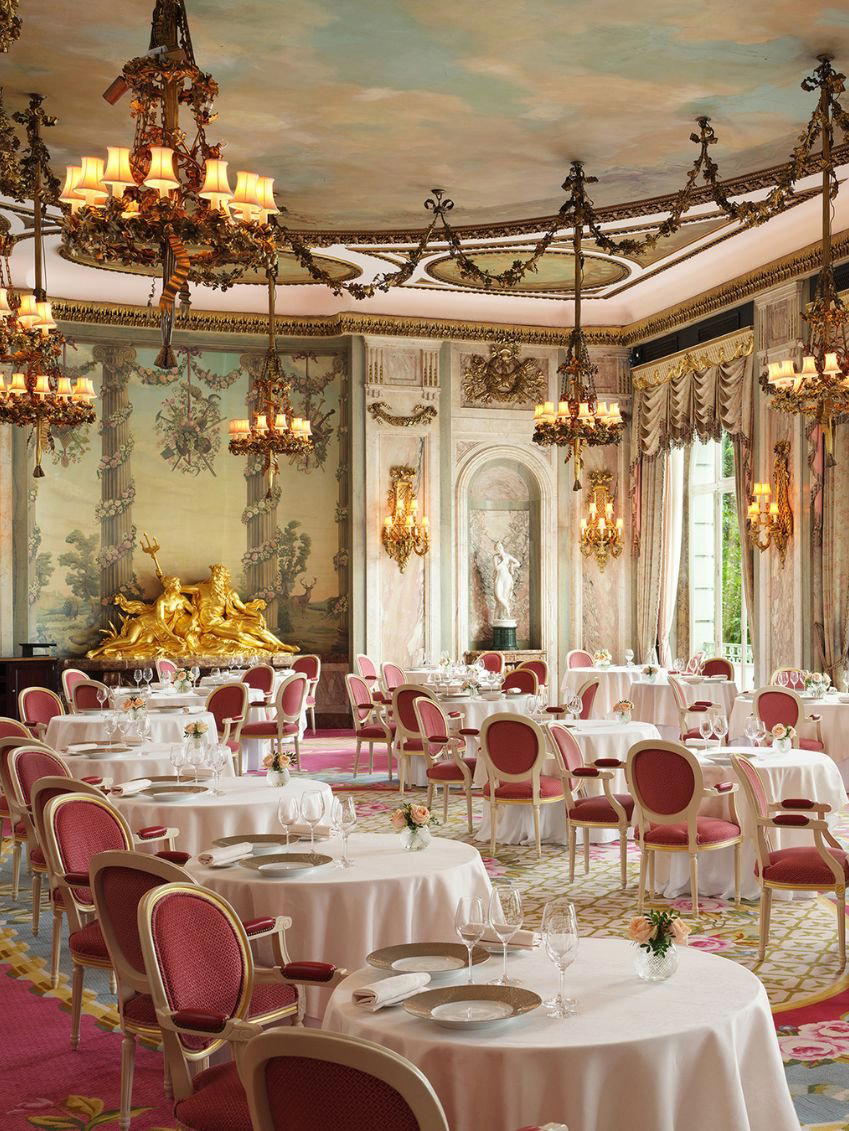
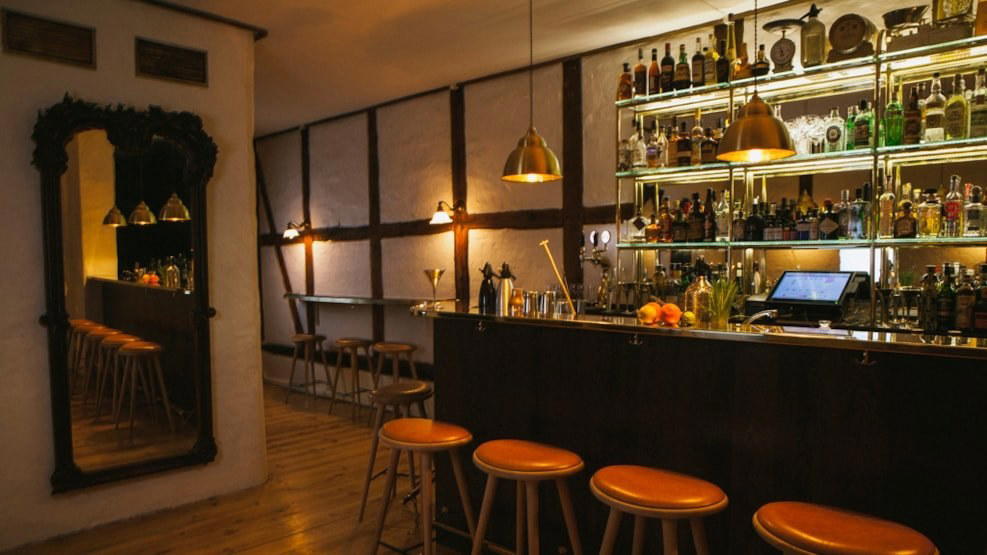
Bars in Copenhagen
Browse all →
Hotels in Copenhagen
Browse all →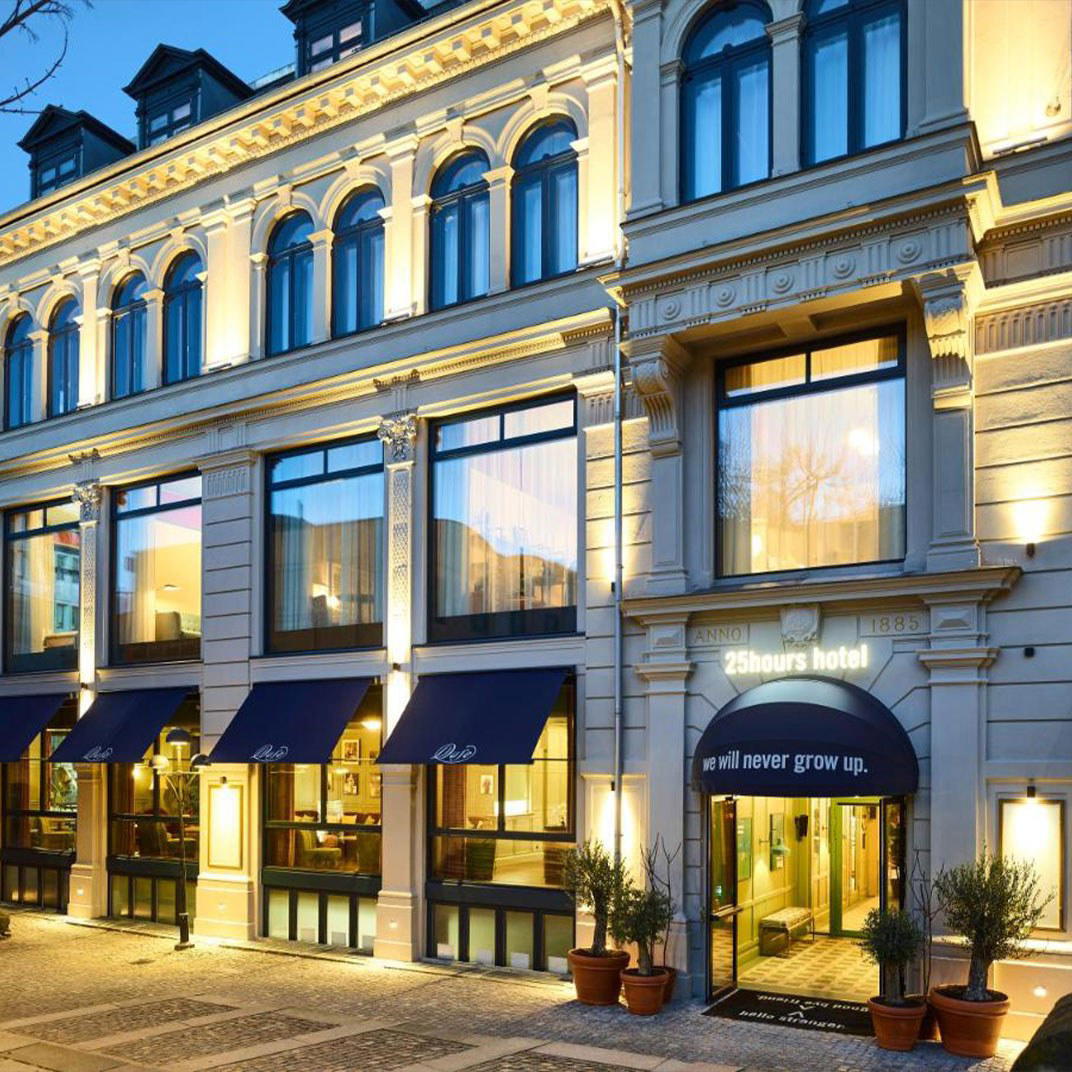

Details
- Cozy
- Modern
- Casual Hangout
- A La Carte
Current opening hours
- Monday
- Closed
- Tuesday
- 7:30 AM–5 PM
- Wednesday
- 7:30 AM–5 PM
- Thursday
- 7:30 AM–5 PM
- Friday
- 7:30 AM–5 PM
- Saturday
- 10 AM–4:30 PM
- Sunday
- 10 AM–4:30 PM
Hours can change for holidays and private events. Last verified .
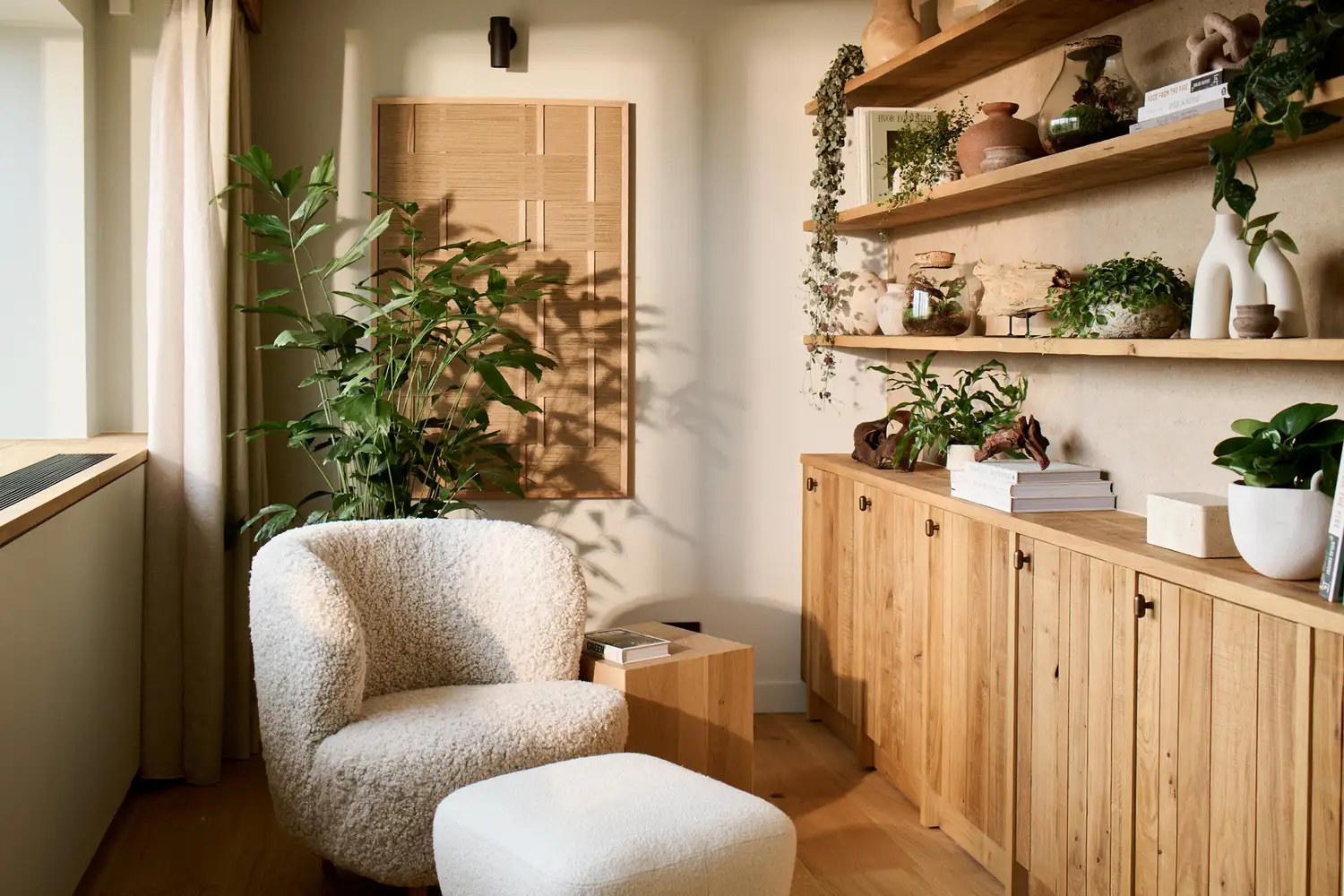
Cozy atmosphere with inviting and warm service.